
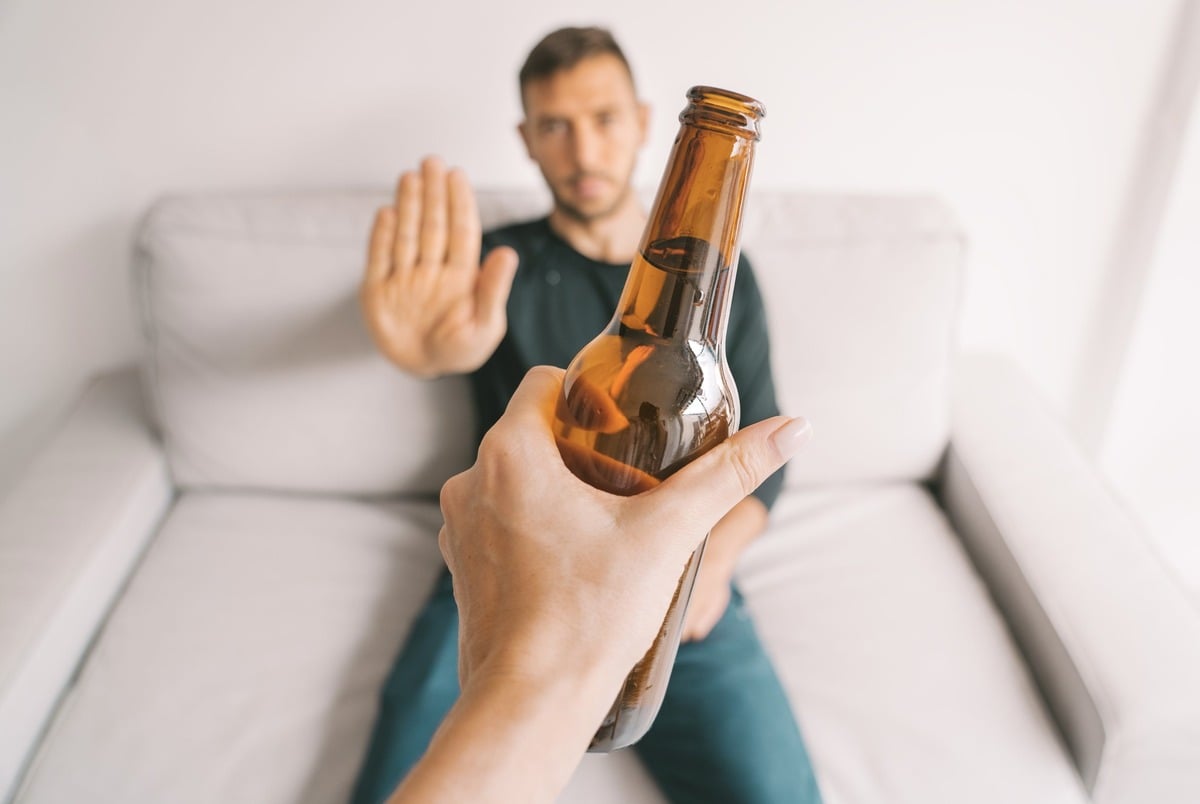
In Indian culture, gatherings, milestones, and celebrations have long been marked by the presence of alcohol—think weddings, festivals, and Saturday night get-togethers. Traditionally, sharing a drink has symbolized warmth, hospitality, and unity, reflecting a mix of modern influence and deep-rooted customs. But pause and look around: the energy at many recent parties feels noticeably different. Bottles aren’t popping as freely, and mocktail menus are getting almost as much attention as the bar. Have you noticed this change? You’re not imagining things. A remarkable shift is underway, driven by Generation Z—those born between the late 1990s and early 2010s. This young, vibrant group is making new choices about what’s in their glass. Far from just a local curiosity, this change mirrors a broader global movement: according to a 2022 Deloitte survey, Gen Zers internationally are twice as likely to abstain from alcohol compared to Millennials at the same age. India’s Gen Z is embracing this sober-minded trend too, blending modern wellness philosophies, scientific awareness, and conscious living values. Get ready to explore the top reasons behind this cultural transformation—and, through the lens of Claudia’s Concept, discover the evidence-based benefits that come with making more mindful choices about alcohol.
Three Reasons Why Gen Z Is Drinking Less Alcohol – Reason 1: Changing Social Norms Among Gen Z
Redefining What It Means to Socialise: From Cheers to Connection
Scroll through any Gen Z-centric corner of social media, and a clear shift becomes visible: social experiences are no longer synonymous with raising a glass. Traditional gatherings, especially in India, often revolved around alcohol as an unspoken ingredient for fun and bonding. Now, a wave of change is sweeping urban centres from Mumbai to Bangalore, where young adults are actively reimagining what celebrations look like, placing authentic connections over cocktails.
The Rise of the Sober Curiosity Movement
Have you noticed the #SoberCurious hashtag trending on Instagram? This isn’t coincidence—it’s a movement. “Sober curiosity” encourages individuals to question the role alcohol plays in their lives and experiment with alcohol-free living, or at least mindful consumption. In Indian cities, sober social events such as alcohol-free pop-up parties and mocktail mixers are gaining rapid popularity. According to a 2023 survey by YouGov, nearly 40% of urban Indians between ages 18 and 24 reported making a conscious effort to reduce their alcohol intake, citing lifestyle preferences and health considerations.
At Claudia’s Concept, I am seeing more clients eager to explore their social lives without alcohol. This enthusiasm translates to social calendars filled with wellness events, game nights, and creative workshops—environments that foster genuine interaction and self-expression without the pressure to drink.
Peer Influence and Community Support: Strength in Numbers
When one person in a friend group opts for a sober night, the ripple effect is real. Gen Z’s openness to discuss personal choices on group chats or social platforms fuels a sense of belonging among like-minded peers. Think about how community-driven initiatives like “No Booze Week” circulate on WhatsApp or Instagram Stories, creating a momentum that’s hard to ignore.
Groups of alcohol-free friends form naturally, and their encouragement solidifies new habits. Social media further amplifies this by sharing experiences, hosting live conversations on topics like managing peer pressure, and celebrating milestones—without a toast of alcohol. Recent data from the Global Drug Survey 2022 shows that over 33% of Gen Z respondents worldwide had participated in alcohol-free challenges with friends in the last 12 months, underscoring how digital and real-world support go hand in hand.
Ultimately, these new social norms are more than a trend. They represent a deliberate cultural transformation. If you’re curious about how to integrate vibrant, alcohol-free experiences into your lifestyle, explore the resources and guidance at Claudia’s Concept—your journey starts with choosing to connect over cocktails.
Greater Focus on Health and Wellness: Why Gen Z is Rethinking Alcohol
Health and Wellness Trends Among Gen Z
Step into any Gen Z gathering, virtual or real, and the buzz is about fitness, mindfulness, and wholesome living. Consistently, surveys such as the 2022 Deloitte Global Gen Z and Millennial Survey have shown that over 50% of Gen Zs in India have actively reduced their intake of sugary drinks and junk foods. Alcohol naturally falls under similar scrutiny. At Claudia’s Concept, I am constantly approached by young individuals eager to optimise their eating and drinking choices for a stronger, healthier body. For them, catching up after a run, yoga session, or cycling trip seems more appealing than late nights at the bar.
- Rising physical health concerns: Data published in The Lancet Regional Health (2021) reveals that Indian Gen Z’s top health priorities include maintaining a healthy BMI, building muscle, and improving cardiovascular health. Alcohol, as a known contributor to weight gain, disrupted sleep, and increased risk of chronic disease, directly conflicts with these goals. By avoiding alcohol, Gen Z achieves quicker recovery post-exercise, improved hydration, and better skin health.
- Fitness as culture: Fitness influencers and challenge-based workouts dominate Instagram and YouTube. Generation Z loves measurable progress, smartwatches, step trackers, and competing in virtual fitness leagues. Alcohol impairs athletic performance—studies in the Journal of Strength and Conditioning Research confirm that consuming even moderate amounts of alcohol post-exercise reduces muscle protein synthesis by up to 37% within hours.
- Information access shapes attitudes: With accurate, easily available health guidance just a tap away, Gen Z students and professionals don’t rely on hearsay. Trusted resources like PubMed, WHO guidelines, and science-backed approaches championed by wellness experts (including those at Claudia’s Concept) directly influence daily habits. The clear association between alcohol and elevated cancer risk, as affirmed by the International Agency for Research on Cancer, is prompting conscious behaviour change.
Mental Health: Creating an Open Dialogue
Honest conversations about mental well-being signal a generational shift. Gen Z folks openly discuss anxiety, stress management, and emotional resilience. According to the Indian Journal of Psychiatry (2023), this generation is not afraid to seek professional support, or to share coping strategies in peer networks. Alcohol, popularly misused as a “stress buster” for decades, no longer fits the narrative.
- Understanding alcohol’s mental health impact: Research from the National Institute on Drug Abuse shows that regular alcohol consumption disrupts neurotransmitters, aggravating symptoms of depression and anxiety. Gen Z recognises that skipping the drink means experiencing greater mental clarity, steadier moods, and better focus during studies or at work.
- Choosing positive experiences: Young people today are picking up hobbies such as art, hiking, gaming, and volunteering—activities clinically proven to lower stress and build social support, as noted in the journal Frontiers in Psychology. The trend is clear: Indian Gen Zs are redefining fun through experiences that don’t require alcohol.
Rise of Alcohol-Free Alternatives
You may have spotted “zero-proof” menus in cafés, or noticed the proliferation of non-alcoholic craft beverages across Indian supermarkets. The market is responding fast. Local start-ups and established beverage brands alike are launching gluten-free, herbal-infused, and probiotic-enriched drinks—providing Gen Z with sophisticated options for social occasions.
- The India Non-Alcoholic Beverages Market Report (2023) documented a 24% year-on-year increase in low- and zero-alcohol beverage consumption among 18-24 year-olds.
- Mocktail workshops, kombucha therapy, and health-oriented “sip & paint” events attract crowds eager to socialise—without the side effects of alcohol.
Here at Claudia’s Concept, I always encourage curious clients to try these alcohol-free alternatives during gatherings or dinner parties. They support the desire for flavour, fun, and togetherness—minus the toxins and hangovers.
Reason 3: Economic Consciousness and the Impact of COVID-19
Economic Considerations and Smart Consumerism
Gen Z in India approaches spending with a precise and thoughtful mindset. Alcohol, once automatically included in social gatherings, now finds itself scrutinized as a luxury rather than a necessity. Nielsen India reported in 2023 that 61% of Gen Z surveyed considered alcohol and club outings as “non-essential” expenses, cutting them out when budgeting for lifestyle choices. Instead of chasing fleeting pleasures, more young adults seek value and meaningful impact for every rupee spent. Many prioritize travel, skill-building, and wellness experiences, echoing the values at Claudia’s Concept where informed, conscious choices are encouraged to maximize both health and happiness.
Impact of COVID-19 on Drinking Habits
The COVID-19 pandemic reshaped the way Gen Z interacts and relaxes. During lockdowns, 47% of urban Indian Gen Z respondents (Mintel, 2022) reported reducing or entirely eliminating alcohol from their routines. Social restrictions prompted a shift: group video calls replaced pub-hopping, and inventive non-alcoholic drinks gained popularity in home-based celebrations. The enforced break from the old nightlife introduced many to activities like virtual game nights, home workouts, and creative hobbies. People realized they could have a rich social life without alcohol. With these habits in place, a significant portion of Gen Z has maintained these alcohol-light routines even after restrictions eased. Reflect for a moment—how have your own social preferences changed since 2020?
Legal and Regulatory Changes
Legal regulations have also played a significant role. State governments across India increased excise duties on alcohol by an average of 20% from 2019 to 2022 (Indian Council for Research on International Economic Relations). Enforcements on age restrictions and high-profile responsible drinking campaigns prompted by health authorities made repeated headlines, ensuring that underage drinking became increasingly difficult to engage in. This regulatory pressure, paired with an evolving societal attitude, reinforced the rationale for young people to seek alternatives. At Claudia’s Concept, these changes are welcomed, as the holistic approach always involves aligning personal habits with changing social, legal, and economic realities.
- Gen Z’s economic caution nudges them toward spending on lasting, personal growth experiences over short-term indulgences.
- Pandemic-induced solitude gave rise to creativity and reflection, helping many reduce or rethink their drinking habits.
- Government interventions raised barriers and encouraged alternative forms of celebration—further cementing this shift.
How Social Media is Powerfully Steering Gen Z Towards Less Alcohol
Shaping Trends and Spreading Awareness: The Digital Revolution
Neither bar conversations nor family gatherings hold quite as much sway over Gen Z’s choices as social media platforms do. Every time you scroll through Instagram, flip through trending reels on YouTube, or open SnackVideo, you’re immersed in an energetic, fast-evolving digital world. Hashtags like #SoberCurious and #AlcoholFreeChallenge gain momentum because digital spaces shape perceptions and spark real change. The digital landscape gives real-time feedback about new ideas and lifestyles—especially when it comes to rethinking our alcohol habits.
According to data from the Pew Research Center (2023), over 94% of Gen Z in India uses social media daily, and health-oriented content has surged by over 60% in the last two years. When these messages go viral, they invite everyone—regardless of background—to question outdated norms and try something new. One of the simplest ways to see this shift is to browse through Claudia’s Concept Instagram stories, where challenges, inspiring stories, and scientific facts are shared in engaging formats.
How Gen Z Shares, Discusses, and Motivates Each Other With Healthier Choices
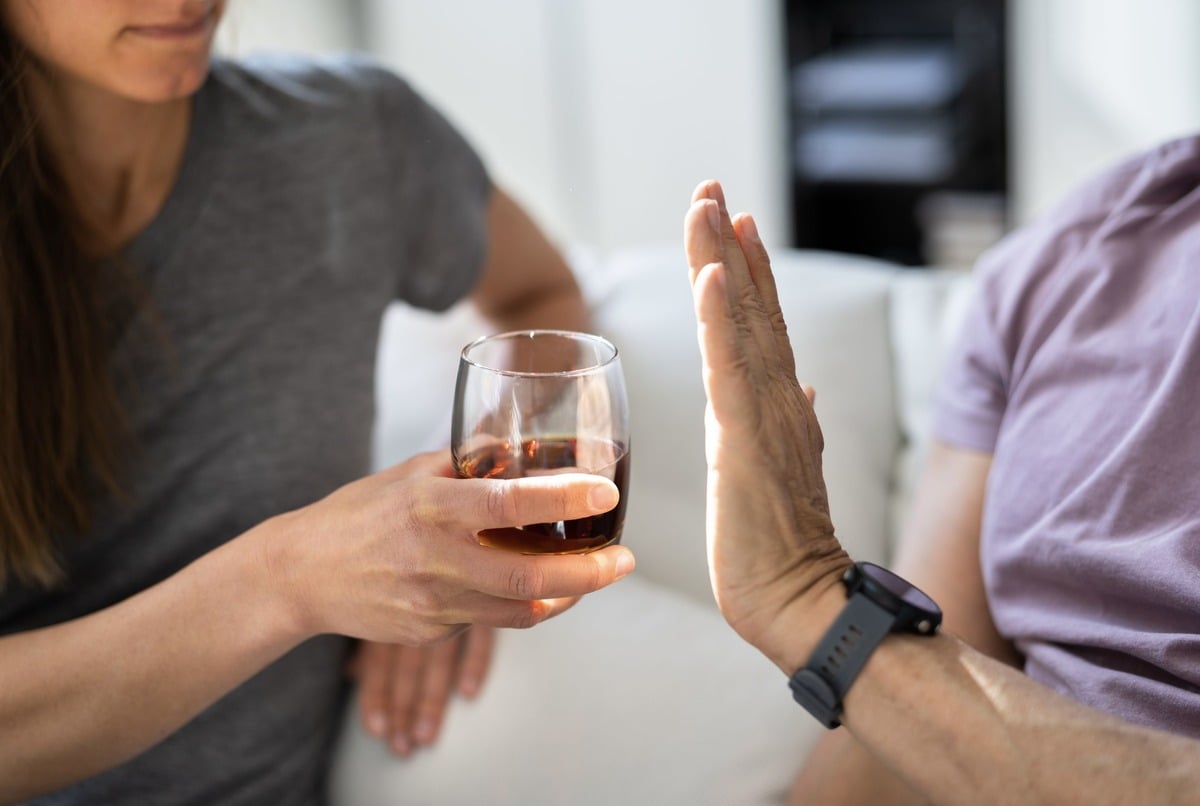
Gen Z’s alcohol-free movement is built on authenticity, connection, and sharing small victories. On platforms like Instagram, individuals don’t just post photos of what they’re drinking; they open up about why they’re opting for zero-proof. They start group chats to encourage accountability, organize digital “mocktail hour” events, and actively seek out alcohol-free bars recommended by their peers.
- WhatsApp study groups share healthy recipes and fact-checked insights drawn from trusted nutritionists, including myself at Claudia’s Concept.
- Discussion threads on Twitter frequently highlight documented risks of alcohol consumption, referencing research from the Lancet Global Health (2019), which states that reducing alcohol intake directly improves cognitive focus and emotional well-being.
- Interactive polls and Q&A stickers make it easy for followers to ask questions about alcohol, receive tailored advice, and get immediate social feedback.
This ripple effect empowers teens and young adults to make bold, independent choices while feeling part of a larger, supportive tribe.
Influence of Digital Creators Promoting Alcohol-Free Lifestyles
Content creators are leveraging the accessibility of social media to normalize sober lifestyles. Nutrition experts, fitness coaches, and relatable micro-influencers consistently highlight the proven benefits of avoidance, from better sleep to healthier skin.
When I share client success stories or nutrition tips on Claudia’s Concept, my aim is to inspire and educate by grounding each recommendation in evidence. Influencers across India reference clinical studies, such as the All India Institute of Medical Sciences (AIIMS) 2022 Report, which documents a consistent drop in alcohol consumption in communities where influencers advocate for non-alcoholic alternatives and offer practical substitution strategies.
Monthly online challenges engage thousands—sometimes tens of thousands—of Gen Z followers in competitions like “Sober September.” The public nature of these challenges transforms a personal health choice into a collective movement.
The next time you unlock your phone or refresh your feed, notice how many stories, comments, and reels are rewriting our approach to how alcohol fits—or doesn’t fit—into daily life.
Benefits of Drinking Less Alcohol: What Gen Z is Gaining
Health Benefits
Choosing to drink less alcohol has become a conscious decision for many in Gen Z, leading to remarkable changes in overall wellbeing. When we talk about physical health, numerous studies draw a direct connection between reduced alcohol intake and stronger immune responses, better sleep patterns, and healthier body composition. For example, a comprehensive review published in The Lancet concluded that even moderate alcohol consumption can increase the risk of over 60 different diseases—including various cancers, liver disorders, and heart conditions. By reducing alcohol, young people are actively lowering these risks.
As a celebrity nutritionist and founder of Claudia’s Concept, I see a substantial rise in energy, clearer skin, and improved digestion in individuals who limit their alcohol. It’s not just the physical parameters that change. Recent research from the University of Sussex found that after just one month of no alcohol, 54% of participants reported better sleep and 70% noted increased general health. These are not vague promises—these are measurable transformations observed within weeks of making the switch.
Emotional and mental health improvements are equally profound. Lower alcohol consumption is closely tied to fewer mood swings, reduced anxiety, and sharper cognitive function. Gen Z, prioritising self-care and wellness, is experiencing less next-day regret, more emotional stability, and greater productivity.
Social Benefits
The newer social landscape makes space for genuine human connections. By shifting away from alcohol-centric gatherings, Gen Z is crafting new ways to interact, focusing on authenticity over intoxication. How does this happen? Shared activities like hiking, art workshops, or cooking classes replaced bar crawls and late-night parties, leading to more memorable experiences and deeper relationships. Conversations remain authentic and bonds strengthen, as reported by a 2023 Global Drug Survey which found that 40% of young people drinking less did so to pursue more meaningful connections.
Ever noticed how much more present you feel when you’re not distracted by the effects of alcohol? Stories, laughter, and moments become crystal clear. At Claudia’s Concept, we encourage our clients to explore new experiences with friends and family—mocktail nights, cultural outings, wellness retreats—because these activities create stronger, more lasting memories.
Economic Benefits
With alcohol prices rising, reducing consumption has a tangible financial impact. Data from the Reserve Bank of India highlights that the average urban household spends nearly 2,500 INR per month on alcoholic beverages. Cutting back would save Gen Z thousands of rupees annually—money that could be directed towards skill-building, travel, or investing in personal growth.
Intentional spending becomes the norm when alcohol expenses drop. Instead of weeknight bar bills, Gen Z enjoys quality dining, vibrant hobbies, or concert tickets that generate true joy and value. Every rupee saved on alcohol isn’t just stored away—it builds towards aspirations and experiences that resonate long after the night is over. Isn’t it empowering to redirect your finances towards dreams and passions? This is the kind of mindful living we nurture at Claudia’s Concept.
The Rise of Sober Socialising: Gen Z Leads a Lasting Change
Across India, Gen Z is confidently breaking the mold, ushering in a new era where alcohol is no longer the centrepiece of every gathering. Socialising now reflects vibrant creativity: from art nights and themed brunches to fitness meet-ups and kombucha bars, this generation transforms get-togethers into unique, memorable experiences. Such shifts stand as proof that young adults value connections, not just cocktails.
As a nutritionist, I see first-hand how embracing sober curiosity is a conscious reflection of a wellness-focused mindset. Gen Z genuinely prioritises feeling energetic, mentally sharp, and full of vitality. Current data confirms this change is more than a passing phase: A 2023 survey by Mintel found that 41% of Indian Gen Z respondents actively choose alcohol-free options at social events, a sharp contrast to trends seen among previous generations. The movement is not confined to big cities—across tier II and III towns, I observe young adults curating gatherings around shared interests that build stronger bonds, without the need for alcohol as social glue.
This empowered consumer mindset becomes evident in choices that seamlessly blend fun and wellness. By opting out of excessive drinking, Gen Z members confidently reduce their health risks, save money, and pursue richer, more meaningful social experiences. The rapidly growing popularity of zero-proof drinks and alternative beverages offers them a broader palette of tastes while supporting balanced living. At Claudia’s Concept, I encourage clients to explore this new paradigm, where celebrating milestones and creating memories don’t hinge on alcohol. Instead, they focus on nurturing mind and body, ensuring each moment is enjoyed to the fullest.
Have you noticed how creative gatherings are evolving among your friends or on social media? Next time you plan an event, challenge yourself: How can the experience be both enjoyable and alcohol-free? These questions fuel innovation and set Gen Z apart as true trendsetters, blazing a trail towards a healthier, happier India.
Ready to Redefine Your Social Experiences? Join the Gen Z Trend!
India is buzzing with a fresh movement. Gen Z consumers are actively reshaping the way alcohol fits—or doesn’t fit—into social life. Have you tried crafting alcohol-free experiences? Maybe a mindful gathering, trend-forward mocktail party, or simply enjoying a wellness-focused social evening? When you consciously choose less alcohol, you step into an empowering trend that prioritizes health, clarity, and connection without sacrificing enjoyment.
Share your journey! I want to hear how you’re rethinking drinking: Are you gravitating toward traditional norms, or are you embracing this exciting shift in social behavior? What personal benefits have you felt since making a change? Your insight matters, and your story could inspire others navigating similar choices!
- Reflect on your most memorable alcohol-free experience. What made it meaningful?
- Have you noticed changes in your mental or physical well-being since consuming less alcohol?
- Which social settings challenge or support your decision to cut back? Share your tips below.
Come be part of this vibrant conversation. Scroll down and comment on how Gen Z is transforming India’s social scene—debate traditional versus emerging norms, swap experience-crafting ideas, and ignite a new era of mindful drinking. At Claudia’s Concept, we celebrate every step towards better health and authentic connections. Let’s make conscious choices and spark real change together!