
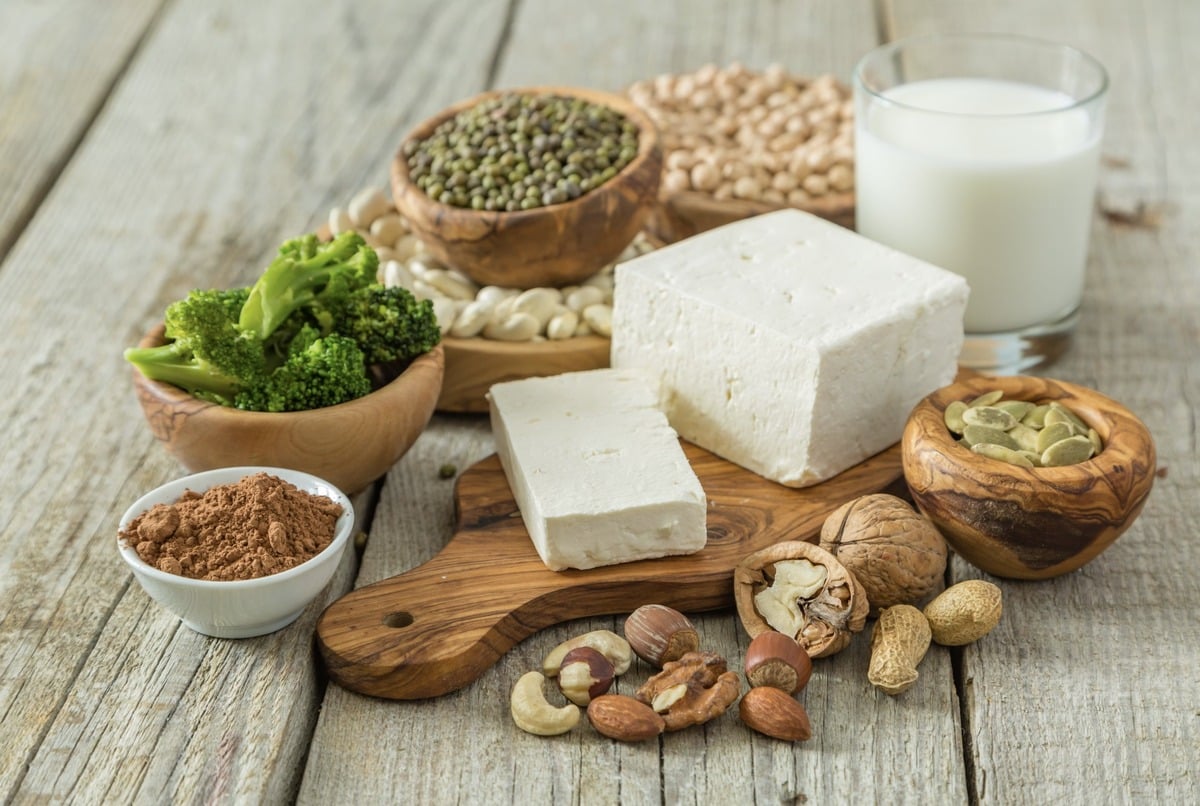
Protein fuels every cell in our bodies, rebuilding tissues, supporting muscles, and keeping energy levels steady throughout your day. As a passionate nutritionist, I often hear from vegans and vegetarians who wonder how to maximise their protein intake while sticking to their plant-based lifestyle. The great news? Achieving optimal protein levels through vegetarian foods is not only entirely possible; it’s incredibly delicious and varied. In a well-structured plant-based diet, foods such as lentils, chickpeas, soy products, grains, seeds, and certain vegetables provide all the essential amino acids your body needs. Thanks to years of nutritional science, we know that strategically combining plant-based protein sources creates a spectrum of complete proteins—empowering you to thrive without animal products. Have you ever been curious about the real stars among vegan and vegetarian foods when it comes to protein? Or wondered which combinations pack the biggest punch for muscle repair and growth? At Claudia’s Concept, I guide you to make choices that promote vitality, energy, and sustainable wellness—all through plant-based eating. Ready to discover the top ten protein-packed foods that will have you loving every single bite? Let’s explore these plant-based options and learn how to build a vibrant, balanced diet, rooted in science and bursting with flavour!
Why Protein Truly Matters in a Vegetarian or Vegan Diet
The Vital Role of Protein in Your Body
Every cell in your body relies on protein. Imagine your muscles, skin, hair, and even your immune system working seamlessly—protein powers this entire network. Without adequate protein intake, the body cannot repair tissues, build muscle, synthesize hormones, or create enzymes. Scientific research published in the American Journal of Clinical Nutrition confirms that protein supports bone health, enhances metabolic function, and maintains healthy skin and hair. Have you experienced a lack of energy or slow recovery after exercise? That’s often your body signaling that it needs more protein.
Busting Myths: Plant Protein is Just as Powerful
You may have heard people claim that only animal protein can meet human needs. Let’s set the story straight. Multiple peer-reviewed studies, including those by the World Health Organization, highlight that plant-based protein provides all essential amino acids when a varied diet is followed. For instance, pairing lentils with whole grains supplies complete protein, debunking the myth that you need meat for a full amino acid profile. I regularly see clients thriving on well-balanced plant-based regimens at Claudia’s Concept, and research firmly backs these real-world transformations.
Protein Deficiency: Understanding the Risks and How to Prevent Them
Protein deficiency can feel subtle at first—perhaps you notice muscle loss, fatigue, or thinning hair. Left unaddressed, it may evolve into compromised immunity and stunted growth in children. According to the Food and Agriculture Organization (FAO), about 6% of Indian adults are at risk of protein deficiency, especially among vegetarians who don’t plan meals mindfully. The solution lies in knowledge and smart choices. Diversifying your plate with legumes, seeds, whole grains, and soy ensures robust protein intake, making deficiency entirely preventable. At Claudia’s Concept, I guide individuals to identify protein gaps and incorporate delicious, plant-powered options that fuel longevity and energy.
- Did you know that just one cup of cooked lentils packs 18 grams of protein, almost a third of what the average adult needs in a day?
- Combining rice and beans, chickpeas and wheat, or tofu and quinoa delivers a complete set of essential amino acids—nature’s way of supporting your vitality.
- Protein also aids in maintaining muscle mass during weight loss, a benefit documented by clinical trials in The Journal of Nutrition.
When you embrace a plant-based way of eating with strategic protein planning, vibrant health follows. Have you thought about new ways to boost your own protein intake? Experimenting with these balanced combinations can put you on the path to peak wellness.
Plant-Based Protein Powerhouses: An Overview
Picture this: a vibrant plate, brimming with color and nutrition, all powered by plant-based sources. When exploring a vegan or vegetarian diet, protein doesn’t have to be a challenge—in fact, it becomes an exciting opportunity to diversify your food choices and reap greater benefits than just protein alone.
The Best Plant-Based Protein Foundations
Legumes, lentils, whole grains, nuts, seeds, soy, and protein-rich vegetables each play a unique role in supporting your nutritional needs. Instead of focusing solely on one food group, the true strength of a vegan or vegetarian diet comes from combining a variety of plant-based foods.
- Legumes and Lentils: Chickpeas, black beans, mung beans, and red lentils can deliver 7–9 grams of protein per half-cup cooked serving, along with iron, zinc, and essential B vitamins.
- Whole Grains: Quinoa, farro, millet, and brown rice are not only protein sources—quinoa stands out with about 8 grams of protein per cup cooked, and boasts all nine essential amino acids, qualifying it as a complete protein.
- Nuts and Seeds: Almonds, pumpkin seeds, chia, and hemp seeds provide 6–10 grams of protein per quarter-cup serving. Hemp seeds deliver the added benefit of omega-3 fatty acids.
- Soy Products: Tofu, tempeh, edamame, and soy milk are nutrition superstars, with firm tofu offering nearly 10 grams of protein per 100-gram serving, and tempeh clocking in at an impressive 19 grams.
- Vegetables and Mock Meats: Even leafy greens contribute—100 grams of cooked spinach provide 3 grams of protein. Meat alternatives can offer upwards of 15 grams of protein per serving.
Beyond Protein: The Added Perks of Plant-Based Eating
Choosing a plant-based diet brings more than just protein into your daily meals. Along with high-quality protein, every serving delivers fiber, vitamins, and minerals that animal-based foods often lack. For instance, soluble fiber in lentils and black beans supports steady energy levels and gut health, while magnesium, potassium, and antioxidants from nuts and seeds help lower markers of inflammation.
Studies published in journals such as The American Journal of Clinical Nutrition confirm that individuals following a well-planned vegan diet experience lower cholesterol, reduced risk of heart disease, and improved weight control—thanks largely to the combined benefits of plant protein, fiber, and micronutrients.
With Claudia’s Concept, making smart plant-based choices becomes second nature. My approach brings you not only the protein you need, but a complete, vibrant plate that fuels your active lifestyle and overall health. So, how are you adding variety to your plate today?
Lentils and Legumes: Protein-Rich Superfoods for Vibrant Vegan & Vegetarian Diets
Step into the world of lentils and legumes—nutritional champions with an impressive protein punch. If you want to meet your protein needs effortlessly and naturally, legumes invite you to explore their rich diversity. At Claudia’s Concept, I always emphasize the importance of lentils and legumes in every plant-based kitchen because of their reliability, flavor, and science-backed benefits.
Discover the Array: Popular Lentils and Legumes
- Lentils: From petite red lentils to earthy green and flavorful brown varieties, these staples deliver about 18 grams of protein per cooked cup (198g). Their mild flavor suits curries, soups, and salads.
- Chickpeas (Garbanzo beans): Whether pureed into creamy hummus or roasted for a savory snack, chickpeas provide approximately 5 grams of protein per cooked cup (164g).
- Black Beans: Known for their deep color and robust taste, black beans serve up roughly 15 grams of protein per cooked cup (172g) and star in hearty stews or veggie burgers.
- Kidney Beans: With their distinctive shape and subtle sweetness, boiled kidney beans deliver around 4 grams of protein per cooked cup (177g).
Packed With Fiber and Essential Nutrients
Why do legumes truly stand out? Protein, yes—but their high fiber content sets them apart. For example, a single cup of cooked lentils supplies an astonishing 15.6 grams of fiber. This means better digestive health and longer-lasting satiety after meals.
Lentils and legumes also bring folate, iron, magnesium, and potassium to your plate. For women following a vegetarian or vegan diet, these nutrients will help maintain steady energy. A 2020 meta-analysis in Nutrients demonstrated that diets high in legumes and pulses significantly boost overall nutrient intake, reduce the risk of deficiencies, and even help lower cholesterol levels.
Creative Kitchen Inspiration: Easy Legume Recipes
- Stirred into a tomato-rich dal, lentils deliver comfort and protein with every bite—try spicing it up with cumin and coriander.
- For quick lunches, mix chickpeas with olive oil, lemon, and chopped veggies, then stuff into whole-grain pita bread.
- Toss black beans and mango with avocado, lime juice, and chives for a vibrant summer salad.
- Simmer kidney beans with sautéed onions, garlic, and smoked paprika; pile the mixture onto brown rice for a hearty, filling dinner.
With Claudia’s Concept, you’ll find endless inspiration to keep your meals colorful and protein-rich. What new combinations will you try next? Experiment, taste, enjoy, and power up your plant-based journey!
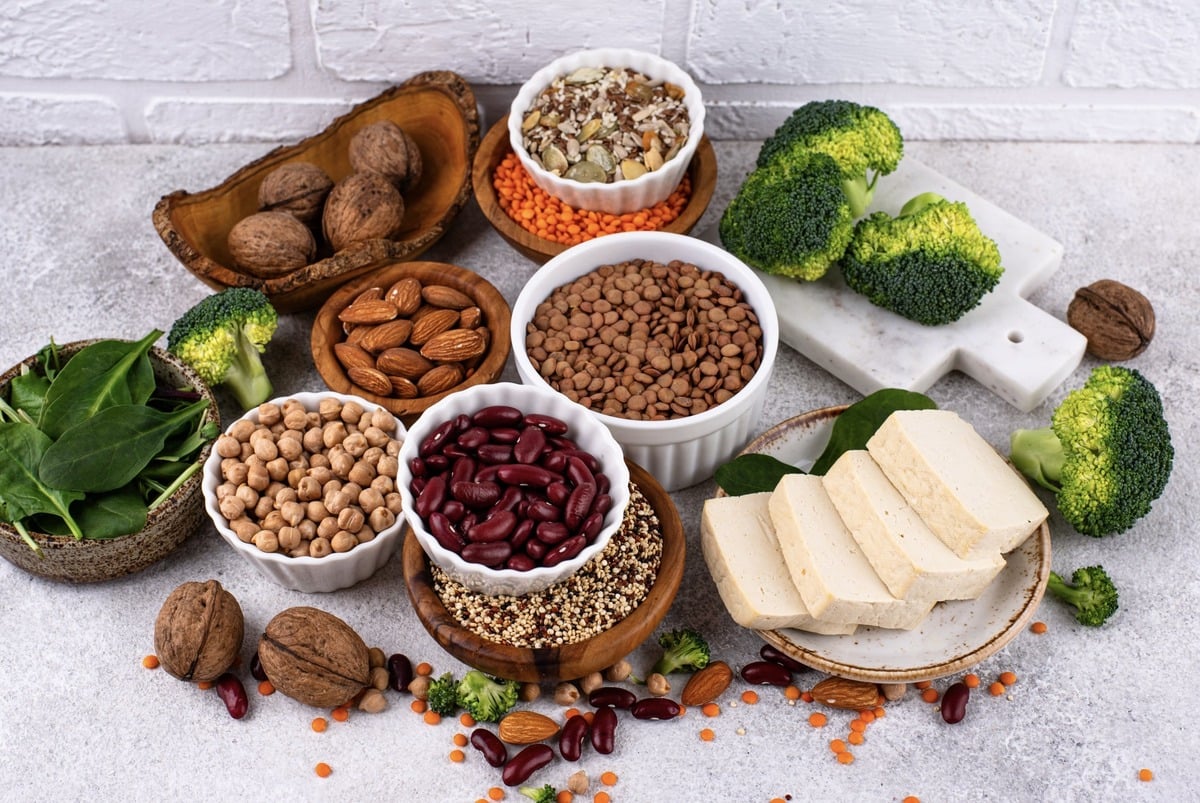
Whole Grains as Robust Protein Sources: Elevating Your Vegan & Vegetarian Protein Game
When people hear “whole grains,” they often think of carbs—not protein. However, in my everyday work at Claudia’s Concept, I see a different story unfold. Whole grains do much more than just keep you fueled with energy. They deliver solid, plant-based protein, making them essential in any vegan or vegetarian kitchen.
Meet the Protein-Filled Whole Grains
Let’s break down the protein strength of some favorite grains, each bringing its own nutrient profile and distinctive flavor.
- Quinoa: A superstar grain—technically a pseudo-cereal—quinoa boasts an impressive 8 grams of protein per cooked cup (185 g). Quinoa’s protein quality stands out: it contains all nine essential amino acids, making it a rare complete plant protein. The Harvard T.H. Chan School of Public Health recognizes quinoa as a superior vegan and vegetarian protein source.
- Bulgur: With 6 grams of protein per cooked cup (182 g), bulgur, made from cracked wheat, brings both nutty flavor and solid nutrition. Its fiber content lends a satisfying texture, and when you combine bulgur with legumes, you further enhance the amino acid profile of your meal.
- Barley: Barley provides about 5 grams of protein per cooked cup (157 g). Research from the USDA confirms barley’s protein content, and its beta-glucans benefit gut health as a plus.
- Brown Rice: While brown rice is best known for complex carbs, it still delivers 5 grams of protein per cooked cup (195 g). Pairing brown rice with beans or lentils is a classic move that forms a complete and hearty meal.
- Farro: This ancient wheat variety holds around 6 grams of protein per cooked cup (193 g). Farro’s chewy bite and mild flavor fit beautifully in grain salads and warm bowls.
- Oats: Start your day strong—one cooked cup (234 g) of oats supplies 6 grams of protein along with valuable micronutrients. Mix in seeds, nuts, or nut butters to ramp up its protein punch in your morning bowl.
Protein Comparison: Not All Grains Are Equal
Check out this quick comparison based on USDA Food Data Central:
- Quinoa: 8 g protein/cup
- Bulgur: 6 g protein/cup
- Oats: 6 g protein/cup
- Farro: 6 g protein/cup
- Brown Rice: 5 g protein/cup
- Barley: 3.5 g protein/cup
Do you notice how quinoa consistently leads the pack? Different whole grains will support your protein intake in unique ways. Mixing up your grains brings variety, flavor, and boosts your overall nutrition.
Creating Balanced Meals: Pairing Grains with Other Protein Sources
In Claudia’s Concept kitchen, I always emphasize synergy. Whole grains shine brightest when paired with other protein-rich foods—think chickpeas, tofu, seeds, or even a sprinkling of nutritional yeast. By combining grains with legumes, you supply complementary amino acids, ensuring full spectrum protein intake throughout the day.
Imagine a vibrant quinoa bowl loaded with black beans, sweet corn, and crunchy pumpkin seeds—or a warm barley risotto with green peas and a topping of hemp seeds. Which combinations inspire you? Experiment with your favorites or let variety be your guide.
Nuts and Seeds: Compact Nutrient Powerhouses
When you’re striving for optimal health as a vegan or vegetarian, nuts and seeds truly stand in a league of their own. These small yet mighty foods deliver a concentrated source of protein, healthy fats, and fiber. At Claudia’s Concept, I always recommend a generous inclusion of these tiny nutritional gems for anyone committed to a plant-based lifestyle. Wondering which varieties should always have a place in your daily routine?
Types of Protein-Rich Nuts and Seeds
- Almonds: With 21g of protein per 100g serving, almonds consistently appear on every high-protein plant-based list. They’re rich in vitamin E, magnesium, and healthy monounsaturated fats, making them ideal for both energy and satiety.
- Peanuts: Technically legumes, but generally consumed as nuts, peanuts pack a powerful punch with around 25g protein per 100g. Studies, including a 2022 review in The Journal of Nutrition, confirm peanuts support muscle synthesis and provide heart-protective monounsaturated fats.
- Walnuts: Although slightly lower in protein (15g per 100g), walnuts excel as a plant-based source of omega-3 ALA and antioxidants—compounds that support cognitive health and reduce inflammation.
- Pumpkin Seeds: A fantastic choice, pumpkin seeds deliver about 30g protein per 100g, along with key minerals like magnesium, zinc, and iron. At Claudia’s Concept, I often suggest roasted pumpkin seeds as a savory snack or salad topping.
- Hemp Seeds: With 31g protein per 100g and a complete amino acid profile, hemp seeds are science-backed for their muscle-repairing benefits. A 2021 study published in Frontiers in Nutrition demonstrated hemp’s superior protein digestibility compared to several other plant sources.
- Chia Seeds: Don’t let their size fool you—chia seeds yield about 17g protein per 100g, alongside a remarkable amount of soluble fiber and omega-3s. These seeds gel beautifully in overnight puddings or can be sprinkled atop smoothies.
- Flaxseeds: Offering 18g protein per 100g, flaxseeds stand out for their fiber content and lignans, which research from Clinical Nutrition links to reduced inflammation and support for hormonal balance.
Nutritional Profile: More Than Just Protein
Pairing nuts and seeds with other plant-based foods significantly boosts your overall nutritional status. Besides their rich protein content, nuts like almonds and seeds such as chia provide heart-healthy unsaturated fats and a generous helping of dietary fiber—this combination sustains energy levels, supports healthy cholesterol, and fosters digestive wellness.
Research from the American Journal of Clinical Nutrition consistently links regular nut and seed consumption to lower rates of cardiovascular disease, improved body composition, and even superior metabolic function. These benefits underscore why incorporating a variety of nuts and seeds into your vegan or vegetarian meal plan delivers tangible health results.
Simple Ways to Add Nuts and Seeds to Your Plant-Based Diet
- Toss sliced almonds, walnuts, or roasted peanuts over roasted vegetables or grain bowls for extra crunch and staying power.
- Blend hemp and flaxseeds into your morning smoothies, or stir ground flax into overnight oats for a protein and fiber boost.
- Create chia seed puddings with almond milk and fruta; this makes an energizing, protein-packed breakfast or snack.
- Sprinkle pumpkin seeds over soups, salads, or curries for a delightful bite and an extra hit of key minerals.
- Keep a homemade “super seed” mix—combining pumpkin, flax, and chia—on hand for topping everything from avocado toast to stir-fries.
The versatility of nuts and seeds makes them essential allies in the journey to vibrant vegan or vegetarian health. When you embrace their value, you see the results—balanced energy, satisfied appetite, and empowered wellness, all in line with the principles of Claudia’s Concept.
Soy Products: The Versatile Vegan Protein
Decoding Soy: Tofu, Tempeh, and Edamame Nutrition
Walk through any plant-based grocery section and you’ll spot a variety of soy products. But what makes these options essential for vegans and vegetarians? Let’s break down the nutrition:
- Tofu: Just 100 grams of firm tofu delivers around 8 grams of protein, a complete amino acid profile, and only 70 calories. Tofu is also a source of iron, calcium (especially if calcium-set), and magnesium. Its mild flavor means it absorbs seasonings perfectly.
- Tempeh: Fermented soybeans give tempeh its firm texture and nutty flavor. With 19 grams of protein per 100 grams, you get a denser source of protein, dietary fiber, and B vitamins. The fermentation process increases nutrient absorption and introduces gut-friendly probiotics.
- Edamame: These freshly harvested young soybeans provide about 11 grams of protein per 100 grams, with the bonus of vitamin K, folate, and substantial antioxidants. Lightly steamed and sprinkled with sea salt, they are a quick, whole-food snack.
Isoflavones and the Health Perks of Soy
Soybeans naturally contain isoflavones—plant compounds with powerful antioxidant effects. Several large-scale studies, including research published in The Journal of Nutrition and The American Journal of Clinical Nutrition, have demonstrated that regular soy consumption, about 25 grams of soy protein daily, can help lower LDL cholesterol and support cardiovascular health. Isoflavones also help regulate cell growth and support hormone balance—great news for anyone interested in long-term wellness.
When clients ask about potential hormone disruption, I remind them that scientific consensus shows typical intakes of soy foods do not affect testosterone or estrogen production in men or women. Decades of clinical studies confirm soy’s benefits and safety as part of a balanced diet. In my practice at Claudia’s Concept, I encourage including a variety of soy foods for protein, texture, and diverse preparation options.
Common Questions: Soy Myths Versus Facts
- Does soy increase breast cancer risk? No—in fact, epidemiological studies from populations with high soy intake report a reduced For instance, the Shanghai Women’s Health Study noted a significant reduction in breast cancer risk among women consuming soy at least once daily (link).
- Is soy safe for men? Reviews published in Fertility and Sterility confirm soy intake does not lower testosterone or affect fertility in men.
- Is GMO soy a concern? In India and many other countries, most available soy foods are non-GMO. When in doubt, choose organic or non-GMO certified brands.
Ever worried about soy allergies? True soy allergy is quite rare in adults—most people digest soy foods easily, especially those that are fermented like tempeh or miso.
Simple Soy Recipes to Try Today
Need inspiration for your next plant-based meal? I love showing my Claudia’s Concept community how versatile soy can be. Why not start with these ideas:
- Marinate cubes of firm tofu in tamari, ginger, and garlic, then sauté until golden—perfect for Buddha bowls or wraps.
- Slice tempeh and shallow-fry, then serve with stir-fried broccoli and brown rice for a filling, balanced dish.
- Blend silken tofu with cocoa and dates to make a creamy, high-protein dessert mousse.
- Lightly steam edamame and toss with sea salt, chili flakes, and sesame oil for a snack that satisfies between meals.
Interested in more creative, wholesome recipes? Explore Claudia’s Concept resources, where I share science-backed methods to make every plant-based meal delicious and nutrient-dense.
Protein-Rich Vegetables to Add to Your Plate
Have you ever wondered how certain vegetables can power up your protein intake? Let’s walk into the colorful world of protein-packed vegetables—an often-overlooked source of essential amino acids in a plant-based diet. Trust me, vibrant veggies will not only enhance the flavor but also elevate the nutrition profile of every meal. Many of these fit perfectly into balanced plans like those at Claudia’s Concept, where I encourage you to see vegetables as more than just side dishes.
The Best Protein-Packed Vegetables
- Broccoli serves up roughly 2.8 grams of protein per cup (cooked). In addition to its protein, it’s loaded with vitamin C, vitamin K, and potent antioxidants. Stir-fry or steam it as a hearty base, and you’ll be fueling muscle health and immunity in one go.
- Spinach brings 5 grams of protein per cooked cup. Fresh or wilted into curries and warm salads, spinach provides not just protein, but also iron and magnesium—key minerals for energy and muscle function.
- Green peas contain over 8 grams of protein in just a cup (cooked). Those sweet little spheres rival lentils in protein content, and a serving also delivers about 25% of your daily fiber and a hefty dose of B vitamins.
- Asparagus delivers almost 4 grams of protein per cooked cup. When roasted or tossed in salads, asparagus brings plenty of folate and vitamin E along for the ride.
- Brussels sprouts come in at around 4 grams of protein per cooked cup. Roasted Brussels sprouts paired with grains and legumes deliver a multi-layered protein punch, as well as cancer-fighting phytochemicals.
- Artichokes feature nearly 4.8 grams of protein per cooked cup. Each globe is also an excellent source of dietary fiber and prebiotics, supporting a healthy gut and steady energy release.
How Vegetable Protein Fits Into Daily Needs
Vegetables provide a spectrum of amino acids and micronutrients that support metabolic functions. While the protein content per serving may seem modest compared to legumes or soy, the cumulative effect is remarkable when you build every meal around a diverse plate. A study published in The American Journal of Clinical Nutrition highlights that diets consistently rich in vegetables enhance muscle preservation and overall health in plant-based eaters.
For those following a Claudia’s Concept protocol, you’ll discover that layering vegetables with grains, legumes, or soy at every meal increases not just the quantity but also the quality of protein your body absorbs. This practical approach means no single meal needs to be ‘complete’ on its own when the diet is varied throughout the day.
Pairing Vegetables for Optimal Protein Synergy
Pairing broccoli with quinoa, peas with brown rice, or spinach in a tofu scramble creates dynamic flavor and protein synergy. Combining vegetable proteins with legumes or grains provides a wider array of essential amino acids—exactly what you need for vibrant energy, muscle recovery, and satiety. Questions on combining for optimal benefits? Challenge yourself to tailor your next bowl with at least two or three of these highlights, and feel the change. Which combination will you experiment with first?
Mastering the Art of Complete Protein: Food Combinations for Plant-Based Eaters
Understanding Essential Amino Acids and What Makes a Complete Protein
Every cell in your body relies on protein, and those proteins are built from smaller units called amino acids. Out of the 20 amino acids your body uses, nine are labelled as essential because you must obtain them through food. Animal-based foods contain all nine essential amino acids in the right balance, making them “complete proteins.” In contrast, many plant-based foods tend to lack one or more essential amino acids, but that’s not a reason to worry—with the right combinations, you will absolutely achieve the same nutritional value.
When you combine different plant foods that complement each other’s amino acid profiles, your meal transforms into a source of complete protein. Research published in the Journal of the American Dietetic Association confirms that eating a variety of grains, legumes, nuts, seeds, and vegetables throughout the day ensures adequate intake of all essential amino acids. So, you don’t have to rely solely on tofu or tempeh to meet your protein needs—with careful menu planning, complete protein is just a creative meal away.
Tried-and-True Food Combinations for Complete Protein
Craving inspiration? Here are three classic combinations you can use right away in your kitchen, each of them delighting your taste buds while ensuring all essential amino acids:
- Rice & Beans: Beans are low in methionine but high in lysine, while rice offers more methionine—together, they form a perfect, balanced protein profile. In Brazil, feijoada (black beans and rice) is both a national favorite and an excellent source of complete protein.
- Hummus & Whole Grain Pita: Chickpeas supply plenty of lysine, and whole wheat provides methionine, giving this Mediterranean staple its stellar nutritional reputation. By pairing the two, you create a satisfyingly complete meal.
- Nut Butter & Whole Grain Bread: Spread almond or peanut butter on whole grain bread, and you combine the strengths of legumes (nuts) and grains for a healthy, energizing snack that also ticks every amino acid box.
These pairings are not just tradition—they’re backed by nutritional science. A 2019 analysis in Nutrition Reviews highlights how these food marriages bring diverse amino acids together, demonstrating that you can always reach your protein goals without animal products.
Practical Meal Planning with Claudia’s Concept
Balancing your proteins isn’t complicated when you work with Claudia’s Concept. Here’s how I guide my clients toward easy, everyday solutions:
- Rotate between legumes and whole grains across meals: For example, start your day with oats and chia seeds, enjoy a quinoa salad at lunch, and wrap up with lentil curry and brown rice for dinner.
- Create vibrant Buddha bowls: Start with a base of farro or barley, toss in steamed edamame, pumpkin seeds, and a dollop of hummus.
- Snack smart: Mix seeds into your yogurt alternative, or try roasted chickpeas with sunflower kernels.
When you plan your meals the Claudia’s Concept way, you unlock endless possibilities to meet your body’s essential amino acid needs with each plant-powered plate. How will you add your creative twist to these combinations? Step into your kitchen and let your next meal become a nutrient-rich celebration!
Rediscover the Joy of Protein: Final Thoughts on Plant-Based Power
Picture this: every vibrant meal you plate as a vegan or vegetarian overflows with diverse colours, textures, and flavours. At the same time, you are ticking every protein box with confidence. That is what a carefully curated selection of high-protein foods delivers, transforming your daily nutrition into a celebration of health.
From hearty lentils and chickpeas to nutty quinoa and chia seeds, these powerhouse protein sources allow you to expand your culinary horizons. Why settle for repetitive meals when your options are this rich? I encourage you to embrace the wealth of choices. It’s simple to craft balanced dishes—layer edamame with brown rice for a double protein hit, sprinkle hemp seeds over oat porridge, or try smoky tempeh tossed in a fresh salad. Each combination brings a new dimension to your meals while ensuring you meet your protein goals.
Reflect for a moment: which protein source are you most excited to experiment with this week? Are you reaching for crisp roasted chickpeas, or are you planning a tofu stir-fry drizzled with creamy tahini sauce? Diversity is your secret weapon, and at Claudia’s Concept, I always recommend mixing things up—your palate and muscles will thank you.
- Lentils and beans deliver up to 18 grams of protein per cooked cup and can anchor soups, stews, and power bowls.
- Whole grains like quinoa or farro boost your protein intake and pair easily with any cuisine.
- Nuts and seeds, including almonds and pumpkin seeds, add crunch and a nutrient punch to salads or yogurt alternatives.
- Soy staples such as tofu, tempeh, and edamame are packed with all nine essential amino acids and work beautifully in both savoury and sweet dishes.
- Protein-rich vegetables—think spinach, peas, and broccoli—provide both fibre and plant-based protein for well-rounded nutrition.
- Meat alternatives and mock meats can be high-protein additions for times when you crave classic textures.
Want to make your plant-based journey even smoother? Take the next step: try a new protein-rich recipe this week. Join the conversation—share your favourite combinations or tips with the Claudia’s Concept community. For an effortless start, download the printable “Top 10 Vegan & Vegetarian Protein Sources” guide and pin it in your kitchen. Let’s build our healthiest, most delicious routines together, one meal at a time.