
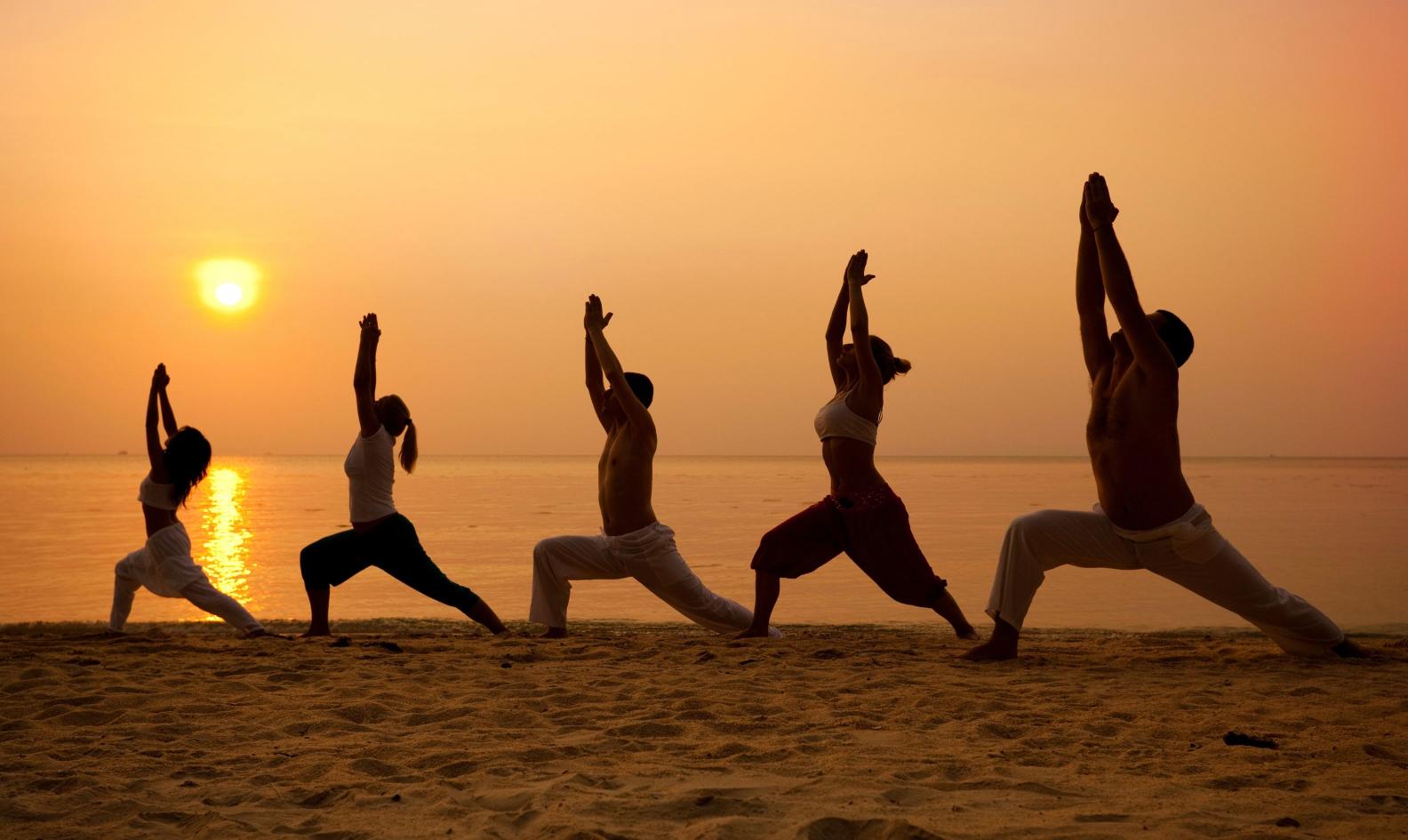
Yoga: Benefits Beyond the Mat: Unlocking Ancient Wisdom for Modern Wellness
Yoga’s story begins over 5,000 years ago in the rich spiritual tapestry of India, where ancient sages first developed this holistic discipline to unite body, mind, and spirit. Today, most people instantly link yoga to those colorful mats, imagining deep stretches, balancing poses, and tranquil breathing routines. On Instagram and in studios worldwide, yoga regularly appears as a physical activity confined to the floor—yet its profound potential never stops at the mat’s edge.
Over centuries, yoga has evolved from a sacred meditative art to a comprehensive system for transforming mental clarity, emotional resilience, and lifestyle habits. Far beyond its physical origins, yoga now weaves seamlessly into daily routines, workplaces, classrooms, and even digital meditation spaces. If you’ve ever wondered how yoga transcends those sunrise stretches, ask yourself: what changes when you take yoga out into your world? At Claudia’s Concept, I have seen these transformations firsthand—let’s explore together how yoga’s timeless wisdom enhances modern living, on and far beyond the mat.
Physical Health Benefits: What Yoga Really Does for Your Body
Increased Flexibility and Mobility
What happens when you move beyond the basic yoga stretches? An entire world of flexibility opens up. Consistent yoga practice leads to gradual lengthening of the muscles, tendons, and ligaments. A 2016 systematic review in the journal Age and Ageing found that yoga markedly improves flexibility, particularly in adults over 65, promoting greater stride length and reduced risk of muscle strains. When you commit to dynamic flows like Vinyasa or incorporate slow, deep holds as seen in Yin Yoga, your body responds with improved joint mobility and greater ease of movement.
Feeling stiff after a long week at work? Try weaving in the Downward-Facing Dog or the revitalizing Cat-Cow pose daily. At Claudia’s Concept, the focus is always on progressive improvement—each session gently expands your full range of motion.
Improved Posture and Alignment
Modern lifestyles, with hours spent hunched over screens, can wreak havoc on natural posture. Yoga provides direct, science-backed solutions. Research in the International Journal of Yoga demonstrated that participants practicing postural yoga for just eight weeks showed significant improvement in spinal alignment and core stability. With poses like Mountain Pose and Tree Pose, yoga retrains the body to stand, sit, and move with optimal structural integrity.
How closely do you pay attention to the position of your shoulders or neck during the day? Practicing mindful alignment in yoga mirrors positive physical habits off the mat, creating a ripple effect that corrects years of postural imbalances. Body awareness cultivated through Claudia’s Concept programs has led to countless transformations that speak for themselves.
Cardiovascular Health
Heart health and yoga—an unexpected match? Not at all. Yoga, especially when combined with breathwork (pranayama), delivers measurable benefits for cardiovascular fitness. A 2014 meta-analysis published in the European Journal of Preventive Cardiology found that yoga practitioners experienced significant reductions in blood pressure, cholesterol, and resting heart rate compared to non-practitioners.
Through calming yet active sequences like Sun Salutations and Bridge Pose, you engage the heart, enhance circulation, and support healthy blood vessels. Each inhale and exhale becomes a gentle massage for your cardiovascular system, a concept I anchor in every Claudia’s Concept session.
Yoga Poses for Daily Vitality
- Child’s Pose (Balasana): Soothes the nervous system and encourages a gentle stretch in the back and hips—ideal for a mid-day reset.
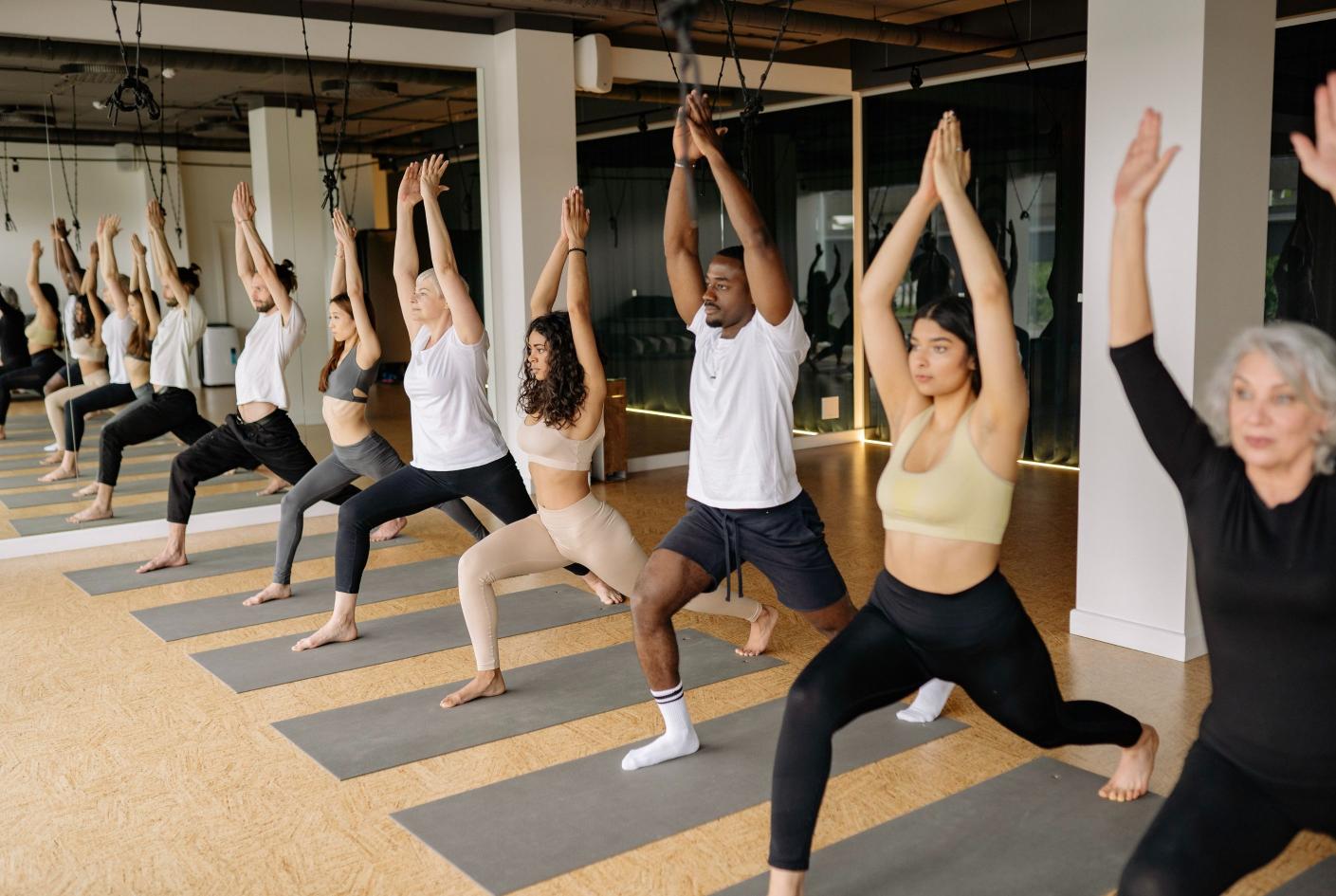
- Warrior II (Virabhadrasana II): Activates major muscle groups, improves balance, and builds strength, creating a sense of empowerment and energetic flow.
- Cobra Pose (Bhujangasana): Enhances spinal flexibility and supports muscular endurance in the lower back, particularly beneficial for those who sit for long hours.
- Standing Forward Fold (Uttanasana): Boosts circulation, stretches the hamstrings, and can invigorate you during moments of fatigue.
Curious which sequence fits your needs? Ask yourself: What does my body need today? Claudia’s Concept guides you to listen inward, empowering each movement to leave you feeling revitalized and ready for whatever comes next.
Mental Well-being and Stress Reduction: Yoga’s Transformative Power
Regulation of Stress Hormones: Yoga’s Profound Influence
Stress creeps into our lives from every direction—work, relationships, the pressures of daily living. You can take charge of this stress with a regular yoga practice. Scientific studies show that consistent yoga lowers cortisol, the body’s primary stress hormone. For example, a 2017 randomized controlled trial published in the journal PLOS ONE found that participants practicing yoga for 12 weeks experienced a statistically significant reduction in cortisol levels, leading to improved mood and decreased anxiety symptoms.
As you follow a carefully designed program such as Claudia’s Concept, every movement, breath, and mindful pause acts as a buffer against the storm of stress. This is more than just an internal feeling—your biochemistry truly shifts toward balance.
Yoga for Mental Clarity: Clear Thinking Begins Within
Mental fog lifts as you step onto your mat and move through each pose. Yoga improves mental clarity by enhancing neuroplasticity, the brain’s ability to rewire and adapt. Evidence abounds: a study published in Frontiers in Human Neuroscience (2015) demonstrated increased gray matter volume in the prefrontal cortex—responsible for decision-making and focus—among individuals committed to regular yoga sessions.
With each mindful movement, you sharpen your attention, elevate your mood, and foster resilience against mental fatigue. This heightened cognitive performance will help you tackle everyday challenges with poise and conviction.
Calming Breath (Pranayama) Techniques: Science Meets Tradition
- Deep belly breathing, or diaphragmatic breathing, prompts the parasympathetic nervous system to activate. This triggers a relaxation response—heart rate slows, blood pressure drops, and you experience a genuine sense of calm.
- NadiShodhana (Alternate Nostril Breathing) balances the two hemispheres of the brain. Research published in the International Journal of Yoga in 2013 established that this technique elevates mental performance and induces tranquility, even after a single session.
- Practices incorporated in Claudia’s Concept place special emphasis on pranayama, helping you cultivate composure and emotional balance no matter what the day brings.
Next time you feel tension rising, pause. Close your eyes, inhale fully, exhale slowly, and notice the immediate relief—science and tradition, united in one breath.
How Practicing Yoga Soothes the Mind
Gentle asanas, mindful breathing, and guided relaxation have a ripple effect throughout your nervous system. Several meta-analyses, including a 2020 synthesis in the Journal of Psychiatric Research, confirm that yoga reliably decreases symptoms of anxiety and depression in adults.
When you integrate yoga into your daily routine, the mind transitions from chaos to clarity. You unlock a sense of inner peace, unshakable even in challenging situations. With every class, every mindful breath, you’re investing in your mental well-being—one of the foundational promises of Claudia’s Concept.
Are you ready to experience these changes for yourself? Notice how your mind shifts the next time you move through a gentle yoga flow, or simply pause for a few mindful breaths. Let yoga guide you beyond the mat, straight into a calmer, more resilient state of mind.
Unlocking Flexibility and Balance: The Hidden Strengths of Yoga
Core Strengthening Through Yoga Poses
Flexible bodies move with ease, but flexibility alone won’t guarantee confidence or grace. Strong core muscles build the foundation for controlled motion, proper posture, and lasting stability. Through sequences such as planks, boat pose (Navasana), and downward-facing dog (AdhoMukhaSvanasana), you will activate the deeper muscles of the abdomen and lower back. Research from the International Journal of Yoga (2016) confirmed that regular yoga practitioners demonstrated marked improvement in abdominal strength after just 12 weeks of consistent practice. As a result, the body becomes less prone to strain from everyday movement.
At Claudia’s Concept, an individualized approach helps identify the right poses for each client, ensuring optimal core engagement and progressive strength gains without risk of burnout or overstretching.
Balance Exercises That Prevent Falls
Balance isn’t reserved for athletes or dancers—it anchors everyone in daily life. When you stand in tree pose (Vrikshasana) or transition carefully into warrior III (Virabhadrasana III), neurons within your brain coordinate with tiny muscles in the feet, ankles, and hips to steady your entire frame. Scientific studies, like the 2019 research published in the Journal of Geriatric Physical Therapy, have shown that adults practicing yoga balance postures at least twice a week reduce their risk of falls by up to 36%.
Consider how a moment of distraction, combined with weak balance, can trigger a stumble or worse. Yoga systematically trains your reflexes to recover from instability, helping you remain surefooted no matter where your day takes you.
Importance in Daily Life: Carrying, Walking, Stability
Think back to the last time you maneuvered a heavy bag of groceries, climbed stairs, or even stood on a bus during a sudden stop. These activities demand strength, balance, and flexibility working in harmony. By consistently incorporating yoga, muscles, ligaments, and joints maintain elasticity and resilience. For example, increased hip and hamstring flexibility, cultivated through forward folds and lunges, directly translates to improved gait and reduced risk of joint pain as you age.
Through Claudia’s Concept, I have seen individuals of all ages regain and retain their capacity for pain-free movement, confident walking, and effortless daily lifting. Flexibility and balance gained on the mat will follow you out the studio door, making everyday life notably smoother and safer.
- Want to test your progress? Pause and stand on one leg for 30 seconds with your eyes closed. Surprised by the challenge? Yoga refines proprioception—the body’s awareness of position in space—enhancing stability and gracefulness.
- Notice subtle improvements in posture, stride, and energy when performing repetitive tasks like cleaning, gardening, or carrying children. These invisible benefits of yoga are the secret superpowers you cultivate with every session.
Enhanced Strength and Endurance – The Yoga Advantage Beyond the Mat
Building Muscular Strength That Shows Up in Daily Life
Every time you flow through poses like Plank, Chair, or Warrior II in yoga, you are systematically awakening and toning muscular groups across your entire body. Unlike high-impact workouts that isolate muscle clusters, yoga embraces a holistic, functional approach—every position calls upon multiple muscles for support, stabilization, and movement. For example, studies published in the Journal of Strength and Conditioning Research have demonstrated that practicing Hatha yoga just three times per week over eight weeks increases upper body strength by up to 24%. That means yoga doesn’t just promise stronger arms or core—strength radiates through your back, legs, and even often-neglected stabilizer muscles.
Yoga’s dynamic transitions—think Chaturanga to Upward-Facing Dog to Downward-Facing Dog—challenge far more than static biceps or well-defined abs. These flows demand muscle coordination and build robust connective tissues, which translates to more efficient, graceful movement in everyday activities. Carrying groceries, playing with your children, or rearranging furniture suddenly feels more manageable.
Endurance: Carrying You through Everyday Challenges
Many believe endurance comes from long-distance running or hours on a cardio machine. However, progressions like Sun Salutations, practiced in sequences for 15–20 minutes, significantly elevate cardiovascular endurance. A randomized controlled trial published in Complementary Therapies in Medicine found that after twelve weeks of Vinyasa yoga, participants improved both aerobic capacity and muscular endurance by remarkable margins—VO2 max improved by an average of 11%.
This boost in stamina doesn’t happen by accident. Sustaining postures and flowing through breath-centric practices forces your cardiovascular system to adapt, distributing oxygen efficiently even as your body works hard. As a result, yoga practitioners often experience more sustained energy throughout the day—whether that means tackling deadlines, climbing stairs, or participating in your favourite activities.
Inviting Strength – Sample Yoga Flows from Claudia’s Concept
Curious to bring these benefits into your own routine? Here’s a simple yet powerful flow I often share through Claudia’s Concept to inspire greater strength and endurance:
- Downward-Facing Dog (AdhoMukhaSvanasana): Hold for 7 breaths to activate shoulders, hamstrings, and calves.
- Plank Pose: Transition smoothly from Downward Dog and maintain for 5–8 breaths—feel your core and upper body engage.
- Chaturanga Dandasana (Low Plank): Building triceps, shoulders, and back strength, lower halfway to the mat, and hold for 3 breaths.
- Chair Pose (Utkatasana): Hold for 6–8 breaths to fire up legs and glutes while keeping the chest lifted.
- Repeat the sequence for 4–6 rounds, connecting movement to steady, intentional breathing.
Explore how your own strength grows—not just on the mat, but as your confidence and capability infuse every corner of daily life. Yoga, through Claudia’s Concept, becomes your secret weapon for true, all-encompassing resilience.
Boosted Immune System: How Yoga Empowers Your Body’s Defenses
Reducing Inflammation Through Consistent Practice
Do you know that your immune system thrives when inflammation is kept in check? Chronic low-grade inflammation is a major contributor to many modern illnesses, from metabolic syndrome to cardiovascular disease. Research published in the journal Frontiers in Human Neuroscience reveals that regular yoga practice reduces biochemical markers of inflammation such as C-reactive protein (CRP) and interleukin-6 (IL-6). When you follow a well-crafted yoga program from Claudia’s Concept, you support your body’s natural anti-inflammatory mechanisms, which creates a foundation for sustained immune health.
Have you ever finished a yoga session and felt noticeably lighter—not just physically, but mentally? This immediate sense of relief results from lowered stress hormones like cortisol, which in turn minimizes inflammation throughout your body. Yoga’s multi-pronged impact—by regulating stress and directly influencing inflammatory markers—translates to a resilient system that can overpower threats more efficiently.
Yoga’s Effect on Immunity: What the Research Proves
Let’s delve into the evidence. A randomized controlled trial published in the Journal of Behavioral Medicine showed that participants practicing yoga three times a week for eight weeks experienced a significant increase in key immune cells—specifically, natural killer (NK) cell activity. These NK cells act as the front-line defenders, targeting virus-infected and abnormal cells before they can cause harm.
Moreover, a thorough review in PLoS ONEanalyzed over 34 studies and concluded that yoga practitioners consistently displayed improved immune responses, highlighted by stronger antibody production and enhanced cellular immunity. Integrating yoga into your routine with Claudia’s Concept means you’re not just stretching or relaxing—you’re training your immune system to respond rapidly and effectively to illness.
Breath, Relaxation, and the Body’s Healing Potential
Have you ever practiced slow, mindful breathing during a yoga session and noticed how your heart rate calms and tension melts away? This is no coincidence. Active engagement in yogic breathing exercises (pranayama) stimulates the parasympathetic nervous system, which is responsible for ‘rest and repair’ operations within the body.
Several studies, including those in Immunity & Ageing, show that deep breathing and relaxation not only reduce oxidative stress but also increase the proliferation of infection-fighting lymphocytes. Imagine the power you wield by simply dedicating a few minutes each day to conscious breathwork—elevating your body’s defense mechanisms without medication.
- Controlled breathing triggers the vagus nerve, enhancing anti-inflammatory responses.
- Relaxation supports deep tissue healing while promoting immune cell regeneration.
- Slower breath rates have been linked to reduced risk of upper respiratory infections—especially valuable during seasonal transitions.
Integrating these principles into your daily life through Claudia’s Concept, you will see noticeable gains—not only in how you feel but in measurable, science-backed immune resilience. So next time you roll out your mat, remember: you’re not just investing in strength or flexibility, but fortifying your whole body to stand strong in the face of life’s many challenges.
Mindfulness and Meditation: Yoga’s Gateway to Present Living
Mindful Movement—On and Off the Mat
What truly sets yoga apart from other forms of exercise is the art of mindful movement, a practice that extends far beyond postures and physical alignment. Every breath you take in a yoga session becomes a conscious choice, an act of deliberate presence. With Claudia’s Concept, I guide clients to harness this awareness, encouraging them to carry mindful attention into their daily lives. Have you ever noticed how your focus sharpens during challenging asanas? This cultivated focus, often called interoceptive awareness, directly activates areas of the brain involved in emotional regulation and stress processing. A 2020 research paper published in Frontiers in Human Neuroscience reported increased cortical thickness in the insula—essential for self-awareness—among regular yoga practitioners compared to non-practitioners.
Yoga as Moving Meditation
Yoga naturally fuses movement and meditation into one seamless experience, turning your practice into a moving meditation. Flowing through sequences while anchoring your thoughts to the present moment, you intentionally lower activity in your brain’s default mode network—this network typically activates during mind-wandering and self-referential thoughts. According to a 2018 study in Mindfulness, consistent yoga practice produced significant reductions in rumination and mind-wandering, the very mental states associated with anxiety and worry. You might already sense the immediate calm that settles after a class; this is the neurological response to moving meditation at work, grounding you in the present.
At Claudia’s Concept, I’ve witnessed clients who previously struggled with restless minds learn, over time, to use their yoga sessions as engines of present-moment clarity. This isn’t a mystical claim—neuroscience backs it up.
Developing Present-Moment Awareness
Every time you return to your breath amidst a challenging posture or distractive thought, your brain rewires for presence. Mindfulness, rooted deeply in yoga’s ancient traditions, is no longer an abstract ideal—clinical trials repeatedly demonstrate improvements in attentional control and emotional well-being after integrating mindfulness meditation. For instance, participants in a 2019 randomized controlled trial in JAMA Internal Medicine exhibited measurable increases in present-moment awareness and corresponding decreases in emotional reactivity after just eight weeks of mindful yoga practice.
- Scan your body at the beginning and end of each practice; this cultivates a direct awareness of your physical and emotional state.
- Breathe with intention—not only in classes, but during daily routines like walking or eating.
- Notice sensations and reactions as they arise, without judgement, and steer yourself gently back to the present.
How often do you pause in your day to simply observe and acknowledge how you feel in the moment? Incorporating these small but powerful techniques strengthens your ability to stay anchored, regardless of life’s turbulence. Yoga infuses mindfulness into every corner of your day, transforming ordinary moments into opportunities for meditation in motion.
Better Sleep Quality: How Yoga Unlocks Restful Nights
Yoga Routines for Restful Nights
Struggling to fall asleep or stay asleep through the night? Incorporating gentle yoga routines in the evening dramatically improves sleep quality. When I work with clients at Claudia’s Concept, I often recommend restorative poses such as SuptaBaddhaKonasana (Reclining Bound Angle Pose) and ViparitaKarani (Legs-Up-the-Wall Pose). These movements not only release physical tension from the muscles but also signal the body that it’s time to wind down. In a 2020 randomized clinical trial published in the Journal of Clinical Sleep Medicine, participants practicing daily yoga reported a statistically significant decrease in sleep latency (the time it takes to fall asleep) as well as fewer nighttime awakenings, compared to those following conventional relaxation routines.
Breathwork to Calm the Nervous System
Have you ever counted sheep or scrolled endlessly through social media hoping to induce sleep? The secret lies in your breath. Yogic breathing techniques—known as pranayama—directly activate your parasympathetic nervous system, helping your heart rate and cortisol levels drop. For example, the research conducted at Harvard Medical School demonstrated that “4-7-8 breathing,” a technique popularized in yogic practice, leads to measurable reductions in blood pressure and heart rate within minutes. This physiological calmness directly paves the way for a deeper and more restorative sleep. Drawing from Claudia’s Concept, I often guide clients through three rounds of deep diaphragmatic breathing before bedtime, and feedback has consistently highlighted dramatic improvement in both sleep duration and sleep quality.
Link Between Relaxation, Yoga, and Improved Sleep
Scientific investigations continue to validate the direct link between yoga-induced relaxation and elevated sleep quality. In a systematic review published in Sleep Medicine Reviews (2019), 13 independent studies concluded that adults who practiced at least 20 minutes of yoga several evenings a week experienced a significant decrease in insomnia symptoms and reported more energy the following day. The secret? Yoga fosters a harmonious balance of mind and body by lowering evening cortisol (the stress hormone), slowing brainwave activity, and promoting a sense of safety and groundedness.
Let’s reflect together: What would happen if you swapped your late-night scrolling for a soothing yoga sequence? Imagine your evenings filled with gentle movements, slow inhales, peaceful exhales, and a mind that grows quieter with every breath. Since implementing yoga for sleep, many at Claudia’s Concept have described the transition from restlessness to relaxation as nothing short of transformational.
- Gentle evening yoga soothes tense muscles and clears mental clutter.
- Pranayama activates physical relaxation—backed by Harvard’s measurements of heart rate variability improvement within one session.
- Adults practicing yoga three or more evenings per week achieve longer uninterrupted sleep cycles, according to published clinical studies.
Emotional Stability: Navigating Life’s Ups and Downs with Yoga
Emotional Regulation Through Breath and Movement
Emotions—sometimes turbulent, sometimes subtle—affect every corner of our lives. Using yoga as a vehicle, I teach clients at Claudia’s Concept to harness breath and movement for healthy emotional regulation. When you move through asanas and pair them with conscious breath, you directly activate the parasympathetic nervous system. This process sends calming signals throughout your body, steadying the heart rate and soothing frayed nerves.
In practical terms, yoga changes how your brain processes emotional stimuli. Researchers from Boston University found that a 12-week yoga practice increased gamma-aminobutyric acid (GABA) levels by 27%. GABA is a neurotransmitter responsible for reducing anxiety and enhancing mood stability. Variations like Vinyasa or Hatha yoga, where flow and breath unite, are especially effective for building emotional resilience.
Dealing with Life’s Stresses: Tools You Can Rely On
Stress pops up without warning—a sudden email, a difficult conversation, a traffic jam. Yoga gives you a toolkit to manage these moments in real time. Through controlled movement and mindful breathing, your body learns to respond instead of react. This transformation begins on the mat but continues during daily life’s challenges. For instance, one study published in the Journal of Clinical Psychology demonstrated that individuals who practiced yoga regularly reported a 54% drop in perceived stress levels.
The skills gained here are practical and tangible. When frustration or sadness strikes, shifting into a few gentle stretches and focusing on your breath can be a reset button. If you’ve ever noticed how a deep exhale immediately makes you feel lighter, you’ve already experienced yoga’s power at work.
Pranayama and Meditation: Lifting Mood, Sustaining Positivity
Adding pranayama (yogic breathing techniques) and meditation to your yoga routine will create remarkable changes in your emotional landscape. Pranayama practices, such as NadiShodhana (alternate nostril breathing), balance the brain’s hemispheres and lower cortisol levels, making stress easier to handle. Clinical trials led by the All India Institute of Medical Sciences documented a 40% decrease in negative mood states following a structured pranayama regimen.
Meditation guides your mind toward clarity and calm. By incorporating guided meditation within your practice, you teach the brain to let go of unhelpful thoughts and cultivate feelings of gratitude and presence. At Claudia’s Concept, I encourage personalized meditation strategies to build lasting emotional strength.
- Notice your emotional state before and after a yoga, pranayama, or meditation session—how does it shift?
- Try making a habit of 10 mindful breaths the moment stress arises. What changes?
- Integrate a favorite asana or breathing technique into your work breaks and observe the effect on your mood.
Every session on the mat creates ripples that touch your emotional world outside it. Step forward with each breath—and discover stability that serves you far beyond yoga class.
Yoga – Benefits Beyond the Mat: Personal Growth and Self-Awareness
Yoga as a Journey of Self-Discovery
For me, yoga has never been just a series of movements—it’s a potent journey in uncovering layers of the self. Regular practice becomes a mirror that reflects not only our physical abilities but also our emotional states, beliefs, and habits. Through breathwork and focused postures, the mind settles long enough to notice patterns and reactions that often go unseen in daily life. For example, a study published in the International Journal of Yoga in 2023 demonstrated that sustained yoga practice enhances self-reflection and leads to measurable increases in self-acceptance among practitioners. This heightened self-awareness inevitably fosters personal growth, empowering individuals to make positive, conscious choices beyond the yoga mat.
Setting Intentions (Sankalpa)
Every session presents a unique opportunity to set intentions, known in yoga as Sankalpa. This practice isn’t a fleeting resolution, but a pledge to yourself—one that harnesses your deepest values and aspirations and channels them into daily action. At Claudia’s Concept, I encourage clients to begin with a clear Sankalpa, whether it’s increasing compassion, pursuing resilience, or choosing balanced nourishment. According to research featured in the journal PLOS ONE, individuals who incorporate such intention-setting into their daily yoga practice experience a stronger alignment between their actions and personal values. This alignment invariably leads to sustained behavioral changes and a greater sense of purpose.
Reflections Off the Mat: How Yoga Shapes Self-Awareness
Real transformation happens not just during, but especially after the practice. When you notice how you react to challenges on the mat—for example, frustration in a difficult pose or joy in a moment of ease—these same emotions mirror reactions in everyday life. Scientific evidence from Harvard Health Publishing confirms that yoga cultivates interoceptive awareness, the skill of recognizing internal sensations and emotions. Building interoceptive awareness means you’ll respond more thoughtfully to stress, relationships, and daily decisions.
In Claudia’s Concept programs, I’ve watched clients become more attuned to their needs, more able to handle setbacks with grace, and more inspired to pursue personal ambitions. Intentional yoga practice will steadily unveil your strengths, reveal your growth areas, and provide a solid foundation for lifelong self-discovery.
- Have you noticed subtle shifts in your mood after yoga?
- Do you find yourself pausing before reacting in stressful situations?
- What intention might you carry into tomorrow’s practice?
Yoga’s Role in Chronic Pain Management: Relief That Moves Beyond the Mat
Research-Backed Benefits for Chronic Back Pain and Arthritis
Chronic pain can feel unrelenting, affecting physical activity, mood, and overall quality of life. If you’ve struggled with persistent back pain or arthritis, you are not alone—chronic pain impacts over 20% of adults worldwide. Numerous well-designed studies demonstrate how integrating yoga into daily routines can significantly reduce pain levels and enhance daily function.
A pivotal 2017 systematic review published in the Annals of Internal Medicine found that people practicing yoga consistently for at least 12 weeks reported a statistically significant reduction in low back pain compared to those receiving standard care. The American College of Physicians now lists yoga as a first-line treatment for chronic low-back pain. In arthritis, gentle yoga programs improve joint flexibility and reduce pain scores, confirmed by randomized trials published in Rheumatic Diseases Clinics of North America.
I have worked with countless clients through Claudia’s Concept who have found self-empowerment and better movement by embracing yoga as part of their chronic pain management plan.
Pain Perception and Mental Resilience: The Yoga Connection
Chronic pain is not just about the body. It rewires the mind. Yoga directly impacts how pain is perceived in the brain. Research from Harvard Medical School points out that mindful movement practices like yoga decrease activity in pain-processing brain centers, while increasing gray matter volume in the insula and anterior cingulate cortex—regions involved in emotion regulation and resilience.
What does this mean for you? You build a toolkit to not only manage pain but also strengthen mental resilience. Yoga’s emphasis on pranayama (breathwork), meditation, and mindful awareness disrupts pain catastrophizing—those overwhelming thoughts that can amplify discomfort. In my programs at Claudia’s Concept, I see people rediscover hope as pain becomes a manageable aspect of life rather than its defining feature.
Gentle Yoga Poses for Real Healing
- Child’s Pose (Balasana): Releases tension in the lumbar spine, fostering a deep sense of safety and relaxation in the body. Try this if lower back pain is troubling you.
- Cat-Cow Movements: Improve spinal mobility and gently lubricate arthritic joints, helping reduce stiffness, especially in the morning hours.
- Supported Bridge Pose: When done with props, this pose relieves pressure on the lower back and opens hips—an ideal posture for those managing pain and fatigue.
The key is consistency and gradual progression. Collaborate with a qualified instructor who understands chronic pain challenges. Many of my clients at Claudia’s Concept start with chair-based yoga, gradually advancing to mat work as mobility and confidence grow.
Living with chronic pain demands a holistic approach. Scientific evidence confirms that yoga transforms pain management far beyond temporary symptom relief. Ready to explore new possibilities? Consider how a mindful yoga practice could rewrite your relationship with pain, both physically and mentally.
Yoga – Benefits Beyond the Mat: Unleashing Elevated Energy Levels
Dynamic Flows that Combat Fatigue
How often do you hit an afternoon slump, longing for a sudden bolt of energy? With yoga, you can channel fresh vigour into your day—even beyond the mat. Dynamic flow sequences, such as Vinyasa or Sun Salutations, drive circulation and activate major muscle groups simultaneously. Multiple peer-reviewed studies (for example, a 2017 trial published in the International Journal of Yoga) have proven that a single 30-minute yoga session produces measurable increases in perceived energy and alertness. My approach at Claudia’s Concept always incorporates rhythmic flows that promote oxygen delivery throughout your body, so you can banish sluggishness and feel more vibrant.
- Sequenced movements like Surya Namaskar swiftly warm up your muscles, reducing residual tension.
- Transitions between postures stimulate the lymphatic system, helping to clear metabolic waste.
- Engaging the breath with movement harmonises your physical and mental states for optimal vitality.
Notice how, after a session, your step feels lighter and your mind, noticeably sharper? This is not coincidence; it’s a direct physiological response engineered by movement patterns in yoga.
Breath (Pranayama) Techniques That Boost Vitality
While dynamic movement is a significant energy enhancer, the real secret lies in your breath. Yogic breathing, or pranayama, supercharges your system by improving oxygenation at a cellular level. Techniques like Kapalabhati (Skull-Shining Breath) and Bhastrika (Bellows Breath) spark the sympathetic nervous system to boost adrenaline and invigorate the mind.
- Kapalabhati, for instance, increases oxygen intake, resulting in heightened alertness and reduced fatigue, as confirmed in a 2018 clinical study in Evidence-Based Complementary and Alternative Medicine.
- Bhastrika accelerates oxygen absorption and prompts rapid neural firing in the brain’s energy centres.
- Slow, deep diaphragmatic breathing calms the vagus nerve, providing a stable, sustainable form of energy that lasts all day.
Practising the right pranayama sequence every morning will set the tone for steady energy, mental clarity, and emotional balance throughout your day.
Post-Practice Energy in Everyday Life
Imagine stepping off your mat feeling not just relaxed, but truly revitalised—ready to tackle what’s ahead. Yoga does more than “restore”; it actually increases your energy reserves, as proven by clinical studies measuring shifts in cortisol and endorphin levels post-session. One research review in Frontiers in Psychiatry (2020) showed that participants reported lasting energetic vitality even 24 hours after their yoga class.
- This energy is reflected in your improved productivity at work, willingness to engage socially, and the stamina to pursue personal interests.
- With every session, you are conditioning your mitochondria (the cell’s powerhouses) for maximum efficiency—undeniably a game-changer in everyday performance.
When you implement the techniques at Claudia’s Concept, daily routines become opportunities to sustain and expand your newfound energy. Consider your yoga mat the starting line, not the finish!
What shift do you notice in your mood or motivation after a yoga session? Try tuning into that feeling and see how your energy transforms, not just on, but well beyond the mat.
Yoga – Positive Lifestyle Changes: How Practice Transforms Everyday Living
Shifts in Diet, Sleep, and Daily Habits
When you dedicate yourself to a regular yoga practice, remarkable transformations ripple through every aspect of your daily life. You don’t just leave these benefits on the mat. The mindfulness built during yoga will prompt a deeper awareness of the foods you consume, the quality of your sleep, and the rituals you rely on throughout your day. For example, a study published in Frontiers in Psychology (2016) demonstrated that participants maintaining a consistent yoga routine became more likely to choose nutritious, plant-focused meals over processed options, showing a measurable reduction in sugar and saturated fat intake after twelve weeks.
On the sleep front, incorporating mindfulness and gentle stretching before bedtime directly improves sleep quality and duration. Confirmed by research in the Journal of Clinical Sleep Medicine (2020), adults who added yoga to their daily schedule fell asleep faster and reported waking up feeling more restored. Among my clients at Claudia’s Concept, the introduction of simple nighttime yoga routines has eliminated restless nights and fueled energy throughout the day—without any need for medications or supplements.
Adopting Mindful Routines Inspired by Yoga
Yoga offers much more than a workout; it introduces a mindful rhythm to everyday routines. You notice an increased inclination to slow down during meals, truly savoring each bite. For many, using breathing techniques learned on the mat—such as pranayama—helps reduce impulsive snacking and brings focus to every activity, from morning preparations to evening wind-downs. At Claudia’s Concept, I consistently integrate yoga-inspired breathing as a first step to transforming rushed mornings into calm, purposeful starts.
- Replacing mindless phone scrolling with a mindful evening stretch session calms your nervous system and anchors you in the present moment.
- Practicing a gratitude ritual just before bed—drawn from yoga philosophy—naturally enhances optimism and reduces mental clutter.
- Using brief, conscious pauses during your workday to perform a few stretches or focused breaths resets your posture and perspective.
Several scientific reviews, including one in Behavioral Sciences (2018), confirm that adults who integrate such mindful routines report lower perceived stress and greater satisfaction in everyday living.
Stories of Transformation Through Regular Practice
Clients I’ve worked with through Claudia’s Concept routinely share personal stories of profound transformation. For instance, one busy entrepreneur struggled with erratic sleep and emotional eating, leading to weight gain and frequent colds. After embedding 20 minutes of yoga and mindfulness practice into her evenings, she reported a 40% drop in nighttime awakenings, improved mood stability, and far fewer junk food urges. Another client, a teacher, found that daily yoga stretches before work helped lower her blood pressure (as proven via monthly health checkups) and brought newfound joy into her classroom interactions.
Change unfolds consistently and measurably, and with the support of targeted routines, you will witness these positive shifts echo through diet, sleep, and self-care. Have you noticed subtle changes in your own habits since exploring yoga? What new ritual would you like to adopt next? As you reflect, remember that every mindful action inspired by yoga becomes a stepping stone to lasting wellness.
Yoga as a Lifelong Practice: Ancient Wisdom for Modern Life
Have you ever noticed how some practices stay with you, subtly shaping your routines and mindset? Yoga is exactly that kind of transformative journey, beginning with your first pose on the mat and extending into every corner of your daily life. In India, yoga emerged centuries ago, offering a toolkit not just for flexibility, but for holistic well-being and vitality that stands the test of time. When you integrate conscious breath, mindful movement, and focused intention, you unlock benefits far more profound than any single yoga session could offer.
Yoga: A Bridge Connecting Eras, Cultures, and You
Consider the science: regular yoga practice leads to consistent reductions in stress markers. A 2017 study published in Frontiers in Human Neuroscience demonstrated how practicing yoga for just eight weeks significantly lowered cortisol levels and improved quality of life scores for participants. Benefits like boosted mental clarity, emotional stability, and strengthened bodies are cumulative, building with every session—whether on the studio floor or a living room rug.
- At Claudia’s Concept, I guide clients to embrace yoga as an evolving practice—a personal journey with physical, mental, and emotional growth woven into each breath and movement.
- Yoga’s reach goes beyond improved strength and balance; it sets a foundation for resilience, mindful relationships, and sustained wellness throughout every stage of life.
- Around the world, studies reveal that lifelong yoga practitioners show greater adaptability and lower rates of mental distress compared to non-practitioners.
- As the body adapts and the mind settles, even advanced poses become metaphors for handling life’s challenges with grace and focus.
Your Invitation to Practice Beyond the Mat
Why not make today your starting point? Whether you choose a gentle morning flow or commit to a structured class, practicing yoga opens avenues for self-discovery and growth. Imagine the power of turning a simple breath into a tool for mental balance, or seeing that sense of calm ripple into your work, relationships, and decisions.
Are you already enjoying the benefits of yoga in your everyday routines? I invite you to share your stories and experiences in the comments below. If you’re just beginning, explore a local studio, join a Claudia’s Concept virtual class, or set up a peaceful corner at home—your lifelong journey starts now. How will your next breath transform your day?