
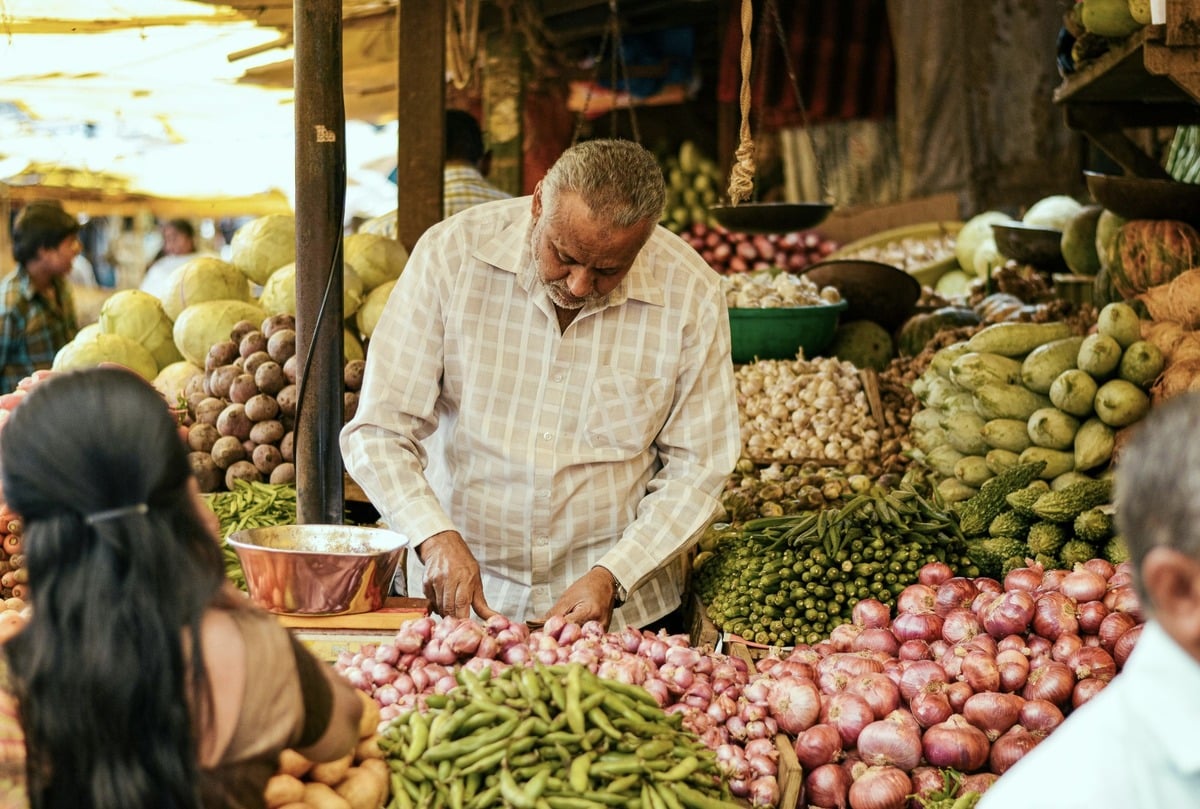
Empowering India: How Eating Local Strengthens Farmers and Communities
When you choose to eat local produce in India, you play a vital part in sustaining the heart of the nation—its rural farmers. More than 54% of India’s workforce is directly engaged in agriculture, according to the Ministry of Agriculture & Farmers Welfare. These dedicated individuals ensure that markets and millions of households have access to fresh, wholesome food. Supporting local farmers provides stable income streams, preserves multigenerational wisdom, and helps entire villages thrive.
Imagine walking through a bustling mandi, where the morning air buzzes with conversations in dozens of dialects. Every purchase you make here directly supports families whose livelihoods depend on crop yields rather than middlemen. By sourcing directly from them, you enable the growth of self-sustaining communities. This model aligns perfectly with Claudia’s Concept: a holistic wellness philosophy committed to nurturing connections between individuals, food sources, and community well-being.
The Role of Farmers’ Markets (Mandis) and Direct Buying
Have you ever strolled through a village haat or an urban farmers’ market? These vibrant spaces serve as both commercial and social hubs. Unlike supermarkets, mandis create a direct link between farmers and consumers. According to the National Sample Survey Office (NSSO), more than 65% of small farmers rely on local markets for direct sales, increasing their earnings by eliminating intermediaries.
- At a mandi, farmers sell seasonal produce harvested just hours before, ensuring maximum freshness.
- Interacting one-on-one fosters transparency—you know who has grown your food and under what conditions.
- Participating in direct buying supports fair practices; fair compensation empowers growers to invest in better seeds, sustainable methods, and education.
Consistent with the principles of Claudia’s Concept, these practices make every meal an act of local empowerment and gratitude.
Empowering Marginalized Communities, One Choice at a Time
Local food choices go beyond economics—they uplift marginalized groups often overlooked in broader supply chains. In many regions, women form the backbone of farming bodies, managing seed selection and post-harvest activities. When you opt for grains, pulses, and vegetables grown locally, you channel resources directly to smallholder women and indigenous farmers.
According to Oxfam India, women’s involvement in agriculture accounts for over 75% of the full-time workforce in some states, yet they have limited market access. Your local purchases dissolve these barriers, creating inclusive growth opportunities across castes, tribes, and genders.
Spice Cultivation: Sustaining Livelihoods in Kerala, Sikkim, and Beyond
Visit Kerala during the pepper harvest or walk through cardamom plantations in Sikkim—you’ll witness entire communities depending on the spices that define Indian cuisine. The Spices Board of India confirms that the livelihoods of over 3 million people hinge on small-scale spice cultivation. This industry preserves not only jobs but also centuries-old traditions of organic farming and aromatic expertise.
Choosing locally-grown spices infuses your meals with authentic flavors while safeguarding the futures of these remote, skill-rich communities.
Experience: Visiting a Village or Community Farm
Have you ever visited a community farm in rural Maharashtra or experienced a rice paddy transplanting festival in West Bengal? These immersive experiences make the journey from soil to plate tangible and rewarding. As you help plant saplings or harvest gourds, you feel an immediate sense of connection and respect for every hand involved.
By supporting local foods and spending time in these settings, you nourish body and soul while actively participating in a collective story of empowerment, sustainability, and resilience. The next time you select local produce, remember: your choices sow seeds for stronger, more vibrant communities across India.
Freshness and Nutritional Value: The Irresistible Advantage of Eating Local in India
Taste that burst of freshness on your palate—there’s simply nothing like it. When you choose locally grown foods, you bring home irresistible flavors and maximize the nutrition in every bite. In my years guiding India’s health-conscious community through Claudia’s Concept, I have seen over and over: foods eaten at their freshest offer more—not just in taste, but in real, measurable nutrients. But what makes local produce such a nutritional powerhouse compared to their long-traveled counterparts?
Short Journeys, Superior Nutrition
The journey from farm to plate dramatically impacts a food’s nutritional content. When local fruits and vegetables only travel a short distance, they reach your kitchen within days—sometimes just hours—of harvest. Studies from the Indian Council of Agricultural Research show that water-soluble vitamins such as vitamin C and several B-complex vitamins degrade rapidly after harvest. Spinach, for example, may lose up to 90% of its vitamin C content within 24 hours if unrefrigerated, and even more over days of storage or transport. So, when you buy lauki from a local market in the morning and prepare it fresh for lunch, you’re preserving much more of its hydration, potassium, and vitamin content than if it spent a week in transit from another state.
Nutritional Edge: Fresh vs. Transported Foods
- Local foods are often picked at peak ripeness, ensuring both better flavor and higher concentrations of phytochemicals and vitamins. Research in the Journal of Food Science and Technology has found that tomatoes picked when ripe and eaten soon after harvesting have up to 30% higher lycopene and vitamin C levels than those picked green to withstand long travel.
- Transported foods lose water and nutrients over time, especially in India’s hot climate. Leafy greens like methi and coriander, popular in Indian kitchens, start losing antioxidants almost immediately after harvesting if not consumed quickly.
Water-Rich Local Favourites: Refreshment and Nutrition Combined
Think about biting into a juicy watermelon or a cool slice of lauki in the summer. These water-rich fruits and vegetables, abundant in every region of India, hydrate you efficiently while offering vital minerals and fiber. Locally sourced produce like musk melon, cucumber, and ash gourd—when eaten within a day or two of harvest—retains their high water content and micronutrients, contributing to natural detoxification and improved digestion.
Flavor Explosion: Why Fresh Just Tastes Better
Have you ever noticed how a freshly picked curry leaf or a tender stalk of amaranth simply bursts with aroma and taste? This is no culinary magic; it’s science in action. Volatile flavor compounds begin to break down almost immediately after harvest. Research shows that locally sourced produce retains higher levels of these essential oils, giving your dishes that authentic, mouth-watering taste you remember from your grandmother’s kitchen.
Celebrating Local Freshness in Indian Recipes
Indian cuisine is designed to amplify the flavors of freshly harvested produce. From green chutneys made with coriander plucked at sunrise to cooling raitas that showcase the crisp sweetness of local cucumber, every region features dishes that let fresh, local ingredients shine. Even something as simple as a khaman dhokla made with fresh coriander and local ginger delivers a different, more vibrant experience.
At Claudia’s Concept, I always encourage clients to explore their city’s morning markets. Nothing supports your wellness journey quite like meals built on just-picked, nutrient-rich produce—bursting with local flavor and the purest taste.
Seasonal Eating: Harnessing Nature’s Timetable for Optimum Health in India
Sync Your Diet with Nature’s Rhythm
Have you ever noticed how your energy and cravings change as the seasons shift? When we align our meals with India’s natural growing cycles, our bodies and minds respond positively. Throughout my journey with Claudia’s Concept, clients consistently experience improved digestion, boosted immunity, and enhanced vitality simply by eating what’s in season.
Modern science explains this beautifully: seasonally grown produce contains higher concentrations of specific nutrients the body needs for that time of year. For instance, research published in the International Journal of Food Sciences and Nutrition (2017) reveals that foods harvested in their peak season are richer in antioxidants and phytonutrients compared to out-of-season varieties stored for long periods.
Winter vs. Summer: What Should You Eat?
India’s culture overflows with examples of seasonal eating, each dish attuned to weather-driven needs. In winter, dishes like sarson ka saag not only offer warmth but are also loaded with vitamins A, C, and K—essential for immune support during cold months. Winter greens such as bathua and methi deliver iron and folates, fortifying the body against seasonal ailments.
As temperatures climb, our menus naturally pivot to cooling fruits and vegetables. Juicy mangoes and fleshy watermelons dominate Indian homes in summer, replenishing hydration and essential electrolytes lost through perspiration. According to data from the Indian Journal of Endocrinology and Metabolism (2013), consuming high-water-content foods during summer prevents dehydration and heat stress far more efficiently than artificially stored off-season produce.
Have you tried planning your meals around seasonal produce lately?
Recipe Inspiration: Build a Seasonal Thali
Let’s bring Claudia’s Concept to your kitchen. For a balanced, nourishing plate that mirrors the best of local harvests, try a seasonal thali. In winter, combine sarson ka saag, makkiki roti, steamed carrots, radish salad, and a bowl of moong dal. Swap to a summer thali packed with mango-avocado salad, cucumber raita, lauki sabzi, soft phulkas, and plain buttermilk.
- Each dish delivers unique micronutrients ideal for the present climate.
- The variety ensures a well-rounded nutrition profile without repetitive flavors.
- Eating this way keeps meals interesting and your body perfectly in tune with nature’s offerings.
Imagine the burst of seasonal aromas at every bite—now, that is mindful, joyful eating.
Saving Water and Easing Farmers’ Burdens
Eating what’s in season does much more than just delight your taste buds. Seasonal crops require significantly less artificial irrigation and chemical intervention because they thrive naturally in their intended windows. A study from the Indian Council of Agricultural Research (ICAR) shows that cultivating crops during their natural growing seasons uses up to 40% less water than forcing off-season growth. This leads to sustainable use of precious water resources across India’s agricultural heartlands.
Farmers benefit too. By choosing what’s naturally abundant, farmers face lower production costs, reduced crop loss, and less stress in managing unpredictable weather or pests. When more people select local, seasonal crops—especially those promoted by holistic communities like Claudia’s Concept—everyone wins: you, the farmer, and the earth itself.
What seasonal favorite will you add to your next meal? Start a conversation with your family about which fruits or vegetables you see more of at your local market right now.
Reducing Food Miles and Carbon Footprint: How Eating Local Makes a Lasting Difference
Understanding Food Miles in the Indian Context
When discussing sustainable nutrition, food miles sit at the heart of the conversation. The term “food miles” refers to the distance that food items travel from the producer to your plate. In India, where the agricultural landscape is vast and diverse, these distances can stretch across several states or even continents. Every kilometer covered by food in trucks, ships, or planes contributes to greenhouse gas emissions. Scientific studies, such as those published by the Food and Agriculture Organization, confirm that long-distance transport accounts for up to 11% of the food system’s carbon footprint.
Have you ever compared the flavor of a mango picked from a local orchard in Ratnagiri with one shipped from a distant country? The local mango doesn’t just taste better—its environmental impact is substantially lower. Transporting fruit from another continent often involves refrigeration, protective packaging, and lengthy shipping routes. Each of these steps uses fuel—primarily diesel and aviation fuel, both of which emit carbon dioxide and particulates. By contrast, a mango grown and consumed locally skips most of this journey. The immediate result: lower total emissions, less packaging waste, and a direct benefit to your health and the planet.
Indian Examples: Local vs. Imported Food Journeys
- Mangoes: Picking Alphonso mangoes right from a local Maharashtra farm means the fruit covers less than 100 kilometers to reach your table, while imported mangoes may travel over 5,000 kilometers, generating an estimated 10-15 times more CO2 in transit.
- Rice: Choosing native Sona Masuri rice produced in Andhra Pradesh over imported varieties eliminates the need for refrigerated containers and excess plastic wrapping. According to research from the Indian Institute of Science, reducing packaging alone cuts down solid waste by up to 40 grams per kilogram of food transported.
- Fresh Greens: Purchasing spinach and coriander from urban organic farms bypasses the cold-storage chain and truck convoys often required for out-of-season produce flown in from other regions.
Emissions, Packaging Waste, and Preserved Flavors
With every local meal, you actively cut down your carbon footprint. Minimizing food miles directly reduces vehicular emissions. Numbers from India’s Ministry of Environment show that food transport accounts for roughly 30% of transport-sector emissions in metropolitan areas. By supporting food grown within a 100-kilometer radius, you shrink that footprint, conserve fossil fuels, and slash traffic-driven air pollution.
Besides emissions, shortened transport distances mean that your food needs less packaging—think fewer plastic wrappers or foam cases. Less packaging ends up as landfill or litter, preserving your city’s environment. Just imagine the difference when your weekly vegetable basket arrives in reusable jute bags from a local farm, compared to a heap of pre-packed imports.
Transport can also affect taste and nutrient content. Fruits and vegetables picked closer to ripeness, as happens with locally sourced produce, retain their original flavor compounds and antioxidant levels. Scientific analysis published in the Indian Journal of Nutrition and Dietetics confirms that tomatoes and papayas consumed within 24 hours of harvest boast higher vitamin C content and superior taste.
Preserving Seeds: The Importance of Indigenous Varieties
India’s agricultural legacy is shaped by countless native seed varieties—bajra from Rajasthan, indigenous brinjals from Andhra, native millets from Tamil Nadu. Local seeds naturally adapt to travel-short distances and thrive in regional climates. They produce resilient crops with minimal intervention, store well, and often require little to no chemical preservation. Supporting local food systems preserves this rich biodiversity for future generations.
At Claudia’s Concept, I encourage you to reflect the next time you select your weekly groceries. Which journey do you want your mango, rice, or spinach to take? By choosing regional produce, you will see tangible change: fresher taste, fewer emissions, and less waste—a healthier you and planet, always interconnected.
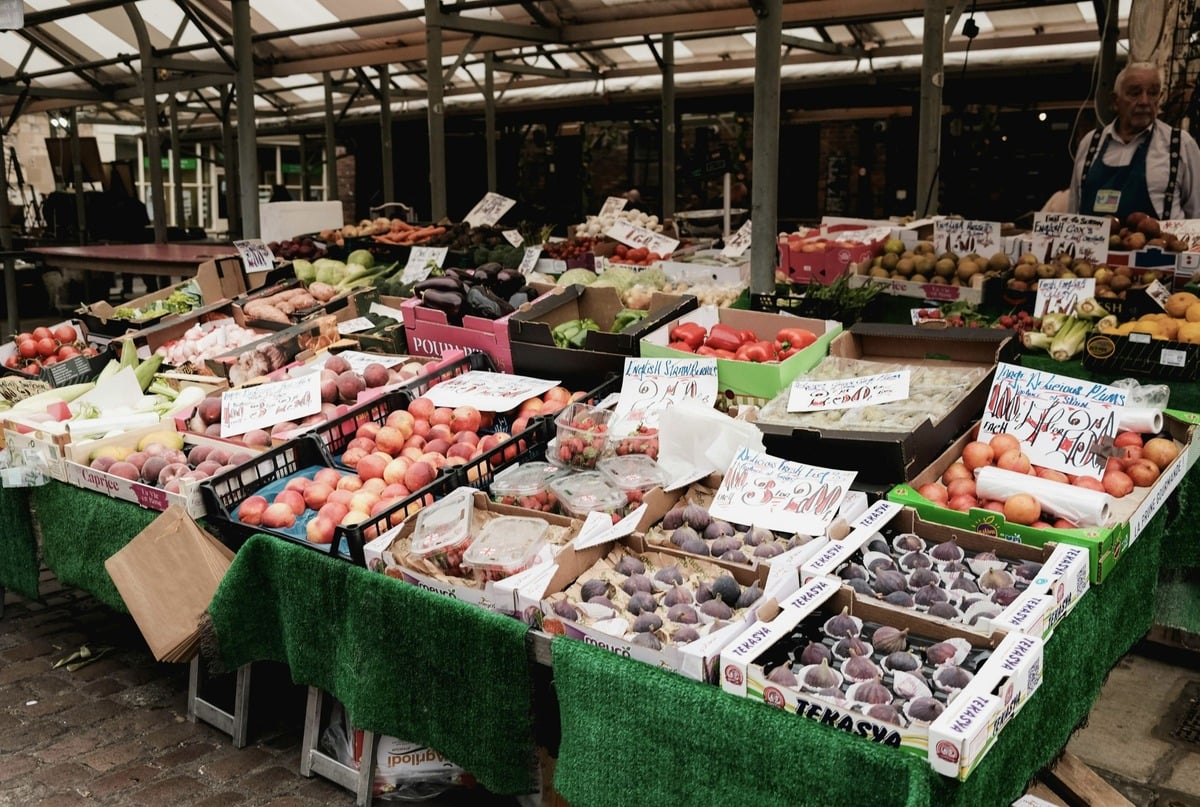
Economic Benefits for the Local Economy: How Eating Local in India Creates Ripple Effects
Every time you choose to eat local, you put your money where your heart is – right in your own community. With each rupee spent on local produce, you’re igniting a powerful chain reaction that strengthens the economic framework of your neighborhood. Think about it: when you visit your neighborhoodsabziwala or weekly haat, your purchase keeps farmers, traders, transporters, and countless other service providers paid and motivated. This local circulation of money is the engine that powers community growth, bringing stability and resilience to rural and urban spaces alike.
Circulating Wealth Within Communities
Studies consistently show that money spent with local businesses recirculates at least four to five times more within the community compared to spending at large chains or importing goods. For instance, the multiplier effect reported by the Institute for Local Self-Reliance in 2022 demonstrated that, for every ₹100 spent at a local business, up to ₹68 stays in the local economy, compared to only ₹43 when spent at a non-local outlet. This ongoing cycle of local transactions forms the backbone of thriving communities and directly enhances livelihoods.
Boosting Regional Tourism Through Local Food Markets & Festivals
Across India, vibrant food markets and festivals draw visitors looking for authentic experiences. Whether you’re exploring the aromatic spice stalls of Kerala’s Onam fair or savoring fresh fruits at Himachal’s apple festival, these events don’t just benefit local farmers – they attract tourists, create jobs for artisans, transport operators, guides, and food vendors, and stimulate regional economies. Indian states, like Punjab and Goa, report a 15-20% boost in domestic tourism revenues during major harvest festivals, thanks to the popularity of these gatherings.
Supporting the Ecosystem: Seed Sellers, Equipment Makers, and Spice Vendors
Local foods don’t just benefit producers; countless businesses support and rely on them, too. When farmers sell more, seed sellers see an uptick in demand. Equipment manufacturers receive more orders for harvesting and packaging tools. Spice vendors – from the bustling mandi in Mumbai to the historic markets of Old Delhi – thrive as demand rises for authentic masalas and condiments. Claudia’s Concept actively connects clients with renowned local suppliers, ensuring both exceptional taste and sustained prosperity for these unsung heroes of the food system.
Living the Experience: Attend a Farmers’ Event or Food Fair
Imagine immersing yourself in the infectious energy of a local food fair: tasting just-harvested produce, chatting with growers about their journey, and watching a millet demonstration firsthand. Participating in such events allows you to support these grassroots initiatives tangibly. Have you ever considered spending a morning at your city’s farmers’ market or visiting a rural food festival? The joy is palpable, the flavors are fresher, and you’re contributing directly to economic growth. This is the spirit Claudia’s Concept celebrates and encourages, making eating local a shared, joyous adventure.
Celebrating the Forgotten Indian Plate: Promoting Indigenous and Traditional Foods
Reviving Ancient Grains, Pulses, and Millets
Let’s take a moment to appreciate something extraordinary that quietly thrives in every corner of India: our indigenous foods. You know names like rajgira (amaranth), barnyard millet (sanwa), jowar (sorghum), and kodo millet. These time-tested staples hold a legacy which goes back millennia. Bringing these ingredients into everyday meals instantly revives India’s cultural tapestry, and it empowers your body with nutritional excellence. At Claudia’s Concept, I encourage rediscovering these wonderful crops through creative kitchen experimentation.
- Chronicles of nutrition: Ancient Indian grains and pulses contain naturally higher levels of fiber, bioavailable minerals, and plant-based proteins compared to many imported or highly processed cereals. Peer-reviewed studies from the Indian Journal of Traditional Knowledge have highlighted how millets like pearl millet and finger millet offer outstanding concentrations of essential amino acids and micronutrients such as iron, calcium, and magnesium.
- Flavorful, Nutrient-Dense, and Less Processed:Flavors found in these grains and pulses are earthy, nuanced, and deeply satisfying. Because they require minimal processing, their natural goodness remains intact. Swapping in ragi (finger millet) for refined wheat, for example, delivers not only flavor but also more resistant starch—proven to support better blood glucose control according to clinical evidence in the journal Frontiers in Nutrition.
Conserving Water Through Crop Choices
Every time you cook with millets, urad dal, or horse gram, you are part of a water-wise movement. As much as 60% less water is required to grow many indigenous cereals and pulses, compared to high-demand crops like rice or wheat (as data published by the Indian Institute of Millets Research shows). Choosing traditional foods will directly help conserve our vital water resources in drought-prone regions.
Simple and Nourishing Recipe: Millet Khichdi
Craving inspiration? Why not prepare a soothing bowl of millet khichdi tonight? Combine washed barnyard or kodo millet, a handful of seasonal vegetables, split moong dal, and aromatic ginger-garlic. Simmered gently in turmeric-spiced water and topped with a dash of ghee, this comforting dish brings together hearty nutrition and the unmistakable taste of home. Millet khichdi serves as the perfect foundation for balanced eating—a philosophy central to Claudia’s Concept.
Experiences That Connect Generations
Learning from elders who’ve mastered the art of preparing regional specialties offers more than culinary secrets; it reconnects us with family wisdom and living traditions. Haven’t you noticed how a grandmother’s simple dal-chawal or your neighborhood chef’s millet roti carries stories in every bite? Ask questions. Watch and learn. Local food traditions have stood the test of time—immerse yourself in the conversations and rituals that celebrate these age-old flavors.
You’ll discover, as you fully embrace local, indigenous fare, that each meal becomes a journey through history, health, and heartfelt flavor.
Start Your Journey: Embrace the 7 Fantastic Benefits of Eating Local in India
Have you ever paused at a bustling sabzi mandi or admired the colors at your neighborhood farmer’s market, wondering what changes when you fill your basket with local treasures? Embracing Indian-grown foods transforms more than your plate—it shapes health, flavors, communities, and future possibilities right where you live. Throughout this guide, I’ve highlighted seven distinct ways eating local in India delivers remarkable results, from curbing carbon footprints to elevating nutrients on your table.
These aren’t just abstract promises. Scientific reports, like those from the Food and Agriculture Organization, confirm that produce grown close to home—harvested at peak ripeness and enjoyed fresh—retains higher vitamin C and antioxidants versus those trucked in from afar. Every time you choose indigenous staples, whether Kullu Red Rice or Jackfruit from Kerala, you’re directly investing in local economies and supporting India’s rich agricultural biodiversity.
Sometimes, the first step is the most important. Try adding one local vegetable a week to your meals. Maybe experiment with a simple recipe featuring your region’s pulses—have you ever made a comforting bowl of horse gram dal? As you explore, notice the tastes, textures, and stories that come alive on your plate.
Your experience matters—I’d love for you to share your favorite local food finds or family recipes with me and the Claudia’s Concept community. Every story inspires someone else to try something new and supports our collective journey toward more mindful, sustainable nourishment.
- Eat local, eat better—for health, flavor, and India’s future!
Quick Tips: How to Find Local Foods in Your City
- Seek out morning farmer’s markets for the freshest seasonal produce.
- Join local WhatsApp groups centered around organic farm deliveries or weekly vegetable shares.
- Talk to your neighborhood grocer; often, they source directly from regional farms.
- Ask restaurant staff which menu items use local ingredients—you’ll often discover hidden gems.
Health Spotlight: Why Your Gut Loves Fresh, Local Flavors
Locally grown fruits and vegetables harbor beneficial soil microbes unique to your area, which support healthy gut flora diversity. Studies from the Indian Council of Medical Research show that a diet rich in regional, unprocessed plant foods contributes to a balanced microbiome, improved digestion, and reduced inflammation.
Tiny Glossary: Lesser-Known Indian Seeds and Spices to Try
- Niger seeds (Ramtil): Tiny oilseeds from Central India—nutty and omega-rich.
- Ajwain leaves: Aromatic foliage often brewed in teas or used in pakoras for digestive ease.
- Kokum: Tart fruit from the Western Ghats, a staple souring agent in regional curries.
- Black Rice (Chak-Hao): Nutritious, antioxidant-packed variety from the Northeast.