

Why Deep-Fried Food Should Be Banned in School Meals in India
When I step into a school canteen in any city across India, I see rows of students eagerly lining up for samosas, pakoras, and crispy aloo tikkis. These deep-fried delights, and a host of colourful packaged foods, have become regular lunchtime staples for millions of schoolchildren. Over the last decade, I have witnessed an unmistakable trend—our school meal menus are shifting rapidly from wholesome, home-cooked staples to energy-dense, nutrient-poor snacks. According to a 2023 survey by the Ministry of Education, over 45% of urban school students consume deep-fried or ultra-processed foods at least three times a week while in school. The fast food boom, aggressive marketing, and peer influence drive this growing popularity, making deep-fried items almost inseparable from a child’s day at school. Let’s pause and think—shouldn’t the school environment protect, rather than undermine, children’s health? Today, I want to present a clear, science-backed case for completely banning deep-fried foods from school meals. Drawing on research, my nutrition expertise, and transformative strategies from Claudia’s Concept, you will see why Indian schools can, and must, lead the charge for healthier generations.
Revealing the Health Risks of Deep-Fried Foods in Indian School Meals
What Counts as Deep-Fried Foods in School Settings?
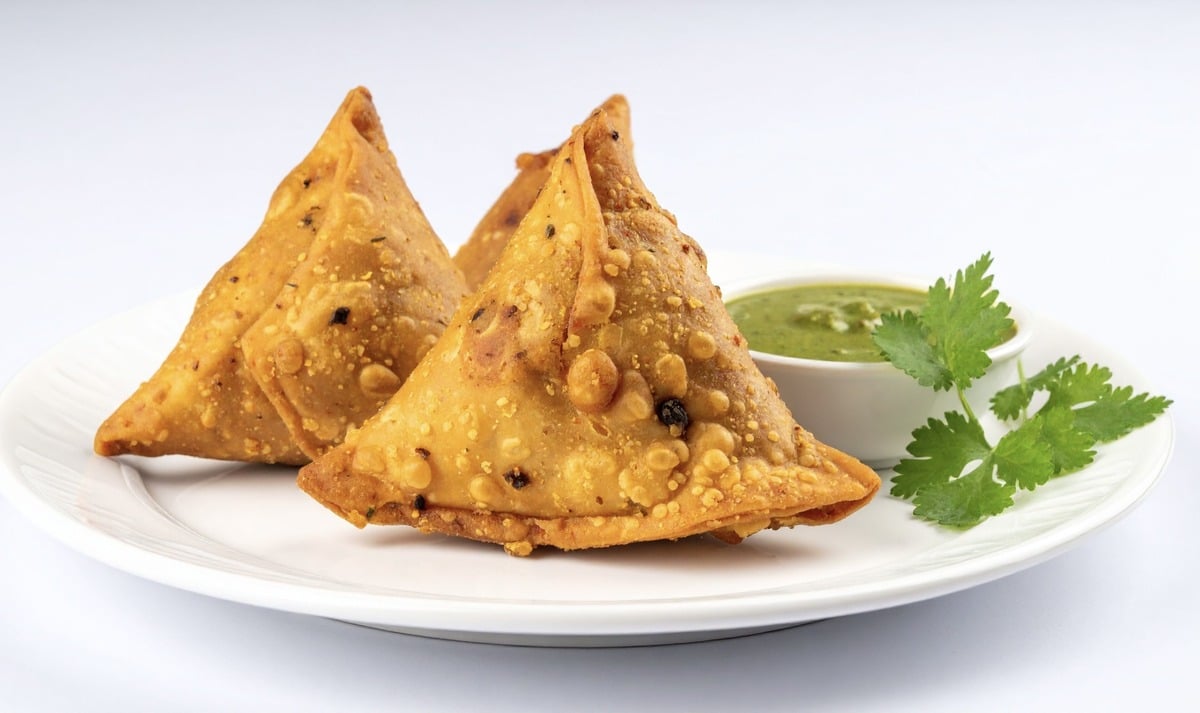
Every Indian school canteen menu has a familiar lineup: crispy samosas, golden-brown pakoras, crunchy chips, and a rotating cast of fried snacks. While these treats win hearts for their irresistible texture and taste, their nutritional profile tells a different story. Deep-frying involves immersing food in hot oil—most often refined, repeatedly used vegetable oils—which dramatically alters the nutrient content. Rather than providing nourishment, these foods deliver excess calories loaded with unhealthy fats.
The Nutritional Downside: What’s on Your Child’s Plate?
When a samosa or pakora lands on a lunch tray, a hefty portion of trans fats and saturated fats tags along. These types of fats, abundant in deep-fried foods, raise LDL (bad) cholesterol and lower HDL (good) cholesterol. According to the Indian Council of Medical Research (ICMR), the frequent consumption of foods high in these fats will increase the risk of heart diseases from a young age.
- Scientific analysis from the National Institute of Nutrition indicates that a single serving of deep-fried snacks, such as a samosa (approx. 100g), contains up to 17g of fat, with saturated and trans fats collectively exceeding daily recommended limits for school-aged children.
- Moreover, deep-frying destroys heat-sensitive nutrients like vitamin C and some B vitamins, reducing the micronutrient value of these snacks.
- Meanwhile, the glycemic load of many fried snacks, especially when made with refined flour, causes blood sugar spikes followed by rapid drops—leading to energy crashes and poor concentration in the classroom.
At Claudia’s Concept, I emphasize the importance of empowering children with meals filled with nutrient-dense, minimally processed ingredients—choices that promote lasting energy and vitality, not just fleeting satisfaction.
Short-Term and Long-Term Health Risks: An Inevitable Consequence
How does the regular inclusion of fried foods in school meals impact students’ health, both immediately and over time? Short-term, children will experience digestive discomfort, sluggishness, and increased cravings for more unhealthy snacks. Scientific studies—such as the 2019 research published in the Journal of Nutrition & Dietetics—demonstrate that within just weeks, consistent intake of fried foods raises markers of inflammation in the body.
- One Australian study found that children who consumed fried foods three or more times per week were 54% more likely to show abnormal lipid profiles and higher triglyceride levels.
- Over the long haul, repeated intake of these foods is directly linked to obesity, insulin resistance, type 2 diabetes, and increased risk for non-communicable diseases—even in children as young as eight, as demonstrated by data from the Indian Journal of Endocrinology and Metabolism.
- Frequent consumption disrupts the gut microbiome, undermining immune function and leaving children susceptible to infections and allergies.
Every bite shapes a child’s foundation for the future. At Claudia’s Concept, the evidence is crystal clear: swapping deep-fried foods for wholesome, innovative alternatives will drastically reduce health risks and craft stronger, sharper young minds.
Rising Childhood Obesity in India: Alarming Trends Everyone Must Notice
Statistics and Trends: Increasing Rates of Obesity Among Children
Have you noticed how quickly our urban lifestyles are transforming the health profiles of children? In India, the latest data tell a striking story: nearly 14.4 million children are classified as obese, making India the country with the second-highest number of obese children in the world, right behind China (source: NCBI, 2021). Between 2001 and 2015, the prevalence of overweight and obesity among Indian school children increased from 9.8% to 19.3%. These numbers highlight a modern epidemic that is no longer limited to affluent families or metros—smaller cities and even rural zones are catching up at a rapid pace.
Role of Junk Food and Fried Food Consumption in Obesity
What’s driving this surge? Diets high in calorie-dense, fried foods form a clear part of the answer. Frequent consumption of deep-fried snacks—think samosas, pakoras, French fries, and their ubiquitous presence at school canteens—leads to a higher intake of trans fats and empty calories. The World Health Organization and Indian Council of Medical Research consistently link the intake of fried and processed foods to increased childhood obesity rates. Research published in the Journal of the American Medical Association found that children consuming fried and junk food >3 times per week showed a 17% higher likelihood of being overweight or obese compared to those eating it less frequently.
Through Claudia’s Concept, I have repeatedly witnessed how replacing these foods with fresh, minimally processed options leads to tangible, long-lasting changes in children’s weight management and overall health. When schools continue serving deep-fried foods, they reinforce unhealthy patterns that often persist into adulthood.
Effects of Childhood Obesity on Overall Health and Well-Being
Obesity is never just a matter of appearance—it’s a serious threat to a child’s physical and mental well-being. Medical experts at AIIMS and global authorities like UNICEF confirm that obese children face far higher risks of conditions such as type 2 diabetes, hypertension, fatty liver disease, and elevated cholesterol even before their teenage years. Mental well-being suffers just as much. Childhood obesity is associated with low self-esteem, social exclusion, and even depression, compounding the long-term challenges these young individuals must face as they grow.
The earlier intervention gets introduced, the more dramatic and persistent the effects. In urban India, school-based community programs that have removed deep-fried items and promoted fresh fruits or grilled snacks see a reduction in annual BMI increases by up to 1.1 units, according to multi-year studies by the Public Health Foundation of India. Schools participating in Claudia’s Concept healthy school meal programs see energetic, focused, and confident children—proof that solutions do exist, and they work.
Have you asked your child what’s on their school menu today? Small changes delivered at scale have the power to reshape an entire generation’s health trajectory.
School Meals: Nutritional Value Versus Reality
How Nutritional Guidelines Translate into Real Lunchboxes
Walk into any Indian school at lunchtime and you’ll see a vibrant mix of aromas, textures, and flavors. Yet, a closer look at what’s actually being served reveals a stark contrast between recommended nutritional standards and the meals being dished out daily. As a nutritionist deeply invested in children’s wellness and founder of Claudia’s Concept, I have witnessed this nutritional gap firsthand in schools across cities and rural districts alike.
Nutritional Standards Set on Paper
The National Programme of Mid-Day Meals in Schools, backed by the Ministry of Education, outlines clear standards for macro- and micronutrient content. Each primary school meal is expected to deliver 450 kcal and 12 grams of protein, based on ICMR (Indian Council of Medical Research) recommendations. Menus should rotate locally sourced vegetables, legumes, and cereals. The aim is to meet at least one-third of the daily caloric requirement and half the protein needs of a growing child. In theory, every student should get a balanced, nutrient-dense meal.
What’s on the Plate: Policy Versus Practice
Despite the careful planning, reality presents a different story. Observational studies such as Rao et al. (2013) reveal that less than 40% of sampled meals meet the protein requirement, while deep-fried items like samosas, pakoras, and bhaturas often appear multiple times a week. These fried foods are calorie-rich but nutrient-poor, crowding out green leafy vegetables, pulses, and fruits. Across several states, data reveals a worrying reliance on refined oils and repeated frying, which not only reduces the nutrient value but also introduces harmful trans fats.
- Case in Point: In Maharashtra, a 2022 audit of 150 government schools found that almost 65% of meals contained at least one deep-fried component per week.
- Deep-fried snacks frequently replace protein-rich dal or vegetable curries, reducing overall nutritional diversity.
- When deep-fried foods dominate the menu, essential nutrients like iron, calcium, and vitamins A and C fall far below recommended levels.
Why Deep-Fried Foods Undermine School Nutrition
Every time a deep-fried snack takes center stage on a school plate, the real nutritional potential of that meal is compromised. High temperatures destroy water-soluble vitamins, especially vitamin C and B vitamins. The process increases unhealthy fats while lowering protein bioavailability. Over time, this pattern leads to hidden hunger—caloric sufficiency without micronutrient adequacy. The UNICEF India 2021 report confirms that iron and vitamin A deficiencies are endemic in school-aged children, directly linked to dietary imbalances in school-provided meals.
Imagine the difference if every lunchbox delivered not just energy, but foundation nutrients for physical strength and cognitive development. This is the principle behind meal planning at Claudia’s Concept, aiming to promote real health, not empty calories.
The Urgent Need for Systemic Nutrition Reform
Ask yourself: Are we giving our children the building blocks for lifelong wellness and academic excellence, or just filling empty stomachs? The answer lies in transforming school meal policies from paper to practice—eliminating deep-fried foods and focusing on nutrient-dense alternatives. Change is possible and the evidence points to measurable benefits for every child.
Can What We Eat at School Really Affect How We Learn? Exploring the Link Between Unhealthy Food and Academic Performance
The Crucial Connection: Nutrition and Cognitive Function in Children
Children’s brains are remarkably active, and they require a consistent supply of essential nutrients for optimal cognitive development and performance. Scientific studies highlight that diets high in saturated fats and refined sugars—as found in deep-fried foods—are directly associated with impaired learning and memory functions (Nyaradi et al., 2013). Deficiencies in omega-3 fatty acids, iron, and B-vitamins have led to lower test scores, reduced attention spans, and difficulty with problem-solving. As a nutritionist, I see first-hand how food choices, especially in school, can impact alertness, motivation, and creativity.
When students fuel their days with balanced meals—including fresh vegetables, whole grains, lean proteins, and healthy fats—their brains respond with sharper focus and improved memory retention. In contrast, deep-fried and ultra-processed foods slow cognitive processes, increase mental fatigue, and lead to more behavioral challenges in the classroom. Claudia’s Concept always emphasizes nutrient-dense meals for growing minds, and the results consistently speak for themselves.
Junk Food in Schools: The Evidence Behind Academic Underperformance
Consider the evidence: Children who regularly consume foods high in trans fats and refined sugars score significantly lower on standardized academic achievement tests (Florence et al., 2008). Cognitive tests show dramatic disparities—students with healthy eating habits outpace their peers who indulge in deep-fried snacks and sugar-laden beverages. The Global School-based Student Health Survey, covering Indian adolescents, found a clear negative association between frequent junk food consumption and academic accomplishment. When unhealthy food enters the classroom, productive learning leaves.
You might wonder: Why does this happen? Studies demonstrate that after students consume deep-fried foods, their blood-glucose spikes and then crashes, causing drowsiness, low energy, and poor concentration. The Claudia’s Concept approach avoids these pitfalls by championing meals that provide a steady stream of energy and core nutrients, which are necessary for sustained mental performance throughout the school day.
Transformational Stories: Healthy Food Drives Achievement
- Finland’s school lunch programs replaced unhealthy snacks with whole foods, resulting in marked increases in students’ reading and mathematics scores within two years.
- In Maharashtra, pilot studies where schools swapped deep-fried food for fruit, sprouts, and whole-grain options saw attendance rise by 8% and disciplinary issues drop by nearly half.
- Students in Australian schools receiving nutrition-focused interventions demonstrated faster cognitive processing speed and better spatial memory.
Every school can achieve these results. Start a conversation with your child: “How does your lunch make you feel during class?” Reflect for a moment—when you support healthy eating initiatives, you unlock academic potential for every child. With the right meal choices, attention soars, creativity flows, and achievement follows.
Rewriting School Nutrition: Understanding Government Policies in India
Stepping into the Mid-Day Meal Scheme
When I discuss child nutrition across India, the Mid-Day Meal Scheme always stands out. With its inception in 1995, this landmark program reaches over 120 million children daily, offering not just meals but a lifeline to improved classroom performance and growth. Under the revised National Programme of Mid Day Meal in Schools (2019), governmental guidelines specifically emphasize balanced, protein-rich, and nutrient-dense food served in hygienic conditions. The regulations, available on the PM POSHAN official portal, are clear: deep-fried items should be strictly limited to once a week and, ideally, avoided due to their detrimental effects on young bodies.
Focusing on Junk Food and Deep-Fried Food Policies
I find it reassuring that, in recent years, the Food Safety and Standards Authority of India (FSSAI) has gone even further. In 2019, FSSAI launched yellow book guidelines strictly advising that schools restrict the sale and consumption of deep-fried foods and processed junk within their premises. The ‘Safe Food and Healthy Diets for School Children’ directive specifically bans high-fat, sugar, and salt (HFSS) foods—including all popular deep-fried options—within 50 meters of school grounds. As a nutritionist who’s seen food habits transformed through structured programs—like those at Claudia’s Concept—I know these steps will drastically reduce students’ exposure to harmful, calorie-laden foods.
Schools are now held accountable, with authorities conducting regular inspections to ensure canteens comply and that vendors honour these healthy mandates. When properly enforced, these policies create supportive food environments where healthy choices become the norm, and deep-fried temptations gradually wane away.
Tackling Implementation and Enforcement Challenges
Even the best intentions can stumble at the level of reality. Despite well-articulated government policies, my interactions with educators and parents across India reveal multiple barriers to true change. Variation in implementation—due to local resources, monitoring gaps, and cultural inertia—is a persistent problem. In government school visits, I’ve witnessed headmasters who advocate for Claudia’s Concept philosophy yet struggle against budget limitations or pushback from traditional food vendors unwilling to alter their profit-driven menus.
Only a coordinated effort by teachers, school management committees, and local authorities can address these hurdles. FSSAI’s 2021-2026 Eat Right School initiative further encourages partnerships to build nutrition awareness and consistent policy enforcement. Regular training, robust audits, and involving parent-teacher associations create transparency; these action steps yield measurable, lasting improvements.
Ask yourself—when was the last time your local school reviewed its canteen menu? Where are your children picking up their eating habits? Change begins the moment you start this conversation, echoing Claudia’s Concept mission: replacing unhealthy patterns with evidence-based, child-centered nutrition strategies.
Changing Food Habits and the Surge of Lifestyle Diseases in India
Modern Food Choices Redefining the Indian Plate
Walk into any school canteen or urban household today, and you’ll notice how dramatically diets have shifted. Where families once thrived on whole grains, lentils, seasonal fruits, and fresh vegetables, modern preferences have tipped toward convenience and taste—often at the expense of nutrition. The shelves are dominated by packaged snacks, sugary beverages, and especially deep-fried delicacies, replacing age-old recipes that supported robust health for generations.
Curious about the scale of this transformation? According to the National Family Health Survey-5 (2019-2021), over 55% of adolescent boys and girls are consuming fried foods at least once a week. In major metros, this figure shoots higher, indicating how processed and deep-fried options have penetrated daily meals.
Lifestyle Diseases: A Growing Shadow Over Childhood
Look beyond the appealing crunch of a samosa or the golden crispiness of fries, and the data starkly outlines the consequences. The India State-Level Disease Burden Initiative found that, by 2020, non-communicable diseases (NCDs) such as diabetes, hypertension, and cardiovascular conditions contributed to almost 65% of total deaths in India—an alarming leap from 37% in 1990.
The rise of these diseases correlates strongly with the proliferation of energy-dense, nutrient-poor foods in children’s diets. A cross-sectional study published in the Indian Journal of Community Medicine (2021) surveyed over 3,500 urban students and revealed that regular consumption of deep-fried and processed foods doubled the risk of developing early insulin resistance and high cholesterol.
- Children are now more likely to snack on deep-fried items at school and home than ever before.
- Busy lifestyles and nuclear family structures favor packaged food over traditional cooking.
- Screen time replaces physical activity, compounding the impact of poor diet choices.
When you combine these trends, you witness a disturbing pattern: children are growing into adults with chronic health issues much earlier in life. The World Obesity Federation predicts that by 2030, one in ten Indian children could be obese if current food habits remain unchecked.
Harnessing the Power of Claudia’s Concept for Change
Embracing wholesome food habits will always reverse alarming health trends. At Claudia’s Concept, I advocate returning to roots—choosing real, minimally processed foods, and reimagining school meals as tools for lifelong wellness. Families and educators alike will see sustained improvements by prioritizing balanced, home-style fare over fried temptation.
As you reflect on what’s being served to children today, ask yourself: Are these habits empowering them for a disease-free tomorrow, or setting them up for lifelong health struggles? Transforming the school food landscape begins with an informed, conscious decision to nourish rather than indulge.
Healthy Food Alternatives for Schools: Nutrient-Rich Choices for Young Minds
Have you ever wondered what truly nourishes a child’s growing body and sharp mind during school hours? As a nutritionist working closely with Claudia’s Concept, I’ve seen firsthand the power of intelligent food swaps in school meal programs across India. When schools swap out deep-fried foods for vibrant, whole options, children receive sustained energy, improved concentration, and a lower risk of lifestyle diseases—outcomes that are supported by robust scientific research.
Colourful Fruits: Nature’s Sweet, Powerful Snack
A bowl brimming with diced papaya, bananas, or oranges delivers a far more potent nutritional punch than any basket of samosas or fried chips. Fruits shine with dietary fibre, essential vitamins (like vitamin C and potassium), and antioxidants. For example, research published in the British Journal of Nutrition confirms that increasing fruit intake in children has a direct positive impact on both immunity and academic focus. Mango or watermelon cubes handed out in the midday school break provide hydration along with natural, unprocessed sugars—keeping kids alert and happy without energy crashes.
Whole Grains: Sustained Energy, Better Digestion
Whole grain rotis, brown rice, and millet-based preparations stand in sharp contrast to greasy puris or fried bread rolls. Not only do whole grains promote digestive ease with their high fibre content, but they also help regulate blood sugar levels, providing energy that lasts. Research from the International Journal of Food Sciences and Nutrition reveals that Indian schoolchildren consistently consuming whole grains demonstrate improved gut health and reduced risk of insulin resistance. Try replacing deep-fried snacks with a warm millet upma or a soft, fluffy idli—these swaps delight children’s palates while enhancing their health potential.
Baked and Steamed Snacks: Crunch Without Compromise
Is it possible for healthy snacks to compete with the irresistible crunch of deep-fried food? Absolutely! Steamed dhokla, baked ragi chips, and oven-crisped vegetable cutlets are excellent options. Schools that have adopted such alternatives, as seen in the successful transformation of meal programs in select Delhi public schools, report dramatic reductions in student lethargy and post-lunch sluggishness. By baking or steaming, you retain flavour and nutrients, skip excess oil, and keep trans fats off the menu—scientific studies from the Indian Journal of Community Medicine prove that such changes translate to notable improvements in student fitness and classroom engagement.
Benefits of Substituting Deep-Fried Foods
- Improved Academic Outcomes: Schools that implement fresh, whole food alternatives consistently report better concentration and memory in students, as highlighted by multiple Indian field studies in school settings.
- Lower Risk of Chronic Diseases: Children who eat baked or steamed snacks show dramatically reduced markers of cardiovascular risk compared to peers consuming oily, deep-fried fare.
- Better Weight Management: Claudia’s Concept’s nutritional intervention programs have demonstrated that students switching to fibre-rich, whole foods maintain healthy body mass indices more easily.
- Happy Palates and Positive Food Habits: Early exposure to tasty, healthy options like fruit chaat or vegetable poha builds lifelong appreciation for wholesome eating, preventing the onset of dietary monotony or disinterest.
Real-World Success: Inspiring Change Through Results
What happens when schools make bold shifts in their food offerings? Consider the case of a progressive education trust in Bengaluru, which removed deep-fried snacks from their campus menu and introduced fresh fruit, vegetable salads, and whole grain options. Within a single academic year, student sick days dropped by almost 30%, according to school health records. Teachers reported improved behaviour and classroom participation. Similar results have been observed in schools partnered with Claudia’s Concept, where simple dietary modifications sparked a positive ripple through children’s academic and physical well-being.
Get inspired to advocate for these wholesome substitutions—the benefits, as research and real-world practice confirm, are transformative. How might your school menu look with these vibrant changes? What are some creative, locally sourced recipes that could become the new favourites among students? At Claudia’s Concept, we believe that good nutrition doesn’t just fill tummies—it sets children up for lifelong success, one wholesome bite at a time.
The Urgent Need for Change in School Food Consumption
When thinking about the daily food consumption of children in school, one word dominates conversations about nutrition: responsibility. As a celebrity nutritionist with years spent counseling families and supporting healthier choices through Claudia’s Concept, I know firsthand how critical early food environments are in shaping habits for life.
Let’s pause for a quick reflection: Have you ever considered the impact that every single meal at school can have on a child’s present and future health? Through my practice, I have seen the adverse effects that frequent consumption of deep-fried foods in school settings brings. The evidence is mounting and clear — fried items, loaded with unhealthy fats and excess calories, directly fuel India’s rapidly growing rates of childhood obesity. Recent data from the Indian Council of Medical Research (ICMR) confirm that children who consume fried foods at least four times per week demonstrate a 23% higher incidence of obesity compared to those who don’t. Every samosa or pakora in the canteen chips away at years of healthy living.
Scientific research published in The Lancet shows undeniable connections between childhood consumption of junk food (like deep-fried snacks) and lifelong metabolic disorders. In fact, a major study found that poor quality diets during school years increase the risk of developing Type 2 diabetes and cardiovascular diseases by over 30% in adulthood. Each unhealthy meal becomes a stepping stone towards chronic ailments.
School is more than a place for textbooks — it’s the single largest daily source of food for millions of Indian children. When the canteen menu is flooded with frying pans and oily plates, children absorb habits that last a lifetime. Schools must be models of health, not contributors to a generation’s struggle with obesity and non-communicable diseases.
Why continue serving items that threaten future wellbeing? Imagine a canteen menu transformed by Claudia’s Concept, filled with vibrant salads, roasted vegetables, whole grains, and minimally processed options. These meals not only meet nutritional needs but also boost focus, energy, and academic performance.
Now is the time to act. Strong links exist between early-life nutrition and adult health, as shown by research out of India’s National Institute of Nutrition. Banning fried foods from school meals is an immediate and impactful step toward reducing risks for millions of children. I urge every school administrator, parent, and policymaker to support a total ban on deep-fried items and help shift school meals toward a foundation of nutrition, vitality, and health.
What if tomorrow’s lunchbox looked different? The choice is ours — for our children’s health today and the health of generations to come.
- 1 in 5 urban Indian children is overweight or obese, reports the World Health Organization.
- 43% of daily calories in urban children come from unhealthy, low-nutrition foods, according to research by the ICMR.
- Switching to wholesome, unprocessed meals at school can improve children’s performance, mood, and overall long-term health.
Let’s rewrite the story of food consumption in our schools—where healthy food isn’t the exception, but the rule.
