
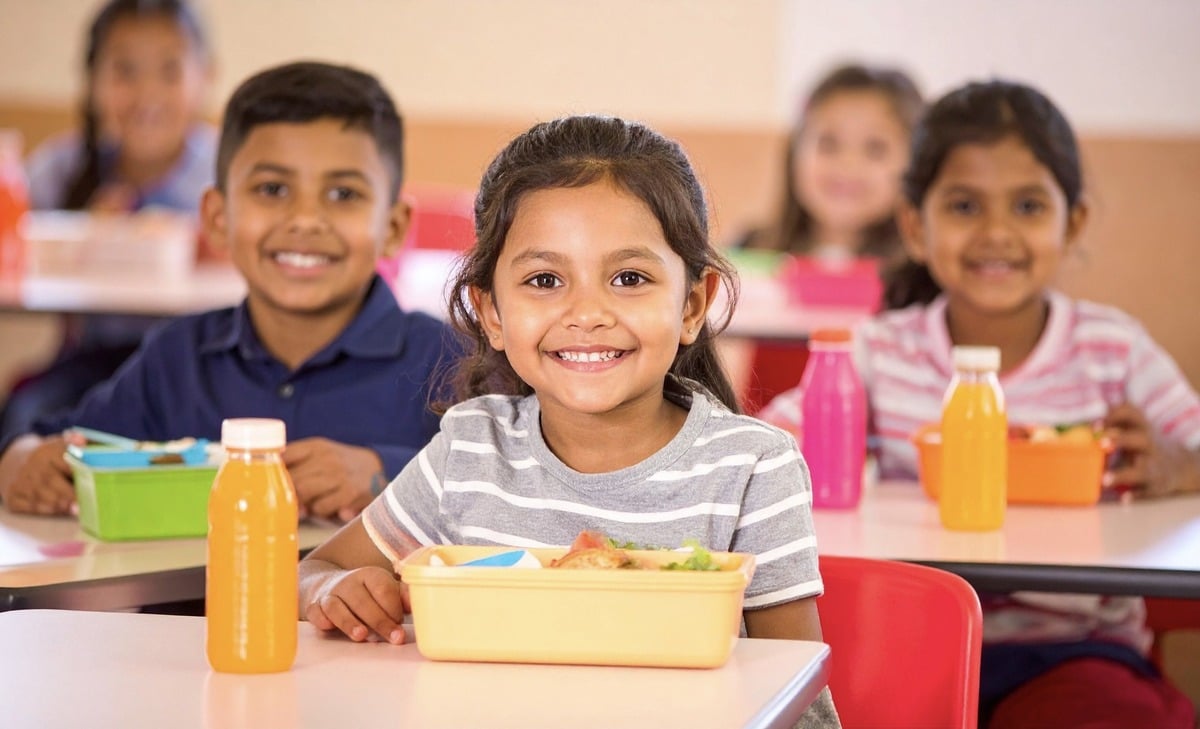
As a global community, we face an alarming surge in childhood obesity—according to the World Health Organization (WHO), over 340 million children and adolescents aged 5-19 were overweight or obese in 2016, and these numbers continue to climb each year. In a world where cafeterias are often stocked with processed snacks and sugary drinks, schools become pivotal battlegrounds for nutrition and health. The WHO’s decision to target schools isn’t random; children spend a significant portion of their days within these environments, making them the ideal setting for building healthy habits that can last a lifetime.
In this blog, I’ll explain why empowering schools to lead the charge in promoting nutritious eating habits will reshape the future of our children’s wellbeing. We’ll explore tangible strategies backed by scientific research, share practical advice rooted in my experience as a celebrity nutritionist, and showcase how programs like Claudia’s Concept are already making measurable progress. Ready to discover why schools are at the heart of the fight for our children’s health—and what steps make a real difference? Let’s start this journey together.
The Importance of Healthy Eating for Children
Effects of Diet on Child Development
Eating habits established during childhood shape not just the body, but the mind and behavior as well. When children consume balanced meals rich in essential nutrients—think vitamins, minerals, proteins, healthy fats, and carbohydrates—they experience steady growth, sharper cognitive abilities, and improved concentration. Numerous peer-reviewed studies, including findings published in The Lancet Child & Adolescent Health (2022), directly link good nutrition in early life with higher academic performance and robust mental health. Insufficient intake of key nutrients such as iron and vitamin D will cause fatigue, attention deficits, and even impaired immunity. What are your child’s favorite fruits or veggies? Try introducing them in creative ways—sometimes, a smoothie works wonders!
Benefits of Nutrition During Growth Years
During these rapid-growth years, every bite counts. Nutrition supports the development of strong bones, healthy teeth, and resilient muscles. For instance, proper calcium and vitamin D intake ensures optimal bone density, reducing fracture risk later in life. According to the World Health Organization (WHO), a diet abundant in fruits, vegetables, whole grains, and lean proteins will reduce the risk of infections and other illnesses common in childhood. At Claudia’s Concept, I design meal plans that make children excited about eating well, while parents gain confidence in the nutrients their kids receive daily. Have you explored meal prepping as a family activity? It transforms nutrition into a fun, shared experience.
Long-Term Health Outcomes Tied to Childhood Eating Habits
Choices made in school cafeterias echo far into adulthood. Research from the New England Journal of Medicine (2017) demonstrates that children exposed to wholesome dietary patterns develop lower rates of obesity, type 2 diabetes, and cardiovascular disease later in life. The establishment of healthy routines early on—such as prioritizing fiber-rich grains or limiting added sugars—will program the body’s metabolism, gut health, and immune response for decades. Claudia’s Concept focuses on empowering schools and families with evidence-backed strategies so these benefits are accessible to every child.
- Regular vegetable consumption boosts antioxidant levels, supporting cellular health and preventing chronic disease.
- Consistently balanced meals stabilize mood and energy, decreasing outbursts and tantrums, as cited in Pediatrics (2020).
- Early introduction to diverse foods creates adventurous, resilient eaters who appreciate healthy choices.
How do you see your community changing if every child enjoyed a nourishing breakfast before class? One habit, one meal, one day at a time—this is where the transformation begins.
Childhood Obesity Prevention: Urgency for Intervention
Staggering Rise in Childhood Obesity: The Numbers Speak
As a nutritionist who has worked closely with children and families for over a decade, I have observed the rapid surge in childhood obesity firsthand. In 2022, according to World Health Organization (WHO) data, over 390 million children and adolescents aged 5-19 were classified as overweight or obese—an alarming increase from just 28 million in 1975. This is not a distant issue; it’s unfolding in every region, across urban and rural landscapes, affecting both affluent and lower-income populations.
On every continent, rates of childhood obesity have shown a near fourfold increase: for example, in India, prevalence among 5–19-year-olds nearly doubled in the past two decades (Kumar & Kelly, 2017, NIH). These are not just numbers—they represent a dramatic shift in children’s daily reality, one requiring decisive intervention.
What Happens If We Don’t Act?
Allowing high rates of childhood obesity to persist will produce devastating consequences. Scientific evidence firmly links obesity in childhood with higher chances of remaining obese into adulthood. The Bogalusa Heart Study and subsequent multicentric research have shown that children with obesity are up to five times more likely to become obese adults. That’s not all.
- Type 2 diabetes—once nearly non-existent in children—has skyrocketed, with diagnoses increasing fivefold in under-18s, as observed by the CDC’s National Diabetes Statistics Report (2022).
- Obesity brings elevated risk of hypertension, fatty liver disease, orthopedic complications, and even sleep apnea, affecting cognitive development and academic performance, as highlighted by JAMA Pediatrics (2021).
- Psychosocial effects are equally profound—low self-esteem, bullying, and impaired social integration often follow, casting a long shadow through adolescence and beyond.
These health outcomes are not hypothetical—they are a statistical reality for millions. When left unaddressed, today’s childhood obesity translates to a generation plagued by increased healthcare burdens, shorter life expectancy, and diminished quality of life. The need for urgent, coordinated intervention is absolutely clear.
The School Years: A Crucial Window for Change
Science tells us there is a “critical window” for obesity prevention, most prominently during the school years. The International Journal of Obesity (2016) explains that dietary and activity habits formed before age 15 become deeply entrenched and resistant to change later in life. That is why intervention in primary and secondary school settings yields the greatest benefit.
Through initiatives like Claudia’s Concept school nutrition programs, I have witnessed remarkable improvements. When schools commit to healthy meals, evidence-based curricula, and supportive environments, obesity rates can decline by up to 25% within two years (Lancet Child & Adolescent Health, 2019).
Imagine: with practical, science-backed interventions—nutrient-rich school meals and regular physical activity—schools can serve as powerful agents for change. At Claudia’s Concept, we champion these strategies, working hand-in-hand with teachers, parents, and policy makers to reverse staggering trends in childhood obesity.
WHO’s Global Public Health Guidelines: Setting the Gold Standard for Healthy School Eating
Delivering Science-Backed Recommendations for Schools Worldwide
As a celebrity nutritionist, I follow global health developments closely, and the World Health Organization (WHO) delivers deeply-researched, actionable recommendations that every school should embrace. Schools shape dietary habits, influence children’s lifelong health, and set the tone for communities. When the WHO issues clear, focused guidance on healthy eating in schools, it signals a worldwide priority that transcends borders, budgets, or backgrounds.
Key Principles and Strategies WHO Champions
Let’s examine what makes the WHO framework so robust and relevant. These guidelines stem from a synthesis of international research, providing a science-based foundation that anchors successful school nutrition programs. Here are the leading principles found in their strategy:
- Nutritious, balanced meals as the standard. The WHO asserts that every school needs to prioritize fresh, whole foods—fruits, vegetables, whole grains, and quality protein sources—while reducing unhealthy fats, salt, and added sugars. Multiple meta-analyses published in journals like The Lancet and Public Health Nutrition confirm that access to balanced meals lowers childhood obesity rates and improves cognitive performance.
- Restriction of unhealthy foods and sugary drinks. Banning or limiting highly processed snacks and sweetened drinks is non-negotiable. Research referenced in WHO’s 2018 Implementation Guidance shows a direct reduction in children’s daily calorie intake and a sustained decrease in BMI when sugary options are replaced with water, milk, and fruit.
- Education embedded in the curriculum. Nutrition knowledge empowers children to make informed decisions. WHO frameworks emphasize curriculum integration so children learn not just what to eat, but why—using hands-on activities, meal planning, and reading food labels in real-world contexts.
- Creating an enabling food environment. It’s not enough for healthy options to exist; the environment must make them appealing and accessible. WHO underscores strategies such as attractive serving presentations, student involvement in menu development, and regular taste-testing events.
Claudia’s Concept always weaves these WHO principles into our practical toolkit for schools, tailoring each recommendation to fit the school’s resources, region, and culture.
Guidelines as a Global Standard: Unifying Best Practices
WHO’s guidelines do more than raise the bar; they align countries around a single set of expectations. Adopted by schools across Europe, Asia, the Americas, and Africa, these standards unify best practices regardless of school size or socioeconomic context. For instance, a 2023 global review published in the International Journal of Behavioral Nutrition and Physical Activity found schools that fully implemented WHO’s guidelines experienced a 25% greater reduction in processed snack sales and a measurable increase in student fruit and vegetable consumption compared to those with less comprehensive policies.
By elevating local policies to meet WHO’s gold standard, schools can be confident they are following the most current, research-driven playbook for student health and well-being. When you bring Claudia’s Concept to the table, you implement proven strategies with immediate, observable benefits—laying the groundwork for healthier, happier children worldwide.

School Nutrition Policies: What Needs to Change?
Addressing the Gaps in Current School Food Policies
Have you ever wondered why, despite ongoing campaigns, childhood nutrition often falls short of standards set by global authorities like the World Health Organization (WHO)? Current school food policies frequently leave critical gaps unaddressed. Many educational institutions, for example, lack clear nutritional guidelines, allow the sale of ultra-processed foods on premises, or offer meal programs with little oversight regarding sugar, salt, and saturated fat content. In 2022, a WHO global report revealed that less than half of the countries surveyed had fully implemented comprehensive nutrition standards in their schools. These standards are the backbone for ensuring children receive balanced school meals, supporting their physical and cognitive growth.
Policy Improvements: Transforming Good Ideas into Impact
Let’s look at what happens when governments and school boards decide to move beyond outdated models. Finland, for instance, has instituted a national school meal program that provides every student with a free, hot lunch adhering to strict nutrition standards. Researchers published in Public Health Nutrition found that this policy consistently boosted children’s intake of vegetables and whole grains, significantly reducing rates of overweight and obesity among adolescents over the last decade. Similarly, Japan’s Shokuiku (food education) Act requires schools to serve balanced meals and integrate nutrition education into daily routines. Real-world results: children in Japan report some of the lowest rates of childhood obesity worldwide.
These countries prove that solid school nutrition policies produce measurable results. There’s no guesswork—restructured meal programs and clear food standards will improve children’s health and academic performance. That’s why, through Claudia’s Concept, I consistently advocate for policy reform at both local and national levels.
How Schools Can Align with International Guidelines
So, what’s next for schools ready to drive real change? First, comprehensive nutrition policies must emerge as non-negotiable. Here are actionable steps any forward-thinking school administrator can implement:
- Establish official school food guidelines that match the WHO recommendations for fat, sugar, and salt intake in children’s meals.
- Ban the sale of sugar-sweetened beverages and deep-fried snacks on school property.
- Provide training for cafeteria staff on healthy meal preparation, food safety, and ingredient sourcing—programs like Claudia’s Concept demonstrate the effectiveness of these measures.
- Introduce regular menu reviews, inviting feedback from students, parents, and health professionals to fine-tune meals and maximize acceptance.
- Develop partnerships with local farms to enhance access to fresh produce, ensuring that every meal features seasonal fruits and vegetables.
Progress may begin with one school, but momentum builds rapidly. Schools adopting robust nutrition policies become change-leaders in the community, directly contributing to better student concentration, fewer sick days, and happier families. Has your school taken steps towards this vision yet? If not, isn’t it time to start the conversation?
Nutrition Education: Building Lifelong Habits
Integrating Nutrition Lessons into the Curriculum
Nutrition education forms the foundation for lifelong healthy habits, and integrating these lessons directly into the school curriculum yields measurable results. According to the World Health Organization (WHO), programs that weave nutrition topics into science, biology, and even social studies classes lead to a significant increase in students’ understanding of balanced diets and the long-term benefits of nutritious food choices. For example, a 2021 meta-analysis published in Public Health Nutrition reviewed 35 school-based programs globally, revealing that schools with dedicated nutrition education improved children’s fruit and vegetable intake by an average of 0.44 servings per day. This change, although seemingly small, has shown direct correlation with decreases in BMI and improved academic attention. At Claudia’s Concept, I champion a holistic approach—advocating for nutrition content to be integrated not as an afterthought, but as a key element embedded across subjects, supporting both knowledge and practical skill development.
Interactive Activities and Workshops
Simply teaching facts isn’t enough. Students retain far more when education is dynamic and engaging. Interactive workshops that focus on food labels, cooking demonstrations, and taste exploration sessions transform theoretical concepts into tangible life skills. The European Journal of Clinical Nutrition reported that hands-on cooking classes conducted in primary schools increased students’ willingness to try new fruits and vegetables by 68%. Imagine children confidently reading a snack label or crafting a balanced lunchbox in a supervised setting. At Claudia’s Concept, every experience counts—so I always recommend schools leverage garden projects, supermarket tours, and nutrition-themed games. Have you ever seen the excitement when kids grow their own tomatoes or track their breakfast habits? Their curiosity, when stimulated through fun challenges, cements positive choices that will last well into adulthood.
Empowering Children with Knowledge on Healthy Choices
Empowering children means equipping them with real-world strategies to choose wisely even outside the classroom. When students understand why their bodies feel energized after a fibre-rich lunch or sluggish after a heavily processed meal, they begin to connect actions with outcomes. In my experience at Claudia’s Concept, role-playing common scenarios—like picking snacks in a canteen or celebrating without junk food—gives children decision-making autonomy. The Centers for Disease Control and Prevention (CDC) found that schools implementing empowerment-driven nutrition programs achieved a 19% reduction in students purchasing sugary drinks from on-campus vendors. Real empowerment comes from practice: asking children to plan a family meal, or challenge classmates to a “rainbow plate” contest, nurtures independent, critical thinkers. What habits would you have formed if you’d known then what you know now? Every step in the classroom echoes beyond its walls, shaping healthy adults for the future.
The Path Forward: Turning Healthy Eating into a Schoolwide Movement
Let’s take a moment to picture a school where every child sits down to balanced, colourful meals, learns hands-on food skills, and is surrounded by teachers and parents who advocate for wholesome choices. That vision is not just possible—it’s within reach if we choose the path recommended by the WHO and commit to consistent action in every school community. After years of research and countless initiatives worldwide, it stands clear: The greatest returns in childhood health emerge from integrated, sustained efforts shared by schools, policy makers, and families alike.
Key Actions to Champion Healthy Eating in Schools
- Implement evidence-based nutrition policies. Ban sugary drinks and ultra-processed foods in canteens and vending machines. Adopt WHO-recommended nutrient standards for all on-campus meals and snacks—policies like these have led to reduced daily sugar intake among schoolchildren by as much as 30% in countries like Chile (source).
- Empower and educate students, teachers, and families. Integrate practical nutrition and cooking classes, regular workshops, and peer education. When schools deliver skills-based food education, studies reveal higher fruit and vegetable consumption among students—even one extra portion daily makes a meaningful difference.
- Foster collaboration across stakeholders. Teachers, parents, policy makers, and health professionals must work as a team. According to UNICEF, coordinated school-community approaches boost program success and create habits that last into adulthood.
- Increase access to nutritious foods for all children. Remove barriers created by cost or geography. Evidence from universal school meal programs shows children’s academic performance, attendance, and even wellbeing can improve when healthy food is made available to everyone.
- Monitor, evaluate, and adapt strategies continuously. Collect data and invite feedback, so actions remain relevant, effective, and sustainable.
Why Lasting Change Demands Collective and Persistent Effort
Real transformation never happens overnight, nor does it arise from isolated gestures. Data from the Global Nutrition Report (2023) confirm that schools adopting multi-pronged approaches—nutrition policies, education, environmental changes—consistently report lower rates of childhood obesity and better long-term outcomes. Something as simple as regular menu reviews, or partnerships with local farmers for fresh produce, brings meaningful gains year after year.
At Claudia’s Concept, I’ve seen first-hand how thoughtful interventions ripple through school communities. When parents join school nutrition committees, teachers get trained in health education, and policy makers enforce robust standards, healthy eating becomes second nature for every child.
Let’s Make Every School a Site of Healthy Eating
The moment to act is now. As we answer the World Health Organization’s call, I urge every reader—whether you’re a teacher, parent, or decision-maker—to champion this cause in your daily life. Let’s transform every school into a site of healthy eating, nourishing future generations together.
Quick Checklist: Is Your School a Healthy Eating Site?
- Are all food and drinks on campus nutrient-rich and in line with WHO guidelines?
- Does your school curriculum feature engaging nutrition and cooking education?
- Do teachers and parents collaborate on making mealtime healthy and positive?
- Are healthy options affordable and accessible to every child?
- Is there a system for regular feedback and improvement?