
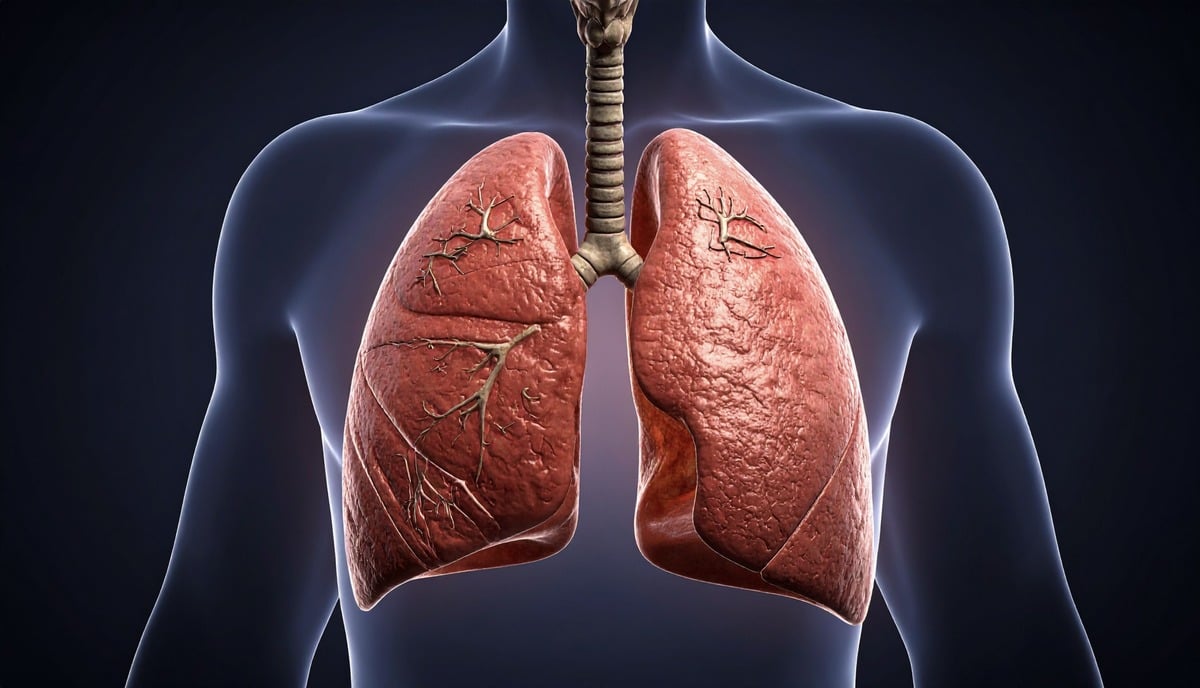
Every breath you take matters—especially if you are living with a chronic lung disease like COPD or asthma. Over 545 million people globally, according to the 2020 Global Burden of Disease Study, struggle daily with conditions that make something as simple as breathing a formidable task. Symptoms such as shortness of breath, persistent cough, and wheezing can gradually restrict daily activities and independence, affecting both physical and emotional well-being.
Despite medical advancements, external stressors like high outdoor air pollution levels and frequent coexistence of illnesses such as cardiovascular disease make effective management even more challenging. Yet, the path to better breathing doesn’t just lead through inhalers or medication. Nutrition—targeted, science-backed choices about what you eat—will dramatically influence lung function and resilience against symptoms.
Have you considered how every meal could empower your next inhale? Through Claudia’s Concept, I guide people to connect their plates to their respiratory health, harnessing specific nutrients that research shows reduce inflammation, improve immune responses, and optimize your body’s ability to use oxygen.
Let’s explore how smart dietary strategies can transform the way your lungs perform, boost your energy, and help reclaim vitality—one nutrient at a time. Ready to discover how food becomes your ally in this journey?
Understanding Chronic Lung Disease & Common Symptoms
What Are Chronic Lung Diseases?
Chronic lung diseases, such as Chronic Obstructive Pulmonary Disease (COPD), asthma, and interstitial lung disease, disrupt more than just your breathing patterns. These conditions create ongoing changes within your lungs. COPD, for example, includes emphysema and chronic bronchitis and represents a widespread challenge—according to the World Health Organization, COPD affects approximately 251 million people worldwide. Asthma, with its hallmark airway inflammation and narrowing, is another frequently encountered chronic respiratory illness. Interstitial lung diseases, though less common, lead to progressive scarring of lung tissue, ultimately limiting oxygen intake with every breath.
The Ripple Effect on Overall Health
Your lungs are not merely responsible for gas exchange; every cell depends on their efficiency. When you experience chronic lung disease, less oxygen reaches your organs and muscles, and carbon dioxide can build up in your bloodstream. This imbalance initiates a cascade of health challenges. Reduced oxygen levels compromise your heart’s efficiency, affect brain performance, weaken immune responses, and even slow metabolic processes. Over time, as the difficulty of breathing increases, the simple act of moving around or performing daily activities becomes physically taxing. These effects evolve into a cycle where inactivity, muscle weakness, and further respiratory compromise feed into one another. At Claudia’s Concept, I emphasize considering this bigger picture when managing lung health through targeted nutrition.
Recognizing the Symptoms
- Shortness of Breath: Persistent breathlessness will reduce exercise tolerance and impact day-to-day tasks. In COPD patients, The Lancet notes that nearly 90% consistently report this symptom, even at rest or with minimal exertion.
- Wheezing: This high-pitched breathing noise signals narrowing or obstruction in the airways. With each episode, inflammation and irritation may worsen, making it crucial to address underlying triggers.
- Fatigue: Chronic shortage of oxygen means energy levels dwindle. Fatigue in respiratory conditions is not just tiredness; it’s a physical response to cells failing to receive the oxygen required for optimal function.
- Decreased Exercise Tolerance: Even minor activities become challenging. For instance, simple chores or short walks can cause significant breathlessness and rapid heart rate, leading to a preference for inactivity and further deconditioning.
Have you ever paused to notice how your body responds to the subtle effort of climbing stairs or carrying groceries? For those with lung disease, these daily routines often feel like mountainous tasks. The underlying reason always involves the reduced capacity of compromised lungs to exchange gases efficiently, which, over time, affects muscles, heart, and mood. As a proponent of holistic wellness at Claudia’s Concept, I always encourage evaluating every symptom pattern to formulate a nutritional plan that directly addresses these physiological realities.
Why Nutrition Matters for Lung Health
The Unique Nutritional Demands of Lungs
Efficient breathing is not only about lung capacity or airflow; the cells within the lungs demand consistent energy and key nutrients to function at their best. Every breath, every immune response, every repair process relies on a steady influx of vitamins, minerals, and macronutrients. Scientific studies, including research published in The American Journal of Respiratory and Critical Care Medicine (2019), demonstrate that individuals with chronic lung diseases such as COPD or asthma often experience increased metabolic rates due to labored breathing. This means your lungs need more calories and nutrients, especially during flare-ups or infections.
- The lungs use carbohydrates as their preferred energy source, particularly during times of stress or rapid breathing.
- Protein supports tissue repair in the delicate lung structures that break down under chronic inflammation.
- Antioxidants, such as vitamin C and E, neutralize free radicals generated during respiratory distress, directly protecting lung cells.
With a nutrient-focused eating approach like Claudia’s Concept, you supply your lungs with precisely what they require to function energetically, day after day.
Nutrition’s Impact on Treatment Success and Symptom Relief
Balanced nutrition will transform how your body responds to chronic lung disease management. A systematic review in Chest Journal (2022) reveals that optimized diets—rich in whole foods and poor in processed options—correspond to fewer hospitalizations and a marked reduction in symptoms like breathlessness and fatigue. Why? The reason is simple: a body fueled with essential nutrients processes medications more efficiently, recovers faster from infections, and maintains stronger respiratory muscles.
- Micronutrients like magnesium help smooth muscle relaxation, easing coughing and wheezing.
- Consuming omega-3-rich foods shifts inflammation pathways, decreasing the chances of exacerbations.
- Whole grains and legumes provide steady-release energy, helping you feel less tired during daily activities.
When you embrace a tailored nutrition strategy, such as the one at the heart of Claudia’s Concept, you not only support traditional therapies—you actively participate in your own health journey and symptom management.
Shielding the Lungs: Food, Immunity & Environmental Resilience
Lung health extends far beyond oxygen exchange; nutrition also forges your first line of defense against external threats. Outdoor pollution, secondhand smoke, and seasonal infections put continuous strain on respiratory systems already compromised by disease. Multiple controlled trials, including those reviewed in The European Respiratory Journal (2020), confirm that individuals who consume diets abundant in phytonutrients—compounds found in colorful fruits and vegetables—exhibit heightened antibody responses and fewer colds or attacks.
- Zinc and selenium from seeds, nuts, and seafood enable swift repair of lung tissues following pollutant exposure or infection.
- Probiotics in yogurt and fermented foods modulate the immune system, decreasing the length and severity of respiratory illnesses.
- Vitamin D, especially during winter months, reinforces lung lining defenses and reduces the risk of upper respiratory infections by nearly 30%, according to a 2017 meta-analysis in BMJ.
Ask yourself: Are your meals setting up your body to stand strong against pollution and pathogens? If not, targeted dietary changes will make a measurable difference in how resilient your lungs feel, breathe, and heal—especially with science-backed support from nutrition methodologies like Claudia’s Concept.
The Importance of Balanced Nutrition for Lung Health
Achieving balanced nutrition unlocks remarkable support for those living with chronic lung conditions. My approach at Claudia’s Concept centers on delivering science-backed dietary solutions that directly influence lung function and overall well-being. Let’s explore why a diverse and balanced eating pattern makes such a difference for lung health.
Key Nutrients Required for Optimal Lung Function
Every breath you take depends on a complex choreography of nutrients fueling lung tissues and respiratory muscles. For example, vitamin C—rich in foods like bell peppers and citrus fruits—significantly enhances immune defense mechanisms within the lungs, as confirmed in peer-reviewed studies such as the 2021 research published in Frontiers in Medicine. Vitamin D, available in fatty fish and fortified dairy, assists in controlling inflammation and maintaining the structure of lung tissue. Magnesium, found abundantly in spinach and legumes, optimizes bronchial muscle relaxation and supports smooth airflow. Claudia’s Concept meal plans always integrate these essential nutrients in just the right balance.
Reducing Inflammation with Balanced Nutrition
Did you know that chronic lung inflammation decreases simply by following a well-planned, anti-inflammatory diet? Increased consumption of omega-3 fatty acids—present in flaxseeds, walnuts, and fatty fish—leads to notable reductions in inflammatory markers, according to data in the European Respiratory Journal. Including a rainbow of fruits and vegetables introduces powerful antioxidants such as beta-carotene and polyphenols, which neutralize free radicals and help protect the lungs from damage. Individuals adopting this colorful, nutrient-rich eating style routinely report fewer exacerbations and improved lung comfort.
Maintaining Respiratory Muscle Strength
Well-nourished respiratory muscles play a vital role in efficient breathing. Proteins found in lean meats, pulses, and dairy products provide the building blocks for muscle repair and growth. According to a 2022 clinical trial in the Journal of Cachexia, Sarcopenia and Muscle, daily intake of adequate protein above 1.2 g/kg of body weight preserves muscle mass and prevents decline in lung function in patients with chronic obstructive pulmonary disease (COPD). Balanced nutrition enhances endurance, stabilizes blood oxygen levels, and empowers you to stay active with less fatigue.
Managing Symptoms: Easing Breathlessness Through Diet
What role does balanced nutrition play in symptom control? A thoughtfully designed meal plan reduces sensations of breathlessness by supporting the metabolic demands on your respiratory system. For instance, incorporating slow-digesting complex carbohydrates such as oats, quinoa, and brown rice sustains energy and helps regulate carbon dioxide production in the body. Those focusing on Claudia’s Concept often experience easier breathing and an overall sense of lightness in daily activities.
- Vitamin C and E strengthen the epithelial barriers of the lungs, promoting resilience against oxidative stress.
- Vitamin D and omega-3s work synergistically to suppress excessive inflammation, creating a calmer environment for lung tissues.
- Magnesium and potassium maintain healthy muscle contractions, crucial for every inhale and exhale.
By fueling your body with a spectrum of key nutrients, balanced nutrition becomes a daily ally in managing chronic lung disease. You’re not only providing your lungs with what they need but also actively shaping a stronger, more resilient respiratory system with each meal. Have you noticed changes in your symptoms when making shifts in your own meals? Share your experience in the comments below—your story inspires others on this journey.
Role of Antioxidants in Reducing Lung Inflammation
Unlocking the Power of Antioxidants for Your Lungs
Every breath you take exposes your lungs to countless particles and pollutants in the air. These can damage cells, weaken your lung tissue, and increase inflammation—especially if you’re managing a chronic lung disease. But did you know your plate can become your ally? I have seen many clients experience a marked improvement in their inflammation markers by focusing on antioxidant-rich foods. Let’s dive into how this works.
Key Antioxidants: Vitamins C, E, and Beta-Carotene
Antioxidants are compounds that neutralize free radicals—those unstable molecules generated by air pollution, cigarette smoke, and even inflammation in the body. Left unchecked, free radicals cause oxidative stress, accelerating lung tissue damage and inflaming airways. The solution lies in nature’s own pharmacy: your fruits and vegetables.
- Vitamin C: Broccoli, oranges, red bell peppers, and strawberries are bursting with vitamin C. Research published in “Thorax” (2010) demonstrated that people with higher vitamin C intake show significantly better lung function, with a reduction in inflammatory markers like C-reactive protein.
- Vitamin E: Almonds, sunflower seeds, and spinach stand out as vitamin E powerhouses. According to a 2017 review in the “Journal of the American College of Nutrition,” vitamin E improves lung tissue resilience by reducing oxidative injury, creating a stronger barrier against inflammation, especially in those exposed to high levels of outdoor pollution.
- Beta-Carotene: You will find this antioxidant in vibrant carrots, sweet potatoes, and dark leafy greens. Studies, including findings from the “American Journal of Clinical Nutrition” (2014), confirm that diets rich in beta-carotene improve overall lung capacity and reduce the frequency and severity of lung exacerbations.
How Antioxidants Reduce Lung Inflammation
When free radicals enter the lungs—often amplified by outdoor air pollution—they attack healthy lung cells and trigger a cycle of inflammation. Antioxidants work by donating electrons to these free radicals, effectively neutralizing them before they can cause harm. As a result, the inflammatory process slows down. In my work with Claudia’s Concept, I create tailored plans that layer antioxidant-rich foods throughout the day, ensuring your lungs benefit from consistent, science-backed protection.
Think about this: choosing a handful of berries with breakfast or tossing walnuts onto a salad at lunch gives your lungs a protective shield against the daily onslaught of pollutants. Try it for a week and notice how your breathing responds—many of my clients do!
Are you curious about which antioxidant-rich foods you could add to your routine today? Make a list and challenge yourself to include at least one source at every meal.
Hydration and Mucus Management: The Unsung Heroes in Chronic Lung Disease Care
The Transformative Impact of Water on Mucus and Lung Function
Picture this: every breath you take while living with chronic lung disease depends on the delicate movement of air through your airways. Those airways, however, have their own challenges—especially when thick, sticky mucus slows everything down. Here’s where hydration steps in as an absolute game-changer. When you consistently meet your daily water needs, mucus becomes thinner and much easier to clear, leading to less congestion, easier coughing, and more comfortable breathing. In my practice at Claudia’s Concept, I notice that individuals who meet or exceed their optimal hydration targets experience noticeably improved mucus clearance and fewer respiratory flare-ups.
According to a 2017 study published in Chest journal, adequate fluid intake increases mucus hydration, dramatically improving the effectiveness of mucociliary clearance mechanisms—the body’s natural way of sweeping debris and pathogens out of the lungs. Researchers conducting bronchial simulation even measured mucus viscosity before and after hydration adjustments, and the numbers speak for themselves: mucus became 30-40% less viscous once participants consumed 2 liters of water daily. This change translates to less coughing, reduced risk of infection, and a sense of lightness in the chest.
Choosing the Right Beverages: What to Drink, What to Skip
Reaching for a glass of water might seem simple, but daily beverage choices can either promote or hinder your lung health. Pure water tops the list. If plain water feels monotonous, a splash of natural lemon, fresh mint, or slices of cucumber can add a refreshing twist—just as we recommend at Claudia’s Concept wellness retreats.
- Herbal teas: Non-caffeinated options like peppermint or chamomile provide gentle hydration and can soothe the throat, making them perfect for anyone with recurring chest congestion.
- Low-sodium broths: In addition to supporting hydration, these nourish the body with electrolytes, which is especially valuable if you sweat more due to medication or exercise.
- Fruit-infused water: Combine sliced berries, citrus, or cucumbers with water for more flavour and enhanced compliance with daily fluid goals.
Not all beverages deliver the same benefit. Drinks with high caffeine content—energy drinks, cola, or excess coffee—have diuretic effects, increasing urine output and ultimately raising the risk of dehydration. Research from the British Journal of Nutrition (2014) confirms that caffeine consumption above 400 mg per day can increase fluid loss by 7-9% in adults, potentially resulting in thicker mucus and more breathing difficulty. Alcoholic drinks should also stay off the menu for similar reasons, as they both dehydrate and irritate the delicate lining of the respiratory tract.
By focusing on mindful hydration and avoiding beverages that work against your body’s needs, you create the best possible environment for your lungs to function, heal, and thrive. This is a simple daily shift with the power to yield profound respiratory relief—something I and my team at Claudia’s Concept witness every week in dedicated clients. How closely are you watching your fluid intake today?
The Role of Protein Intake & Muscle Strength for Breathing
Preserving Respiratory Muscle Mass: Why Protein Matters, Especially in COPD
Ever wondered why your nutritionist keeps mentioning protein? When you’re living with chronic lung disease, every breath becomes a precious commodity—and here, muscle strength is your greatest ally. The respiratory muscles, including the diaphragm and intercostals, rely on adequate protein to function optimally. Research published in Chest Journal demonstrates that individuals with Chronic Obstructive Pulmonary Disease (COPD) who maintain their muscle mass experience improved lung function and are less likely to face exacerbations.
Loss of muscle mass—a condition called sarcopenia—can jeopardize the strength of your breathing muscles. Studies consistently show that protein intake above 1.2 grams per kilogram of body weight supports not just general muscle health, but directly correlates with preserved respiratory muscle function in people with chronic lung diseases. At Claudia’s Concept, I prioritize tailored meal plans to ensure consistent, adequate protein intake so your muscles stay robust and every inhale becomes easier.
Smart Protein Choices: More Than Just Meat
Let’s spark some creativity in your kitchen while fueling your lungs. High-quality sources of protein aren’t only about animal products; a versatile approach produces diverse nutritional benefits. Lean poultry, eggs, Greek yogurt, and fish like salmon provide complete proteins and help rebuild muscle tissue after periods of illness or inactivity. For plant-based enthusiasts, beans, lentils, tofu, tempeh, and quinoa offer excellent protein content while supporting gut health, which science links to improved immunity—another win for respiratory health.
- Start your morning with a deeply nourishing scrambled egg and spinach wrap—the combination supports muscle maintenance and supplies iron for oxygen transport.
- At lunchtime, consider a vibrant chickpea and quinoa salad. Each bite is packed with essential amino acids for muscle repair, and fiber to keep your gut thriving.
- For an energizing evening meal, prepare grilled salmon with lentil mash. This duo brings together omega-3 fats (vital for inflammation control) and plant-based protein for recovery.
- Feeling adventurous? Toss together a tofu stir-fry with colorful peppers and brown rice. Not only does it provide a protein punch, but it also delivers antioxidants for added lung protection.
Each dish fits seamlessly into the Claudia’s Concept philosophy: balanced, flavorful, and optimally designed to support respiratory health goals.
Protein Timing & Breathing Ease
Did you know spreading protein intake throughout your day—rather than in a single meal—yields superior muscle protein synthesis? Clinical research out of the American Journal of Clinical Nutrition confirms that consuming 20-30 grams of protein per meal, distributed over breakfast, lunch, and dinner, leads to greater muscle retention and functional strength. This strategy becomes especially important when fighting chronic lung disease, since muscle wasting risks escalate with factors like chronic inflammation and decreased activity.
Is your current routine providing adequate, regular protein to reinforce your breathing muscles? Start paying attention to your plate, and consider journaling your protein sources for a week. You might discover new favorites and notice a genuine difference in energy and breathing endurance.
Maintaining a Healthy Weight in Chronic Lung Disease
The Dual Challenge: Risks of Underweight and Overweight
Chronic lung diseases such as COPD, pulmonary fibrosis, and asthma consistently affect the body’s energy needs. Striking the right balance with body weight is crucial. Underweight individuals with lung disease often face muscle wasting, especially in the diaphragm and chest wall. Research published in the European Respiratory Journal demonstrates that low body mass index (BMI) directly correlates with reduced respiratory muscle strength and longer hospital stays for COPD patients. On the other hand, excess body weight exerts pressure on the chest cavity, making every breath feel heavier and raising the effort needed for daily activities.
Carrying extra weight can also lead to increased inflammation in the airways. Studies, including findings from the American Thoracic Society, show a higher incidence of breathlessness and poorer lung function tests among overweight patients, even with similar disease severity. Every kilogram matters: losing 5-10% of body weight delivers measurable improvements in symptoms and enhances overall quality of life.
Sustainable Strategies for Healthy Weight Maintenance
How do you find the right balance? At Claudia’s Concept, I prioritize practical, everyday habits tailored to each person’s metabolism, lifestyle, activity level, and preferences.
- Regular, Nutrient-Dense Meals: Skipping meals causes energy dips and muscle loss, but consuming small, frequent, high-protein snacks preserves lean muscle. For example, a study in the Journal of the Academy of Nutrition and Dietetics reported that COPD patients who adopted high-calorie, protein-rich meal planning regained muscle mass within twelve weeks.
- Smart Calorie Management: For those aiming to gain weight without turning to unhealthy fats, nutrient-rich choices deliver results. Choose avocado, oily fish, nut butter, and dairy products. If you need to lose weight, focusing on fibers, lean proteins, and colorful vegetables satisfies hunger and supports gut health.
- Functional Movement and Activity: Muscle preservation goes hand in hand with gentle strength training and flexibility work. Even short walking sessions or guided resistance exercises prevent muscle breakdown. Remember, any activity adapted to your comfort level counts. A research review in Chest concluded that outpatient pulmonary rehabilitation, combined with personalized nutrition, delivered superior outcomes in weight and muscle maintenance.
- Monitoring and Adjustment: Tracking your weight weekly, observing trends—not just numbers—helps fine-tune nutrition strategies. My approach through Claudia’s Concept includes regular check-ins to calibrate meal plans and ensure steady progress.
Ask yourself: What has helped your weight stay stable before? What is hardest to manage—appetite, energy, or planning meals? Reflecting honestly on these questions creates the foundation for a plan you can stick with. Fueling your body wisely empowers your lungs to work more efficiently, supports your immune system, and keeps you energized for daily living.
Foods to Avoid for Better Respiratory Function
High-Sodium Options and Their Impact on Fluid Retention
Have you ever considered how something as simple as table salt influences your ability to breathe? When managing chronic lung disease, every detail counts. High-sodium foods—canned soups, processed meats, salted snacks, instant noodles—consistently increase fluid retention in the body.
Research published in the European Respiratory Journal (2015) demonstrates a direct association between dietary sodium and higher risk of pulmonary edema in people with chronic respiratory failure. The more excess fluid your body holds, the harder your lungs must work. This additional burden can aggravate symptoms such as shortness of breath and swelling. Limiting packaged foods and choosing fresh ingredients will directly reduce this fluid buildup and make breathing less of a struggle.
Gas-Forming Foods Add Pressure—Literally
Unexpectedly, your digestive tract can influence your respiratory function. Certain foods—cruciferous vegetables like cabbage, broccoli, and cauliflower, along with beans, lentils, onions, and carbonated drinks—increase intestinal gas. This bloating elevates abdominal pressure, which then presses upward on the diaphragm.
As a result, you may experience shallower breaths and extra effort when exhaling. For people with chronic lung conditions, studies in Chest Journal (2019) confirm that bloating from gas-forming foods can decrease lung volumes measurable by spirometry. Reflect for a moment—have heavy, bloated sensations ever made deep breathing harder? By tuning into your body and being selective, you ease your lungs’ workload.
Processed and Ultra-Processed Foods: Hidden Barriers to Breathing
Ever wondered about the hidden ingredients in supermarket convenience foods? Processed and ultra-processed products—think packaged snacks, bakery goods, sweetened breakfast cereals, and ready-to-eat meals—contain not just excess sodium, but often preservatives, artificial additives, and trans fats.
A 2021 cross-sectional analysis in The American Journal of Clinical Nutrition found that habitual intake of ultra-processed foods was associated with higher rates of chronic obstructive pulmonary disease (COPD) symptoms. These products contribute to systemic inflammation, narrowed airways, and worsened mucus production, all of which directly affect day-to-day breathing comfort.
Switching to natural foods, as I emphasize with clients through Claudia’s Concept, immediately minimizes these inflammatory burdens. Try comparing a home-cooked meal with a boxed dinner for even a week—notice improved energy and lighter breathing.
Small Changes, Lasting Lung Benefits
- Instead of processed meats, reach for grilled fish or skinless chicken.
- Replace salty snacks with unsalted nuts and fresh fruit.
- Keep a diary—track which foods leave you bloated or struggling for breath.
- Experiment with Claudia’s Concept meal swaps to discover lung-friendly favorites that nourish and protect.
Next time you reach for a packaged treat, pause for a moment and reflect: Will this choice bring you one step closer to easier breathing? With science, attention, and strategic changes, you will experience more resilient, capable lungs supported by thoughtful nutrition.
Small, Frequent Meals for Easier Breathing: Transforming Lung Health One Plate at a Time
How Large Meals Can Worsen Shortness of Breath and Fatigue
Struggling with chronic lung disease often makes even the simplest daily tasks, such as eating, far more challenging. Have you noticed feeling more breathless or fatigued after a big meal? There’s a reason. When you eat large portions, your stomach expands, putting upward pressure on the diaphragm – the muscle essential for breathing. For someone with compromised lung function, this leaves less space for the lungs to expand.
Scientific research from the American Lung Association highlights that larger meals increase oxygen demand, can intensify feelings of bloating, and directly burden the lungs. After a heavy meal, blood flow shifts toward the digestive system, momentarily reducing oxygen available to your respiratory muscles. For those managing chronic obstructive pulmonary disease (COPD) or similar conditions, this will produce noticeable shortness of breath and may exacerbate fatigue.
Overeating at one sitting contributes to reflux symptoms as well, which can trigger coughs or worsen lung irritation. In my work with Claudia’s Concept, countless clients have confirmed feeling lighter and more capable after switching from three big meals to several smaller ones.
Strategies for Manageable Meal Sizes and Frequency
Now, you might be thinking: “How do I adjust my eating habits without feeling deprived?” The solution is both simple and powerful—transition to small, frequent meals spread across your day. This practice supports more stable blood sugar, consistent energy, and most importantly, easier breathing and reduced discomfort. Let’s look at how you can make this work.
- Divide your daily intake into 5–6 smaller portions. Instead of three standard meals, eat every two to three hours. This will ensure you’re fueling your body without overwhelming your digestion or breathing.
- Plan nutrient-dense mini-meals. Pair high-quality proteins (like lentils or eggs) with healthy fats (such as avocado) and fiber-rich vegetables. This combination maximizes nutritional value in every bite while keeping volumes modest.
- Chew thoroughly and eat slowly. Take deliberate, mindful bites. Savoring your food gives your digestive system additional time to process, while preventing unnecessary air swallowing—known to worsen bloating in lung patients.
- Choose soft, easy-to-chew options. For days when chewing feels like a challenge, opt for smoothies, porridges or blended soups. You still obtain all the nutrients without taxing your body.
- Prepare and portion meals in advance. Claudia’s Concept clients gain momentum by using compartmental containers to segment meals. Spending time in meal prep just once or twice a week saves energy for the days ahead.
A study featured in the journal Chest demonstrated that individuals with COPD who switched to smaller and more frequent meals reported significantly less shortness of breath and higher satisfaction with their eating experience. If you reflect on your meal times, do you catch yourself feeling winded after a hearty lunch or dinner? Picture how reclaiming meal comfort can contribute to overall well-being, making each day a little easier.
No need to navigate this transition alone—at Claudia’s Concept, personalized meal planning ensures you get the nutrition your lungs crave without compromising comfort. Experiment with spreading meals, monitor your responses, and celebrate each breath that comes with greater ease.
Recap & Next Steps: Empower Your Lungs Through Nutrition
Navigating chronic lung disease means more than watching symptoms or following prescriptions. From my years of experience as a celebrity nutritionist, I see firsthand how smart nutrition fuels real improvement in breathing, energy, and quality of life. By intentionally including more antioxidant-rich foods, prioritizing lean proteins, and ensuring plenty of hydration, you support your lungs’ natural defense systems and resilience. Specific nutrients—like vitamins C and E, magnesium, and omega-3 fatty acids—directly influence airway comfort and inflammation. Science-backed data leaves zero doubt: people with COPD who increase dietary antioxidants demonstrate slower declines in lung function and less frequent flare-ups. Smaller, frequent meals minimize shortness of breath during eating. Reading labels lets you limit excess sodium and additives that contribute to fluid retention or irritation. These are not just theories—they are proven, foundational elements in Claudia’s Concept, my holistic health strategy for maximized well-being.
Holistic management of chronic lung conditions always demands a broad approach: that means blending excellent nutrition habits with prescribed medical care, consistent symptom awareness, and smart protective steps against air pollution. Working with registered dietitians, like the team at Claudia’s Concept, gives you a powerful personalized roadmap—one built on the latest nutrition science and real-world success stories. Taking charge of daily food choices today builds long-term strength, comfort, and confidence.
What’s your experience with nutrition and lung health? Do you have a question or a tip of your own to share? Scroll down and drop your comment—I’d love to hear from you! If you’re seeking more expert-backed strategies for living vibrantly with chronic lung disease, subscribe for regular insights and practical tips from Claudia’s Concept. Your lungs—and your whole body—benefit from every smart step you take.