
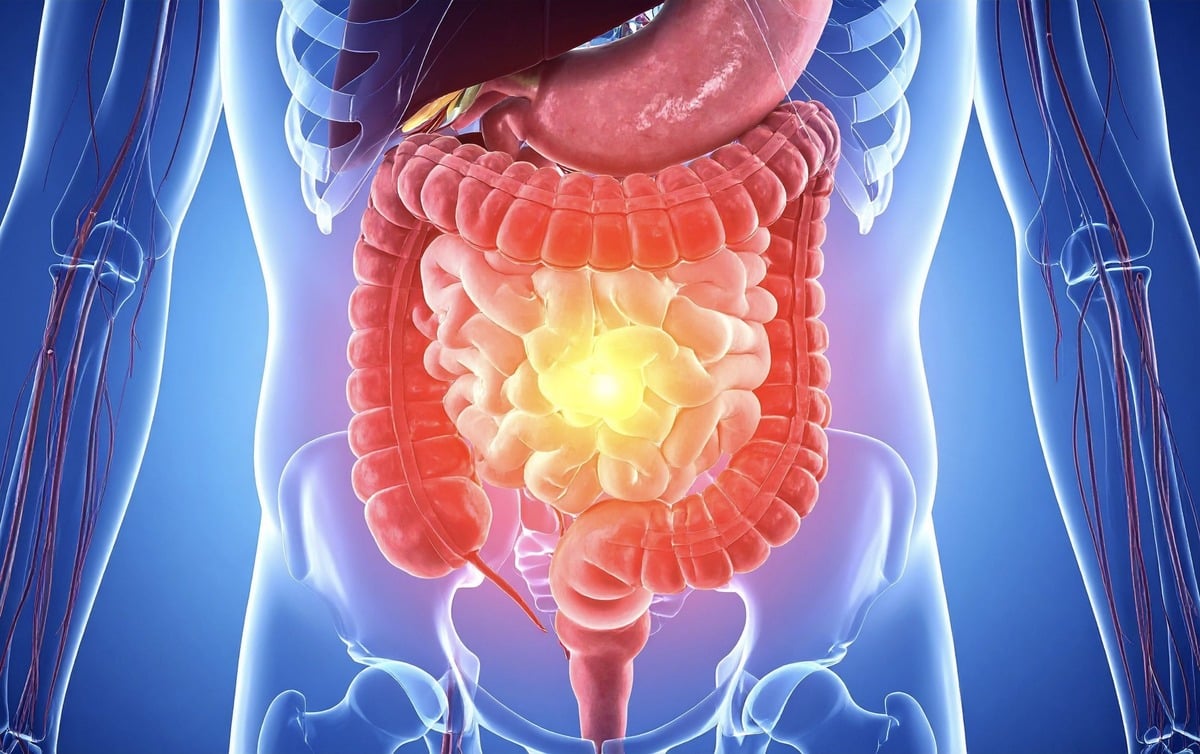
This Common Indian Food May Increase Your Risk of Colon Cancer
Colon cancer, also known as colorectal cancer, is becoming alarmingly prevalent around the globe, including right here in India. While this disease used to be less common nationwide, the most recent data from the Indian Council of Medical Research shows a clear uptick in cases, especially in urban populations. In fact, studies published in The Indian Journal of Medical Research confirm that colorectal cancer now ranks as one of the five most frequent cancers among men and women in metropolitan areas.
With rapid changes in our eating patterns and a surge in sedentary lifestyles, India is experiencing a shift in disease patterns. You might be surprised to learn how crucial everyday food choices are in shaping your long-term health. Factors like low fiber intake, high consumption of highly processed foods, and certain common staples play a significant role—not just in weight management—but in your risk of developing colorectal cancer.
Today, I’m putting the spotlight on a staple ingredient found in kitchens across the country—one that countless families consume daily. Have you ever paused to question whether this routine dietary companion could be affecting your colon health in ways you hadn’t imagined? With Claudia’s Concept, I guide you through the science behind what we eat and how simple shifts can empower your health journey.
Are you ready to challenge everyday habits and uncover how this common food could impact your colorectal cancer risk? Let’s dive deep into the link between Indian diets and colon health, and discover evidence-backed strategies that support a stronger, healthier you.
Colon Cancer Risk Factors: Understanding The Triggers
Genetics and Family History
When analysing why colon cancer develops, genetic makeup and family history emerge as significant contributors. Research published in the Journal of Clinical Oncology reveals that individuals with first-degree relatives diagnosed with colorectal cancer have two to three times the average risk. Mutations in genes like APC and MLH1 directly influence the likelihood of colorectal cancer, demonstrating a hereditary pattern that can span generations. Curious if your own family history places you at higher risk? Consider reviewing medical records and discussing your background with a healthcare professional—this proactive knowledge can inform your next steps with programs like Claudia’s Concept.
Age and Gender Influences
Data from the Indian Council of Medical Research (ICMR) illustrates a clear trend: colon cancer diagnoses escalate with age, especially after 50 years. The median age of diagnosis in urban Indian populations is currently 55, reflecting global observations. While both men and women face risks, men often have a slightly higher incidence according to Global Cancer Observatory (GCO) 2023 reports. This divergence possibly arises from gender-specific lifestyle differences, dietary patterns, and hormone levels. Have you noticed generational shifts in your own family’s health? Reflecting on your family’s health timeline may provide valuable insight.
Environmental and Lifestyle Contributions
A rapidly changing environment, urbanisation, and lifestyle choices increasingly influence the risk landscape for colon cancer within India. Exposure to pollutants, sedentary behaviour, chronic stress, and irregular sleep collectively escalate risk. For instance, a major Lancet Public Health study in 2022 confirmed that sedentary adults have a markedly higher colorectal cancer risk, tying daily activity patterns directly to cancer biology.
- Long work hours at a desk curtail physical movement, slowing digestion and increasing carcinogen exposure in the gut.
- Environmental toxins—ranging from household chemicals to vehicle emissions—have been shown to alter gut microbiota and promote inflammatory pathways.
- Smoking and excessive alcohol use multiply the chances of cell mutations in the colon, as highlighted by a BMJ meta-analysis of over 500,000 subjects.
These scientific truths validate a holistic approach to health. I encourage anyone seeking to lower their risk to consider lifestyle transformation as a cornerstone. Through evidence-driven programs like Claudia’s Concept, embracing positive change becomes practical and sustainable. What is your daily routine telling you about your own risk factors?
Dietary Habits in India: Then and Now—A Shift Worth Noticing
Traditional Indian Diets: Powerhouse of Plants and Fiber
Generations in India have thrived on wholesome meals brimming with seasonal vegetables, whole grains, pulses, and legumes. Traditional food patterns center around locally available ingredients—think ragi, bajra, jowar, lentils, leafy greens, and a beautiful medley of dals. These meals, often prepared fresh, yield ample fiber, essential micronutrients, and plant-based phytonutrients. High fiber intake directly supports a healthier colon by increasing stool bulk, promoting regular bowel movements, and feeding beneficial gut bacteria. For instance, a systematic review published in The Lancet in 2019 concluded that higher dietary fiber intake lowers the risk of colorectal cancer with remarkable consistency across populations worldwide.
Everyday staples used to include home-cooked sabzis, whole-wheat rotis, rice, and a wide variety of chutneys and pickles prepared with time-honored techniques. Impressive food diversity, seasonality, and mindful portions protected gut and metabolic health.
Westernization and the Indian Plate: A Dramatic Transformation
Fast forward to today. Urbanization and globalization have radically altered the Indian dining table. Many households now swap millet and coarse grains for refined flour and polished rice; boiled or steamed sides are often replaced with fried or sautéed variations. Dining out and food delivery apps are more accessible than ever, nudging people toward restaurant food, ready-to-eat meals, and snacks over home-cooked fare. Have you noticed how often “pizza night” or “burger lunch” appear on family menus now?
Researchers, including those cited by the Indian Council of Medical Research (ICMR), consistently find that diets rich in processed foods and low in fiber are becoming commonplace among urban and semi-urban populations. As these Westernized dietary patterns spread, people risk decreased dietary fiber while increasing intake of saturated fats, refined sugars, and artificial ingredients.
The Processed Food Invasion: Convenience or Compromise?
Supermarkets and corner stores burst with ready-to-cook products, instant noodles, packet chips, biscuits, and frozen snacks. These conveniences claim to save time, but every shortcut often means fewer nutrients and less fiber, accompanied by artificial additives, preservatives, and excess salt. In a multicity study conducted in India by Sindhu et al., 2021, researchers documented a 68% rise in consumption of ultra-processed foods among adolescents and young adults over just the past decade.
Reflect: How often do you reach for a packaged snack versus a fruit or salad? This change isn’t just anecdotal—it’s captured in household diet surveys nationwide. When diets move away from their natural, plant-based roots, chronic disease risks, including colon cancer, climb higher.
As a passionate advocate for preventive nutrition, I believe in the wisdom of tradition. That’s why at Claudia’s Concept, I continually encourage my clients to rediscover the flavors, textures, and gut-loving power of India’s classic whole foods. Have you explored how those old family recipes can be both delicious and cancer-protective? Try making the shift—it will change the way you feel from the inside out.
Processed Foods in Indian Cuisine: Hidden Dangers
What Are Processed Foods? Understanding the Everyday Reality
Walk through any supermarket aisle in India, and you will find shelves packed with chips, namkeen, instant noodles, pre-mixed gravies, and frozen parathas. These are all examples of processed foods—products that have been altered from their original state through canning, freezing, packaging, or the addition of preservatives and flavoring agents. Ready-to-eat meals, savory snacks, and even processed breads now fill pantries across urban and rural households alike.
You may wonder—what makes these foods so popular in the first place? Busy lifestyles, longer work hours, and urbanization have transformed mealtimes. With convenience becoming a top priority, many families have swapped freshly cooked dishes for packaged alternatives. Claudia’s Concept always advocates making conscious choices about what you bring home, especially because small changes in your grocery basket can directly impact long-term health.
Real Ingredients vs. Additives: What Are You Really Eating?
Let’s dig deeper into what goes into that packet of your favoritebhujia or instant poha. Processed foods often contain a host of ingredients that you won’t find in your grandmother’s kitchen. Preservatives like sodium benzoate, artificial colors such as tartrazine (E102), and flavor enhancers like monosodium glutamate (MSG) are commonly used in Indian packaged snacks.
Scientific studies have established clear links between these additives and health risks. Researchers from the International Agency for Research on Cancer (IARC) published a study in BMJ in 2018 tracking over 104,000 adults. They found that a 10% increase in the proportion of ultra-processed foods in the diet led to a more than 10% increase in the risk of overall cancer, including colon cancer. This result came after accounting for age, physical activity, family history, and additional lifestyle factors.
Preservatives such as nitrates and nitrites, commonly found in processed meats but increasingly present in plant-based snacks and ready-meals, will convert into carcinogenic compounds (N-nitroso compounds) in the digestive tract. Studies published in Cancer Epidemiology, Biomarkers & Prevention journal reveal that long-term exposure to these substances increases colon cancer risk.
The Popularity of Processed Foods in Modern Indian Homes
Why has this shift happened so rapidly? Urbanization is spreading, and with both men and women working outside the home, time becomes a scarce commodity. Advertisers promote packaged meals as quick, portable, and reliable, which appeals to families rushing between school runs and meetings. In Tier 2 and Tier 3 cities, growing aspirations steer purchasing decisions towards “modern” foods, reinforcing the perception that packaged equals progress.
I regularly consult with clients who are surprised to learn how often “hidden” processed ingredients appear in the foods they trust—think breakfast cereals, sweetened yogurt cups, and even seemingly harmless energy bars. At Claudia’s Concept, my mission is clear: equip you with real, actionable knowledge so you recognize the difference between wholesome, whole foods and their processed counterparts.
Are you looking at the ingredient list of the products you buy? Take a moment to ask yourself which items in your kitchen would pass your grandmother’s test for real food. This new awareness will empower you to protect your colon health and overall well-being for years to come.
Red and Processed Meat Consumption: A Growing Trend
Traditional vs. Modern Consumption Patterns
Decades ago, Indian meals centered around vegetables, lentils, and grains, with meat considered more of a delicacy or reserved for special occasions. That balance is shifting. Today, urban markets and restaurants brim with options featuring red and processed meats. Why has this change taken hold? For one, with increasing incomes and urbanization, convenience foods and quick-cooking meats fit busy lifestyles. Fast food outlets, international chains, and frozen meat products line supermarket shelves across Indian cities, quietly reshaping our daily plates.
In 2018, the National Sample Survey Office reported a significant jump in per capita annual meat consumption in urban India compared to previous decades. Traditionally, many households rarely served meat more than once or twice a week, but now, for many, daily or near-daily consumption has become common, especially among youth and working professionals. Reflect on your own eating habits—how often do you opt for a chicken burger, mutton seekh kebab, or a packet of ready-to-eat sausages over home-cooked vegetable sabzi?
Common Processed Meats in India
Processed meats were not a staple in Indian kitchens twenty years ago. Now, they have found their way into lunchboxes and snack counters across the country. The Indian processed meat market, as estimated by the Indian Brand Equity Foundation, grew at a CAGR (Compound Annual Growth Rate) of 24% between 2016–2020. Let me walk you through familiar options you might encounter today:
- Luncheon meats—Pre-sliced and seasoned, often found in sandwiches or wraps.
- Kebabs and sausages—Available both freshly made and in frozen packets, these get served as snacks and quick meal additions.
- Salamis and hot dogs—Universally popular in fast-food menus, supermarket shelves now routinely stock them.
- Packaged tikkas and marinated meats—Offering convenience for grilling at home.
The appeal of these products lies in taste, convenience, and long shelf life. However, their increased consumption brings nutritional consequences worth examining closely, especially from a colon health perspective.
Evidence Linking Processed Meats and Colon Cancer
You deserve clear answers—does eating more red and processed meat really increase colon cancer risk? Science says yes, definitively. In 2015, the World Health Organization classified processed meats (such as sausages, bacon, and ham) as Group 1 carcinogens, placing them in the same risk category as tobacco in terms of cancer-causing potential. This assessment resulted from reviewing more than 800 studies worldwide.
Specific to colon cancer, a meta-analysis published in the journal International Journal of Cancer (2011) found that people who consume 50 grams or more of processed meat daily have an 18% higher risk of developing colorectal cancer compared to those who rarely or never eat these foods. Data from the Indian Council of Medical Research also documents a rising trend of colon cancer in metropolitan areas, correlating with higher red and processed meat intake.
How do these meats produce their harmful effects? The answer involves nitrites and nitrates—common preservatives in processed meats. During digestion, these chemicals can convert into carcinogenic N-nitroso compounds. Furthermore, the high-temperature cooking and smoking used to preserve or flavour these products creates heterocyclic amines and polycyclic aromatic hydrocarbons, which are also linked to DNA damage in colon cells.
Have you considered the sources of protein on your plate recently? Reflecting on food choices becomes easier using Claudia’s Concept meal planning approach, which emphasizes wholesome, minimally processed ingredients that support optimal digestive and colon health.
Next time you’re reaching for that kebab or sausage, pause and ask: how will this pattern shape my long-term health? Making small but consistent changes with guidance from Claudia’s Concept lets you put knowledge into delicious, disease-preventing action.
High-Fat Diets and Low Fiber Intake: The Double Whammy
Why Fried and Fatty Foods Dominate Plates—and Health Risks
Picture this: piping hot samosas, deep-fried pakoras, and creamy gravies. Tempting? Absolutely. Yet, these familiar comfort foods, enjoyed at street stalls and weddings alike, offer more than flavour. High-fat meals, especially those based on saturated and trans fats, produce profound changes in the way your gut and metabolism work. Several studies, including research from the World Cancer Research Fund (2020), have demonstrated that individuals consuming diets rich in saturated fats have a higher risk of developing colon cancer compared to those who opt for balanced meals.
Frying at high temperatures creates compounds called advanced glycation end products (AGEs). These compounds disrupt healthy cell function and cause inflammation in your colon, which can set the stage for cancerous changes. Statistically speaking, a meta-analysis published in the journal Cancer Causes & Control (2015) revealed a 30% increased risk of colorectal cancer among adults with consistently high dietary fat intake. Isn’t it striking how our beloved snacks can influence gut health so drastically?
The Missing Fiber: An Invisible Threat in Modern Indian Diets
Let’s shift the focus: whole grains, lentils, colourful vegetables, and juicy fruits are no longer the cornerstone of daily meals as they once were in the traditional Indian thali. India ranks among countries with one of the lowest average daily dietary fiber intakes; data from the Indian Dietetic Association estimates that the average Indian consumes only 15-20 grams of fiber per day, while the recommended intake is at least 25-30 grams for adults.
- Fiber feeds beneficial gut bacteria, creating by-products like butyrate that protect against inflammation and tumour growth in the colon.
- Low fiber diets lead to slower gut transit time, which means harmful substances linger longer in your digestive tract.
- Diets lacking in fruits, vegetables, and whole grains have a concrete association with an elevated risk for colon cancer—confirmed by large-scale cohorts such as the EPIC study, which tracked over 500,000 Europeans for more than a decade.
When you work with me at Claudia’s Concept, you’ll learn how everyday choices—like swapping plain white rice for fibre-rich brown rice—produce predictable improvements in gut function and overall health.
The Connection: Weight Gain, Gut Health, and Cancer
Pairing high-fat, low-fiber meals results in a ‘double whammy’ effect. Here’s why: fatty diets promote weight gain, and excess body fat increases your risk of colon cancer. Additionally, fiber-deficient diets allow unhealthy gut bacteria to thrive, contributing to chronic low-grade inflammation. According to The Lancet Gastroenterology & Hepatology (2022), being overweight increases colon cancer risk by 27%—a statistic worth reflecting on.
I ask you—how often do you think about the impact of your favourite fried snack on your gut bacteria? With Claudia’s Concept, I guide clients to re-imagine their plate, integrating vibrant veggies, hearty legumes, and nourishing whole grains, thus making every meal a shield against disease. Why wait for warning signs when you can reshape your diet starting today?
Spices and Their Health Effects: Protective or Risky?
The Power of Indian Spices: Turmeric, Cumin, Ginger
Step into any Indian kitchen, and you’re instantly met with vibrant aromas. Turmeric, cumin, and ginger—these traditional spices go beyond flavor, offering remarkable biological benefits. I consistently recommend these spices at Claudia’s Concept, not merely for their taste, but for their direct, positive impact on health.
Turmeric’s active compound, curcumin, modulates inflammation at a cellular level. Peer-reviewed clinical studies—including a 2018 meta-analysis published in Cancers (Basel)—show that curcumin inhibits pathways transforming normal colon cells into malignant ones. Regular, moderate consumption of turmeric—in curries or warm milk, as many Indian households do—fosters an internal environment hostile to chronic inflammation and tumor formation.
Cumin, a staple in Indian tadka, contains thymoquinone and several powerful polyphenols. Research from the Indian Journal of Clinical Biochemistry in 2019 found that cumin reduces oxidative stress and may slow the proliferation of aberrant cells in the colon. Include roasted jeera powder over salads or buttermilk to harness its full potential.
Fresh ginger, prized both for flavor and healing, offers gingerol—a bioactive compound that inhibits both bacterial and inflammatory triggers. A 2016 controlled trial in Cancer Prevention Research demonstrated that 2 grams of ginger daily lowered pro-inflammatory markers in the colon. Try grating fresh ginger into lentil soups, or blending with lemon juice for a zingy detox shot.
Myths vs. Facts: Spices and Colon Cancer Prevention
One popular myth circulating widely: “Eating spicy food directly prevents colon cancer.” The truth is, a diet rich in anti-inflammatory spices adds a protective layer; however, these effects depend on overall dietary balance, not just spice consumption. Large-scale population studies, including a 2020 review in the World Journal of Gastroenterology, confirm that curcumin, cumin, and ginger act as adjuncts in cancer prevention strategies, but do not replace core recommendations like high-fiber intake and limited processed meat.
Another misconception: “All spices are always protective.” Science paints a more nuanced picture. For example, excessive red chili powder can irritate the gut lining, especially when paired with low-fiber meals or processed food. The International Agency for Research on Cancer highlights that capsaicin (the compound that makes chilies hot) might induce inflammation when consumed in excess without natural buffers like vegetables or yogurt.
What does this mean for your daily meals? Use spices intelligently, allowing them to complement a balanced, whole-food diet. Integrate turmeric, cumin, and ginger as culinary allies. At Claudia’s Concept, my approach always encourages synergy—pairing spices with antioxidant-rich vegetables, legumes, and healthy fats to create meals that nourish, protect, and delight.
- Sprinkle fresh turmeric and cumin onto roasted vegetables for daily support.
- Brew a warm cup of ginger-turmeric tea post-meal to calm and balance.
- Experiment with spice blends, combining tradition with science for optimal results.
Which spices do you use often, and how do you believe they enhance your well-being? Share your thoughts or try incorporating a new spice blend this week—notice how your body feels and reflect on the power of Indian cooking traditions, guided by modern nutritional wisdom.
Gut Microbiome, Diet, and Cancer Risk: The Hidden Connections
How Food Choices Shape Gut Bacteria
Gut health holds the power to transform every aspect of our wellbeing. Fascinating, isn’t it? Inside your digestive tract lives an ecosystem of trillions of bacteria—collectively called the gut microbiome. Every bite you eat sends ripple effects into this internal world. When you load your plate with fresh vegetables, pulses, whole grains, and fiber-rich fruit, guess what happens? The diversity of your gut microbiome flourishes. Scientific studies, including a landmark 2021 review published in Frontiers in Nutrition, found that plant-based, fiber-rich diets reliably increase beneficial gut bacteria like Bifidobacteria and Lactobacilli. When these populations thrive, your colon’s lining stays strong and resilient.
Processed Meat, Fiber, and Microbiome Health
Now, consider the flip side. Processed meat—a staple that’s becoming more common in the Indian diet—tells a different story. Frequent consumption of sausages, bacon, salami, or packaged kebabs feeds harmful bacterial strains. Research from the British Medical Journal (BMJ) in 2019 revealed that diets high in processed meat alter microbial activity, producing carcinogenic compounds like N-nitroso compounds and secondary bile acids in the gut. Lower fiber intake, which often accompanies high-meat diets, weakens the microbiome’s diversity and reduces the production of protective short-chain fatty acids. Where do you see opportunities to incorporate more fiber daily?
- Switch white rice for brown rice or millets.
- Add a portion of salad with every traditional meal.
- Snack on fruits and unsalted nuts.
Such swaps, promoted by Claudia’s Concept, reset the microbial balance and build long-term gut health.
Microbiome Imbalance: A Pathway to Cancer?
If gut bacteria go off track, the risks become clear. When harmful bacteria outnumber the good—an imbalance known as dysbiosis—the gut wall inflames, immune defences drop, and carcinogens build up. Multiple studies, such as the 2018 meta-analysis from Nature Reviews Gastroenterology & Hepatology, demonstrate that individuals with depleted microbial diversity face elevated risks of colon cancer. Dysbiosis can alter local metabolism and immune response, triggering pathways that promote inflammation and tumor growth. What daily habits support your gut flora? A few tasty tweaks—like choosing sprouted beans, fermented buttermilk, or probiotic-rich yogurt—can steer your microbiome in the right direction.
I recommend focusing on real, unprocessed foods and a colorful variety of plants, which is central to my philosophy at Claudia’s Concept. Each meal offers your gut a fresh chance at better health!
Cancer Statistics in India: The Bigger Picture
Colon Cancer Prevalence and Mortality: What Do the Numbers Reveal?
Colon cancer is making its presence felt with increasing intensity across India. According to data released by the Indian Council of Medical Research (ICMR), colon and rectal cancers collectively ranked among the top ten cancers in India in 2023. GLOBOCAN 2022 data showed approximately 64,000 new colorectal cancer cases diagnosed annually across the country. Among men, colon cancer represents the fourth most common cancer, while in women, it holds the fifth spot. These numbers reflect shifting dietary patterns, urbanisation, and lifestyle changes—a strong reminder to reassess what ends up on our plates.
When we dive into mortality statistics, the landscape becomes even more alarming. Roughly 46,000 deaths each year are attributed to colorectal cancers in India, as reported by the National Cancer Registry Programme (NCRP). The five-year survival rate for colon cancer patients ranges between 30% to 50%, often depending on how early the diagnosis is made—a stark contrast to rates above 65% seen in some Western nations. With late-stage diagnosis unfortunately being the norm rather than the exception in India, survival outcomes often remain poor.
What Lies Ahead? The Burden If Patterns Stay Unchanged
Trends indicate that, by 2030, the incidence of colon cancer could witness a projected increase of 25% or more if current dietary and lifestyle habits—especially the surge in consumption of processed foods and red meats—aren’t addressed aggressively. Urban centres already show incidence rates as high as 6.4 per 100,000 among males, as highlighted in the Cancer Incidence in Five Continents (CI5) report. Rural rates are catching up, propelled by rapidly shifting food preferences and reduced daily physical activity.
- India’s cancer registry predicts colon cancer to potentially overtake stomach cancer by the end of this decade in urban populations.
- Without impactful interventions, mortality rates due to colon cancer may increase by at least 20% within the next ten years, according to modeling studies published in the Asian Pacific Journal of Cancer Prevention.
- States such as Kerala, Delhi, and Tamil Nadu exhibit higher-than-average prevalence, directly correlating to greater adoption of high-risk dietary behaviors highlighted earlier in this series.
Reflect for a moment: What will happen if we don’t act now? Numbers don’t lie. With every statistic, the message grows louder—reinvent your approach to nutrition. Through my work at Claudia’s Concept, I see first-hand how sustainable, science-backed lifestyle shifts empower individuals to lower their personal risk and, collectively, to shape a stronger public health future for India.
Have you considered the ripple effect of your food choices on long-term health? The data compels us to act—not in the distant future, but today.
Take Charge: Transform Your Diet and Lifestyle for Colorectal Cancer Prevention
Every bite you take influences your health—especially when it comes to colorectal cancer prevention. Over the past decade in India, increased consumption of common processed foods and meats has aligned with a measurable rise in colon cancer risk. Scientific findings published in The Lancet (2021) show that diets high in processed meats, such as sausages, ham, and certain packaged curries, increase the likelihood of developing colorectal cancer by up to 18%. When these foods replace fiber-rich whole grains, legumes, and fresh vegetables on your plate, the risk intensifies.
What does this mean for you? Each food choice shapes your future health. By consciously opting for natural, minimally processed ingredients and limiting processed meats, you directly lower the chances of inflammation and abnormal cell growth in your colon. Balancing your meals with ample fiber, vibrant vegetables, and plant-based proteins forms the bedrock of an effective cancer prevention strategy.
Empowering Changes with Claudia’s Concept
Healthy living doesn’t require radical restrictions; it simply demands smart, evidence-backed choices—choices you can start today through Claudia’s Concept. Replace processed foods with traditional dals, fresh sabzis, and wholesome grains. Experiment with flavor-packed spices, known for their anti-inflammatory potential, and give preference to home-cooked meals over takeaway. These practices stabilize body weight, optimize gut health, and support prevention efforts, according to long-term studies in the International Journal of Cancer.
- Look at your current diet with a critical eye: How often do you eat processed meats, store-bought snacks, or ready-to-eat meals?
- Plan your weekly menu with foods high in dietary fiber and antioxidants—the ones that keep your digestion running efficiently and your gut biome strong.
- Engage in lifestyle activities that keep your energy and motivation high, such as walking after meals and staying hydrated throughout the day.
Ready to Take Action?
Here’s where true wellness begins: Empower yourself by evaluating your own food habits. Speak with nutrition professionals who understand the Indian context—Claudia’s Concept can guide you in crafting a prevention-focused, healthier approach tailored to your lifestyle. Share your story, raise awareness about the links between everyday foods and colorectal cancer risk, and encourage your community to join you on the journey to improved well-being.
Foods that are highly processed, deep-fried, or contain excessive refined flour, unhealthy fats, and additives may increase the risk when consumed frequently.
A diet low in fiber and high in processed foods can disrupt gut health, increase inflammation, and negatively affect digestion, which may raise colon cancer risk over time.
No. Many traditional Indian foods—such as whole grains, lentils, vegetables, and fermented foods—are highly beneficial and support gut and overall health.
Choosing fiber-rich foods, fresh vegetables, fruits, whole grains, and minimally processed meals can help protect gut health and reduce risk.
Yes. Maintaining a healthy diet, staying physically active, managing weight, and avoiding excessive processed foods and alcohol can significantly lower the risk.