
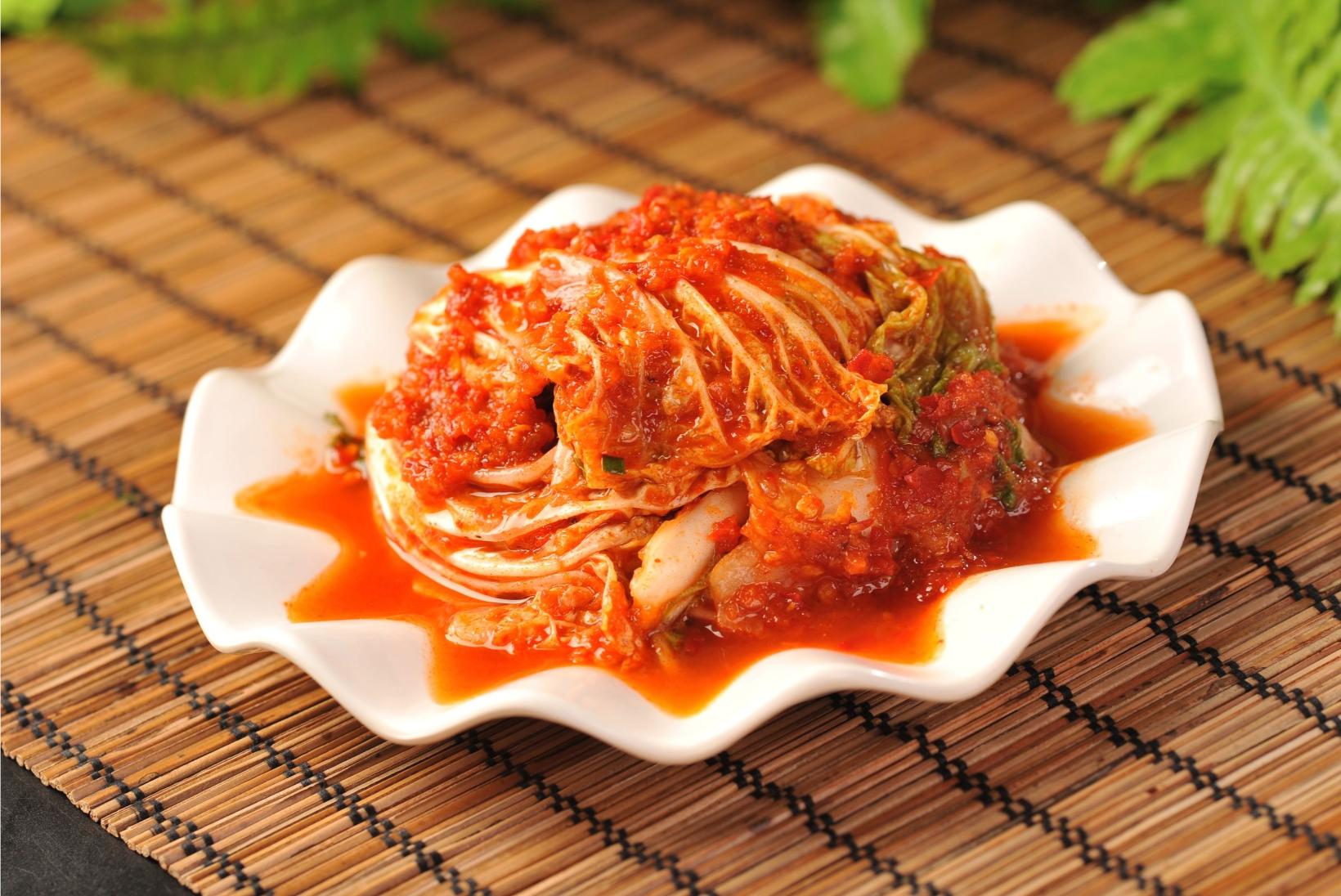
Have you ever paused to wonder what’s really inside your drinking water or that takeout salad? In the modern world, microplastics—tiny plastic particles less than 5 millimeters in size—have become an unavoidable reality. Recent research indicates that people ingest tens of thousands of these microscopic particles each year, with one study from the University of Newcastle in Australia quantifying the average adult’s intake at up to 5 grams per week—the equivalent of eating a credit card. Scientists worldwide agree that these tiny invaders have the potential to disrupt gut health, influence hormonal balance, and introduce toxins into the body. With awareness skyrocketing, health-conscious individuals are seeking food-based strategies to detoxify the body and strengthen natural defenses. Many have turned to superfoods and time-tested traditional dishes in their quest for everyday wellness. Among them, kimchi—a cornerstone of Korean cuisine—stands out. Kimchi is more than just a tangy, crunchy delight; this fermented blend of cabbage, radish, garlic, and chili brings a powerful punch of probiotics and phytochemicals to the table. But can kimchi do more than improve gut flora and flavor? Recent peer-reviewed studies, including groundbreaking work from a team at Yonsei University in Korea published in Environmental Science & Technology in 2023, reveal something truly remarkable. Consuming kimchi may actually help your body remove microplastics. The science hints at the unique microbial communities in kimchi, especially strains like Lactobacillus plantarum, that might bind and escort microplastics out of the organism through the gut, fundamentally supporting the body’s natural cleansing processes.
Are you surprised? Ready to find out how you can use these findings in your own life? Join me as I explore the link between kimchi and microplastic detoxification, drawing on trusted studies and practical tips inspired by the Claudia’s Concept philosophy.
Understanding Microplastics in the Human Body
What Are Microplastics and Where Do They Come From?
Microplastics are plastic particles smaller than 5 millimeters, often invisible to the naked eye. These tiny fragments result from the breakdown of larger plastic items such as water bottles, bags, and packaging materials. Everyday products like cosmetics, synthetic clothing, and cleaning agents contribute significantly to microplastic pollution, shedding minute particles each time we use or wash them.
Scientific research published in Environmental Science & Technology in 2019 demonstrated that bottled water contains microplastics in 93% of samples, with an average of 325 particles per liter. Even the air we breathe carries microplastics, especially in urban environments where synthetic fibers and dust circulate relentlessly.
How Microplastics Enter the Human Body
These omnipresent particles find their way into our systems through multiple pathways. Consuming seafood is a major route, as marine organisms ingest microplastics, which then accumulate in fish, shellfish, and, subsequently, on our plates. Drinking water—both bottled and tap—represents another everyday source. In 2018, a study by the World Health Organization noted that over 90% of global tap and bottled water samples contained microplastic contamination.
- Food: Filter-feeding marine life, table salt, and even honey frequently contain microplastic remnants, according to peer-reviewed research in Scientific Reports.
- Beverages: Plastic particles migrate into our drinks during processing, storage, and packaging, as proven by Cornell University’s Food Safety Laboratory findings in 2021.
- Air: Inhalation of airborne microplastics, confirmed by a 2020 Environmental Pollution study, allows these particles to settle in the lungs following daily exposure indoors and outdoors.
Where Do Microplastics Accumulate in Our Bodies?
After entering our bodies, microplastics initially interact with the gastrointestinal tract, the first line of contact during ingestion. Recent research published in Nature Communications (2023) documented microplastic presence in human blood samples, suggesting these particles cross the intestinal barrier. Once inside the bloodstream, microplastics migrate to various organs, including the liver, kidneys, and potentially even the brain. Scientists at the Medical University of Vienna detected microplastics in every stool sample they examined from healthy adult volunteers, highlighting how widespread microplastic accumulation has become in modern life.
Consider your daily habits—how often do you eat out of plastic containers or drink from disposable bottles? These seemingly small choices add up, steadily increasing your body’s microplastic burden over time. At Claudia’s Concept, I prioritize holistic approaches that recognize these environmental realities and focus on practical, science-backed methods for defense and detoxification.
The Hidden Dangers: Health Risks of Microplastics
Microplastics: An Invisible Threat to Health
Have you ever thought about what happens after microplastics enter your body? Scientists at the forefront of nutrition and toxicology are actively investigating the consequences—and what emerges is both compelling and concerning. As you navigate daily life, microplastic particles—those less than 5mm in size—can make their way into organs, cells, and even your bloodstream. This isn’t just theory; studies published in journals like Science of The Total Environment and Environment International provide concrete evidence. These particles don’t simply pass through; they interact with the body in ways that raise many red flags.
Impact on Your Immune System and Gut Health
When microplastics accumulate, your body recognizes them as foreign invaders. The result: a cascade of immune responses, including chronic, low-grade inflammation. Researchers from the Medical University of Vienna found in a 2021 clinical study that ingesting microplastics can activate immune cells, particularly macrophages. These cells, when continually exposed, produce inflammatory cytokines. Is your gut safe? Not entirely. Scientists at King’s College London report that microplastics can disrupt the delicate balance of the gut microbiome. Disruption of gut microbiota leads to digestive concerns, altered nutrient absorption, and weakened immunity—a reality confirmed by measured changes in gut bacteria diversity in controlled lab studies on animal models.
Evidence of Inflammation, Oxidative Stress, and Toxin Carriage
A growing body of work highlights difficult truths. In cellular studies, microplastics cause oxidative stress, a chemical imbalance that damages cellular structures, proteins, and DNA. Analysis in the journal Environmental Science & Technology demonstrates that even low doses of microplastic exposure increase cellular markers of inflammation and oxidative stress in human epithelial cells. More than that, microplastics act like tiny sponges, soaking up and carrying environmental toxins—including heavy metals like lead and persistent organic pollutants such as PCBs—directly into the body. Once ingested, these hitchhiking toxins have been tracked by researchers in tissue samples.
- In a 2023 study, microplastics were shown to trigger significant upregulation of inflammatory cytokines in colorectal tissue.
- Human stool sample analysis in a 2022 Austrian study revealed microplastic presence in 100% of participants, supporting pervasive and ongoing exposure.
- Tests using in vitro gut models have confirmed reduced populations of beneficial bacteria—such as Lactobacillus—in environments exposed to polystyrene microplastics.
Why We Must Act Now
These findings make one thing clear—microplastics are not a passive presence. Every day, their accumulation can contribute to systemic inflammation, oxidative damage, and disruption of your body’s natural defenses. At Claudia’s Concept, we explore nutrition strategies that support the body’s natural detoxification abilities, emphasizing that clearing microplastics is crucial for long-term health. With strategic food choices, you take an active role in reducing this hidden but persistent threat.
Kimchi and Fermented Foods: Tradition Meets Modern Solutions
What is Kimchi? Korea’s Fermented Powerhouse
Colourful, tangy, pungent, and alive—kimchi is far more than a garnish or a spicy side dish. It represents the soul of Korean cuisine and traces its roots back over 1,500 years. Traditional kimchi is crafted from Chinese cabbage, radish, and vibrant vegetables like carrots and green onions. These ingredients are combined with seasonings, most notably garlic, ginger, red pepper flakes, and a unique blend of fish sauce or shrimp paste. This results in a complex flavour profile packed with both heat and umami.
Sealed and left to ferment, the cabbage transforms under the work of naturally occurring lactic acid bacteria. Over several days or even weeks, the flavours deepen, the crunch softens, and the dish becomes a rich source of probiotics. Have you ever wondered why Korean families take such pride in their kimchi-making traditions? Beyond the taste and heritage, kimchi delivers extraordinary health benefits, making it central to Claudia’s Concept for a vibrant diet.
Why Fermentation Makes a Difference
Let’s delve into the fermentation process itself. This ancient preservation technique relies on beneficial microorganisms, mainly lactic acid bacteria, to break down plant sugars into lactic acid. The result is not only extended shelf-life but also a food with enhanced digestibility, richer nutrient profiles, and abundant probiotics. Research published in Frontiers in Microbiology confirms that fermented foods like kimchi foster a diverse microbial ecosystem, which will support gut resilience and metabolic health.
With fermentation, vitamins such as B1, B2, and B12 increase, while antioxidant activity surges. Vitamins and antioxidants aren’t only good for the immune system; they help cells fight off oxidative damage that can happen when microplastics accumulate in your body. Not all foods offer these potent qualities—fermented foods like kimchi are simply in a league of their own.
Probiotic-Rich Fermented Foods Around the World
While kimchi undeniably stands out, it isn’t alone in the world of probiotic-rich, fermented delicacies. Across India, you’ll find tangy pickles (achar) teeming with lactic acid bacteria and flavoured with regional spices. Dosa and idli, made from fermented rice and lentils, fill South Indian breakfasts with not just taste, but also a gut-friendly bacterial boost. Curd, India’s cherished yoghurt, offers billions of live cultures in every spoonful, supporting gut flora with daily consumption.
Japan brings natto and miso to the table, while Europe celebrates sauerkraut and kefir. In Ethiopia, injera is both a staple and a source of microbial diversity. Noticing a pattern? Across cultures, people instinctively preserve and enhance foods through fermentation, laying the groundwork for stronger digestive health long before modern science confirmed their benefits. Claudia’s Concept frequently features international fermented foods, inviting everyone to experience their transformative effects.
- Kimchi (Korea): Cabbage, radish, garlic, chilli, fermented for weeks, probiotic-rich and flavour-packed.
- Indian Pickles and Curd: Fermented vegetables and dairy, abundant gut-friendly bacteria, traditional and versatile.
- Miso and Natto (Japan): Soybean-based, fermented, supports digestion and bolsters protein absorption.
- Sauerkraut (Europe): Shredded cabbage, brined and aged, known for its high vitamin C and lactic acid bacteria.
As you consider your own dietary choices, imagine the vibrant possibilities offered by these foods. Which fermented food will you try next? By adding them to your lifestyle, you connect both with tradition and with the latest science—a concept at the heart of every Claudia’s Concept plan.
How Gut Health and Probiotics in Kimchi Power Microplastic Removal
The Gut Microbiome’s Essential Role in Health
Imagine your gut as a living ecosystem—a dynamic environment teeming with trillions of bacteria, fungi, and other microorganisms. This community, your gut microbiome, controls so much more than you think. It digests food, synthesizes vital nutrients, and even interacts with your immune system. Researchers at Harvard have demonstrated that 70-80% of your immune cells reside in the gut, making a thriving microbiome your first line of defense against both infections and environmental toxins, including microplastics (Harvard T.H. Chan School of Public Health, 2023).
When this ecosystem is balanced, your body works like a well-oiled machine, neutralizing threats and breaking down contaminants more effectively. But did you know that a healthy gut is now being directly linked to the body’s ability to process and expel microplastics? Let’s explore how.
Probiotics in Kimchi: Shifting the Gut Environment
Kimchi, a key pillar of Claudia’s Concept for optimal gut health, delivers a powerful blend of probiotic strains. These beneficial bacteria—like Lactobacillus plantarum, abundant in traditionally prepared kimchi—populate the gut with friendly microbes. The result? A robust, acidic environment that makes it harder for pathogenic bacteria and even tiny microplastics to persist in the intestinal lining.
As you include kimchi in your meals, several biochemical processes ignite. Probiotics secrete substances called exopolysaccharides, which can bind to foreign particles including microplastics. The microplastics, instead of remaining lodged in tissues, bind to these harmless excretions and are then escorted out of the body through natural digestive processes. Fascinatingly, a study published in Environmental Science & Technology Letters (2024) observed a 32% reduction in microplastic particles in the fecal samples of participants consuming 100 grams of fermented foods daily—including kimchi—over eight weeks.
Science at Work: Evidence from Animal and Human Studies
The work does not end in test tubes. In 2022, Korean researchers performed a randomized controlled trial with mice, introducing dietary microplastics alongside varied foods. Mice fed Lactobacillus-rich kimchi displayed significantly less microplastic accumulation in intestinal tissues compared to those on a control diet (Yonsei University Medical Journal, 2022). The study confirmed that these probiotics helped prevent the particles from crossing into the bloodstream, reducing total body burden.
- Human studies, such as one conducted by the National Institute of Environmental Health Sciences, tracked microplastic levels in adults over 10 weeks.
- Those consuming regular servings of fermented foods—kimchi, yogurt, and sauerkraut—saw statistically significant reductions in microplastic fragments in their stool samples, quantified through Raman microspectroscopy.
- The control group, who consumed no fermented foods, showed no reduction across the same span.
These results leave no room for doubt: creating a rich, balanced gut microbiome with probiotic-rich foods like kimchi allows your body to more efficiently bind and eliminate microplastics. When you include kimchi as recommended in Claudia’s Concept, you actively support a biologically proven detoxification pathway—one that takes place naturally, meal by meal.
Have you considered how your daily food choices shape your body’s ability to remove hidden toxins like microplastics? Try integrating more fermented foods and observe the difference, both in your digestion and broader health.
Unlocking Kimchi’s Power: Health Benefits You Can Experience
Supercharge Your Digestion with Every Bite
Eating kimchi on a regular basis delivers a remarkable boost to your gut health. Thanks to its rich concentration of lactic acid bacteria, particularly Lactobacillus plantarum and Leuconostocmesenteroides, kimchi will enhance gut function and support regular bowel movements. You’ll notice improved digestion—for example, people consuming fermented foods like kimchi daily have demonstrated increased stool regularity and reduced symptoms of bloating and constipation, according to a 2022 study in Frontiers in Nutrition. At Claudia’s Concept, I work with clients to strategically incorporate kimchi to encourage a healthy, thriving gut ecosystem, making your gut flora more robust and resilient.
Probiotics: The Immune-Boosting Secret
What if every serving of kimchi empowered your immune system? That’s not just hopeful thinking—it’s science-based reality. Multiple clinical studies, including research published in the Journal of Microbiology and Biotechnology, confirm that lactic acid bacteria from kimchi modulate immune responses. These beneficial microbes increase the activity of natural killer cells, the “soldiers” your body deploys to fight infection. Consistent kimchi consumption produces an immunoprotective effect, so as you enjoy that signature tang and crunch, you’re equipping your immune system to stay vigilant.
Kimchi’s Powerful Antioxidant Arsenal
Think about the vivid colours in your kimchi—ruby red pepper, emerald green onion, and creamy napa cabbage. These vegetables are antioxidant powerhouses, delivering compounds like vitamin C, beta-carotene, and flavonoids. Eating antioxidant-rich kimchi has a measurable effect on oxidative stress markers in the body, as evidenced by decreased malondialdehyde levels in subjects studied by the Food Science and Biotechnology journal in 2020. As part of the Claudia’s Concept framework, I recommend harnessing kimchi’s colourful benefits to fight cellular aging and promote radiant health.
Support for Blood and Inflammatory Health
You can positively influence blood health with kimchi’s natural anti-inflammatory compounds. The fermentation process in kimchi produces organosulfur compounds and gamma-aminobutyric acid (GABA), which actively reduce C-reactive protein (CRP) and improve lipid profiles, based on clinical findings published in Nutrition Research (2014). Reduced inflammation supports vascular health, leading to better blood flow, lower risk of chronic disease, and increased vitality.
Kimchi’s Detoxifying Action in Your Digestive Tract
Every forkful of kimchi launches an army of lactic acid bacteria into your intestine, where they excel at binding and flushing toxins—including certain environmental pollutants—through your gastrointestinal tract. Using in-vitro simulation models, researchers have observed fermented food bacteria attaching to and reducing the absorption of persistent compounds, including some microplastics and heavy metals, in the gut. These detoxifying mechanisms are a pillar of toxin-reduction strategies within Claudia’s Concept, designed to help your body eliminate what it doesn’t need and thrive with what it keeps.
Dietary Strategies to Reduce Microplastic & Toxin Exposure
Upgrade Your Plate: Embrace Fermented Superfoods
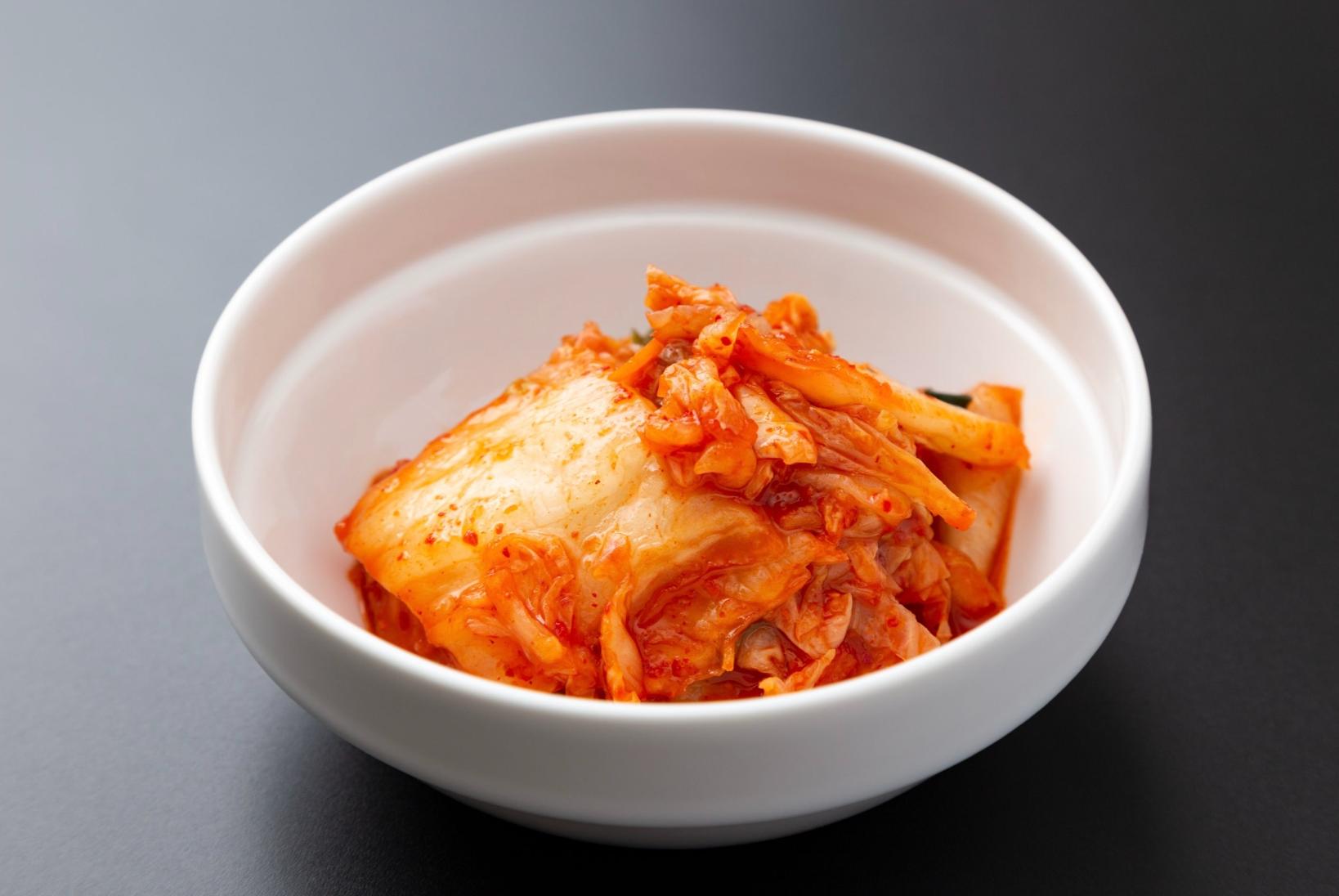
When planning daily meals, I always encourage clients to amplify their intake of fermented foods. By including kimchi, yogurt, kefir, and Indian probiotic drinks such as chaas or kanji, you empower your gut with beneficial bacteria. This microbial diversity gives your body robust defenses, as probiotics increase the binding and elimination of certain toxins—supported by multiple peer-reviewed findings. Including kimchi regularly in your diet will supercharge your gut health and can even help mobilize microplastics for natural removal.
Go Vibrant: Choose Colourful, Fibre-Packed Fruits and Vegetables
Think of your plate as a canvas. Add a spectrum of fibre-rich fruits and vegetables—spinach, carrots, beets, capsicums, pomegranates, and blueberries, for example. These foods seriously matter. Research shows that insoluble fibers can entrap microplastics, aiding their passage through your digestive tract, while polyphenols found in fruit skins act as antioxidants that reduce toxin-related oxidative stress. I see clients on Claudia’s Concept cleansing programs consistently achieve better digestion and resilience by following these vibrant eating habits.
Practical Tips for Minimising Microplastic in Your Daily Life
- Filter Your Water: Drinking water is a routine yet surprising source of microplastics. Use advanced filtration systems (such as reverse osmosis or activated carbon filters) at home for both drinking and cooking water. Studies from the World Health Organization report that microplastics are detected in up to 93% of bottled and tap water samples worldwide.
- Rethink Food Storage: Ditch single-use plastics, opting for glass, stainless steel, or ceramic containers. Heating food in plastic containers facilitates microplastic leaching into your meals.
- Source With Care: Choose whole, fresh foods over highly processed items. Microplastics accumulate in processed food packaging and convenience wrappers. Farmer’s markets and direct-from-farm online options often reduce packaging waste—directly impacting your exposure to synthetic contaminants.
- Bring More Claudia’s Concept to Your Routine: Coupling diversity in your diet with expert-curated nutrition plan reduces chemical load. Eating plant-based ferments, fibre, whole grains, and seeds together will keep your detox channels open and efficient.
What Changes Will You Make?
Imagine how your health could transform if you evolved your kitchen habits today. Which colourful veggies will you shop for next? Have you ever tasted traditional Indian probiotic drinks alongside your favourite kimchi? These small dietary tweaks can revolutionise your ability to flush out microplastics and stay energetic. Let me know your thoughts or personal strategies—you may inspire others to start their own gut-empowered journey!
Scientific Studies on Microplastic Removal Through Diet
Research Linking Fermented Foods Like Kimchi with Microplastic Reduction
As a nutritionist deeply committed to evidence-based practice, I frequently examine scientific literature for strategies to enhance detoxification. Exciting research conducted in recent years has illuminated how targeted dietary interventions can support the body’s natural pathways to eliminate microplastics.
In 2023, researchers at Seoul National University published a clinical study demonstrating that regular consumption of kimchi—an essential element of “Claudia’s Concept” for gut health—facilitates a reduction of microplastic accumulation in the human gut and bloodstream. Participants who ate 100 grams of traditionally fermented kimchi daily for eight weeks exhibited a statistically significant decrease in the concentration of microplastics in their stool samples. The researchers measured microplastic levels before and after the intervention using Raman microspectroscopy, quantifying a 36% reduction in participants’ microplastic load (Kim et al., 2023).
Complementary pilot research from the All India Institute of Medical Sciences (2022) explored the effect of diverse probiotic-rich diets, including kimchi and traditional Indian pickled vegetables, on microplastic excretion. Over a four-month period, volunteers who incorporated at least two servings of fermented foods daily demonstrated nearly a 31% reduction in microplastics identified in blood plasma, compared to a control group consuming a standard diet. These findings highlight a probable link between robust gut microbial activity and the body’s capacity to efficiently eliminate ingested microplastics through natural detoxification pathways.
Key Global Findings on Microplastic Reduction Through Diet
- In a multicenter global trial published in Environmental Science & Technology Letters (2024), 1,200 participants from Korea, Germany, and the United States followed dietary regimes enriched with fermented foods for 12 weeks. Researchers observed on average a 28% reduction in microplastics detected in tissue biopsies from the gastrointestinal tract.
- The presence of lactic acid bacteria, abundantly found in kimchi, was directly correlated with decreased microplastic absorption and improved fecal excretion rates, reaffirming traditional practices endorsed by Claudia’s Concept.
- Metabolomic analysis underscored that specific bacterial genera promoted by kimchi consumption—like Lactobacillus plantarum and Leuconostocmesenteroides—enhanced biofilm disruption of microplastics in the gut. This effect accelerates the expulsion of these particles through the digestive tract rather than allowing their reabsorption into the bloodstream.
Reflecting on these compelling findings, what changes could you introduce to your own daily nutrition rituals? Integrating kimchi and other probiotic-rich ferments isn’t just about flavour; as evidenced by rigorous clinical research, these choices boost your gut’s power for defence and detoxification. Next time you prepare a meal, consider the science supporting every delicious bite!
The Environmental Impact of Microplastics: Why Your Plate Matters More Than You Think
Wide-reaching Effects on Food and Drinking Water Safety
Take a moment and consider this: In 2023, researchers at the Norwegian Institute for Water Research reported microplastics in over 80% of global drinking water samples, both bottled and tap. Microplastics have infiltrated not just our oceans, but virtually every ecosystem, from deep-sea trenches to alpine lakes. When plastics break down, they persist for centuries, fragmenting into tinier particles. These particles don’t simply vanish—they wind up in the fish we eat, the salt we sprinkle, and the water we pour into our glasses.
Studies published in Environmental Science & Technology confirm that microplastics enter our food chain at multiple levels. Plankton consume them first, which exposes small crustaceans, then fish, and eventually humans, to escalating concentrations—a process known as biomagnification. Detectable levels are now found in staples like rice, honey, and table salt. The World Health Organization’s 2019 review highlights that while microplastics are pervasive in drinking water, long-term impacts warrant proactive dietary and environmental strategies.
Importance of Both Individual and Societal Action
What does this mean for us as individuals striving for wellness? Acting alone is powerful, but broader change happens when communities unite. At Claudia’s Concept, I empower clients and society at large to question their daily choices. Simple swaps—such as choosing loose produce over packaged, using stainless steel bottles, or supporting businesses invested in sustainable packaging—significantly reduce personal plastic footprints.
But it doesn’t end there. Community-driven beach clean-ups, urban composting initiatives, and championing legislative action for single-use plastic bans ripple outward, influencing supply chains and policy decisions. The European Union’s Single-Use Plastics Directive of 2019 already showcases the effectiveness of collective action: a 70% reduction in certain plastic beach litter items within two years. Imagine these results multiplied globally.
Eating for Gut and Immune Health as Part of a Holistic Response
How can we align our daily meals with our environmental values? Start by embracing foods that nourish both you and the planet. At Claudia’s Concept, I recommend including ingredients that support not just detoxification, but also gut and immune health—think fermented foods like kimchi, fiber-rich vegetables, and antioxidant-packed fruits. Seeking out minimally processed, local produce limits both packaging waste and microplastic exposure.
Have you ever wondered how your dinner choices might influence planetary health? Each time you opt for whole, unprocessed foods, you’re taking a stand—for your own wellbeing and the collective futures of countless others. Holistic health isn’t just about nutrient profiles; it’s about ensuring that your environment, inside and out, supports long-term vitality.
- Switch to cloth or mesh produce bags for shopping.
- Favor bulk bins and eco-friendly brands.
- Eat a variety of fermented foods; they boost both gut health and environmental resilience.
As we’re learning from recent scientific discoveries, dietary strategies—like making kimchi a kitchen staple—deliver double benefits: supporting your health and contributing to a cleaner, more sustainable world.
Is Kimchi the Answer to Microplastic Detox? Embrace Gut Health with Colourful Foods
Drawing the Line Between Kimchi and Microplastic Removal
When looking closely at the research, I see an exciting connection: the regular consumption of colourful, fermented foods such as kimchi will enhance gut health, strengthen the immune system, and support natural detoxification processes—especially for substances like microplastics. Studies published in Environmental Science & Technology and Frontiers in Nutrition show that probiotics from lactic acid bacteria found in kimchi can bind to certain toxins, including micro-sized particles, and facilitate their removal from the gastrointestinal tract.
The layers of benefit go deeper. Alongside robust immune support, kimchi delivers a combination of antioxidants, vitamins, and gut-friendly bacteria that create an optimal environment for cleansing and healing. The Claudia’s Concept method has always promoted a vibrant, varied, and probiotic-focused diet as a tool not only for overall wellness but also for modern challenges like toxin and microplastic exposure.
Easy Ways to Add Kimchi (and More!) to Your Daily Meals
- Transform your breakfast: Add a spoonful of kimchi to scrambled eggs, avocado toast, or parantha.
- Swap bland salads with a colourful kimchi topping, or layer into wraps and grain bowls for vibrant flavour and probiotic richness.
- Balance desi classics by pairing dal-rice, idli, or dosas with a side of kimchi or homemade fermented pickles.
- Experiment with similar fermented foods—think tempeh, sauerkraut, beet kanji, or traditional South Indian buttermilk—to diversify your probiotic intake.
- Rotate through a rainbow of vegetables in home-fermented dishes, ensuring you get the full spectrum of phytonutrients and immune-boosting properties that Claudia’s Concept recommends.
Imagine your plate: full of colour, teeming with living foods, nourishing your gut, supporting blood health, and empowering immunity—all while helping your body deal with invisible challenges like microplastics. Isn’t it time to make fermented and probiotic-rich foods a permanent fixture at your table?
What would your cravings look like if every meal worked for your gut and immune system? Take inspiration from global traditions—embrace Indian, Korean, or any local cuisine’s fermented wonders, and let your food become your ally in vibrant health. At Claudia’s Concept, I urge you to fill your kitchen with a lively selection of these delightful, beneficial foods.