
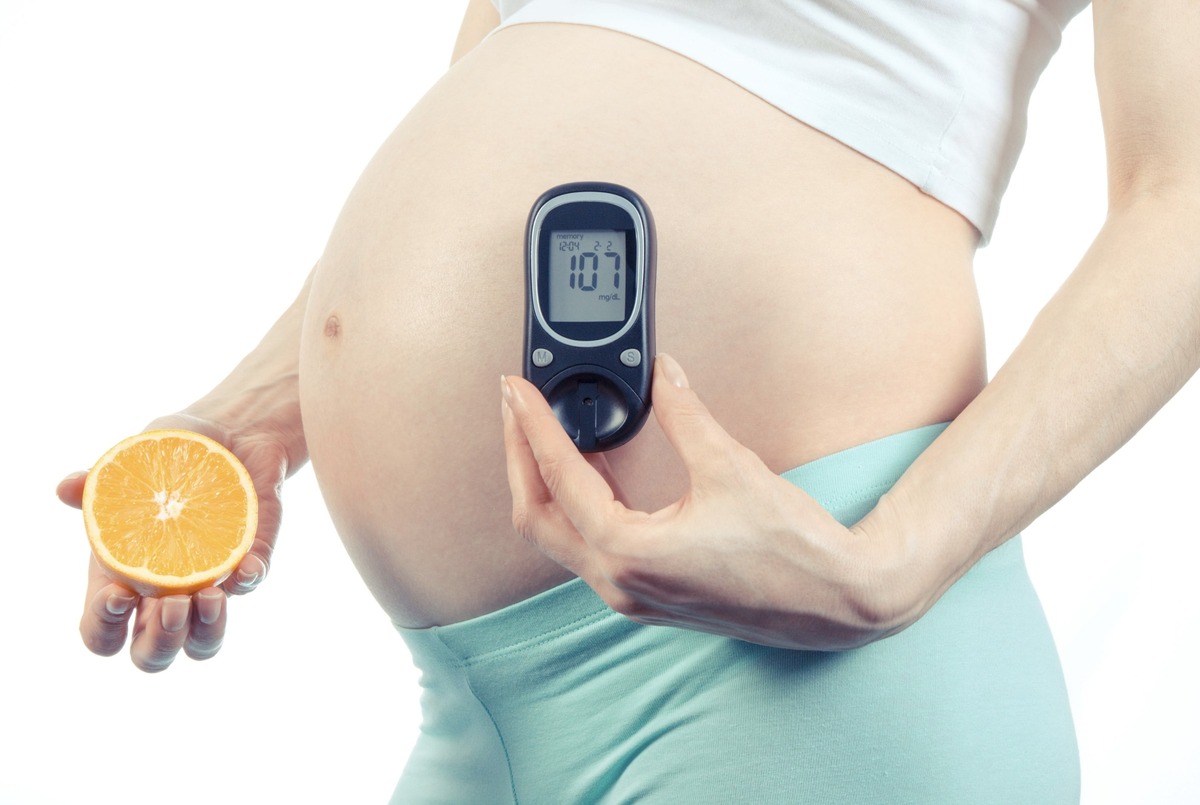
For many women in India, pregnancy brings not just joy and excitement, but also health challenges that require close attention. One of the most common of these is gestational diabetes mellitus (GDM)—a condition where blood sugar levels rise during pregnancy in women who were not previously diabetic. Recent data from the Journal of Clinical and Diagnostic Research shows that the prevalence of GDM among Indian women ranges from 10% to 30%, varying between urban and rural populations. Left unmanaged, chronic high blood sugar during pregnancy can become a serious concern. It heightens the risk of high birth weight, preterm labor, and complications during delivery. For the mother, it may also lead to high blood pressure and an increased likelihood of developing type 2 diabetes later in life. The baby, on the other hand, may face breathing difficulties after birth or an increased risk of obesity and glucose intolerance in adolescence. Fortunately, nutrition and lifestyle create a powerful toolkit in this journey. Managing gestational diabetes is possible with balanced diet choices and smart lifestyle changes. And that’s where I step in—not with fad diets or confusing routines—but with practical and science-supported guidelines from a nutritionist’s lens. At Claudia’s Concept, we craft personalized strategies to bring stability to your blood sugar levels, support the well-being of both mother and baby, and bring back the confidence that pregnancy should inspire. How exactly do we do that? Let’s explore five impactful diet and lifestyle tips that make a real difference.
Why Managing Blood Sugar Levels During Pregnancy Is Non-Negotiable
Pregnancy is an incredibly transformative time, both emotionally and physically. But when diabetes enters the picture—whether pre-existing or gestational—it adds a critical layer of responsibility. Blood sugar management during pregnancy is not a matter of preference, it is an essential health priority. It directly impacts the mother’s wellbeing and the baby’s development.
What Happens When Blood Sugar Isn’t Controlled During Pregnancy?
When blood glucose levels stay persistently high, they can create a hormonal cascade that affects multiple systems in both mother and fetus. Too much circulating glucose can cross the placenta, prompting the baby’s pancreas to produce excess insulin. This can lead to macrosomia—an abnormally large baby—posing delivery risks such as shoulder dystocia and increasing the likelihood of a cesarean section.
But that’s only part of the picture. Unmanaged diabetes during pregnancy is also associated with a higher risk of neonatal hypoglycemia, respiratory distress syndrome, and even jaundice. These are potentially serious complications that can require extended neonatal intensive care. From the mother’s perspective, she faces elevated risks of preeclampsia, preterm labor, urinary tract infections, and long-term insulin resistance post-delivery.
Insulin Resistance: The Hormonal Shifts Behind Gestational Diabetes
Pregnancy naturally increases insulin resistance as a biological mechanism to make more glucose available for your baby’s growth. Hormones such as human placental lactogen (hPL), estrogen, cortisol, and progesterone fluctuate during pregnancy, and all of them affect how cells respond to insulin. By the third trimester, insulin sensitivity can decrease by up to 50%, which is why gestational diabetes often manifests at this stage.
This isn’t just theoretical—numbers highlight the scope of this condition. According to research published in the journal Diabetes Care, gestational diabetes affects approximately 7% to 10% of pregnancies worldwide, with some populations experiencing rates as high as 15%. Managing glucose levels is not just preventive; it’s corrective—supporting the body’s need to stabilize blood sugar despite hormonal disruptions.
At Claudia’s Concept, we look at this from a systems perspective. How food composition, timing, physical activity, and hormonal fluctuations interplay to either support or stress your metabolic balance. Through intelligent nutrition and habit reshaping, women can manage their sugar levels confidently—without deprivation.
So ask yourself: Are your current choices aligned with the body’s evolving demands during pregnancy? When you take proactive steps based on science-backed strategies, you’ll feel better, more energized, and empowered throughout your pregnancy journey.
In the next section, we’ll look at how targeted prenatal nutrition paves the foundation for brilliant blood sugar balance. Because managing diabetes during pregnancy doesn’t begin at the pharmacy—it starts in your kitchen.
Balanced Meals for a Balanced Pregnancy: Nutrition First
Why Balanced Meals Matter More Than Ever During Pregnancy
Pregnancy demands so much from your body, and when it comes with diabetes—whether it’s gestational or pre-existing—the pressure to manage things well doubles. Balanced nutrition isn’t just good advice; it’s a foundational strategy to stabilize blood sugar, support fetal development, and keep energy levels consistent throughout the day.
At Claudia’s Concept, I work closely with expecting mothers, building meal plans that combine science with sensibility. The magic formula? Consistent meals with the right amount of macronutrients on every plate.
The Power Trio: Carbs, Protein, and Healthy Fats
Let’s break it down:
- Carbohydrates: Contrary to popular belief, carbs are not the enemy. It’s the type that matters. Complex carbohydrates—such as whole grains and millets—digest slowly, preventing sudden spikes in blood sugar. Think bajra, jowar, and brown rice.
- Protein: Protein moderates the release of glucose into the bloodstream by slowing digestion. Lentils, eggs, paneer, and tofu are brilliant, blood sugar-friendly sources.
- Healthy Fats: They stabilize insulin response and support hormone production. Incorporate moderate amounts of ghee, coconut, and seeds like chia and flaxseeds.
Each of your meals should deliver this trio. For example, a lunch plate of bajra roti (carb), masoor dal (protein), sautéed spinach (fiber), and a spoon of ghee (fat) offers balanced glucose release—and leaves you satiated much longer.
Indian Ingredients That Work for You
Indian cuisine is naturally rich in diabetes-friendly elements. When you focus on traditional staples—prepared mindfully—you nourish both yourself and your baby effectively. Here are smart choices I often recommend:
- Millets like ragi, foxtail millet, and kodo millet deliver fiber and minerals without triggering sugar spikes.
- Lentils (dal) are protein-rich and balance meals beautifully when paired with whole grains.
- Green vegetables—palak, methi, lauki—come packed with antioxidants, vitamins, and essential fiber.
- Whole grains such as brown rice, quinoa, and whole wheat provide complex carbs, supporting gradual glucose metabolism.
In my clinics, I often refer to this as the “grounded plate”—Indian at heart, balanced by science, tailored for pregnancy wellness. Every choice matters. A home-cooked sabzi with minimal oil, a bowl of sprouts, or switching to hand-pounded rice—small shifts add up to long-term blood sugar control.
The Art of Portion Control
Even the healthiest foods can work against you if the quantity goes unchecked. That extra roti or overly generous helping of rice might tip your post-meal sugar levels, especially during late pregnancy when insulin resistance is naturally higher.
At Claudia’s Concept, we guide expecting mothers to follow the 50:25:25 rule—fill half your plate with vegetables, one-quarter with protein, and one-quarter with slow-digesting carbs. This simple repartition automatically supports better glycemic control.
Feeling tired or overly full after meals? That’s a sign your portions might be off. Before adjusting insulin or medication, reassessing meal composition often solves the issue.
Want to feel more in tune with your body’s needs during pregnancy? Start by tuning into your plate. That’s where lasting balance begins.
Smart Carbs Matter: Why Choosing Low Glycemic Index (GI) Foods Supports Healthy Pregnancy with Diabetes
Ever wondered why two foods with the same amount of carbohydrates can have completely different effects on your blood sugar? The secret lies in their Glycemic Index, or GI. When supporting clients through pregnancy at Claudia’s Concept, I always focus on food quality—not just quantity.
What Is the Glycemic Index (GI) and Why Does It Matter?
GI ranks carbohydrates on a scale from 0 to 100 based on how quickly they raise blood glucose levels. Low GI foods (55 or less) release glucose slowly and steadily, keeping sugar spikes in check. High GI foods (70 or more), on the other hand, digest rapidly and cause sudden rises in blood sugar, something every expecting mother with diabetes must avoid.
This steady release of glucose is particularly important during pregnancy, when insulin sensitivity may already be compromised. Choosing low GI foods will help stabilise energy levels and reduce the risk of complications like fetal macrosomia (a baby with excessive birth weight) or preterm delivery. And yes—with the right foods, this is absolutely achievable.
Top Indian Low GI Foods I Recommend to My Clients
Let’s talk about everyday options that are both nourishing and blood sugar friendly. These are the staples I integrate into meal plans for expecting mothers:
- Brown Rice: A whole grain alternative to white rice, brown rice has a GI of about 50. It delivers fiber and B vitamins, and keeps post-meal blood sugar oscillations minimal.
- Quinoa: With a GI of 53, quinoa is a gluten-free complete protein source that acts as a steady carb, ideal for maintaining insulin balance.
- Moong Dal: This lentil, with a GI as low as 38, is a nutritional powerhouse. It digests slowly and provides protein, iron, and folate—essentials during pregnancy.
- Barley and Oats: Both are rich in beta-glucan, a type of soluble fiber that slows glucose absorption. Barley’s GI sits around 28, while oats average about 55 depending on processing.
- Sweet Potato: Cooked sweet potato has a moderate GI (around 44 when boiled). It’s packed with vitamin A and offers complex carbs to nurture your baby’s growth steadily.
How GI Impacts Diabetes Management in Pregnancy
Pregnancy hormones like human placental lactogen reduce insulin efficiency, especially in the second and third trimesters. That’s why controlling post-meal spikes becomes non-negotiable. Low GI foods have been consistently linked to improved glycemic control in both gestational and pre-existing diabetes. A meta-analysis published in The British Journal of Nutrition found that a low-GI diet significantly lowered the need for insulin therapy in women with gestational diabetes.
At Claudia’s Concept, I teach expecting mothers how to combine these low GI carbs with proteins and healthy fats to slow digestion even further and optimise nutrient absorption. The result? More energy, fewer cravings, reduced insulin resistance, and better fetal outcomes.
So, next time you plan your plate, ask yourself—how will this choice affect my blood glucose? That question alone empowers you to make strategic, evidence-based decisions throughout pregnancy.
Tip 3: Follow a Healthy Pregnancy Meal Plan
Managing gestational diabetes starts on your plate. Every bite you take influences your blood sugar response, your energy levels, and your baby’s nourishment. At Claudia’s Concept, I guide many women through these transformational months by creating personalised meal plans that stabilise blood sugar, prevent complications and keep cravings in check — without stress and guesswork. Let’s explore how you can structure your daily meals to strike the ideal balance.
Sample Indian Meal Plan for Gestational Diabetes
A well-structured meal plan should fuel you throughout the day, help avoid sharp blood sugar spikes, and meet your increased nutritional needs during pregnancy. Here’s a practical example of a gestational diabetes-friendly Indian meal plan designed for real life.
- Early Morning (6:30–7:00 AM): Start your day with a glass of warm water with soaked fenugreek seeds. Follow it up with a handful of almonds or walnuts for healthy fats that moderate glucose absorption.
- Breakfast (8:00–8:30 AM): 2 moong dal cheelas with paneer stuffing + fresh tomato-mint chutney. Add a cup of unsweetened soya or almond milk for protein without added glucose load.
- Mid-Morning Snack (11:00–11:30 AM): 1 small bowl of plain Greek yogurt with chia seeds and 2 chopped strawberries. The combination of probiotics and fibre supports digestion and blood sugar stability.
- Lunch (1:00–1:30 PM): 1 medium-sized phulka (without oil), 1 katori vegetable sabzi (like lauki or bhindi), and 1 katori mixed dal. Add a bowl of salad with grated carrot, cucumber and sprouts. This nutrient-rich variety keeps you full and fuels fetal development.
- Afternoon Snack (4:00–4:30 PM): 1 roasted khakra with a tablespoon of homemade hummus OR 1 hard-boiled egg with cucumber slices. Maintaining satiety through the afternoon is key to avoiding overeating at dinner.
- Dinner (7:00–7:30 PM): 1 bowl of vegetable-loaded millet khichdi (foxtail or little millet are ideal) with a side of sautéed greens. Add a spoon of ghee to support digestion and nutrient absorption.
- Bedtime Snack (9:00 PM): A small cup of warm turmeric milk made with unsweetened almond milk, or a few slices of apple with nut butter. This bridges your overnight fast and supports steady glucose levels while you sleep.
Eat More Often — Just Smarter
Instead of traditional 2 or 3 big meals, shift to eating three main meals and two to three purposeful snacks each day. This structure ensures sustained energy, stable blood sugar, and prevents sudden hunger spikes that lead to poor choices. The goal at Claudia’s Concept is not just calorie counting — it’s creating a steady flow of nutrients timed with your body’s needs.
The Power of Portion Control
Even healthy food in oversized quantities can elevate blood glucose. Use your plate as a guide: fill half with non-starchy vegetables, one-quarter with lean protein (dal, paneer, eggs), and the last quarter with complex carbs (whole grains, millets). Studies have shown that portion-controlled meals reduce post-meal glucose spikes by up to 26% in women with gestational diabetes (American Diabetes Association, 2021).
Say No to Sugary Beverages and Processed Foods
Sugared sodas, bottled juices, bakery treats — even ‘low-fat’ snacks — send your sugar levels soaring. These offer little nutrition but lots of hidden carbohydrates. Stick with fresh, whole ingredients, and hydrate with water, coconut water, or herbal teas. I rely on this golden rule at Claudia’s Concept: “If your grandmother wouldn’t recognise the ingredient, don’t eat it.”
A healthy pregnancy meal plan doesn’t have to be restrictive — it needs to be intelligently designed, deliciously balanced, and tailored to your life. And yes, you absolutely can enjoy your food and nourish your bump at the same time.
Hydration and Gentle Movement — Your Power Tools for a Healthier Pregnancy
When managing diabetes during pregnancy, hydration and safe physical activity are more than just lifestyle choices — they are powerful tools that make a difference in blood sugar regulation, energy levels, and baby’s development. At Claudia’s Concept, I always highlight hydration and movement as non-negotiable pillars of pregnancy wellness, especially when dealing with gestational diabetes.
Hydration: The Unsung Hero of Blood Sugar Control
Water does more than just quench thirst — it keeps your body’s systems running smoothly. Proper hydration improves blood circulation, supports digestion, stabilizes blood sugar levels, and assists in flushing out excess glucose through urine. During pregnancy, your body demands more fluids to support increased blood volume and the growing amniotic sac.
The National Academies of Sciences recommends that pregnant women consume about 3 liters (approximately 12-13 cups) of total fluids per day, which includes all beverages and moisture-rich foods — but aiming for at least 2.3 liters (about 10 cups) of water daily is essential when managing diabetes.
If you notice signs like dry lips, dizziness, or dark-colored urine, your body is signaling dehydration. Small sips throughout the day, herbal teas like chamomile or ginger, and water-rich foods such as cucumber, citrus fruits, or soups can bridge the gap efficiently.
Move Safely. Make Progress. Feel Stronger.
Movement during pregnancy isn’t about weight loss — it’s about moving glucose into the cells, improving insulin sensitivity, and supporting emotional well-being. Even 20 to 30 minutes of safe, low-intensity physical activity per day can reduce blood glucose spikes and improve metabolic flexibility.
At Claudia’s Concept, I tailor exercise ideas that respect the changes in a pregnant body. Here are some movement styles I consistently recommend:
- Walking: A gentle but effective full-body activity that can be done post-meal to blunt glucose surges. A brisk walk after dinner, even for just 10 minutes, can significantly reduce postprandial glucose levels.
- Prenatal Yoga: Enhances flexibility, soothes stress hormones, and promotes better sleep — all while supporting blood sugar stability. Research published in Diabetes & Metabolic Syndrome: Clinical Research & Reviews shows that stress reduction through yoga plays a role in improved glycemic control.
- Light Stretching: Keeps muscles and joints limber, improves circulation, and pairs well with controlled breathing for blood sugar modulation.
Physical movement increases the uptake of glucose by muscle cells, even without insulin. This natural insulin-independent pathway, as shown in a study by the American Diabetes Association, makes exercise a crucial part of diabetes management, especially in pregnancy when hormonal shifts may cause insulin resistance.
So, can walking in the park or rolling out your yoga mat really impact your blood sugar? Absolutely. It’s simple, accessible and refreshes the mind too. And when you’re hydrated and moving, you feel more in control — physically and emotionally.
Track and Monitor Glucose Levels Regularly: Your Most Powerful Pregnancy Tool
Let’s be clear—tracking your blood glucose isn’t just a medical formality during pregnancy, it’s your greatest ally in staying healthy, both for you and your baby. When I coach expectant mothers through Claudia’s Concept, I emphasise that real-time data empowers you to steer your day, your meals, and your energy with confidence and precision.
Why Glucose Monitoring Matters More Than Ever
In gestational diabetes, your body becomes less responsive to insulin due to hormonal shifts. That means even nourishing foods can spike your glucose unexpectedly. Regular monitoring ensures you see those fluctuations as they happen—not after. When glucose levels consistently remain within your optimal range, the incidence of complications such as macrosomia (a larger baby), hypertension, and preterm birth drops significantly. According to the American Diabetes Association, maintaining preprandial glucose between 95 mg/dL or less and postprandial glucose (1-hour) under 140 mg/dL leads to optimal outcomes during pregnancy.
Your Choices: Tools That Make Tracking Seamless
You’re not alone, and you’re definitely not reliant on guesswork. There are two excellent tools that make tracking glucose levels simple and effective:
- Glucometers: Compact, accurate, and affordable. Perfect for checking fasting, pre-meal, and post-meal readings manually.
- Continuous Glucose Monitors (CGMs): These wearable devices track your glucose 24/7 via sensors beneath your skin. Advanced models like the FreeStyle Libre 2 provide alerts if levels trend too high or low, letting you respond before symptoms show up.
Women using CGMs during gestational diabetes, according to a 2021 study in Diabetes Technology & Therapeutics, showed better glucose stability and reduced insulin dependency compared to those using standard glucometers. It’s not just about collecting data—it’s about transforming how you eat, move, and live, based on what your body is truly telling you.
Real-Time Feedback = Real Results
Here’s something I always share with my Claudia’s Concept community: knowledge is power, but personalised feedback is transformation. When you monitor effectively, every meal becomes a data point. You’ll notice which foods elevate your glucose too fast, how a short evening walk settles a post-lunch spike, and how hydration influences stability.
Armed with this insight, you’ll make precise dietary adjustments, time your meals better, and work with your body instead of against it. This dynamic feedback loop is the difference between frustration and flow.
Your Nutritionist: The Decoder of Your Data
Don’t try to interpret those glucose curves alone. A trained nutritionist or dietitian translates those numbers into actionable strategies. At Claudia’s Concept, I regularly review food logs alongside glucose readings to detect trends invisible to the untrained eye. Perhaps it’s not carbs that are spiking you—it might be meal timing or hidden ingredients you’d never suspect.
We discuss not just what you’re eating, but how that food works within your unique metabolic rhythm. Together, we refine your response plan so you’ll feel more energised, less overwhelmed, and fully in control of your pregnancy journey.
So, next time you log a number, remember—it’s not just a reading. It’s a reflection of your body’s story, giving you the tools to write the healthiest next chapter.

The Role of a Nutritionist in Pregnancy Diabetes Care
Managing diabetes during pregnancy isn’t simply about avoiding sugar—it’s about understanding your body’s metabolic needs, anticipating how food choices affect your glucose, and adjusting your diet to support both your health and your baby’s development. That’s where the expert guidance of a qualified Indian nutritionist becomes essential.
Personalised Meal Plans That Work With Your Body
No two pregnancies are alike, and neither are the nutritional needs that accompany them. A certified nutritionist creates a personalised plan after evaluating your blood glucose fluctuations, insulin sensitivity, hormonal influences, and even cultural food preferences. At Claudia’s Concept, we start by mapping your nutritional status and health history, then design a tailored meal plan that balances macronutrients to stabilise glucose levels while supporting fetal growth.
For example, studies published in the Journal of the Academy of Nutrition and Dietetics show that carbohydrate-controlled diets with a high fibre content have successfully prevented excessive weight gain and improved glycaemic control in women diagnosed with gestational diabetes. But only when customized in terms of meal timing, portion control, and carb distribution do they yield these consistent results. That level of precision comes with professional input—not guesswork.
Monitoring, Education, and Weekly Adjustments
Pregnancy is dynamic. Hormones shift, appetite changes, and glucose tolerance often decreases during the third trimester. A key role of a nutritionist is to track these shifts with you—not monthly, but week by week. With ongoing consultations at Claudia’s Concept, clients receive continuous guidance: whether it’s figuring out why a post-breakfast spike happened or how to adjust dinner on days you’re less active.
- You’ll understand the why behind every dietary switch.
- You’ll get strategic swaps for your favourite foods—from parathas made diabetes-friendly to fruit servings that won’t spike sugar.
- You’ll stay motivated with accountability checks, meal feedback, and data-driven tweaks, so you’re never in the dark about your progress.
A Team-Based Approach to Pregnancy Diabetes Care
Nutritional care doesn’t operate in a silo. In gestational diabetes management, it works best when integrated with your medical care team. A nutritionist collaborates with your OB-GYN, endocrinologist, or diabetologist to synchronise interventions. For instance, if medication is introduced or insulin doses are adjusted, meal timing and composition are recalibrated immediately.
Clinical evidence supports this collaborative approach. A 2022 study in Diabetes Care revealed that coordinated care teams—where a nutritionist plays an ongoing role—reduced the incidence of preeclampsia and C-section deliveries in gestational diabetes patients by up to 30%. This is why we embed physician-nutritionist discussions into every client journey at Claudia’s Concept.
Nutrition support in pregnancy is more than meal plans—it’s empowerment with science, consistency with compassion, and personalised care with measurable results. Ask yourself: are you getting the guidance that adjusts as your pregnancy evolves?
Embracing Wellness: Living a Healthy Life with Gestational Diabetes
Gestational diabetes may come as a surprise, but it doesn’t have to be a setback. With the right nutritional guidance, consistent lifestyle habits, and mindset shifts, you can move through pregnancy with strength, clarity, and confidence. I’ve worked closely with many women facing this diagnosis, and I’ve seen how transformative simple, science-backed changes can be. At Claudia’s Concept, we focus on providing practical steps that make a real difference—both for maternal health and for the baby’s development.
Staying committed to balanced nutrition and proactive monitoring significantly reduces your risk of complications during pregnancy—and more importantly, keeps type 2 diabetes at bay later in life. Research published in Diabetes Care journal highlights that up to 50% of women with gestational diabetes may develop type 2 diabetes within 5 to 10 years after childbirth. But here’s the great news: early intervention through tailored nutrition and lifestyle management directly lowers this risk. And the best time to begin? Today.
India has one of the highest rates of gestational diabetes in the world, affecting roughly 10–14% of pregnancies, especially in urban areas. This makes it absolutely vital for Indian women to embrace self-care—not as a luxury, but as a necessity. Start by building a reliable routine around whole foods, gentle movement, hydration and regular monitoring. Small, consistent actions will allow you to stay energized, reduce glucose fluctuations, and maintain weight gain within the recommended range.
Don’t hesitate to ask for support. Whether it’s your gynaecologist, a clinical dietitian, or a certified diabetes educator, surround yourself with the right resources. A personalized pregnancy nutrition plan—like the ones we offer at Claudia’s Concept—will not only regulate your glucose levels but also align with your cultural eating habits and lifestyle preferences.
You deserve a vibrant pregnancy journey, powered by mindful choices and professional support. Let this phase be about nourishment, connection, and empowerment. Gestational diabetes doesn’t define your path—it’s simply a signal to tune into your body more intentionally and take proactive steps for a lifetime of health, for both you and your baby.