
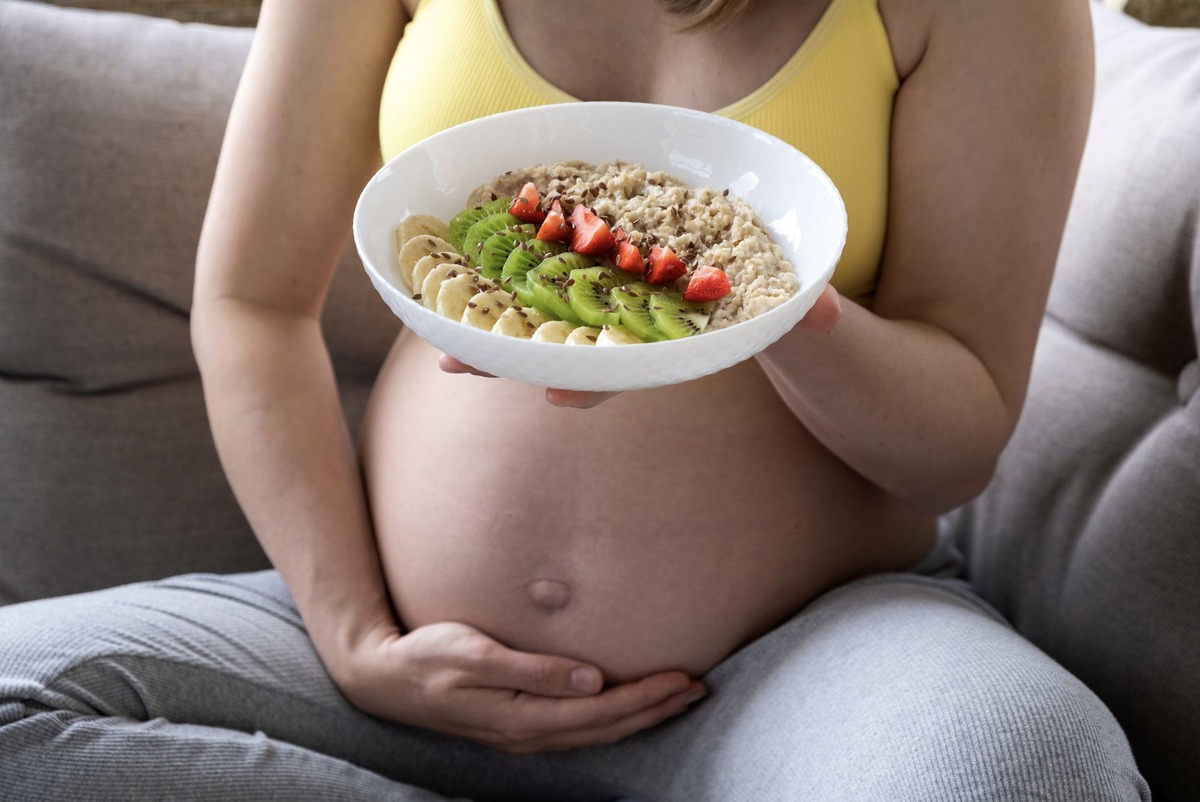
Nutrition during pregnancy doesn’t just fuel your growing baby—it builds the foundation for their immune resilience long after birth. Every bite you take delivers vital signals to the developing immune system, shaping how it will respond to bacteria, viruses, allergens, and inflammation throughout life. That’s the incredible power of prenatal nutrition.
At Claudia’s Concept, I’ve guided countless expectant mothers in choosing the right foods to optimise not just their own health, but to set the stage for their child’s long-term wellness. And the science backs this up. Studies show that key nutrients—including omega-3 fatty acids, vitamin D, and specific antioxidants—can influence the development of neonatal immune cells and gut microbiota, two pillars of a strong immune defence.
So, how do your daily meal decisions translate into future disease protection or vulnerability for your baby? The way you nourish yourself during these crucial months directly affects how efficiently your child’s immune system will mature, respond, and adapt.
Let’s explore the evidence and learn how the right foods—when chosen intentionally—can become powerful tools in programming a lifetime of immunity for your child.
The Foundation: Maternal Nutrition and Immune Development
Nutritional Roots of a Resilient Immune System
During pregnancy, your body becomes the architect of your baby’s entire immune system. One of the most powerful tools you have is your diet. What you eat doesn’t just fuel fetal growth—it actively shapes how well your child will defend against infections, allergies, and illnesses for years to come. This fascinating connection begins with the development of the immune tissues—including the thymus, bone marrow, and gut-associated lymphoid tissue—which are highly dependent on specific nutrients for optimal formation. A well-balanced prenatal diet will consistently promote the healthy construction of these systems.
Macronutrients: Fueling Cellular Growth
Your baby’s immune cells originate from stem cells that rapidly divide and differentiate in utero. To support this cellular explosion, your body needs each macronutrient working in harmony:
- Proteins provide the critical amino acids for building the structural components of immune cells, including antibodies and cytokines. The American Pregnancy Association recommends a daily intake of 75 to 100 grams of protein depending on your weight and activity levels.
- Healthy fats, particularly omega-3 fatty acids like DHA and EPA, reduce systemic inflammation and play a fundamental role in programming immune responses. Studies in the Journal of Nutrition confirm that higher maternal omega-3 intake enhances neonatal immune regulation and lowers the risk of allergic diseases.
- Complex carbohydrates rich in fiber feed beneficial gut bacteria and stabilize blood sugar, both of which are crucial in modulating maternal immunity that trickles into the fetal environment via the placenta.
Micronutrient Mastery: Tiny Compounds, Huge Impact
Never underestimate the power of micronutrients in prenatal immunity. These essential vitamins and minerals act as co-factors in thousands of biochemical reactions required to create a strong immune blueprint for your baby. Here are a few key players:
- Vitamin A supports the development of mucosal barriers and lymphoid tissues, reducing your baby’s vulnerability to infections after birth.
- Vitamin D plays a regulatory role on gene expression in innate and adaptive immunity. Deficiency during pregnancy is associated with increased incidence of asthma and eczema in children, as seen in research published by JAMA Pediatrics.
- Zinc and selenium are immune-stimulatory trace elements that govern cell-mediated immunity and antioxidant defense. Low maternal zinc correlates with impaired thymus growth—your baby’s ‘immune school,’ so to speak.
The Power of Wholesome, Unprocessed Foods
Nutrients don’t work in isolation. That’s why Claudia’s Concept always champions a whole food approach. When you consume a variety of colorful vegetables, fruits, legumes, lean proteins, nuts, seeds, and healthy fats, you’re delivering complex nutrient synergies that lab-made supplements can’t mimic. This nutrient-dense style of eating doesn’t only help your baby grow strong physically—it fine-tunes their emerging immune army to recognize threats and respond effectively.
Consider this: A maternal diet high in processed, high-glycemic foods has been shown to elevate systemic inflammation, a condition that may interfere with fetal immune programming. On the flip side, mothers adhering to Mediterranean-style diets rich in polyphenols, fibers, and antioxidants typically give birth to babies with more balanced immune profiles, according to findings in the journal Allergy.
The moment you choose to nourish yourself with intention during pregnancy, you set in motion a chain reaction inside your baby that builds immune resilience from day one. Let your plate empower their future. Every meal is a message to their developing defense system. And with Claudia’s Concept, you never have to guess what that message should be.
Building Your Baby’s Immunity Begins With What You Eat: The Essential Nutrients During Pregnancy
Your baby’s immune system doesn’t begin after birth; it begins right now—within your womb. Every spoonful you eat during pregnancy is more than nourishment for your health; it’s shaping the resilience of your child’s future defense system. At Claudia’s Concept, we empower expectant mothers to consciously fuel their bodies with immune-smart nutrients that play direct roles in immune cell formation, inflammation control, and microbial balance. Let’s explore exactly how key nutrients work as the building blocks of immunity for your developing baby.
Vitamins and Minerals: Micronutrients, Macro Impact
- Vitamin D – The Hormone-Like Immune Regulator Vitamin D isn’t just about bones—it acts like a hormone, directly influencing the activity of immune cells like T-cells and macrophages. A 2020 study published in Frontiers in Immunology linked prenatal Vitamin D sufficiency to lower risks of asthma and autoimmune conditions in childhood. Sun exposure helps, but many pregnant women need dietary support through foods like fortified dairy, egg yolks, and fatty fish such as mackerel and salmon.
- Vitamin A – Key to Mucosal Immunity and Cellular Development Vitamin A is crucial for the proper formation of your baby’s mucosal membranes, especially in the respiratory and gastrointestinal tracts, which are frontline immune barriers. Retinol and carotenoids from foods like liver, spinach, sweet potatoes, and carrots aid in the maturation of immune cells and epithelial tissue integrity. According to a review in the American Journal of Clinical Nutrition, prenatal Vitamin A impacts not just short-term immune development but also long-term disease resistance.
- Zinc and Iron – Power Minerals for a Resilient Immune Framework Zinc is involved in over 300 enzymatic processes and is essential for the formation and activation of immune cells. Iron, on the other hand, ensures oxygen delivery to these rapidly dividing cells. The Journal of Reproductive Immunology highlights that zinc deficiency during pregnancy can lead to impaired thymus development—a core immune organ. Keep your zinc and iron levels robust with lean meats, lentils, pumpkin seeds, and fortified cereals.
Proteins and Healthy Fats: Structure and Function
- Lean Proteins – The Building Blocks of Immune Cell Architecture Protein provides the amino acids required for constructing antibodies and other critical immune molecules. Without sufficient intake, the fetal immune blueprint is compromised. Include high-quality sources such as eggs, poultry, tofu, quinoa, and legumes in your meals, as we emphasize at Claudia’s Concept.
- Omega-3 Fatty Acids – Inflammation’s Natural Modulators Specifically, DHA and EPA assist in regulating immune responses and reducing unwanted inflammation. Recent findings in Nutrients show that omega-3s influence fetal leukocyte function, affecting how the baby will later react to allergens or pathogens. Cold-water fish like sardines and salmon, along with chia seeds and flaxseeds, are excellent sources.
Probiotics and Prebiotics: Feeding the Fetal Microbiome
- Probiotics – Colonizing Protection Probiotic-rich foods supply beneficial bacteria that may be transferred to the baby during birth, seeding their initial gut microbiome. An active microbiome boosts gut-associated lymphoid tissue (GALT), where over 70% of immune cells reside. Yogurt with live cultures, kefir, and fermented vegetables like sauerkraut are natural sources.
- Prebiotics – Feeding the Good Guys Prebiotics are the fibers that nourish existing beneficial bacteria. A diet rich in fiber—think garlic, onions, bananas, and asparagus—enhances bacterial diversity in the mother’s gut, which indirectly supports immune fortification in the child through microbial metabolites like short-chain fatty acids.
When planning your meals, think beyond cravings. Think beyond macros. Think legacy. At Claudia’s Concept, our focus is functional—nourishing your body to architect your baby’s immune advantages from the inside out.
The Microbiome Bridge: How Gut Health Influences Infant Immunity
What if your gut health during pregnancy could help shape your baby’s entire immune future? It absolutely can. And it’s not a vague possibility—it’s a biological reality supported by solid research. At Claudia’s Concept, I focus on understanding the deeply intertwined relationship between food, gut flora, and long-term health outcomes, especially during pregnancy. Let’s explore the microbiome connection that begins right in your belly and continues into your baby’s life.
How Maternal Gut Flora Is Shaped by Diet During Pregnancy
Your gut isn’t just your digestion hub. It’s home to trillions of microorganisms—actually, an estimated 100 trillion—forming what’s known as your gut microbiota. During pregnancy, hormonal shifts, elevated progesterone levels, and dietary changes all influence the composition of this microbial world. And what you eat becomes critical.
Diets rich in plant-based fibers, complex carbohydrates, and fermented foods help promote the growth of beneficial bacteria like Bifidobacteria and Lactobacillus. A study published in Cell (Koren et al., 2012) revealed that a mother’s gut microbiota undergoes significant remodeling during pregnancy, and this shift is directly impacted by dietary inputs. When your gut is balanced and thriving, it sends immune-modulating signals that prime your baby’s immune system—even before birth.
Colonization of the Baby’s Microbiome During Birth and Breastfeeding
The moment of birth marks your baby’s first exposure to the microbial world. In vaginal deliveries, the baby is naturally colonized by the mother’s vaginal and gut flora—this initial contact becomes the foundation for the infant microbiome. According to research in Nature Medicine (Dominguez-Bello et al., 2010), infants born vaginally are primarily populated by their mother’s microbes, while C-section deliveries show delayed and altered colonization.
But the story doesn’t stop there. Breastfeeding continues to nourish and shape this microbiome. Human milk contains over 200 identified human milk oligosaccharides (HMOs)—specialized prebiotics that feed beneficial gut bacteria. Breast milk also delivers live bacteria, immunoglobulins, and anti-inflammatory compounds that strengthen gut immunity from the inside out. Every drop is a dynamic immune lesson for your child.
What to Eat: Fiber, Fermented Foods, and Plant Diversity
So, how do you nourish your microbiome during pregnancy for your baby’s benefit? Here’s what I recommend at Claudia’s Concept to build a microbiome-friendly diet that supports infant immunity from the womb:
- Fiber-rich foods: Legumes, oats, chia seeds, quinoa, and root vegetables act like fuel for your gut bacteria, stimulating the production of short-chain fatty acids (SCFAs) such as butyrate, which regulate immune responses.
- Fermented choices: Think yogurt with live cultures, kefir, sauerkraut, and kimchi. These introduce probiotics directly into your gut, enhancing microbial diversity and anti-inflammatory responses.
- Colorful variety: Aim for 30+ different plant foods per week. A 2018 study from the American Gut Project found that people consuming a wide variety of plant foods had significantly more diverse and resilient gut microbiomes.
Your gut speaks to your immune system, and during pregnancy, it’s also whispering messages to your baby’s developing defenses. Eat wisely. Feed your flora. Shape a future of strength.

Epigenetics: Eating Today, Changing Your Baby’s Tomorrow
Think about this: the food choices you make while growing a little human inside you don’t just nourish their developing body — they whisper instructions to their genes. That’s the power of epigenetics.
Epigenetics refers to modifications in gene expression that occur without changing the actual DNA sequence. It’s like a set of switches that turn genes on or off, up or down, shaping how those genes function. What’s fascinating is that these switches are influenced by external factors — and diet is among the most impactful. During pregnancy, a mother’s nutritional intake can program gene expression patterns that affect her baby’s immune system development, both immediately and for the long run.
Shaping Immunity at the Genetic Level
At Claudia’s Concept, we work with women to craft pregnancy meal plans that are strategically designed to support not just physical development, but also epigenetic conditioning of the immune system. Immune-related genes, such as those responsible for T cell development, cytokine production, and inflammation regulation, begin forming their expression pathways in utero.
For example, folate — a nutrient best known for preventing neural tube defects — also plays a direct role in DNA methylation, one of the most studied epigenetic mechanisms. Adequate levels of methyl-donating nutrients such as folate, B12, choline, and methionine can enhance or silence specific gene expressions critical to immune function. One study published in Nature Reviews Immunology (2019) revealed that poor maternal methyl donor availability during pregnancy altered the expression of genes regulating inflammation, increasing the offspring’s risk of immune dysregulation.
Dietary Patterns That Tune the Immune System
It’s not only individual nutrients that matter — the overall dietary pattern plays a crucial role as well. Diets high in saturated fat and low in fiber, typical of Western dietary profiles, have been shown to trigger pro-inflammatory gene expression profiles in fetus-derived immune cells. In contrast, a Mediterranean-style diet — rich in omega-3 fatty acids, antioxidants, fiber, and plant-based phytonutrients — has been linked to anti-inflammatory gene programming in babies, offering protection against early-onset allergic diseases and asthma.
- Polyphenols (found in berries, green tea, olives): Influence histone acetylation, modifying immune gene accessibility.
- Omega-3 fatty acids (from flaxseed, walnuts, fatty fish): Reduce expression of inflammatory cytokine genes like TNF-alpha and IL-6.
- Dietary fiber: Through SCFA production in the gut, promotes epigenetic regulation of T-regulatory cells—key players in immune balance.
These aren’t just theoretical mechanisms. When pregnant women in a clinical trial adopted a nutrient-dense, anti-inflammatory diet, their infants showed stronger innate immune responses and a decreased propensity toward allergic reactions by six months of age (Journal of Allergy and Clinical Immunology, 2021). The evidence is undeniable — prenatal diet can install a blueprint for lifelong immune intelligence.
We guide expecting mothers at Claudia’s Concept using the science of nutritional epigenetics to ensure their meal plans are doing more than meeting RDAs — they are whispering strong, adaptive, and resilient immune programming instructions into their baby’s very DNA. How empowering is that?
Nutritional Deficiencies: Risks to Mom and Baby’s Immune System
When you’re pregnant, every bite you take fuels a future—shaping not only physical growth but also the immune strength your baby will carry for life. Deficiencies in just a few key nutrients during pregnancy can compromise both your immune resilience and your baby’s ability to fend off infections in infancy and beyond. At Claudia’s Concept, we know that optimal maternal nutrition is non-negotiable—especially when immunity is at stake.
Common Deficiencies That Challenge Immunity
Even with growing awareness, nutrient deficiencies in pregnant women remain far too common. The most impactful when it comes to immune development? Let’s take a closer look.
- Folate: Beyond its role in preventing neural tube defects, folate actively supports DNA synthesis and the maturation of immune cells. A 2019 study published in the journal Nutrients observed that suboptimal folate levels during pregnancy are linked to reduced fetal thymus size—a critical organ for T-cell development.
- Iron: Iron fuels hemoglobin production, but its significance for immunity goes deeper. It energizes the proliferation of lymphocytes and strengthens the innate immune response. When mothers are iron-deficient, neonates show impaired neutrophil function, leaving them vulnerable to bacterial infections. WHO estimates that 40% of pregnant women globally suffer from anemia, largely due to iron deficiency.
- Iodine: Iodine isn’t just for brain development—it’s vital for the immune-modulating thyroid hormones T3 and T4. When maternal iodine status drops, it can affect both mother and baby’s antimicrobial defense.
- Vitamin D: Think of this vitamin as an immune regulator. It enhances the antimicrobial function of macrophages and decreases inflammation. Research from the Journal of Allergy and Clinical Immunology shows that infants born to vitamin D-deficient mothers have a higher risk for respiratory infections and allergic diseases.
- Vitamin B12: Critical for ensuring effective cell division and formation of the myelin sheath, B12 also plays a subtle but powerful role in immune equilibrium. Insufficient levels during pregnancy can result in impaired cell-mediated immunity in infants, increasing infection susceptibility.
The Domino Effect of Undernourishment
When these deficiencies stack up, the consequences ripple. The fetal immune system, particularly in the second and third trimester, undergoes rapid expansion—producing immune organs, programming innate immunity, and preparing adaptive responses. Under-nourishment at this stage leads to incomplete immune cell maturation, limited production of antibodies, and an underdeveloped thymus—the very heart of early immune preparation.
For the mother, nutrient shortages during pregnancy aren’t just exhausting—they weaken her ability to defend against pathogens, increasing risk of maternal infections that can also affect the baby. Research published in The American Journal of Clinical Nutrition has shown a strong correlation between maternal malnutrition and increased incidence of intrauterine infections due to compromised maternal immunity.
Practical Strategies to Strengthen Nutrient Intake
A well-rounded plan—with deliberate intent—is what I recommend through Claudia’s Concept. Here are practical, proven steps to stay ahead of deficiencies:
- Choose fortified whole grains, legumes, and leafy greens for folate support.
- Incorporate heme-rich animal proteins like red meat or poultry alongside plant-based sources like lentils—pairing with vitamin C for enhanced iron absorption.
- Use iodised salt and consume seaweed in moderation for natural iodine sources.
- Get direct sunlight exposure several times per week and include fortified dairy or fatty fish like salmon to maintain vitamin D levels.
- Add fermented foods like yogurt or kefir alongside B12-rich options such as eggs, milk, and ethically-sourced meat.
Also, high-quality prenatal supplements fill any gaps when food alone can’t meet demands. At Claudia’s Concept, I always align supplementation with dietary balance to ensure safe, effective nutrient coverage during all stages of pregnancy.
Your vibrant, well-nourished body becomes your baby’s most powerful armor. Let nutrition fortify you—so your child enters the world with an immune system grounded in strength.
Inflammation and Immune Disruption: A Silent Threat
Behind every vibrant pregnancy glow, there’s a complex web of biological signals shaping your baby’s future health. Among them, inflammation is the quiet disruptor. Chronic, low-grade inflammation during pregnancy, often triggered by your diet, can interfere with your child’s developing immune system—silently, yet significantly.
Processed Foods, Sugar Spikes, and Hidden Immune Risks
If you frequently reach for sweetened beverages, ultra-processed snacks, or cured meats, there’s something you need to know. These foods do more than just provide empty calories—they actively increase inflammation. Clinical studies published in journals like Frontiers in Immunology and The American Journal of Clinical Nutrition have consistently linked high intake of trans fats, excessive refined sugars, and additives with elevated inflammatory markers such as C-reactive protein (CRP) in pregnant women.
Now, here’s the catch: when maternal inflammation rises, so does the risk of fetal immune dysregulation. This doesn’t just make your child more sensitive to allergens or infections after birth—it may also raise the odds of autoimmune conditions, according to research from the University of California, Los Angeles, which found maternal inflammation levels correlate with increased cytokine production in newborns.
How Chronic Inflammation Sets the Stage for Immune Disorders
The immune system, like a symphony, depends on balance. During pregnancy, that balance is especially delicate. Persistent inflammation disrupts the nuanced signals needed for healthy immune programming in your unborn child. Overactive maternal cytokine responses can interfere with the development of regulatory T-cells in the fetus—cells essential for preventing chronic inflammation later in life.
Scientific studies, including one published in Nature Immunology, demonstrate that pro-inflammatory conditions in utero are linked with higher incidence of asthma, eczema, and even childhood-onset type 1 diabetes. The root of these conditions often lies not in genetics alone, but in the mother’s prenatal environment—much of which is shaped by food.
Your Anti-Inflammatory Toolkit: What Belongs on Your Plate
Here’s where real power lies—on your plate. A diet rich in anti-inflammatory foods not only benefits your own health and comfort during pregnancy, but it also shields your baby’s immune system from being miswired.
- Berries – bursting with anthocyanins, berries actively reduce oxidative stress and lower CRP levels.
- Fatty Fish – salmon, mackerel, sardines? They’re rich in omega-3 fatty acids (EPA and DHA) known to resolve inflammation at a cellular level.
- Leafy Greens – spinach, kale, and Swiss chard deliver vitamins A and C along with flavonoids that modulate immune responses.
- Nuts – especially walnuts and almonds—are a perfect source of anti-inflammatory polyunsaturated fats and antioxidants.
When we guide women through a tailored nutrition program at Claudia’s Concept, we always prioritize anti-inflammatory foods to nurture both maternal wellbeing and fetal immune integrity. Because when inflammation is kept in check, immune clarity follows.
Take a moment to reflect: how many of your meals are serving your baby’s future immunity? Swapping processed indulgences for whole, nutrient-dense choices is more than a lifestyle shift—it’s an investment in your child’s lifelong resilience.
From Womb to Breastfeeding: Continuing Immune Support
Think of immunity as a baton in a relay race. The first leg begins in the womb, but the handoff doesn’t stop at birth. Breastfeeding is the next crucial stage where mothers pass on the legacy of immunity built during pregnancy. It’s a powerful continuum, not a break.
The Gold Standard: Exclusive Breastfeeding for Six Months
Exclusively breastfeeding for the first six months is far more than just nourishment—it’s immune education. This practice gives your newborn a front-line defense tailored to their environment. You’re delivering a dynamic, adaptive, and protective source of immune support to your baby daily.
The World Health Organization and UNICEF both advocate exclusive breastfeeding for the first six months, and this recommendation is grounded in hard science. According to a 2020 study in The Lancet, infants who were exclusively breastfed for at least six months had a 64% lower incidence of gastrointestinal infections and a 23% lower risk of respiratory infections.
The Power Within: Antibodies and Probiotics Through Breast Milk
Breast milk contains secretory immunoglobulin A (sIgA), a key antibody that acts like a protective coating on your baby’s mucosal surfaces—think eyes, nose, throat, and intestines. sIgA doesn’t just block pathogens; it teaches your infant’s immune system how to respond appropriately.
But there’s more. Human milk is rich in oligosaccharides—special prebiotics that feed beneficial bacteria. This sets the stage for a balanced gut microbiome, which controls around 70-80% of the immune system. A 2019 study published in Nature found that infants breastfed for at least 3 months had more stable gut microbiota with higher levels of Bifidobacteria, directly correlating with a lower risk for inflammatory conditions later in life.
What You Eat, They Drink: The Maternal Diet Connection
Your diet while breastfeeding directly influences the quality of your milk. At Claudia’s Concept, we always personalise postpartum nutrition plans because the needs of your recovering body shouldn’t compromise the immune power of your milk.
Here’s how you can fortify your breastfeeding diet to support your baby’s immune system:
- Omega-3 fatty acids: Increase levels of anti-inflammatory compounds in breast milk. Found abundantly in flaxseeds, walnuts, and fatty fish like salmon.
- Probiotic-rich foods: Yogurt, kefir, and fermented veggies improve your own gut flora, enhancing the probiotic content of your milk.
- Leafy greens & vitamin C: Boost the antioxidant profile of breast milk, reducing oxidative stress in infants and promoting immune resilience.
- Zinc and selenium: Support the development of your baby’s thymus gland—the organ responsible for maturing key immune cells. Think pumpkin seeds, eggs, and Brazil nuts.
Sourcing these nutrients consistently aligns the immune progression from womb to world. You’re not just feeding your baby—you’re fine-tuning their immune blueprint for the years ahead.
With the right postpartum nutrition strategy, guided by Claudia’s Concept, your breast milk becomes your baby’s personalised daily immunity formula, a living bridge that connects prenatal immunity to lifelong protection.
Preventing Chronic Immune-Related Diseases Through Prenatal Diet
Could your food choices during pregnancy change your child’s lifelong immune profile? Absolutely. The connection between maternal nutrition and your baby’s future immunity is clearer today than ever before. At Claudia’s Concept, I emphasize preventive care starting at the earliest stages of life — even before birth. One powerful prevention tool? Your plate.
How Early Immune Imbalance Sets the Stage for Chronic Disease
Several chronic immune-related conditions like asthma, allergies, and autoimmune diseases don’t just appear out of nowhere — they often begin with immune imbalances during fetal development. When the immune system is not properly “calibrated” in utero, the body may overreact or underperform later in life. Researchers now understand that maternal diet significantly impacts this calibration.
A 2020 study published in the journal Frontiers in Immunology reported that immune dysregulation during fetal life is associated with increased risks of pediatric and adult-onset immune disorders, particularly where maternal inflammatory markers were elevated. These disturbances often stem from diets high in ultra-processed foods, refined sugars, and unhealthy fats. But the good news? The opposite is also true.
Dietary Patterns That Lower Immune-Related Risk
Choosing the right dietary pattern during pregnancy doesn’t just support your health — it programs your baby’s immune system to function optimally for years to come. The Mediterranean diet, for example, has garnered scientific attention as a potent immune-boosting model.
- Rich in omega-3 fatty acids, antioxidants, fiber, and fermented foods — all of which influence immune modulation.
- A 2019 review in the British Journal of Nutrition found that pregnant women adhering to a Mediterranean diet reduced their child’s asthma risk by as much as 30%.
- Higher prenatal intake of flavonoids from fruits and vegetables showed protective effects against pediatric eczema and wheezing, according to a 2021 cohort analysis published in Clinical & Experimental Allergy.
Real-World Examples: Immune Health Starts Here
In one Spanish birth cohort study, pregnant women who consistently followed a Mediterranean diet had children exhibiting fewer incidences of allergic rhinitis, asthma symptoms, and chronic inflammation markers by age six. Another case study from the Healthy Start project in the U.S. linked higher maternal fiber consumption directly to improved intestinal microbiota diversity in infants — a critical early factor in lifelong immune protection.
At Claudia’s Concept, we guide expecting mothers through sustainable, personalized meal plans based on these evidence-backed principles. This isn’t about quick fixes — it’s about influencing your baby’s resilience against disease at the cellular level, before they ever take their first breath.
Think about this: What you eat in pregnancy doesn’t just nourish your baby for nine months. It could set the tone for a lifetime free of chronic immune-related conditions. Isn’t that the kind of legacy you’d want to gift?
Nourishment Today, Immunity for a Lifetime
Every bite you choose during pregnancy supports more than just your baby’s growth—it’s helping design the first blueprint of their immune system. Nutrients like folate, vitamin D, omega-3s, and zinc don’t just show up in birth weight measurements. They shape how the baby’s immune cells are built, how the gut microbiota matures, even how their DNA gets expressed throughout life. That’s the fascinating power of maternal nutrition.
Modern research confirms it. A 2021 study published in The Lancet found that prenatal nutrition directly influenced children’s immune responses up to five years after birth. Another meta-analysis in the American Journal of Clinical Nutrition highlighted how women who consumed adequate omega-3 fatty acids, particularly DHA, had children with significantly reduced risks of allergic diseases and inflammatory disorders.
It’s this science-backed evidence that forms the foundation of Claudia’s Concept. Working with expecting mothers over the years, I’ve seen firsthand how thoughtful nourishment changes outcomes—not only in smoother pregnancies, but in healthier, more resilient children.
When you make conscious choices—from eating fiber-rich foods that seed the gut microbiome, to choosing protein sources that supply essential amino acids—you’re supporting your baby’s ability to fight off infections, build a sharp brain, and reduce future risks of chronic illnesses like asthma, diabetes, and autoimmune conditions.
So ask yourself: What’s on your plate today, and how might it shape your child’s tomorrow?
Mindful eating is the first gift of wellness you offer your baby. And it starts now. Whether you’re preparing nourishing meals at home, supplementing with essential vitamins during pregnancy, or following a personalized plan from Claudia’s Concept, every thoughtful decision whispers resilience into your child’s immune future. Little by little, bite by bite—you’re building foundations for a thriving life.