
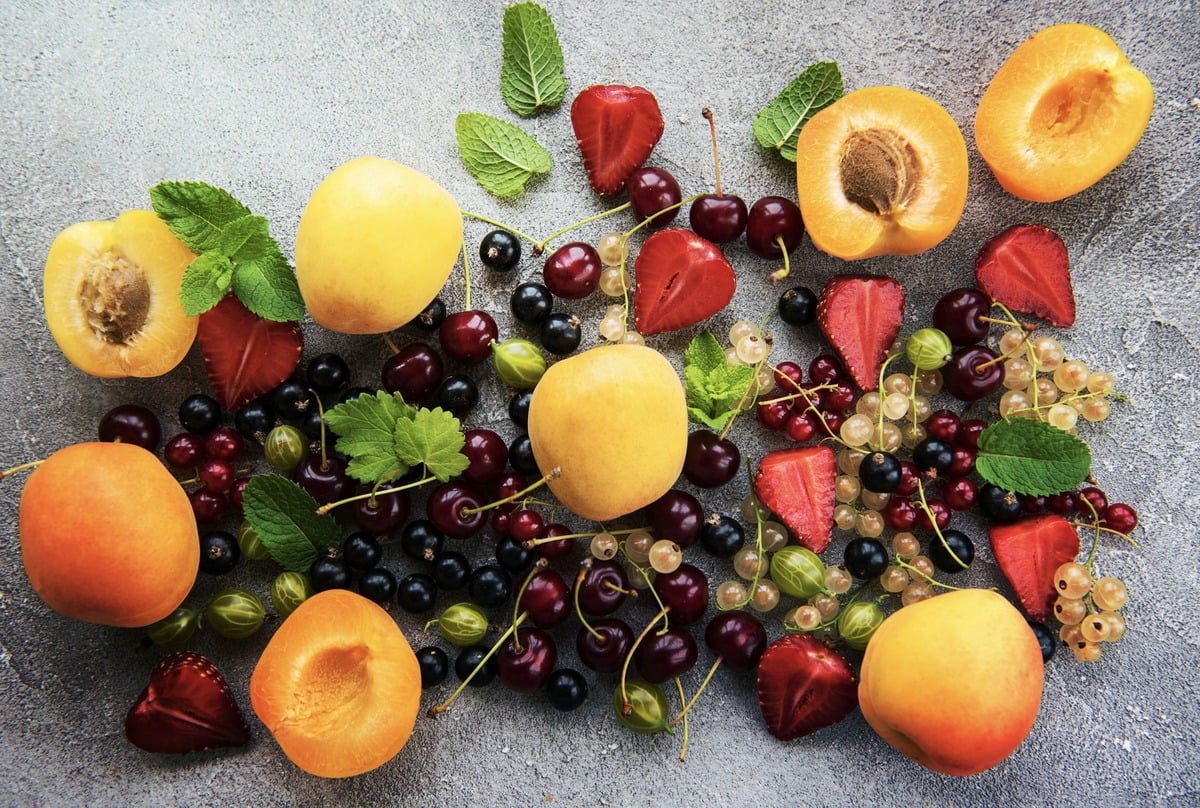
When the sun’s rays beat down during those long summer days, many of you might notice fatigue setting in faster, or perhaps a sudden craving for an icy drink. These are your body’s signals—subtle nudges reminding you to hydrate! Across India and much of the world, summer heat amplifies the risk of dehydration more than any other season. As you sweat more, your body loses water and essential electrolytes, making the replenishment of fluids absolutely crucial for everything: regulating body temperature, keeping energy levels high, maintaining clear skin, and even supporting the efficient functioning of key organs such as your kidneys and brain. Water is not just about quenching thirst. Every cell, tissue, and system within your body relies on it. Water transports nutrients, flushes out toxins, and maintains the delicate balance required for healthy digestion, cognitive performance, and cardiovascular health. According to research published in the European Journal of Nutrition, even mild dehydration—just 1–2% body weight loss due to fluid depletion—can compromise mood, concentration, and physical performance. Today, let’s look beyond the glass and unlock the secret of using fruits as a natural and delicious source of hydration. Certain fruits, bursting with moisture, not only replenish lost fluids but also deliver a medley of vitamins, minerals, and antioxidants. With Claudia’s Concept, I always advocate for nourishing approaches that blend scientific accuracy with everyday practicality. Are you curious about which common summer fruit claims the title for highest water content and, more importantly, how adding it to your diet will transform your hydration game? Let’s dive in.
Unveiling the Secret of Summer Hydration: Water Content in Summer Fruits
What Does “Water Content” Actually Mean?
As someone deeply passionate about vibrant health, I, Claudia Ciesla, encourage you to consider the real meaning of “water content” in your summer hydration routine. Water content refers to the percentage of a fruit’s weight that is made up of water. For example, bite into a crisp slice of watermelon and you’re actually enjoying a food that is over 90% water. Most scientific references, including the USDA FoodData Central database, confirm these values through detailed compositional analysis. This isn’t guesswork — it’s measured fact.
Why Do You Need High-Water-Content Foods in Summer?
During summer, when temperatures climb and sweat losses soar, the body rapidly loses fluids. Drinking water is critical, but you’ll find that eating foods naturally rich in water works in tandem with your hydration goals. High-water-content foods like juicy fruits don’t just quench thirst — they steadily replenish fluid levels while also delivering key nutrients. At Claudia’s Concept, I emphasize adding these foods to your daily routine, especially when you’re outdoors or active.
Research from the European Journal of Clinical Nutrition demonstrates that water-rich foods such as fruits and vegetables significantly boost your total fluid intake and enhance hydration status. Unlike beverages that may pass quickly through your digestive tract, foods with high water content aid gradual absorption, providing a longer-lasting hydrating effect. Scientists at the Institute of Food Research in Norwich found that the water held within fruit is absorbed more slowly than plain drinking water, which further proves the superior hydrating effect of summer fruits.
The Most Popular High-Water-Content Summer Fruits
Curious which fruits deserve a regular spot on your summer table? Let me guide you through the stars of the season known for their exceptional hydration power:
- Watermelon: With approximately 92-94% water, this vibrant melon tops the list every summer.
- Cucumber: Technically a fruit, cucumber contains about 96% water, making it an ultra-refreshing crunchy addition to salads.
- Strawberries: Carrying close to 91% water, strawberries add sweet-tart juiciness to every bite.
- Cantaloupe: With 90% water, this orange-fleshed melon bursts with flavor and fluids.
- Peaches: Every ripe peach brings about 89% water content to your daily intake.
- Oranges: These citrus gems boast roughly 87% water content, delivering hydration plus a vitamin C boost.
Looking at this line-up, you can quickly see why I always recommend focusing your summer meals around hydrating, nutrient-rich options. Next time you reach for a snack, think about how each choice affects your hydration. Have you planned to include any of these water-rich fruits today? Take a moment to reflect and make purposeful, hydrating selections — your body will thank you for it. Incorporate these high-water-content fruits into your daily nutrition plan, just as countless clients of Claudia’s Concept do every summer.
Which Fruit Has the Highest Water Content?
Ever wondered which summer fruit delivers the most hydration with each bite? Let’s take a closer look at some classic favorites and see how they stack up in terms of water content. You might be surprised by the numbers!
Comparing Water Content: Top Summer Fruits
When picking the juiciest, most refreshing fruit for hot summer days, check the water percentage. Here’s how various fruits compare:
- Watermelon: Up to 92% water
- Cucumber: Approximately 95% water (yes, the highest, but more commonly considered a vegetable; let’s focus on sweet fruits here!)
- Strawberries: About 91% water
- Cantaloupe: Around 90% water
- Peaches: Roughly 88% water
Curious about how these numbers are determined? Scientists use a method called gravimetric analysis: the fruit is weighed fresh, then slowly dried in controlled lab conditions until every drop of water evaporates. The weight difference reveals the exact water content. According to the USDA National Nutrient Database, these figures hold true across ripe, fresh samples.
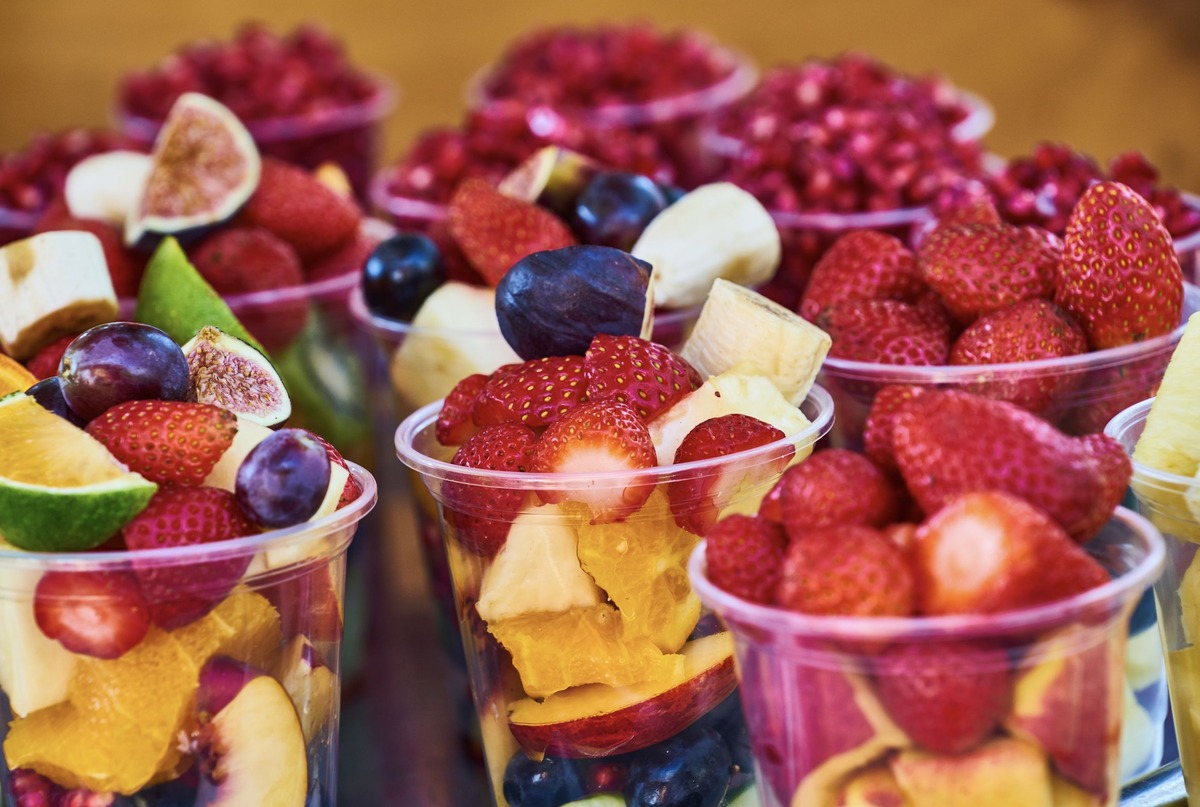
Watermelon: The Hydration Champion
Among all sweet fruits celebrated in summer, watermelon takes the crown. With up to 92% of its content made up of water, a single juicy wedge can refresh you in seconds. The vibrant red flesh, bursting with coolness, transforms a plain salad or snack into an instant thirst-quencher. Eating 100 grams of watermelon delivers approximately 92 milliliters of water directly to your body—an effortless way to boost daily hydration.
Have you ever noticed just how juicy a bite of ripe watermelon feels? That’s not just your taste buds celebrating; your cells are, too. At Claudia’s Concept, I regularly weave watermelon into my clients’ meal plans for a delicious, reliably hydrating option.
How Do Other Fruits Compare?
Strawberries offer a water content close to watermelon, at about 91%. Their natural sweetness and slightly tart finish make them a beloved choice for fruit salads and smoothies. Cantaloupe delivers a similar experience with its mellow flavor and 90% water content, while peaches join the lineup at 88%, adding a delicate floral note to hydration-friendly dishes.
If you’re searching for hydration in every bite, look for watermelon first—you simply won’t find another fruit with such a high water concentration and such universal appeal.
Have you chosen your watermelon yet? Remember, at Claudia’s Concept, I recommend aiming for variety, but make watermelon your signature hydration fruit all summer long.
The Nutritional Value of Watermelon: More Than Just Water
Vitamin-Rich Refreshment with Every Bite
Biting into a chilled wedge of watermelon on a hot summer day doesn’t just quench your thirst — it floods your body with vitamins that work wonders behind the scenes. Watermelon contains a hefty dose of vitamin C, with approximately 8.1 mg per 100 grams according to the USDA FoodData Central database. This means a thick slice delivers over 10% of your daily requirement, supporting your immune system and collagen production. You’ll also find vitamin A present here, primarily as beta-carotene, which your body converts into this key nutrient. Vitamin A reinforces vision, aids skin health, and maintains robust immune defenses.
Powerful Minerals and Electrolytes: Potassium and Magnesium
Electrolyte balance is crucial during sultry Indian summers, as high temperatures and humidity drive increased fluid loss through perspiration. Watermelon helps bridge that gap. Potassium content in watermelon (112 mg per 100 grams) assists in regulating nerve signals and muscle contractions while sustaining healthy blood pressure. Magnesium offers a supportive role, contributing to muscle function, maintaining heartbeat regularity, and easing muscle cramps — all vital when activity ramps up under the sun. I always cue clients in Claudia’s Concept programs to seek out these minerals in their meals, especially during the summer months.
Low Calorie, Virtually Fat-Free, and Deliciously Satisfying
For everyone keeping an eye on calorie intake, this fruit delivers pure hydration and flavor without the baggage. Watermelon provides just 30 calories per 100 grams — that’s less than half the amount found in bananas or grapes. Its negligible fat content (virtually 0 grams) makes it ideal for those adopting a lighter, summer-friendly diet. You can snack freely, stay cool, and never worry about derailing your goals, which is a cornerstone of my Claudia’s Concept approach to seasonal nutrition.
Lycopene: The Powerful Plant Phytonutrient
A gleaming red slice of watermelon promises more than sweetness; it delivers a potent dose of lycopene, a natural antioxidant pigment responsible for its signature color. Peer-reviewed studies, such as those published in the American Journal of Clinical Nutrition, confirm that lycopene mops up damaging free radicals and supports cardiovascular health. In fact, among fruits, watermelon stands as one of the highest sources of this phytonutrient, boasting 4,532 μg per 100g. That’s more lycopene per serving than even fresh tomatoes. Its role in cellular protection and recovery after physical activity makes watermelon a summer must-have for those hitting the gym, enjoying outdoor sports, or just braving the afternoon heat.
- Vitamin C (8.1 mg/100g): Essential for immune support and skin health
- Vitamin A (28 μg/100g): Key for vision and immune boosting
- Potassium (112 mg/100g): Maintains fluid balance and supports muscle function
- Magnesium (10 mg/100g): Aids muscle relaxation and metabolic health
- Lycopene (4,532 μg/100g): Acts as a powerful antioxidant
- Low calorie (30 kcal/100g): Great for weight management
- Zero fat content: Ideal for heart health
Reflect for a moment: How often do you choose your fruit based on hydration and micronutrient power, rather than just taste or convenience? Bringing watermelon to your table—through slices, salads, or shakes—sparks a flavorful, science-backed boost to your nutrition. Isn’t that refreshing?
Health Benefits of Hydrating with Watermelon: Why Your Body Thanks You This Summer
Supports Body Temperature Regulation—Naturally Cool from the Inside Out
Watermelon provides a powerful way to keep your body temperature in check as outdoor temperatures rise. Due to its exceptionally high water content—about 92% by weight—watermelon creates an internal cooling effect. In a 2016 study published in Nutrition, researchers demonstrated that high-water foods help lower core body temperature during prolonged heat exposure. Having a bowl of chilled watermelon, for instance, delivers not just delicious refreshment but also supports your body’s thermoregulation system. At Claudia’s Concept, I regularly incorporate watermelon into summer meal plans, ensuring clients feel energized and balanced throughout the hottest months.
Enhances Skin Health and Boosts Moisture Retention
Dehydrated skin can appear dull, flaky, and can even develop irritation on exposure to sun and heat. With watermelon, you’re nourishing your skin from within. This summer fruit is rich in water and contains lycopene—a potent antioxidant found in red-fleshed fruits. A 2017 study in the International Journal of Dermatology revealed increased lycopene intake enhances skin’s ability to combat UV-induced damage. Moreover, the hydration from watermelon helps maintain skin’s moisture barrier, directly reducing dryness and the chance of developing heat rashes. Clients who follow meal plans based on Claudia’s Concept report improved skin hydration and a radiant summer glow within weeks.
Prevents Dehydration-Related Headaches and Fatigue
Have you noticed headaches and sluggishness creeping in after a day in the sun? These are classic signs of early dehydration. Watermelon offers a science-backed solution: by replenishing fluids and supplying natural sugars, it helps restore energy and mental clarity. A controlled trial published in The Journal of Nutrition (2013) confirmed that mild dehydration significantly reduces alertness and increases perceived fatigue. Consuming watermelon during meals or as a snack reliably staves off these symptoms, keeping you feeling light and vibrant on even the most humid afternoons. I always advise clients to pack watermelon chunks as a quick, juicy pick-me-up.
Delivers Vital Vitamins and Minerals—Beyond Just Water
Hydration is about more than just water—your body also relies on essential nutrients to function properly. Watermelon brings a synergistic blend of vitamin C, vitamin A (as beta-carotene), potassium, magnesium, and amino acids such as citrulline. A single 280-gram serving of watermelon supplies roughly 21% of the Recommended Dietary Allowance (RDA) for vitamin C and 5% for vitamin A. This means, while quenching thirst, you’re simultaneously supporting immune health, muscle function, and antioxidant protection. Claudia’s Concept incorporates watermelon into dietary programs, creating meals that maximize both hydration and nutrition for lasting results.
Water and Your Body: Why It’s Essential
The Role of Water in Bodily Functions
Your body relies on water for nearly every critical function, from cellular health to energy production. Every time you digest food, water acts as a transport medium, dissolving nutrients and helping shuttle vitamins, minerals, and glucose to your cells. When you enjoy a meal, the digestive process starts with saliva—over 99% water—activating enzymes and making swallowing possible. Within your bloodstream, water functions as the main component of plasma, carrying oxygen, hormones, and nutrients efficiently throughout your system.
Regulation of body temperature is another major role. As temperatures climb, sweat glands release moisture onto your skin’s surface. This evaporation, powered by water, is your body’s natural cooling mechanism. Not drinking enough water during summer means this system will perform poorly, leading to rising internal heat. Circulation, immune response, even joint lubrication—each depends on adequate water intake. Consider how Claudia’s Concept always puts hydration at the top of every personalised nutrition plan, because without water, even the best meal plan fails to yield results.
Signs and Symptoms of Dehydration
Ever felt lightheaded or noticed your heart beating faster while outdoors? These are early signals of dehydration. When your body starts losing water faster than it’s replaced, you might first feel thirsty—already an indication your hydration levels are dipping. Scientific data from the European Journal of Clinical Nutrition shows that mild dehydration, as little as 1–2% loss of body weight from water loss, can reduce concentration, increase fatigue, and impair mood. As dehydration progresses, symptoms intensify:
- Dry mouth and lips
- Headache or dizziness
- Decreased urine output or dark-coloured urine
- Elevated heart rate and irritability
- Muscle cramps and sluggishness
Have you noticed less energy or a persistent headache during hot afternoons? Your body could be signalling for more water-rich foods. Watermelon, for example, answers this call deliciously—this is one of the reasons I consistently include it in Claudia’s Concept menu plans during the summer.
Increased Water Needs in Summer and During Heat Exposure
Summer heat accelerates fluid loss through sweat, and your daily water requirement can rise by as much as 20–30% when you spend time outdoors. According to the National Academies of Sciences, Engineering, and Medicine, adult women generally need about 2.7 liters (91 ounces) and men 3.7 liters (125 ounces) of total water per day—a number that increases with physical activity and higher temperatures.
Imagine a 30-minute brisk walk in the afternoon sun: you could lose anywhere between 0.5–1.5 litres of sweat. Without promptly replenishing, you risk dehydration’s effects on performance, focus, and overall well-being. Fresh fruits like watermelon provide an easy solution—each juicy bite delivers pure hydration and vital micronutrients simultaneously. This science-backed strategy empowers people to meet their body’s seasonal water needs while enjoying familiar, flavourful foods.
Summer Fruits and Skin Health: Unlocking a Radiant Glow from the Inside Out
How Hydration Supports Healthy Skin
Imagine stepping into the sun with skin that feels supple, looks luminous, and remains resilient even in the harshest Indian summer. Consistent hydration creates this visible, tangible transformation. Skin cells require optimal water levels to maintain elasticity, flush out toxins, and support an even, smooth texture. When you feed your body hydrating summer fruits daily, you directly influence the health of your skin’s cellular structure—and you see this brightness in the mirror.
Water-rich fruits like watermelon, cucumber, and strawberries deliver near-instant moisture replenishment. According to a 2015 review in The Journal of Clinical, Cosmetic and Investigational Dermatology, sustained hydration shows a statistically significant improvement in skin density and elasticity, reducing the appearance of dryness and roughness.
Watermelon and Other Summer Fruits for Glowing Skin
Watermelon stands out for its incredibly high water content—92% by weight—making it the hero fruit in Claudia’s Concept. By incorporating watermelon into your diet, you flood skin cells with moisture, enabling natural plumpness and a dewy complexion. The synergy of hydrating fruits works wonders: cucumber cools and soothes, strawberries add vitamin C for extra radiance, and oranges provide mineral balance.
- Watermelon: Deep hydration boosts collagen production, smoothing fine lines. According to a 2020 study in Nutrients, regular watermelon intake increases the water content in the stratum corneum, the skin’s outermost layer.
- Strawberries & Kiwis: Vitamin C in these fruits accelerates collagen synthesis, essential for a youthful, glowing look.
- Peaches & Plums: Rich in antioxidants and vitamin E, these stone fruits support skin barrier repair.
With strategic combinations like these, Claudia’s Concept ensures that your summer fruit intake translates into visible skin health benefits—softness, glow, and resilience.
Vitamin Content and Skin Protection from Sun and Heat Damage
Each bite of summer fruit does more than quench thirst; it infuses your skin with essential micronutrients that shield it from environmental stress. Vitamin C, abundant in watermelons, citrus, and berries, serves as a natural photoprotector. Data published in the American Journal of Clinical Nutrition confirms that higher plasma vitamin C levels correlate with reduced risk of UV-induced skin aging.
Lycopene, the red pigment concentrated in watermelon and tomatoes, offers notable protection against sunburn. In a randomized controlled trial (Stahl et al., 2001), lycopene supplementation cut skin redness from sun exposure by 40%. Meanwhile, B vitamins and trace minerals found in pineapple and mango help rebuild the skin’s lipid barrier, defending against dehydration and heat-induced irritation.
As you elevate your fruit game this summer—choosing hydration-rich, vitamin-loaded options—you empower your skin to face the hottest days with unmatched health and vibrancy. Looking for tailored solutions? At Claudia’s Concept, I design fruit-forward plans that maximise these skin rewards, offering more than just a boost of hydration: a complete approach to summer radiance.
Electrolytes and Minerals in Hydrating Fruits: Summer’s Secret to Optimal Hydration
Have you ever wondered why simply drinking water isn’t always enough to keep you feeling refreshed and energised during the summer? While water replenishes fluid loss, your body also depends on a delicate balance of electrolytes and minerals to stay truly hydrated. Through my work with Claudia’s Concept, I’ve learned that for optimal hydration, your summer fruit choices matter as much as your water bottle.
The Crucial Role of Potassium, Magnesium, and More
Sweat contains not just water but essential electrolytes and minerals such as potassium, sodium, magnesium, and calcium. When you lose these through perspiration on sweltering days, you risk feeling fatigue, muscle cramps, or even cognitive sluggishness. Replenishing these minerals is necessary for processes like cellular hydration, efficient nerve signalling, and even heart function.
Potassium stands out as a vital player—an adult needs approximately 3,500-4,700 mg of potassium per day, according to the National Institutes of Health. Without enough potassium, your fluid balance, muscle contractions, and blood pressure suffer. Magnesium aids more than 300 enzymatic reactions in the body, including energy production and muscle relaxation.
How Hydrating Fruits Restore Mineral Balance
When you bite into a juicy slice of watermelon, crunch on refreshing cucumber, or enjoy a handful of cantaloupe chunks, you’re doing more than quenching your thirst. You’re actively restoring your body’s natural electrolyte balance. Fruits offer a dual advantage: their high water content boosts hydration while their mineral content helps maintain equilibrium, a key principle at Claudia’s Concept.
- Watermelon: Rich in potassium (152 mg per cup) and magnesium (15 mg per cup), this fruit delivers a hydrating and replenishing punch.
- Cantaloupe: Approximately 427 mg of potassium per cup, making it a heavyweight for restoring electrolyte levels after outdoor activities.
- Oranges: Alongside their vitamin C content, oranges offer 237 mg of potassium per medium fruit and a variety of trace minerals.
- Strawberries: For every cup, you enjoy around 220 mg potassium and a supportive 19 mg of magnesium.
- Cucumbers: With over 95% water and notable amounts of potassium (152 mg per cup), cucumbers help manage sodium retention and maintain hydration.
Have you noticed yourself craving fruits after a workout or long day in the sun? That’s your body’s intuitive wisdom at play. Your cells desperately need those minerals, and fruits provide them in a natural, digestible form—unlike synthetic supplements, which can be tough on the stomach.
Boosting your daily intake of these hydrating fruits delivers immediate benefits: steadier energy, better muscle performance, and a welcome sense of clarity and wellbeing. Next time the temperature rises, fill your plate with a variety of nature’s most colourful electrolyte boosters. Trust your taste buds, and your body will thank you.
Make the Smart Choice: Hydrating Fruits for a Vibrant Summer
As the temperature rises and the sun blazes, nothing serves your health better than keeping your body well-hydrated with the right summer fruits. Watermelon stands out for a reason—its water content exceeds 92%. When you snack on watermelon, you aren’t just enjoying a sweet, refreshing treat; you are directly fueling your body’s cells with essential hydration.
How you approach hydration defines your summer wellness. Consuming water-rich foods, alongside regular water intake, multiplies the benefits. Watermelon, cucumber, strawberries, and cantaloupe appear as the top contenders in this regard, and they’re not just about water—they deliver a synergy of vitamins, minerals, and antioxidants. By including these fruits in your daily food choices, you elevate your body’s water levels while loading up on vitamin C, potassium, and other nutrients critical for cellular function and metabolic health.
Think about your daily meals—could you add slices of juicy watermelon to your breakfast or pack chilled berries for your workplace snack? These small changes, inspired by Claudia’s Concept, ensure hydration becomes an effortless habit rather than a chore. The impact on energy, cognitive clarity, and skin health is profound. Have you noticed how your skin glows after a few days of eating fresh, hydrating produce?
Imagine combining sweet watermelon with mint in a vibrant salad or blending cantaloupe into a smoothie on a sweltering afternoon. Your food doesn’t just hydrate; it invigorates. Science confirms that incorporating foods with a water content above 90% accelerates rehydration and supports optimal enzyme function. In practice, this means less fatigue, improved body temperature regulation, and a heightened sense of wellness.
Challenge yourself: How many different summer fruits can you incorporate into your day? Explore, enjoy, and benefit from nature’s freshest hydrators. Your health, performance, and mood evolve with each hydrating choice—so pick up that watermelon wedge and savor every bite, confident in the fact that you’re supporting your body’s needs in the most delicious way. With guidance from Claudia’s Concept, every mouthful is a step closer to vibrant summer living.