

Ever found yourself skipping breakfast because back-to-back meetings don’t leave any “me time”? Or perhaps, after a jam-packed day, you order takeout instead of cooking a healthy meal? If so, you’re not alone. A “busy” lifestyle—a term I use often in my consultations at Claudia’s Concept—describes a day-to-day routine packed with professional commitments, social engagements, family duties, and nonstop multitasking. In today’s fast-paced world, many people see a packed calendar as a badge of success, but this constant motion directly influences the everyday choices one makes about food, exercise, and self-care.
Lifestyle choices—ranging from the nutritional content of your lunch to whether you set aside time for physical activity—shape your physical, mental, and emotional health. Research published in the journal Appetite (2018) demonstrates that individuals reporting higher perceived time stress tend to make less nutritious food decisions, indulge in convenience foods more frequently, and display lower levels of physical activity. These seemingly small choices accumulate, significantly impacting your energy levels, immunity, mood, and even your long-term risk of chronic illness.
Understanding how busyness shapes decision-making around health gives you the power to reclaim control. A key facet of Claudia’s Concept is helping people recognize those triggers and barriers so they can foster habits that serve their well-being, even during the busiest weeks. Have you considered what drives your own choices on hectic days? Let’s dig deeper and explore how your schedule might influence not just your time, but your health outcomes—and, more importantly, what you can do about it.
Time Management: The Foundation of Lifestyle Choices
How Limited Time Leads to Rushed Decisions
Schedules packed from dawn until late at night—doesn’t that sound familiar? When every minute is accounted for, you often find yourself making brisk, sometimes impulsive decisions. Choosing convenience over quality becomes the undeniable reality. Think about your last food run: Did you cook a nourishing homemade meal, or did you reach for what was fastest? In a revealing 2022 study published by the International Journal of Behavioral Nutrition and Physical Activity, over 65% of working adults reported frequent reliance on ready-to-eat meals during busy periods. When pressed for time, the brain naturally gravitates towards options that require minimal effort, not necessarily what benefits your health. Spur-of-the-moment choices become the norm, and, before long, that shapes your lifestyle rhythm more than most people realize.
The Impact of Poor Time Management on Healthy Habits
One missed alarm or an unplanned meeting can unravel your entire day, quickly pushing healthy habits to the sidelines. Poor time management doesn’t just eliminate the window for exercise or a proper breakfast; it quietly erodes the foundation of consistent self-care. There’s a direct, researched link between cluttered schedules and reduced physical activity. Evidence from Harvard T.H. Chan School of Public Health shows that individuals who lack structured routines are 30% more likely to skip daily exercise compared to those who plan their days thoughtfully. When time is not intentionally managed, stress levels also climb, which can trigger cravings and poor eating behaviors. I have seen clients struggle with energy slumps directly related to rushed mornings, and it becomes clear that chaos in your calendar influences choices all day long.
Tips for Choosing Better Habits Under Tight Schedules
You might wonder: “Is there a way to choose health even when life is hectic?” Absolutely! At Claudia’s Concept, I guide you through powerful yet practical strategies that fit seamlessly into demanding lifestyles.
- Meal prep on less busy days—Prepare protein-rich salads or overnight oats in advance. Research from the Journal of the Academy of Nutrition and Dietetics confirms that meal prepping boosts nutritional quality and lowers fast food consumption by up to 20%.
- Set recurring micro-breaks—Schedule 5-minute movement breaks after every work hour. Even standing up and stretching can improve circulation and reduce fatigue, as seen in a study from Stanford University showing that brief, regular breaks enhance alertness and productivity.
- Plan your snacks—Keep nutrient-dense options, such as unsalted nuts and fresh fruit, within arm’s reach. When healthier choices are visible and accessible, the chance of eating mindlessly drops dramatically.
- Use technology for reminders—Set alarms on your phone for hydration, stretching, or even a moment of mindful breathing. With digital cues, developing consistent habits becomes frictionless, even on the most chaotic days.
Small changes, supported by sound research and integrated into a structured day, quickly lead to positive domino effects. When you approach your wellness journey with smart time management, you claim back control and create space for choices that uplift your energy, resilience, and longevity. Take that first step—your empowered lifestyle is waiting!
Stress Levels: The Hidden Driver of Busy Lifestyles
Increased Busyness and Chronic Stress
While most people notice their schedules getting fuller, not everyone recognises that an overloaded calendar fuels chronic stress. When I work with clients at Claudia’s Concept, one thing becomes undeniably clear: as work and responsibilities multiply, stress climbs in tandem. According to the American Psychological Association’s Stress in America survey (2023), 61% of adults report feeling overwhelmed by the amount of daily or weekly commitments, and 76% say stress negatively impacts their physical health. The World Health Organization has acknowledged chronic stress as a contributing factor to a range of debilitating health outcomes – from obesity to heart disease.
How Stress Shapes Decision-Making
Have you ever wondered why your hand automatically reaches for snacks or your phone to order takeout when you’re frazzled? Stress isn’t just a feeling; it directly interferes with cognitive processing and self-control. When the body operates in a prolonged fight-or-flight mode, cortisol levels surge. Multiple studies, including research published in Nature Communications (2018), demonstrate that high cortisol impairs the prefrontal cortex, the region responsible for rational, goal-oriented decisions. In moments of stress, people make quick, impulsive choices, gravitating towards instant gratification like high-calorie foods, digital scrolling, or skipping workouts.
- Research led by Harvard University reveals that acute stress prompts a preference for immediate rewards, with participants choosing unhealthy foods over nutritious options when under pressure.
- The Journal of Health Psychology found that stress is associated with a 34% increase in impulsive eating behaviors, especially in individuals with demanding jobs or unpredictable schedules.
The Direct Link Between Stress and Unhealthy Lifestyle Choices
After a taxing day, finding the motivation to prepare a balanced meal or head to the gym can feel nearly impossible. Chronic stress creates a domino effect, where shortcuts become the norm. Fast food consumption rises because it’s quick; skipping exercise seems justifiable when relaxation feels so distant. A study published by the Centers for Disease Control and Prevention (CDC) established that adults experiencing high perceived stress are twice as likely to consume fast food at least three times a week and 43% less likely to meet minimum physical activity guidelines.
At Claudia’s Concept, I emphasize building habits and routines that break this cycle. It isn’t just about willpower; understanding the biological and psychological effects of stress leads to smarter strategies. Ask yourself: what does your decision-making look like when stress peaks? Becoming aware of these drivers is the first step toward reclaiming control over your lifestyle choices as life grows busier.
Nutrition and Eating Habits: Consumption under Pressure
Craving Convenience: What Happens When We’re Too Busy to Eat Well?
Rushing between meetings, juggling family commitments, and always chasing deadlines—does your day look like that? You’re definitely not alone. In my practice and at Claudia’s Concept, I’ve seen how a packed schedule can steer even the most health-conscious person toward poor nutrition choices. Skipping breakfast, grabbing a pastry while commuting, or settling for a microwaved dinner late at night—these scenarios are alarmingly common among busy professionals and families.
Fast Foods, Missed Meals, and the Ripple Effect on Your Body
Here’s a fact that demands your attention: Data from the Journal of the Academy of Nutrition and Dietetics shows that people working over 40 hours a week are 56% more likely to skip meals and opt for high-calorie takeout foods compared to those with more manageable schedules. Skipping meals routinely leads to dips in blood sugar, which immediately triggers fatigue, poor concentration, and a tendency to overeat at the next opportunity.
But the concerns run deeper. Diets high in sugar, unhealthy fats, and processed ingredients—often the staple of convenience foods—significantly raise the risk of chronic illnesses. For example, a large-scale study published in Circulation found that each additional daily serving of ultra-processed foods increased the risk of heart disease by 9%. Quick, energy-dense foods might give a fleeting sense of fullness and even provide a temporary energy spike, but they set the stage for inflammation, weight gain, and cardiovascular issues.
Simple Shifts for Sustainable Nutrition—Even When You’re Busy
How can you break the cycle of poor nutritional choices when time seems to be in short supply? At Claudia’s Concept, I encourage clients to approach busy days with a strategy, not just good intentions. Here’s how you can do it:
- Batch-prepare meals on weekends: Spend an hour roasting vegetables, cooking grains, and portioning out proteins. That way, you always have healthy building blocks ready to go.
- Keep nutritious snacks close: Stock your desk or bag with mixed nuts, dried fruit, or sliced veggies. A simple snack can stave off hunger and prevent impulsive choices.
- Embrace mindful eating: Even five minutes at your desk allows for a mental reset and slower eating, which helps regulate appetite and digestion.
- Prioritize hydration: Dehydration often masquerades as hunger. Carry a water bottle and set reminders if necessary.
- Choose whole foods over packaged ones: Fresh fruits, boiled eggs, plain yogurt, and whole-grain wraps offer quality fuel without the chemicals and excess sodium found in many packaged snacks.
Small tweaks can yield a noticeable impact on your energy, mood, and even your long-term heart health. Let me ask—what’s one change you could make today that would simplify your nutrition choices tomorrow? At Claudia’s Concept, we focus on empowering you to make such sustainable, real-life adjustments, no matter how busy you get.
Physical Activity and Exercise: Compromising Movement
Lack of Time as a Barrier to Regular Exercise
Do you ever feel like 24 hours just aren’t enough? In today’s world, packed schedules transform time into a rare luxury. In countless conversations with my clients at Claudia’s Concept, I often hear, “I just don’t have time to exercise.” You might relate, too. Research by the World Health Organization in 2022 confirmed that over 27.5% of adults globally do not meet the recommended levels of physical activity. Work demands, long commutes, and endless to-do lists often push exercise to the bottom of priorities. When faced with a choice between urgent emails and a 30-minute workout, most choose productivity over movement—yet this has deep effects.
The Consequences of Sedentary Lifestyles on Physical and Mental Well-being
Shifting into sedentary habits comes with a price your body and mind quickly notice. According to a report in The Lancet Global Health (2016), physical inactivity contributes to 5.3 million deaths worldwide every year. Sedentary behavior directly increases your risk of heart disease, diabetes, and even certain cancers—these are not just statistics, but outcomes you can change. In the same breath, mental health suffers too. The Harvard T.H. Chan School of Public Health found that people who move less report higher rates of depression and anxiety. This means that each skipped workout slowly chips away at both physical and emotional resilience.
Small Ways to Incorporate Necessary Activity into Daily Routines
The good news? Small changes make a transformative difference. At Claudia’s Concept, I guide busy individuals in finding creative and realistic movement opportunities. Instead of aiming for a heroic one-hour gym session, how about mini-bursts? For instance, choose stairs over the lift regularly—one study in Preventive Medicine Reports (2022) demonstrated that climbing stairs for just 5 to 7 minutes a day can lead to measurable improvements in cardiovascular health over six weeks.
- Walk while taking phone calls—this simple swap can rack up thousands of steps by the week’s end.
- Set a reminder every hour to stretch or walk around; even 2-3 minutes counts.
- Try desk exercises: leg lifts, seated marches, or wall push-ups during short breaks can keep your body activated.
- Opt for active meetings; suggest a walking catch-up with colleagues when possible.
Blending these small moves into your day will uplift energy, support mood, and strengthen the body’s foundation—even when life is busiest. Now, consider your schedule. Where could you insert that next moment of activity today?
Sleep Patterns: Sacrificing Rest for Productivity
How being busy disrupts sleep
Every day, more people fall into the rhythm of extended work hours, urgent meetings, and relentless digital notifications. Does all this busyness actually impact how—and how much—we sleep? The evidence is clear: high demands on your time compel you to borrow hours from your night, often leaving your body caught between exhaustion and the adrenaline rush of productivity. Scientific research published in Sleep Health Journal shows people who work over 50 hours weekly average nearly 1.5 hours less sleep per night than their counterparts with standard hours. This gap doesn’t close itself; it turns into chronic sleep debt.
When juggling professional and personal obligations, many individuals fall into the habit of working late, responding to emails after bedtime, and pushing off rest. Such practices create an artificial sense of achievement, while physically the body and brain miss restorative sleep cycles. At Claudia’s Concept, clients who previously considered themselves “night owls” or “too driven for sleep” often learn that their busy schedules had been disrupting not only the quantity but the quality of their sleep.
The choices we make that hurt our sleep quality
- Lifestyle choices have a direct impact on sleep architecture. Scrolling social media to unwind, drinking late-night caffeine for a quick productivity boost, and finishing off work on laptops all expose us to blue light and mental stimulation. A 2022 JAMA Network Open study demonstrated that screen use within two hours of bedtime delays melatonin production by 23%, directly leading to prolonged sleep latency.
- Sacrificing pre-sleep rituals for deadlines is another common pitfall. Without signals like dimming lights or calming routines, it’s more difficult for the nervous system to transition to a restful state. Many Claudia’s Concept program participants find that even simple habitual changes—such as disconnecting from devices 30 minutes before bed—bring immediate improvements.
- Erratic sleep timing encodes instability in the circadian rhythm, leading to groggy mornings and decreased cognitive performance. The American Academy of Sleep Medicine highlights that inconsistent bedtimes, commonly observed in high-performing professionals and shift workers, elevate risks for metabolic syndrome by up to 27%.
- Skipping sleep for short-term productivity gains backfires, as multiple studies show diminished memory retention, impaired decision-making, and mood instability after only one night of less than six hours of sleep.
Why sleep is necessary for a healthy lifestyle
Prioritizing rest—seven to nine hours nightly for most adults—will directly improve physical health, mental energy, and emotional resilience. Harvard Medical School research links healthy sleep with stronger immune response, improved glucose regulation, and even reduced risk of cardiovascular disease. Cognitive benefits abound; deep sleep is the window during which the brain consolidates learning and processes emotional experiences. This isn’t just theory; in clinics and through Claudia’s Concept holistic plans, I consistently observe clients experiencing sharper focus, steadier moods, and stronger motivation when their sleep patterns stabilize.
If you have ever wondered why motivation drops or why “hitting a wall” feels inevitable during prolonged busyness, consider this: your brain and body reclaim balance during quality sleep. Without it, no productivity hack or time-management strategy can substitute the rejuvenation occurring in those restful hours. What choices are you making tonight?
Mental Health and Well-being: The Price of Busyness
Busyness and Its Impact on Your Mind
Have you ever noticed how a packed schedule leaves you feeling not just physically tired, but emotionally drained too? There’s a clear reason for this. When daily life turns into a relentless race from one task to the next, your mind remains on high alert. This chronic state of overdrive creates a visible strain on mental well-being, manifesting as anxiety, irritability, and even overwhelming fatigue. According to a 2021 study published in The Lancet Psychiatry, individuals who experience high work demands are 1.7 times more likely to report psychological distress compared to those with manageable workloads. I see this pattern often in my clients at Claudia’s Concept: relentless busyness directly erodes emotional resilience.
The Hidden Risks: Anxiety, Burnout, and Decision Fatigue
Picture this: you’ve got a hundred things to do, and every decision – what to eat, when to exercise, how to juggle meetings – feels heavier than the last. This is decision fatigue in action. Data from the American Psychological Association demonstrates that people who report feeling “always busy” score dramatically higher on measures of chronic stress and report symptoms linked to both anxiety and burnout. In fact, burnout has become so prevalent that the World Health Organization (WHO) classified it as an occupational phenomenon, citing emotional exhaustion and decreased motivation as significant markers.
- Chronic busyness increases the likelihood of feeling anxious or on edge throughout the day.
- Decision-making capacity drops under persistent pressure, often leading to impulsive choices that don’t support your best interests.
- A 2019 survey by Gallup revealed that 76% of employees experienced burnout at least sometimes – this number spikes among those describing their daily pace as “frantic” or “always on the go.”
By understanding these risks, you can begin to recognise your own patterns and make intentional changes.
Proven Self-Care Strategies to Support Mental Wellness
How can you break free from this cycle of busyness and reclaim your sense of calm? The science points in a hopeful direction. Integrating simple self-care practices provides reliable support for mental health, even when life feels nonstop. For example, research in JAMA Network Open (2023) confirms that just 10 minutes of daily mindfulness can decrease symptoms of anxiety and reduce cortisol levels, the hormone responsible for stress. At Claudia’s Concept, I advocate purposeful “mental resets” throughout your day:
- Take intentional breaks by stepping away from your workspace for a short walk, allowing your brain to recharge.
- Practice deep, slow breathing to reduce sympathetic nervous system arousal and promote a sense of calm.
- Engage in a 5-minute gratitude reflection each morning, which rewires the brain towards optimism and enhances emotional balance, as shown in multiple clinical studies.
- Incorporate regular interactions with nature—even a few minutes outside has been proven by Harvard researchers to lower perceived stress and boost mood.
Every action you take in support of your mental health will multiply your sense of clarity and control. While the world encourages non-stop productivity, you gain the greatest well-being by prioritising these small, restorative habits. Have you considered which self-care routine you can start today?
Social Relationships: Compromised Connections
Busyness: A Barrier to Nurturing Relationships
When life’s demands pile up, the calendar quickly overflows—meetings, messages, obligations, and to-do lists squeeze out time that once belonged to friends and family. Have you ever realized you’ve gone weeks without connecting with a close friend, all because your schedule looks impossible? This is a common scenario I often see among the clients at Claudia’s Concept. The pursuit of productivity and ambition seems admirable on the surface, but it frequently comes at the expense of nurturing relationships, leaving us drifting further from those who matter most.
Research published in the Journal of Social and Personal Relationships (2018) found a clear pattern: individuals reporting high work and time-related stress spend 23% less time socializing weekly compared to their less-busy counterparts. The more crammed your schedule, the fewer spontaneous moments there are to strengthen bonds, celebrate little victories, or share laughs over dinner. Instead, interactions become transactional—quick check-ins, short calls, or even missed birthdays.
The Impact of Isolation on Well-Being and Mental Health
Prolonged stretches without meaningful social connection lead to more than just temporary loneliness. According to a landmark meta-analysis in PLoS Medicine (2010), strong social relationships increase your likelihood of survival by 50%, rivaling the health benefits of quitting smoking. When busyness takes hold and social ties weaken, rates of depression and anxiety climb, stress becomes harder to manage, and a sense of isolation sets in like a fog.
The absence of regular communication and shared experiences erodes emotional resilience. Emotional support networks become threadbare, leaving you with fewer outlets for advice, empathy, and encouragement. Your overall sense of meaning and satisfaction with life diminishes, affecting everything from sleep quality to stress hormone levels. This kind of isolation rarely announces itself; it grows quietly, gradually influencing mental health in unseen ways.
Choosing Life: The Importance of Meaningful Social Interactions
Pause for a moment. When was the last time you prioritized a heart-to-heart conversation over another hour of work? In Claudia’s Concept, I encourage building meaningful routines around social connection, treating them as non-negotiable as daily nutrition or exercise. Invite a friend for a walk, schedule recurring family dinners, or initiate weekend outings—these moments become the anchors in life’s stormy seas.
- Quality trumps quantity: Even brief, genuine interactions have measurable effects on mood and immune function, as demonstrated in research from Carnegie Mellon University (2015), which linked frequent social hugs to reduced susceptibility to colds.
- Active listening and undistracted presence quickly deepen bonds—digital distractions should stay in another room during conversations.
- Celebrating milestones, big or small, creates shared joy and lasting memories, fueling relationship strength long after the moment passes.
Your social network offers protection, motivation, and joy no packed schedule can replace. By intentionally weaving these interactions into daily life, you unlock an unparalleled source of resilience and fulfillment that no professional achievement alone can provide.
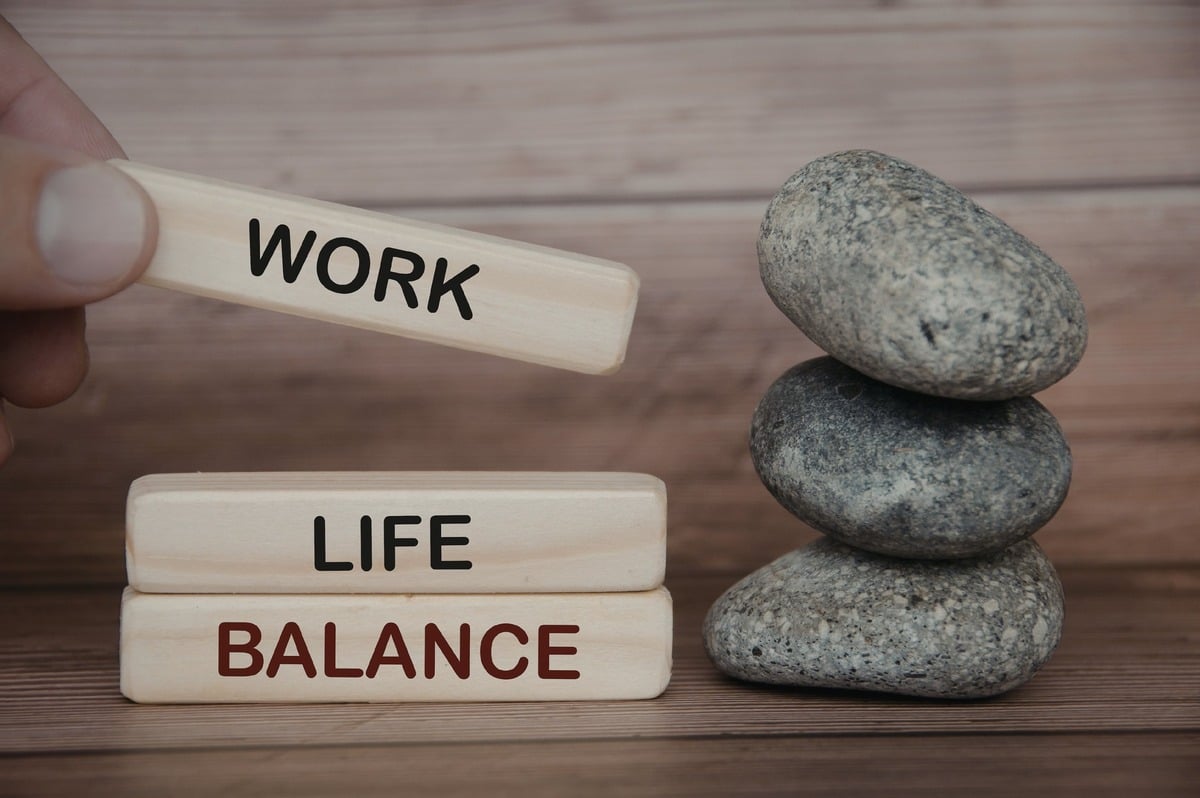
Work-Life Balance: Balancing Priorities for Long-Term Health
Facing the Challenge of Competing Demands
Modern life often means juggling deadlines, meetings, and personal commitments—all at once. Many of my clients at Claudia’s Concept share stories about emails pinging at midnight, family dinners getting postponed, and the persistent feeling of catching up. Have you ever noticed how these competing priorities shape your daily routine? Researchers from the American Sociological Review found that employees with poor work-life balance are twice as likely to report poor physical and mental health compared to those with a clear boundary between work and home. This constant push and pull often leaves you feeling depleted and struggling to prioritise your well-being.
Poor Balance Leads to Unhealthy Choices
When work takes precedence, health-promoting habits quickly fall by the wayside. You may choose fast food because cooking feels like another task on the to-do list. Exercise sessions are skipped to squeeze in more work or to shuttle between school appointments and household chores. Have you ever reflected on how often you opt for convenience over nutrition? Studies conducted by the World Health Organization show that those with chronic work-related stress regularly turn to high-sugar, high-fat foods and experience greater risk of metabolic syndrome and type 2 diabetes.
Additionally, when your mind is absorbed by professional responsibilities, you are more likely to engage in emotional eating as a quick-fix for stress relief. This behavior, firmly documented in the 2015 publication of the journal Appetite, illustrates how stress-driven decisions undermine your physical and emotional wellness. A lack of time also leads to an increase in sedentary activities—notice how scrolling through messages might replace a brisk walk in the park.
Decision-Making Tips for Sustainable Balance
At Claudia’s Concept, I have found that small, deliberate changes can reclaim equilibrium. Consider these science-backed strategies for creating harmony:
- Set clear boundaries. Designate “tech-free” times at home. Evidence from the Harvard Business Review shows that professionals who unplug after work report a 20% higher satisfaction with their personal life.
- Schedule non-negotiable self-care breaks. A 15-minute walk or preparing a wholesome snack will re-energise you and sharpen your focus for the next task.
- Prioritise tasks using the Eisenhower Matrix. This method, validated in organisational psychology, allows you to differentiate what’s urgent versus important—a distinction that reduces overwhelm and helps you make mindful decisions.
- Plan weekly meals and workouts. When you set aside time to plan, healthy choices become routine rather than another decision to make on the fly.
- Ask for help or delegate. Sharing responsibilities at work or home will lighten your load and gives you back valuable time for yourself.
Can you see opportunities to shift even one daily habit? With intention and the right strategies, your priorities can support—rather than sabotage—your health. At Claudia’s Concept, I guide you through this balancing act, helping you achieve holistic wellness with methods you can trust.
Productivity and Efficiency: When More Isn’t Always Better
The Myth of “Busyness Equals Productivity”
Does being constantly busy really mean you’re being productive? Decades of research provide a clear answer: busyness does not guarantee effectiveness. In fact, a 2014 Stanford University study found that productivity per hour declines sharply when a person works more than 50 hours a week, plummeting so much after 55 hours that there is essentially nothing gained from the extra time (Stanford Graduate School of Business, 2014). This obsession with staying busy—a pattern I see frequently during Claudia’s Concept coaching sessions—often masks inefficiency and stress, not success.
Think about the last time your calendar was back-to-back with meetings and tasks: did you really accomplish more, or just feel more drained? High-frequency multitasking fragments focus, according to neuroscientist Dr. Earl Miller. Our brains are not wired to perform multiple attention-demanding tasks simultaneously, leading to a 40% drop in productivity when switching between activities (American Psychological Association). True efficiency stems from working smarter, not harder.
How Trying To Do More Leads to Diminishing Returns
Pushing yourself to accomplish “just one more thing” often results in the opposite effect: output suffers, and so does creativity. The law of diminishing returns—originally an economics term—applies directly to personal productivity. If you schedule yourself for 12-hour workdays with no downtime, fatigue sets in. After a certain point, each extra hour worked produces less and less value.
A 2019 report published in Harvard Business Review evaluated over 20,000 workers in knowledge-based roles and observed that practitioners who took regular, scheduled breaks maintained higher levels of productivity and reported lower burnout rates. The Claudia’s Concept philosophy embraces this principle by encouraging clients to prioritize both output and recovery. This strategic balance consistently leads to higher performance and greater well-being.
Setting Necessary Boundaries
Without clear boundaries, endless busyness infiltrates every area of life. Protecting your time starts with small, intentional choices. For example, turning off push notifications, scheduling regular breaks into your calendar, or establishing a work cutoff time at night prevents overextension.
- Commit to focused time blocks for deep work.
- Say no to non-essential demands.
- Use Claudia’s Concept tools and techniques to track your actual productivity, not just hours spent being busy.
Ask yourself: am I producing meaningful results, or just filling my day? Setting boundaries will not weaken your commitment—it will sharpen your outcomes. Ultimately, recognizing that more hours do not equal more progress empowers you to reclaim time for your health, relationships, and passions.
Self-Care Practices: Choosing Life
Why Self-Care Is Essential to Counteract the Effects of Being Too Busy
Do your days slip away as you rush from one obligation to the next? Are you giving so much to your work or family that you have little left for yourself? This constant busyness tricks your brain into believing self-care is indulgent or unnecessary, but scientific evidence tells a different story. When you neglect self-care, chronic stress mounts, weakening your immune response (Segerstrom & Miller, 2004, Psychological Bulletin) and eventually accelerating burnout. Every time you choose to prioritise your own well-being, you trigger a cascade of positive physiological effects—lowered cortisol, improved mood, and a measurable increase in energy levels.
At Claudia’s Concept, the focus always returns to this core principle: you cannot pour from an empty cup. Regular self-care restores balance, nurtures resilience, and builds a strong foundation for every health choice you make—big or small.
Simple Practices for Nurturing Physical, Mental, and Emotional Well-being
You may think effective self-care needs to be time-consuming, but an evidence-based approach shows that even tiny daily actions swiftly change your physical and emotional landscape. Consider these practical tools and ask yourself, which ones can you weave into your routine today?
- Micro-breaks: Stand up and stretch or take ten deep breaths every hour during your workday—researchers at the University of Illinois found this can boost focus by up to 13% and alleviate psychological fatigue.
- Five-minute meditations: Want to break the stress cycle? A short, focused mindfulness session improves emotional regulation, as confirmed by studies in JAMA Internal Medicine. Use guided audio or try simple breathwork whenever you feel tension rising.
- Hydration reminders: Set a recurring alarm or use a water bottle with visible markers to prompt sipping water throughout the day. Proper hydration enhances cognitive performance and mood, according to the European Journal of Nutrition.
- Digital sunsets: Choose a consistent time each evening to unplug from devices. This habit, promoted at Claudia’s Concept, will improve sleep quality and deepen your connection to the present moment—a finding echoed in multiple sleep medicine studies.
- Gratitude journaling: Write down three positive things before bedtime. The practice boosts optimistic thinking and emotional resilience, as shown by Dr. Emmons’ work at the University of California.
Routines don’t need to be elaborate; even a few purposeful choices anchor you to better well-being. Engage with these ideas—experiment, adapt, and see which ones unlock more vitality in your everyday life.
The Role of Intentional Choices in Creating a Healthy Lifestyle
Intentionality transforms busy schedules from overwhelming to empowering. When you make conscious, thoughtful decisions—such as scheduling a morning walk, declining extra obligations, or preparing a colourful meal in advance—you actively shape your health destiny.
At Claudia’s Concept, the philosophy centres on mindful action. Building tiny rituals into your day doesn’t just counteract the wear and tear of a packed calendar; it instills control, optimism, and a sense of purpose. Have you ever felt how a well-planned, nourishing meal can improve your entire afternoon’s energy and mood? Or noticed how a moment of stillness unlocks clarity before a big meeting?
- Deliberate choices set a positive cycle in motion—what you do for yourself echoes across all areas of life.
- Small, manageable changes, repeated daily, soon become a powerful foundation for thriving health.
Pause now and ask: What intentional step can I take today to honour my well-being?
Why Every Busy Decision Matters: Reclaim Your Lifestyle, Reclaim Your Health
Pause for a moment—when was the last time you made a choice purely for your well-being, not because your schedule forced your hand? Our daily busyness isn’t just a fleeting inconvenience; it’s the invisible architect of our routines, shaping everything from what lands on our dinner plates to the quality of our sleep and the depth of our relationships. Research published in the journal Health Psychology confirms this interconnected web: individuals with high time pressure report a 55% greater likelihood of skipping meals and are twice as likely to forego regular exercise compared to those with more manageable schedules. Every skipped workout or impulsive snack isn’t just a solitary event—it forms a pattern that shapes your future health.
Everyday hustle doesn’t need to dictate your outcomes. You can choose mindful nourishment, restorative sleep, and meaningful social connections, regardless of how packed your calendar seems. In my journey as a nutritionist and throughout my work at Claudia’s Concept, I’ve seen clients reverse nutrient deficiencies, manage stress-induced cravings, and rediscover joy in exercise, simply by making intentional lifestyle choices. Consider this: when one executive client introduced just 20 minutes of meal prep twice weekly, her average daily fruit and vegetable intake increased by 40% over a month. Real changes happen through small, conscious decisions made consistently.
- Have you noticed that when you prioritize yourself, your productivity and mood improve?
- Are you prepared to interrupt the cycle of busyness and start choosing energy, clarity, and health?
- What’s the first simple change you could make today for your well-being?
Your choices today will build your foundation for tomorrow. I invite you to explore the Claudia’s Concept approach, where your busy lifestyle no longer controls but empowers your health journey. Choose life—on your terms—and watch every aspect of your well-being align for lasting vitality.