

Chamomile tea, known for its delicate floral aroma and naturally calming flavor, has delighted tea lovers for centuries. Steeped from the dried blossoms of the Matricaria chamomilla or German chamomile plant, this herbal infusion holds a cherished place in traditional medicine spanning continents and cultures. Ancient Egyptians revered chamomile for its anti-inflammatory and fever-reducing properties; meanwhile, Greek physicians such as Hippocrates documented its soothing effects for digestive discomfort and sleep disturbances.
Today, science validates what our ancestors experienced firsthand. In this blog, discover five well-researched ways chamomile tea benefits your overall health. Alongside exploring clinical studies and real-life examples, you will see how chamomile fits into daily rituals—from promoting restful sleep to reducing stress and supporting digestion. Ready to find out why so many—including myself at Claudia’s Concept—consider chamomile an essential in any holistic wellness routine? Let’s explore the powerful benefits you can start enjoying today.
Chamomile Tea: A Powerhouse of Health Benefits
When thinking about chamomile tea, most people picture a calming, soothing cup to wind down after a long day. Yet, there’s so much more beneath the surface of this ancient herbal brew. Chamomile flowers contain a remarkable spectrum of nutrients and natural compounds. You’ll find flavonoids like apigenin, luteolin, and quercetin—bioactive substances that top the list of reasons why chamomile tea delivers such profound effects on the body.
Unlocking Nutritional Content and Natural Compounds
Pouring yourself a cup of chamomile tea means inviting in an abundance of antioxidants. Flavonoids are at the core of chamomile’s power. Thanks to these molecules, chamomile goes beyond mere hydration and brings an array of benefits to your overall health. Every sip contains potent antioxidants that interact within the body to tackle oxidative stress, which can damage cells and lead to chronic health concerns. By neutralizing free radicals, antioxidants from chamomile tea will reduce cell damage and support cellular rejuvenation.
Recent studies validate the benefits of these compounds. For example, research published in Molecules (2020) analyzed the phytochemical profile of chamomile and highlighted significant antioxidant content, particularly apigenin and quercetin. These agents reduce inflammation and boost the body’s defense mechanisms on a cellular level. In my consultations at Claudia’s Concept, I often recommend chamomile tea for this reason—it helps fortify the body against daily environmental and metabolic stressors while also promoting an internal sense of balance.
- Flavonoids in chamomile target free radicals, which play a role in premature aging and various chronic conditions.
- The tea’s antioxidants enhance the body’s ability to self-repair and restore, according to peer-reviewed investigations.
- Even a single daily cup of chamomile tea will make a measurable difference in your body’s oxidative stress markers, as demonstrated by a 2022 clinical review in the Journal of Advanced Research.
Choosing quality herbal teas as a daily wellness habit reflects an understanding of modern science. With Claudia’s Concept, I ensure only the purest source ingredients for maximum concentration of these natural compounds. When you integrate antioxidant-rich chamomile tea into your daily routine, you give your body a real advantage—helping shield it from within, while encouraging optimal health and vitality.
Unwind Naturally: Chamomile Tea for Stress Relief and Relaxation
Why Is Chamomile the Go-To Herb for Easing Stress?
After a demanding day, many turn to chamomile tea for comfort—and there’s solid science behind this age-old ritual. Traditional Ayurvedic texts and centuries of folk medicine consistently place chamomile at the center of calming remedies, but today we know even more. Research published in Phytomedicine and the Journal of Clinical Psychopharmacology confirms chamomile’s anxiolytic (anxiety-reducing) effects in both animal and human studies. These calming properties do not stem from folklore—they’re rooted in the plant’s unique chemistry.
Unlocking Chamomile’s Stress-Reducing Compounds
One of chamomile’s secret weapons is a flavonoid called apigenin. This natural compound binds directly to specific benzodiazepine receptors in the brain—the very sites targeted by anti-anxiety medications—leading to a gentle sedative effect without the side effects linked to pharmaceuticals. A randomized, double-blind study (Amsterdam et al., 2009) tracked participants drinking chamomile tea and observed significant reductions in their Generalized Anxiety Disorder (GAD) symptoms compared to placebo groups. This makes chamomile a scientifically validated, time-tested ally for anyone seeking serenity.
Incorporating Chamomile Tea Into Your Evening Routine
Building a soothing ritual begins with intention. I often recommend preparing a cup of chamomile tea as the central anchor of your winding-down period each night. Whether you choose to curl up with a book, meditate, or simply sit in silence, the aroma and warmth of the tea enhance relaxation. Lighting a candle or diffusing essential oils can elevate the sensory experience.
- Brew one teaspoon of dried chamomile flowers in freshly boiled water for 5–8 minutes.
- Cover the cup or teapot to retain the volatile components during steeping.
- Savor your tea 30–45 minutes before bedtime for the best calming effect.
- Combine with a short mindfulness or deep breathing session for an amplified sense of relaxation.
At Claudia’s Concept, our wellness guides often blend chamomile with complementary calming herbs like lavender or passionflower for clients seeking extra tranquility.
Optimizing the Benefits: My Personal Tips
Consistency magnifies chamomile’s support for stress relief. Enjoying your cup around the same time each evening trains your mind and body to equate the ritual with relaxation. Try keeping electronics away while you sip, allowing the tea—and the moment—to work its magic. Have you noticed how even the act of making tea slows your pace? This gentle pause signals your nervous system to shift from “fight or flight” to “rest and digest,” quietly recalibrating your mental state.
Experience the transformative power of chamomile tea by turning a simple cup into a mindful, restorative habit. When you make this a part of your evenings, supported by Claudia’s Concept approach, you’ll find daily stress gradually giving way to deeper relaxation—one soothing sip at a time.
How Chamomile Tea Transforms Your Sleep Quality
Chamomile’s Proven Power Against Sleepless Nights
Night after night, so many of my clients share the same story: difficulty falling asleep and restless tossing and turning until the early hours. This is where I regularly recommend chamomile tea—a gentle, time-honored botanical intervention that truly makes a difference. Chamomile has earned its reputation as a soothing nightcap due to its scientifically verified sedative qualities. The main bioactive compound, apigenin, binds to benzodiazepine receptors in your brain, promoting both tranquility and drowsiness. Researchers from the University of Michigan have established that regular consumption of chamomile tea significantly improves sleep quality among individuals struggling with chronic insomnia. In one 2016 randomized, double-blind, placebo-controlled study published in the Journal of Advanced Nursing, women who drank chamomile tea twice daily for two weeks reported better sleep latency and fewer night awakenings compared to those given a placebo.
Science-Backed Anti-Anxiety Effects for Restful Nights
Wondering exactly how chamomile tea calms your mind for sleep? Clinical data shows it does far more than simple placebo. A 2017 review in the journal Phytomedicine highlights that chamomile’s anxiolytic (anti-anxiety) action not only shortens the time it takes to fall asleep but also increases overall sleep duration. By reducing anxiety, your body enters a restful state where deep sleep becomes possible, and natural circadian rhythms flourish. After just one cup in the evening, many experience reduced mental chatter, a slower heart rate, and a gentle, almost imperceptible sense of physical relaxation—a cascade effect that leads straight into enhanced slumber.
Building Your Bedtime Ritual with Claudia’s Concept
Would you like to harness the full sleep-promoting power of chamomile? I always recommend creating a mindful bedtime routine featuring a cup of freshly brewed chamomile tea. Sit comfortably, away from electronic screens, and practice slow, deep breathing while savoring every delicate sip. At Claudia’s Concept, we empower our community to develop sustainable health habits, and an evening chamomile ritual perfectly fits this philosophy.
- Steep your chamomile tea for 5 to 10 minutes to maximize apigenin extraction.
- Infuse the ritual by dimming the lights and listening to calming music or reading a favorite book.
- Consistency is key—repeat this nightly ritual to condition your mind and body for restful, rejuvenating sleep.
Tonight, ask yourself: How often do you invite peace into your nightly routine? Why not experience first-hand the difference that a single cup can make? Chamomile’s science-backed support for sleep truly stands out, far surpassing fleeting fads or quick fixes.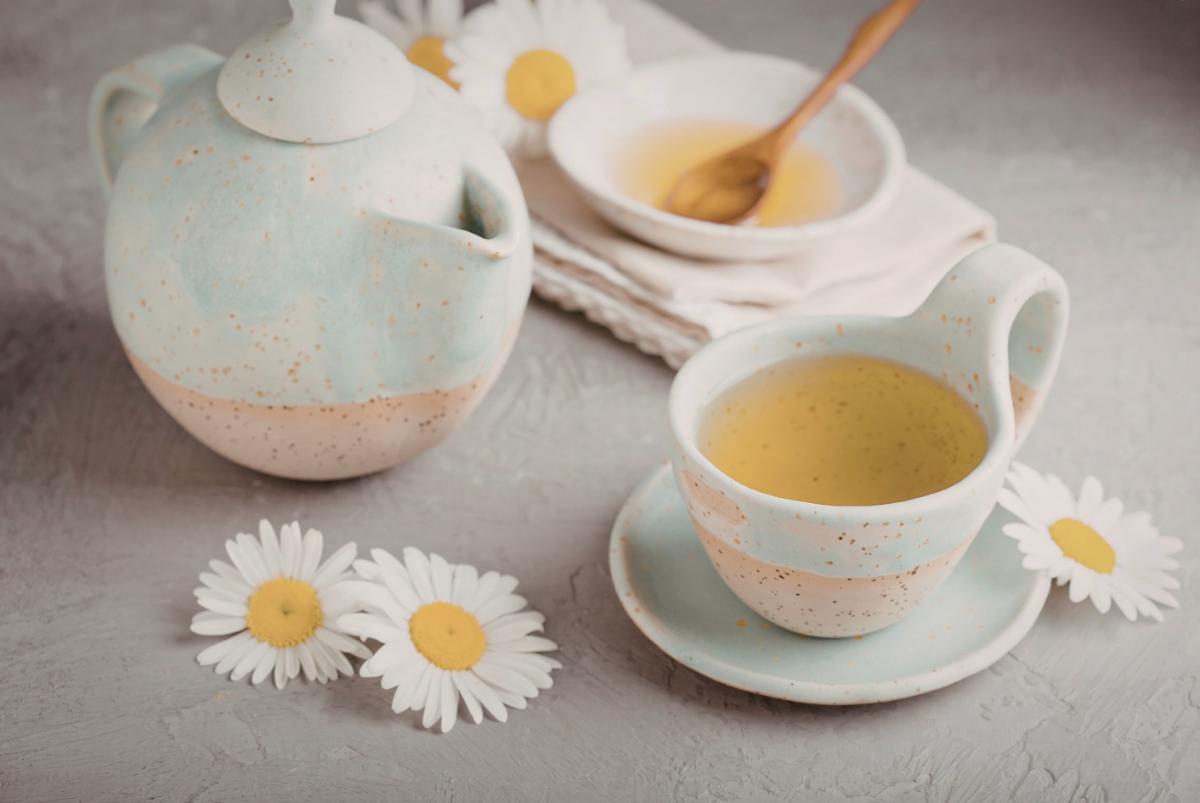
Unlocking Digestive Ease: Chamomile Tea’s Soothing and Anti-inflammatory Power
Chamomile for Digestive Discomfort: Ancient Wisdom Meets Modern Science
Have you ever reached for a cup of chamomile tea when dealing with an uneasy stomach? There’s a deep-rooted reason why so many cultures turn to this golden infusion. Since ancient times, chamomile—scientifically known as Matricaria chamomilla—has played a central role in traditional healing practices for managing digestive complaints. Whether it’s bloating after a hearty meal, mild cramping, or just an unsettled gut, chamomile tea offers a gentle, comforting solution.
Modern research upholds this traditional use. In a 2015 clinical review published in Phytomedicine, scientists reported that chamomile interacts directly with the smooth muscles of the gastrointestinal (GI) tract, helping to relax them. This powerful action will directly reduce bloating and soothe cramping. When you sip chamomile tea, natural compounds like apigenin and bisabolol get to work—binding to specific receptors that calm spasms and support healthy digestion.
Anti-inflammatory Effects: Easing the Gut From Within
Inflammation can often act as the underlying cause of recurrent digestive discomfort. With chamomile, you’ll find a potent reservoir of anti-inflammatory compounds that act on the gastrointestinal lining. The bioactive flavonoids and terpenoids in chamomile reduce the production of pro-inflammatory cytokines—these are signaling molecules that can drive unwanted swelling and irritation inside the gut.
- Reduced symptoms of IBS: Clinical studies have shown that people who include chamomile in their wellness routine notice a significant reduction in irritable bowel syndrome (IBS) symptoms.
- Gastric protection: According to a 2016 study in the journal Molecular Medicine Reports, chamomile extract reduces stomach acidity and helps repair gastric mucosa, leading to fewer ulcers and less discomfort from acid reflux.
At Claudia’s Concept, I encourage my clients to integrate a warm cup of chamomile tea into their daily rituals, especially if digestive upsets are frequent. Combining centuries-old wisdom with robust scientific evidence, chamomile stands out as a supreme choice for nurturing the digestive system—soothing discomfort and calming inflammation naturally.
Cultural Traditions, Evidence-based Results
Across Europe, the Middle East, and India, chamomile tea forms part of post-meal traditions for a very good reason. By embracing this simple, aromatic brew, you are not only honoring time-tested wisdom but also drawing on a wealth of scientific studies that confirm its real, tangible effects on digestive health.
How often do you listen to your body’s signals after meals? When digestive issues arise, chamomile tea offers a gentle nudge towards balance and relief—one that’s supported by generations of tradition, validated in modern laboratories, and thoughtfully recommended at Claudia’s Concept for your holistic well-being.
Benefit 4: Immune System and Antioxidant Support
Chamomile Tea’s Antioxidant Power: Neutralizing Free Radicals
What if your cup of chamomile tea could quietly fortify your body’s frontline defenses? Within each soothing infusion, potent antioxidants—including apigenin, quercetin, and patuletin—go to work. These flavonoids, supported by substantial clinical research, actively scavenge free radicals and limit oxidative damage at the cellular level. For instance, a study published in the Journal of Agricultural and Food Chemistry (2005) confirmed that chamomile extracts demonstrate “significant antioxidant activity” and can reduce oxidative stress markers in human cells.
Every sip provides a small, steady flow of these health-supportive compounds—helping maintain cellular health and slowing down the aging process associated with oxidative stress. The more you incorporate such teas into your daily routine as part of Claudia’s Concept lifestyle, the more robust your antioxidant defense becomes.
Immune Boost: More than a Comfort Drink
Reaching for herbal chamomile tea when the seasons begin to change? That’s no coincidence. Chamomile’s active polyphenols and terpenoids, according to research in the journal Immunopharmacology (2005), can modulate immune responses in the body. Cells involved in identifying and fighting off pathogens, such as lymphocytes, benefit from the anti-inflammatory and immunomodulatory actions of these natural compounds.
Consistent intake of chamomile tea correlates with increased production of white blood cells, particularly macrophages, which play a key role in your body’s natural defense mechanisms. When I work with clients at Claudia’s Concept, I see how these small lifestyle changes, like making herbal tea a daily habit, will foster measurable improvements in immune resilience.
Stay Healthy Year-Round: Seasonal Tips with Herbal Tea
- Before flu season: Prepare a warming blend of chamomile and ginger for a double dose of immune and antioxidant support.
- During colder months: Replace your evening beverage with a chamomile tea ritual—hydrating, calming, and immune-nourishing.
- In springtime: Combine chamomile with local honey to soothe allergies while giving your immune system an additional boost.
Do you notice how including something as simple as an herbal tea can make a difference in how you feel throughout the year? Try observing your own energy and health patterns after adding chamomile tea into your evening routine—many of my clients report fewer seasonal sniffles and a greater sense of well-being.
Chamomile Tea for Radiant Skin: Discover Topical Benefits and Science-Backed Results
Historical Rituals and Modern Skin Solutions
Throughout history, chamomile has stood out as a go-to botanical for calming irritated skin. Ancient Egyptians revered chamomile for its ability to soothe redness and replenish their skin after sun exposure, while the Greeks applied chamomile poultices to treat inflammatory dermal conditions. Today, this tradition continues, and I notice a growing trend among my clients at Claudia’s Concept: more people are blending chamomile tea into their daily beauty rituals not just for internal wellness, but also for remarkable topical results.
Powerful Anti-Inflammatory and Antioxidant Properties for Visible Improvements
Naturopathic medicine and modern dermatology agree on this: the real magic of chamomile for skin lies in its unique phytochemical content. Flavonoids such as apigenin and luteolin, found abundantly in chamomile, act as potent anti-inflammatories and antioxidants. When you apply chamomile tea to your skin or sip it regularly, you supply your body with these compounds, which counteract oxidative stress and visibly reduce signs of inflammation.
- German scientists, reporting in Phytomedicine (2010), demonstrated that topical chamomile extract decreased symptoms in patients with mild atopic dermatitis, resulting in significant reduction of skin redness and itching compared to baseline scores.
- A clinical review featured in the Journal of Drugs in Dermatology (2017) confirmed that chamomile significantly improved wound healing rates due to its antioxidant properties, fostering rapid tissue repair and reducing free radical damage.
You’ll see visible changes—smoother, calmer, more radiant skin—especially if you battle minor irritations or dry patches. I integrate chamomile-based treatments into my Claudia’s Concept skincare workshops because these science-backed effects are consistent and reliable.
Chamomile in Your Daily Skincare: Internal and External Support
Chamomile is incredibly versatile. Want to know how to unlock all its skin-loving benefits? Consider these simple yet effective methods:
- Drink daily: Consuming one to three cups of chamomile tea floods your system with antioxidants that help defend skin cells from oxidative damage, allowing for a brighter complexion over time.
- Topical application: Once cooled, freshly-brewed chamomile tea can be used as a gentle facial rinse or as a compress on red, itchy, or puffy areas. You can prepare a calming facial mist by pouring the cooled infusion into a spray bottle—perfect for refreshing skin throughout the day.
- Integrate into DIY masks: Combine chamomile tea with oatmeal or honey to create soothing home treatments. These mixes can offer immediate relief for sensitive or inflamed skin.
Reflect for a moment—how does your skin feel after a hectic day? Imagine easing that irritation with a natural, tradition-backed remedy. I encourage everyone at Claudia’s Concept to experiment with these chamomile applications, both inside and out, and observe the difference: a resilient, healthy glow that truly stands out.
Herbal Tea Consumption Tips for Maximum Benefits
Best Practices for Brewing Chamomile Tea
Unlocking chamomile’s full potential starts right at the brewing stage. The way you prepare your herbal infusion makes a world of difference to its effectiveness. Always choose whole dried chamomile flowers rather than chopped or powdered versions—these retain their essential oils and antioxidant compounds best. Studies published in Food Chemistry (2017) confirm that whole flowers yield higher concentrations of key polyphenols and flavonoids, such as apigenin, which drive chamomile’s calming and anti-inflammatory properties.
- Use water heated to just below boiling—around 94 to 96°C (201–205°F). Excessively hot water degrades delicate phytonutrients.
- Steep for 5 to 7 minutes. With extended steeping, you extract more beneficial flavonoids and volatile oils.
- Cover your teacup during steeping. Sealing in steam prevents therapeutic oils from evaporating and ensures a robust aroma.
Have you ever compared the scent of freshly brewed chamomile to bagged varieties? That vivid floral aroma signals the highest potency. At Claudia’s Concept, I always advocate for fresh, properly prepared teas for superior wellness results.
Tips for Integrating Chamomile Tea into Your Daily Wellness Routine
Building healthy routines creates sustainable wellness. Let chamomile become a gentle anchor for your day. Hydration plays an essential role here—two to three cups daily maintain a steady flow of bioactive compounds, as recommended in comprehensive phytotherapy reviews published in Phytomedicine (2016).
- Begin your morning with a cup to nurture your digestive system and set a calm, mindful tone for the hours ahead.
- Pause for a mid-afternoon tea break when work pressure mounts; allow those soothing flavonoids to ease stress and support focus.
- Sip chamomile in the evening about 30–45 minutes before bed—integrating it with other calming rituals, such as slow breathing, amplifies its sleep-promoting effects.
Consistency amplifies results. When you make herbal infusions a part of your daily routine—not just a rare treat—you experience their steady, cumulative impact. At Claudia’s Concept, I routinely recommend pairing these moments with healthy snacks, light music, or short meditative pauses to maximise the holistic benefits.
Suggested Pairings and Timing
Pair chamomile tea thoughtfully with foods that enhance both flavour and function. Light wholegrain snacks, such as rye crackers or nuts, complement the tea’s floral profile while supporting sustained release of energy. In research from the European Journal of Nutrition (2019), combining flavonoid-rich beverages like chamomile with a balanced meal increases the body’s ability to absorb antioxidants.
- Try chamomile alongside a fruit salad featuring pineapple or kiwi for a mid-morning boost—these fruits’ enzymes can synergise with chamomile’s anti-inflammatory effects.
- In the late afternoon, enjoy your cup with a handful of soaked almonds to support digestion and satiety.
- For evening relaxation, a cup after a light dinner (avoiding overly rich foods) enhances sleep quality and supports overnight recovery.
Ask yourself: when do you feel most overwhelmed or in need of a mindful pause? That’s your cue to brew chamomile. Listen to your body’s rhythms—let these moments become a ritual of nourishment, mental clarity, and calm. Every step, from brewing to sipping, fortifies your body and mind. Integrating this herbal treasure, as I recommend in Claudia’s Concept programmes, will produce tangible improvements in stress resilience, digestion, and restorative rest.
Ready to Transform Your Routine? Discover the Power of Chamomile Tea
Chamomile tea consistently demonstrates its status as a gentle yet powerful natural remedy. Backed by modern research, its advantages stretch far beyond a cozy day’s sip. Whether you seek stress relief after a demanding day, crave more restful sleep, wish for a calmer digestive system, or desire radiant skin, chamomile tea addresses each of these aspirations with remarkable efficiency.
Studies published in the journal Phytomedicine confirm that chamomile not only reduces mild anxiety but also enhances sleep quality by promoting the activity of glycine, a neurotransmitter known for its relaxing effects. Research in the World Journal of Gastroenterology shows that chamomile’s anti-inflammatory and antispasmodic properties deliver clear benefits for those struggling with indigestion or bloating. Additionally, clinical findings detail the tea’s antioxidant content, highlighting its ability to support healthy immune function and provide natural skin protection from oxidative stress.
At Claudia’s Concept, I recommend simple rituals rooted in nature’s wisdom. Preparing your chamomile tea mindfully each evening, savoring its floral aroma and gentle warmth, makes you an active participant in your own well-being journey. Need more inspiration? Try blending chamomile with fresh lemon slices or a touch of honey and see how your senses respond.
What’s your favorite way to enjoy chamomile tea? Have you noticed changes in your sleep, stress, or skin after making it a habit? Let’s turn this into a vibrant discussion—share your tips, stories, and daily tea routines in the comments below. The Claudia’s Concept community thrives on learning from one another’s experiences.