
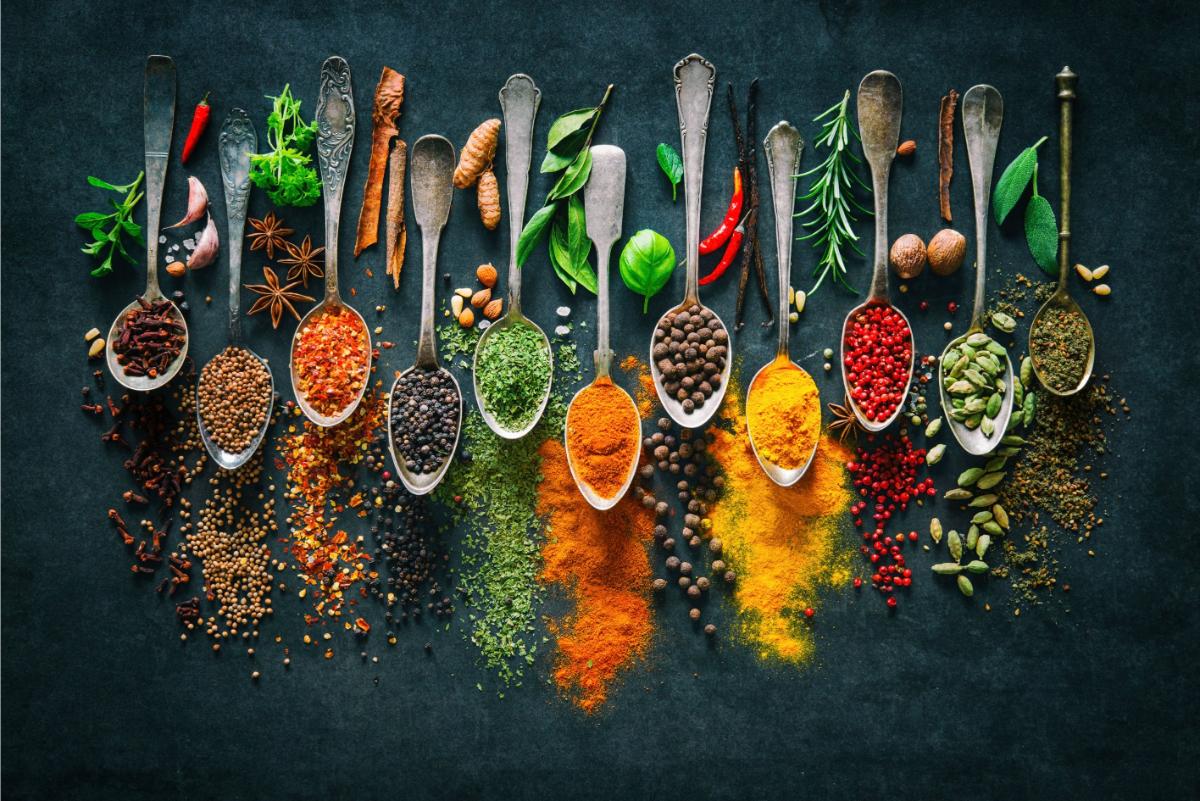
Step into any kitchen, whether in the bustling streets of Mumbai or a cozy flat in Berlin, and you’ll find one thing in common: the unmistakable aroma of spices. Spices are the heart of global cuisines, infusing dishes with personality, heat, and soul. Particularly in Indian cooking—which I absolutely adore for its vibrancy and complexity—spices do more than just enhance flavor. Cardamom, turmeric, cumin, and coriander transform simple ingredients into sensory feasts, and when used skillfully, they unlock delightful aroma and taste in every bite. The magic of spices does not end there. Many of these vibrant powders and seeds boast natural compounds—curcumin in turmeric, for instance, and anti-inflammatory eugenol in cloves—that support health and well-being. These health-boosting properties have stood the test of time, validated by scientific evidence and centuries of Ayurvedic practice. Choosing and using spices properly means more than just great flavor; it means getting more out of every meal for mind and body. At Claudia’s Concept, I always emphasize that unlocking the true benefits of spices requires more than sprinkling a bit over your lunch—it calls for care, intuition, and freshness. Exploring herbs and spices, not just as taste enhancers but as powerful allies for immunity and digestion, will revolutionize the way you view your kitchen cabinet staples. And yes, understanding when your spices have passed their prime is crucial—because even the boldest blends can lose their magic over time. Ready to discover how you can keep your spice rack—and your recipes—full of life?
Spices Unveiled: Definitions, Types, and Distinctions
What Actually Is a Spice?
Step into any kitchen, and you’ll spot a collection of fragrant powder-filled jars or whole seeds—spices—sitting ready to transform your meal. A spice is any dried part of a plant, distinctively not a leaf, that’s used for flavoring, coloring, or preserving food. This can include seeds, roots, bark, berries, buds, or even the stigmas of flowers. For anyone curious about how taste profiles or cuisines are shaped, understanding the true definition of a spice is foundational. At Claudia’s Concept, I emphasize that spices don’t just add taste—they infuse tradition and culture into every bite.
Difference Between Spices and Herbs
Let’s clarify something that often confuses even enthusiastic home cooks: the difference between spices and herbs. Here’s the science—herbs originate from the leafy green parts of plants, think fresh coriander leaves or basil. By contrast, spices derive from the other plant components: seeds like coriander or cumin, roots such as turmeric and ginger, bark exemplified by cinnamon, flower stigmas like saffron, and even fruit peels.
So next time you sprinkle dill (herb) on a salad or grate nutmeg (spice) into a dessert, you’ll know the distinction. This knowledge deepens your ability to select, combine, and store flavorings with confidence.
Popular Spices in Indian and World Cuisines
How global is your pantry? In India, culinary staples such as cumin, coriander, turmeric, black pepper, mustard seeds, cardamom, cloves, and fenugreek are found in kitchens from Kashmir to Kanyakumari. Science actually recognizes over 100 spice varieties in common global trade, but the top 10, like black pepper, cinnamon, ginger, and paprika dominate both Indian and international cuisines.
- Cumin: Offers earthy warmth and serves as a source of iron, delivering a distinctive aroma known to boost digestive health.
- Cinnamon: This bark brings sweet, woody notes to baked goods and curries. Verified research highlights its antioxidant properties and impact on glucose metabolism.
- Black Pepper: The “King of Spices,” black pepper enhances flavor and, as shown in scientific studies, increases the bioavailability of nutrients like curcumin from turmeric.
- Turmeric: Famous for its golden color and earthy undertones, turmeric’s active compound, curcumin, is celebrated in clinical research for its anti-inflammatory effects.
- Paprika: Made from ground dried peppers, paprika ranges from sweet to hot, and contributes vibrant color to global dishes.
Whole Versus Ground Spices
How you choose to stock your kitchen matters for both flavor and shelf life. Whole spices encompass unprocessed or minimally processed seeds, berries, or bark—imagine cardamom pods, cinnamon sticks, or cloves. Ground spices, on the other hand, are processed into powders—think ground coriander, cumin powder, or nutmeg.
Why does this matter? Whole spices maintain their volatile oils far longer, which means richer aromas and flavors for a longer period. Ground spices, by exposing more surface area to air, gradually lose their potency. Studies published in the Journal of Food Science confirm that the essential oil content in whole spices degrades at a noticeably slower rate compared to their ground counterparts. At Claudia’s Concept, I always recommend evaluating your spice forms based on frequency of use and desired freshness.
Have you browsed your own spice rack recently? Does it lean more toward brightly colored ground powders, or is there a stash of whole seeds tucked away for special recipes? Reflecting on this can inspire new flavor adventures—and a thoughtful approach to how you store and use these precious ingredients.
Shelf Life of Common Spices: How Long Will Your Favorites Last?
Understanding How Long Spices Remain Potent
Spices add depth, aroma, and vibrancy to every dish, but their magic fades with time. In my work with Claudia’s Concept, I always highlight how the shelf life of spices can directly influence both flavor and nutritional value. Unlike fresh produce, spices won’t spoil with mold or bacteria when kept dry, but they lose their characteristic color, fragrance, and potency as essential oils degrade. This is a gradual process, but the difference is easy to detect with a keen sense.
You may be wondering: How long do popular spices stay at their best, and what factors play the biggest role? Let’s dive into the numbers and find answers rooted in food science.
Typical Shelf Life Ranges for Whole and Ground Spices
- Whole spices (such as whole peppercorns or cardamom pods) typically retain flavor and aroma for 3–4 years.
- Ground spices (such as ground cumin or turmeric powder) will stay robust for about 1–2 years before their essential oils, the carriers of flavors and medicinal oils, start to deteriorate.
A 2017 study published by the American Chemical Society demonstrated that freshly ground spices contain peak levels of volatile compounds and antioxidants, which steadily decline over months. With proper care, that decline can be slowed—but not stopped.
Popular Spices: A Breakdown of Shelf Life
At Claudia’s Concept, I guide clients to prioritize rotation for these household favorites:
Direct scientific analysis (such as gas chromatography-mass spectrometry profiles from the Journal of Food Science) confirms that volatile oils in spices—like curcumin in turmeric or cinnamaldehyde in cinnamon—are at their highest soon after grinding, and begin to decrease steadily after 6–12 months if exposed to light, heat, or moisture.
Factors Affecting the Shelf Life of Spices
- Moisture: Even a little condensation can cause caking, early degradation of oils, and in rare cases, mold.
- Sunlight: Ultraviolet radiation breaks down aromatic compounds and fades both color and aroma.
- Air Exposure: Oxygen oxidizes essential oils, quickly reducing potency. Keeping containers tightly sealed slows this process dramatically.
When you reach for a spice jar at home, pause for a moment: Is the lid tightly closed, and the container stashed away from sunlight? These simple habits make an enormous difference.
Claudia’s Concept always emphasizes quality sourcing and smart storage; this will ensure every meal bursts with aroma and therapeutic value, straight from your kitchen shelf.
Whole vs. Ground Spices: The Longevity Difference Every Kitchen Needs to Know
Why Whole Spices Last Longer
Have you ever wondered why that jar of cinnamon sticks from two years ago still smells divine, while your ground cumin seems to fade after a few months? The answer lies in the powerful protective structure of whole spices. When spices remain intact—think coriander seeds, black peppercorns, or nutmeg—their essential oils and aromatic compounds stay locked inside. This natural barrier, the tough outer shell or husk, dramatically slows down the oxidation process.
Research published in the Journal of Food Science and Technology demonstrates that volatile oils, responsible for flavor and aroma, degrade four to five times slower in whole spice form compared to their ground counterparts. That means whole spices retain their vibrancy for significantly longer periods, maximizing your investment and the flavor in your cooking.
Shelf Life Comparison: Whole vs. Ground Spices
- Whole spices like cloves, cardamom pods, and star anise deliver robust flavor for 3 to 4 years when stored in airtight containers, away from light and heat.
- Ground spices, however, typically start to lose their aromatic punch within 6 to 12 months. After the initial grinding process, the increased surface area exposes valuable compounds to air, light, and humidity, accelerating the breakdown of essential oils.
To give you a practical example: ground turmeric and paprika, even under optimal storage conditions, show a measurable decline in both color intensity and antioxidant content within a year, as proven by studies featured in the International Journal of Food Properties.
Tips for Buying and Using the Right Format to Maximize Flavor
- Whenever possible, choose whole spices and grind only what you need shortly before use. This single habit will elevate both fragrance and taste in your dishes.
- For everyday essentials like black pepper and cumin, investing in a sturdy mortar and pestle or a simple spice grinder pays off—freshly ground spices will transform your recipes.
- Select reputable brands, such as those adhering to *Claudia’s Concept* sourcing standards, where freshness and purity are guaranteed from farm to kitchen.
If you cook infrequently or keep spices for special occasions, opting for whole spices is your best ally for lasting flavor and potency. This approach, which I’ve advocated with clients at Claudia’s Concept, ensures a well-stocked, effective, and aromatic spice collection.
Which whole spice will you add to your kitchen next—or have you discovered a favorite for grinding fresh? Let your curiosity guide you and taste the difference from the very first sprinkle.
How to Spot Expired Spices: Key Signs Your Pantry Needs an Upgrade
Visual and Sensory Clues: When Your Spices Are Past Their Prime
Have you glanced at your spice rack lately and wondered if that jar of turmeric or leftover cinnamon is still bringing magic to your recipes? Spices aren’t immortal, and knowing when to toss them is at the heart of Claudia’s Concept for vibrant, flavorful nutrition. Let’s uncover the most reliable telltale signs that a spice has reached the end of its shelf life.
Practical Visual and Smell Checks: Quick Ways to Assess Your Spices
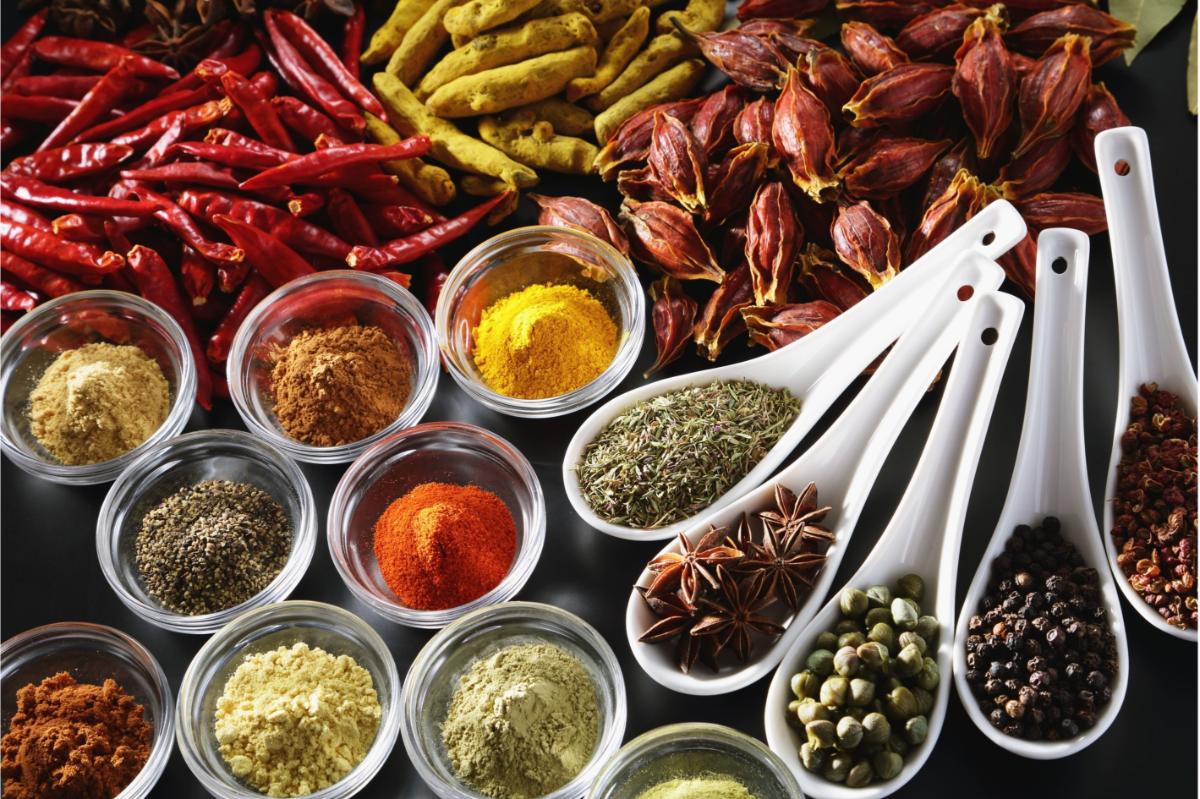
The fastest test? Look, sniff, and (if safe) pinch and taste. Hold the jar up to the light—a vibrant color signals freshness. Open the lid and take a slow, deep breath. The nose knows; you’ll instantly detect whether a spice is bringing its characteristic punch or has gone flat. Sprinkle a pinch in your hand and rub it; if you feel only gritty dust and not oily residue, and the aroma is faint, that jar is ready to retire.
When you dial into these visual and aromatic cues, your seasoning game flourishes and every meal becomes a showcase for what Claudia’s Concept is all about: food that excites your senses and supports your nutrition goals.
How to Test If Spices Are Still Good: Claudia’s Proven Methods
Ever found an old jar at the back of your spice rack and wondered, “Is this still good?” At Claudia’s Concept, I always encourage clients to use tangible, sensory checks instead of guessing. Spices are more than flavor—they’re the key to vibrant, healthful cooking. Let’s explore effective ways to determine if your spices still pack a punch.
The Essential “Rub and Sniff” Test
Our sense of smell is a remarkably accurate tool for gauging spice freshness. To test, pour a small amount of your dried herb or ground spice into your palm. Rub the spice gently between your fingers; this friction releases volatile oils responsible for aroma—and potency. Take a long, deep inhale. If the scent bursts with the distinctive note it should—whether it’s warm cinnamon, punchy cumin, or sweet coriander—you’re holding onto usable spices. Dull, faint, or musty scents signal that flavors have faded, and it’s time to replace.
- Scientific insight: Volatile oils responsible for aroma begin breaking down after grinding; a NIH study in 2023 confirmed the dramatic drop in essential oil content after two years for most ground spices. If your nose barely registers the original scent, the spice has lost effectiveness.
Guidance for “Taste Test” Experience
Once the aroma has been tested, tasting is the next logical step. Dab a tiny pinch of the spice directly onto your tongue—no need for a whole spoonful! High-quality powders, like freshly ground black pepper, will deliver immediate sharpness. Paprika should taste sweet and vibrantly earthy, not bland or chalky. Turmeric, if still potent, tingles with gentle bitterness. Lackluster or muted flavors mean diminished culinary impact. At Claudia’s Concept, I recommend this with spices that show no visible signs of spoilage (such as clumping or discoloration) and always in minute amounts.
- Whole spices, like cumin seeds or cardamom pods, may be tougher to chew, but their centers should release intense flavor oils when bitten into or crushed.
Checking for Hidden Moisture Damage
Moisture is the enemy of good spices. Pour out a small portion onto a white plate. Inspect for:
- Clumps or cake-like texture: This means water or humidity has gotten inside, breaking down the structure and creating fertile ground for flavor loss—or worse.
- Color streaks or patches: Healthy, well-preserved spices display even coloring. Pale spots or dark blotches can be evidence of mold or water exposure.
- Surface stickiness or odd shine: These characteristics are uncommon in quality spices and often result from moisture damage.
Extensive research led by the University of Illinois in 2022 highlighted spice shelf life correlating directly with controlled humidity and dryness in the storage environment. Moisture almost always leads to reduction of both flavor and shelf life.
Take a moment, sift through a few old jars, and see which ones still pass Claudia’s tests. When in doubt, fresh, high-quality spices from a trusted source will always outperform those forgotten in the pantry.
Best Containers for Storing Spices: Your Guide to Lasting Freshness
Do you ever open a spice jar only to find a dull aroma or lacklustercolor? The right container makes all the difference because even the finest spices lose their power without proper storage. In my practice at Claudia’s Concept, I help clients transform both their nutrition and their kitchen habits, starting with something as essential as preserving spices. Let’s break down what actually works best to lock in flavor, potency, and value.
Glass, Plastic, or Metal? Making the Right Choice Matters
- Glass jars stand out for a reason. Non-porous and inert, glass prevents unwanted chemical interactions with aromatic oils in spices. When I set up kitchens for clients who care about lasting quality, I always recommend glass containers with tight-sealing lids. A study published in the Journal of Food Science demonstrated that turmeric and cumin, stored in opaque glass at ambient temps, retained a significantly higher percentage of volatile oils over six months than when kept in plastic or metal.
- Plastic containers are budget-friendly, but choose wisely. Only high-quality, food-grade, BPA-free plastic is suitable for spice storage, since lower-quality plastics can absorb and transfer odors, or even allow air and light inside, diminishing flavor faster. I encourage people to limit plastic use when possible, especially for long storage of pungent or oily spices like cloves or mustard seeds.
- Metal tins offer durability yet need care. Stainless steel tins work well for whole spices that you use frequently, such as bay leaves or cinnamon sticks; however, even food-safe metals may react with acidic or strongly-flavored spices, occasionally altering taste after long periods. You’ll notice that in Claudia’s Concept workshops, I often suggest multi-tiered spice containers made from stainless steel, commonly used in Indian kitchens, but only for short-term storage.
Why Airtight Seals Aren’t Optional
Air is the nemesis of fresh spices. Every time you pop open a lid, you let in oxygen and moisture—subtle enemies to aroma and color. Opt for screw-top glass jars or snap-lid containers with silicone gaskets. In experiments conducted at the Food Packaging Laboratory, University of Massachusetts Amherst, spices stored in containers with rubber or silicone seals preserved their essential oil content up to 40% longer than those in loose-lidded jars. Real-world proof: If you grind your own spices—at Claudia’s Concept, this is a ritual for peak flavor—immediately storing the batch in a truly airtight vessel makes all the difference.
Labeling and Dating: The Secret to Smart Spice Rotation
How often have you found an unlabeled jar and wondered, “When did I buy this?” Sharp, clear labeling lets you confidently rotate your stock. Mark each container with the name, purchase date, and—if you’re blending at home—the date mixed. This simple habit, which I regularly teach in private consultations, not only reduces waste but also ensures you use the freshest options in your healthful dishes.
Shielding Spices from Light: Opaque Jars and Clever Placement
- Opaque jars, especially in glass or steel, add a protective layer. When sunlight or harsh kitchen lights hit spices, volatile oils break down faster and colors fade. Peer-reviewed research in the International Journal of Food Properties demonstrates a substantial reduction—up to 60%—in curcumin degradation in turmeric stored away from light.
- Store jars in a drawer, or choose a dark pantry shelf. I advise against open spice racks over the stove—temperature spikes speed up deterioration. In Claudia’s Concept kitchens, the spices that stay freshest are the ones kept out of sight, tucked away in a cool drawer or behind an opaque cabinet door. Ask yourself: Where can you place your own jars to minimize exposure?
Selecting the best containers and practicing mindful labeling sets you up for vibrant, flavorful meals every time you cook. Join me at Claudia’s Concept for even more in-depth kitchen strategies and science-backed storage solutions.
Unlocking Flavor and Health: The Essential Takeaways on Spice Shelf Life
Reflect for a moment: when was the last time you checked the age of your cumin or coriander? If you’re like most home cooks, those jars may have witnessed more than a few birthdays. Understanding the finite shelf life of spices will transform the way you experience both flavor and health benefits—from your morning chai to your evening curry.
Key Insights on Spice Longevity
- Shelf Life Varies Widely: Whole spices, such as cloves or black peppercorns, preserve their oils and vibrancy for up to 4 years under optimal conditions. By contrast, ground spices generally maintain peak flavor for just 2 to 3 years, as increased surface area allows essential compounds to degrade more rapidly. Researchers from the American Spice Trade Association consistently demonstrate these timelines in controlled storage studies.
- Visual and Sensory Signs Matter: Faded color, diminished aroma, and a flat, dusty taste will always indicate a spice’s flavor potential has dropped considerably. A sprinkle of turmeric that once painted your food a vivid gold, for example, loses both its hue and its signature earthy scent as its curcumin content oxidizes over time.
- Storage Determines Quality: Humidity, sunlight, and air accelerate degradation. Keeping your spices in airtight, opaque containers away from heat sources—like those designed by Claudia’s Concept—preserves both their nutrition and intensity. Indian kitchens, often bustling and aromatic, benefit especially from these storage strategies to ensure authentic results.
- Expire, Don’t Ignore: Expired spices simply stop delivering. Antioxidant levels in spices like cinnamon and cloves decrease by more than 50% once their shelf life has passed, as shown in food chemistry journals. This drop not only dulls flavor but also reduces their beneficial phytonutrient impact.
Celebrate Freshness in Every Recipe
Each meal prepared with lively, potent spices becomes a celebration of both wellness and tradition. Authentic Indian cuisine, for example, relies on the harmonious blend of freshly ground masalas for truly memorable flavors. When you invest in quality and freshness—by rotating your jars, sourcing small quantities, and choosing airtight storage from brands like Claudia’s Concept—you guarantee a richer, healthier, and more enjoyable outcome every single time you cook.
Ask yourself: does your kitchen empower your best meals? The right approach to managing your spice shelf is a small habit that will make every dish sing—starting today.