

More and more Indians are taking their health into their own hands—and it’s a shift I absolutely love to see. From young professionals juggling hectic schedules to homemakers managing multiple responsibilities, the interest in fitness and weight management has never been stronger. But India is unlike any other country when it comes to food habits. Our diets, often rooted in centuries of tradition, are rich in diverse flavours, carbs, and cooking styles, making fat loss a unique challenge.
On one hand, we have deep-fried samosas and ghee-laden dal; on the other, an increasing reliance on outside food and inconsistent meal timings. Add to that irregular sleep, sedentary work culture, and stress, and fat loss becomes even trickier. Many turn to crash diets—cutting out entire food groups, skipping meals, chasing quick results. But here’s the truth: These restrictive plans deliver temporary weight loss at best and long-term nutritional imbalance at worst. Especially in the Indian context, they simply don’t work in the long run.
What does work? A tailored, adaptive, personalised meal plan built around your routine, dietary preferences, metabolism, and nutritional goals. That’s the foundation of Claudia’s Concept, where we use science-backed strategies to create meal plans that promote fat loss naturally while fitting seamlessly into your lifestyle. Because when your plan is made just for you, long-lasting results follow.
The Science Behind Fat Loss: Calories, Macronutrients & Lifestyle
Fat Loss vs. Weight Loss – Why the Distinction Matters
Most people start their health journey saying they want to “lose weight,” but what they truly want is fat loss. That’s a crucial distinction. Weight loss includes water, muscle, glycogen, and fat. Fat loss, on the other hand, focuses on preserving muscle while reducing body fat — something that makes a real difference in your long-term health and appearance.
Let’s say you drop 3 kg in a week on a liquid crash diet. That might sound impressive, but most of it could be water and muscle, not fat. This type of loss isn’t sustainable, and worse, it disrupts your metabolism. At Claudia’s Concept, the focus is always on losing fat while improving body composition — which translates to better energy, hormonal balance, and physical performance.
Calorie Deficit: The Golden Rule That Can’t Be Ignored
Fat loss happens when your body burns more calories than it consumes — this is called a calorie deficit. It’s not a theory; it’s a biological truth. Every 7700-calorie deficit results in approximately 1 kg of body fat loss. If you cut 500 calories daily through a personalised nutrition plan and light activity, you create a weekly deficit of 3500 calories — enough to lose about 0.5 kg of fat.
But here’s where it gets interesting. Drastically under-eating can backfire. Your metabolism slows, your energy crashes, and your hormones get thrown off balance. That’s why a personalised strategy, like the ones we design at Claudia’s Concept, combines modest caloric deficits with the right balance of nutrients to protect your lean mass and accelerate fat loss more efficiently.
The Power of Macronutrients: Balance is Everything
Your calories come from three macronutrients: carbs, protein, and fats. Each plays a distinct role in fat loss.
- Protein is non-negotiable. It preserves muscle, boosts your metabolism through the thermic effect of food (TEF), and keeps you full longer. People eating high-protein diets (at least 1.6g/kg of body weight) consistently report less hunger and better fat loss outcomes.
- Carbohydrates are your primary energy source, especially important in Indian diets. The key is to choose complex carbs — like millets, oats, and brown rice — which stabilize blood sugar while providing sustained energy.
- Fats are essential, not optional. Healthy fats from nuts, seeds, avocado, desi ghee (in sensible portions), and cold-pressed oils support hormonal health and brain function. Cutting fat to cut calories is outdated science that does more harm than good.
The right ratio of these macronutrients, according to your body type, lifestyle, and goals, is what transforms a generic diet into a powerful, fat-burning tool.
Hydration and Sleep: The Overlooked Keys to Fat Loss
Most people underestimate two of the biggest players in fat loss: hydration and sleep. Both directly influence fat metabolism, appetite, and recovery.
Water aids in lipolysis — the process your body uses to break down fat. A study from the Journal of Clinical Endocrinology & Metabolism found that drinking 500ml of water increased metabolic rate by 30% within 10 minutes. That’s not a coincidence.
Sleep is even more powerful. Research published in the Annals of Internal Medicine found that people who slept 5.5 hours lost 55% less fat compared to those sleeping 8.5 hours — even when calorie intake was identical. Less sleep equals more cravings, elevated cortisol levels, and reduced insulin sensitivity.
This is why we always design personalised plans that prioritise your daily routine, including sleep hygiene and hydration habits — because no amount of calorie cutting will help if your body is in stress mode.
Customised Calorie Intake Based on Your Lifestyle
Here’s the truth: there is no “1200-calorie” magic number. Your calorie needs depend on your Basal Metabolic Rate (BMR), activity level, stress load, and even emotional patterns. A software engineer from Hyderabad working 12 hours a day remotely has vastly different needs than a Mumbai-based fitness trainer.
At Claudia’s Concept, we calculate Total Daily Energy Expenditure (TDEE) based on real-time data, then align your meal plan to your goals — adjusting for factors like metabolic efficiency, age, food preferences, and cultural food practices.
The result? A fat-loss plan that fuels your lifestyle instead of fighting against it, ensuring consistency without restricting your emotional or social life. That’s the only effective way to lose fat and keep it off in the Indian context.
The Hidden Pitfalls of Generic Diets and Crash Plans in India
Far too often, I meet clients who’ve exhausted themselves chasing results from “one-size-fits-all” diet plans. With glossy social media posts promising dramatic results in days and flashy detox regimes claiming to reset your body, it’s easy to get swept into the world of generic diets. But the truth? These approaches do more harm than good, especially in an Indian context. Let’s take a closer look at some of the most common issues I encounter while designing personalised meal plans for fat loss at Claudia’s Concept.
Unrealistic Food Restrictions
Many Indian crash diets rely on stringent restrictions. Cutting out entire food groups—no carbs, no fat, only raw fruit—sounds intense and effective. But it’s completely unsustainable and unnecessary. Studies have shown that overly restrictive diets increase food cravings, impulsivity, and the risk of binge eating. According to research published in the journal Appetite, people following restrictive eating patterns were more likely to experience higher levels of disinhibition and low satiety cues, leading to overeating episodes later.
Let’s also not forget the emotional toll. Food is deeply cultural and social in India. A Keto plan that eliminates rice or a juice cleanse that skips dal makes adherence emotionally draining. You can’t be expected to turn down every family meal or stop participating in festivals just to follow a diet. That’s why a personalised approach that respects your lifestyle always wins.
Nutrient Deficiencies and Fatigue
Do you know what’s missing from that rapid weight loss plan? Micronutrient balance. Crash diets often lack essential vitamins and minerals, and in India, where vegetarian diets are prevalent, this becomes even more problematic. For example, a poorly planned low-calorie plan can result in deficiencies in Vitamin B12, iron, and calcium—key nutrients for energy metabolism, red blood cell formation, and bone health.
Inadequate intake of these nutrients leads to fatigue, brain fog, hair loss, and poor immunity. At Claudia’s Concept, I focus on creating meal plans rich in bioavailable micronutrients so your body doesn’t just lose fat—it thrives while doing so.
Unsustainable Changes in Routine
A crash diet expects you to abandon your current lifestyle overnight. Five small meals, exact quantities, exotic ingredients like quinoa and kale—you waste time, money, and energy trying to fit an alien plan into your day. Eventually, fatigue sets in, motivation fades, and you give up.
Overhauling your daily rhythm doesn’t work unless it’s aligned with your real-life context, whether you live in Mumbai, Chennai, or Chandigarh. My methodology aligns with your eating hours, professional commitments, commute, and even how much time you can actually spend in the kitchen. Because what’s the point of a diet that never leaves the spreadsheet?
No Long-Term Results & Rebound Weight Gain
Here’s something worth pausing for: 95% of people who lose weight through very low-calorie diets regain it within 1–5 years. This is backed by a UCLA study analyzing multiple weight loss cases. The reason? These plans fail to build metabolic resilience. Instead of educating your body to burn fat efficiently, they slow down your basal metabolic rate.
When the diet ends, your body is left in a survival mode—burning fewer calories and storing more fat. So when you return to normal eating, the rebound is sharp and quick. A personalised meal plan, on the other hand, regulates your metabolism over time and sets you up for steady, permanent fat loss.
Overlooking Regional and Cultural Food Preferences
India isn’t a monolith when it comes to food. We have Bengali fish curries, Rajasthani besan-based dishes, South Indian fermented foods, and North Indian wheat-focused meals. Now, imagine one standard “healthy” diet trying to appeal to this diversity. Doesn’t work.
I’ve worked with clients from across the country—each with their own pantry staples and taste profiles. A healthy eating plan that ignores local spices, cooking methods, and preferences is not just less effective; it’s disrespectful. At Claudia’s Concept, we treat food not as a problem to fix, but as a resource to refine. Your khichdi, poha, dosa, or rajma aren’t barriers; they’re frameworks we enhance for fat loss.
If your current diet makes you feel exhausted, frustrated, isolated, or culturally disconnected—it’s not the right plan. Fat loss doesn’t need to cost your health or your heritage. Let’s leave the crash and burn approach behind.
Why a Personalized Diet Plan Is the Smartest Way to Lose Fat in India
When it comes to fat loss, the Indian population is often caught between outdated generic plans and trendy crash diets that promise results but fail to deliver. What actually works long-term is a sustainable, individualised approach. That’s exactly what we focus on at Claudia’s Concept. A personalized diet isn’t just about eating less—it’s about eating smart, in a way that suits your lifestyle, body type, and goals. Let’s decode how and why this method delivers real, measurable fat loss.
Tailored Meal Planning for Calorie and Macronutrient Goals
Everyone’s metabolism responds differently to food. A personalised meal plan is crafted based on your basal metabolic rate (BMR), total daily energy expenditure (TDEE), and individual health markers to determine the exact caloric intake needed for fat loss. Beyond just calories, distribution of macronutrients—proteins, fats, and carbohydrates—makes a significant difference. Evidence from the National Institutes of Health shows that adjusting macronutrient ratios based on an individual’s metabolic needs helps improve both fat oxidation and muscle retention during weight loss.
For instance, someone who’s insulin resistant may need a lower carbohydrate intake to regulate blood sugar more effectively, while another person with high physical activity may require higher complex carb inclusion for energy. This granular level of planning is impossible with a one-size-fits-all plan.
Customized to Individual Food Preferences and Cultural Staples
Fat loss doesn’t require giving up the flavours or ingredients you love. One of the biggest strengths of a customised plan is that it respects food preferences—vegetarian, vegan, non-vegetarian, or even specific intolerances like lactose or gluten. In an Indian context, this flexibility is critical. Whether your staple is dal-chawal or chicken curry, your personalised plan can adjust portion sizes, cooking techniques, and meal pairings to support fat loss while keeping your plate culturally relevant.
Researchers at the Journal of Nutrition and Dietetics confirm that dietary adherence improves dramatically when meal plans incorporate familiar tastes and textures. This means you don’t need to abandon roti or rajma; you need to balance them wisely.
Aligns With Your Daily Routine and Activity Levels
Your job, sleep cycle, workout schedule, and even stress levels influence how your body processes food. A personalised meal plan takes these factors into account. If your mornings start early with intense training, your breakfast composition will look different than someone with a sedentary lifestyle and late-night work hours.
Contrast that with a generic plan that offers timed meals at fixed intervals—completely impractical for the busy Indian professional or homemaker. At Claudia’s Concept, every client’s time budget is treated as uniquely critical, ensuring a plan that is truly liveable and logical.
Psychological Satisfaction: Because You’re Not Depriving Yourself
The psychology of eating is often neglected, but it’s a game-changer. When a diet feels restrictive, resistance builds up. When it feels supportive, compliance becomes second nature. A personalised diet, by integrating preferred flavours, meal timing, and portion control, helps reduce perceived deprivation. This keeps motivation high and binge episodes at bay.
Backed by behavioural nutrition studies from the University of Cambridge, personalised diets are shown to reduce emotional eating and improve dietary consistency over time—two vital markers of successful fat loss journeys.
Promotes Long-Term, Sustainable Eating Habits
Fat loss that stays off originates from habit-building, not willpower hacks. A personalised plan instils adaptive behaviours—like mindful portion sizes, understanding satiety cues, and structured eating windows without being rigid. Over time, these behaviours become automatic.
This is why even after reaching their fat loss goals, clients at Claudia’s Concept often continue using the same eating framework with minor modifications. It becomes part of their lifestyle—not a passing phase.
Ask yourself this: are you looking for another short-term fix, or a nutritional reset that aligns with how you live? Only a personalised fat loss plan can offer that kind of meaningful change. And that’s where the transformation truly begins.
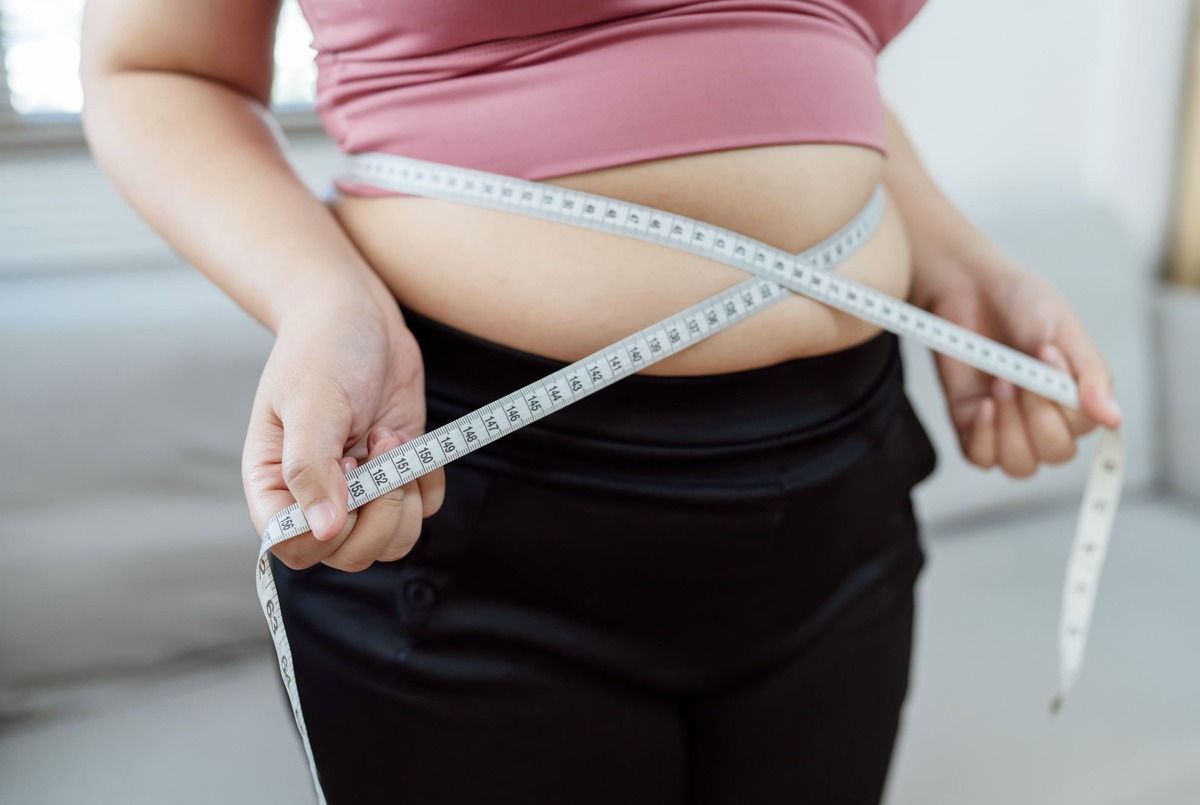
What a Personalized Fat Loss Meal Plan Includes – The Indian Way
Fat loss in India isn’t just about cutting carbs or skipping rotis. It’s about tuning your meals to match your body’s exact requirements. When I design a customized meal plan under Claudia’s Concept, every detail—from your morning chai to your dinner sabzi—is calculated for results. Let’s look at exactly what such a plan includes and why each part matters.
Daily Calorie Goal Based on Who You Are
A one-size-fits-all approach simply doesn’t work. A 30-year-old working professional with a desk job has vastly different nutritional needs compared to a 22-year-old medical student on hospital rounds. That’s why we determine your Total Daily Energy Expenditure (TDEE) using metrics like age, weight, gender, height, metabolic health, and daily activity levels. From there, we target a gentle caloric deficit—usually 500 calories less than your TDEE—to enable sustainable fat loss without energy dips or cravings.
Portion Control and Meal Timing
Each meal—breakfast, lunch, dinner, and your mid-meal snacks—is portioned carefully. Instead of vague suggestions, you’ll get clear quantities. Think 60g cooked oats with 1 tsp flaxseed at breakfast or 120g grilled paneer with 100g sautéed vegetables at lunch. Having consistent meal times stabilizes insulin response and aligns with your circadian rhythm, which multiple studies—like the review published in Nutrition Reviews (2020)—associate with improved metabolic health.
Macros That Match Your Goals
Your personalized fat loss plan isn’t just about fewer calories—it’s about smart macronutrient balance. While the average Indian diet is heavily carb-based, we tweak protein, fats, and carbs to support your specific goal. For example, an active individual may be given a 40-30-30 macro split (carbs-protein-fat), while someone sedentary might benefit from a 45-35-20 plan to preserve lean muscle during fat loss. These aren’t just numbers—they are performance-aligned ratios backed by sports nutrition science.
Familiar Indian Foods—with a Twist
Parathas stay, but they get a makeover. Moong dal, tadkewali sabzi, poha, and khichdi remain, but you’ll prepare them smarter. A personalized meal plan under Claudia’s Concept elevates everyday Indian meals using measured cooking oils, mindful spices, and fiber-rich grains. The goal is simple—honor tradition, but through a lens of nutrition science.
Realistic Swaps That Still Feel “Home-Cooked”
- Choose ragidosa over one made from refined maida—richer in fiber and iron.
- Go for low-oil thepla using besan and methi, which stabilizes glucose levels.
- Replace white rice in your lunch thali with semi-polished red rice or millets—packed with B-vitamins and lower glycemic load.
Your meals still taste like home, but now they work harder for your body goals.
Indian Superfoods That Fuel Fat Burn
Food is also your fat-burning tool. Traditional ingredients like methi seeds (fenugreek) are added for their thermogenic and insulin-sensitizing properties. Green tea, rich in catechins, supports metabolism and endurance. And sabja seeds (basil seeds) swell with fiber, keeping hunger at bay. Functional yet familiar—this is where I see the magic begin in client transformations.
Hydration: Customized Based on Your Body’s Needs
Water intake isn’t arbitrary. We calculate your required hydration level using weight, climate, and activity. A general rule of thumb we apply at Claudia’s Concept is about 35-40ml per kg of body weight. So, if you weigh 70kg, that’s approximately 2.5 to 2.8 liters of water daily—including moisture from food. Dehydration can slow down your metabolism by up to 3%, a figure confirmed by the Journal of Clinical Endocrinology and Metabolism. Imagine losing progress just because you skipped a few glasses!
Now ask yourself—does your current meal plan offer this level of personalization, cultural comfort, and scientific precision? When each component—from calories to chai—is crafted just for you, fat loss becomes a natural side-effect of living well.
Monitoring Progress & Making Adjustments – The Secret to Sustainable Fat Loss
Designing a personalised fat loss meal plan isn’t just about knowing what to eat. It’s about understanding what happens after you start. At Claudia’s Concept, we believe that consistent progress stems from regular reflection, smart tweaks, and staying in tune with your body. The original plan kickstarts the journey, but the evolution of that plan is what truly transforms your results.
Re-assess Regularly – More Than Just Stepping on the Scale
You’ll want to re-assess multiple metrics every 2 to 4 weeks—weight is just one piece of the puzzle. Equally important are:
- Inch loss: Track measurements around the waist, hips, chest, arms, and thighs.
- Appetite feedback: Are you feeling constantly hungry, or satisfied?
- Energy levels: Do you feel energetic throughout the day or sluggish post meals?
Even mood and sleep quality can offer valuable clues. These biofeedback signals point to how your body is responding. If your energy dips or your hunger surges, they might indicate that you need a nutritional adjustment.
When and How to Adjust Your Calories or Macronutrients
Let’s say you started with a calorie deficit of 15% below your maintenance level. For most people, that’s ideal. But as you lose fat, your resting metabolic rate also reduces slightly. That’s a natural adaptive response to lower body mass. So, reviews become essential.
If after 3 to 4 weeks your progress hits a plateau, we dive into the macronutrient breakdown with precision. For example, increasing protein intake from 1.2g/kg body weight to 1.6g/kg could preserve lean muscle mass while enhancing satiety. This minor adjustment often produces fresh progress.
Alternatively, if protein is already optimised, reducing carbohydrates slightly and increasing dietary fat facilitates better hormonal regulation, particularly in individuals with insulin resistance—a key concern in many Indian dietary contexts. Strategic tweaks like these make a meal plan truly personalised and even more effective over time.
Plateaus Happen – Here’s How to Outsmart Them
Even the best meal plans can stop working temporarily. That’s just your body adapting. To overcome this, we build flexibility into your routine:
- Variety in food choices: Keeps the gut microbiome diverse and reduces boredom.
- Route cycling: Alternating between low and moderate calories for metabolic momentum.
- Macro-tweaks: Adjusting the carb-to-fat ratio based on physical activity days.
This structured variation prevents adaptation and keeps your metabolism engaged. Our clients at Claudia’s Concept often experience a fresh surge in fat loss just from a 5% calorie realignment or switching their breakfast macronutrients.
Use Smart Tools – Consistency Without Confusion
Tracking doesn’t need to consume your life. Technology can enhance awareness without overwhelming you:
- Mobile apps like MyFitnessPal, HealthifyMe or Cronometer make tracking intuitive and fast.
- Food diaries offer insight into patterns—especially emotional and social eating triggers.
- Regular consultations every 10-15 days ensure accountability and bring expert insights.
At Claudia’s Concept, our clients appreciate the support system as much as the science. Having a touchpoint increases motivation and helps in making data-driven decisions rather than emotional ones.
So, ask yourself—when’s the last time you tuned into your body’s signals? Is your meal plan rigid, or does it evolve with you? Targeted adjustments will not just improve your results; they’ll redefine your relationship with food and your body.
Sustainable Fat Loss Is a Journey, Not a Crash
Let’s clear one thing: food is not the enemy. It never was. The mindset that labels meals as obstacles is exactly what sets most people up for failure. In my years consulting as a nutritionist, I’ve watched this toxic approach unravel many well-meaning fat loss journeys. With the right guidance and structured planning—like I offer through Claudia’s Concept—you begin to see food as fuel, not fear.
Here’s something I tell every client upfront: crash diets may offer rapid results, but they never last. Why? Because they force your body into survival mode. Yes, dropping daily calorie intake far below maintenance level will show quick weight changes on the scale, but that often means a loss of water and lean muscle—not fat. A 2018 systematic review by the British Medical Journal illustrated that although crash diets result in early weight loss, over 83% of participants regained the weight within two years, some even exceeding their original weight.
Your body is built to adapt, and that’s why personalisation works. Your personalised meal plan for fat loss keeps evolving with your body’s response. What starts as a certain calorie and macro breakdown will shift as your routine, fitness level, hormone balance, and stress patterns change. You might need more protein in a certain phase or fewer carbs during another. A one-size-fits-all diet simply can’t account for those nuances.
One of the most profound shifts a personalised plan brings isn’t just external—it’s emotional. Clients often tell me they develop a better relationship with food. And that’s powerful. You stop demonising traditional Indian dishes. You embrace smarter cooking techniques, balanced thalis, and routines that fit your lifestyle, not the other way around. You eat mindfully, enjoy festivals without guilt, and make wellness a part of who you are. That’s the Claudia’s Concept result we aim for—sustainable transformation rooted in love and respect for your body.
Pause and reflect—what if your journey wasn’t about restriction, but realignment? Realigning food to work for your body, not against it. That’s the difference between a temporary fix and lasting health. Which one are you choosing to live by?