
Have you noticed mood swings after skipping a meal or midday fatigue following that lunch-hour pastry? These subtle hints are your body’s way of flagging fluctuating blood sugar levels. Blood sugar, scientifically known as glucose in the bloodstream, acts as the main source of energy for our cells, and its ups and downs affect almost every aspect of daily life — from mental clarity and mood to heart health and immune function. While many people only think about glucose when diabetes comes up in conversation, the daily management of blood sugar plays a crucial role in the prevention and control of diabetes. Uncontrolled blood glucose translates to spikes or crashes which put significant strain on the body. The stakes are high because persistent imbalances can pave the way for complications like retinopathy (damage to the blood vessels in the eye), neuropathy (nerve damage), nephropathy (kidney disease), and even cardiovascular disturbances. The data speaks volumes: According to the International Diabetes Federation, nearly 537 million adults worldwide are living with diabetes, and every healthy choice nudges you one step closer to avoiding that statistic. At Claudia’s Concept, my goal is to help you master the science of blood sugar monitoring, empowering you to make small shifts that yield big rewards. Ready to take control and protect your health? Let’s explore practical, evidence-backed tips for stable blood sugar and a vibrant life.
Understanding Blood Glucose and Its Effects
What Is Blood Glucose?
Blood glucose, widely recognized as blood sugar, is the primary type of sugar circulating in your bloodstream. It comes from the carbohydrates you consume, which your digestive system breaks down and releases into your blood. Your body relies on this fuel source to power cells all over—from your brain to your muscles. When you eat foods like whole grains, fruits, or even more indulgent treats, your blood sugar will rise as the glucose enters your circulation.
Glucose levels are carefully regulated through the orchestrated actions of hormones, primarily insulin and glucagon. Insulin, released by your pancreas, permits cells to absorb glucose, which reduces blood sugar. In contrast, when blood sugar drops, glucagon helps release stored glucose from the liver, raising your levels again.
Normal vs. Abnormal Ranges: What Do Numbers Say?
If you’re wondering what counts as “normal,” here are incontrovertible numbers: for people without diabetes, fasting blood glucose should fall between 70–99 mg/dL (milligrams per deciliter). After eating, blood sugar can spike—but ideally, for a healthy person, it remains below 140 mg/dL two hours after meals (American Diabetes Association, 2023).
- Prediabetes: Fasting levels range from 100–125 mg/dL. Post-meal, observe 140–199 mg/dL.
- Diabetes: Fasting glucose will often be 126 mg/dL or higher. Two hours after meals, numbers can reach 200 mg/dL or more.
By maintaining blood sugar within these healthy ranges, you boost your energy and keep your metabolism balanced. At Claudia’s Concept, monitoring and interpreting these ranges is at the core of all personalized nutrition plans.
Why Do Blood Sugar Fluctuations Matter?
Shifts in blood glucose send immediate ripples through your health, mood, performance, and even your long-term wellness. When sugar levels spike after processed food or sweets, you will often feel an initial surge of energy—followed swiftly by a crash that leaves you tired and irritable. Repeated blood sugar highs and lows, over time, provoke insulin resistance, setting the stage for metabolic syndrome and type 2 diabetes.
Sharp blood sugar-ups can promote inflammation in your body, so persistently high levels increase your risk not just for diabetes, but also for cardiovascular disease. A 2017 study published in Diabetes & Metabolism Journal showed that improved blood sugar control distinctly lowered the risk for cognitive decline and heart complications in adults. Fast swings from high to low can also knock your mood sideways—a sudden drop may leave you feeling anxious, irritable, or unable to concentrate.
When your system consistently runs on even, stable energy, you experience improved mental clarity, better physical performance, and enhanced mood throughout the day. Claudia’s Concept emphasizes nutrition strategies that not only help you monitor but also naturally stabilize your blood sugar, promoting vitality and overall well-being.
Your Guide to Monitoring Blood Sugar – Practical Techniques That Work
Self-Monitoring: The Finger-Prick Test
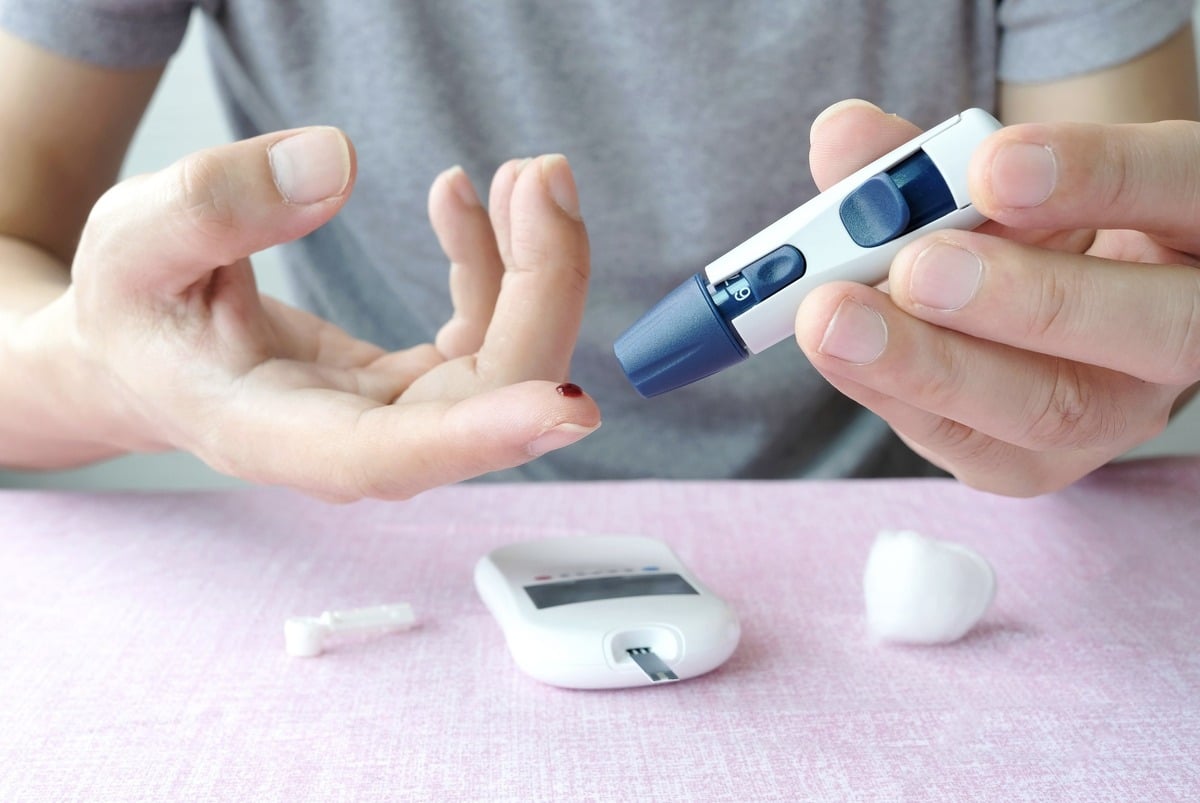
Keeping close tabs on your blood sugar enables you to make smarter choices every day—a pillar of Claudia’s Concept. The most common method for self-monitoring, relied on by millions worldwide, is the finger-prick blood glucose test. Using a lancing device and a small test strip, you check a drop of blood to get immediate feedback. This technique tells you exactly where your glucose stands at any given moment, empowering you to respond with swift, targeted decisions.
Scientific studies highlight how self-monitoring directly impacts glycemic control. According to research published in Diabetes Care, individuals who engaged in daily self-monitoring experienced a notable reduction in HbA1c levels over six months. This demonstrates the measurable improvement you can achieve with consistent practice.
When was the last time you checked your blood sugar as a response to something you ate, rather than on schedule? Try it after your next meal. Does your number confirm what you expected, or is there a pleasant (or unpleasant!) surprise waiting for you? This real-time feedback loop is the foundation of proactive blood sugar management with Claudia’s Concept.
Continuous Glucose Monitoring (CGM) Systems: Streamlined Data, Smarter Choices
Imagine a device that quietly, efficiently measures your glucose levels every few minutes—day and night. That is exactly what Continuous Glucose Monitoring (CGM) systems deliver. Sensors placed just under the skin feed back detailed glucose data straight to your smartphone or a receiver.
- Data-rich trends: Unlike finger-prick testing, CGMs map glucose levels throughout your day, displaying trends and spikes you may never have noticed otherwise.
- Instant alerts: Many CGMs notify you instantly when your glucose drifts out of a set range, letting you take action before you feel symptoms.
- Personalization: Over time, you recognize your body’s unique reactions to food, stress, sleep, or movement—scientific personalization at its best, and a key part of Claudia’s Concept philosophy.
Multiple studies, including a 2023 meta-analysis in The Lancet Digital Health, have confirmed that adults with type 2 diabetes who use CGMs achieve greater time-in-range (target glucose levels) and reduced hypoglycemic events compared to traditional monitoring alone. Would seeing this continuous feedback change the way you eat or exercise?
Laboratory Tests: A1C and More
Home tests provide valuable moment-to-moment information, but laboratory assessments—especially the A1C test—show the big picture. The A1C reflects your average blood glucose over the past two to three months, offering insights about long-term patterns that day-to-day tests simply can’t match.
Clinical research underpins this method’s power. The UK Prospective Diabetes Study (UKPDS) revealed that lowering A1C by just 1% can result in a 21% reduction in diabetes-related deaths. A1C, along with fasting glucose or oral glucose tolerance tests, lays the scientific groundwork for tailored nutrition and wellness plans.
Next time you get lab results, consider how they validate your daily effort and guide your next steps. Have you noticed your A1C trending lower after changing your breakfast or evening snack? Try connecting your monitoring records to these lab values and celebrate every improvement as confirmation that your strategy is working.
Your Guide to Monitoring Blood Sugar – The Best Tools and Devices Explained
Staying on top of your blood sugar means choosing the right tools, not just relying on routines. In my experience at Claudia’s Concept, personalizing your monitoring approach produces clear, measurable results—you will see the difference in your glucose patterns, energy levels, and overall well-being. So what are the most reliable and user-friendly options available today? Let’s explore the science-backed tools and devices that empower you to understand and manage your blood glucose with confidence.
Blood Glucose Meters: Simple but Effective
A blood glucose meter measures your current blood sugar from a single drop of blood, usually obtained from a fingertip. This traditional device remains the top choice worldwide, and with good reason. The American Diabetes Association highlights that capillary blood glucose meters, when calibrated and maintained properly, yield accuracy levels within ±15% of laboratory standards in 95% of cases. Modern meters come with features like large digital displays, data storage, and even Bluetooth connectivity for seamless integration with your smartphone. Brands like Accu-Chek and OneTouch release devices that require tiny blood samples and deliver readings in less than 5 seconds.
- Instant feedback for all ages.
- Affordable and widely available.
- No advanced technical know-how required.
Imagine travelling or heading to a work meeting—you pull out your compact meter and know your sugar level in seconds. This convenience boosts daily compliance for many individuals who follow Claudia’s Concept programs.
Continuous Glucose Monitors (CGMs): Real-Time, Round-the-Clock Insights
Unlike standard meters, CGMs offer dynamic tracking by measuring interstitial glucose every few minutes via a small sensor under the skin, typically worn on the arm or abdomen. Well-known models like the Dexcom G7 and Freestyle Libre 3 transmit real-time data to your smartphone or reader.
- View trends, not just isolated numbers—helpful for seeing how food, exercise, or stress affect your profile.
- Set custom alerts for high or low glucose events, boosting your ability to act promptly.
- Reduce the need for finger pricking—as much as 90% fewer sticks per week, according to a 2017 study in The Lancet.
Because CGMs continuously deliver data, you can fine-tune your nutrition and lifestyle choices with greater precision, a hallmark of the personalized programs at Claudia’s Concept. For those managing diabetes or prediabetes, this tool is a game-changer.
Smart Devices and Apps: Sync, Share, and Analyze
For those who love digital convenience, apps like mySugr, GlucoMen Day, and Apple Health turn your smartphone into a comprehensive blood sugar journal. When synced with a CGM or Bluetooth-enabled meter, your readings automatically upload, chart, and offer actionable insights.
- Automated record-keeping with built-in reminders reduces forgetfulness.
- Share your results in real-time with your care team for quick feedback or remote adjustments.
- Many apps offer integrated food and exercise tracking, making it easier to spot patterns and triggers.
Have you tried a connected app on your device? You might be amazed by how quickly you can spot trends—missing low points after exercise or identifying how specific meals impact your numbers. If you ever felt overwhelmed by data, smart apps break it down into visuals and alerts, making interpretation effortless.
Weighing the Pros and Cons
Every tool fits a different lifestyle and need. Blood glucose meters serve those seeking simplicity, affordability, and speed. CGMs appeal to tech-savvy individuals or anyone requiring constant insight and proactive management—think athletes, busy professionals, or people adjusting to new medications. Integrated apps streamline data tracking, putting your health information at your fingertips.
- Blood Glucose Meters: Reliable, cost-effective, but require regular finger pricks and manual tracking.
- Continuous Glucose Monitors: Deliver continuous, detailed feedback with minimal effort but involve higher upfront and ongoing costs and may need occasional calibration.
- Smart Apps and Devices: Enhance motivation, simplify sharing with healthcare providers, but rely on user engagement and regular updates.
At Claudia’s Concept, I find that blending these tools often yields the best outcomes. Are you more hands-on or do you prefer technology taking care of the details? Reflect on which device or app resonates with you, and you’ll see how effortless blood sugar tracking can become.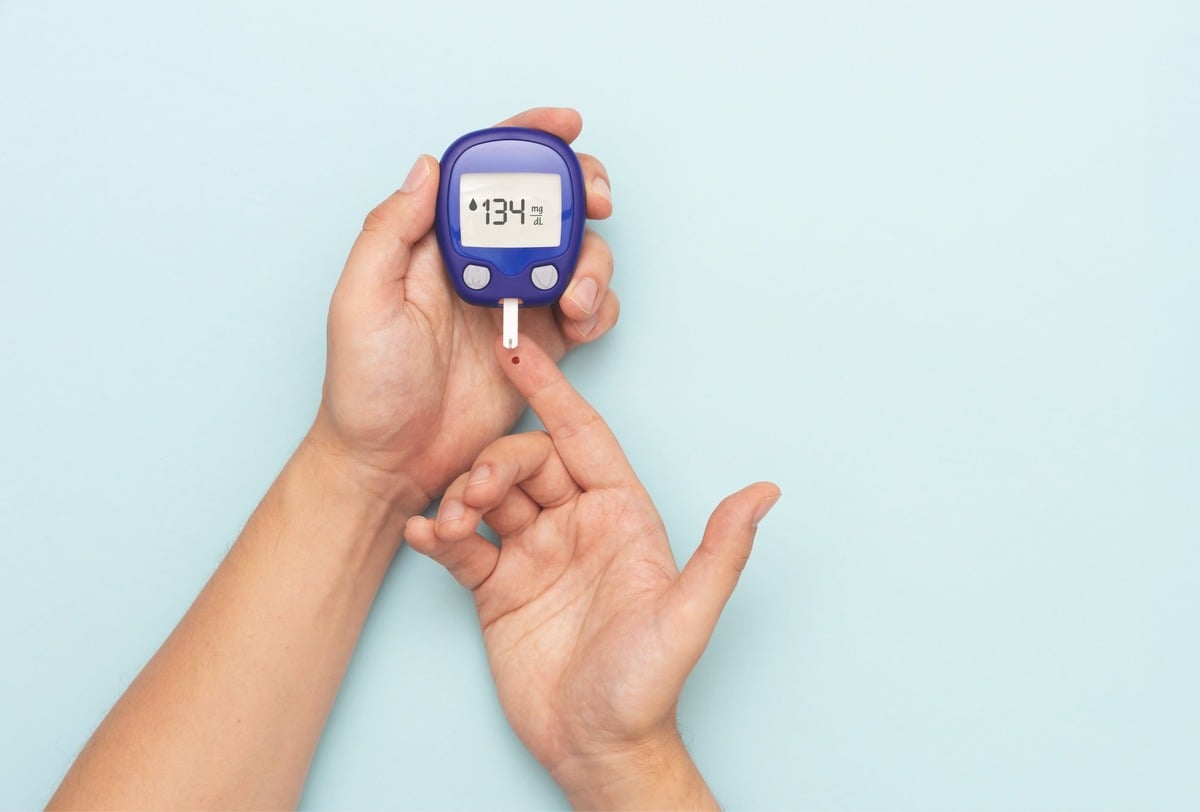
Interpreting Blood Sugar Readings: What Your Numbers Reveal
What Do Your Glucose Numbers Mean?
You’ve checked your blood sugar—now what does that number truly tell you? Interpreting glucose readings unlocks a world of insight. Every number on your meter reflects your body’s ability to process and regulate glucose, a key indicator of metabolic health. Rises and dips in glucose levels provide real-time feedback. When you see a fasting glucose level between 70 and 99 mg/dL (according to the American Diabetes Association), that’s a strong sign of healthy regulation in a non-diabetic adult. Let me ask you: Do you feel different when your readings land outside this range? Those patterns deserve your attention.
Blood Sugar Targets: Diabetics vs. Non-Diabetics
Ranges and targets aren’t one-size-fits-all. For those navigating diabetes, targets typically shift. The International Diabetes Federation suggests pre-meal readings from 80 to 130 mg/dL and post-meal peaks (1-2 hours after eating) under 180 mg/dL. Non-diabetics will generally see postprandial levels rarely crossing 140 mg/dL. Tracking can seem overwhelming at first glance, but noticing where your numbers fall puts you in control. With Claudia’s Concept, I guide clients in setting realistic targets that suit their physiology, lifestyle, and aspirations.
- Consistently low values (below 70 mg/dL) will signal hypoglycemia, which often requires rapid action to prevent fatigue, trembling, or confusion.
- Persistent highs (fasting >125 mg/dL or random >200 mg/dL) can point toward hyperglycemia and the need for prompt dietary, activity, or medication adjustment.
Patterns, not one-off readings, tell the true story. Are your numbers trending higher in the mornings? That might reflect a dawn phenomenon, common in type 2 diabetes, when hormones like cortisol drive up blood sugar before you even eat. Or maybe dinners spike your numbers—small, consistent dietary tweaks with Claudia’s Concept can dramatically rewrite that trajectory.
Recognizing Trends and Vital Signals in Your Data
A single high or low doesn’t define your journey. However, mapping your readings throughout the week will spotlight crucial trends. Have you noticed post-lunch spikes, or does exercise consistently drop your numbers more than expected? These observations shape your understanding and your next move. Science backs up this approach: A 2023 review in Diabetes Technology & Therapeutics found that individuals who adjusted routines in response to weekly trend data achieved a 25% greater reduction in average glucose levels compared to those who reacted to isolated values. Routine pattern recognition isn’t just data crunching—it’s future-proofing your wellness.
Invite yourself to look for sudden changes or an upward drift across several days; these patterns could indicate shifts in stress, illness, or hormone fluctuations. With Claudia’s Concept, you’ll learn to use these red flags as cues for timely, effective changes, instead of waiting for complications.
So, next time you record a reading, ask yourself: Is this just a number, or part of a valuable signal my body’s giving me?
How Often Should You Check Your Blood Sugar? Discover the Facts
Recommendations Tailored for Diabetics and Non-Diabetics
Monitoring your blood sugar at the right intervals forms the backbone of effective glucose management. For individuals with diabetes, especially those using insulin, frequent checks are non-negotiable. The American Diabetes Association (ADA) recommends that people with type 1 diabetes check blood sugar before meals and snacks, occasionally postprandially, at bedtime, before exercise, and when low blood sugar is suspected. This typically ranges from 4 to 10 times a day, depending on your treatment plan and lifestyle.
For those managing type 2 diabetes without insulin, the frequency drops, but consistency remains key. Most benefit from checking once or twice a day, particularly fasting and sometimes post-meal, to capture a comprehensive picture. Non-diabetics, unless directed by a healthcare provider or tracking for specific health goals, do not require routine monitoring. However, during pregnancy, intense physical training, or significant dietary experiments, even non-diabetics might glean valuable insights from periodic blood sugar checks.
At Claudia’s Concept, we guide clients to personalize monitoring schedules based on medical advice, daily patterns, and goals for optimal metabolic health.
Special Circumstances That Affect Your Checking Pattern
Certain situations demand more vigilance. Have you just started a new medication that influences glucose, such as steroids or beta-blockers? It’s essential to check more frequently throughout the day, as blood sugar can fluctuate unpredictably. Episodes of acute illness or infection often spike blood sugar, so multiple checks—every four to six hours—keep you ahead of any surprises.
Exercise is another variable; endurance activities or high-intensity training alter glucose demands and insulin sensitivity. Always check before, sometimes during, and after exercise, especially if you adjust your food intake or medication pre-workout. In a 2014 study published in Diabetes Care, participants who checked before and after physical activity maintained 22% more stable glycemic control than those who did not.
- Starting, stopping, or changing medication?
- Coming down with a fever or infection?
- Trying a new exercise regimen?
If you answered “yes” to any of these, structured and frequent checks will illuminate patterns, helping you stay agile and informed about your health.
The Importance of Evening and Fasting Blood Sugar Checks
Evening and morning fasting blood sugar gives you key snapshots of stability and risk. Fasting blood sugar, measured first thing in the morning before breakfast, provides valuable insight into overnight glucose regulation and basal metabolic function. According to the ADA, healthy fasting blood glucose should fall between 70 and 100 mg/dL for non-diabetics, while those with diabetes may target slightly different ranges, as advised by their physician.
Evening checks, performed before dinner or bedtime, help reveal the impact of afternoon meals, snacks, and stressors on your glucose profile. Nighttime monitoring is especially crucial for anyone experiencing hypoglycemia overnight or dawn phenomenon—a rise in blood sugar during early morning hours due to hormonal shifts. Claudia’s Concept incorporates these checkpoints in client routines, because tracking at these times consistently catches hidden highs or lows.
Have you tried logging your blood sugar before breakfast and before bed? Noticing the difference between these two readings can show powerful trends over time, helping you adjust meals, medications, and activity for refined control.
Tips for Consistent Blood Sugar Tracking
Setting Reminders and Routines
Consistent blood sugar tracking requires more than good intentions; you need a practical, sustainable system that fits seamlessly into your daily life. Establishing specific routines—such as checking your blood sugar before breakfast or after exercise—will anchor the habit. Modern science confirms that habit formation is grounded in environmental cues and behavioral consistency. For example, research published in The British Journal of General Practice demonstrates that pairing health tasks with established routines, like brushing your teeth, can double the likelihood of adherence.
Digital reminders on your phone or smartwatch work wonders for keeping blood sugar checks from slipping your mind. Apps that send push notifications exactly when you need to act essentially extend your memory by creating timely prompts. Consider syncing reminders with key moments, such as meals or bedtime. Some clients at Claudia’s Concept adopt creative approaches, like using voice-activated digital assistants that announce reminders aloud. What habits could you anchor blood sugar checks to in your day?
Creating and Maintaining a Blood Sugar Record-Keeping System
Once reminders are in place, the next step centers on reliable record-keeping. Documenting every reading, including the date, time, and context (fasting, post-meal, or post-exercise), provides a detailed look at your blood glucose trends. With a system like this, you reveal patterns that may otherwise go unnoticed, empowering meaningful changes.
Ask yourself: how will you recall yesterday’s numbers or recognize trends over a month? The solution lies in discipline and a simple system. The acclaimed Diabetes Care journal found that individuals who kept accurate records were able to decrease A1C scores by an average of 1% over six months, a result linked to both increased self-awareness and timely intervention.
- Decide on a dedicated log: use a notebook, planner, or a digital app.
- Always record readings immediately to avoid missed data or faulty recall.
- Include notes about meals, stress, exercise, or any out-of-the-ordinary events.
- Set aside a few minutes at the same time each day for reviewing your results.
At Claudia’s Concept, many clients combine these practices, resulting in easier communication with healthcare providers and better long-term control.
Digital vs. Paper Logs: Which Should You Use?
Choosing your preferred record-keeping method often depends on your lifestyle and comfort with technology. Digital logs, accessible via smartphone or computer, automate trends, offer analytical graphs, and reduce manual effort. Studies in Journal of Diabetes Science and Technology highlight that digital recorders improve tracking accuracy for over 80% of users and enable seamless sharing of results with healthcare teams.
On the other hand, some find that classic paper logs—for example, a compact notebook in your bag—bring satisfaction. The act of writing by hand can reinforce memory and establish routine, as evidenced by cognitive psychology research from Frontiers in Psychology. Picturing your growing record of hard-fought progress can add a motivational spark.
- Choose digital if you desire automated data analysis, cloud-based backups, or instant sharing.
- Opt for paper if you find writing adds mindfulness or you prefer screens off during health routines.
- Some make the most progress by combining both: log via an app, then review and annotate key trends in a physical journal.
Reflect on which approach matches your preferences and daily structure. Whichever you choose, the commitment to consistent tracking will deliver insight and control—fueling steady success on your wellness journey.
Diet and Nutrition for Blood Sugar Management
Foods That Stabilize vs. Spike Blood Glucose
Nothing affects your blood sugar more directly than the foods you eat every day. For stable blood sugar, focus on high-fiber foods, lean proteins, and healthy fats. Whole grains like quinoa, barley, and oats release glucose slowly into your bloodstream. This gradual rise prevents spikes and keeps you feeling energized throughout the day.
Research published in Diabetes Care (2018) highlights how low-glycemic index (GI) foods—beans, lentils, and most leafy vegetables—consistently help reduce post-meal glucose surges. These foods slow down digestion, so the sugar hits your blood gradually rather than all at once. In stark contrast, ultraprocessed, high-GI foods—white bread, pastries, candy—cause your glucose to soar and crash, leaving you tired, irritable, and more likely to crave sweets.
- Choose: Nuts, seeds, avocado, fatty fish, eggs, lentils, and legumes for sustained energy.
- Limit: Sugar-sweetened drinks, white flour products, starchy snacks like crisps, and anything deep-fried.
- Enjoy: A rainbow of vegetables to provide antioxidants and fiber for long-term glucose management.
Reflect for a moment: Do most of your meals center on processed carbs, or are you highlighting whole, nutrient-dense choices? Picture your next plate, and imagine how a fiber-rich, colorful dish will impact your blood sugar for hours—not just the moment you eat it.
Importance of Timing and Meal Composition
Timing matters as much as food choices. Eating regularly, spacing meals three to four hours apart, stops dramatic ups and downs in blood sugar. The American Journal of Clinical Nutrition (2019) demonstrated that balanced breakfast consumption can improve glycemic control, especially after overnight fasting. So, skipping meals or loading all your calories into late-night snacks creates blood glucose instability.
At Claudia’s Concept, I encourage creating every plate with three essentials: protein, smart carbs, and good fats. Combining these slows digestion—and as a result, blood sugar remains remarkably steady. Try starting lunch with a salad dressed in olive oil, followed by grilled fish over quinoa and steamed broccoli.
- Avoid eating simple carbs alone. Have fruit with a handful of walnuts, not on its own.
- When dining out, opt for baked or grilled options and pair carbs with leafy greens and lean proteins.
Can you recall your last meal? Consider whether you paired fiber, protein, and healthy fat, or reached for quick, processed foods that left you craving more soon after.
Healthy Eating Tips for Blood Sugar Balance
Success with blood sugar management requires more than the occasional healthy meal. At Claudia’s Concept, I empower my clients to build rituals—habits that accelerate progress day after day. Start by planning your grocery list and prepping balanced meals each week. Label reading becomes second nature as you look beyond calories and scan for added sugars.
- Stay hydrated, as dehydration can elevate blood sugar concentration.
- Choose minimally processed snacks—plain yogurt with berries or a hard-boiled egg over packaged bars.
- Experiment with herbs and spices—cinnamon, fenugreek, and turmeric have backed up their claims in studies for improving insulin sensitivity.
Every memory of a sluggish afternoon is a valuable signpost. Ask yourself: Was my lunch missing in protein or fiber? Did I hydrate enough? Noticing patterns will help you fine-tune. Consistency with these habits produces stable energy, improves focus, and supports your long-term health.
Effects of Exercise on Blood Sugar: Move Smart, Live Well
How Physical Activity Influences Glucose Levels
Exercise isn’t just great for your heart and mood; it will directly and powerfully impact your blood sugar. When you move, muscles require more energy—and they draw this energy from glucose circulating in your bloodstream. During moderate aerobic workouts like brisk walking or cycling, muscle cells use insulin more efficiently, which means your blood sugar will decrease as exercise progresses. Scientific studies confirm that even a single 30-minute session of moderate-intensity aerobic activity can lower fasting glucose for up to 24 hours afterward (Colberg et al., Diabetes Care, 2016).
But that’s not the whole picture. Intense or prolonged workouts, especially those involving intervals or heavy lifting, may introduce a temporary spike in blood sugar. This occurs because your body releases stress hormones like adrenaline, signaling your liver to release stored glucose for quick energy. So, while most exercise brings blood sugar down, you might notice a modest climb during and after short bursts of intense activity.
Tips for Exercising Safely with Diabetes
- Monitor before you move: Check your blood sugar before, during, and after exercise, especially if you’re new to fitness or changing routines. This gives reliable insights into your body’s unique patterns—something I always emphasize at Claudia’s Concept.
- Have fast-acting carbs handy: Carry glucose tablets or a fruit snack, especially if you’re taking insulin or medications that can cause low blood sugar. Hypoglycemia can happen if you exercise vigorously without adjusting your routine.
- Choose the right time: Some notice more stable glucose when they work out a couple hours after a meal. Experiment and note your readings to uncover your best window.
- Hydrate well: Even mild dehydration will raise blood sugar levels. Drink water before, during, and after your session.
- Wear a fitness tracker: Modern wearable tech pairs beautifully with blood glucose devices, allowing for more tailored, precision coaching—you’ll find this integrated approach at Claudia’s Concept.
Example Routines for Optimal Glucose Control
Combining aerobic and resistance exercises provides exceptional results for managing blood sugar. Research published in the journal Diabetes Care (2016) demonstrates that this pairing lowers A1C levels more than doing either type of workout alone.
- Brisk Walking + Light Weights: Begin with a 20-minute brisk walk, followed by 10–15 minutes of resistance bands or bodyweight exercises like squats and pushups. This approach will stabilize both fasting and post-meal glucose levels.
- Circuit Training: Rotate through 5 minutes each of cycling, lightweight dumbbell presses, and bodyweight lunges, repeating for 30 minutes total. Varying intensity keeps your metabolism challenged and blood sugar in check.
- Gentle Yoga or Pilates: Mind–body exercises calm the nervous system, which reduces stress hormones known to impact glucose. Add them as recovery days between higher-intensity workouts.
Try experimenting with these routines, and use your tracking data to discover which blend works best for your lifestyle and goals.
Common Mistakes in Blood Sugar Monitoring – What to Avoid for Accurate Results
Overlooking Consistency: Skipping or Irregular Checks
Consistency forms the foundation of any effective blood sugar monitoring routine. Skipping checks or testing only when convenient simply won’t deliver a clear picture of your glucose trends. Every fluctuation matters – scientific research published in Diabetes Technology & Therapeutics (2018) shows that irregular monitoring dramatically raises the risk of missing asymptomatic highs and lows1. Think about a day when you checked only after breakfast but not before a workout – have you ever missed a spike or a drop simply because you didn’t test at the right moment?
At Claudia’s Concept, I always recommend creating a simple routine: test at consistent times daily, like fasting, before meals, and bedtime. Set reminders on your phone or use a monitoring app. The more consistent you are, the clearer the patterns will become, empowering you to make better choices.
Device Dilemmas: Misusing Monitoring Equipment
Even the most advanced glucometer can’t help if it’s not used correctly. Failing to wash your hands before testing—or using test strips that have expired—introduces errors. Actual peer-reviewed findings from The Journal of Diabetes Science and Technology (2019) confirm that contaminated hands or test strips can produce false highs or lows. Did you know touching fruit before testing can leave sugary residue, skewing your reading upward?
- Always use fresh, clean fingers for testing.
- Verify expiration dates on strips each week.
- Follow the manufacturer’s instructions at every step.
Within Claudia’s Concept, I guide clients through hands-on device tutorials to build your confidence – because proper technique means accuracy you can trust.
Ignoring the Story Your Numbers Tell
Glucose data only creates change when you act on it. Many people glance at their meter and move on, but overlooking unusual highs or lows allows problems to grow unchecked. The International Diabetes Federation highlights that timely responses to abnormal readings prevent emergencies and aid long-term control2.
- Feeling shaky or foggy? Don’t shrug it off – check your blood sugar at once.
- Noticing repeated highs in the evening? It’s time to review your dinner.
- Numbers slightly out of range once or persistently? Look for patterns and make conscious adjustments.
Ask yourself, “Am I just recording results, or am I learning from them?” By tuning into trends, you take an active role in your health journey.
Real change lies in these details – with Claudia’s Concept, every reading tells a story, and every story will inform your next step with practical, science-backed guidance.
Your Path to Healthy Blood Sugar Management
Every individual deserves the confidence that comes from understanding and managing their blood sugar effectively. When we monitor blood glucose with consistency, we unlock better control over our energy, mood, and long-term health. By integrating mindful tracking with well-chosen lifestyle habits—from balanced nutrition to regular physical activity—you empower yourself to maintain stable blood sugar levels daily.
Are you currently using a system that tracks your blood sugar patterns? The difference between vague guesses and clear insights is truly transformative. When you record your readings in a dedicated log (such as the sample log you can download here), you spot trends, identify triggers, and make data-informed decisions. Routine communication with your healthcare provider—especially when you share your logs and discuss your observations—ensures your treatment plan adapts to your body’s needs and minimizes complication risks, including those affecting your eyes, nerves, and kidneys.
At Claudia’s Concept, I encourage you to develop routines that serve your unique lifestyle. Use reminders, set goals, and partner with a certified diabetes educator or nutritionist to refine your approach. You’ll discover that checking your blood sugar can be a seamless, empowering part of your day.
Would you like even more personalized support? Book a session with a certified nutritionist or diabetes educator to take the next step. Don’t forget to subscribe to my updates at Claudia’s Concept for ongoing science-based tips, new resources, and community inspiration. When you take charge of consistent blood sugar monitoring, you lay the foundation for lasting energy, resilience, and peace of mind.