

You’ve counted the calories, followed the plans, skipped the sugar, and summoned every ounce of willpower… and still, the weight crept back. Sound familiar? You’re not alone. Most diets fail—repeatedly—across the globe. In fact, studies reveal that around 80% of dieters regain the lost weight within 12 months. It’s not due to lack of motivation or effort; the reasons run much deeper. This journey dives beneath the surface of the diet cycle to explore three critical drivers of failure: willpower, habits, and metabolism. Think about it—how many times have strategies worked short-term but unraveled under stress, boredom, or hunger? This isn’t just about food. It’s about the daily friction between biology and behavior, between short-term discipline and long-term change. Instead of offering another set of rigid rules, this piece will show how to reframe your relationship with eating, your body, and change itself. That damaged trust between you and the mirror? It’s repairable. There are strategies that work—not just temporarily, but sustainably. Ready to stop blaming yourself and start understanding the real mechanics behind lasting transformation? Let’s begin.
The Truth About Willpower and Self-Control
Why Relying on Willpower Alone Doesn’t Work
People often begin diets with a burst of determination, believing sheer will can override cravings and reshape habits. That strategy fails consistently. Willpower functions like a muscle — it tires with use. The more you rely on it throughout the day, the less strength it retains for resisting high-calorie temptations by evening. Researchers at Florida State University, including psychologist Roy Baumeister, coined this phenomenon as “ego depletion.”
Mental Fatigue and Ego Depletion
Every decision draws energy from a finite cognitive resource. Whether you’re choosing what to wear, replying to emails, or managing toddler tantrums, each action chips away at that reserve. By dinner, debating between a grilled chicken salad and a loaded cheeseburger becomes harder — not because of weak character, but because the brain has already played hundreds of mini chess matches just getting through the day.
The Myth of Motivation
Pinned quotes and fitness influencers glorify motivation as the golden ticket. But motivation spikes and dips in ways that follow no predictable pattern. Researchers from the University of British Columbia found that even people with high self-discipline don’t rely on motivation for success — they build routines that remove the need for internal pep talks. Motivation writes the invitation; habit decides who shows up.
The Psychology of Temptation
Temptation doesn’t announce itself — it whispers. A cookie on a co-worker’s desk, a fast-food ad during your commute, or the sound of a soda can crack in the next room all trigger micro-responses. Studies by the Max Planck Institute reveal that over 40% of daily actions aren’t decisions — they’re habitual responses to cues. That bag of chips wasn’t a craving. It was a reply to an overstimulating office, an empty belly, and a fluorescent-lit breakroom.
Environment and Triggers Matter More Than Strength of Mind
In controlled environments, people make fewer unhealthy choices. Put fresh fruit in visible bowls and bury the cookies in opaque containers, and you’ll watch intake patterns shift. Brian Wansink’s work at Cornell’s Food and Brand Lab demonstrated that where food is stored matters more to calorie consumption than hunger levels. Modify the environment, change the outcome. Leave it up to willpower, and the equation flips.
Real-Life Implications
- Workplace snacks: Open-plan offices with easily accessible donuts create hundreds of micro-decisions daily. Few of them end in abstinence.
- Evening digital browsing: Ads targeting tired minds after 9 p.m. coincide perfectly with peak ego depletion. More people add junk food to carts at night.
- Social eating: Buffets, office parties, and shared platters play on autopilot behavior, not dietary intention. People overeat not out of hunger, but from haloed permissiveness in group settings.
Decision Fatigue in Daily Eating Choices
By 4 p.m., the average person has made dozens of food-related choices — most unconsciously. Coffee with sugar? Yes. Grab a scone at the meeting? Sure. Skip lunch? Maybe. Order out or cook dinner? Depends how late the meeting runs. These runoffs carry weight. Researchers at Columbia University found that choice overload, especially in high-stakes or deadline-heavy roles, correlates directly with increased likelihood of impulsive eating by evening.
Habits: The Hidden Driver of Eating Behavior
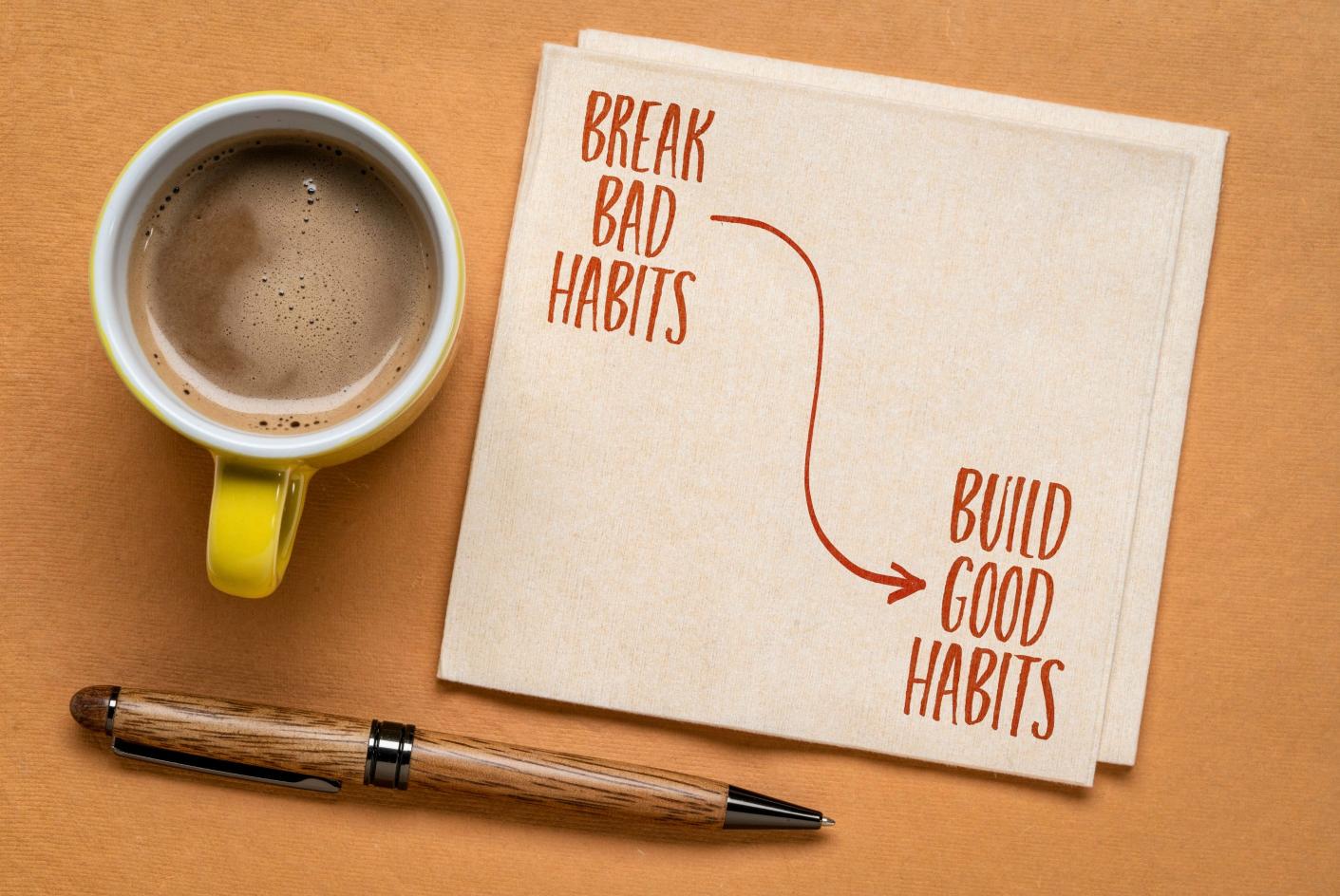
Why habits matter more than motivation
Motivation spikes. It fades. Then vanishes. Habits, on the other hand, operate quietly and persistently. They don’t ask for enthusiasm or perfect conditions—they just run in the background. A 2009 study published in the European Journal of Social Psychology found that, on average, it takes 66 days to form a new habit. Once established, habits take over decision-making, reducing the role of willpower entirely.
Eating and lifestyle behavior are automated responses
Over 40% of daily behaviors are habitual, according to research by Dr. Wendy Wood at the University of Southern California. This includes food choices, meal timing, and snacking patterns. People tend to eat the same breakfast each day without thinking, reach for chips during TV time, or sip coffee at precisely 7:30AM. These aren’t conscious decisions—they’re neural scripts activated by specific cues.
The science of habit formation
Charles Duhigg popularized the concept of the Cue → Routine → Reward loop in his book The Power of Habit. Neuroscience backs it up. A cue (like stress or boredom) triggers a routine (eating cookies, scrolling delivery apps), followed by a reward (dopamine release, momentary pleasure). The loop becomes stronger with repetition, embedding itself deep within basal ganglia circuitry—far below conscious thought.
How to form healthier food habits
- Start small; build consistency: Swap your nightly dessert with fruit 3 days a week. Don’t overhaul everything—anchor the new habit to an existing routine, like having a tangerine after brushing teeth.
- Focus on replacing, not removing: Completely eliminating favorites triggers resistance. Replace soda with flavored sparkling water, fries with roasted sweet potatoes. Keep the satisfaction, shift the substance.
- Link to a happier life: Tie the eating pattern to something emotionally rewarding. Preparing a colorful lunch might mean more energy for afternoon playtime with kids or better focus at work meetings.
- Habits reduce cognitive load and emotional guilt around food: When decisions are scripted, there’s no mental battle. Choosing oatmeal instead of a pastry feels automatic, not sacrificial. No guilt, no overthinking.
The key isn’t to fight old habits with brute force. It’s to reroute them with intention, structure, and minimalist changes that snowball into powerful transformation.
Metabolic Adaptation: Your Body’s Silent Resistance
What Is Metabolic Adaptation?
When the body registers a significant drop in calorie intake, it doesn’t simply shed fat without protest. Instead, it recalibrates by reducing the number of calories it burns. This process—referred to as metabolic adaptation or adaptive thermogenesis—lowers the resting metabolic rate (RMR), making it harder to continue losing weight using the same approach.
The Body’s Natural Defense Mechanism to Weight Loss
This shift isn’t accidental. The brain interprets prolonged calorie restriction as a threat to survival. In response, it signals the endocrine system to preserve energy. More calories are stored, fewer are burned. As a result, the body starts holding on to fat more efficiently—exactly the opposite of the dieter’s intention.
Why Extreme Diets Can Backfire
Drastically cutting calories from day one? That often flips metabolic adaptation into high gear. Data from the Minnesota Starvation Experiment (1944) showed that after weeks of semi-starvation, participants experienced a dramatic drop in RMR—up to 40% in some cases. Today, research supports similar outcomes in rapid weight loss strategies. The body adapts quickly to calorie deficits, slowing down fat loss to preserve long-term energy stores.
Lowered Resting Metabolic Rate
The resting metabolic rate can drop significantly during a diet. According to a 2016 study published in Obesity, contestants from “The Biggest Loser” still had substantially lower RMRs six years after the show ended—some burning 500 fewer calories per day than expected for their body size. Their bodies had recalibrated for scarcity and never switched back.
Hormonal Changes Increasing Hunger
Two key hormones shift during significant weight loss: leptin and ghrelin. Leptin, which suppresses hunger and signals fullness to the brain, decreases as fat is lost. Meanwhile, ghrelin—the hunger hormone—surges higher. A 2011 study in The New England Journal of Medicine showed that even one year after weight loss, ghrelin levels remained elevated, promoting increased appetite and stronger cravings.
The Impact on Energy Levels and Mood
As metabolism slows, energy levels dip. Neurons receive less glucose, workouts feel harder, and fatigue creeps in earlier. In parallel, mood may decline. Reduced leptin and a downshift in thyroid hormone production can leave people feeling flat or irritable. These subtle symptoms often lead to less movement, fewer workouts, and, eventually, calorie intake creeping back up.
Why Sustained Weight Loss Feels Harder Over Time
The initial pounds come off quickly. Then progress stalls. That’s not about lack of discipline—it’s physiology. The body’s slowing engine means the same calorie deficit that once worked barely makes a dent after several weeks or months. Hunger rises, energy sinks, and motivation fades. Every metabolic adjustment stacks the odds against long-term success.
The Solution: Slow, Steady, Informed Changes
Instead of aggressive restrictions, the data points to gradual, measured strategies. A modest daily deficit of 300–500 calories can foster steady fat reduction without triggering severe metabolic compensation. Weight training helps maintain muscle mass, preserving metabolic activity. Refeeds and diet breaks—short periods of calorie normalization—can stabilize leptin and reverse psychological fatigue. With consistent, evidence-based methods, the body adapts more favorably and regains become less likely.
The Hidden Complexity of Caloric Restriction and Energy Balance
Calories in vs. calories out – deceptively simple
The equation seems straightforward: consume fewer calories than your body uses, and the number on the scale will drop. This first-law-of-thermodynamics logic underpins almost every popular diet strategy. And yet, the simplicity vanishes the moment food hits the plate and the body responds. Energy in or out isn’t static—it shifts day to day, hour by hour. Exercise harder, and hunger increases. Cut calories dramatically, and the body conserves fuel by lowering basal metabolic rate.
Weight regulation involves a dynamic, adaptive system. Hormonal adjustments, psychological shifts, and environmental triggers all react in real time to calorie restriction. The result? Plateaued weight loss, increased cravings, and an internal biology that pushes back against continued restriction.
The trap of redefining energy balance as a calorie ledger
Measuring energy balance purely by counting calories ignores how the body defines hunger, stores fat, and signals satiety. A 100-calorie cookie and a 100-calorie handful of almonds produce vastly different effects on insulin levels, gut hormones like GLP-1, and subsequent eating behavior. The content and quality of food matters—macronutrient ratios, fiber, micronutrients, and processing levels all shape the energy equation. Calorie labels can’t capture that.
The diet-industrial complex fuels the obsession
Multi-billion-dollar industries thrive on keeping people fixated on numbers. Packaged foods, apps, digital scales, and wearables all promise control through quantification. The deeper the immersion in calorie counting, the harder it becomes to listen to hunger and fullness cues that actually align with the body’s needs. Restriction becomes moralized; numbers replace instincts.
This obsession doesn’t just drive disordered eating—it also erodes sustainability. Long-term adherence drops off not because of knowledge gaps, but because of decision fatigue, emotional resistance, and the disconnect between externally imposed calorie targets and lived bodily experiences.
Miseducation leads to poor strategies
Public understanding of energy balance often hinges on outdated or misleading narratives. “Eat less, move more” oversimplifies how human metabolism defends against prolonged deficits. The advice ignores the impact of metabolic adaptation, hormonal regulation, sleep, and stress—not to mention how ultra-processed foods hijack reward systems in the brain.
Many turn first to aggressive deficits expecting rapid results. What follows? Muscle loss, energy collapse, chronic hunger, and eventual rebound. Not because bodies are broken, but because strategies were misguided from the start.
One size does not fit all
Energy needs vary wildly based on genetics, lifestyle, and history. Age alters muscle composition and lowers resting metabolic rate. Activity levels shift demands significantly—someone training for a half-marathon will need far more than someone in a sedentary office role. Past diets, rapid weight cycling, hormonal imbalances—all contribute to baseline needs and metabolic flexibility.
- A 25-year-old male with high lean muscle mass burns more at rest than a 55-year-old perimenopausal woman, even at the same weight.
- Someone with a history of yo-yo dieting may experience a metabolic rate lowered by up to 15% compared to a weight-stable individual.
- An active lifestyle adds not just calorie burn, but improved insulin sensitivity and appetite regulation—not captured in calorie charts.
Without understanding these variables, many underestimate their requirements or adopt unrealistic targets. The result isn’t just stalled fat loss—it’s frustration, guilt, and abandonment of the effort altogether.
Emotional Eating and Stress: The Silent Saboteurs of Diets
When Emotions Drive the Fork
Food delivers more than nutrients—it offers refuge, escape, and sometimes, a sense of control. Emotional eating happens when psychological triggers override physical hunger. Instead of reaching for food because the body demands energy, people often eat to self-soothe, numb discomfort, or navigate boredom, sadness, or anxiety. This behavior doesn’t arise from weakness; it’s a learned coping mechanism formed over years of associating certain foods with emotional relief.
Comfort, Control, and the Distraction Effect
Ice cream after heartbreak. Chips during a stressful workday. Cookies when the silence feels too loud. These patterns are predictable because they work—temporarily. Food delivers a quick dopamine hit that disrupts uncomfortable emotions. At the same time, it creates an illusion of control in moments when life feels unmanageable. This push-and-pull—relief followed by guilt—strengthens the emotional eating loop with every rotation.
Stress Doesn’t Just Influence Choices—It Rewires Responses
Chronic stress transforms the brain’s reward circuitry and alters decision-making. It reduces the activity in the prefrontal cortex, the part responsible for impulse control and forward planning, and increases activation in the amygdala, which governs fear and emotional reactivity. Under stress, the body defaults to survival mode, prioritizing immediate comfort over long-term goals.
The Hormonal Catalyst: Cortisol
During times of stress, the adrenal glands release cortisol—a hormone with wide-reaching effects. Cortisol raises blood glucose, suppresses digestion, and increases appetite, particularly for hyperpalatable foods high in sugar and fat. Studies consistently link elevated cortisol levels to a higher intake of calorie-dense comfort foods. In a 2011 research study published in Psychoneuroendocrinology, participants exposed to stress consumed significantly more snack-type foods compared to a control group.
Mindful Eating: Slowing Down the Cycle
Instead of distraction or control, mindful eating introduces presence. It involves tuning in to the sensory experience of eating—sights, textures, smells, flavors—and noticing hunger and satiety cues without judgment. By breaking the autopilot response, mindfulness disrupts habitual emotional eating loops and helps rebuild a healthy relationship with food.
Awareness-Based Practices That Interrupt the Pattern
- Emotion-labeling: Naming the specific emotion driving the urge to eat, such as loneliness or frustration, reduces its intensity and creates space for alternative coping actions.
- Breath-based anchors: Taking just five deep, intentional breaths resets the nervous system and increases prefrontal cortex activity, supporting better choices under stress.
- Journaling triggers: Writing down what happened before the urge to eat hit can unveil subconscious patterns and highlight non-food needs, like rest or social connection.
- Urge surfing: Observing food cravings as physical sensations that rise, peak, and fade—much like ocean waves—empowers individuals to respond rather than react.
Emotional eating doesn’t result from a lack of willpower—it reflects unmet emotional needs. Redirecting attention to those needs, in real time, makes long-term dietary change possible without self-punishment or deprivation.
Diet Culture and Unrealistic Expectations
The Fantasy of the “Ideal Body”
Scroll through any platform—Instagram, TikTok, even health magazines—and you’ll find a hyper-polished version of fitness. Sculpted abs, airbrushed skin, “before and after” transformations with exaggerated contrast. This is diet culture’s loudest message: your worth correlates with your waistline.
Behind it sits a lucrative industry. In 2023, the global weight management market exceeded $250 billion in value, according to Statista. The drivers? Detox teas, “miracle” supplements, fad diets, body contouring, and aggressive fitness regimens. Yet results are often temporary. Most commercial diet programs can’t offer sustainability because they aren’t designed for it.
Unrealistic body standards aren’t just unattainable—they’re fabricated. Images are edited, lighting is stage-controlled, and the people featured often represent a genetic minority. Add relentless messaging from entertainment and fashion industries, and body dissatisfaction becomes widespread. Among teenage girls, over 70% report body image concerns, according to a 2022 survey by the Dove Self-Esteem Project.
The Countdown Mentality: “30 Days to Slim”
Fast results sell. That’s why diets are so often packaged in time-limited challenges—Whole30, 21-day cleanses, 75 Hard. These programs feed a ‘countdown’ mindset: suffer now, enjoy later. The problem? Bodies don’t operate on marketing timelines.
Physiological adaptations don’t erase themselves in a month. For example, once caloric intake is heavily restricted, resting metabolic rate (RMR) can drop by as much as 15% compared to baseline, according to research in The American Journal of Clinical Nutrition. This doesn’t reverse the moment a “diet” ends. Instead, it triggers weight regain—often with added fat storage as a biological safeguard.
The pressure to transform quickly distorts expectations. When progress isn’t instant or dramatic, motivation collapses. Diets fail not because of non-compliance, but because they were never aligned with how real bodies behave in real time.
Short-Term Fixes Undermine Long-Term Health
Crash dieting, juice cleanses, severe carb-cutting—they might drop pounds, but the cost is metabolic disruption and nutrient imbalance. A 2021 study in Obesity Reviews found that weight lost rapidly through extreme protocols has a 70–80% chance of being regained within five years.
What these methods often overlook: the compounding benefits of slow, sustainable changes. Improved insulin sensitivity. Enhanced mood. More stable energy levels. These aren’t flashy. They don’t come with before-and-after pictures. But they shift the health trajectory far more effectively than any “#ShredChallenge” ever will.
Rethinking Success: Beyond the Scale
By fixating on the scale alone, diet culture erases other, more meaningful metrics of success. How did you sleep last week? Are your energy levels more stable? Has your mood improved? Fewer cravings? Less brain fog? These markers matter.
Imagine redefining progress. One person ditches midnight snacking and gains deeper sleep. Another feels more focused after swapping processed snacks for real food. Neither might see the number go down, but both have experienced measurable improvement.
Sustainable health isn’t about shrinking. It’s about upgrading your day-to-day quality of life. More comfort in your clothes. More mental clarity in meetings. More strength climbing stairs. If the only definition of success is pounds lost, failure becomes inevitable. But when the definition expands, so do the wins.
Why Diets Don’t Stick: The Real Story Behind Long-Term Adherence
Crash and Burn: When Most Diets Die Out
By the end of week six, most diets have already failed. Data from the International Food Information Council shows that only 12% of people manage to maintain a specific diet for longer than three months. The drop-off starts around week three and steepens sharply after week five. What goes wrong?
The answer isn’t mystery or lack of knowledge. It’s repetition without reward, strategies without satisfaction. Most diet plans ignore enjoyment — meals become bland routines rather than something to look forward to. Layer that with rigid rules and zero flexibility, and motivation unravels fast.
The Joy Deficit: No Flexibility, No Future
Rigid diets rely on sacrifice. No carbs, no sweets, no meals out with friends. But humans aren’t wired to comply with restriction indefinitely. A study in the journal Appetite (2013) found that dietary restraint can significantly increase cravings and binge eating, especially when the diet feels externally imposed.
Plans that ban favorite foods or forbid spontaneous eating sabotage adherence from the start. Flexibility fosters sustainability — not just nutritionally, but socially and emotionally. Swapping out “cheat days” for a more open, intuitive approach prevents that all-or-nothing mindset from setting in.
The Power of “Why”: Intrinsic Motivation Drives Persistence
What pulls someone back to their goals after a rough day, a broken routine, or a holiday dinner? External rewards rarely carry enough weight. Intrinsic motivation — the deeply personal reasons that fuel behavior — determines whether a lifestyle change sticks.
When the motivation is tied to numbers on a scale or societal pressure, results stay short-lived. But when eating well becomes about showing up with more energy at work, being active in your child’s life, or reducing chronic pain, adherence takes on a different dimension.
- A parent choosing meals that support focus and presence with their kids.
- An artist fueling creativity by avoiding the crash and fog of processed food.
- Someone in recovery using nutrition to regulate mood and increase resilience.
These values-oriented shifts aren’t minor. They trigger behavioral persistence even when progress plateaus.
From Quick Fix to Permanent Shift: Redefining “Success”
Sustainable approaches don’t chase drastic weight loss. They target small, structural changes integrated into daily life — changes that don’t remove joy or connection. Going for 80% consistency, instead of 100% perfection, leaves room for error without spiraling into guilt or abandonment of the plan.
This shift in thinking — from sacrifice to alignment, from punishment to purpose — changes everything. Diets seen as temporary suffering lose traction fast. But when food choices feel like steps toward a better quality of life, they stick for the long haul.
Reflection Prompt:
Consider this: what matters most to you beyond the number on the scale? How does the way you eat support or block that?
What’s Really Going On in Your Head? The Psychology Behind Weight Loss Struggles
When Identity Becomes the Invisible Barrier
Your perception of who you are dictates how you behave. If the internal narrative says, “I’ve always been the overweight one,” then losing weight becomes more than a physical challenge—it becomes a threat to identity. The brain, wired for consistency, resists that change. This self-concept silently undermines efforts, no matter how strong the initial motivation feels.
Shifts in behavior that go against identity create discomfort. The mind seeks alignment. So if actions don’t match beliefs, either the actions stop, or the beliefs must change. For weight loss to stick, identity must evolve first.
Self-Sabotage Isn’t a Flaw—It’s a Pattern
Self-sabotaging behaviors usually show up right after progress. One missed workout turns into a skipped week. One indulgent meal becomes a weekend binge. This isn’t random—it’s rooted in subconscious resistance to success. Familiar struggles feel safer than unfamiliar victories.
- Fear of success: Losing weight might mean facing other challenges—dating, career changes, or vulnerability. Self-sabotage delays those confrontations.
- Fear of failure: Subconsciously quitting first can feel like protection from future disappointment.
- Lack of emotional tolerance: Excess stress, even from “good” pressure, can trigger the urge to quit.
How Beliefs Shape Consistency
What you believe about your discipline, body, or worth will shape every decision. “I’m not consistent” becomes a self-fulfilling prophecy. Beliefs drive interpretation. Did you break your diet, or was it a moment of learning? The meaning you choose either builds momentum or shatters it.
Internal dialogue matters more than strategy. Saying “I always give up” builds the habit of quitting. Replacing it with “I resume quickly” trains the brain to normalize failure and persistence in the same breath.
The Trap of All-or-Nothing Thinking
This mindset turns imperfection into collapse. You eat one slice of cake, so the whole day’s “ruined.” You miss a workout and suddenly skip the week. All-or-nothing thinking converts minor deviations into full disengagement. Progress can’t survive in those extremes.
Consistency thrives in the grey. Accepting variable effort, adjusting plans on the fly, and embracing small wins allow sustainable progress. Perfection, on the other hand, destroys routines when real life intervenes.
Perfectionism Isn’t Precision—It’s Paralysis
High standards don’t improve outcomes when they’re based on fear. Perfectionism masks fear of criticism, inadequacy, and visibility. What looks like “dedication” is often just avoidance wrapped in structure. If you’re waiting for the perfect plan, perfect start, or perfect grocery haul—you’re delaying momentum.
Behavior change doesn’t reward flawless effort. It rewards frequency. Choosing action over ideal conditions accelerates results.
Rewiring the Mind: What Actually Works
Lasting change happens by altering thought patterns, not just meal plans. Cognitive restructuring—challenging distorted beliefs—and narrative reframing—viewing struggles as data points—build resilience. These are not just therapeutic techniques; they’re performance tools.
Practicing self-efficacy, or the belief that your efforts produce outcomes, increases follow-through. Journaling evidence of effort, tracking emotional responses to routines, and celebrating repetitions reinforce that change is occurring—regardless of visible outcomes.
Why Growth Mindset Beats Discipline Every Time
People with a fixed mindset interpret setbacks as signs of inadequacy. Those with a growth mindset view setbacks as invitations to adapt. The difference isn’t in willpower—it’s in narrative. Weight loss isn’t linear. Bodies plateau, routines get disrupted, and motivation fluctuates. The ability to adjust defines success.
- Shift from outcome to identity: “I work out because I value energy,” not “because I want abs.”
- Focus on actions, not mistakes: Ask “What did I learn?” not “Why did I fail?”
- Decouple effort from shame: Missing one day doesn’t erase the effort of eight weeks.
The psychology behind weight loss isn’t linear or logical. But it is observable, trainable, and built for iteration. Change the story, and the habits follow.