
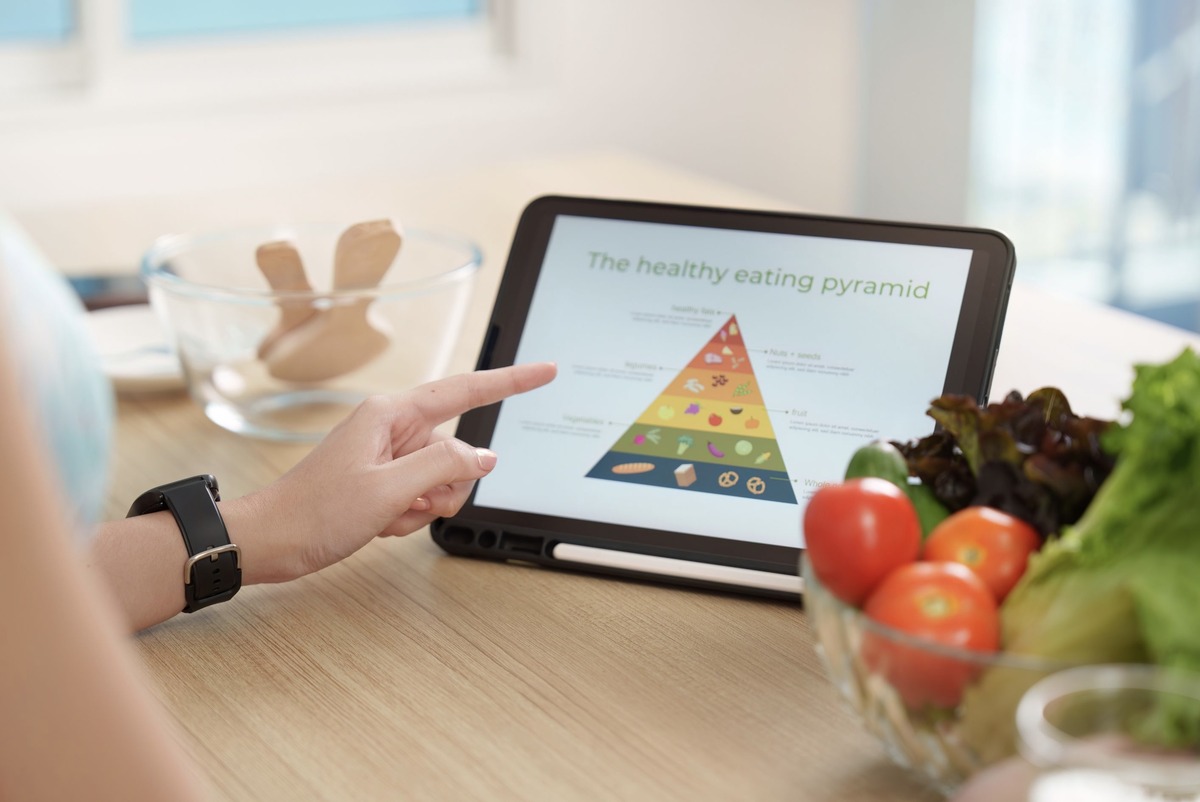
When Robert F. Kennedy Jr.—a U.S. presidential candidate known for his environmental advocacy and unconventional takes on science—recently unveiled his version of a national food pyramid, it instantly sparked debate. The pyramid, designed to reshape how Americans eat, places heavy emphasis on animal-based products while discouraging consumption of grains and legumes. Bold? Absolutely. Scientifically sound? That’s where things get complicated.
Across the United States, India, and among global nutrition circles, RFK Jr.’s pyramid is making waves. Why? Because food guidelines influence everything from school lunches to national dietary policies, and they directly impact everyday decisions that shape our health, energy levels, weight management, and risk of chronic illnesses. When public figures introduce unconventional health advice, it matters—perhaps more than we initially realise.
Through Claudia’s Concept, I’ve worked with countless individuals to rebuild their health using time-tested nutritional science. And as a nutritionist who believes in personalization backed by clinical evidence, I can say with confidence: health experts are now voicing serious concerns around the scientific integrity of RFK Jr.’s pyramid. Let’s look at why.
A Closer Look: Inside RFK Jr.’s Controversial Food Pyramid
Deconstructing the Tiers: What the Pyramid Actually Promotes
RFK Jr.’s proposed food pyramid flips conventional nutrition advice on its head. At the broad base of the pyramid—traditionally where grains, fruits, and vegetables are found—he places animal-based foods. Think red meats, full-fat dairy, eggs, and organ meats. These are followed by select vegetables and fruits further up the pyramid, indicating more restricted inclusion. At the narrow apex, instead of sugars or ultra-processed snacks, RFK Jr. places whole grains, legumes, and many plant-based foods, implying they should be eaten sparingly—if at all.
In stark contrast to the USDA’s MyPlate or the earlier food pyramid models, which prioritize plant diversity and grain consumption, RFK Jr.’s structure makes bold claims by shifting meat and saturated fat into the spotlight and shoving fiber-rich, plant-based staples into the background. Any wellness enthusiast or practitioner trained in evidence-based guidelines will immediately notice the disconnect.
High Praise for Saturated Fats and Meat-Based Eating
The pyramid’s foundation glorifies animal fats, particularly from ruminant animals like cows, lambs, and buffalo. Butter, tallow, and full-fat cheese take center stage. Muscle meats and organ meats are promoted as ideal protein sources, not just occasionally, but daily. There’s a marked celebration of ancestral diets here—with an emphasis on what proponents claim humans are “biologically adapted” to eat.
Does this sound oddly familiar? It aligns closely with the carnivore diet model—a plan well-known in niche circles, but one that lacks support from institutions like the World Health Organization, the American Heart Association, and the Indian Dietetic Association. These bodies recommend keeping saturated fat below 10% of total caloric intake, based on decades of peer-reviewed cardiovascular research including findings from the Framingham Heart Study and the Seven Countries Study.
The Low Ranking of Grains, Legumes, and Some Fruits
Whole grains like brown rice, quinoa, millets, and legumes such as lentils, chickpeas, and beans—deeply ingrained in traditional Indian diets—are effectively discouraged. In RFK Jr.’s view, these plant foods are either unnecessary or harmful due to anti-nutrients like lectins and phytates. However, thousands of studies, including large-scale meta-analyses such as the Global Burden of Disease Study 2017, connect a high intake of whole grains with reduced risk of coronary heart disease, type 2 diabetes, and colorectal cancer.
Fruits don’t fare much better. Bananas, mangoes, and grapes—rich in natural sugars and vital polyphenols—are deprioritized. Only low-sugar fruits like berries or green apples are encouraged, raising questions about whether nutrient density or carb fear is driving this hierarchy.
Where RFK Jr.’s Pyramid Clashes with Mainstream Dietary Guidelines
Unlike the USDA’s MyPlate, which promotes a balance of fruits, vegetables, proteins, grains, and healthy fats—as well as the Indian National Institute of Nutrition’s “Balanced Diet” guideline, which highlights pulses, cereals, and dairy in everyday intake—RFK Jr.’s model isolates animal-based food groups as the primary source of nourishment, placing fiber, diverse phytonutrients, and plant-based protein sources out of reach.
From a structured viewpoint, his suggested ratio of macronutrients vastly favors fat and protein while minimizing complex carbohydrates. This might result in short-term weight loss, but one must question the long-term cardiometabolic and microbiota impact.
At Claudia’s Concept, my approach to nutrition is always science-first but also practical. Any lifestyle recommendation needs to honor sustainability, cultural applicability, and metabolic balance. Diets that ignore fiber, marginalize plant diversity, or reverse decades of nutritional epidemiology need more than anecdotal justification.
Nutritional Science Says Otherwise: What the Evidence Shows
Balancing Macronutrients Is Non-Negotiable
Nutrition is not about extremes. It’s about balance and synergy. Every macronutrient—carbohydrates, proteins, and fats—plays a critical role in maintaining human health. Yet, RFK Jr.’s new food pyramid heavily downplays the role of complex carbohydrates and appears to favor animal-based proteins and fats. This isn’t aligned with what modern nutritional science confirms through rigorous, peer-reviewed research.
According to the Dietary Guidelines for Americans 2020-2025, 45–65% of daily caloric intake should come from carbohydrates—primarily from whole sources like fruits, vegetables, legumes, and whole grains. Carbohydrates are not only the body’s preferred source of energy but are also essential for brain function. Proteins are vital, yes, but not as an exclusive core of a diet. At Claudia’s Concept, we emphasize a balanced macronutrient intake tailored to individual metabolic needs. A one-dimensional food pyramid goes against this fundamental principle.
Whole Grains and Plant-Based Fiber Help Regulate Blood Sugar
One of the key missteps in the revised food pyramid is the minimized role of fiber-rich, plant-based foods. Fiber is not optional. It plays a decisive part in stabilizing blood glucose, supporting gut microbiota, and promoting satiety—all critical in preventing metabolic disorders.
Harvard’s School of Public Health supports that high-fiber diets—specifically those rich in whole grains like oats, barley, quinoa, and brown rice—reduce the risk of Type 2 diabetes by up to 30%. Why? Because fiber slows down digestion, allowing sugars to be absorbed more gradually, preventing insulin spikes. In contrast, low-fiber diets often trigger accelerated glucose absorption, setting the stage for insulin resistance over time.
Including lentils, chickpeas, apples, and vegetables isn’t just a lifestyle trend—it’s foundational science. These foods are packed with soluble and insoluble fibers, phytochemicals, and essential nutrients that foster digestive resilience. At Claudia’s Concept, we build diets that work with your body’s natural glycemic rhythms—never against them.
Diversified Diets Lead to Stronger, More Resilient Bodies
No one food group offers everything the body needs to thrive. Nutritional science consistently highlights the importance of variety—not just for nutrient adequacy but also for microbiome diversity, immune modulation, and chronic disease prevention.
A 2022 study published in Nature Medicineanalyzed dietary patterns across over 11,000 participants and found that those who consumed at least 30 different plant-based foods per week had a richer and more diverse gut microbiome. This directly correlates to a lowered risk for cardiovascular disease, certain cancers, and inflammatory conditions such as IBS and rheumatoid arthritis.
Monotony in a diet, especially one that favors animal-derived proteins and saturated fats, limits micronutrient variety and phytochemical bioavailability. Why eliminate fruits, legumes, and whole grains when they bring antioxidant, anti-inflammatory, and protective benefits? Nutritional science affirms that dietary diversity is a cornerstone of preventive health—there’s simply no substitute.
So ask yourself: Does your diet celebrate variety, or does it restrict it? Food fuels life, but only if it’s the right mix, sourced from wholesome, diverse origins. That’s the ethos we live and breathe at Claudia’s Concept.
Health Experts Raise Red Flags on RFK Jr.’s Food Pyramid
Registered Dietitians Aren’t Holding Back
RFK Jr.’s revised food pyramid has taken center stage in the nutrition world—but not for the right reasons. Across the board, registered dietitians and certified nutritionists are calling it unbalanced, outdated, and nutritionally misleading. The most persistent critique? Its noticeable exclusion or diminished role of plant-based foods, which modern science shows are essential to preventing some of the most prevalent health conditions today. At Claudia’s Concept, we encourage nutrition that aligns with evidence-based research, not ideology or trends.
The Plant-Based Oversight: A Step Backward
Several large cohort studies have shown that higher intake of whole plant foods—like vegetables, legumes, whole grains, fruits, nuts, and seeds—correlates with reduced mortality and a lower incidence of chronic diseases. In particular, a 2020 study from the Journal of the American College of Cardiology found that a higher adherence to a healthy plant-based diet lowered coronary heart disease risk by 25%. When such foundational foods are downplayed or removed entirely from public dietary guidance, the outcomes can ripple through public health and nutrition education.
As expert nutritionist Dr. David Katz put it succinctly: “Favoring animal-based foods over plants ignores decades of rock-solid data that point to precisely the opposite recommendation.” This isn’t just a matter of preference—it’s a matter of disease prevention, longevity, and overall vitality. That’s why, in the philosophy behind Claudia’s Concept, the plant kingdom is an indispensable part of daily nutrition.
Reviving Misinformation in a Time of Clarity
Another major concern among health experts is the promotion of dietary models rooted in misinformation. The pyramid in question appears to recycle nutrition dogmas from the early 2000s—a time when certain high-fat and high-protein diets were trendy but lacked broad scientific backing. What we’ve learned since, thanks to rigorous meta-analyses and longitudinal studies, has reshaped our understanding. Today, nutritional science values diversity on the plate and balance in macronutrient distribution.
Dr. Marion Nestle, a professor emerita of nutrition at NYU and one of the world’s most respected voices in the field, recently stated: “To ignore decades of peer-reviewed science in favor of ideology-based food recommendations is not only irresponsible—it’s dangerous.” That sentiment is echoed consistently by practitioners who prioritize public health over personal beliefs.
Experts Advocate for Evidence, Not Extremes
- Flexibility over rigidity: Most credible dietary guidelines—including those embraced by Claudia’s Concept—allow for personal adaptation based on health goals, lifestyle, and cultural factors. RFK Jr.’s plan, by contrast, promotes a rigid structure with narrow food choices.
- Lack of variety: The more restrictive a dietary pattern becomes, the more likely it is to miss essential nutrients. Without legumes, whole grains, or fruits in significant amounts, a host of deficiencies may emerge over time.
- Public confusion: With contradicting messages from influencers and political figures, experts worry about people developing an unhealthy relationship with food. Registered Dietitian Alissa Rumsey observed, “When dietary advice skips scientific vetting, confusion and fear-based eating rise.”
Following a food philosophy grounded in decades of human clinical trials, population data, and nutritional biochemistry leads to stronger outcomes. That’s the path we stay committed to at Claudia’s Concept—where science drives the story, not sensationalism.
Processed vs. Whole Foods: A Conflicted Message in RFK Jr.’s New Food Pyramid
Are We Really Moving Away From Processed Foods?
You might expect any modern food guideline to take a strong stand against processed foods, especially ultra-processed varieties loaded with sodium, saturated fats, and chemical additives. But under RFK Jr.’s proposed food pyramid, the messaging around processed vs. whole foods feels ambiguous at best. While there’s some emphasis on whole, natural ingredients, the prominence of processed meats and high-fat animal products sends mixed signals—and that’s confusing for anyone trying to make better choices at the grocery store.
Let’s be clear: consuming high amounts of heavily processed foods, especially meats like sausages, bacon, and deli slices, increases the risk of several chronic illnesses. The World Health Organization has classified processed meats as Group 1 carcinogens—placing them in the same category as tobacco in terms of cancer risk.
The Health Risks Behind the Deli Counter
Processed meats contain nitrites and nitrates, which under certain conditions can produce carcinogenic compounds in the body. A landmark 2015 report by the International Agency for Research on Cancer found that eating just 50 grams of processed meat per day—around four bacon strips—increases colorectal cancer risk by 18%. That’s not simply correlation; it’s conclusive data backed by years of meta-analyses and controlled studies.
Beyond cancer risk, diets high in saturated fats from animal sources, such as fatty cuts of beef and full-fat dairy, are directly associated with elevated LDL cholesterol. This leads to a higher likelihood of arterial plaque formation, hypertension, and ultimately cardiovascular disease. Cardiologist Dr. Kim Williams, a vocal advocate for plant-focused diets, highlights that “a whole-food, plant-based diet can reverse arterial damage, something no medication alone can consistently achieve.”
India’s Plant-Based Wisdom Shows a Healthier Path
Take a moment to consider India, a country where large demographics follow a predominantly plant-based diet, deeply rooted in cultural and spiritual traditions. In rural regions where traditional Indian meals consist of lentils, whole grains, vegetables, and minimal oil, the incidence of heart disease and certain cancers remains significantly lower than in populations following Western, meat-heavy diets. The PURE study (Prospective Urban Rural Epidemiology Study), published in The Lancet in 2017, found that higher intakes of fruits, vegetables, and legumes were associated with a lower risk of mortality across 18 countries—including India.
At Claudia’s Concept, I always guide my clients toward building meals around whole, unprocessed foods—legumes, seasonal vegetables, whole grains, nuts, and seeds. These aren’t just filler options; they’re nutrient-dense powerhouses that support metabolic health, digestive strength, and long-term immunity. When your plate is vibrant and plant-forward, your vitality reflects that choice.
Mixed Signals Undermine Clear Nutrition Messaging
The issue with RFK Jr.’s food pyramid isn’t just in what it includes. It’s also in what it downplays or sidelines. By not clearly separating whole foods from processed ones—and by giving undue emphasis to animal-based saturated fats—the pyramid blurs the nutritional boundaries that decades of research have already defined.
So ask yourself: Is this pyramid guiding us forward, or is it inadvertently pulling our health compass off course? Empower yourself with science, not slogans. Your body will thank you for it. And yes, at Claudia’s Concept, we always lead with the science—never the trend.
Animal-Based Diet Emphasis: What’s the Risk?
Are Animal-Based Diets Actually Superior?
You’ve probably heard the bold claim—animal-based diets are back, and according to RFK Jr.’s food pyramid, they belong at the base of your daily intake. But let’s pause and examine that. The assertion that meat, eggs, and dairy should dominate your plate clashes with decades of nutritional research. Prioritizing these foods at the core of your diet ups the intake of saturated fat and cholesterol, which have strong correlations with chronic health conditions.
To put things into perspective, a 2020 systemic review published in the British Medical Journal found strong evidence linking high intakes of red and processed meat to increased risk of heart disease, stroke, and type 2 diabetes. That’s not an opinion—that’s peer-reviewed science speaking loudly.
Cardiovascular Health: What the Data Really Tells Us
When saturated fats go up in the diet, so does LDL cholesterol. This isn’t hypothetical. The American Heart Association has consistently demonstrated that diets high in saturated fats—commonly found in red meats and full-fat dairy—increase LDL cholesterol levels, which in turn elevate the risk of atherosclerosis and heart attacks.
Under Claudia’s Concept, we always ask: what’s the long-term effect of dietary changes, not just the trendy short-term gains? Diets overly rich in animal products offer quick protein and iron, yes—but they also come at the cost of increased cardiovascular burden if not balanced correctly. This is particularly true in populations over 40, where metabolic risk factors start compounding.
Weight Management and Blood Pressure: The Hidden Cost
There’s also the illusion that an animal-heavy diet promotes effortless weight loss. While it’s true that high-protein, low-carb diets can initiate rapid water loss and reduce appetite temporarily, they aren’t necessarily superior for long-term fat loss. A randomized trial published in The New England Journal of Medicine tracked participants over two years and found no significant weight loss difference between low-fat, low-carb, or Mediterranean-style diets—what mattered most was adherence and overall calorie intake.
Blood pressure doesn’t benefit either. High consumption of red meat has been tied to elevated systolic blood pressure due to excess sodium, saturated fats, and in some cases, hormonal residues found in non-organic meat sources.
Let’s Not Ignore Sustainability
Animal-based eating takes a toll not just on the body, but also on the planet—something RFK Jr.’s model curiously omits. FAO data shows that the livestock sector generates 14.5% of global greenhouse gas emissions. Compare that to plant-based agriculture, which requires dramatically less land, water, and emits fewer greenhouse gases. From an environmental nutrition lens—a core principle at Claudia’s Concept—the pyramid starts to crumble quickly when sustainability data is factored in.
Ask yourself this: is a system truly healthy if it optimizes for individual nutrients but compromises ecological balance?
What Should Take Center Stage Instead?
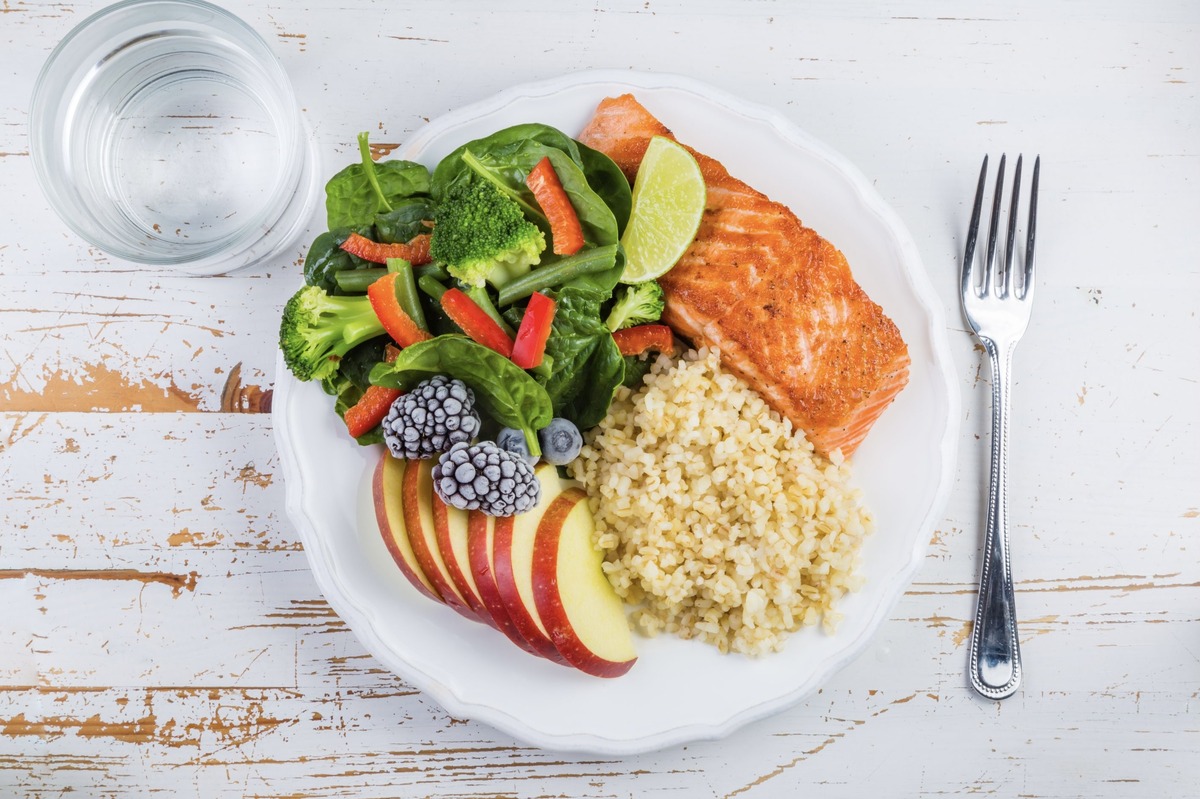
We talk a lot at Claudia’s Concept about plant-forward eating. Not vegan, not radical—just balanced. A diverse intake of legumes, nuts, leafy greens, whole grains and moderate, mindful consumption of animal proteins. That balance ensures your micronutrient needs are met, inflammation remains minimal, and your cardiovascular system is supported, all while contributing to a sustainable global food ecosystem.
So while RFK Jr.’s pyramid may look bold on paper, its heavy emphasis on animal products overlooks both biological risks and environmental impact. There’s a smarter way to nourish, and it’s grounded in good science and better planetary empathy.
Where’s the Science? Exposing the Lack of Consensus Behind RFK Jr.’s Food Pyramid
The Scientific Community Isn’t Behind It
When discussing any wide-reaching dietary guideline—especially one as boldly marketed as RFK Jr.’s new food pyramid—the very first question I always ask is: What does the science say? In this case, the answer is loud and clear: There’s no broad scientific consensus supporting it. At Claudia’s Concept, we prioritize evidence-driven nutrition, and this model simply doesn’t align with what global data and peer-reviewed studies have consistently shown.
What Do Meta-Analyses and Population Studies Reveal?
Let’s go beyond personal experiences or isolated observations. When we examine comprehensive meta-analyses and large-scale longitudinal studies—the gold standard in nutritional research—the food pyramid proposed by RFK Jr. falls short. For example, a 2021 meta-analysis published in The Lancet reviewed dietary intake patterns of over 4.5 million individuals across multiple countries. The findings? Diets high in whole grains, legumes, fruits, and vegetables were consistently linked to lower risks of all-cause mortality and chronic diseases, including cardiovascular conditions and type 2 diabetes.
Now contrast that with RFK Jr.’s model, which gives disproportionate weight to animal products and virtually sidelines plant-based diversity. This is not just a minor deviation—it’s a direct clash with extensively documented nutritional outcomes.
Journal-Reviewed Evidence Over Personal Belief
One of the most important principles I promote at Claudia’s Concept is making decisions based on replicated results, not isolated cases. Anecdotal endorsements, no matter how passionate, cannot replace decades of objective research. Take for instance the Harvard T.H. Chan School of Public Health’s comprehensive dietary guidelines, which are based on repeated cohort studies involving more than 100,000 participants. These guidelines emphasize the importance of:
- minimizing red and processed meats;
- consuming healthy fats like those found in nuts and olive oil;
- choosing whole over refined grains;
- and limiting intake of high-fat dairy.
All four of these recommendations are inversely prioritized—or entirely missing—in RFK Jr.’s pyramid. That difference matters. These aren’t theoretical ideas—they’re backed by decades of empirical data showing improved long-term health outcomes.
Real Health, Real Evidence
Still wondering how much stock to place in anecdote-based guidelines? Let’s look at a real-world example. The EPIC study (European Prospective Investigation into Cancer and Nutrition), which has followed over half a million individuals from 10 European countries for 25+ years, consistently concludes that diets rich in plant-based foods—particularly legumes, whole grains, and fruits—are protective against various forms of cancer and cardiovascular disease.
And yet, those very food groups take a backseat in RFK Jr.’s system. That’s not a difference in philosophy, it’s a discrepancy with measurable health consequences. At Claudia’s Concept, we side with robust, reproducible studies—not short-term trends or polarizing dietary ideologies.
So when evaluating a new food model, especially one with national visibility, ask yourself: is this supported by high-quality research? If not, we need to question whether it serves public health—or just personal agendas.
Chronic Disease Prevention: Ignored or Misunderstood?
When we talk about diet, we’re not just discussing aesthetics—flat bellies and glowing skin—though those are great results. We’re addressing the foundation of long-term health. And this is precisely where RFK Jr.’s new food pyramid falls worryingly short. Chronic disease prevention requires more than low-carb mantras and icons of protein; it needs a precise, evidence-based approach that reflects the complex relationship between diet and disease.
The Mounting Burden of Non-Communicable Diseases
Non-communicable diseases—think type 2 diabetes, cardiovascular issues, and hypertension—now account for over 70% of global deaths according to the World Health Organization. A major driver? Poor dietary choices that are heavily influenced by public health guidelines. That’s why the design of food pyramids matters. One misleading structure can shape millions of meals.
In both the U.S. and India, the diabetes epidemic illustrates this concern in stark numbers. In the United States, the CDC reports that 11.6% of the population has diabetes; in India, that figure is over 11% among adults, according to a 2023 ICMR study. These rates are climbing, not falling. Why? Because guidance that understates the power of dietary fiber, or overstates the benefits of high-fat protocols, can derail metabolic health fast.
The Fiber Factor: More Than a Digestive Aid
Let’s clarify a key oversight. A healthy gut isn’t just about bathroom regularity—fiber plays pivotal roles in preventing insulin resistance, modulating cholesterol, and even aiding in weight control. Soluble fibers slow digestion and blunt blood sugar spikes. According to a 2019 study published in The Lancet, people consuming high-fiber diets (25–29 grams per day) had 15–30% lower rates of type 2 diabetes, cardiovascular mortality, and colorectal cancer compared to those with low fiber intake.
Yet RFK Jr.’s revised pyramid sidelines these critical plant-based components in favor of high-saturated-fat animal products—foods largely devoid of fiber. That’s not just unbalanced; it’s regressive. At Claudia’s Concept, we structure meal plans that elevate naturally high-fiber foods like legumes, vegetables, and whole grains—not just for digestion, but for full-spectrum disease prevention.
High-Fat, Low-Carb Diets: Challenging the Trend
There’s been a wave of enthusiasm around low-carb, high-fat (LCHF) diets, but enthusiasm isn’t evidence. While these approaches can lead to short-term weight loss, most peer-reviewed research contradicts their effectiveness in preventing chronic disease long term—especially for ethnically diverse populations like those in India and the U.S., who have different metabolic responses to saturated fats and refined carbs.
- A 2020 meta-analysis in JAMA Internal Medicine evaluated multiple diet interventions and highlighted that diets rich in whole carbohydrates and low in saturated fat were associated with the greatest cardiovascular benefit.
- For populations genetically predisposed to insulin resistance—like South Asians—moderate carbohydrate, high-fiber diets have consistently outperformed ketogenic strategies in real-world, community-based studies.
So when RFK Jr.’s pyramid leans heavily into LCHF territory without accounting for ethnicity-specific data or gut-health fundamentals, it’s more than just unconventional—it becomes inaccurate.
Why It Matters for Future Health
When shaping nutritional education, we’ve got to ask hard questions: Are these guidelines equipping people to avoid preventable illnesses, or are they creating confusion around what health truly requires?
At Claudia’s Concept, we’re consistently working to align lifestyle and nutrition coaching with hard science. Chronic disease isn’t just a personal problem—it’s a societal one. And no food pyramid that ignores the nutritional underpinnings of health—especially the role of fiber, plant diversity, and smart glycemic loads—can claim to be in service of the public good.
U.S. vs. India: Guideline Contrast Across Continents
Different Continents, Different Dietary Frameworks
When Robert F. Kennedy Jr.’s food pyramid proposal is set against existing dietary recommendations from established health bodies in both the United States and India, the contrast becomes glaring. The divergence is not just in nutritional structure, but also in public health priorities and cultural alignment. At Claudia’s Concept, we always emphasize the importance of grounding nutrition in both science and cultural sensibility. So, how do these two countries compare?
A Closer Look at U.S. and Indian Nutrition Guidelines
The U.S. follows the Dietary Guidelines for Americans, updated every five years by the USDA and HHS. These guidelines recommend a balance built around a variety of vegetables, fruits, whole grains, low- or fat-free dairy, lean proteins, and oils—while limiting added sugars, saturated fat, and sodium.
India, on the other hand, relies on the Dietary Guidelines for Indians developed by the National Institute of Nutrition, ICMR. The Indian guidelines encourage consumption of cereals (preferably whole grain), pulses, milk, vegetables, and fruits, tailored to regional eating habits and often plant-forward by default. Dairy is emphasized for calcium but moderated, and ghee or refined oils are recommended in measured amounts, never in excess.
- S. pyramid: Built more on quantity control—”how much” to eat from each group.
- Indian guidelines: Focus on biodiversity and food variety across seasons and regions.
- RFK Jr.’s pyramid: Emphasizes animal-based foods and minimizes grains and legumes, which starkly contrasts both frameworks above.
Dietary Disease Trends Show the Results
The impact of these dietary models is visible in public health data. In the U.S., the CDC reports that over 73% of adults are overweight or obese as of NHANES 2017–2020 data, with heart disease and type 2 diabetes remaining top chronic conditions.
India presents a different story, though it’s catching up. According to the National Family Health Survey (NFHS-5), 24% of men and 24% of women were overweight or obese in 2019–21. Non-communicable diseases like diabetes and cardiovascular disease are rising rapidly, often linked to a shift from traditional diets to ultra-processed foods in urban areas.
This shift underscores one important strategy we use at Claudia’s Concept: returning to minimally processed, regional foods tailored to body constitution and lifestyle. When diets stray too far from what the body has adapted to metabolize over generations, the results often show up in blood sugar spikes, digestive distress, or inflammation.
Cultural Preferences: More Than Taste
What people eat isn’t just biology—it’s sociology, tradition, and climate. In the U.S., meat consumption is deeply embedded in food culture. According to the USDA, the average American ate around 225 pounds of meat in 2021. In contrast, a large portion of India’s population eats limited to no meat, with over 30% identifying as vegetarian according to Pew Research (2021).
That matters because RFK Jr.’s food pyramid not only prioritizes animal products but almost eliminates staples like legumes and grains—foods that have sustained Indian civilizations for millennia. For global health experts, recommending a one-size-fits-all, animal-heavy diet overlooks the ecological, ethical, and nutritional dimensions that shape real-world diets.
So when creating a sustainable, health-promoting approach to eating, cultural and regional alignment isn’t optional—it’s essential. A diet that ignores the food reality of a nation can quickly become irrelevant, and worse, damaging.
Nutrition in the Age of Misinformation: When Influence Replaces Expertise
We’re living in an era where a viral video, a celebrity post, or a well-branded podcast can completely reshape how people eat overnight. The digital age has democratised information, yes — but it has also flooded the wellness space with advice that’s more influential than evidence-based. And when public figures like RFK Jr. propose new food pyramids, our first instinct should be to ask: what does the science actually say?
Who’s Behind Your Plate? The Rise of the Influencer-Nutritionist
Social media has created a unique challenge: the louder the voice, the stronger the perception of authority. Millions turn to influencers who have zero qualifications in human nutrition, yet confidently promote restrictive, high-risk dietary ideologies. This isn’t just a trend; it’s a public health concern.
Scientific literacy among the general public hasn’t risen at the same rate as access to information. That’s led to a phenomenon we encounter often at Claudia’s Concept — people arrive with deeply held beliefs about food that have no scientific grounding, often adopted from persuasive non-experts.
According to a 2021 study in BMJ Open, misinformation about nutrition shared by influencers popularly outperformed posts by registered dietitians in terms of engagement, even when the latter offered clinically accurate advice. This skewed influence can derail genuine efforts to improve lifestyle health.
Diet Fads: A Modern Risk for Vulnerable Populations
When RFK Jr. makes statements like advocating for very low-carb, animal-heavy food plans while positioning fruit and starches as dangerous, he isn’t just promoting a personal diet. He’s reinforcing a fad that places vulnerable populations — especially those with preexisting metabolic conditions or disordered eating patterns — at real risk.
- Children and teens: still growing and hormonally changing, they require balanced nutrition which many restrictive diets compromise.
- Elderly individuals: need adequate fibre, complex carbs, and micronutrients that often get cut from animal-centric diets.
- Individuals with food anxiety: restrictive fad diets frequently lead to orthorexia and chronic undernourishment.
It’s not just about losing weight or “cleansing.” Every shift in nutrition affects hormones, brain chemistry, and long-term organ function. That’s why every protocol at Claudia’s Concept is anchored in peer-reviewed, clinically tested principles. The body thrives on balance, not extremes.
Why Evidence-Based Advice Still Matters
Before overhauling your diet based on a podcast quote or a pyramid posted on social media, the first step should always be a consultation with a certified clinical nutritionist or evidence-driven health practitioner.
A 2023 meta-analysis published in The Lancet found that diets developed using established nutritional guidelines — which include emphasising plant diversity, appropriate macronutrient ratios, and fibre intake — were associated with a 28% lower risk of premature death compared to restrictive fad diets.
This is where personalised coaching and functional nutrition, which we practice extensively at Claudia’s Concept, make all the difference. Instead of templated instructions, we use diagnostic data, cultural context, and lifestyle profiling to design plans that unlock sustainable health outcomes.
So the next time a high-profile figure unveils a new dietary philosophy, ask yourself: are they showing you the science or simply amplifying an ideology? The answer may be the difference between thriving and merely surviving.
A Pyramid Built Without a Foundation
When a public figure like RFK Jr. proposes a new dietary framework, the influence resonates far beyond his personal circle. But influence without scientific backing often leads to confusion and misguided habits. RFK Jr.’s food pyramid, with its bold claims and thin evidence, fails to meet even the basic criteria set by nutritional science. It’s a structure built quickly, loudly, but without the foundation of peer-reviewed research or clinical consensus.
Across every layer of this proposed model—whether the unusual placement of dairy, the promotion of high amounts of animal products, or the vilification of essential whole grains—health experts have found fundamental flaws. The pyramid leans heavily on ideology and circumstantial belief, not on scientific consensus amassed through decades of nutritional epidemiology and clinical study.
Why does this matter? Nutrition isn’t a field for opinions—it’s a science-backed discipline. What we eat every day influences our immune response, cardiovascular health, gut microbiome, mental clarity, energy metabolism, and the risk of chronic illnesses. The effects of poor dietary guidance aren’t abstract; they manifest as disease. Data from the Global Burden of Disease Study 2019 shows that dietary risks are responsible for 11 million premature adult deaths per year. That’s not driven by carbohydrates or plant foods—it’s poor diet quality, largely from processed and excessive animal-based consumption, not because people ate too many vegetables or legumes.
At Claudia’s Concept, we focus on empowering people with real, usable, and science-aligned insights. That means cutting through noise created by political platforms or agenda-driven narratives. Your body isn’t a battleground for debates—it’s your home. It deserves data-driven care.
So here’s my final thought: nutrition isn’t something we vote on. It’s tested, observed, and continuously refined by professionals who dedicate their lives to understanding the human body. Food trends come and go. But science stays. Lean into expertise, not spectacle. Trust those who have studied, tested, adjusted, and helped thousands just like you. And if you ever feel unsure, come back to Claudia’s Concept—where facts feed you better than fads ever will.