
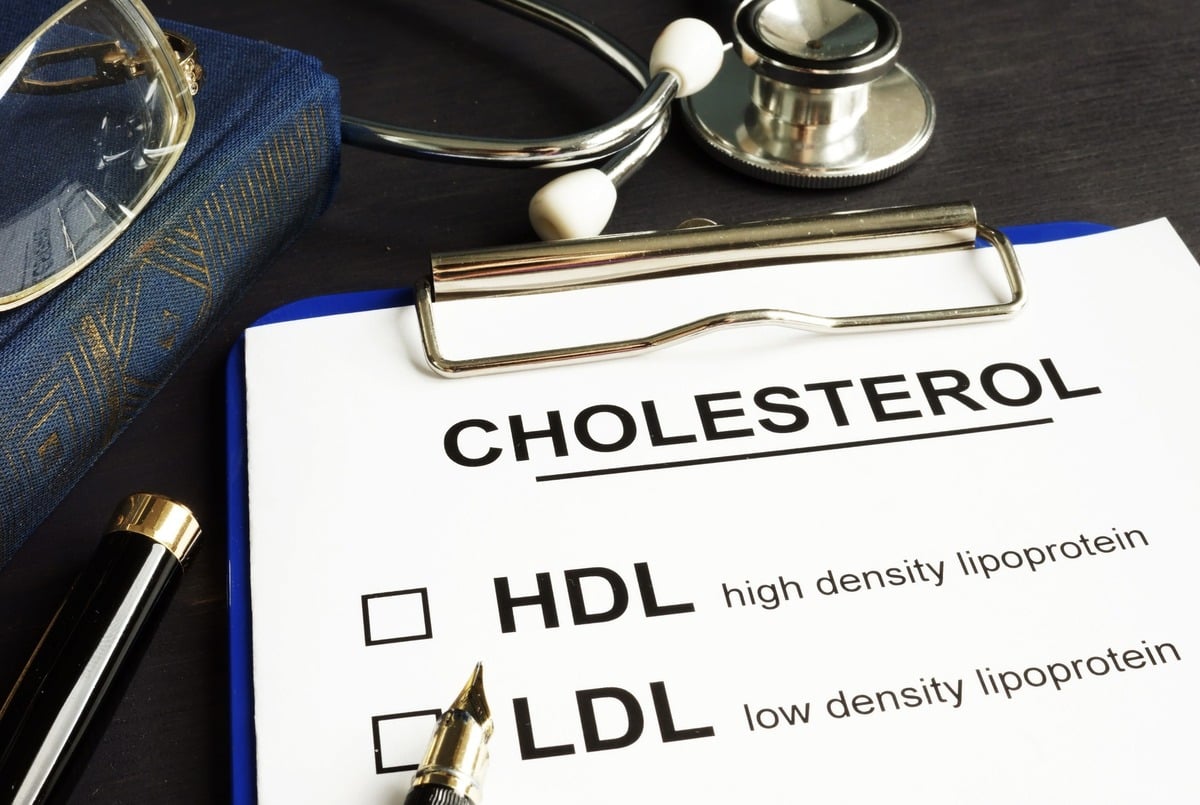
Heart health has become a serious concern—not just globally, but right here in India. We’re seeing a sharp rise in cases linked to high LDL cholesterol, a key contributor to heart disease. According to the World Health Organization, cardiovascular diseases are the leading cause of death worldwide, and data from the Indian Heart Association highlights that 50% of heart attacks in Indian men happen before the age of 50. That’s a wake-up call no one can ignore.
More people than ever are turning to medication to manage cholesterol—but is that the only option? While pharmaceutical solutions are widely used, they’re not always sustainable long-term, and interest is growing in holistic, food-first approaches. Why? Because high cholesterol is largely a lifestyle-driven condition, not a life sentence.
From my practice at Claudia’s Concept, I’ve helped clients not just lower their cholesterol, but also reclaim their energy, lose stubborn weight and feel amazing—all without pills. These science-backed diet and wellness strategies get right to the root of the issue. You don’t need to rely on statins for life. You just need to know what to eat, when to move, and how to tune your body into a state of balance and vitality.
Curious how to make that happen? Let’s explore the real, natural solutions to cholesterol control that actually work—powered by smart nutrition and grounded in solid science.
Understanding Cholesterol: Friend or Foe?
Let’s Break It Down: What Cholesterol Really Is
Cholesterol is not the villain it’s made out to be. In fact, your body needs it. Every cell in your body uses cholesterol to build structure, and it’s essential for producing hormones, vitamin D, and bile acids that help digest fats. However, it’s the type of cholesterol and how much of it you have that makes all the difference.
LDL vs HDL Cholesterol – Knowing the Difference
Think of cholesterol as passengers on a shuttle. LDL (low-density lipoprotein) is often called “bad cholesterol” because when its levels rise, it can deposit cholesterol in the artery walls—leading to plaque buildup, reduced blood flow, and eventually, cardiovascular complications. On the other hand, HDL (high-density lipoprotein) is the “good cholesterol.” HDL acts like a cleanup crew, transporting cholesterol from the bloodstream back to the liver, where it’s processed and removed from the body.
You might be surprised by the numbers. According to the Indian Heart Association, over 25% of urban Indian adults have high total cholesterol levels, often without symptoms. A higher HDL level usually means better heart protection, while a high LDL level raises cardiovascular risk. At Claudia’s Concept, I focus on rebalancing this equation naturally—through strategic nutrition and lifestyle shifts tailored to each individual.
Why Natural Cholesterol Control Is Scientifically Sound
Current research overwhelmingly supports nutrition-based approaches for cholesterol management. A large-scale review published in The American Journal of Clinical Nutrition found that replacing saturated and trans fats with polyunsaturated fats can reduce LDL levels by up to 10%. Not just that—adding soluble fiber, plant sterols, and omega-3s has a proven additive effect, improving both cholesterol profiles and overall health markers.
Another study from Circulation, the journal of the American Heart Association, found that dietary changes alone were able to reduce LDL cholesterol by an average of 13% over a few weeks—effects comparable to first-line medications in people with slightly elevated cholesterol.
The Bigger Picture: Cholesterol’s Role in Weight, Heart, and Well-Being
When cholesterol goes unchecked, it doesn’t just impact the arteries. It influences your entire metabolic system. High LDL levels are often linked to insulin resistance, belly fat, clogged arteries, and increased inflammation—all factors that can spiral into type 2 diabetes and heart disease. On the flip side, a good cholesterol balance strengthens heart function, improves circulation, supports brain health, and contributes to long-term hormonal health.
This is where Claudia’s Concept comes in. We don’t just target numbers on a blood test—we work to restore the body’s internal balance. Proper nutrition doesn’t only improve lab results; it directly uplifts your mood, energy, and clarity.
- HDL benefits: protective against heart attack and stroke, cleans bloodstream of excess cholesterol.
- High LDL harms: plaque buildup, restricted circulation, oxidative stress, premature aging of the arteries.
- Balanced cholesterol: leads to better metabolic health, hormonal stability, and sustainable weight management.
If you’re looking beyond pills and into proven, food-based strategies, you’re in the right place. The science is clear—and so are the results. Keep reading as we dive deeper into the natural, nutritionist-crafted ways to lower LDL and unlock full-body well-being.
Tired of Pills? Natural, Nutritionist-Approved Ways to Reduce Bad Cholesterol That Actually Work
No More Quick Fixes—Start With Real Nutrition
Feeling frustrated with cholesterol-lowering pills and their side effects? You’re not alone. A growing number of people across India are turning to food-first solutions—and the science strongly supports this shift. As a celebrity nutritionist and the creator of Claudia’s Concept, I’ve helped countless clients take back control of their heart health by using food as their strongest ally. And the great news? Natural doesn’t mean ineffective. In fact, tailored nutrition not only reduces LDL (low-density lipoprotein, the so-called “bad” cholesterol) but also improves energy levels and supports total wellbeing.
Why Is Food So Powerful When It Comes to Cholesterol?
LDL cholesterol builds up in blood vessels like unwanted grime in water pipes, narrowing the flow and increasing your risk of heart attacks and strokes. Traditionally, statins have been the go-to solution. But here’s what the data reveals: dietary intervention alone can reduce LDL cholesterol by up to 25% within 12 weeks, according to a 2020 study published in The American Journal of Clinical Nutrition. No pills. Just food.
And that’s just the beginning. When we use a targeted approach—like the customized protocols we follow at Claudia’s Concept—we don’t just manage LDL; we transform entire cholesterol profiles. This includes increasing HDL (the protective cholesterol) and lowering triglycerides—without a pharmacy shelf in sight.
Pill-Free Ways to Lower Bad Cholesterol—Backed by Nutrition Science
- Prioritize plant-based sterols and stanols: Naturally found in seeds, nuts, whole grains, and fortified foods, these compounds compete with cholesterol during digestion, reducing LDL absorption by up to 10%. Studies in the Journal of Lipid Research confirm these effects across age groups.
- Use soluble fiber strategically: Soluble fiber forms a gel in your gut that traps cholesterol and pulls it out of the body. Just 5-10 grams daily—equivalent to a bowl of oats and some fruit—can drop LDL by 7-11%.
- Choose smart proteins: Lentils, chickpeas, tofu, and quinoa offer cholesterol-lowering effects while keeping blood sugar steady. Replacing red meat with legumes just three times a week can reduce LDL cholesterol by 5% over eight weeks, according to the Heart and Stroke Foundation of Canada.
- Make room for omega-3 fats: Known for their anti-inflammatory power, omega-3s from walnuts, flaxseeds, and fatty fish like sardines can’t be ignored. They reduce triglycerides significantly—by up to 30%—while improving overall heart rhythm and vascular function.
- Minimize refined sugar and excess carbs: Spikes in blood sugar increase cholesterol synthesis in the liver. A 2015 clinical trial in the journal Current Opinion in Lipidology found that replacing just 20% of dietary carbs with unsaturated fats reduced LDL cholesterol by 15% and increased HDL.
Why Nutritional Changes Outperform Pills Long-Term
Pills can suppress symptoms, but nutrition addresses the root cause. A meal rich in plant-based compounds, unrefined grains, smart fats, and anti-inflammatory micronutrients doesn’t just lower LDL—it resets the body’s internal chemistry. Studies published in Circulation confirm that people who adopt plant-forward, minimally processed diets reduce their cardiovascular event risk by over 30%. That’s lifestyle medicine in action.
And what about sustainability? Most patients on cholesterol-lowering drugs struggle with adherence, side effects, and eventual resistance. But when you upgrade your plate, benefits build. With the Claudia’s Concept approach, you’re not chasing numbers. You’re building a fundamentally healthier body—one meal at a time.
Are you relying on pills more than you’d like? It may be time to trust nutrition again.
10 Cholesterol-Crushing Foods Dietitians Swear By
If you’ve been searching for a way to lower your cholesterol without leaning on daily pills, you’re not alone. I meet people every day at Claudia’s Concept who are tired of taking statins and ready to trust food as their first line of defense. Here’s the good news: certain whole foods, especially plant-based and regional ingredients common in Indian kitchens, have the power to naturally cut down LDL (bad cholesterol)—and even boost heart health overall.
The key lies in choosing foods rich in soluble fiber, good fats, and specific plant compounds proven to lower cholesterol. Let’s look at what’s truly effective—backed by real science and wrapped in local, practical wisdom.
Soluble Fiber Superstars That Trap Cholesterol
Soluble fiber reduces cholesterol by binding to it in the digestive system and helping eliminate it before it can enter your bloodstream. Just 5–10 grams of soluble fiber daily can lower LDL cholesterol by 5–10%—a shift worth making.
- Oats: A humble bowl of oats delivers beta-glucan, a soluble fiber that forms a gel in your gut and physically traps cholesterol. A Harvard study found that one bowl a day can drop LDL by 5% in just six weeks.
- Lentils (Dal): Whether it’s moong, masoor, or toor, antioxidant-rich dals not only fill you up but also flood your system with soluble fiber. Eat them daily to gradually lower LDL by 8–12% over three months.
- Beans (Rajma, chana): High in resistant starch and fiber, just one cup daily can drop LDL cholesterol by 5–6% while feeding your good gut bacteria.
- Citrus fruits: Oranges, mosambi, and grapefruit offer pectin—a form of soluble fiber that clinical trials have shown to lower cholesterol absorption in the gut.
Healthy Fats That Replace Cholesterol-Raising Alternatives
Replacing saturated fats with sources of plant-based unsaturated fats will reduce LDL levels while preserving energy and satiety. These fats nourish your cardiovascular system when used consistently.
- Avocados: These creamy fruits are loaded with monounsaturated fats and fiber. A study in the Journal of the American Heart Association showed that one avocado a day can lower LDL in overweight individuals, especially when swapped with margarine or ghee.
- Nuts and seeds: A handful of walnuts or a tablespoon of chia/flax daily will not only lower LDL cholesterol but also raise HDL (the protective cholesterol). The Portfolio Diet study confirms that nuts alone can reduce LDL by over 9% when eaten daily for one month.
Omega-3 Heroes: Anti-Inflammatory and Cholesterol-Reducing
Omega-3 fatty acids don’t just lower cholesterol—they reduce triglycerides and prevent arterial deposits. Including these regularly provides long-term cardiovascular protection.
- Fatty Fish (sardines, mackerel): Rich in EPA and DHA, these fish have shown in multiple meta-analyses to reduce triglycerides by 15–30% and slow the progression of plaque buildup in arteries.
- Flaxseeds: Packed with alpha-linolenic acid (ALA), just one tablespoon of ground flax daily can improve lipid profiles in just six weeks, according to a 2022 meta-review published in Nutrients.
Fermented and Plant-Based Wins in Indian Kitchens
Many everyday Indian ingredients act as silent cholesterol-busters through their unique bioactive compounds. These time-tested staples are finally getting the science-backed recognition they deserve.
- Methi (fenugreek): Rich in steroidal saponins, fenugreek slows fat absorption. Regular use has shown to reduce total cholesterol by up to 14% in controlled trials in South Asia.
- Turmeric: Curcumin, its active compound, improves liver function and helps clear LDL from bloodstream. Daily use is linked with improved blood lipids, especially non-HDL cholesterol.
- Garlic: A 2021 meta-analysis from the National Library of Medicine showed that garlic supplements reduce total cholesterol by up to 17 mg/dL on average. Fresh garlic in cooking works similarly thanks to allicin.
- Soy: Plant-based and protein-rich, soy contains isoflavones that directly inhibit cholesterol synthesis in the liver. Replace paneer with tofu once a week and you’ll feel the shift within a month.
Local Indian Foods Acting Like Global Superfoods
You don’t have to rely on imported kale or pricey supplements when Indian kitchens are packed with potent, natural cholesterol-lowering foods.
- Amla: One of the richest sources of Vitamin C, amla supports liver detoxification and lipid management. Daily use in raw juice or dry powder form for 12 weeks has shown significant LDL reductions in clinical studies.
- Bael fruit: Antioxidant-rich and liver-friendly, bael helps regulate lipids and blood sugar. It’s been a part of traditional Indian practices for centuries—and modern science is now catching up.
- Curry leaves: Packed with carbazole alkaloids, curry patta has been found to lower LDL and triglyceride levels while reducing oxidative stress on blood vessels.
At Claudia’s Concept, I guide clients toward creating meals from these foods—layering their benefits into weekly routines that build momentum with every bite. Curious which of these works best for your individual balance? Start with a couple of swaps and feel the difference. Let your food do the healing.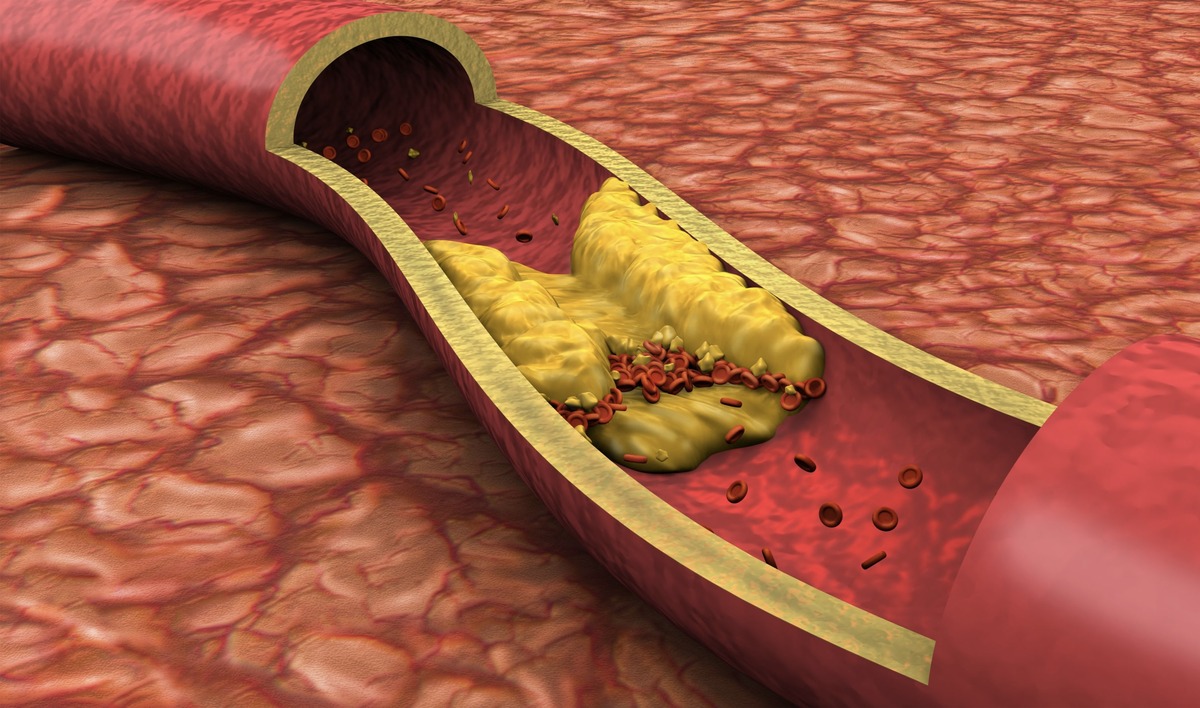
How to Eat Smarter: Heart-Healthy Eating Habits That Stick
If you’re tired of relying on pills to manage your cholesterol, it’s time to look at what’s on your plate. Smart eating isn’t about giving up flavor—it’s about making informed, consistent choices that nourish your heart and energize your life. At Claudia’s Concept, we help clients evolve their lifestyle with delicious food that heals from within. Let’s look at some practical yet powerful eating habits that actually stick and support cholesterol balance.
Break Up With Refined Carbs and Sugar
Refined carbohydrates and added sugars actively increase triglyceride levels and lower HDL (good cholesterol) while encouraging fat buildup within arteries. It’s not just the obvious sweets—think maida-based biscuits, white bread, sweetened breakfast cereals, and even packaged “diet” snacks. According to the American Heart Association, a diet high in added sugar raises the risk of cardiovascular disease, even in people with a healthy weight.
- Swap white rice for fiber-rich brown rice or millets like jowar and bajra.
- Choose fresh fruit or dates over mithai or store-bought desserts.
- Replace sugar-laden energy drinks with herb-spiced buttermilk or coconut water.
By dialing down on refined sugars, you’re not just lowering cholesterol—you also stabilize energy levels and reduce the risk of metabolic syndrome. It’s a win on all fronts.
Cook the Indian Way—Just Smarter
India’s traditional kitchen is a treasure chest of healing. But the problem starts when our meals are bathed in hydrogenated oils or deep-fried till they lose nutritional value. A smarter approach? Keep the spice, ditch the grease.
- Instead of deep-frying, try tandoor, pan-roasting with minimal oil, or using an air fryer.
- Choose oils wisely—use mustard oil, groundnut, or cold-pressed coconut oil in moderation.
- Add anti-inflammatory ingredients like turmeric, garlic, and ginger generously—they enhance flavorand support heart function.
At Claudia’s Concept, we design meals where every bite counts toward your wellness goals. Indian food isn’t the enemy—it just needs a modern, health-forward makeover.
Embrace the Mediterranean–Indian Hybrid Plate
Imagine pairing Italy’s olive oil and legumes with India’s dals, spices, and seasonal produce. This is not fusion—it’s functional wellness. Studies such as the landmark PREDIMED trial show that a Mediterranean diet enriched with healthy fats and fresh produce reduces LDL cholesterol by up to 10% over time.
- Fill half your plate with colorful vegetables and greens—bhindi, palak, lauki, and beetroot are great starters.
- Add moderate portions of whole grains like quinoa, bulgur, or rajgira.
- Include protein in the form of grilled paneer, boiled legumes, or poached eggs.
- Top with a drizzle of extra virgin olive oil and a handful of roasted seeds—sunflower, flax, or pumpkin.
When Mediterranean principles meet Indian authenticity, the result is a heart-happy, anti-inflammatory diet you genuinely want to follow.
Read Labels: Spot Hidden Trans and Saturated Fats
“Cholesterol-free” on a product does not mean it’s heart-healthy. Trans fats and saturated fats often sneak into processed foods—even those that seem innocent. Think crackers, bakery items, namkeens, and some plant-based creamers. The World Health Organization states that eliminating industrial trans fats could prevent up to 500,000 deaths per year globally.
- Look for “partially hydrogenated oils” or “shortening” in the ingredient list. Avoid these completely.
- Choose products that list zero grams of trans fat per serving, but double-check ingredients to be sure.
- Keep saturated fat under 7% of your daily calorie intake. Prefer low-fat dairy and lean cuts of meat, if you consume animal products.
We teach clients at Claudia’s Concept how to decode labels with confidence. Ultimately, every food choice becomes a step toward healing—not just a calorie count.
Ready to remodel your eating habits for vibrant heart health and sustained energy? Begin with these food-forward changes that actually work. Your body will respond—and quickly. Let food do the job pharmaceuticals attempt to mimic. Eating smarter is never about restriction; it’s about value, flavor, and long-term empowerment.
Tailored Diet Tips for Cholesterol Control That Boost Energy & Promote Weight Balance
When it comes to managing cholesterol levels effectively, a “tailored” approach makes all the difference. One-size-fits-all diet plans fail because everyone’s metabolic profile, genetic makeup, and lifestyle are different. What works for one person in Hyderabad may not work for someone in Delhi. That’s why at Claudia’s Concept, we personalise nutrition strategies that not only target high LDL but also enhance energy and weight metabolism naturally.
Why One-Size-Fits-All Doesn’t Work for Cholesterol Control
Let me give you a clear example. Two individuals with similar LDL levels may respond entirely differently to oatmeal or flaxseed depending on their gut microbiome diversity, insulin response, and even the time of day they eat those foods. Multiple peer-reviewed studies—including findings published in the American Journal of Clinical Nutrition (2020)—confirm that personalised diets based on individual blood biomarkers and lifestyle habits lead to more effective lipid management and weight outcomes than generic guidelines.
When we assess clients at Claudia’s Concept, we dig deeper into:
- Their blood lipid profiles — including LDL-C, HDL, triglycerides, and ApoB levels
- Energy patterns throughout the day — sluggish mornings? Sugar crashes post-lunch?
- Personal goals — such as reducing dependence on medications, shedding fat, or reversing early metabolic syndrome
- Ethnic, regional, and cultural dietary preferences — food must delight, not just heal
Energy-Boosting Meal Plans That Also Improve Lipids
Constant fatigue and fogginess often accompany high cholesterol. Why? Because poorly regulated blood lipids slow mitochondrial efficiency—the tiny powerhouses in our cells. To reverse this, your meals should:
- Balance macronutrients — each meal must include a source of fibre-rich carbs, clean protein, and healthy fats
- Include polyphenol-rich foods like berries, turmeric, and moringa — proven to improve vascular function and lipid oxidation
- Use slow-release energy sources like rolled oats, barley, and sweet potatoes — these prevent insulin spikes and keep energy stable
In one clinical trial published in Lancet Regional Health – Southeast Asia (2022), a diet high in complex plant-based carbs led to a notable 15% drop in LDL-C over 12 weeks, along with improved energy scores on subjective well-being scales.
Indian Meal Combinations: Balancing Tradition With Science
You don’t need to abandon heritage cuisine to manage cholesterol. Whether you’re vegetarian or non-vegetarian, here’s how to tweak your meals intelligently:
- Vegetarian: Replace ghee-laden parathas with bajra or jowar rotis and avocado or hummus for healthy fat. Eat palakchana curry with brown rice for fibre and iron synergy.
- Non-Vegetarian: Choose lean meats like grilled fish (mackerel, sardines) cooked with mustard, garlic, and curry leaves. Combine with sautéed bhindi or tinda for fiber and antioxidants.
- Minimise refined grains and sugars — swap white rice with hand-pounded red rice or millets for better glycemic and lipid control
These are not arbitrary changes. Each substitution shifts your lipid metabolism in the right direction by promoting the liver’s natural cholesterol-clearing mechanism via upregulation of LDL receptors.
Diet, Metabolism & Weight: The Cholesterol Connection
The relationship between food, weight, and cholesterol isn’t guesswork—it’s deeply metabolic. Every gram of excess belly fat, particularly visceral fat, actively secretes inflammatory hormones that disrupt cholesterol transport and processing.
According to data from the Indian National Family Health Survey (NFHS-5), obesity rates have surged, and with it, so have abnormal lipid levels. A tailored diet that promotes lean body composition through meal timing (like early dinners), intermittent fasting, and thermogenic foods (like cinnamon, black pepper, ginger) helps correct both weight and lipid imbalances simultaneously.
Client transformations at Claudia’s Concept often happen fastest when meals are synchronised with circadian rhythms and movement—smarter eating, paired with well-timed activity, resets insulin and cholesterol sensitivity together.
So next time you think about controlling cholesterol, think beyond pills. Think tailored. Think energising. Think transformative with Claudia’s Concept.
The Hidden Role of Fiber: Your Secret Weapon
How Fiber-Rich Diets Cleanse Cholesterol from Your System
Fiber isn’t just a digestive helper — it’s a cholesterol-clearing powerhouse. Think of it as a broom sweeping out excess LDL cholesterol before it ever reaches your bloodstream. At Claudia’s Concept, I guide clients to boost their fiber intake not only to improve digestion but also as a strategic weapon in fighting bad cholesterol. Science makes it clear: certain types of fiber, especially soluble fiber, actively lower LDL levels by binding with cholesterol in the digestive tract and eliminating it naturally.
A comprehensive meta-analysis published in the American Journal of Clinical Nutrition found that consuming just 7 grams of soluble fiber daily reduces LDL cholesterol by about 5-10%. Now imagine what 20–30 grams daily could do. That’s the daily intake the Indian Council of Medical Research (ICMR) recommends for adults — yet the average Indian falls far short, often consuming less than 15 grams per day.
Let’s change that. When clients at Claudia’s Concept upgrade their plates with natural fiber sources, results become evident within weeks — better lipid profiles, reduced bloating, and surprisingly, more stable energy levels.
Best Fiber Sources in Indian Cuisine
The beauty of Indian food lies in its inherent richness in plant-based ingredients, many of which are fiber bombs in disguise. Consider adding these to your daily rotation:
- Whole pulses: Masoor dal, moong dal, chickpeas, and rajma pack in both soluble and insoluble fiber. Cook them with minimal oil and lots of veggies for a nutrient-dense meal.
- Seasonal fruits: Guava, papaya, apples (with skin), pears, and oranges contribute soluble fiber along with antioxidants that support heart health.
- Vegetables: Think beyond potatoes. Add gourds (lauki, tinda), leafy greens (palak, methi), and cruciferous vegetables like cabbage and cauliflower.
- Seeds: Chia and flaxseeds contain both fiber and omega-3 fatty acids – a rare combo that strengthens your cholesterol defense from two angles.
- Whole grains: Bajra, jowar, and barley not only add earthy depth to your meals but also a generous serving of fiber.
These humble foods are not only fiber-rich but also sitting right in your kitchen — no overpriced superfoods required.
Easy Fiber Swaps that Make a Real Difference
Let’s talk practical. Swapping in more fiber doesn’t mean overhauling your entire menu. Small, thoughtful changes create big impacts over time, and these are examples we use regularly at Claudia’s Concept:
- White to Brown Rice: The bran layer in brown rice contains fiber, antioxidants, and B vitamins — all stripped away in white rice. Prepare it with spices or vegetable stock to enhance flavor without excess oil.
- Maida Roti to Multigrain Roti: Replace refined flour with a robust mix of wheat, ragi, bajra, and amaranth. This not only boosts fiber content but also delivers a gentler sugar release.
- Fruit Juices to Whole Fruits: Juices may quench thirst, but they lack fiber. Bite into the whole fruit instead — the fiber slows sugar absorption and keeps you satisfied longer.
- Snacks: Trade biscuits and namkeen for roasted chana, fox nuts (makhana), or laddoos made from jaggery and flaxseed for a compliant, fiber-boosting snack.
These changes are not difficult to adopt, but they require mindful choices — and that’s the essence of what we teach at Claudia’s Concept. Empowered eating that drives long-term wellness. So, ask yourself: where can you add more fiber today?
Fats to Fear and Fats to Favor: Crack the Cholesterol Code with Smarter Fat Choices
“Cholesterol comes from fat, right?” Not so fast. The story of fats is more complex—and more fascinating—than most people realize. At Claudia’s Concept, I focus on cutting through confusion with science-based strategies that work. And when it comes to choosing the right fats, separating fact from fiction can radically improve your lipid profile.
Trans Fats: Artificial Trouble in Every Bite
Let’s call trans fats what they are: engineered health hazards. These industrial fats are created by adding hydrogen to vegetable oils, turning liquid into solid to increase shelf life. While that might be great for food processing, the results inside your arteries are alarming.
According to the World Health Organization, trans-fat intake is responsible for over 500,000 deaths from cardiovascular disease per year worldwide. Why? Because trans fats significantly raise LDL (“bad”) cholesterol and lower HDL (“good”) cholesterol. No other dietary fat is quite so destructive.
- Common sources: Vanaspati ghee, margarine, packaged sweets, deep-fried street food, and baked snacks like biscuits and pastry.
- Scientific evidence: A 2006 meta-analysis in The New England Journal of Medicine confirmed a strong correlation between trans fat consumption and coronary heart disease.
If you truly want to crush bad cholesterol without pills, eliminating trans fats is your first move. They don’t belong on your plate—not occasionally, not ever.
Saturated Fats: Old Villain, New Perspective
Saturated fats occupy a more nuanced chapter in the fat story. Found in animal products and some plant sources, they can increase LDL levels, yet emerging data suggests they don’t act in isolation. The context of your overall diet matters.
Still, for individuals with high cholesterol, replacing saturated fats with unsaturated options consistently improves lipid profiles. According to a comprehensive review in the British Medical Journal (2020), substituting just 5% of energy intake from saturated fat with polyunsaturated fat lowered cardiovascular disease risk by 25%.
- Where they lurk in Indian food: Ghee, butter-laden mithai, malai curries, processed meats, and full-fat dairy.
- When to moderate: Limit portion sizes of rich sauces and heavy Indian desserts. Don’t ditch ghee entirely—use it wisely.
Fats to Favor: Oils and Ideas that Love Your Heart
When you swap harmful fats for nourishing ones, transformation begins. Here’s where we bring balance back, Indian style. Choose fats that reduce inflammation, improve lipid profiles, and support metabolism. Smart fats act like medicine—without the side effects.
- Mustard oil: Rich in MUFAs (monounsaturated fatty acids) and omega-3s, mustard oil enhances heart health and is traditional in eastern and northern Indian cooking.
- Groundnut (peanut) oil: Stable at high temperatures and full of good fats, it’s a wise option for stir-frying and sautéing.
- Ghee: Yes, you read that right. In moderation, ghee can be beneficial due to its CLA (conjugated linoleic acid) content and butyrate—a short-chain fatty acid with anti-inflammatory properties.
Studies, such as one published in the Journal of Nutrition and Metabolism (2011), show that ghee consumed in moderation did not negatively impact lipid profiles and may reduce inflammatory markers. The difference lies in the dosage and the balance with your broader diet.
At Claudia’s Concept, I help clients build meals around heart-healthy fats using ingredients they love and trust. We’re not ditching Indian food, we’re elevating it. When you fear the wrong fats and favor the right ones, your body responds—powerfully and predictably.
Ready to turn your cooking oil into a healing tool? Ask yourself: Is my fat doing damage, or delivering health?
Beyond the Plate: Lifestyle Changes That Cement Cholesterol Control
Think food is the only factor influencing your cholesterol levels? Think again. While diet plays a powerful role, long-term success relies just as much on how you live your life. As a nutritionist with deep roots in holistic wellness, I always guide my clients at Claudia’s Concept to look beyond the plate. Your daily movement, stress habits, and even how you travel impact your heart health just as much as what’s on your plate.
Movement Is Medicine: Exercise That Shifts the Balance
You don’t need a gym membership to start benefiting from physical activity. Moderate exercise stimulates lipoprotein lipase, an enzyme that breaks down triglycerides and boosts HDL—the “good” cholesterol. Let’s make it part of your day, not a chore:
- Morning or evening walks: A 30-minute brisk walk daily can cut LDL cholesterol, as shown in a 2017 study published in Arteriosclerosis, Thrombosis, and Vascular Biology. Post-meal walking even improves blood lipid profiles more efficiently than pre-meal workouts.
- Yoga: Deep breathing, asanas like ArdhaMatsyendrasana, and inversions increase circulation and stimulate the parasympathetic nervous system, easing the metabolic stress that raises cholesterol.
- Resistance training: Just two days a week of bodyweight exercises, like squats or lunges, has been linked to a drop in LDL and triglycerides, especially in people aged 40+.
Sleep, Stress & Stillness: Your Hidden Cholesterol Drivers
If you’re sleeping less than 6 hours or constantly wired on stress, even the cleanest diet won’t unlock full results. Chronic stress floods the body with cortisol, disrupting liver function and increasing abdominal fat — both of which spike LDL levels. Here’s how to flip the script:
- Mindfulness meditation: Practicing just 10 minutes a day improves heart rate variability and lowers cortisol. A 2020 meta-analysis in the Journal of Psychosomatic Research showed significant lipid improvements in individuals practicing daily mindfulness.
- Sleep hygiene rituals: Aim for a wind-down routine that includes blue-light limits, magnesium-rich snacks (like almonds or pumpkin seeds), and herbal teas. Poor sleep is directly linked to higher triglycerides and lower HDL cholesterol.
On the Move? Eat Smart When You Travel
Travel doesn’t have to derail your wellness rhythm. Strategically navigating hotel menus, airports, or family visits can maintain your cholesterol-lowering progress:
- Pack nutrition insurance: Salted almonds, chia seed pudding, or dried guava slices are portable, fiber-packed choices that stabilize blood lipids.
- Scan hotel menus for hidden traps: Avoid cream-based curries or deep-fried starters. Ask for grilled options with whole lentils or millet chapatis; most chefs are happy to accommodate.
- Hydrate fiercely: Dehydration concentrates plasma lipids and raises cholesterol. Sip frequently, especially in air-conditioned environments.
Infuse Movement Into Traditional Indian Life
Even without structured workouts, daily routines can become powerful cholesterol-fighting tools. Traditional Indian lifestyles offer pockets of purposeful movement—we just need to reclaim them:
- Squat cooking: Preparing meals seated in vajrasana or squatting engages more muscles and encourages postural strength.
- Floor life: Sitting on the floor after meals, then rising without support, is a functional strength move that subtly activates your core and legs.
- Active domestic rituals: Whether it’s jhadu (sweeping), kneading dough by hand, or walking to local markets — every bit of movement counts as metabolic currency.
At Claudia’s Concept, sustainable wellness doesn’t end at the kitchen door. These lifestyle integrations aren’t just add-ons—they’re launch pads for true transformation. Ready to activate lasting energy, heart health, and peace of mind? Start moving with intention.
Ditching Meds Smartly: Managing Medications and Avoiding Side Effects
Your body deserves a better strategy than just popping pills
Swapping your reliance on cholesterol medication for nutrition-based strategies isn’t just about personal preference—it’s about smarter, scientifically aligned choices. At Claudia’s Concept, we’ve seen hundreds shift their cholesterol numbers the natural way, under careful supervision. But let’s be clear—no one should stop taking statins or any medication without proper medical guidance. Your doctor’s support isn’t optional; it’s essential.
Why long-term statin use needs a second look
Statins have become a go-to drug for managing high LDL cholesterol, and they do work—no doubt about it. But long-term, they’re not without side effects. Clinical data from the Journal of the American College of Cardiology has shown that continuous statin use over a span of 3+ years can lead to muscle pain or weakness in up to 10% of users. Elevated liver enzymes, increased blood sugar levels, and even memory issues have also been reported. These aren’t rare anecdotes; they’re well-documented facts across several global studies.
So the question is—can the dependency be reduced while maintaining healthy cholesterol numbers? Absolutely, when it’s done with strategy.
Here’s what the smart transition looks like
The transformation begins with gradual changes in your diet that naturally lower LDL cholesterol and support HDL (the good guy). You’ll want to shift the body’s internal rhythm gently rather than shock it into a new state. Think of it like tuning an instrument, not smashing it and starting over.
- Introduce foods like oats, flaxseeds, amla, and fatty fish slowly but consistently.
- Cut down hydrogenated fats and refined sugar progressively—don’t go cold turkey overnight.
- Hydrate strategically; 2.5+ liters of water daily helps eliminate metabolic waste and keeps liver function optimal.
- Support digestion with prebiotic-rich foods like garlic, bananas, and onions to ensure nutrient absorption.
At Claudia’s Concept, we also integrate functional meals designed to work synergistically with whatever medication protocol you’re on. For example, pairing phytosterol-rich seeds with leafy greens in a single dish amplifies cholesterol-blocking effects naturally—letting your doctor potentially taper down the dosage over time.
Lifestyle changes complete the picture
Diet alone gets you halfway there. Add in targeted movement—30 minutes of brisk walking, five times a week—and your lipid profile starts reacting faster than many expect. A 2019 meta-analysis published in Circulation confirmed that lifestyle changes alone can reduce LDL cholesterol by up to 15% in motivated individuals. That’s not a small number.
The key is monitored consistency. Your physician tracks your lipid panels, and we at Claudia’s Concept tweak your nutrition, meal timing, and macronutrient ratios to complement your medical updates.
Still asking yourself if ditching cholesterol meds is possible? Take this as your cue: scientific precision through food and lifestyle isn’t an alternative—it’s a roadmap. Ready to take the smarter path?
Final Thoughts: Choose Food Over Fear
Wellness doesn’t begin in the pharmacy. It begins in your kitchen, your mindset, and every small decision you make daily. Cholesterol management doesn’t have to be a battle fought with bitter pills—it can be a flavorful, nourishing journey rooted in knowledge and self-care.
After working with hundreds of clients through Claudia’s Concept, I’ve seen a clear pattern: when people understand the power of real, wholesome food, they feel empowered rather than restricted. That mental shift—from fear of poor health to confidence in daily choices—is where true transformation begins.
Why Food Is Your First Ally, Not Your Last Resort
Science supports what we already suspect deep down: long-term health never hinges on a single fix. It’s a synergy. A daily rhythm. Nutrients work gradually but effectively, healing from within. And that’s not abstract talk. Take soluble fiber, for example—found abundantly in oats, bael fruit (wood apple), psyllium husk, and legumes. The National Lipid Association shared data indicating 5-10 grams of soluble fiber daily can lower LDL (bad cholesterol) by 5 to 11%. Imagine the shift after just a few tweaks to your shopping list.
Have you tried swapping refined oils for mustard or groundnut oil yet? Or adding a handful of soaked almonds instead of grabbing a tea-time biscuit? These aren’t burdens. They’re upgrades. Celebrate each as a win, because they accumulate into major victories.
Small Doesn’t Mean Ineffective
Not ready to redesign your entire lifestyle overnight? Perfect. Don’t. Start with one change today. Maybe skip that fried pakora for steamed sprouts chaat. Add one serving of raw papaya salad during lunch. Or simply cook your dals with less salt and more fresh herbs. These are not sacrifices. They’re expressions of care—for your heart, your energy, your overall well-being.
Consistent, conscious food choices work quietly but powerfully. They lower inflammation, unclog arteries, and even ease anxiety about health. It’s not idealism. It’s science-meets-life. At Claudia’s Concept, we blend both—honoring tradition while embracing evidence-based nutrition.