
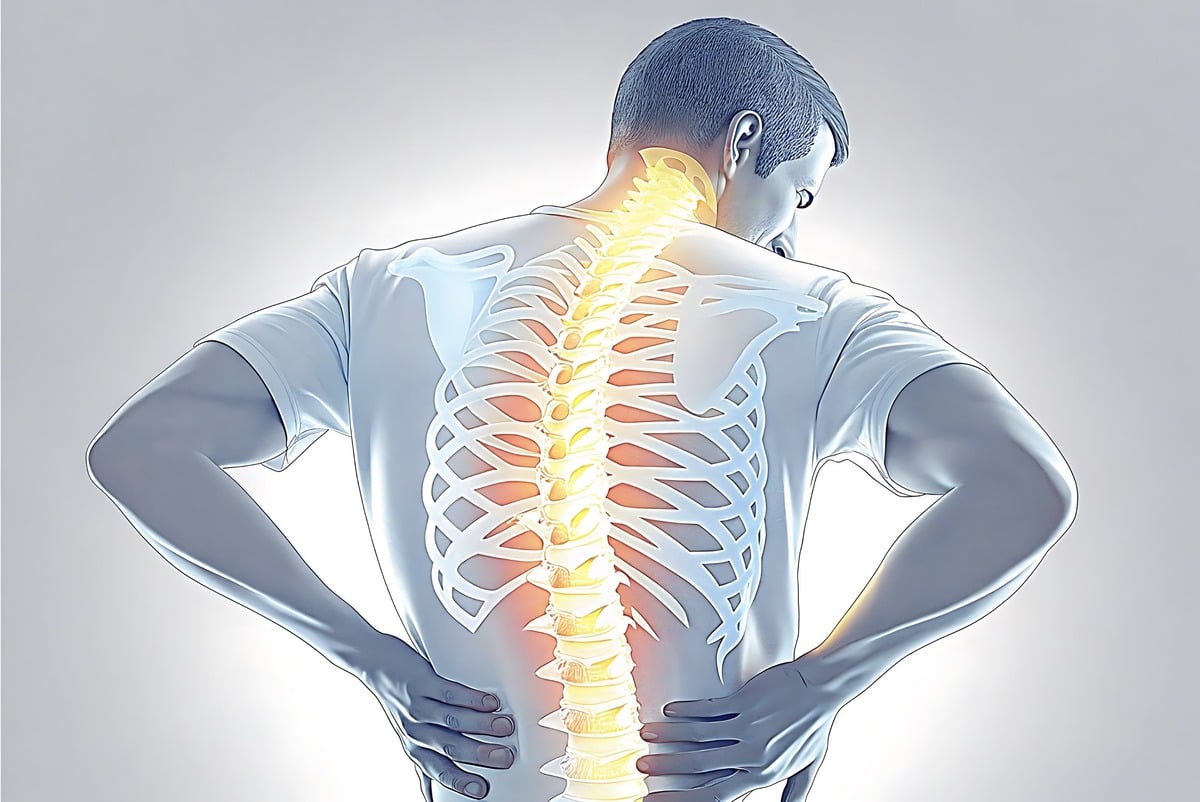
When you hear the words “bone loss,” do you picture a frail figure in their 70s or 80s? Naturally, most people do. But here’s the truth: by the time significant issues arise later in life, prevention is no longer an option—it’s a race to preserve what’s left. Bone health, though largely invisible day-to-day, is no less vital than heart or brain health, and your 30s and 40s are not too early; in fact, they’re exactly when strategic action makes all the difference.
Let’s break it down. Bone density—essentially the strength and solidity of your bones—peaks in your 20s and early 30s. During these years, your body is at its most efficient in building and replenishing bone tissue, especially when supported by proper nutrition, regular exercise, and healthy hormone levels. This peak represents your “bone bank,” and every decision you make now either secures that account or drains it over time.
After around age 30, the scales begin to tip. Bone resorption (breakdown) starts to outpace bone formation. You won’t feel it. There’s no sudden soreness or stiffness. What happens is a silent shift—from building to losing. Women, especially, see a more rapid decline during and after menopause due to hormonal changes, but men too face steady depletion, often unnoticed until a fracture or scan reveals the damage.
So if you’re in your 30s or 40s and brushing off bone health? It’s time to rethink. At Claudia’s Concept, I guide you through habits, nutrition strategies, and lifestyle adjustments that actively preserve and even enhance bone density before it becomes a clinical diagnosis. Think of this decade as your window to invest—because bone banking pays lifelong dividends.
Osteoporosis: Not Just a Senior’s Disease
Think only your grandma needs to worry about fragile bones? Think again.
Osteoporosis has long been branded as an “old person’s disease.” The term alone conjures images of walking canes and hunched backs. But here’s the wake-up call: bone loss doesn’t wait for retirement. If you’re in your 30s or 40s, the process that leads to osteoporosis may already be underway—quietly weakening your bone foundation with every passing year.
Bone Density Begins to Decline Sooner Than You Think
Bone mass reaches its peak by your late 20s to early 30s. After that, unless actively managed, it begins to decline—year after year. According to data from the National Institutes of Health (NIH), most people start experiencing measurable bone loss around age 35. And for many, especially women, that loss accelerates significantly during perimenopause.
In fact, a study published in The Journal of Clinical Endocrinology & Metabolism showed that bone mineral density (BMD) can decline by as much as 20% in the decade following the onset of menopause. But even before menopause hits, lifestyle, diet, and hormonal fluctuations may silently compromise your skeleton’s strength.
Real-Life Impact: The Invisible Burden of Early Onset Bone Loss
Let’s talk symptoms—not just statistics. While osteoporosis remains mostly silent until a fracture occurs, the earlier stages of bone thinning don’t go unnoticed if you know what to look for. Women in their late 30s and 40s often experience:
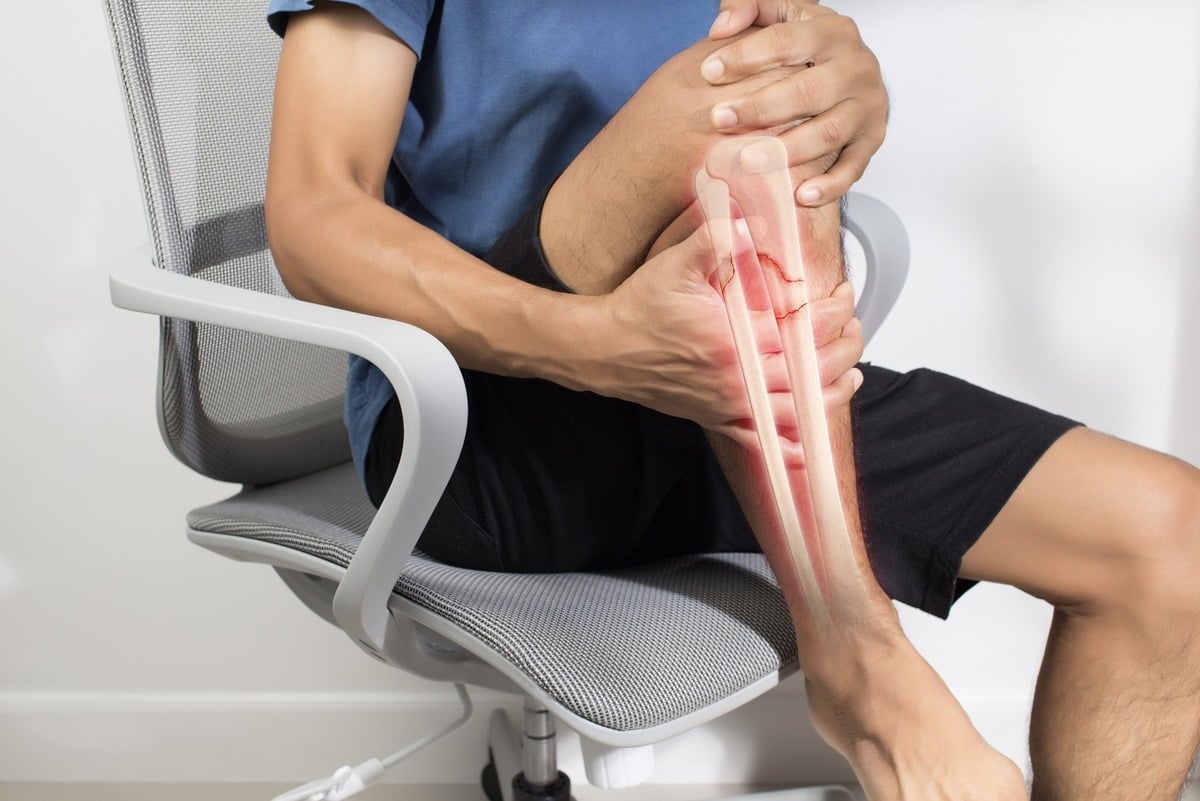
- Stress fractures in the feet or lower legs during exercise, which are frequently dismissed as minor injuries.
- Persistent lower back pain due to micro-compression fractures in the spine.
- Subtle changes in posture, such as a slight forward lean or “rounding” of the shoulders, even in otherwise fit individuals.
These aren’t just inconvenient—they’re warning signs of deeper structural issues that could limit mobility or cause chronic pain down the line. At Claudia’s Concept, I’ve worked with clients in their 30s who were shocked to discover early-stage osteopenia. They thought they were “too young” for such concerns. But here’s the truth: your choices today directly influence your skeletal strength tomorrow.
Why This Misconception Persists—and Why It’s Time to Change the Narrative
The outdated assumption that only individuals over 60 need to think about their bones is not just incorrect—it’s dangerous. Much of the narrative surrounding osteoporosis has focused on its end-stage consequences rather than the decades-long journey leading to it. The result? A generation of adults ignoring the quiet decline of their bone health during their most productive years.
At Claudia’s Concept, we believe in proactive health—not reactive fixes. Bone health isn’t something to check in on later; it’s a vital, living part of your wellness journey now. Waiting until your 60s to address it is like buying house insurance after it’s already caught fire.
So, let me ask you: When was the last time you thought about your bones? And what if the strength you’ll need in your 70s and 80s is built—or broken—by the habits you have today?
The Bone-Building Power Duo: Why Calcium and Vitamin D Matter Most in Your 30s and 40s
If you think strong bones are something to worry about only after retirement, think again. The reality is, your 30s and 40s are when you’re laying down the very foundation that will support your body for decades to come. And central to that foundation? Calcium and vitamin D — two nutrients that act like construction workers and quality control inspectors in your body’s bone-building process.
Calcium: Your Midlife Construction Material
By the time you hit your mid-30s, your bones have reached peak bone mass — the highest level of bone strength and density you’ll naturally achieve. What happens next depends on how well you support that mass, especially with calcium.
Here’s the hard science: According to the National Institutes of Health, 99% of the calcium in your body is stored in bones and teeth. Without sufficient calcium intake during your 30s and 40s, your body starts raiding your bone bank to support essential functions such as muscle contractions and nerve signaling. That’s where the erosion begins — quietly, but steadily.
At Claudia’s Concept, we focus on efficient calcium strategies that don’t rely solely on dairy. Leafy greens like kale and bok choy, calcium-set tofu, sesame seeds, and almonds all contribute to your daily intake. If you’re over the age of 30, the recommended dietary allowance (RDA) for women and men is 1,000 mg/day; for women over 50 and men over 70, the RDA jumps to 1,200 mg/day. So, starting strong now means avoiding crisis later.
Vitamin D: The Gatekeeper of Calcium Absorption
Calcium alone won’t get the job done. Without vitamin D, your body won’t absorb the calcium you ingest — no matter how much you consume. Think of vitamin D as the key that opens the door for calcium to enter your bloodstream and rebuild bone tissue.
Your body produces vitamin D when your skin is exposed to sunlight, but urban lifestyles, sunscreen, and indoor jobs can interfere with this natural process. Research published in the Journal of Clinical Endocrinology & Metabolism found that 40% of adults aged 30–50 are vitamin D deficient, especially during the winter months.
Here’s how to act today:
- Get tested: A simple blood test can measure your serum 25(OH)D levels. Optimal levels range between 30–50 ng/mL.
- Safe sun exposure: Just 10–20 minutes of direct sunlight on arms and legs a few times a week can make a difference.
- Food sources: Egg yolks, fatty fish like salmon, fortified plant milks, and mushrooms exposed to UV light naturally boost vitamin D.
- Supplements: If needed, Claudia’s Concept recommends cholecalciferol (vitamin D3), which is more effective than D2 in raising blood serum levels.
Recognizing the Signs of Deficiency
Low calcium and vitamin D levels don’t always wave red flags. But subtle signs can indicate your bones aren’t getting what they need. Do you experience frequent muscle cramps? Fatigue or low mood? Bone pain or lower back discomfort? These may be signals your nutrient stores are depleting.
At Claudia’s Concept, we emphasize routine nutrient screening during your 30s and 40s — not as a scare tactic, but as empowerment. The earlier you catch and correct imbalances, the stronger your foundation becomes for life beyond midlife.
Because the truth is this: Bone loss doesn’t suddenly begin in old age. It starts in midlife with small oversights. But with the right calcium and vitamin D approach, you’re not just maintaining — you’re building resilience from the inside out.
Exercise and Bone Strength: Move It or Lose It
When we talk about bone health in your 30s and 40s, exercise isn’t “nice to have”—it’s non-negotiable. Bones are dynamic living tissues that constantly remodel themselves, and the simple fact is: movement stimulates bone formation. At Claudia’s Concept, I’ve worked with hundreds of professional clients who’ve seen measurable improvement in their bone density just by adding the right kind of physical activity into their lifestyle. That’s the kind of transformation that science supports and you can feel.
Why Weight-Bearing and Resistance Training Are Bone Builders
Your bones respond to stress. But here, stress is a good thing—mechanical stress from exercise triggers osteogenesis, which is the process where new bone tissue is formed. This is especially effective with:
- Weight-bearing exercises like walking, hiking, stair climbing, dancing, and tennis. These activities compel your bones to bear your body weight, stimulating cell activity in your bones.
- Resistance training using free weights, resistance bands, or your own body weight. Studies from the Journal of Bone and Mineral Research (2017) show that resistance training can increase bone density in postmenopausal women by up to 1–3% in as little as 12 months. Imagine the impact if you start earlier in life.
These types of movement don’t just keep your figure fit, they preserve the actual structural integrity of your skeleton. Without them, bones become weaker and thinner, increasing the risk of fractures down the road—yes, even before you hit your 60s. Because by then, your bone bank is already built. What you do in your 30s and 40s decides your bone capital.
Your 30s vs. 40s: Workout Smarter by Decade
Think your approach to fitness should stay the same with age? Think again. Each decade presents new physiological dynamics that require adaptation in your movement strategy. Here’s what I recommend based on years of clinical practice and alignment with research:
- In your 30s: This is the tail end of your bone-building years. Focus on building maximum bone mass by integrating high-impact weight-bearing activities like running, jump rope, plyometrics, and dynamic strength training. Squats, lunges, and deadlifts help load the spine and hips—two of the most vulnerable areas for future fractures.
- In your 40s: Bone loss starts slowly, so the goal here is maintenance. You don’t have to back off entirely from intensity, but start incorporating mobility, flexibility, and balance work alongside resistance. Think yoga with strength flows, Pilates with light ankle weights, and progressive resistance using machines or bands. This protects joints while preserving bone density.
I always include smart, decade-focused exercise roadmaps in Claudia’s Concept programs because generic fitness routines won’t cut it when it comes to managing bone health long-term. Your routine must evolve with your biology.
Everyday Movement That Strengthens Bones Without a Gym
Not everyone loves the gym—and that’s okay. There are impactful, bone-beneficial movements you can do without ever stepping into a fitness center:
- Take the stairs instead of the elevator. The repeated impact of climbing stimulates your hip bones.
- Ditch the car and walk or cycle for short errands. Moving your body under your own weight integrates more naturally into daily life.
- Carry your groceries, laundry baskets, or even your toddler the old-fashioned way. Anytime you load your bones, you’re doing micro resistance work.
- Gardening, deep cleaning, or even dancing in your living room counts as low-grade impact activity, which is better than none.
At Claudia’s Concept, I always encourage movement that fits your life, not the other way around. The point isn’t perfection—it’s consistency. With the right types of physical activity, you’re not just preventing bone loss; you’re reinforcing the architecture of your body for decades to come. Let your lifestyle be the training ground for healthier bones. Now—how are you moving today?
Hormonal Changes and Their Surprising Impact on Your Bone Health
Ever wondered why bone-related conditions like osteoporosis seem to creep up on people in their 50s and 60s? The truth is, the groundwork is laid much earlier — often silently — starting in your 30s and 40s. One of the most powerful, yet overlooked culprits? Hormonal shifts. These biological changes have a deep and lasting impact on your bone density, regardless of your age or gender.
Estrogen: The Silent Guardian of Your Bones
For women, estrogen does more than just regulate menstrual cycles. It plays a crucial protective role in maintaining bone mass. Estrogen signals osteoclasts — the cells that break down bone — to slow down activity, thereby reducing bone loss. So, what happens when estrogen levels decline?
As women enter perimenopause and eventually menopause, estrogen production takes a steep dive. The result is a rapid acceleration in bone resorption. According to a clinical review published in the Journal of Clinical Endocrinology & Metabolism (2012), women can lose up to 20% of their bone mass in the 5-7 years following menopause due to hormonal changes alone. That’s not minor. That’s structural.
This is precisely why we at Claudia’s Concept place such a strong emphasis on midlife hormone health in our preventative care plans. You’re not just riding out symptoms — you’re either securing your bone bank or cashing it out too early.
And for Men? Testosterone Matters More Than You Think
While men don’t experience menopause, they aren’t off the hook. Testosterone levels in men begin to decline gradually starting in their 30s — a process known as andropause. This hormonal drop has more implications than just energy levels or libido. It impacts bone formation too.
Testosterone helps maintain bone density by encouraging osteoblast activity — the cells responsible for building new bone. Lower levels mean slower rebuilding processes. According to a 2011 study from the Journal of Bone and Mineral Research, men with testosterone deficiency had significantly lower bone mineral density and faced a greater risk of fractures later in life.
Have you noticed increased fatigue, reduced muscle mass, or even subtle mood shifts? These could be early signals — not just of hormonal change, but of silently declining bone health. That’s why at Claudia’s Concept, we integrate hormone tracking into our wellness protocols, especially for clients in their 30s and 40s who want long-term skeletal resilience.
The Domino Effect You Didn’t See Coming
Hormonal imbalance doesn’t exist in a vacuum. It interacts with diet, lifestyle, stress, and even gut health. When hormones are off — particularly estrogen and testosterone — your body struggles with calcium absorption, bone regeneration slows, and even the bones’ structural integrity can become compromised.
- Low estrogen speeds up bone loss in women, especially after menopause
- Reduced testosterone contributes to weak bone formation in men
- Hormonal imbalance interferes with calcium uptake and vitamin D synthesis
Knowing this, wouldn’t it make sense to begin monitoring hormones before the visible symptoms kick in? Especially when modern testing allows you to catch shifts early — and correct course effectively.
There’s power in paying attention before pain forces you to. Your 30s and 40s aren’t the time to breeze past hormonal changes — they’re the optimal moment to intervene. Stay ahead, and your bones will thank you for decades to come.
Early Prevention Strategies: Start Now for a Healthy Future
Think bone loss is a problem reserved for your grandmother? Think again. Starting in your 30s, your body experiences a subtle shift—bone renewal begins to slow down, and if you’re not actively nurturing your skeletal strength, you may be laying the groundwork for early density decline. Prevention in these early decades is far more effective than trying to reverse damage later in life.
Why Start So Early? Because Time Is on Your Side
Between the ages of 30 and 40, you still have a unique advantage: your bones, while no longer increasing in density, haven’t yet begun significant decline. Capitalising on this period with targeted strategies means you can maintain bone strength well into your 60s and beyond. According to a longitudinal study published in the Journal of Bone and Mineral Research, individuals who began preventative actions in their 30s had 30–50% higher bone mineral density (BMD) in their later decades compared to those who didn’t intervene early.
In my practice and with Claudia’s Concept programs, we focus holistically on prevention rather than repair. It’s a mindset and lifestyle shift—one that protects your future mobility, confidence, and vitality.
Adopt Bone-Friendly Habits That Stick
Want to keep your bones strong and resilient? Here are some essential lifestyle changes that will anchor your skeletal health:
- Prioritise Nutrient-Dense Meals: Incorporate whole-food sources of calcium like sesame seeds, almonds, and leafy greens. Pair them with vitamin D–rich options such as mushrooms and fortified plant milks to optimise absorption.
- Movement with Intention: Choose weight-bearing exercises like brisk walking, resistance training, or dancing. A meta-analysis in Osteoporosis International found that such activity increases BMD in the hip and lumbar spine, areas most prone to fracture.
- Cut Down the Caffeine: More than 400mg of caffeine daily—equal to roughly four cups of brewed coffee—has been associated with calcium loss, especially when consumed without enough dietary compensation.
- Limit Sodium and Sugar: High sodium diets prompt calcium excretion, weakening bones over time. Added sugars, particularly from soft drinks, compete with calcium and magnesium transport systems.
The key is consistency, not perfection. Through Claudia’s Concept, I guide clients in designing a sustainable routine tailored to their energy, schedule, and personal preferences—because that’s how habits last.
Routine Checks: Because What You Don’t Measure, You Can’t Manage
By your mid-30s, it’s smart to integrate preventative assessments into your annual health tracking. Ask for a serum 25-hydroxyvitamin D test—it reveals whether you’re absorbing and utilising vitamin D effectively, which is essential for calcium regulation. Also consider a dietary calcium analysis with your nutritionist or physician.
For women, especially, monitoring hormonal markers like estrogen and progesterone levels can uncover subtle shifts that may impact bone metabolism. Studies from the North American Menopause Society confirm that early hormonal changes—even those in pre-menopausal years—can signal shifts in bone turnover rates.
And don’t underestimate the power of personalised nutrition audit. At Claudia’s Concept, we regularly run micronutrient panels to uncover hidden deficiencies and tailor meal plans and supplements accordingly. This is precision wellness in action—prevention that evolves with you as you age.
Your 30s and 40s are not just about peak career years or raising a family. They’re also about investing in a body you’ll be proud to move in for the next 40 years. Starting now is not early—it’s just in time.
Lifestyle Factors Affecting Your Bones: What You Do Daily Matters More Than You Think
We often think about heart health, mental clarity, or even skin care when it comes to daily habits—but what about your bone health? The truth is, the everyday choices you make in your 30s and 40s are laying the foundation for your skeletal well-being in your 50s, 60s, and beyond. At Claudia’s Concept, we empower you to align your lifestyle with your body’s needs. Let’s explore three specific areas that silently—but powerfully—influence your bone density.
Sedentary Habits Are Silently Weakening Your Bones
Sitting may be the new smoking, and your bones feel it too. When physical activity levels are low, your bones don’t get the signal to regenerate and strengthen. This isn’t just theory—studies conducted by NASA on astronauts have shown that bone density can decrease by up to 1% per month in weightlessness, which mimics the effects of inactivity on Earth.
Weight-bearing activities like walking, dancing, or strength training place controlled stress on the bones. This stress stimulates the osteoblasts—your bone-building cells—to reinforce skeletal structure. Even short but consistent movement throughout the day prompts healthy remodeling of bone tissue and reduces rate of deterioration. At Claudia’s Concept, we advocate integrating purposeful movement into every hour—think short walks, standing desk breaks, and fascia-friendly workouts—all tailored to your unique bio-profile.
Chronic Stress and Poor Sleep Sabotage Bone Repair
It might surprise you, but your bones don’t regenerate when you’re wired and tired. Chronic psychological stress elevates cortisol, your body’s primary stress hormone. Elevated cortisol has been strongly linked to decreased bone formation and increased bone resorption—a process that weakens skeletal integrity over time. A 2020 study published in Frontiers in Endocrinology showed that heightened cortisol levels over long durations were associated with marked reductions in bone mineral density, particularly in individuals aged 30 to 50.
And poor sleep? That’s another culprit. Deep sleep—specifically the non-REM cycles—is when the body triggers most of its repair mechanisms, including bone regeneration. Disrupted sleep patterns have been correlated with lower levels of growth hormone and an increase in inflammatory cytokines, both of which suppress bone-building activity.
Ask yourself—are you consistently getting 7 to 9 hours of restful sleep? Are you incorporating stress-regulation strategies like guided breathwork, magnesium-rich meals, or mindfulness-based practices? Those aren’t luxuries; they’re essential to bone longevity. We integrate these into our bio-aligned regimes at Claudia’s Concept because your nervous system health is deeply entwined with your bone health.
Over- or Under-Weight? Either Can Tax Your Bone Structure
Body weight is more than just a number—it’s a load your bones carry every second. Both ends of the weight spectrum pose unique risks for bone health.
- Excess weight increases mechanical strain on joints and bones, particularly in the hips, knees, and lower back. Over time, this strain may cause microdamage that impairs bone remodeling patterns.
- Very low body weight, on the other hand, diminishes the mechanical loading needed to trigger bone formation. Worse still, low body fat can correspond to low estrogen levels in women, leading to faster bone loss.
The sweet spot lies in maintaining a metabolically healthy weight—with adequate lean muscle mass and balanced body fat composition. A 2018 analysis in Bone Reports confirmed that lean mass is a more significant predictor of bone strength than total weight alone. At Claudia’s Concept, we focus on building metabolic resilience through tailored nutrition, movement, and regeneration protocols because that’s what leads to strong, functional bones for life.
So, ask yourself: is your lifestyle building your bones or breaking them down? Every step, stretch, breath, and meal is a message to your body. Choose wisely—your skeleton is listening.
Nutritional Deficiencies That May Be Undermining Your Bones
By the time you reach your 30s and 40s, your dietary patterns are likely well-established—but are they working for your bones? You might be surprised how everyday food choices are silently chipping away at your bone strength. At Claudia’s Concept, I look closely at the hidden nutritional gaps that midlife adults often overlook, even when they’re eating “healthy.” The truth is, nutrient deficiencies can dramatically accelerate bone loss and increase your risk of osteoporosis—even decades before a diagnosis is made.
The Common Gaps: Are You Getting What Your Bones Really Need?
Let’s start with the basics. Several key nutrients are essential for maintaining bone density during midlife, and surprisingly, many people are falling short. According to data from the National Health and Nutrition Examination Survey (NHANES), adults aged 31-50 in the United States frequently under-consume calcium, vitamin D, magnesium, and potassium—nutrients deeply intertwined with skeletal integrity.
- Calcium: The structure of your bones is largely mineral, and calcium is the critical building block. The recommended daily intake is 1,000 mg for adults up to 50 years old, yet the average intake among women in their 30s and 40s hovers around just 750 mg per day.
- Vitamin D: It’s not just a complement to calcium; it’s the gatekeeper that allows calcium absorption in the gut. Low sun exposure, indoor lifestyles, and limited dietary sources lead to a widespread deficiency, with over 40% of adults in India reporting insufficient vitamin D levels.
- Magnesium & Phosphorus: These minerals not only enhance calcium absorption but also contribute directly to the skeletal matrix. Less than 50% of Indian diets meet the RDA for magnesium, even though it’s crucial in converting vitamin D into its active form.
- Protein: Bones are 50% protein by volume, primarily collagen. Both insufficient and excessive protein intake can affect bone resorption rates. A balanced intake—roughly 0.8 to 1.0 grams per kg of body weight—is ideal in midlife.
You Might Be Consuming Bone-Depleting Agents Without Realizing It
It’s not just what we lack—it’s also what we over-consume. Many daily habits sabotage nutrient retention. Coffee, for instance, may be your morning must-have, but consuming more than 400 mg of caffeine daily (roughly 3–4 cups) can reduce calcium absorption enough to impact bone density over time.
Another hidden offender? Soda. Especially colas. These drinks are high in phosphoric acid, which can lead to decreased calcium retention if not balanced with adequate magnesium and calcium intake. A 2006 study published in the American Journal of Clinical Nutrition found that women who consumed more cola had significantly lower BMD—even when calcium intake was adequate.
High-sodium diets add fuel to the fire. For every 2,300 milligrams of sodium consumed, approximately 40-60 mg of calcium is lost through urine. And if your magnesium or vitamin K intake is low, the loss becomes even more pronounced due to the disrupted calcium regulation process within the body.
Balance is Everything—And No, It’s Not About Cutting Out Entire Food Groups
What works well is focusing on inclusion rather than exclusion. A plate that includes leafy greens (for calcium and vitamin K), seeds and nuts (magnesium and phosphorus), legumes (protein and fiber), and low-sugar dairy or fortified plant-based alternatives sets the foundation for strong bones—and vibrant overall health.
At Claudia’s Concept, I guide clients in their 30s and 40s to audit their diet for these common deficiencies and build truly bone-supportive meal plans. Bone loss doesn’t start at 65. It begins silently, often in our mid-30s. But with strategic nutrition, we can slow or even halt this invisible decline.
Reflect on your typical meals—do they nourish your bones? Or are they unintentionally draining them? The first step is awareness, the second is action. Give your skeleton the strength it deserves, one plate at a time.
Smoking, Alcohol & Bone Density: A Dangerous Combo
When we talk about strong bones, cigarettes and cocktails aren’t usually part of the conversation—and for good reason. By your 30s and 40s, lifestyle choices like smoking and high alcohol intake can quietly start stripping away your bone strength, setting the stage for osteoporosis much earlier than many people expect.
Smoking: A Direct Hit to Your Skeleton
If you’re still lighting up, your bones are already paying the price. Tobacco smoke contains toxins that interfere with osteoblast activity—these are the cells responsible for building new bone. When osteoblasts are impaired, your skeleton becomes less capable of repairing micro-fractures and maintaining density.
A compelling longitudinal study published in Osteoporosis International found that smokers have significantly lower bone mineral density (BMD) than nonsmokers, with a higher risk of hip fractures—especially in those with a history of long-term smoking. And it’s not just the toxins, either. Smoking also decreases calcium absorption from the intestines and lowers estrogen levels in women, both of which are essential for bone maintenance.
Alcohol: Too Much, Too Often = Weakened Bones
Think a daily glass of wine is harmless? For bone health, quantity and frequency matter. While moderate alcohol (one drink per day for women, two for men) may not pose major risks, prolonged heavy drinking does. The National Institutes of Health (NIH) consistently highlights heavy alcohol consumption as a major secondary cause of osteoporosis.
Alcohol spices up poor dietary choices, interferes with calcium and vitamin D metabolism, and suppresses hormones crucial to bone health—like testosterone and estrogen. Over time, this cascade accelerates the imbalance between bone formation and bone resorption.
Take Control: Smarter Habits for Stronger Bones
So how do you tip the scales in your favor? Begin with self-awareness. Question your habits and create space for alternatives that support your skeletal system, instead of straining it.
- Cut back gradually: If going cold turkey on smoking or drinking isn’t realistic, reduce exposure in stages. Fewer cigarettes and alcohol-free days each week can already make a difference.
- Build better routines: Pair a craving trigger with a bone-positive activity—go for a walk instead of lighting up, or sip a homemade herbal drink instead of wine.
- Focus on foods that protect: Load up on leafy greens (rich in calcium), fatty fish like salmon (packed with vitamin D), and magnesium-rich foods like seeds and nuts.
- Practice bone-boosting rituals: Follow Claudia’s Concept, which emphasizes sustainable nutrition, personalised supplementation, and movement protocols that rebuild bone density—naturally and effectively.
- Celebrate progress, not perfection: Even reducing smoking by half or switching to low-alcohol options is a strong start for your bones.
Even after years of damage, your bones can recover—if given the chance. Studies show that former smokers and moderate drinkers who make adjustments early in midlife see measurable improvements in BMD over time. That’s why at Claudia’s Concept, we guide our clients through detox strategies, personalised recovery blueprints, and lifestyle shifts that preserve bone strength over the long haul.
Your habits today directly shape your mobility, independence, and resilience tomorrow. Why wait for a fracture to pay attention? Let’s put your bones back at the top of your priority list—where they belong.