
If you’re exploring healthier ways to nourish your body and want sustainable results—from glowing skin to enhanced energy—then the Whole Food Plant-Based (WFPB) diet is your starting line. As a celebrity nutritionist with clients looking for lasting transformation, I’ve seen this way of eating unlock incredible health potential. But what exactly does it involve?
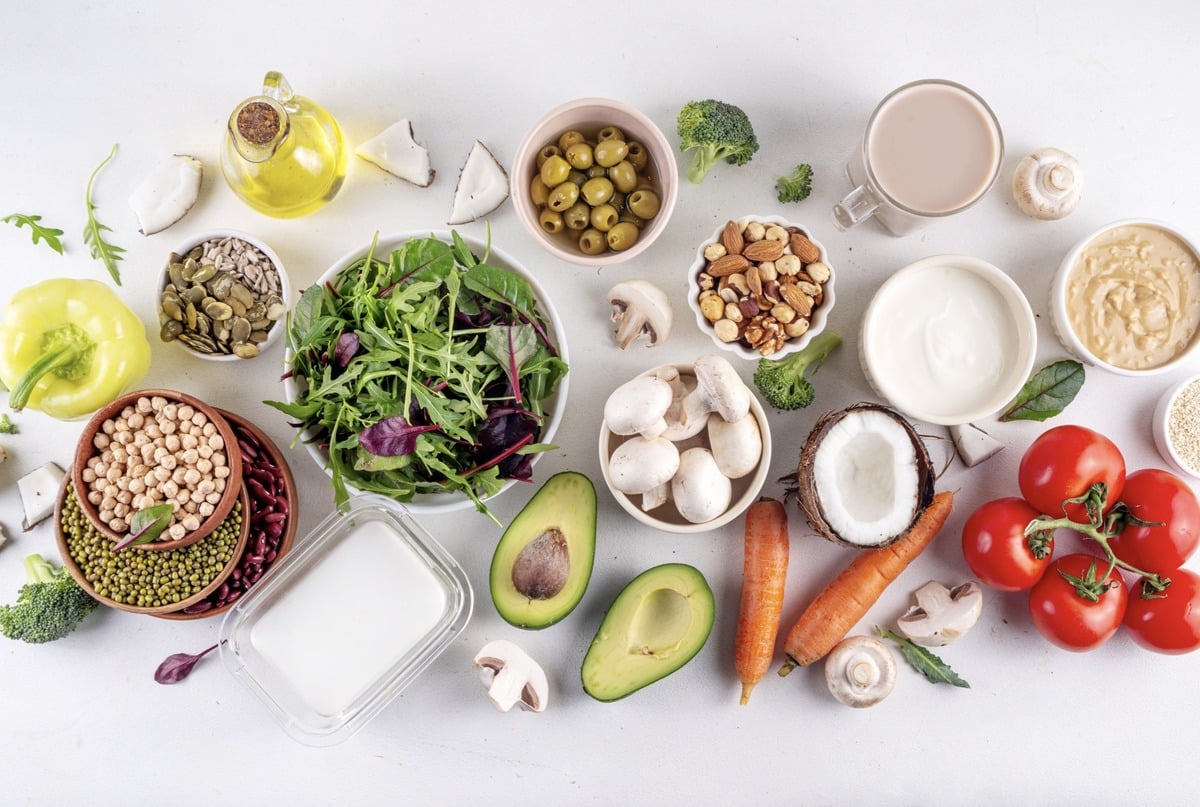
“Whole food” refers to ingredients that are unprocessed or minimally processed—the way nature intended. Think hearty grains that haven’t been stripped of their fiber, fruits harvested in season, vibrant vegetables, legumes, nuts, and seeds. The “plant-based” piece points to foods sourced purely from plants. It’s not about replacing meat with processed meat alternatives; it’s about shifting your focus to foods that come directly from the earth, in their most complete form.
Now compare that to the standard Western diet, which heavily relies on refined sugars, saturated fats, and ultra-processed foods. It’s no surprise that lifestyle diseases like obesity, type 2 diabetes, and hypertension are becoming more prevalent. A WFPB approach flips the script entirely. It fuels your body with nutrient-dense, fiber-rich options that stabilise blood sugar, reduce systemic inflammation, and nurture the gut microbiome.
Before shifting toward this path, I always encourage a little homework: write down what you currently eat, why you want to improve, and how you plan to get there. Trust me—clarity brings commitment, and commitment brings change. At Claudia’s Concept, we walk you through each step so you’re never overwhelmed—and always inspired to make better choices for your body and mind.
Why Choose a Whole Food Plant-Based (WFPB) Diet?
Transforming Your Health from the Inside Out
Every single bite you take either supports or undermines your health — there’s no neutral ground. Choosing a whole food plant-based (WFPB) diet puts you in command of your well-being. You’re not just following another food trend. You’re adopting a lifestyle proven to produce real, measurable results. And that’s what I stand for at Claudia’s Concept: science-backed changes that last.
Clinical studies consistently highlight the power of plant-forward eating to improve metabolic health, reduce inflammation, and prevent chronic diseases. The Adventist Health Studies — involving over 96,000 participants — revealed that individuals following vegetarian or plant-based diets had substantially lower risks of type 2 diabetes, high blood pressure, and cardiovascular disease. And the effects go beyond numbers; you feel the vitality return with better digestion, clearer skin, improved energy, and mental clarity.
A Conscious Choice for the Planet
If you’ve ever wondered how your plate impacts the earth, the science is clear: shifting to a WFPB diet dramatically reduces your environmental footprint. According to Oxford University’s 2018 research published in Science, eliminating animal products can lower an individual’s carbon footprint from food by up to 73%. That’s not a small difference — it’s a transformation.
Farming plants, particularly when unprocessed and locally sourced, uses significantly less land, water, and energy compared to animal agriculture. By choosing lentils over lamb, oats over eggs, or chickpeas over chicken, you’re contributing to reforestation, cleaner waterways, and even slowing climate change. One smooth, intentional switch can help align your daily choices with a global impact. Isn’t that empowering?
A Lifestyle, Not a Diet Fad
Forget calorie counting, yo-yo dieting, or punishing restriction. A WFPB diet isn’t about limitation — it’s about liberation through nourishment. It’s a long-term, sustainable way of eating that redefines your relationship with food. At Claudia’s Concept, we look at food as fuel, medicine, and ultimately, a vehicle for joy and longevity.
Unlike restrictive diets that promise a “quick fix,” the WFPB approach integrates naturally into your lifestyle. You can center your meals around abundance — fresh vegetables, legumes, fruits, nuts, seeds, and whole grains. Your taste buds adapt. Cravings evolve. Cooking becomes an act of self-love. And gradually, food becomes your 24/7 partner in wellness — not a challenge to be managed.
Because Compassion Matters
While the core benefits lie in health and sustainability, many individuals are drawn to the WFPB lifestyle because of ethical considerations. Reducing or eliminating animal-based products aligns with integral values for many — kindness toward animals, fair agriculture practices, and mindful consumption. Choosing plants is a statement about the kind of world you want to live in.
When you honour your body, the planet, and living beings through conscious eating, you create harmony both inside and out. That’s what makes the whole food plant-based approach not just effective, but deeply meaningful as well.
Are you ready to make a change? Because this shift in your plate has the power to rewrite your health story.
Unlocking Vitality: The Science-Backed Health Benefits of a Whole Food Plant-Based Diet
Are you looking to transform your health from the inside out? Let’s explore what really happens when you shift to a Whole Food Plant-Based (WFPB) Diet. At Claudia’s Concept, we often say: nourish your body with nature, and it will reward you with vitality. The benefits of a WFPB lifestyle are not just anecdotal—they are supported by decades of clinical studies and data-backed results.
Lower Risk of Chronic Diseases
One of the most impactful effects of a WFPB diet is the reduction in chronic disease risk. Heart disease and type 2 diabetes—the two leading causes of premature mortality worldwide—are both highly preventable and in many cases, reversible through dietary intervention.
A 2019 study published in JAMA Internal Medicine involving over 300,000 participants showed that individuals following a predominantly plant-based diet had a 16% lower risk of cardiovascular disease and a 32% lower risk of dying from it.
Thanks to the rich supply of antioxidants, phytonutrients, and dietary fiber found in whole plant foods, you’re not just reducing risk—you’re rebuilding your cardiovascular health from the ground up.
- Heart Health: Soluble fiber from foods like oats, legumes, and apples binds to cholesterol in the digestive tract, helping to eliminate excess LDL (‘bad’ cholesterol).
- Diabetes Prevention: A 2018 meta-analysis in Clinical Nutrition highlighted that high intake of whole grains and legumes significantly improves insulin sensitivity and glucose metabolism.
Supports Weight Loss and Weight Management
Let me be clear—this is not about restriction; it’s about intelligent nourishment. WFPB diets naturally encourage weight loss and long-term weight maintenance because they are low in calorie density and high in nutrient diversity.
Think about it: when you eat a meal built around fibrous vegetables, hearty legumes, and satisfying whole grains, you fill up faster and stay full longer. Caloric excess becomes a non-issue because whole foods do the regulating for you.
Research from the National Institutes of Health found that individuals transitioning to a plant-based diet lost an average of 5.7 kg over six months—without calorie counting or additional exercise. This shift is what we practice at Claudia’s Concept: eat more of the right things, not less.
Can Lead to Lower Cholesterol and Blood Pressure
High cholesterol and elevated blood pressure are both major drivers of stroke, heart attack, and kidney disease. The WFPB approach addresses these from the root.
According to the American Journal of Cardiology, participants on a plant-based diet experienced a reduction in LDL cholesterol by up to 25% within just a few weeks. This isn’t a marginal shift—it’s a therapeutic intervention.
- Blood Pressure: Potassium-rich foods like bananas, sweet potatoes, and spinach promote vasodilation, which naturally lowers blood pressure.
- Cholesterol: Elimination of saturated animal fats, combined with fiber-rich legumes and seeds, regulates lipid profiles.
Better Digestion and Gut Health
Your gut is your second brain. If it’s not functioning optimally, neither are you. A fiber-rich WFPB diet promotes a flourishing microbiome, enhances nutrient absorption, and reduces inflammation in the GI tract.
Studies from Gut Microbes Journal have shown that individuals who consume at least 30 different plant foods per week display significantly higher microbial diversity—a key marker of digestive health and immunity.
Foods like fermented vegetables, lentils, leafy greens, and whole grains stimulate healthy peristalsis and prevent bloating, gas, and irregularity. This translates into higher energy, better mood, and clearer skin—all from within.
Want to experience this transformation for yourself? At Claudia’s Concept, we provide personalized WFPB strategies that optimize not just body weight but holistic well-being. Your better health journey starts with the choices on your plate. Are you ready to take the first bite?
What to Eat on a Whole Food Plant-Based Diet: The Essential Guide
Shifting to a Whole Food Plant-Based (WFPB) diet isn’t about restriction—it’s about abundance. Think colour, texture, and vitality on your plate. This is where Claudia’s Concept truly comes alive: providing a clear framework for nourishing your body using the richness of nature, backed by science and inspired by wellness.
Fresh Vegetables and Fruits: Your Foundation
When you begin a WFPB journey, vegetables and fruits take center stage. They’re the most nutrient-dense foods you can eat, packed with fibre, vitamins, minerals, and powerful phytonutrients that support immune function, reduce inflammation, and protect against chronic diseases.
- Dark leafy greens like kale, spinach, and arugula are rich in iron, calcium, and vitamins A and K.
- Cruciferous vegetables such as broccoli, cauliflower, and Brussels sprouts contain sulforaphane, a compound known to support detoxification and cancer prevention (Zhang et al., 2014, Pharmacology & Therapeutics).
- Berries provide powerful antioxidants like anthocyanins that help protect cells from oxidative stress.
- Citrus fruits and kiwis deliver vitamin C, crucial for collagen synthesis and immune resilience.
Make diversity your mantra—aim for as many colours as possible to harness a spectrum of nutrients.
Whole Grains: Long-Lasting Energy, Real Nutrition
At Claudia’s Concept, we always stress the importance of complex carbs done right. Whole grains do just that. They contain the bran, germ, and endosperm fully intact—offering fibre, B-vitamins, iron, zinc, and magnesium.
- Brown rice stabilises blood sugar thanks to its high fibre content (3.5g per cooked cup).
- Quinoa is a complete protein, providing all nine essential amino acids, and contains over 15% protein by weight.
- Steel-cut oats aren’t just for breakfast—they support heart health by lowering LDL cholesterol with their beta-glucan fibre.
Processed grains strip away the best parts. Stick to the whole form and reap the benefits of slow-burning, satisfying energy.
Legumes: The Unsung Heroes of Satiety and Strength
When it comes to plant-based superfoods, legumes are at the core of sustained vitality. Loaded with fibre and protein, they leave you full for longer and regulate blood sugar levels. Science backs this up. A systematic review published in The American Journal of Clinical Nutrition (2014) showed that including legumes in meals led to significant reductions in LDL cholesterol and blood pressure.
- Chickpeas and lentils offer over 15g of protein per cooked cup along with iron and folate.
- Black beans and kidney beans improve gut microbiota due to their rich resistant starch and prebiotic fibre.
- Green peas contain lutein and zeaxanthin—antioxidants that support eye health.
Nuts and Seeds: Mighty in Small Packages
Don’t underestimate these powerhouses. With healthy fats, plant protein, and a robust micronutrient profile, nuts and seeds are essential in a WFPB lifestyle. At Claudia’s Concept, we use them smartly—for energy, brain health, and hormonal balance.
- Flaxseeds provide alpha-linolenic acid (ALA), a plant-based omega-3 that reduces systemic inflammation.
- Chia seeds are hydrophilic, expanding in water and keeping you hydrated and full longer.
- Almonds and walnuts support cognitive function—walnuts, in particular, show neuroprotective benefits thanks to polyphenols and omega-3s.
One small handful a day is enough to harness their full benefits—no need to overdo it.
Plant-Based Proteins: Clean, Efficient, Complete
Tired of hearing the protein myth? On a WFPB diet, there’s zero shortage of protein. You just need to make the right choices. Tofu, tempeh and other soy-based proteins are highly bioavailable, meaning your body can easily digest and utilise them.
- Tofu (made from soybeans) packs up to 20g of protein per 200g serving and is a fabulous carrier for spices and sauces.
- Tempeh is fermented, giving it gut-supportive probiotics, along with a firmer texture and nutty flavour.
- Edamame, the young soybeans, are fantastic for snacking or in salads, offering protein, iron and calcium.
Combining proteins from legumes and grains throughout your day ensures your body gets all the amino acids it needs to thrive.
Why Reading Labels Really Matters—Even for “Healthy” Foods
A WFPB lifestyle goes beyond ingredients—it’s about intention. Just because something is plant-based doesn’t mean it’s whole or unprocessed. At Claudia’s Concept, label-reading is a non-negotiable habit. Whether you’re shopping online or scanning a promotional mailer at home, here’s what I look for:
- Minimal ingredients: A good rule? If it has more than five unrecognisable items, skip it.
- No added sugars: Look out for syrups, glucose, dextrose and other refined sweeteners hiding under innocent names.
- No hydrogenated oils or emulsifiers: These indicate a product has been heavily processed.
- Check sodium: For canned goods like beans, opt for “no salt added” or rinse thoroughly to reduce sodium content.
Empower yourself. Each label is a chance to make a powerful choice for your health and well-being.
The WFPB diet celebrates real ingredients over hype. Whole foods, in their most natural form, support vibrant health—and that’s exactly what we stand for at Claudia’s Concept. Let your next meal be full of intention, clarity, and joy.
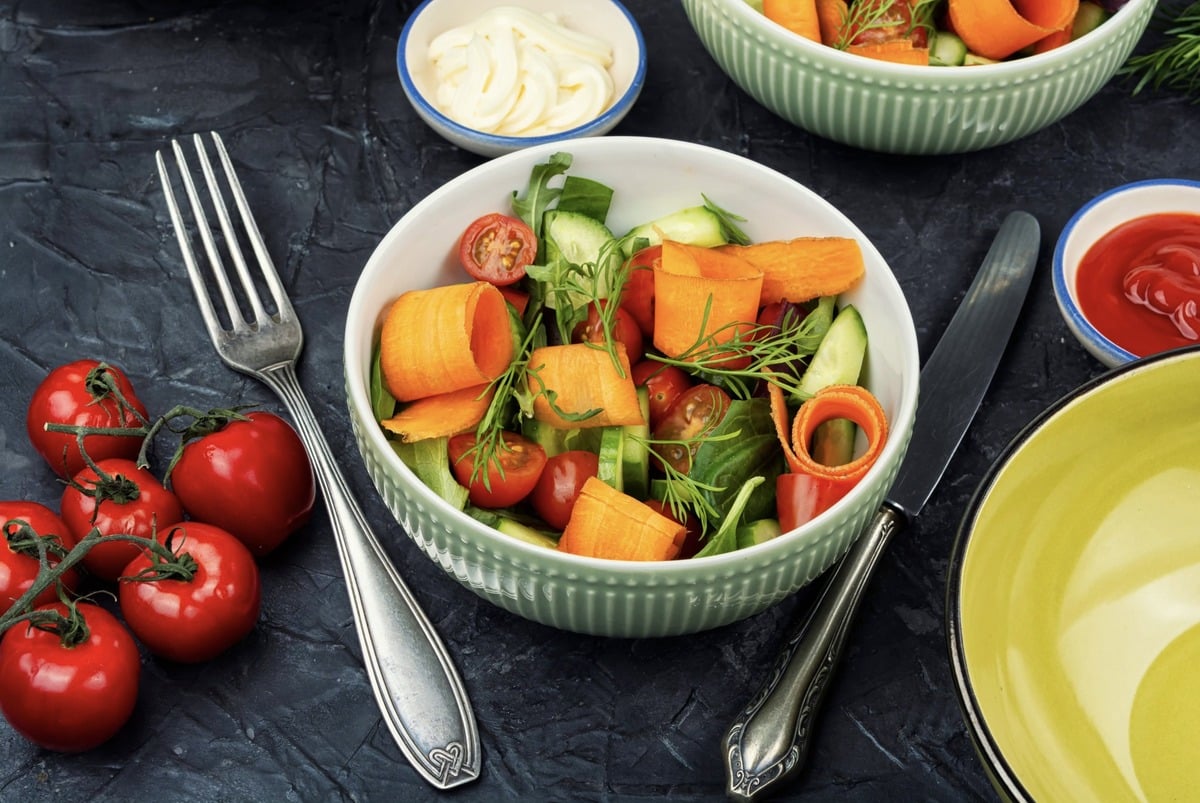
Foods to Avoid on a Whole Food Plant-Based Diet (WFPB)
When you decide to nourish your body through a Whole Food Plant-Based (WFPB) approach, understanding what to leave off your plate is just as essential as knowing what to include. At Claudia’s Concept, I guide clients to focus on foods that heal, energise, and sustain, but that journey can only begin when we intentionally reduce or eliminate what sabotages cellular health and long-term wellness.
- Refined Sugars and Carbohydrates
Refined sugars—think white sugar, corn syrup, and even “organic cane sugar”—cause dramatic blood sugar spikes followed by crashes. These fluctuations can lead to persistent food cravings, increased fat storage, and systemic inflammation. Refined carbs like white rice, white bread, and traditional pasta follow the same pattern. They strip your body of nutrients rather than support it.
- Scientific Insight: A 2012 study published in The American Journal of Clinical Nutrition found that frequent consumption of high-glycaemic foods increased the risk of type 2 diabetes and coronary heart disease by 38%.
- Alternative:Opt for whole, intact grains like quinoa, millet, or steel-cut oats that offer slow-releasing energy and fibre.
- Animal Products (Meat, Dairy, Eggs)
Animal-derived foods are excluded entirely in a WFPB diet—not because of ideology, but because of their impact on our health at the biochemical level. Saturated fats, heme iron, IGF-1 (Insulin-like Growth Factor-1), and inflammatory compounds found in meat and dairy disrupt hormonal balance, gut microbiota, and cardiovascular function.
- Did You Know? The Adventist Health Studies demonstrated that individuals following a fully plant-based diet had a 75% lower risk of hypertension compared to meat-eaters.
- Focus Instead: Get your protein from whole plant sources like beans, lentils, tempeh, and leafy greens. The amino acid profile is complete when meals are well planned, and digestion is gentler.
- Highly Processed and Packaged Foods
If it comes in a packet with a long list of unpronounceable ingredients, steer clear. These products typically contain emulsifiers, preservatives, sodium overload, trans fats, and hidden sugars. They contribute to oxidative stress and reduce mitochondrial efficiency, hindering weight loss and degenerative disease prevention.
- For Example: A longitudinal study in BMJ (2019) linked consumption of ultra-processed foods to a 62% increase in all-cause mortality over 20 years.
- Try This: Replace industrial snacks with raw nuts, dates, roasted chickpeas, or air-popped popcorn. You’ll be amazed how satisfying clean eating can be when the flavours are natural.
- Oils and Added Fats
This surprises many, but all isolated oils—even olive, coconut, and avocado—are highly refined and stripped of fibre, phytonutrients, and vitamins. Though small amounts of fat are vital, these should come from whole sources. Oils interfere with endothelial function and can impair arterial dilation, especially in those with existing heart concerns.
- Study Insight: Research from Dr. Caldwell Esselstyn at the Cleveland Clinic shows that excluding all added oils can halt—and often reverse—coronary artery disease.
- Best Choices: Add whole fats like avocado, flaxseeds, chia seeds, and tahini into meals rather than pouring oil on top.
- Artificial Sweeteners and Preservatives
Low-calorie sweeteners such as aspartame, sucralose, and saccharin were designed to satisfy sugar cravings without the caloric load. However, they disrupt gut microbiota and alter metabolic feedback loops. Preservatives and synthetic additives burden the liver and immune system, often triggering histamine responses or unexplainable fatigue.
- Clinical Data: A 2014 study in Nature found that artificial sweeteners induced glucose intolerance by changing the composition of gut microbiota in both humans and mice.
- Natural Alternatives: Try dates, molasses, or fruit purées as unrefined sweeteners. Their micronutrient density offers so much more than just sweetness.
Everything we consume either builds health or depletes it—it’s that simple. The WFPB lifestyle endorsed by Claudia’s Concept stands on a science-backed foundation that emphasises cellular nutrition, detoxification, and vibrant living. By keeping your kitchen free of these five food categories, you’re not just eliminating the bad—you’re making space for incredible wellness to flourish.
How a Whole Food Plant-Based Diet Supports Weight Loss
Does weight loss feel elusive, despite your best efforts? You’re not alone. From fad diets to calorie counting apps, so many approaches miss one critical element: sustainable nourishment. If you’re seeking a method grounded in science and results, the Whole Food Plant-Based (WFPB) diet offers a powerful, natural approach to fat loss that doesn’t rely on deprivation or extremes. At Claudia’s Concept, we focus on this realistic and nourishing path—because losing weight shouldn’t mean losing out on health or enjoyment.
Calorie Density: The Game-Changer in Fat Loss
Here’s where the WFPB lifestyle truly shines. Plants—especially whole foods like vegetables, fruits, legumes, and whole grains—are naturally low in calorie density but rich in volume. That means you can eat satisfying portions without consuming excess calories.
Let’s break it down with data. According to research published in the journal Nutrition Reviews, foods like leafy greens average around 100 calories per pound; compare that to oil at 4,000 calories per pound. That’s a staggering difference. A big plate of quinoa, chickpeas, roasted veggies, and greens can come in at under 500 calories—and it’ll keep you full for hours.
When your meals are abundant, colourful, and deeply satisfying, you naturally reduce your caloric intake without feeling restricted. That’s the real magic of low-calorie density foods—they safeguard your energy balance without the need for obsessive tracking.
Natural Appetite Control Through Nutrient-Dense Foods
One reason people struggle to lose weight on processed diets is appetite dysregulation. Ultra-refined foods are often stripped of fiber and loaded with sugar, salt, and synthetic flavour compounds that derail your internal hunger cues. In contrast, WFPB foods are loaded with the micronutrients your body actually craves—think phytonutrients, antioxidants, magnesium, potassium, and plant protein.
Research from the Journal of Clinical Nutrition shows that foods high in nutrient content but low in energy density increase post-meal satisfaction and reduce the tendency to snack. That translates to lower caloric intake across the day without hunger.
Fiber: Nature’s Secret Weapon Against Weight Gain
You won’t find it in meat. Or oil. Or soda. But fiber is the undisputed star of the WFPB diet—and it plays a direct role in regulating weight. According to the American Society for Nutrition, high fiber diets are linked to significantly lower body fat and waist circumference. And here’s the number you’re looking for: most Americans average only 15 grams of fiber per day, while a WFPB eater typically consumes 30–45 grams daily, sometimes even more.
What does this mean for your weight loss? Fiber slows digestion, mitigates blood sugar spikes, supports detoxification, and physically stretches the stomach to enhance satiety. Simply put, more fiber equals reduced appetite and improved metabolic health. That’s not theory; that’s your biology working in your favour.
Long-Term Satiety and Sustainable Eating Habits
The WFPB approach prioritises foods that take longer to digest, triggering stretch and nutrient receptors in your gut. Unlike simple carbs or animal fats that spike insulin and crash blood sugar, foods like lentils, barley, baked sweet potatoes, and raw vegetables deliver sustained energy and fullness.
In a 16-week trial published in Nutrition & Diabetes, participants switching to a low-fat WFPB diet not only lost an average of 6.4 kg (over 14 lbs), but they also reported reduced hunger and increased meal satisfaction. Why? Because they weren’t fighting biology—they were aligning with it.
At Claudia’s Concept, I guide clients through this exact transition. Once they experience stable energy, digestive comfort, and emotional balance from nutrient-rich meals, they never look back.
Set a Realistic Weight Goal and Track Your Progress
I encourage everyone to focus less on the scale and more on non-scale victories—better sleep, clearer skin, reduced bloating, and improved stamina. But yes, tracking your progress with intent keeps your mindset engaged and resilient.
- Set a target that reflects your lifestyle and health goals. For many, 5 to 1 kg per week is a steady, lasting pace of weight loss.
- Use measurements and photos every two weeks. Muscular definition and body recomposition matter more than numbers on a scale.
- Celebrate milestones with lifestyle rewards—new activewear, a plant-based cooking class, or a nature hike.
Weight loss on the WFPB diet isn’t about constant self-control—it’s about retraining your hunger hormones, rebalancing metabolism, and loving the foods that love your body back. When you move away from willpower and toward nourishment, transformation follows naturally.
Essential Nutrients to Monitor on a Whole Food Plant-Based Diet
Switching to a Whole Food Plant-Based (WFPB) lifestyle can be transformative for your health, energy levels, and even longevity. But to fully harness its benefits, you must pay close attention to certain key nutrients that are less abundant or absorbed differently on a plant-based plan. At Claudia’s Concept, we guide our clients through precisely these details so that their nutrition is not just robust—but optimally balanced.
Vitamin B12: A Non-Negotiable Supplement
If you’re eating a 100% plant-based diet, your intake of Vitamin B12 from food drops to virtually zero. That’s because only animal-derived foods provide this essential nutrient naturally. Your body needs B12 to form red blood cells, maintain neurological function, and synthesize DNA. Deficiency doesn’t show up overnight—it may take months or even years to manifest, but once it does, the impact can be irreversible.
Scientific research from the National Institutes of Health (NIH) confirms that a B12 deficiency increases the risk of megaloblastic anemia and cognitive decline. Adults following a WFPB diet must take a reliable supplement, typically dosed at 250–500 micrograms daily or 2,500 micrograms weekly in cyanocobalamin or methylcobalamin form. A quick blood test can confirm whether your levels are on track.
Iron: Fuel for Strength and Energy
Plant-based diets provide non-heme iron, which is less bioavailable than the heme iron found in animal products. That doesn’t mean you’re at a disadvantage—it just means absorption needs a smart, strategic approach.
Here’s the trick: pair iron-rich foods with vitamin C. This combination enhances absorption by reducing iron to its more absorbable form. Crush a wedge of lemon over lentil curry, add bell peppers to your tofu stir-fry, or drink orange juice alongside your morning oats with pumpkin seeds.
- Top iron sources: Lentils, blackstrap molasses, tempeh, tofu, quinoa, and spinach.
- Best vitamin C boosters: Citrus fruits, strawberries, kiwis, bell peppers, and tomatoes.
Clinical reviews published in the American Journal of Clinical Nutrition support that including just 50 mg of vitamin C in a meal can increase iron absorption by up to 300%.
Omega-3 Fatty Acids: Brain and Heart Protection
EPA and DHA—the long-chain omega-3 fatty acids known for supporting brain health, reducing inflammation, and promoting cardiovascular well-being—are mainly found in fish. But your body can synthesize them to a degree from ALA (alpha-linolenic acid), the essential omega-3 from plants.
Meet your omega-3 needs from powerful seeds and nuts. Add chia seeds to smoothies, grind flaxseeds into your oatmeal, or toss walnuts into your salads. However, ALA conversion to EPA and DHA within the body is quite limited—ranging between 5–10% for EPA and, in some cases, less than 1% for DHA, according to research published in Progress in Lipid Research.
If you’re looking to optimize cognitive and cardiovascular protection, taking a daily algae-based DHA/EPA supplement is a reliable step on a WFPB plan. At Claudia’s Concept, we often incorporate algae oil into client protocols to cover this critical gap with clinical precision.
Ignoring these nutrients can weaken the benefits of a plant-based lifestyle, but understanding how to consistently meet your needs will ensure that your WFPB journey is both nourishing and empowering. Keep it simple, stay informed, and lean on expert guidance when needed—because vibrant health is the ultimate goal.
How to Plan WFPB Meals and Find Easy Recipes That Fit Your Lifestyle
Planning a whole food plant-based (WFPB) lifestyle doesn’t have to be complicated or time-consuming. The key lies in structure, inspiration, and the right tools. At Claudia’s Concept, I always stress that successful dietary shifts start with mindful meal planning. Whether you’re prepping for the week ahead or looking for simple, budget-friendly meal ideas, there’s a clear path to staying nourished and energised.
Weekly Meal Planning Tips That Work
Start by designating a specific day to plan and prepare your meals – Sunday works well for most. Think of your week in themes. For example:
- Meatless Monday: Lentil curry with brown rice and sautéed greens.
- Tofu Tuesday: Stir-fried tofu with mixed vegetables and soba noodles.
- Whole Grain Wednesday: Quinoa salad with chickpeas, cucumber, and lemon vinaigrette.
Create meals around whole grains, legumes, vegetables, seeds, and fruits. Batch cooking brown rice or roasting a tray of seasonal vegetables in advance saves hours midweek. I also recommend making sauces (like tahini dressing or cashew cream) ahead of time – they elevate even the simplest dish.
Sample 1-Day Meal Plan You Can Start With
Need a visual guide? Here’s a balanced day on a WFPB diet based on evidence-backed food combinations that optimise nutrient absorption:
- Breakfast: Rolled oats with almond milk, chia seeds, blueberries, and a dash of cinnamon.
- Snack: Sliced apple with 100% natural peanut butter.
- Lunch: Sweet potato and black bean Buddha bowl with kale, red cabbage, tahini-lemon dressing, and a sprinkle of hemp seeds.
- Snack: Carrot sticks with hummus or roasted chickpeas.
- Dinner: Red lentil soup with a side of sourdough and a mixed greens salad topped with pumpkin seeds and balsamic vinegar.
This plan hits fibre targets, gives you complete protein blends, and keeps you full throughout the day – without any blood sugar spikes.
Quick and Budget-Friendly Meals for Busy Days
On hectic weekdays, simplicity wins. A few go-to combinations I’ve used with my celebrity clients work beautifully for everyone:
- Chickpea Salad Sandwich: Mashed chickpeas, mustard, celery, and herbs between slices of whole grain bread.
- Five-Minute Stir-Fry: Steam-fry frozen vegetables with garlic and ginger, add cooked quinoa, and top with tamari or coconut aminos.
- Avo Toast Upgrade: Whole grain toast topped with smashed avocado, cherry tomatoes, and hemp seeds.
One 2020 study published in BMJ Open found that well-planned plant-based diets are on average 25% cheaper than omnivorous ones. That’s a powerful incentive, especially with global food prices fluctuating.
Helpful Tools and Apps (That Actually Deliver Results)
Digital tools streamline everything from idea generation to grocery shopping. Some of my favourites:
- Forks Over Knives Meal Planner: Customisable plans with nutritional breakdowns and automated shopping lists.
- Eat This Much: A meal generator that adjusts to dietary goals and caloric needs.
- Yummly: Filters recipes by whole food ingredients and prep time, perfect for when you’re short on time.
At Claudia’s Concept, I offer a personalised email-based meal planning service tailored to your goals, preferences, and energy demands. You’ll find it easier to stay on track when your inbox supports your plate.
Your WFPB Shopping List Based on This Week’s Recipes
Here’s a streamlined shopping list based on the sample meals and quick ideas above. Head to your local market or favourite grocery store and check these off:
- Grains: Rolled oats, brown rice, quinoa, whole grain bread
- Legumes: Canned or dry chickpeas, black beans, red lentils
- Vegetables: Kale, sweet potato, cabbage, carrots, spinach, garlic, ginger
- Fruits: Apples, blueberries, bananas, lemons, cherry tomatoes
- Healthy fats: Avocados, natural peanut butter, tahini, olive oil
- Seeds: Chia, flaxseed, hemp, pumpkin
- Pantry basics: Tamari, mustard, cinnamon, whole grain mustard, balsamic vinegar
Build habits with repetition, and make it enjoyable by trying new seasonal produce often. With the right planning foundation from Claudia’s Concept, your whole food plant-based journey becomes both sustainable and exciting.
How to Transition to a Whole Food Plant-Based (WFPB) Lifestyle Without Stress
Starting a new lifestyle can feel overwhelming at first, but transitioning to a whole food plant-based diet doesn’t have to be all or nothing. In fact, adopting this nourishing way of eating works best when taken step by step—with intention and consistency.
Start Slow and Be Strategic
The key to a successful WFPB transition lies in giving your habits time to evolve. There’s no need to overhaul your entire kitchen overnight. Instead, begin by removing processed and animal-derived foods one food group at a time.
- Week 1: Replace red meats with plant-based proteins like lentils, chickpeas, or tofu.
- Week 2: Remove dairy gradually and experiment with nut milks, soy yogurt, or cashew-based cheeses.
- Week 3: Eliminate refined grains and stock up on wholesome options like quinoa, brown rice, and oats.
- Week 4: Say goodbye to ultra-processed snacks and introduce fresh fruits, vegetables, and homemade nut bars instead.
As you remove, make sure to replace. The focus of a WFPB lifestyle is abundance, not restriction. At Claudia’s Concept, we guide our clients through carefully tailored transitions that align with their pace and preferences, because sustainable change only happens when it fits real life.
Batch Cooking and Meal Prep: Your New Best Friends
If your week is packed, prepping meals in advance will become your greatest ally. You can batch cook fiber-rich staples like beans, lentils, roasted vegetables, and grains on Sundays to build your meals in minutes during the week.
Take it a step further by organizing your fridge with balanced grab-and-go meals. For example, pre-assemble quinoa bowls with chopped veggies, a tahini-lemon dressing, and spiced chickpeas. When healthy options are ready to eat, you’re far less likely to reach for convenience junk foods.
Science backs this up. A 2020 study in the journal Appetite found that people who meal prep are significantly more likely to consume healthier foods consistently throughout their week.
Dealing with Cravings—Strategically
Yes, cravings will show up. Especially in the first few weeks. The trick is not to suppress them but to redirect them.
Crave sweets? Try medjool dates stuffed with almond butter and cocoa nibs. Missing cheese? Nutritional yeast and ground nuts can create a creamy texture and umami taste that hits the spot. Scientific literature has shown that cravings are often the result of habitual triggers rather than true hunger—so changing your daily routines can rewire those impulses remarkably fast.
At Claudia’s Concept, we use a mind-nutrition connection strategy. Instead of fighting cravings, we train our bodies to crave nourishment. Within two to four weeks of consistent WFPB eating, many people report dramatic reductions in sugar and salt desire. That’s the power of real food and brain chemistry working together.
Celebrate the Small Wins—They Matter
Let’s be honest: this journey is not just about kale and sweet potatoes. It’s about progress. Maybe you cooked your first WFPB dinner this week. Maybe you breezed through grocery shopping without impulse-buying packaged snacks. Or maybe, just maybe, you entered your One-Time-Progress (OTP) milestone—a term we love to use at Claudia’s Concept—to mark that you showed up for your health goals today.
Recognize these mini victories. They fuel consistency. They build momentum. And they’re the clearest signs that you’re becoming the best version of yourself, one plant-based step at a time.
You don’t need perfection. You need progress—and the right strategy to support it. That’s how the WFPB lifestyle becomes not just doable but deeply rewarding.
Ready to Transform Your Health? Begin Your WFPB Journey Today
The Whole Food Plant-Based (WFPB) diet isn’t a short-term cleanse or a trendy fad. It’s a conscious, life-shifting choice. When you remove ultra-processed foods and make whole, plant-based ingredients the heroes of your plate, remarkable changes unfold. Reduced inflammation, balanced weight, improved energy, and deeper connection to the environment—these aren’t vague promises but well-substantiated outcomes, grounded in robust research.
Throughout this guide, we’ve explored everything from what the WFPB lifestyle entails and the science-backed health benefits to practical grocery tips and eating out hacks. You’ve seen how this diet supports optimal nutrient intake, aids in fat loss, and aligns with both personal health goals and sustainability efforts. But there’s something more—this shift is about empowerment. It’s about reclaiming control over your vitality, one beautifully vibrant meal at a time.
At Claudia’s Concept, we integrate the WFPB approach into personalized nutrition strategies that actually work. No confusion, no overwhelm—just clear steps that lead to real results. Whether you’re curious to dip your toes in or absolutely ready to dive in headfirst, now is the moment to take that first step.