
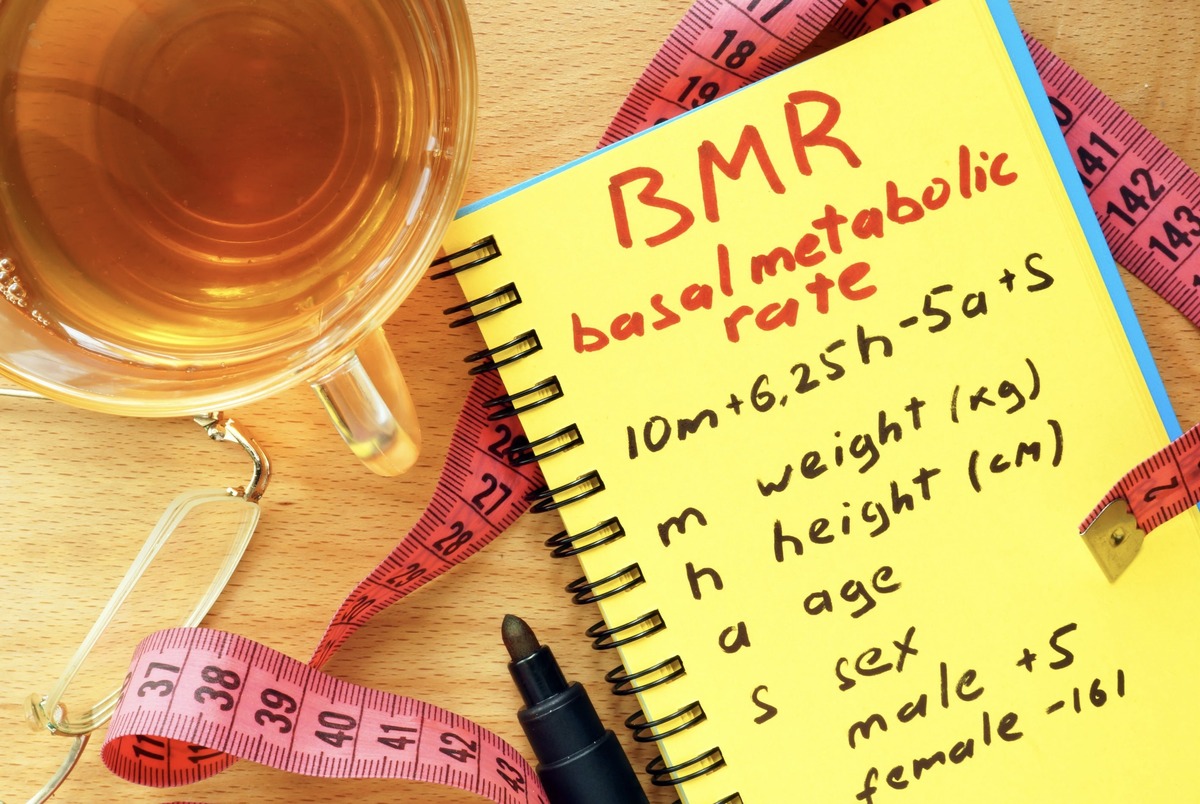
Metabolism isn’t just a buzzword tossed around in health conversations — it’s the very engine that powers every cell, muscle, and organ inside your body. Responsible for converting food into usable energy, metabolism directly impacts your Total Daily Energy Expenditure (TDEE) — the total number of calories your body burns in a day. This includes your Basal Metabolic Rate (BMR), physical activity, and the thermic effect of food. When your metabolism runs efficiently, your body performs better, your energy levels soar, and weight regulation feels effortless.
Now, let’s go one step deeper into something that’s gaining visibility in medical and wellness circles: metabolic age. This number compares your basal metabolic rate to the statistical average of your chronological age group, essentially revealing how ‘young’ or ‘old’ your body feels internally. If your metabolic age is higher than your actual age, it’s a signal that your body may be underperforming on a cellular level — cue the wake-up call. But if it’s lower, congratulations! You’re running younger than your passport says.
So, why does this matter for Homo sapiens striving to live longer, stronger, and sharper? Because metabolic age is a powerful predictor of health span. It influences everything from weight gain tendencies and energy dips to the risk of developing lifestyle-related conditions like type 2 diabetes and cardiovascular disease. When you understand your metabolic age, you unlock a personalized insight into how your body works — and how to optimise it for peak performance. At Claudia’s Concept, I use this metric as a cornerstone for crafting holistic transformation plans that not only reshape the physique but recalibrate your biology from the inside out.
What Is Metabolic Age?
Take a moment and imagine this: two people born on the exact same day walk into a wellness clinic. They both claim to be 40 years old. But after a detailed body composition analysis, one is told their metabolic age is 32, while the other hears 52. That’s the power of metabolic age. It moves beyond the simple number on a birthday cake, offering real insight into how your body is functioning on a cellular level. And yes, the metabolic clock can tick faster—or slower—than your chronological one.
Chronological Age vs. Metabolic Age
Chronological age measures the number of years you’ve lived. Metabolic age, however, evaluates how efficiently your body burns calories at rest—that is, your Basal Metabolic Rate (BMR). The result? A number that reflects your internal biological efficiency. If your metabolic age is lower than your actual age, you can be confident that your body is functioning youthfully. Conversely, a higher metabolic age often points to slower metabolic processes, lower muscle mass, higher fat percentage, and increased risk of age-related illnesses.
The Role of BMR and Total Daily Energy Expenditure
Your Basal Metabolic Rate (BMR) is the amount of energy—measured in calories—that your body uses at rest to maintain vital functions like breathing, circulation, and cellular production. This accounts for roughly 60-75% of your total daily energy expenditure (TDEE). The rest is determined by physical activity and the thermic effect of food.
Now here’s where it gets really interesting. BMR isn’t just a number—it’s an age indicator. A 25-year-old with high muscle mass and excellent cellular efficiency may have a BMR comparable to someone much younger. On the other hand, sedimentary routines, excessive fat tissue, and low lean mass slow the BMR, accelerating metabolic aging—even in young bodies. With Claudia’s Concept, we teach clients how to reverse this trend and bring metabolic age back in alignment, or even below, chronological age using nutrition and lifestyle science.
Why Metabolic Age Matters
Metabolic age doesn’t just whisper secrets about your metabolism—it shouts vital signs about your future health trajectory. It’s closely tied to:
- Body composition: High fat mass increases metabolic age, while lean muscle supports youthful metabolic functions.
- Energy regulation: A sluggish metabolism drains vitality, while a younger metabolic engine powers consistent energy levels throughout the day.
- Weight management: A younger metabolic age makes it easier to maintain a healthy weight because your body is burning calories more efficiently.
- Aging and disease risk: Metabolic age provides insights into the risk factors for conditions like Type 2 diabetes, cardiovascular diseases, and metabolic syndrome.
At Claudia’s Concept, we integrate metabolic age assessments into our wellness programs because this one metric provides both a snapshot and a goalpost. When you reduce your metabolic age, detox pathways become more efficient, hormonal balance improves, and longevity is supported from the inside out.
Ask yourself this: is your body operating as young as you feel—or is your metabolism lagging behind?
The Science Behind Basal Metabolic Rate (BMR)
Ever wondered why two people of similar weight consume the same number of calories, but one gains weight faster than the other? The difference lies in Basal Metabolic Rate—the silent calorie burner that operates round the clock. At Claudia’s Concept, understanding this intricate process is key to designing personalised transformations that work long-term.
What Exactly Is BMR?
Your Basal Metabolic Rate (BMR) is the amount of energy your body uses while at complete rest to perform essential life-sustaining functions. These include breathing, circulating blood, regulating temperature, and maintaining organ activity. In simpler terms, it’s the number of calories you burn just by being alive and not moving at all.
BMR accounts for roughly 60% to 75% of total daily energy expenditure in sedentary individuals, according to the Journal of Clinical Endocrinology and Metabolism. This makes it a foundational metric in understanding not just metabolism, but also metabolic age.
Main Factors That Shape Your BMR
- Age: BMR naturally declines with age. After 30, individuals experience a drop of about 1% to 2% per decade. This is due to a gradual loss of lean muscle and hormonal changes that slow metabolic efficiency.
- Gender: Men often have a higher BMR than women because they typically have more lean muscle mass and less body fat. A study in the American Journal of Clinical Nutrition found that muscle burns up to three times more calories at rest than fat tissue.
- Muscle Mass vs Fat Tissue: Simply put, muscle is metabolically active; fat is not. People with higher lean body mass will always have a faster BMR. That’s why strength training at Claudia’s Concept isn’t just about aesthetics—it’s a metabolic strategy.
- Genetics: Some people are born with a faster or slower BMR. Genetic predisposition sets a baseline, but it’s not unchangeable. Lifestyle can significantly modify how genes express.
- Hormones: Thyroid hormones, particularly T3 and T4, are pivotal in regulating metabolism. An underactive thyroid (hypothyroidism) slows BMR, while overactivity (hyperthyroidism) speeds it up. Additionally, insulin, cortisol, and growth hormone also play supporting roles.
BMR’s Relationship with Metabolic Age
Metabolic age compares your BMR to the average BMR of individuals in different age groups. If your BMR mirrors those much younger than you, your metabolic age is “younger” than your chronological age—which is an excellent sign. A slower BMR indicates the opposite. By improving your BMR, you directly influence your metabolic age. And the best part? This change is measurable and achievable through the right tools and strategies offered at Claudia’s Concept.
Understanding BMR isn’t just technical—it’s empowering. When you’re equipped with this knowledge, you hold the reins to one of the most powerful determinants of your health and vitality. Curious how you can calculate and improve yours? Keep reading—we’re just getting into the nuts and bolts of reversing your metabolic age naturally.
Discovering Your Inner Physique: Why Body Composition Is Key to Understanding Metabolic Age
At the heart of metabolic age lies a crucial diagnostic tool that goes beyond the numbers on the scale—body composition analysis. While traditional weight measurements only show the total body mass, they ignore what really matters when it comes to health, performance, and ageing internally. I always explain to my clients at Claudia’s Concept that if you don’t know your body’s actual makeup, you’re working with partial data—and that greatly limits your progress.
What Does Body Composition Really Tell You?
Body composition analysis breaks your body into three major components:
- Fat Tissue: This includes essential fat (vital for hormone production and cellular function) and stored fat (energy reserve but problematic in excess).
- Lean Muscle Mass: The powerhouse of your metabolic engine. Muscles actively burn calories, even while you rest, making them a key factor in your basal metabolic rate (BMR).
- Body Water Content: Total body water supports nutrient transport, temperature regulation, and metabolic reactions, influencing energy efficiency.
It’s not just about how much you weigh, but what that weight is made of. A person could weigh 70 kg yet have very different metabolic health depending on whether those kilos come more from muscle or fat.
Lean Muscle Mass: The Driver of Your Basal Metabolic Rate
If your goal is to improve—or reverse—your metabolic age, building and maintaining lean muscle is where you start. Muscle is metabolically active. In fact, each kilogram of muscle burns roughly 13 kcal per day at rest, compared to about 4.5 kcal per day for each kilogram of fat mass. That’s nearly triple the caloric demand for muscle tissue, according to findings published in the American Journal of Clinical Nutrition.
This explains why two individuals of the same age and weight can have drastically different metabolic ages. The one with a higher percentage of lean mass will naturally enjoy a more youthful metabolism, leading to faster fat burning, better energy levels, and more efficient hormonal responses.
At Claudia’s Concept, we use advanced bioelectrical impedance devices to evaluate body composition with precise indicators—guiding lifestyle changes tailored for long-term metabolic improvements. You can’t change what you don’t measure, and knowing your muscle-to-fat ratio is a game-changer.
Have you ever wondered how much of your weight supports your vitality versus how much weighs you down? Once you know, the roadmap to reversing your metabolic age becomes clear—and achievable.
How to Measure Metabolic Age Accurately
Knowing your metabolic age can be incredibly empowering—it offers real insight into how efficiently your body uses energy compared to others in your age group. But how do you measure it with accuracy and confidence? At Claudia’s Concept, the focus is always on choosing methods that deliver reliable and science-based results. Let’s explore the most effective tools available today to help you uncover where you truly stand metabolically.
Overview of Available Methods
There isn’t a single ‘magic number’ for metabolic age—it’s calculated using several physiological parameters, primarily your Basal Metabolic Rate (BMR) and body composition. The good news: modern wellness technology has made these measurements both accessible and accurate.
Bioelectrical Impedance Analysis (BIA)
BIA has become a household name in body composition measurement, and for a good reason. By sending a low-level electrical current through the body, BIA devices estimate muscle mass, fat mass, and water distribution. Since each tissue conducts electricity differently, the device calculates BMR and converts it into a metabolic age estimate.
Many home scales now offer BIA functions, but clinical-grade BIA machines provide significantly higher precision. These are often used in professional settings like Claudia’s Concept to ensure a more thorough and individualized analysis. Scientific studies, including one published in the Journal of Physiological Anthropology, confirm BIA’s validity compared to more complex tools when used under controlled conditions.
Dual-Energy X-ray Absorptiometry (DEXA)
Considered the gold standard in body composition analysis, DEXA scans offer a detailed breakdown of fat, lean muscle, and bone density. What sets DEXA apart is its precision—it not only helps assess your current metabolic state but also lets you track subtle shifts over time.
Because muscle mass plays a major role in determining metabolic rate, a DEXA scan gives unmatched clarity. That’s why at Claudia’s Concept, it’s one of the preferred tools when designing truly personalized metabolic improvement programs. Research published in Obesity Research confirms DEXA’s high correlation with direct measures of metabolic rate due to its ability to accurately quantify lean tissue.
Metabolic Analyzers
If you’re serious about precision, metabolic analyzers are the next level. These devices measure oxygen consumption (VO₂) and carbon dioxide production (VCO₂) while at rest—this process, called indirect calorimetry, calculates your resting metabolic rate (RMR), which can then be translated into your metabolic age.
Tools like the REEVue or CosmedFitMate are often used in clinical environments and provide incredibly accurate data when properly administered. A study from the American Journal of Clinical Nutrition maintains that indirect calorimetry remains the most accurate method for RMR estimation.
Home-Based vs Clinical Testing Tools
Home devices offer remarkable convenience, but they come with a trade-off in accuracy. In contrast, clinical tools—used in wellness centers like Claudia’s Concept—leverage controlled conditions, better calibration, and expert guidance to produce superior results.
- Home Tools: BIA-enabled smart scales, fitness wearables, basic BMR calculators.
- Clinical Tools: Medical-grade BIA machines, DEXA scanners, indirect calorimetry devices.
While home tools are a great starting point for general awareness, investing in a clinic visit offers the depth and accuracy needed to track long-term progress and make impactful changes.
Limitations and the Measurement Process
Even the most advanced tools can’t account for everything. Temporary hydration status, meal timing, physical activity just before the measurement—all of these factors can influence readings, especially on BIA devices. That’s why consistency matters. At Claudia’s Concept, we recommend using standardized testing conditions—same time of day, fasted state, rested body—to eliminate extraneous variables.
In many cases, layering methods creates the most trustworthy picture. For instance, combining BIA for trend tracking with periodic DEXA scans for precision works well in ongoing metabolic coaching. The goal is not a one-time reading but an evolving understanding that adapts to your progress.

What’s Really Driving Your Metabolic Age? Key Factors You Need to Know
Understanding metabolic age starts with recognising the lifestyle and biological elements that either support or sabotage your cellular vitality. At Claudia’s Concept, I help clients take charge by identifying—and then correcting—the root factors accelerating their internal clock. Let’s break down the science-backed influencers that shape your metabolic age, often behind the scenes.
- Diet and Nutrition Quality
The food you consume isn’t just fuel—it’s a messenger to your metabolic system. A diet rich in processed foods, refined sugar, and trans fats increases inflammation, disrupts insulin sensitivity, and accelerates cellular ageing. In contrast, a nutrient-dense, whole-foods approach does the opposite. It activates genes that improve metabolic flexibility and mitochondrial function.
For example, a 2020 publication in Cell Metabolism identified that diets high in polyphenols—found in berries, green tea, and dark leafy greens—stimulate AMP-activated protein kinase (AMPK), a major player in energy regulation and longevity. Prioritising healthy fats from sources like avocados, reducing empty carbs, and increasing dietary fibre are all top recommendations at Claudia’s Concept to reverse an ageing metabolism effectively.
- Sedentary Behaviour vs Physical Activity
Sitting is the new smoking, and that’s not just a saying. Physical inactivity has a direct influence on your metabolic age by downregulating mitochondrial density and fat oxidation. According to a 2018 analysis in the Journal of Applied Physiology, consistent resistance training and interval-based cardio significantly increase resting metabolic rate through lean muscle accumulation—even more so in adults over 40.
If you’re active, your body burns more calories at rest. If you’re not, your metabolic age climbs. At Claudia’s Concept, I create personalised movement plans that match your body’s needs and reverse this sluggish trajectory naturally.
- Sleep Patterns
Sleep may be the most underrated metabolic ally. Poor sleep disrupts your circadian rhythm, elevates cortisol, and decreases levels of leptin—the hormone that signals fullness. A landmark study published in the journal Sleep demonstrated that five consecutive nights of sleep restriction reduced glucose tolerance by 40%, mimicking prediabetic conditions in healthy individuals.
Deep, consistent sleep isn’t negotiable. It’s a pivotal tool for resetting the metabolic system, and implementing sleep hygiene strategies is a core component of Claudia’s Concept for rejuvenating metabolic age.
- Stress Levels
Chronically elevated stress oversaturates your system with cortisol, which heavily shifts body composition by encouraging fat storage (particularly visceral fat), slows thyroid function, and increases blood sugar. Research from the American Journal of Psychiatry correlates long-term stress exposure with mitochondrial dysfunction—your body’s energy engines becoming inefficient with time.
Integrating mindfulness, intentional breathing, and emotional nutrition into your daily routine dials back the stress response and directly improves metabolic resilience.
- Medical Conditions
Clinical diagnoses like hypothyroidism, insulin resistance, and autoimmune disorders distort your basal metabolic processes. For instance, underactive thyroid function slows everything down, from digestion to cellular turnover, artificially ageing your metabolism. A comprehensive approach that addresses root imbalances—not just symptoms—is essential.
By aligning nutrition and movement with your medical context, you create the conditions to restore efficiency. At Claudia’s Concept, this is exactly how we rebuild function from the inside out.
- Hormonal Balance
Hormones act as switches controlling your appetite, fat storage, muscle composition, and energy levels. As early as your late 30s, shifts in estrogen, testosterone, and human growth hormone subtly change how the body burns and stores fuel.
According to findings in the Journal of Clinical Endocrinology & Metabolism, restoring hormonal balance through strength training, healthy fat intake, and eliminating endocrine disruptors like BPA significantly influences metabolic age. Testing and strategic lifestyle modulation are your power tools here.
- Genetics and Ethnicity
Your genes influence your metabolic tendencies, that’s true—but they don’t dictate your destiny. Certain populations may have higher inclinations toward insulin resistance or altered fat metabolism due to ancestral adaptation. A 2019 genome-wide study published in Nature Genetics identified that over 300 genetic variants are associated with BMI and metabolic function—but environment and behaviour determine how those genes express themselves.
Through nutrition that supports epigenetic health and movement that optimises mitochondria, you can override genetic predispositions. This belief is fundamental to the work we do at Claudia’s Concept: empowering change from knowledge and action.
Is Your Body Ageing Faster Than Your Calendar Says? Signs Your Metabolic Age Is Higher Than Expected
If you’ve ever felt older than your age, it might not just be a feeling. Your metabolic age acts as a mirror to how efficiently your body is operating beneath the surface. At Claudia’s Concept, we focus on identifying subtle yet science-backed indicators that can reveal if your metabolism is ageing ahead of schedule—and more importantly, how to address it naturally.
- Sluggish Energy Levels That Persist
Drag yourself out of bed even after 7-8 hours of sleep? Do you reach for caffeine before noon just to stay awake? A consistently low energy level is a key sign your body could be operating with a higher metabolic age. Mitochondrial function, which fuels every cell, tends to decrease with poor metabolic health. When your cells can’t efficiently produce ATP (energy currency), fatigue becomes chronic. According to a 2018 review published in Frontiers in Physiology, impaired cellular metabolism is directly linked to reduced energy output and accelerated ageing markers.
- Difficulty Managing Weight Despite Eating Mindfully
You’re eating clean, sticking to proper portions, yet the scale doesn’t budge? This is a red flag. A high metabolic age often correlates with a slower basal metabolic rate (BMR), which means your body burns fewer calories at rest. Research from the American Journal of Clinical Nutrition confirms that individuals with a higher body fat percentage and less lean muscle mass display lower BMRs—making weight management much harder, even with calorie control.
- Stubborn Fat Accumulation in Specific Areas
Visceral fat, the deep abdominal fat that surrounds organs, tends to increase as metabolic age rises. It’s not just about aesthetics. Excess fat, particularly around the waist, is a metabolically active tissue that releases pro-inflammatory cytokines linked to insulin resistance and hormonal imbalance. In fact, a 2020 study from the journal Metabolism highlights visceral fat as a marker of metabolic disorder and accelerated biological age.
- Prolonged Muscle Recovery After Activity
When your metabolic age is high, recovery after workouts becomes slower and inefficient. Instead of bouncing back with energy, you lag behind in soreness and stiffness. A well-functioning metabolism supports protein synthesis and muscle repair. But if your hormonal profile is off—especially growth hormone and testosterone—tissue regeneration takes a hit. At Claudia’s Concept, we use body composition metrics to correlate recovery times with metabolic efficiency.
- Mood Imbalances That Can’t Be Brushed Off
An ageing metabolism affects neurotransmitter activity. If you’re experiencing low moods, irritability, or a lack of motivation without a clear trigger, your metabolic efficiency may be declining. A strong study published by Nature Communications in 2019 confirms that brain energy usage significantly influences mood regulation, and metabolic inefficiencies can trigger mood swings and anxiety-like behaviours by altering glucose and lipid metabolism in the brain.
- Interrupted or Poor-Quality Sleep Patterns
If you’re waking up multiple times a night or struggling to fall asleep even after a long day, you’re not just tired—you may be metabolically stressed. The hypothalamus, which regulates both metabolism and sleep-wake cycles, becomes disrupted when there’s hormonal imbalance, particularly cortisol dysregulation. A consistent pattern of fragmented sleep can indicate that your metabolic age is older than your chronological one.
Curious to find out if your body’s showing these subtle signs? At Claudia’s Concept, we help decode these signals using advanced metabolic assessments and body composition tools. When you understand the language of your metabolism, reversing biological ageing becomes not just possible but measurable.
Science-Backed and Natural Ways to Reverse Metabolic Age
Reversing metabolic age isn’t a fantasy—it’s a practical, achievable goal when approached with a strategic, science-based mindset. The key lies in consistent, long-term lifestyle changes that transform your internal biology. No shortcuts. Just natural methods built on solid evidence and years of research. I apply these same foundations in Claudia’s Concept to help people create sustainable change that lasts.
Adopt a Nutrient-Dense, Anti-Inflammatory Diet
Your metabolism responds directly to the quality of fuel you feed it. Whole foods rich in antioxidants, healthy fats, fiber, and phytonutrients reduce oxidative stress and support mitochondrial efficiency. Scientific evidence shows that diets emphasizing colorful vegetables, lean proteins, healthy fats (like omega-3s), and low-glycemic carbs actively improve metabolic age.
- Cruciferous vegetables like broccoli and kale activate detox pathways and regulate estrogen metabolism.
- Omega-3 fatty acids found in flaxseeds, walnuts, and fatty fish reduce systemic inflammation and enhance insulin sensitivity.
- Polyphenols in berries and green tea modulate lipid metabolism and increase thermogenesis, as verified by a 2020 study published in the Journal of Nutritional Biochemistry.
This isn’t about dieting. It’s about giving your body what it actually needs to operate in a younger, more efficient way.
Build Muscle, Break Fat: Strength Training Matters
Skeletal muscle mass plays a central role in determining your metabolic age. Muscle is metabolically active—it burns calories even at rest. A landmark study in the American Journal of Clinical Nutrition confirmed that a higher lean mass-to-fat ratio was directly correlated with a younger metabolic profile across all age groups.
Resistance training, ideally 3 to 4 times a week, triggers adaptive metabolic processes. When intelligently integrated with cardio through the approach I teach in Claudia’s Concept, it enhances mitochondrial density, increases basal metabolic rate (BMR), and promotes hormonal balance.
Retune Your Circadian Rhythm to Optimize Hormonal Health
Disruptions in your sleep-wake cycle can speed up metabolic aging. Melatonin, cortisol, insulin—all are governed by circadian rhythm. Studies from the National Institutes of Health reveal that poor circadian alignment causes higher fasting blood glucose and increased visceral fat, both key indicators of an aging metabolism.
To harness your body’s internal rhythm:
- Sleep at the same time every night.
- Expose yourself to natural daylight in the morning.
- Avoid blue light exposure at least 90 minutes before bed.
Small adjustments in your sleep hygiene create compounding returns. Over time, your metabolic age shifts in direct response to improved recovery and hormonal regulation.
Prioritize Gut Health—Your Microbiome Shapes Your Metabolism
The gut isn’t just for digestion. It’s a metabolic command center. The microbiota influences energy extraction, fat storage, inflammation, and even mood. A study published in Cell demonstrated that individuals with diverse and balanced gut flora had reduced markers of metabolic syndrome, even in the absence of weight loss.
Add fermented foods like kefir, raw sauerkraut, and kimchi to your meals. Rotate prebiotic fibers such as chicory root, asparagus stems, and cooked oats. These nourish key strains like Akkermansiamuciniphila, which are clinically linked to leaner body composition and better metabolic parameters.
Address Chronic Inflammation with Daily Movement
Movement isn’t just exercise—it’s a metabolic signal. Sedentary behavior slows insulin response and triggers inflammatory cytokines. Daily activity changes this. A 10-minute walk after meals, yoga flow sessions, or NEAT (non-exercise activity thermogenesis) like walking while on calls—these micro-movements decrease C-reactive protein and reverse markers of metabolic aging.
Consistency trumps intensity. The body recalibrates through repetition, not occasional extremes.
At Claudia’s Concept, I structure these integrative lifestyle changes into simple, sustainable roadmaps. When you move with purpose and eat for hormonal health, your metabolic age doesn’t just stagnate—it rewinds. Ready to begin? Ask yourself: what’s one daily habit I’m ready to shift today?
Aging and the Decline in Metabolic Function: What Really Happens and What You Can Do
Have you ever wondered why staying lean and energized gets harder with time, even if your lifestyle hasn’t changed all that much? That’s not your imagination—it’s your metabolism signaling changes. As we age, our metabolic function naturally begins to slow, influenced by hormonal alterations and a progressive decline in muscle mass. Let’s unpack what’s really going on and, more importantly, how you can actively influence it.
The Predictable Yet Reversible Slowdown
Aging affects every physiological system, but metabolism feels the impact acutely. Beginning around the age of 30, basal metabolic rate (BMR)—the number of calories your body burns at rest—starts to decline by approximately 1–2% per decade. This happens even if your weight stays the same. Why? The answer lies in lean muscle mass, which decreases naturally with age if not supported.
Muscle tissue is metabolically active. The more muscle you carry, the more energy your body requires to maintain it—even at rest. However, by the age of 70, most people have lost over 25% of their muscle mass if they haven’t engaged in resistance training. That drop has a direct effect on metabolic age. The older your metabolic age compared to your real age, the harder it becomes to maintain a healthy weight and high energy.
Hormonal Shifts Add Another Layer
Both men and women experience hormonal changes that alter metabolic function. For women, the decline of estrogen during menopause significantly impacts fat distribution, insulin sensitivity, and muscle preservation. Research published in the Journal of Clinical Endocrinology & Metabolism links estrogen deficiency with increased central adiposity and reduced energy expenditure.
Men, on the other hand, face a gradual decrease in testosterone—roughly 1% per year after the age of 30. Testosterone influences muscle mass, fat metabolism, and mood. Diminished levels mean a reduced capacity for muscle repair and higher body fat percentages, which further depresses BMR.
The Domino Effect of Muscle Atrophy
As lean mass declines, and fat mass increases, the body’s metabolic efficiency drops. This state, known as sarcopenia, accelerates aging on a cellular level. It doesn’t just affect your ability to burn calories; it affects how your body regulates blood sugar, inflammation, and hormone balance. A study in the journal Aging Cell points out that mitochondrial function—the powerhouses of our cells—also declines with age, especially in those with low muscle mass. That’s one reason why maintaining active muscle tissue is foundational at Claudia’s Concept for slowing down metabolic age.
Strategies That Work to Retain Metabolic Youth
While the metabolic shift with age is natural, it’s far from irreversible. Integrating targeted strategies puts you back in control. Here’s how:
- Incorporate strength training. Engage in resistance-based workouts at least 3 times a week. Numerous studies, including one from Harvard Medical School, show that strength training can restore 3–8% of muscle mass in older adults within a few months.
- Prioritize protein intake. As you age, your body becomes less efficient at processing protein. Aim for 1.2 to 1.6 grams of high-quality protein per kilogram of body weight per day to support muscle growth and repair.
- Support hormones naturally.Adaptogenic herbs like ashwagandha and maca, along with nutrient-dense foods like flaxseeds, avocado, and fatty fish, can complement your body’s hormonal transitions.
- Stay consistent with movement. Daily low-intensity activity—like walking, stretching, or yoga—supports mitochondrial health and keeps metabolic processes fluid.
- Use metabolic checkpoints. At Claudia’s Concept, we evaluate metabolic age routinely to adjust nutrition and lifestyle protocols accordingly. Reviewing progress every 6–8 weeks helps ensure the chosen interventions are impactful.
Reclaiming a younger, more vibrant metabolism starts with understanding what’s changing below the surface—and then responding with intention. Age doesn’t have the final say; your actions do.
Final Thoughts: Your Path Toward a Younger Metabolic Self
Every cell in your body reflects the choices you make daily. That’s the beauty and the power of metabolic age—unlike chronological age, it’s absolutely within your control. With the right adjustments, your body can become more efficient, energized, and metabolically youthful, no matter where you’re starting from.
When you realize that metabolic age is not just a number but a reflection of how your body operates at its core, the journey becomes personal. It’s not about extreme measures; it’s about commitment to consistent, conscious improvements. At Claudia’s Concept, we focus on integrating nature, science, and simplicity into a lifestyle approach that regenerates your health from the inside out.
Just think about it: by identifying and addressing factors like poor sleep, low hydration, high stress, or insufficient movement, you can trigger a cascade of metabolic improvements. A study published in Frontiers in Endocrinology (2021) shows that even modest lifestyle changes can reduce metabolic age by recalibrating mitochondrial efficiency and lowering systemic inflammation. That’s science showing you the way forward.
Ready to Take Control?
Pause right now and ask yourself—do I know my metabolic age? If the answer is no, that’s your starting point. The first step is awareness. Seek out professional-grade body composition analysis to determine your metabolic baseline. Several diagnostic centers and registered nutritionists offer these assessments, and they can usually calculate your metabolic age within a few minutes of testing.
Next, create a plan tailored to your body’s needs. Don’t guess—work with qualified experts. Partner with registered dietitians, fitness professionals, or certified health coaches who understand metabolic optimization. At Claudia’s Concept, we guide individuals through customized programs that combine evidence-based strategies with personal goals to achieve sustainable metabolic youth.
- Book your metabolic age test and understand your starting point clearly.
- Review your current lifestyle—nutrition, movement, sleep, hydration, and stress—all impact metabolism.
- Begin layering changes week by week. Small shifts create powerful momentum.
- Track your progress every quarter—not just in numbers, but in how you feel and perform.
The path to a younger metabolic self is not only possible—it’s energizing, empowering, and refreshingly natural. Transforming your metabolism isn’t about perfection, it’s about progress. Every positive step gets you closer to feeling stronger, lighter, more capable, and more aligned with your true health potential.
Your body is ready. The science supports it. Let your transformation begin today.