
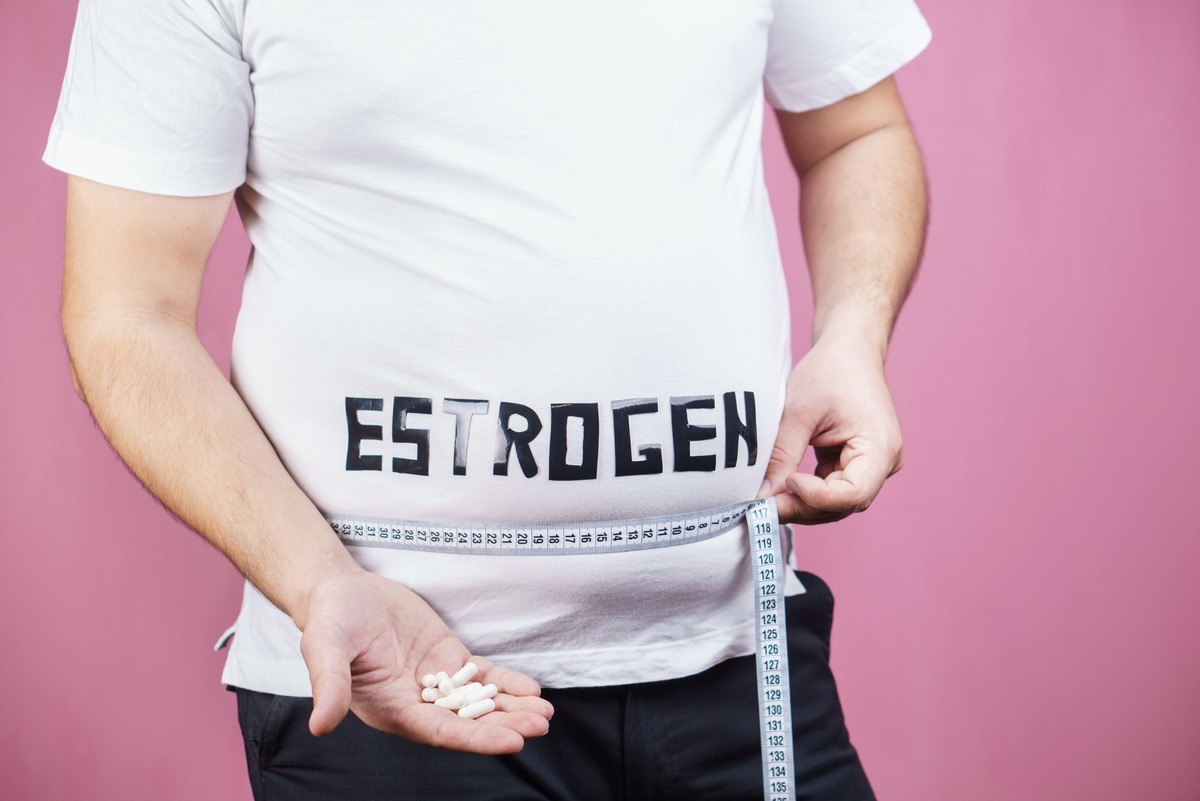
In nearly every Indian household, women silently endure symptoms they’ve come to accept as “normal.” Constant fatigue, stubborn belly fat, irregular periods, unexpected acne outbreaks, mood swings — we’ve heard it all. Yet, these are not isolated issues. They are alarm bells. Across India, hormonal imbalances are snowballing into a full-blown epidemic, particularly among women. As a nutritionist working closely with Indian women through Claudia’s Concept, I’ve seen firsthand how understanding hormones unlocks lasting weight loss results that calorie counting never could.
India’s Top Hormonal Disorders Disrupting Women’s Health
The modern Indian woman faces an overwhelming hormonal battleground. Let’s look at the four most prevalent conditions driving stubborn weight gain:
- Polycystic Ovary Syndrome (PCOS): According to the Indian Journal of Endocrinology and Metabolism, nearly 1 in 5 Indian women of reproductive age suffer from PCOS. A major driver of insulin resistance, PCOS causes the body to store more fat, especially around the waist.
- Hypothyroidism: The Indian Thyroid Society reveals that over 42 million Indians live with thyroid dysfunction, the majority being women. An underactive thyroid slows metabolism drastically, making weight gain almost inevitable even with modest calorie intake.
- Insulin Resistance: Often undiagnosed, this condition is the real reason behind midsection weight that refuses to budge. Insulin, the fat-storage hormone, becomes ineffective due to poor lifestyle and diet — causing glucose to be stored as fat instead of used for energy.
- Menopause-Related Hormonal Shifts: In urban Indian women, menopause now arrives earlier — sometimes as early as 40. The drop in estrogen triggers fat redistribution, hot flashes, and mood disorders, disrupting sleep and causing further weight gain.
How To Know if Your Weight Gain Has Hormonal Roots
The signs are often subtle at first. But when multiple symptoms stack up, it’s time to pay attention. Here’s what to look out for:
- Persistent belly fat even with clean eating and exercise
- Feelings of exhaustion despite adequate sleep
- Ongoing sugar cravings and unpredictable hunger
- Irregular or painful menstrual cycles
- Anxiety, mood swings, and unexplained irritability
- Thinning hair and dry skin
These symptoms rarely occur in isolation. If two or more feel familiar, your hormones may no longer be in sync — and tackling weight loss through diet alone won’t be enough. That’s where a hormone-first approach from Claudia’s Concept changes everything.
Lifestyle, Stress and Diet — The Triple Threat to Hormonal Balance
Hormonal health isn’t just about internal physiology; it’s a direct product of daily life. Over the past decade, urbanization has dramatically changed how Indian women live — and not to their health’s benefit.
- Stress and Cortisol Overload: Chronic stress elevates cortisol, your fight-or-flight hormone. Elevated cortisol boosts belly fat, disrupts sleep, and increases insulin resistance. The World Health Organization ranked India as one of the most stressed countries globally — women disproportionately bear the mental load, both at work and home.
- Refined Diet Choices: Reliance on processed foods, frequent tea with sugar, and late-night snacking are not simply “bad habits” — they’re metabolic saboteurs. Frequent surges in blood sugar from high-carb meals push the body into an insulin-resistant state over time.
- Sleep Deprivation: Whether due to caregiving or demanding work schedules, Indian women often sacrifice sleep. Research from the Journal of Clinical Endocrinology & Metabolism confirms that even partial sleep deprivation increases evening cortisol levels and decreases glucose tolerance — both direct invitations to fat storage.
Here’s the reality: your weight story is impossible to rewrite without first addressing these hormonal drivers. No amount of gym sessions or crash diets can overpower what your hormones control. The solution lies in rebalancing — not restriction. That’s the foundation of every plan we curate within Claudia’s Concept, tailored to honour Indian women’s unique biology and lifestyle pressures.
The Hormonal Code: Why It Holds the Key to Fat Storage and Weight Gain in Indian Women
When a woman’s body resists weight loss despite eating “healthy” and exercising regularly, the first place I look is her hormonal balance. For countless women I’ve worked with at Claudia’s Concept, the answer isn’t in calories—it’s in chemistry.
Hormones are the body’s internal messaging system. They regulate energy production, fat storage, blood sugar levels, mood, and even hunger. And when they go off track, metabolism slows down, fat begins to accumulate—especially around the belly—and the scale stubbornly refuses to budge.
Estrogen: The Slippery Balance That Shapes Fat Distribution
Estrogen is often thought of only in reproductive terms, but its influence extends much further—it plays a critical role in how fat is distributed. In premenopausal women, healthy estrogen levels encourage fat storage around the hips and thighs, a pattern considered metabolically protective. But when estrogen becomes unbalanced—which I see often in Indian women due to poor liver detoxification, xenoestrogen exposure from plastics, and hormonal contraceptives—it triggers fat accumulation around the abdomen and increases insulin resistance.
Scientific studies, such as one published in The Journal of Clinical Endocrinology & Metabolism, have clearly shown that elevated estrogen levels disrupt normal metabolic functioning, reducing insulin sensitivity and increasing fat storage, particularly visceral fat—the dangerous kind stored around internal organs.
Cortisol and the Stress-Fat Connection
Indian women are managing enormous emotional, professional, and family responsibilities. And these stressors spike cortisol, our primary stress hormone. Chronically elevated cortisol directly stimulates fat storage—especially in the abdominal area—while also breaking down muscle tissue, which lowers our basal metabolic rate.
Here’s how it works: cortisol signals the body to store energy in preparation for prolonged stress. This leads to increased glucose production and higher insulin secretion, setting off a cycle that not only makes you crave sugary foods but also makes weight gain nearly inevitable. Research from the University of California, San Francisco found that women with higher perceived stress levels had significantly more abdominal fat, even if their food intake was the same.
At Claudia’s Concept, I’ve seen dramatic midsection trimming in women who shifted from calorie-counting to stress-reduction practices—without changing their food intake.
Insulin: India’s Invisible Metabolic Trap
Even a traditional home-cooked Indian diet—filled with rice, dal, roti, and sabzi—can trigger insulin surges if hormonal balance is compromised. Here’s why: insulin is the hormone that helps your cells absorb glucose for energy, but when levels remain elevated chronically (as happens with frequent carb-heavy meals), the body becomes resistant to it. That resistance forces the pancreas to release even more insulin to get the job done—leading to fat storage, especially around the belly and hips.
The ICMR-INDIAB study found that more than 10% of Indian women have prediabetes or insulin resistance, even when their BMI is in the “normal” range. It’s not about weight; it’s about metabolism. This is precisely why so many Indian women feel confused when they’re doing “everything right” yet see no results. Fatigue, cravings, and stubborn fat are not due to lack of control—they’re symptoms of insulin dysregulation.
Thyroid Hormones and Metabolism Slump
The gland sitting at the base of your neck—the thyroid—controls how your body uses energy. When its hormones (T3 and T4) drop, metabolism slows down. You’ll feel tired, cold, constipated, and yes—weight goes up, even when you’re eating less. Indian women are particularly vulnerable to hypothyroidism due to deficiencies in iodine, selenium, and iron—all needed for thyroid hormone production.
A nationwide survey published in the journal Indian Journal of Endocrinology and Metabolism revealed that 1 in 10 Indian women suffer from overt hypothyroidism, with many more in the subclinical stage. That means weight gain and sluggish metabolism are not “laziness” issues, they’re physiological effects of a slowed-down endocrine system.
At Claudia’s Concept, we never ignore thyroid patterns. Instead, we support the entire hormonal ecosystem—because when thyroids are functioning well, metabolism accelerates and weight loss becomes effortless again.
So here’s a question for you: Have you ever felt like your weight doesn’t reflect your lifestyle? If yes, it’s time to stop chasing diets and start understanding your hormones. They’ve been in the driver’s seat all along.
Life Stage Considerations: A Hormone-First Approach Across a Woman’s Life
Hormones are not just chemical messengers—they’re the silent architects behind every major shift a woman experiences throughout her life. From the moment menstruation begins to the years beyond menopause, changing hormone levels influence energy, cravings, fat storage, and much more. At Claudia’s Concept, we design every wellness roadmap with this truth at its core: you can’t out-diet or out-exercise your hormones.
Puberty and Menstruation: The First Metabolic Shift
When a girl enters puberty, surging estrogen sets the tone for a new metabolic rhythm. The menstrual cycle becomes a monthly hormonal rollercoaster where estrogen and progesterone levels fluctuate dramatically.
- Estrogen peaks before ovulation and causes insulin sensitivity to rise temporarily. This means glucose is absorbed better, energy is higher, and workouts feel more productive.
- Progesterone rises after ovulation and can trigger fluid retention, bloating, irritability, and increased cravings—especially for sweet and salty foods.
- Increased cravings during the luteal phase aren’t just psychological—they’re prompted by shifts in serotonin and slower gastric motility.
These changes explain why teenage girls often report unexplained weight fluctuations or sudden hunger waves. If you’re wondering why your daughter’s moods and appetite seem unpredictable, her hormones are already reshaping her relationship with food and metabolism. Recognising this early, and aligning lifestyle habits accordingly, can prevent unhealthy patterns. That’s where hormone-aware strategies from Claudia’s Concept can offer structure and empowerment.
Pregnancy and Postpartum: A Biological Recalibration
Pregnancy is an extraordinary transformation involving a dramatic escalation in estrogen, progesterone, and human chorionic gonadotropin (hCG). These hormonal shifts aren’t just supporting fetal development—they’re rewiring the mother’s entire metabolism.
- Basal metabolic rate (BMR) increases significantly during pregnancy—studies published in the journal Nature show an average rise of 15-20% by the third trimester.
- Progesterone increases fat storage during pregnancy to prepare energy reserves for lactation.
- Postpartum, thyroid function often dips, especially in Indian women with pre-existing deficiencies in iodine or selenium, which can slow metabolism and lead to rapid postnatal weight gain.
Many Indian mothers struggle with weight retention long after childbirth, and it’s not due to lack of effort—it’s because these hormonal disruptors linger, especially when sleep deprivation and chronic stress enter the picture. Recovery requires patience, nourishment, and a deep recalibration of hormone levels. My team and I at Claudia’s Concept always start with postpartum hormonal mapping before suggesting any weight loss strategy.
Perimenopause and Menopause: The Redistribution of Fat
Entering perimenopause, a woman faces some of the most complex hormonal changes of her life. Estrogen and progesterone levels begin to decline unevenly, which massively impacts body composition, mood, and fat distribution. And here lies a widely overlooked truth: calorie-counting becomes increasingly ineffective unless you address this shift first.
- Lower estrogen alters how fat is stored—moving it from hips and thighs to the abdomen, increasing visceral fat.
- Sensitivity to insulin decreases, which is why blood sugar spikes become more common, especially after carbohydrate-rich meals.
- Resting metabolic rate decreases—a 2015 clinical study in the journal Menopause found a 50-100 kcal/day drop purely due to hormonal loss, even with no change in lifestyle.
In traditional Indian households, menopause is rarely recognised for the biological tsunami that it is. A woman’s body is reinventing itself, and without the right hormonal guidance, fat storage accelerates. At this stage, a hormone-first approach isn’t optional—it’s essential. We use adaptive nutrition timing, inflammation-lowering herbs, and targeted supplementation to work with the body, not against it.
Every life stage brings a unique hormone landscape, and Indian women experience them within a complex tapestry of cultural pressures, diets, and generational responsibilities. By respecting hormonal signals first and tailoring support around them, we make weight loss not only possible—but sustainable and transformative.
Why Indian Women Are Uniquely Affected by Hormonal Weight Gain
When it comes to weight loss, not all journeys start at the same point — and for Indian women, that starting line is often placed further back due to a unique convergence of genetics, lifestyle, and cultural patterns. At Claudia’s Concept, we’ve worked closely with hundreds of Indian women, and the patterns are clear: hormones aren’t just a factor — they are the foundation of the weight battle. Let’s dig into why the hormonal approach works so remarkably well for Indian women and what makes their journey distinct.
- Genetics and Low Basal Metabolic Rate (BMR)
Indian women, on average, have a genetically lower basal metabolic rate compared to women of several other ethnicities. BMR is the number of calories your body needs at rest for essential functions like breathing, cell repair, and circulation. According to a study published in the Indian Journal of Medical Research, BMR in Indian populations is up to 10% lower than in Caucasian populations even after adjusting for body size and composition. This means fewer calories burned at rest, making weight gain more likely unless calorie intake and hormonal balance are precisely managed.
- Traditional Diets with High Carb and High Glycemic Load
Think of your daily meals: polished white rice, chapatis, parathas, sugar-laden chai, and oil-rich curries. Our traditional Indian meals are not just carb-heavy; they are high-glycemic, leading to faster spikes in blood sugar that trigger insulin release. And insulin, remember, is your fat-storage hormone. When it’s consistently elevated, your body shifts into fat accumulation mode.
Modern dietary studies — including data from the ICMR-NIN-NNS (Indian Council of Medical Research – National Nutrition Survey) — confirm that carbohydrate intake in urban Indian women often exceeds 60% of daily energy intake. This dietary pattern, while comforting and culturally ingrained, disrupts hormonal harmony, especially insulin and cortisol, leading to stubborn fat storage around the abdomen, hips, and thighs.
- Urban Lifestyles: Sedentary Patterns and Declining Muscle Mass
In big cities from Mumbai to Bengaluru, a typical weekday looks like this: long hours at the desk, screen time overload, and maybe a short walk — if time permits. Indian urban professionals, especially women, are living increasingly sedentary lives. Add to that the cultural discouragement women often face regarding strength training or muscle-toning exercises, and the result is a marked decrease in muscle mass, which in turn lowers metabolic rate further.
Research from the WHO South-East Asia Regional Office has shown a direct correlation between increasing urbanization and sedentary behaviour among Indian women, along with rising obesity and metabolic disorders. Less muscle means less metabolic activity — and more stored fat — even if you’re eating the same amount as someone with more lean body mass.
- Chronic Stress and Sleep Deprivation Among Working Women
Juggling jobs, households, children, and societal expectations, Indian women are carrying an emotional and physical load that’s immense. And yet, conversations about stress and rest are barely happening. The hormonal aftermath of this? Elevated cortisol (the stress hormone), disrupted leptin and ghrelin cycles (the hunger hormones), and poor sleep — all of which compound fat retention and sugar cravings.
A study in the Indian Journal of Endocrinology and Metabolism linked chronic stress and inadequate sleep to increased levels of abdominal fat, particularly in women aged 30–45 — an age group already navigating hormonal fluctuations from peri-menopause or PCOS. Cortisol imbalance doesn’t just lead to weight gain; it causes changes in fat distribution, mood instability, and cravings for sweet and salty foods.
This is exactly why at Claudia’s Concept, we never treat weight loss as simply a matter of calories in versus calories out. Indian women are navigating a storm of complex hormonal cues, deeply influenced by tradition, lifestyle, and biology. The Hormonal Weight Loss Approach recognises this ecosystem and works with the body — not against it.
So, ask yourself: If you’ve tried everything from crash diets to backbreaking workouts and still feel stuck, could your hormones be whispering the real answer?

Exercising for Hormonal Health, Not Just Burned Calories
Most weight loss advice starts—and ends—with calories. But here’s a truth I want you to absorb fully: when you’re dealing with hormonal imbalances, chasing ‘calories burned’ without addressing the hormonal response your body has to exercise can block your progress entirely. At Claudia’s Concept, we empower women to move intelligently, especially when hormones are calling the shots.
Why Excessive Cardio May Backfire for Hormonally Imbalanced Women
On the surface, long sessions of cardio seem like a no-brainer for fat loss. But for many Indian women, particularly those struggling with PCOS, thyroid disorders, or perimenopausal symptoms, excessive cardio increases the chronic stress hormone cortisol. This shift doesn’t help. It hinders.
When cortisol stays elevated due to frequent high-intensity or long-duration cardio, it triggers these chain reactions:
- It tells your body to break down muscle to fuel energy needs—lowering metabolism.
- It promotes fat storage, especially around the abdominal region—due to increased insulin resistance.
- It disrupts sleep cycles—further impacting hormonal repair.
In one 2019 study published in the Journal of Endocrinology, participants engaging in prolonged cardio under stressful conditions showed a measurable spike in cortisol and reduced insulin sensitivity post-workout. If you’re exercising to balance hormones, this isn’t the direction we want your body heading in.
Strength Training: The Insulin-Regulating Secret Weapon
This is where strength training excels. It’s not about bulking up; it’s about becoming metabolically empowered. Muscles are incredibly hormonally active tissues. The more lean mass you hold, the better your ability to manage insulin—our fat-storage hormone—and regulate blood sugar levels.
In fact, according to a 2018 Journal of Diabetes Research article, just two days a week of resistance training significantly improved insulin sensitivity in women with Type 2 diabetes. That’s a major win for women managing PCOS or early menopause.
When curated under a hormone-aware program like what I guide through at Claudia’s Concept, strength training also:
- Supports thyroid hormone activation by improving mitochondrial health within muscle tissue.
- Reduces systemic inflammation—a major disruptor in hormonal equilibrium.
- Boosts resting metabolic rate, so you’re burning more calories even while sitting still.
Yoga and Breathwork: Lower Cortisol, Ignite Metabolism
Now let’s flip the energy. You don’t have to push constantly to progress. Integrating yoga and Pranayama breathwork allows your nervous system to shift from ‘fight or flight’ into ‘rest and digest’. That’s where healing—and weight loss—happens for hormonally sensitive women.
Cortisol isn’t inherently bad. But in excess, it becomes a barrier. Multiple studies, including one in the Journal of Alternative and Complementary Medicine, show that regular yoga practitioners have significantly lower cortisol levels than sedentary individuals. Even better, certain yogic postures actively stimulate organs involved in endocrine function.
- ViparitaKarani (Legs up the wall) calms the adrenal glands.
- Balasana (Child’s pose) reduces heart rate and promotes parasympathetic dominance.
- AnulomVilom (Alternate nostril breathing) balances brain hemispheres and reduces stress-specific hormone output.
Think of these practices as hormonal recalibration tools—not workouts in the conventional sense. But their value in creating a vibrant, weight-loss receptive internal system is unmatched.
In summary, move smarter—not harder. Don’t treat workouts as punishment or calorie math. Treat them as communication between you and your hormones. When your exercise prescription aligns with your hormonal blueprint, your body begins to cooperate—and transformation becomes natural.
Reshaping the Indian Kitchen for Hormonal Health
What we put on our plate directly shapes our hormonal health—and as Indian women, our cultural relationship with food adds unique complexity. At Claudia’s Concept, I’ve worked closely with hundreds of women whose hormones were silently influencing their weight journey. And one thing became clear: the traditional Indian diet, while rich in flavor and tradition, needs careful modernisation to support hormonal balance. Let’s explore how you can keep the soul of Indian cuisine alive while fuelling your body for better hormonal health.
Spotting Hormonal Disruptors in Your Everyday Meals
Some ingredients and cooking habits in our traditional fare can throw off hormonal balance without us even realising it. Here are the top dietary disruptors commonly found in Indian kitchens:
- Refined carbohydrates: White rice, maida (refined wheat flour), and store-bought breads spike insulin levels. Chronic high insulin can lead directly to fat storage, especially around the belly.
- Conventional dairy: Many of us still consume milk and paneer sourced from hormonally treated animals or processed dairy with added preservatives. These can mimic oestrogen in the body, contributing to PMS symptoms, fibroids, and weight gain.
- Sugar—both hidden and visible: From jaggery in sweets to glucose spikes from sweetened chai, consistent sugar intake increases insulin resistance over time. Data published in the Indian Journal of Endocrinology and Metabolism in 2019 shows that insulin resistance is a leading contributor to obesity and PCOS among Indian women.
Reclaiming Tradition, the Hormone-Friendly Way
Think we have to give up on taste to balance hormones? Absolutely not. The key lies in intelligent swaps that honour our culture but support our biology. At Claudia’s Concept, we always prioritise intuitively nourishing the body. Here’s how to upgrade classic choices:
- Swap out rice for millets: Bajra, jowar, and ragi are excellent hormone-supporting options. Rich in magnesium and antioxidants, millets help stabilise insulin levels and reduce inflammation. A study published in Frontiers in Nutrition (2021) linked millet consumption to improved metabolic markers.
- Sabzi-style prep wins over frying: Instead of deep-frying pakoras or puris, try shallow-cooked or steamed vegetables sautéed in ghee and spices. Turmeric, cumin and fenugreek are natural hormone modulators well-documented in both Ayurveda and modern research.
- Replace commercial snacks with home-made chakna: Roasted chana, spiced makhana, or even avocado chat provide a satisfying crunch while protecting your hormonal circuits.
The Protein and Fiber Gap in Indian Vegetarian Diets
Vegetarianism is a strong cultural thread in India, but hormonal health demands consistent and adequate protein. Indian women often report fatigue, mood swings, or stalled weight loss because daily meals are heavy on carbs and low in protein.
To fix this, incorporate diverse plant proteins—like moong dal, urad, soya, nuts and seeds—into every meal. Don’t rely just on one source. When paired with fibre-rich vegetables, these help reduce insulin spikes and support satiety.
- Add a legume to each meal: Whether chole at lunch or moong sprouts in salads, this creates a slow energy release that your hormones love.
- Include soluble fiber: From sabzi with lauki and bhindi to methi-in-thepla, fiber slows digestion and supports oestrogen clearance through the gut.
- Go beyond chapati and rice: Think protein pancakes made of besan or buckwheat, or tofu tossed in sarson masala as a dinner main.
Every small choice in the kitchen creates a ripple through your body’s internal chemistry. When Indian women begin aligning their traditional diets with a hormone-first approach, transformation is not only possible—it becomes inevitable. This is the core philosophy we champion at Claudia’s Concept, where cultural wisdom and scientific precision meet. Which kitchen swap will you try first?
The Future of Women’s Weight Loss in India: It’s Hormonal, Not Hype
Healthy weight loss for Indian females can’t be reduced to calorie charts or crash diets anymore. The evidence is too strong to ignore: hormone-driven approaches work better—biologically, culturally, and sustainably. At Claudia’s Concept, we’ve seen it again and again. When women tune into their hormonal rhythms, weight loss isn’t a battle. It becomes a natural consequence of alignment and balance.
This isn’t a passing trend or a marketing gimmick. The hormonal weight loss approach is rooted in endocrinology and supported by research. Studies show that insulin resistance, thyroid dysfunction, estrogen dominance, and cortisol dysregulation disproportionately affect Indian women, especially after 30. A multi-country comparative study published in the Journal of Clinical Endocrinology found that women from South Asia are more likely to develop PCOS and insulin resistance at healthy BMIs compared to their Western counterparts. Here’s the key insight: they may look “fit” on the outside but experience internal chaos that stalls fat loss and feeds frustration.
Think about it—how often do we reward eating less and exercising more, even when a woman is constantly fatigued, bloated, or anxious? That approach ignores the body’s internal cues. Hormonal health flips the lens. We focus on nourishing the body, not punishing it. We listen to signals—the bloating after dal-chawal, the irritability before periods, the persistent cravings—and decipher the language of hormones.
As Indian women move through key life stages—from puberty to motherhood to menopause—this approach becomes not only relevant, but essential. A calorie-based diet doesn’t account for the hormonal shifts of perimenopause or the post-pregnancy thyroid drop. Hormonal weight loss does. And at Claudia’s Concept, we see how empowering it is for women to finally understand their bodies on a cellular level. They go beyond the scale to track energy, mood, sleep, cycle health and yes—confidence.
What’s next? Begin by asking better questions. Don’t just ask “How much weight did I lose?”—ask “What is my body trying to tell me?” Track your symptoms. Recognize your cycle phases. Respond to stress uniquely designed for a female body. And most importantly, consult a hormonal health expert who understands the Indian context. Lifestyle tweaks, foods, daily routines—it has to be culturally attuned to work sustainably.
The future of women’s wellness in India is hormone-literate. It celebrates female physiology. And it doesn’t ask women to shrink themselves into impossible standards. Instead, it invites them to rebuild a lifestyle that supports their hormonal blueprint. This is what longevity looks like. This is what radiant health feels like.