
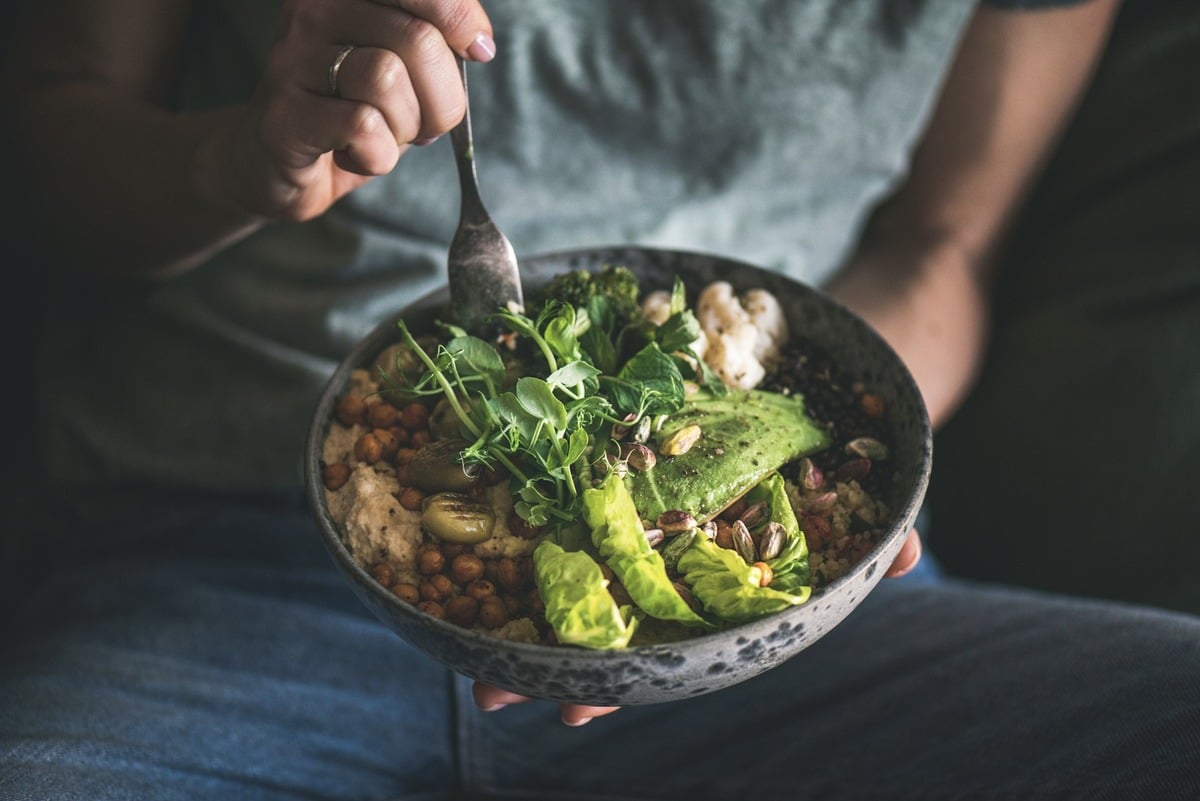
Health-conscious habits are taking centre stage in kitchens around the world. From green smoothies to plant-based meal kits, the push for cleaner, nutrient-packed eating is transforming the way we look at our plates. Yet, while the appeal of veganism is growing, more people are asking the same question: “Can I improve my diet without eliminating animal products entirely?”
The answer lies in finding balance — choosing a way of eating that’s nourishing, sustainable, and realistic. This is where a flexitarian lifestyle enters the picture. It’s not a rigid set of rules, but a conscious shift toward plant-forward meals while still enjoying the benefits of quality animal-based foods. Simply put, it’s about making plants the hero, and featuring meat, dairy, and eggs with intention rather than as staples.
At Claudia’s Concept, I work with clients who want to boost health, support the planet, and still enjoy their favourite traditional dishes. This article unpacks the healthiest way to eat without going fully vegan — rooted in science, guided by experience, and proven to deliver results. If you’re curious about eating better but aren’t ready to go all-in with veganism, let’s explore how the flexitarian approach fits beautifully into a modern, mindful lifestyle.
Understanding the Flexitarian Diet: Balanced Eating, Real Results
Definition and Philosophy
Let’s redefine what healthy eating looks like — without extreme restrictions or labels. The flexitarian diet offers this kind of liberation. It’s a mostly plant-based approach that still leaves room for animal products in moderation. At its core, it’s rooted in flexibility and nourishment. You’ll build your meals around vegetables, fruits, legumes, whole grains, seeds, and nuts, while still enjoying a piece of grilled fish or a boiled egg now and then, depending on your preferences and needs.
Unlike going fully vegan, flexitarianism isn’t about exclusion. It’s about inclusion — more colour, more variety, more antioxidants, and more fiber on your plate. That’s why so many people thrive on it. At Claudia’s Concept, we use this approach to help clients shift gradually into healthier routines that still feel joyful and deeply satisfying.
Why Flexitarian Works for Many
The beauty of this lifestyle lies in its manageable rhythm. There are no rigid rules locking you into all-or-nothing choices. That’s why research has shown steady adherence among those who adopt flexitarian patterns.
- It’s less restrictive. You won’t feel deprived — you’ll feel inspired, making it easier to stay consistent in the long run.
- It’s more sustainable. Flexitarian diets don’t just support health; they support long-term commitment. A 2016 study in Frontiers in Nutrition confirmed that dietary models with flexibility showed greater participant adherence than rigid, exclusion-based diets.
- It benefits your health. Diets lower in red and processed meats and higher in plants have repeatedly been associated with lower risks of heart disease, type 2 diabetes, and certain cancers. According to a 2019 study published in The Lancet, increasing plant-based food intake — even without going vegan — can reduce cardiovascular mortality by as much as 32% when compared to traditional Western diets.
- It helps the environment. Eating mostly plants, even without being fully vegan, greatly reduces your carbon footprint. The Intergovernmental Panel on Climate Change (IPCC) noted that flexible, plant-forward diets have profound potential in climate mitigation by reducing greenhouse gas emissions linked to livestock production.
At Claudia’s Concept, I work with clients who want better health without eliminating the cultural, emotional, or nutritional benefits of smart animal product choices. A flexitarian lifestyle works exceptionally well for urban professionals, parents, and food lovers alike — because change doesn’t have to mean sacrifice.
Ever wondered if you could begin eating more plant-based, without giving up your grandmother’s Sunday chicken curry? This is precisely what makes flexitarianism sustainable — a way of eating that respects tradition, satisfies your palate, and transforms your wellness.
The Power of Plant-Based Eating (Without Going All-In)
Prioritize Plants Without Eliminating Animal Products
You don’t need to go fully vegan to enjoy the incredible benefits of plant-based eating. At Claudia’s Concept, we encourage a nutrient-forward lifestyle that integrates the best of both worlds—plant and animal-based foods. The key lies in making plants the star of your plate, while treating animal products as smart, complementary additions.
Research from Harvard’s T.H. Chan School of Public Health confirms that diets higher in plant foods and lower in animal products are associated with lower risks of heart disease, stroke, and type 2 diabetes. But here’s the good news—you don’t have to give up your favourite paneer tikka or Sunday chicken curry. Instead, reframe animal protein as a garnish rather than the centerpiece.
Emphasize Vegetables, Legumes, Whole Grains, and Fruit
Fill your meals with vibrant, fibre-packed foods. Think chickpea curries rich in turmeric and cumin, hearty lentil stews, masala oats with seasonal vegetables, and quinoa bowls drizzled with lemon and tahini. These ingredients aren’t just flavorful—they fuel your energy, support digestion, and feed your gut microbiome.
According to FAO statistics, pulses like lentils and beans provide 2–3 times more protein per rupee than meat, and they come packed with potassium, folate, magnesium, and dietary fibre. Whole grains such as brown rice, millets, and oats regulate blood sugar and sustain energy for hours. And don’t underestimate fruits—apples, oranges, bananas, and guavas are bursting with antioxidants and naturally sweet hydration.
Use Meat as a Side Dish Rather Than the Main Event
Adopting the flexitarian mindset means flipping the traditional plate. Instead of large portions of protein and minimal vegetables, aim for the reverse. Serve stir-fried vegetables topped with grilled fish or a mixed bean salad with a few bits of shredded chicken. Sprinkle a spoonful of goat cheese over roasted beetroot or add a boiled egg on top of a lentil soup—but let the plants shine.
In Japan’s Okinawa diet, one of the most longevity-friendly nutrition patterns globally, protein comes primarily from soy and tofu, while meat is consumed sparingly and celebrated on special occasions. The body thrives when it’s fuelled primarily by plants—diverse, colourful, unprocessed.
Affordable and Accessible Choices
Eating healthier doesn’t have to cost a fortune—in fact, it can save you money. At Claudia’s Concept, we always focus on making good nutrition realistic and doable. Local markets brim with budget-friendly, nutrient-rich options. Go for staples that are both nourishing and inexpensive:
- Beans: Kidney, black, white, or mung beans—low-cost protein and iron powerhouses.
- Lentils: Masoor, moong, urad—versatile, quick-cooking, and fibre-rich.
- Oats: Great for breakfast, savory or sweet—high in beta-glucan for heart health.
- Seasonal produce: Carrots in winter, gourds in summer, mangoes in monsoon—eat with nature.
When you base your meals around plants, you naturally bring in more nutrients, reduce your environmental footprint, and still enjoy the cultural richness of your traditional meals. It’s not about restriction—it’s about making empowering choices that feel delicious, satisfying, and sustainable for the long run.
Focus on Nutrient-Dense Whole Foods: The Core of Balanced Eating
What Exactly Are Nutrient-Dense Foods?
Nutrient-dense foods are the unsung heroes of optimal nutrition. They deliver the most vitamins, minerals, and fibre for the fewest calories—without unnecessary additives, added sugars, or refined ingredients. Think of them as foods that respect your body’s needs without overloading it with anything artificial.
When we consciously fill our plates with these high-quality foods, our metabolism thrives, our energy levels stay consistent, and inflammation takes a backseat. At Claudia’s Concept, I always say: it’s not about eating less—it’s about eating right.
Why These Foods Matter More Than Ever
In today’s fast-paced world, it’s incredibly easy to rely on highly processed options that lack essential nutrients. These nutrient-poor choices may feel convenient in the moment, but over time, they lead to deficiencies, fatigue, and even chronic diseases. Research published in The American Journal of Clinical Nutrition shows that diets rich in nutrient-dense whole foods are linked with a significantly lower risk of heart disease and obesity-related conditions.
By focusing on quality, seasonality, and variety, you can nourish your body while still enjoying flavourful, satisfying meals—without committing to a fully vegan lifestyle.
Smart Choices: Examples to Emphasize in Your Day-to-Day Diet
One of the pillars of the Claudia’s Concept philosophy is to build meals around ingredients that serve the body’s needs from the inside out. Here’s what that looks like:
- Dark Leafy Greens: Spinach, kale, and Swiss chard are packed with folate, vitamin K, magnesium, and fibre. Just one cup of cooked spinach delivers over 500% of your daily vitamin K intake.
- Berries: Blueberries, raspberries, and blackberries aren’t just delicious—they’re antioxidant powerhouses. According to a study from Harvard T.H. Chan School of Public Health, consuming berries regularly can improve cognitive function and reduce inflammation.
- Sweet Potatoes: These vibrant root vegetables are rich in beta-carotene, a precursor to vitamin A, which supports eye health and immunity. One medium sweet potato provides more than 100% of your daily vitamin A requirement.
- Nuts and Seeds: Almonds, pumpkin seeds, chia seeds, and walnuts offer healthy fats, magnesium, and plant-based protein. A handful of mixed nuts a day has been associated with a 20% reduced risk of all-cause mortality, according to a large-scale New England Journal of Medicine
- Lean Proteins: Flexitarians can tap into additional nutrient sources from eggs, tofu, and sustainably raised poultry. These options offer all the essential amino acids your body needs for muscle maintenance, hormonal balance, and immune function.
Sample this for a moment: a quinoa bowl with roasted sweet potatoes, kale, pomegranate seeds, toasted almonds, and grilled tofu. It’s vibrant, it’s satisfying, and it’s designed to help your body function at its best.
At Claudia’s Concept, we emphasize balance over restriction. Nutrient-dense whole foods allow you to eat with intention, enjoy rich flavours, and support long-term health—all without the pressure to go fully vegan. Ready to re-think what your plate should look like?
Eat Smart: Reducing Meat Consumption Intelligently
Making healthier food choices doesn’t mean giving up everything you enjoy. At Claudia’s Concept, we focus on realistic, sustainable nutrition that fits into a modern lifestyle. You don’t have to go fully vegan to optimize your health—you just have to be strategic. Less meat can actually mean more flavor, better nutrition, and greater satisfaction when it’s done with intention. Here’s how to make the shift intelligently.
Shift from Quantity to Quality
Not all meats are created equal. Swapping highly processed, industrially-raised meats for high-quality options makes a significant difference. Grass-fed beef, free-range poultry, and organic meat sources consistently show better nutritional profiles. For example, grass-fed beef offers up to five times more omega-3 fatty acids and twice as much conjugated linoleic acid (CLA), a compound linked to fat loss and improved heart health, compared to grain-fed beef.
Protein quantity isn’t everything—protein quality matters. Focusing on better sources not only supports your health but also enhances texture, taste, and nutrient density in meals. Think of it this way: a 100g grilled wild salmon fillet packs inflammation-fighting omega-3s, vitamin D, and selenium, delivering a trio of immune-boosting power with every bite.
Smart Portion Control: Less Is More
Using smaller quantities of meat can actually make meals more versatile and creative. Reducing portion sizes allows space on your plate for more fiber-rich and phytonutrient-packed plant foods. A 2021 study published in The Lancet Planetary Health highlighted that replacing half the daily servings of red meat with legumes reduces all-cause mortality risks significantly.
Start with mindful portioning. Limit red meat to around 85–100 grams per meal (that’s the size of your palm), and let vegetables, whole grains, and legumes dominate the stage. You’ll still get the savory satisfaction meat adds—just without the overload.
Reduce Without Feeling Deprived
Here’s where most people stumble: they cut meat but don’t know what to eat instead. The key is to elevate flavor and satisfaction using plant-forward ingredients. At Claudia’s Concept, I guide my clients to embrace texture, spices, and umami-rich plant proteins so the plate feels indulgent, never restricted.
- Use mushrooms, lentils, or jackfruit in dishes traditionally based around meat.
- Add toasted nuts or seeds to meals for crunch and depth.
- Incorporate flavorful oils, aromatic herbs, and international spices to keep the palate excited.
- Focus on hearty textures—roasted chickpeas, tempeh, or eggplant steaks can be surprisingly satisfying.
It’s not about subtraction—it’s about transformation.
Smart Swaps: Choose Better, Not Less
Start by replacing red meat three to four times a week with leaner or more sustainable options. Choose oily fish like sardines, mackerel, or salmon, rich in EPA and DHA—two potent omega-3 fats essential for cardiovascular and brain function. Poultry offers a lean, versatile alternative that adapts well to different cuisines and cooking methods.
Plant proteins like lentils, beans, tofu, tempeh, and peas provide complete amino acid profiles when intelligently combined. For example, pairing black beans with brown rice allows your body to access the full spectrum of essential amino acids.
Try a Meat-Free Day or Two
The simplest gateway to intelligent meat reduction? Start with Meatless Mondays. Research from Oxford University found that households who committed to one vegetarian day per week reduced their carbon footprint by up to 12% annually, not to mention the bonus health benefits.
Expand gradually—try adding a second midweek plant-based day. Make it exciting with global flavors: Indian dal with turmeric-spiced quinoa, Mediterranean chickpea salad with olives and fresh herbs, or Korean bibimbap with marinated tofu and kimchi.
Reducing meat doesn’t mean eating less—it means eating smarter. Your body, your palate, and the planet will thank you for the shift. Let Claudia’s Concept guide your journey toward vibrant, intelligent nutrition that supports modern wellness.
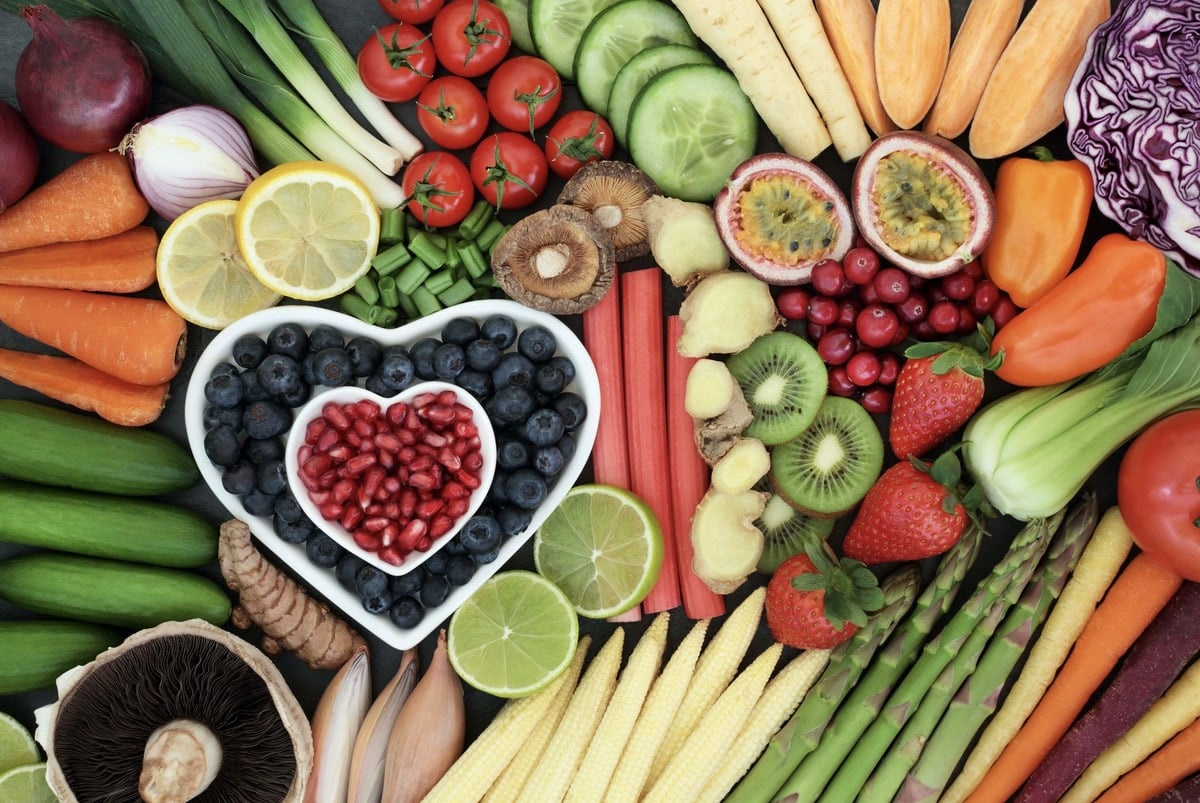
The Mediterranean Diet: A Science-Backed Model
A Tradition That’s Stood the Test of Time
When people ask me at Claudia’s Concept how to eat healthily without giving up all animal products, I always point to the Mediterranean Diet. Not just because it’s popular—but because it’s supported by thousands of scientific studies, making it one of the most reliable dietary models we have. There’s a reason UNESCO lists it as an “Intangible Cultural Heritage of Humanity.” This approach to eating is more than a trend. It’s a time-tested lifestyle rooted in the coastal traditions of Greece, Italy, and southern Spain.
What Makes the Mediterranean Diet Different?
Let’s take a closer look at what truly defines Mediterranean eating. At its core, this diet puts plants first—but in a way that’s flexible, inclusive, and surprisingly flavorful. Here’s what that looks like on your plate:
- High intake of vegetables, fruits, and legumes: Think of bright bell peppers, ripe tomatoes, lentils, and leafy greens forming the foundation of most meals.
- Whole grains and minimally processed carbohydrates: Bulgur, farro, and whole wheat bread are staples, not extras.
- Healthy fats with a focus on olive oil: Roughly 35% to 40% of daily calories come from fats—mostly unsaturated fats from extra virgin olive oil, nuts, and seeds.
- Moderate consumption of dairy and lean protein: Cheese and yogurt appear often in modest portions; fish shows up at least twice a week; red meat takes a back seat, served occasionally in smaller quantities.
- Herbs and spices for flavor, not salt: Basil, oregano, garlic, rosemary, and cinnamon elevate the food experience while supporting health.
This is not about deprivation—it’s about abundance, variety, and balance. No measuring or counting. Just whole, flavorful foods prepared with care and shared in good company.
Clinically Proven Health Benefits
The Mediterranean Diet has been the subject of extensive clinical research, and the results aren’t just promising—they’re transformative. Let’s look at what the data says:
- Cardiovascular Health: A 2018 review in The New England Journal of Medicine confirms that a Mediterranean-style diet significantly reduces the risk of major cardiovascular events by up to 30% in high-risk individuals.
- Type 2 Diabetes Prevention: The PREDIMED study—Spain’s largest ever dietary intervention trial—involved over 7,400 participants. It found that those following the Mediterranean Diet had better glycemic control and a 52% lower risk of developing type 2 diabetes when supplemented with extra virgin olive oil or nuts.
- Cancer Risk Reduction: A meta-analysis published in the journal Public Health Nutrition in 2017 found that adherence to the Mediterranean Diet was associated with a reduced risk of colorectal, breast, stomach, and prostate cancers.
- Longevity and Cognitive Health: Seniors following this diet score higher on cognitive function tests and experience slower cognitive decline, as shown in data published by the American Journal of Clinical Nutrition.
I’ve always believed—through my practice at Claudia’s Concept—that how we eat shapes how we age. And the Mediterranean Diet isn’t just protective; it’s also restorative. People report improved energy, stabilized mood, and deeper enjoyment in daily life when they adopt this way of living.
The Lifestyle Beyond the Food
What often gets overlooked is that Mediterranean living doesn’t stop at mealtime. It emphasizes mindful eating, social connection, and physical activity. Meals are unhurried. Walks replace sedentary habits. Community takes center stage. All of these elements work synergistically to support not only physical health—but emotional and mental wellbeing as well.
If you’re exploring a balanced approach without going fully vegan, this model offers everything: structure, flexibility, cultural richness, and most importantly—scientific credibility.
So when you’re choosing recipes or planning your next grocery list, ask yourself: can I incorporate more olive oil, fresh veggies, or lean fish? Can I slow down, enjoy the flavors, and connect over a meal? That’s the Mediterranean way. That’s the Claudia’s Concept way.
How Adding Plant Foods Transforms Your Health
Improved Digestion and Gut Health
Your digestive system thrives when you increase your intake of diverse plant foods. Why? Because plants are rich in dietary fibre — both soluble and insoluble — which plays a crucial role in maintaining digestive regularity and gut integrity.
When your diet includes whole grains, legumes, fruits, vegetables, nuts, and seeds, you’re feeding your gut microbiome with the fibres and polyphenols it needs to flourish. A 2021 review in Nature Reviews Gastroenterology & Hepatology found that diets rich in plant fibres significantly increase microbial diversity. This microbial richness doesn’t just improve digestion; it contributes to stronger immunity, reduced inflammation, and better nutrient absorption.
With Claudia’s Concept, we guide clients to gradually shift their food patterns by adding a variety of colourful vegetables and fibre-rich grains like barley, millet, and quinoa. These simple changes noticeably reduce bloating, regulate bowel movements, and enhance energy levels.
Increased Fibre Intake Supports Beneficial Gut Bacteria
You’re probably already aware that fibre is important — but the type and diversity of fibre matter just as much as the total amount. Soluble fibre, found in foods like oats, lentils, chickpeas, and apples, dissolves in water and forms a gel in your gut, which slows digestion and promotes satiety.
Insoluble fibre, on the other hand — present in whole grains, carrots, cucumbers, and leafy greens — adds bulk to your stool, preventing constipation and keeping everything moving smoothly. Both types of fibre act as prebiotics: fuel for the beneficial bacteria in your gut that support hormonal balance, mental clarity, and resistance against pathogens.
According to the American Gut Project, people who eat more than 30 different types of plant foods a week have a significantly more diverse microbiome than those who eat 10 or fewer. That’s a simple benchmark to aim for, and one that’s entirely achievable with the delicious, flexible approach we promote at Claudia’s Concept.
Lower Risk of Chronic Disease
Countless large-scale studies confirm it: diets rich in plant-based foods lower the risk of several major chronic diseases. A landmark 2019 analysis published in The Lancet found that increasing intake of fruits, vegetables, whole grains, nuts, and legumes could prevent over 10 million premature deaths per year globally, mainly by reducing cardiovascular disease and Type 2 diabetes.
How does this happen? First, plant foods naturally contain lower levels of saturated fat and cholesterol. Replacing some animal-based meals with meals centred around beans, lentils, mushrooms, and whole grains reduces LDL (“bad”) cholesterol. Second, these foods are high in antioxidants, potassium, magnesium, and anti-inflammatory compounds — all of which support heart health and stable blood pressure.
In fact, a 2020 meta-analysis in the Journal of the American Heart Association showed that even modest increases in plant protein can lower the risk of heart disease and stroke. You don’t have to eliminate meat altogether — just shifting the balance toward more plants already delivers these powerful benefits.
At Claudia’s Concept, we’ve seen clients reverse hypertension, improve cholesterol ratios, and stabilise blood sugar simply by eating more plants — while still enjoying the occasional chicken curry or grilled fish. When you prioritise a variety of plant foods, you’re not just eating better; you’re investing in disease prevention with every bite.