
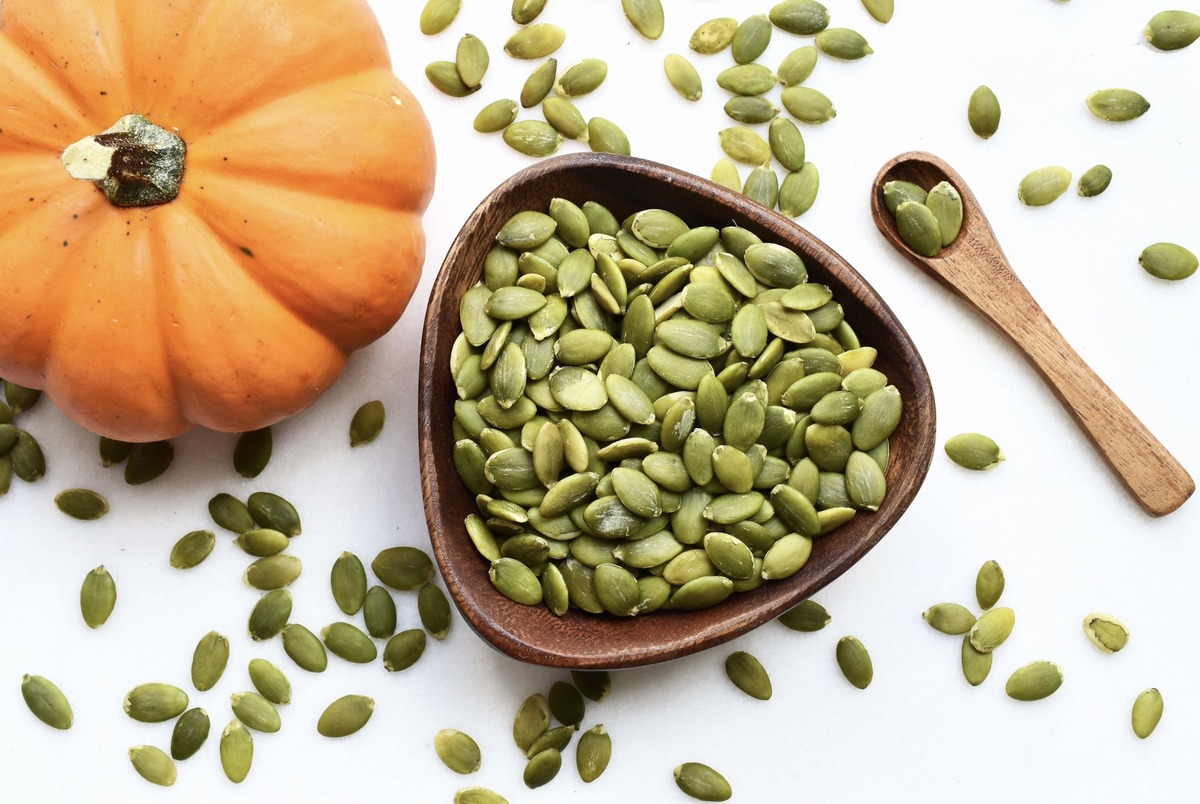
So what makes this humble vegetable such a nutrition standout? Let’s explore six lesser-known ways pumpkin delivers more than just flavor—it delivers results.
Hidden Benefit #1 – How Pumpkin Supercharges Your Immune System
Most people think of pumpkin as a festive autumn treat or a base for soups and lattes. But beneath its sweet, earthy taste lies an immune-boosting powerhouse that works on multiple levels to strengthen your body’s natural defenses.
Beta-Carotene and Vitamin C: A Dynamic Duo
Your immune system relies heavily on antioxidants to function properly, and pumpkin is packed with two of the most effective ones — beta-carotene and vitamin C. Beta-carotene, the compound responsible for pumpkin’s vibrant orange color, gets converted into vitamin A in the body. This vitamin directly promotes the production and function of white blood cells, which are essential to fighting infections.
Vitamin C, meanwhile, supports multiple cellular functions of the immune system. It encourages the formation of phagocytes and lymphocytes, two types of white blood cells that target and neutralize invading pathogens. According to a 2017 review in Nutrients, vitamin C supplementation has been shown to reduce the duration and severity of upper respiratory infections, especially under physical stress conditions.
When you combine beta-carotene and vitamin C—both abundant in pumpkin—you create an antioxidant synergy that protects immune cells from oxidative damage while promoting their production and mobility.
Pumpkin’s Antimicrobial & Anti-Inflammatory Arsenal
The protective effects go even further. Compounds found in both pumpkin flesh and pumpkin seeds exhibit natural antimicrobial and anti-inflammatory properties. In fact, pumpkin seed extract has been studied for its potential to inhibit the growth of harmful bacteria like Escherichia coli and Salmonella. This adds another layer of immune defense, reducing the microbial load and supporting gut health, which is tightly linked to immune function.
Anti-inflammatory compounds—such as flavonoids and phenolic acids—naturally soothe the immune system, allowing it to respond quickly to genuine threats while minimizing chronic inflammation that could otherwise weaken your body’s defenses.
Don’t Overlook Magnesium
Magnesium often flies under the radar in immune health discussions, but it shouldn’t. Pumpkin seeds are one of nature’s richest plant sources of this essential mineral. Magnesium supports more than 300 enzymatic reactions in the body, including those involved in immune function.
One of magnesium’s key roles is in the regulation and activity of T-cells—the white blood cells that identify and eliminate virus-infected cells. According to a 2018 study in Cell Reports, magnesium deficiency impairs T-cell activation, which weakens the body’s ability to mount an effective defense.
- Roasted pumpkin seeds offer around 150 mg of magnesium per 30g serving, fulfilling nearly 40% of the daily recommended intake for adults.
- They’re easy to sprinkle over yogurt, blend into smoothies, or eat on their own as a crunchy snack.
Next time you carve a pumpkin or prep it for a recipe, remember: you’re not just making something delicious—you’re giving your immune system several powerful tools to stay sharp and strong.
Hidden Benefit #2 – Supports Heart Health Naturally
When it comes to cardiovascular wellbeing, pumpkin delivers far more than meets the eye. Its bright orange flesh and crunchy seeds pack a powerful punch of heart-friendly nutrients that work together to keep your arteries flexible, your blood flowing smoothly, and your heart beating strong.
Rich in Heart-Friendly Magnesium and Potassium
Pumpkin is an exceptional natural source of two minerals essential for regulating heart rhythm and blood pressure: magnesium and potassium. One cup of cooked pumpkin contains nearly 14% of your daily magnesium requirement and over 500 mg of potassium—more than you’d get from a banana.
Why does this matter? Magnesium supports the electrical impulses of your heart muscle, while potassium helps control sodium levels in the body, easing tension in blood vessel walls. Together, they contribute to reduced blood pressure, a key factor in lowering your risk for stroke and heart attack.
In fact, research published in the journal Hypertension shows that increasing dietary potassium intake can lower systolic blood pressure by an average of 3.5 mm Hg in people with high blood pressure. That’s a significant shift driven by simple, food-based choices.
Fiber Power: Lowering LDL Cholesterol Naturally
Don’t underestimate the impact of fiber-rich foods like pumpkin in your diet. Pumpkin contains about 3 grams of fiber per cooked cup, and that fiber plays a vital role in supporting healthy cholesterol levels. Soluble fiber binds with LDL (bad) cholesterol in the digestive system and helps eliminate it from the body before it enters the bloodstream.
- This process directly reduces total and LDL cholesterol levels.
- It improves the LDL:HDL ratio, which protects overall cardiovascular health.
- Fiber also helps regulate blood sugar, further reducing strain on the heart.
A meta-analysis published in the American Journal of Clinical Nutrition found that for every 7 grams of fiber consumed daily, there was a 9% reduction in coronary heart disease risk. That’s just over two cups of pumpkin — a delicious heart-saving portion.
Pumpkin Seeds: Tiny Hearts of Gold
While pumpkin flesh gets lots of attention, the seeds (also known as pepitas) might just be your heart’s best friend. These small but mighty seeds are packed with plant-based omega-3 fatty acids, particularly ALA (alpha-linolenic acid), which has been linked to lower risks of cardiovascular disease.
Pumpkin seeds also provide:
- Antioxidants like vitamin E and phytosterols that defend the arterial lining from oxidative damage.
- Zinc, which supports endothelial function and modulates inflammation — two critical factors related to heart disease.
- Anti-hypertensive properties that support lower blood pressure naturally, as shown in numerous studies on seed-based nutrition.
In one study published in Nutrition Research, postmenopausal women who consumed 30 grams of pumpkin seed daily showed a significant increase in HDL (good cholesterol) and a simultaneous reduction in both systolic blood pressure and diastolic blood pressure.
So, next time you’re scooping out a pumpkin, think twice before tossing those seeds. Roast them with a pinch of sea salt and olive oil—they’re more than a crunchy snack; they’re a cardiovascular investment.
Unlocking Weight Loss: How Pumpkin Supports Effective Weight Management
Eating for weight control doesn’t have to mean sacrificing flavor or satisfaction. Pumpkin offers a unique nutritional profile that’s not only low in calories but packed with hunger-fighting fiber and nourishing nutrients. It’s a perfect ally for effective weight management and long-term health.
Low in Calories, High in Nutrients
A 245-gram serving of cooked, unsweetened pumpkin contains just about 49 calories, yet it delivers more than 245% of the Reference Daily Intake (RDI) of vitamin A, along with vitamin C, potassium, and antioxidants like beta-carotene. This nutrient density makes pumpkin an efficient food for those looking to reduce calorie intake without compromising on essential vitamins and minerals.
The high water content of pumpkin—around 90%—adds volume and satiety without extra calories. That means a bowl of blended pumpkin soup or roasted cubes can fill you up more effectively than many denser, calorie-loaded alternatives.
Fiber: The Natural Appetite Suppressant
One standout feature of pumpkin is its fiber content. A single cup of cooked pumpkin provides about 3 grams of dietary fiber, which plays a crucial role in prolonging satiety and stabilizing blood sugar levels. When fiber moves slowly through the digestive tract, it delays gastric emptying and blunts the blood sugar response after meals—both critical mechanisms in weight control.
A 2015 study published in the journal Annals of Internal Medicine showed that increasing dietary fiber alone—without changing other diet components—led to meaningful weight loss in overweight adults. Incorporating pumpkin into meals is one simple way to do just that.
Don’t Toss the Seeds: Pumpkin Seeds Support Lean Muscle
While the flesh of the pumpkin supports satiety and calorie control, the seeds deliver plant-based protein that helps preserve lean muscle mass during weight loss. Just 28 grams (around 1 ounce) of roasted pumpkin seeds contain over 7 grams of protein—an amount comparable to one boiled egg.
This protein supports muscle repair and maintenance, especially in a calorie deficit. Keeping muscle mass intact during weight loss is essential because muscle boosts resting metabolic rate, helping the body burn more calories even at rest. Combine pumpkin seeds with fiber-packed pumpkin purée, and you’ve got a nutrient-dense, metabolism-boosting combo.
- Pumpkin flesh is low in energy density, letting you eat more for fewer calories.
- Its fiber delays hunger and helps regulate appetite hormones like ghrelin.
- Pumpkin seeds provide magnesium and tryptophan, which play a role in insulin regulation and stress-related eating control.
Trying to manage your weight more effectively? Let pumpkin be part of your strategy—not just as a seasonal treat but as a staple ingredient throughout the year.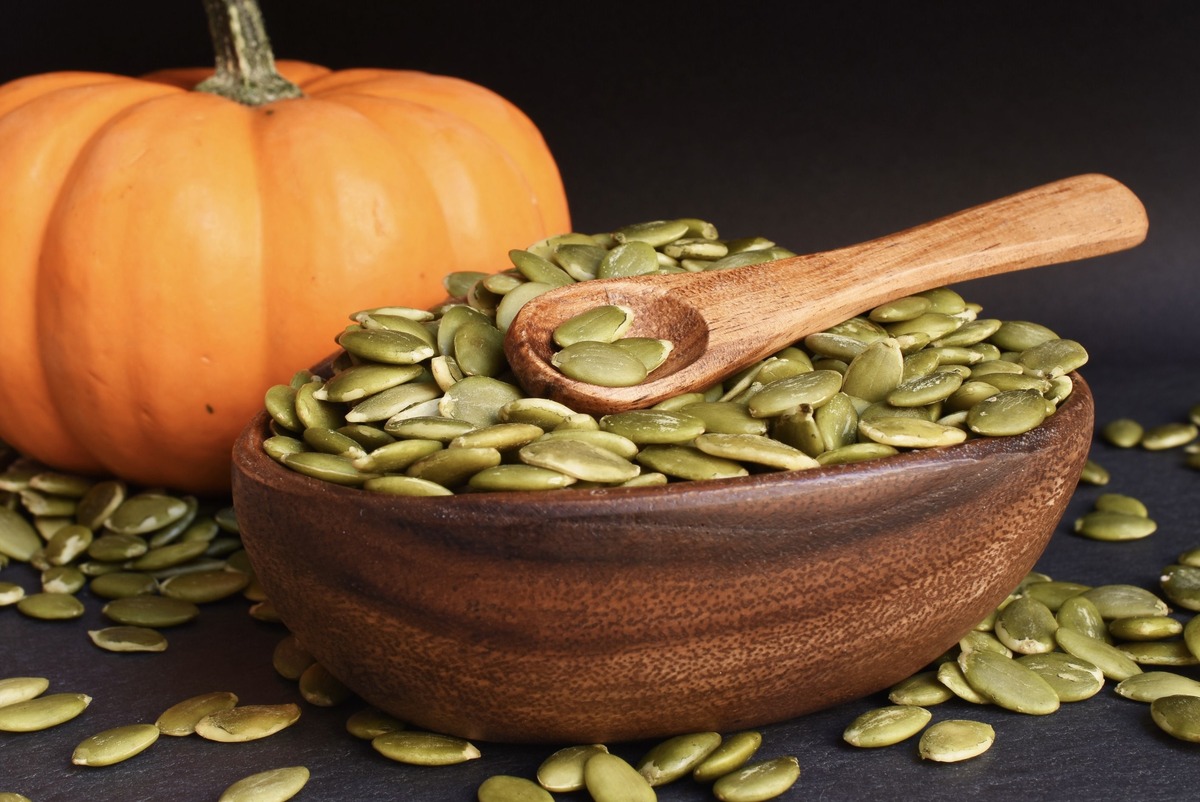
Glowing from Within: How Pumpkin Enhances Skin Health
Radiant skin doesn’t come from a jar—it starts with the nutrients you put into your body. Among nature’s most underrated beauty foods, pumpkin stands out for its skin-supportive properties. What looks like a humble fall vegetable is actually packed with transformative compounds that work beneath the surface to improve skin texture, tone, and resilience.
Rich in Vitamins A and E: Your Skin’s Best Friends
The vibrant orange hue of pumpkin gives away one of its biggest secrets: beta-carotene. This antioxidant converts to vitamin A in the body, which directly influences skin cell regeneration. Adequate vitamin A intake promotes a smoother skin surface and helps fade pigmentation irregularities caused by sun exposure or aging. Several controlled trials have shown that vitamin A derivatives support the synthesis of new skin cells and suppress collagen breakdown.
But it doesn’t stop there. Pumpkin is also a solid source of vitamin E, a fat-soluble compound with strong anti-inflammatory and photoprotective effects. This combination is particularly powerful—while vitamin A stimulates cellular turnover, vitamin E shields skin cells from oxidative damage. Together, they form a nutrient duo that slows down wrinkle formation, boosts elasticity, and enhances overall skin smoothness.
Zinc-Packed Seeds Support Skin Repair
If you’ve been tossing out pumpkin seeds, it’s time to reconsider. These crunchy seeds deliver a potent dose of zinc, a mineral linked to skin repair and hormonal balance. Zinc regulates oil production and is essential for collagen remodeling and wound healing. That’s why it’s often recommended for people dealing with acne, eczema, and inflammatory conditions.
Scientific evidence shows that individuals with zinc deficiency often experience slower wound healing and increased skin irritation. Incorporating pumpkin seeds provides a plant-based, bioavailable source of this mineral—an effortless way to support skin recovery and resilience.
A Concentrated Source of Antioxidants to Defend Against Aging
One of pumpkin’s most impressive features is its high concentration of antioxidants, including beta-carotene, lutein, and zeaxanthin. These compounds counteract the damaging effects of free radicals, which are unstable molecules generated by pollution, UV radiation, stress, and poor nutrition. Free radicals accelerate skin aging and reduce firmness over time.
Regularly eating antioxidant-rich foods like pumpkin neutralizes these harmful compounds at the cellular level. By minimizing oxidative stress, pumpkin helps to preserve collagen structure and prevent the breakdown of elastin—the very fibers that give your skin its youthful bounce. The result? A clearer complexion and a visible reduction in dullness and fine lines.
- Vitamin A stimulates new skin cell growth and evens pigmentation.
- Vitamin E protects against environmental damage and enhances skin moisture.
- Zinc promotes wound healing and reduces inflammation linked to acne and rashes.
- Antioxidants extend skin health by minimizing oxidative stress and preserving collagen.
Next time you prepare a pumpkin dish, remember—you’re not just feeding your body, you’re nourishing your skin too. Isn’t it amazing that something so simple can have such a powerful impact on your glow?
See More Clearly: How Pumpkin Supercharges Your Eye Health
Bright orange flesh that signals more than just autumn vibes—pumpkin holds a nutritional secret that directly impacts how well your eyes perform. Vision doesn’t only depend on age or screen exposure; what you eat plays a pivotal role, and pumpkin has powerful compounds that work behind the scenes to guard your sight.
Rich in Beta-Carotene for Night Vision
One standout nutrient in pumpkin is beta-carotene, a plant pigment your body converts into vitamin A. This fat-soluble vitamin is critical for producing rhodopsin, a protein in your eyes that allows you to see in low light. In fact, just 100 grams of cooked pumpkin delivers over 100% of the recommended daily intake of vitamin A, according to data from the United States Department of Agriculture (USDA).
Why does this matter? Because low levels of vitamin A are a direct cause of night blindness, a condition where vision becomes impaired in dim light. Including pumpkin regularly ensures your retina functions optimally when the lights go down.
A Powerhouse of Lutein and Zeaxanthin
Beyond beta-carotene, pumpkin also provides two carotenoids that deserve serious attention: lutein and zeaxanthin. These antioxidants accumulate directly in the macula—the central part of the retina—and act as a natural filter for harmful high-energy blue light.
Over time, these pigments offer a protective effect against age-related macular degeneration (AMD), a leading cause of visual impairment in older adults. According to findings published in the journal Investigative Ophthalmology & Visual Science, higher dietary intake of lutein and zeaxanthin significantly lowers the risk of both early and late-stage AMD.
Vital Support in Indian Diets
Vitamin A deficiency remains a public health concern in several parts of India, particularly among children and pregnant women. The National Family Health Survey reports that over 60% of preschool children in India face inadequate vitamin A levels, which compromises not just vision but immune function.
Offering a natural solution, pumpkin is highly accessible and culturally adaptable to Indian cuisine. Whether added into sambhar, cooked as a dry sabzi, or blended into a spiced soup, it fits seamlessly into everyday meals and delivers this essential nutrient without need for supplements.
Sharp, sustained eyesight isn’t just a matter of genetics—it’s about nourishment. Could a humble bowl of pumpkin soup today prevent glasses tomorrow? Quite possibly.
Hidden Benefit 6 – A Mood and Brain Enhancer
Ever noticed how certain foods can lift your spirits or calm your nerves? Pumpkin is one of them. Beyond its festive charm and comforting flavor, pumpkin—and particularly its seeds—quietly supports your mental clarity and emotional balance. Let’s explore how.
Tryptophan in Pumpkin Seeds: A Natural Mood Booster
Crack open a handful of pumpkin seeds, and you’ll unlock a natural source of tryptophan, an essential amino acid your body can’t produce on its own. What makes tryptophan remarkable isn’t just its role in protein synthesis—it’s a key player in the production of serotonin, the neurotransmitter known for regulating mood and sleep.
When tryptophan crosses the blood-brain barrier, it’s converted into serotonin, which contributes to feelings of well-being and emotional stability. Studies, including one published in the Journal of Psychiatry & Neuroscience, have linked dietary tryptophan intake with better mood outcomes and reduced symptoms of depression.
Pair your pumpkin seed snack with a carb-rich food such as fruit to increase tryptophan absorption. Why? Because insulin from the carbs helps shuttle competing amino acids out of the bloodstream, letting tryptophan take the spotlight in your brain.
Magnesium’s Connection to the Nervous System
Pumpkin seeds are also rich in magnesium, a mineral that’s often overlooked—and frequently deficient in modern diets. Yet magnesium plays an essential role in managing the nervous system. It helps regulate neurotransmitters, including GABA, which has a calming effect on the brain.
Low magnesium levels are linked to increased risk of anxiety, irritability, and even neurological disorders. In fact, a 2017 review in the journal Nutrients highlighted the positive impact of magnesium supplementation on subjective measures of anxiety. Why not start with food sources first?
Just 28 grams (about two tablespoons) of roasted pumpkin seeds provide nearly 40% of your daily magnesium needs. A small addition with significant neurological benefits.
Whole Foods, Whole Mind: Cognitive Health Through Nutrition
Think clearly. Feel better. Age gracefully. These are the long-term payoffs of eating nutrient-dense, whole foods like pumpkin regularly. Vitamins A and C from pumpkin flesh act as antioxidants that protect brain cells from oxidative stress—one of the key contributors to cognitive decline over time.
Moreover, the beta-carotene richly present in pumpkin has been associated with cognitive health. A study published in Archives of Internal Medicine found that long-term beta-carotene supplementation helped improve cognitive performance in men, suggesting protective benefits against age-related decline.
The mood-lifting compounds in pumpkin seeds and the brain-shielding nutrients in pumpkin flesh create a duo that supports both short-term emotional balance and long-term cognitive vitality. Feeling good and thinking sharply? These aren’t just seasonal perks—they’re the hidden benefits of choosing pumpkin consistently.
- Snack on roasted pumpkin seeds for a natural serotonin boost.
- Add pumpkin purée to smoothies or oatmeal for extra brain-protective antioxidants.
- Combine pumpkin with complex carbs to optimize tryptophan absorption and mood support.
Can food really make you happier? With pumpkin, the evidence says yes.
Creative Ways to Eat More Pumpkin
Pumpkin’s versatility in the kitchen is unmatched, and once you understand how effortlessly it blends into both sweet and savory dishes, it becomes a pantry essential. With its mild sweetness and creamy texture, pumpkin can transform a meal from ordinary to nutrient-dense and comforting. Let’s explore exciting ways to work more of this vibrant squash into your recipes without losing variety or flavor.
Delicious Recipes Using Pumpkin
- Pumpkin soup with Indian spices: For a warming, immune-supporting comfort dish, simmer pumpkin puree with ginger, turmeric, cumin, and coriander. A splash of coconut milk adds richness, while the spices enhance nutrient absorption—especially the beta-carotene.
- Roasted pumpkin seed trail mix: Toss pumpkin seeds (pepitas) with a dash of olive oil, smoked paprika, and sea salt. Roast until golden and mix with dark chocolate chips, dried cranberries, and almonds for a snack loaded with zinc, magnesium, and heart-healthy fats.
- Pumpkin and chickpea curry: Chickpeas bring in plant-based protein, while pumpkin contributes a silky base and natural sweetness. Add garlic, garam masala, and fresh spinach for a well-balanced, iron-rich meal that satisfies.
Easy Everyday Swaps
- Blend pumpkin purée into smoothies or pancake batter: The fiber boosts satiety, and the vitamin C enhances iron absorption from plant-based ingredients. Try mixing a spoonful into a banana and oat smoothie for creaminess without dairy.
- Add roasted pumpkin to salads: Cubed and caramelized pumpkin pairs perfectly with peppery arugula, toasted walnuts, and feta. Drizzle with a balsamic dressing to brighten the natural sweetness.
Foods that Pair Well with Pumpkin
- For protein: Quinoa and lentils marry well with pumpkin’s earthy profile—use them in a warm bowl layered with roasted pumpkin, tahini drizzle, and spring greens.
- For crunch and texture: Nuts like pecans or hazelnuts, and seeds such as sunflower or pumpkin seeds, add depth and variety to your dishes while boosting micronutrient diversity.
- For balance and color: Leafy greens like kale, spinach, and Swiss chard contrast beautifully with pumpkin, creating meals that are visually appealing and nutritionally harmonious.
Do you usually think of pumpkin only in pies and lattes? It’s time to reimagine this powerhouse ingredient. Which of these ideas will you try first?