
While a diagnosis can feel daunting, the truth is empowering: PCOS is absolutely manageable, especially when caught early and approached with intention. What you eat, how you move, how you rest—all of it matters. At Claudia’s Concept, we believe that vibrant health begins at your plate and deepens with self-awareness. The key lies in nurturing your hormonal rhythm and aligning nutrition with your biological clock.
In this blog, I’m sharing three proactive, natural strategies you can integrate into your lifestyle starting today. These aren’t vague suggestions—they’re targeted actions supported by science that can transform how your body functions over the course of four weeks. One of these is seed cycling, a powerful food-based ritual that’s gaining traction across the wellness world for its ability to harmonize hormonal phases.
This is your reminder that real health isn’t about restriction or extremes. It’s about restoring the dialogue with your body and giving it what it actually needs. Ready to take that step?
What You Need to Know About PCOS and How It Impacts Your Body
What Is PCOS, Really?
Polycystic Ovary Syndrome — commonly known as PCOS — is more than just a hormonal glitch. It’s a complex endocrine condition, and one that I encounter regularly in practice. It affects roughly 1 in 10 women worldwide during their reproductive years, yet it’s still wildly misunderstood. The term “polycystic” can be misleading. Not every woman with PCOS has cysts, and not all ovarian cysts are a sign of PCOS. What truly defines it is a disruption in hormone levels — particularly an imbalance between estrogen, progesterone, and androgens (like testosterone).
When this balance skews, you might notice symptoms like irregular periods, acne, unwanted hair growth, and fertility challenges. But PCOS doesn’t stop at reproductive disruption — it has a profound impact on metabolic health, emotional wellbeing, and weight regulation.
Why PCOS Is a Hormonal Puzzle
At the core of PCOS is insulin resistance. Most women I consult at Claudia’s Concept are surprised to learn this. Insulin doesn’t just play a role in blood sugar regulation — it also influences ovulation, fat storage, and androgen production. When your cells become resistant to insulin, your pancreas compensates by producing more, which can trigger excess androgens. And that imbalance? It’s what leads to missed periods, hair growth in unwanted places, and trouble shedding weight.
Research published in the journal Endocrine Reviews found that up to 70% of women with PCOS exhibit some degree of insulin resistance, even if they’re not overweight. So this isn’t just about body weight; it’s about a deep-seated metabolic disruption.
Furthermore, insulin triggers your ovaries to produce more testosterone. That, coupled with low progesterone (often due to anovulation, or missing ovulation cycles), creates a dominant estrogen environment — a recipe for mood swings, bloating, and inflammation. And let’s not forget the emotional fatigue that comes with trying every diet out there and not seeing results.
Why Traditional Diets Often Backfire for Women with PCOS
Here’s a truth bomb — most conventional weight-loss diets fail women with PCOS because they target calorie restriction without correcting the hormonal conversation happening inside the body. Stop punishing yourself with low-calorie, high-cardio routines. They do more harm than good. I see it all the time at Claudia’s Concept. Women come in exhausted, confused, and demoralized, having tried intermittent fasting, keto, or juice cleanses — only to find themselves stuck in inflammation, cravings, and plateaued weight.
What’s missing is a strategy that works with your hormones, not against them. Your body isn’t broken — it’s just asking for a different kind of support.
Let’s Connect the Dots
- PCOS is not just a reproductive disorder — it’s a metabolic and hormonal condition.
- Most women with PCOS have insulin resistance, regardless of their weight.
- Excess insulin leads to excess androgens, contributing to irregular periods, acne, and weight gain.
- Low progesterone and dominant estrogen levels fuel emotional and physical symptoms.
- Traditional diets fail because they don’t address root hormonal imbalances.
I’ve worked with hundreds of women through Claudia’s Concept to reframe their PCOS journey — not through restriction, but through nutritional intelligence, seed cycling, stress support, and sustainable wellness strategies. And it starts with understanding this intricate web inside your body. In the next section, I’ll show you the exact 4-week plan, including three science-based tips that activate real hormonal healing — starting with food. Are you ready to shift from feeling stuck to finally seeing results?
Nutritionist Shares 3 Tips to Manage PCOS in Just 4 Weeks – Try Seed Cycling
Nutritionist-Recommended 4-Week PCOS Management Plan: The 3 Key Tips
PCOS isn’t just a hormonal issue — it’s something women feel in their energy levels, skin, weight, and emotional well-being. That’s why we don’t just address PCOS with temporary fixes at Claudia’s Concept. We build long-term strategies grounded in real nutrition science. If you’re ready to start shifting the way your body and hormones respond, here are three practical, evidence-backed strategies I personally recommend for a strong 4-week transformation.
Tip 1: Embrace Seed Cycling for Hormonal Harmony
Seed cycling is a holistic technique that uses the power of specific seeds to support and gently regulate the hormones — estrogen in your follicular phase and progesterone in your luteal phase. It’s one of my favorite functional food tools at Claudia’s Concept because it’s completely natural, easy to integrate into any routine, and highly effective for PCOS management.
What is Seed Cycling?
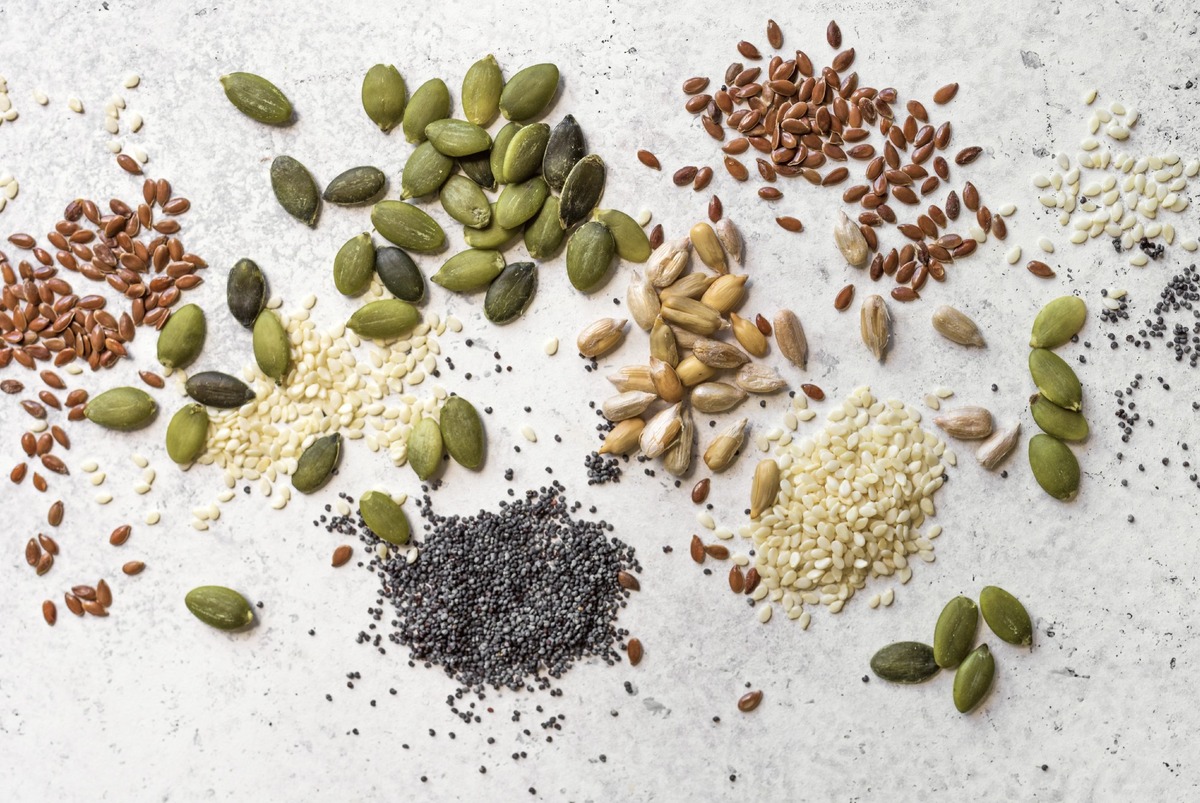
Seed cycling involves rotating four types of seeds based on the two key phases of your menstrual cycle. The seeds are nutrient-dense and contain lignans, essential fatty acids, and micronutrients that influence hormone metabolism.
- Follicular Phase (Day 1–14): Consume 1 tablespoon each of flaxseeds and pumpkin seeds These are rich in phytoestrogens and zinc to promote estrogen balance and follicle development.
- Luteal Phase (Day 15–28): Switch to 1 tablespoon each of sesame seeds and sunflower seeds. They support progesterone through selenium and vitamin E, which are key to luteal phase strength.
This natural food-based rotation acts like a gentle nudge for your hormonal rhythm, syncing it across the month while reducing the dominant symptoms of PCOS.
Why does it work? Studies have shown that flaxseeds, for example, positively impact estrogen metabolism by increasing sex hormone-binding globulin (SHBG) and reducing abnormal androgen activity. A clinical trial published in the “Journal of Ayurveda and Integrative Medicine” found that women who consumed flaxseed daily showed significant reduction in ovarian volume and follicle count — both crucial indicators of PCOS improvement.
Not only does seed cycling help normalize irregular cycles and reduce PMS, but it can also lower inflammation and support liver detoxification, which is essential for clearing excess hormones — both estrogen and testosterone.
Start adding ground or raw seeds into your smoothies, yogurt, salads, or even mix into roti dough. What matters is consistency. Give your endocrine system what it needs, and it will respond to the rhythm you’re building for it.
Tip 2: Anti-inflammatory Foods That Nurture the Body
PCOS is often driven by low-grade chronic inflammation, which increases insulin resistance and worsens hormonal imbalances. That’s why the second tip in our 4-week plan is focused entirely on choosing anti-inflammatory foods to rewire your internal health.
- Eat more of: Dark leafy greens (spinach, kale), berries (rich in antioxidants), turmeric and ginger (natural anti-inflammatories), omega-3 rich fish like salmon or sardines, and cold-pressed olive oil for healthy fat balance.
- Replace: Refined sugars with whole fruits, processed carbs with quinoa or sweet potatoes, hydrogenated oils with ghee or extra virgin olive oil.
Here’s the thing — inflammation acts like a silent disruptor. It elevates cytokines, affects ovulatory function, and fuels insulin resistance. A 2016 review in the journal “Reproductive Biology and Endocrinology” confirmed that women with PCOS have elevated markers of systemic inflammation, including C-reactive protein (CRP). Reducing this with food isn’t just theory — it’s proven practice.
Foods like turmeric (curcumin) have direct effects on inflammatory pathways, including downregulating NF-kB activation, a key signal in chronic inflammatory states. Omega-3 fatty acids increase adiponectin, which helps regulate glucose and fatty acid breakdown — two cornerstones in PCOS healing.
At Claudia’s Concept, we often incorporate anti-inflammatory meal plans that not only calm the body but also create visible changes — from sharper skin tone to reduced bloating and stable energy. Within just 4 weeks, most clients see reduced cravings, lighter cycles, and improved mood when inflammation is buried deep where it belongs — in the past.
Tip 3: Balance Blood Sugar with the Right Nutrition
Insulin resistance affects up to 70% of women with PCOS, and it’s what leads many down a path of erratic hunger cues, stubborn belly fat, and irregular ovulation. That’s why our third key focus is on blood sugar stabilization.
Managing insulin isn’t just about cutting sugar. It’s about building intelligent meals that teach your body how to handle glucose efficiently.
- Choose low-GI carbohydrates: Think steel-cut oats, brown rice, legumes, barley, and vegetables over bread, white rice, and sugary cereals.
- Pair every meal with protein and fiber: Chickpeas with brown rice, paneer with vegetables, or boiled eggs and sautéed spinach.
- Stick to fixed meal timings: Eat every 4–5 hours to prevent sharp spikes and crashes in blood glucose.
Integrating these habits can make a marked difference. A study published in “Diabetes & Metabolic Syndrome” (2019) found that women with PCOS who followed a low-GI diet experienced significant improvements in menstrual regularity, insulin sensitivity, and even visible weight loss in 12 weeks — and the improvements started as early as week 4.
Balancing blood sugar directly influences ovulation and reduces hyperandrogenism symptoms like acne and excessive hair growth. This isn’t speculation — it’s backed up by decades of research in endocrinology and nutritional science. When your body is consistently fueled with whole, nutrient-dense food, insulin signals normalize, the ovaries respond more effectively, and hormonal chaos starts to collapse.
At Claudia’s Concept, we guide women to use blood-sugar balancing as a foundation, not a restriction. It isn’t about eating less — it’s about eating smart, so your hormones never have to work overtime again.
Bonus Support: Lifestyle Changes That Amplify Your Results
Rethinking a few habits outside the kitchen can dramatically accelerate your PCOS transformation. While nutrition sets the foundation, gentle yet intentional lifestyle changes act like the missing puzzle pieces in hormonal balance. At Claudia’s Concept, I always encourage my clients to approach PCOS holistically. That means aligning how you move, rest, and de-stress with your body’s natural rhythm.
Sleep & Stress: How Cortisol Disrupts Hormones and Weight
Ever felt your cravings intensify after a night of poor sleep or during a stressful week? There’s a reason for that. Cortisol, your stress hormone, has a direct impact on the hormonal fluctuations underlying PCOS. Chronic stress can increase androgen levels, worsen insulin resistance, and tilt your hormonal axis completely off balance.
One landmark study published in the journal Fertility and Sterility (2011) showed that women with PCOS had significantly higher cortisol responses to stress compared to women without PCOS. Elevated cortisol doesn’t just overstimulate your adrenal glands — it interferes with ovulation and makes weight loss feel impossible.
What you can do in week one:
- Set a consistent sleep schedule: Aim for 7.5 to 8.5 hours each night. Lights out by 10:30 PM supports your circadian rhythm and melatonin cycle — both essential for regulating reproductive hormones.
- Add a wind-down routine: This can be as simple as herbal tea, soft instrumental music, and five minutes of slow breathing. Your body interprets this consistency as safety, lowering cortisol production.
- Delay screen time before bed: Digital blue light suppresses melatonin. Turn off devices 60 minutes before bedtime, and switch to books or journaling to promote natural sleep onset.
Gentle Movement Wins with PCOS: Let’s Rethink Exercise
With PCOS, more sweat doesn’t mean more progress. In fact, intense cardio can backfire. Long durations of high-intensity workouts can elevate cortisol and lead to even more hormonal imbalance. At Claudia’s Concept, I work with each client to strike a balance between effective training and hormonal harmony.
Moderation is not a compromise — it’s a strategy. Moderate movement supports insulin sensitivity, improves ovulatory regularity, and enhances mood.
Effective types of movement for PCOS:
- Strength training (2–3 times per week): Resistance exercises boost metabolism, promote lean muscle mass, and improve insulin response. One study from the Journal of Strength and Conditioning Research (2018) showed significant improvement in insulin sensitivity in women with PCOS after just four weeks of strength-based workouts.
- Brisk walking (daily for 30 minutes): Simple yet powerful. Walking enhances circulation, reduces belly fat accumulation (a common PCOS trigger), and calms the nervous system.
- Yoga: Choose forms like yin or restorative yoga. A 2020 trial published in Complementary Therapies in Medicine found that women who practiced yoga three times a week had a notable decrease in testosterone levels and improved menstrual regularity.
Mind-Body Practices: Hormonal Clarity Begins with Inner Awareness
Your brain talks to your ovaries every single day. And that conversation is shaped by your thoughts, emotions, and the degree of inner calm you carry. To truly rebalance your system, you must quiet the mental chaos. That’s where mind-body practices come in — especially for women with PCOS.
When you implement practices that soothe your nervous system, the entire hypothalamic-pituitary-ovarian (HPO) axis becomes more regulated. This synchrony makes it easier for your body to ovulate naturally, stabilize weight, and reduce inflammation.
- Meditation (start with 5 minutes daily): Apps like Insight Timer or Headspace offer guided meditations specifically for women’s health. Just five minutes per day has been shown to reduce sympathetic nervous system activity.
- Journaling: Write about what your body is feeling, not just what your mind is thinking. Tune into any hormonal shifts, patterns with digestion, or emotional cues. Over time, journaling reveals your personal PCOS blueprint.
- Breathwork: Practices like box breathing (4-4-4-4) or alternate nostril breathing (NadiShodhana) rewire your baseline stress response. Regular breathwork practice can drive hormonal recalibration by decreasing cortisol.
When you combine seed cycling with these key lifestyle tools, each week builds on the last. The synergy of movement, rest, and inner calm makes your four-week plan not just sustainable — but transformative.
These changes don’t require drastic shifts. They simply require presence. Stay aware, stay consistent, and your body will begin to respond. As I always guide in Claudia’s Concept, healing PCOS is a journey made easier through aligned, supportive practices — both on your plate and in your day-to-day rhythm.
Week-by-Week Wins: What Women Will Notice in Just 4 Weeks
After years of working with women battling Polycystic Ovary Syndrome (PCOS), I’ve seen firsthand what happens when you give your body the right support. That’s why I designed this 4-week plan through Claudia’s Concept—not based on guesswork, but grounded in science and real outcomes. If you’ve been consistently applying the three tips I shared earlier—especially seed cycling—you’re now entering the reward phase. Let’s talk honestly about what you can expect at the end of this first month.
- Menstrual Cycles Start to Normalize
One of the most empowering signs of progress is the return to a more predictable, regular cycle. By week four, many women report their periods either return or begin arriving closer to expected dates. While full regulation might take longer in some cases, there’s usually a noticeable shift in rhythm.
This happens because seed cycling helps influence estrogen and progesterone levels in your body naturally. For instance, flaxseeds (taken during the follicular phase) boost phytoestrogen intake. A study published in Hormones and Behavior (2007) reported that phytoestrogens modulate the hormonal axis by binding to estrogen receptors—stabilizing your cycle without synthetic intervention.
- Bloating and PMS Symptoms Begin to Decrease
Ask yourself: Do your jeans fit more comfortably this week than they did three weeks ago? Bloating—a common and frustrating PCOS symptom—begins to subside as hormones balance out. Women also report reduced breast tenderness, fewer mood swings, and far less cramping around their cycle.
This happens because cutting down inflammatory foods (one of our three core tips) relieves systemic stress. At the same time, pumpkin and sunflower seeds consumed during the luteal phase encourage increased progesterone production, which calms bloating and fluid retention.
- Energy Levels and Mood Improve Noticeably
PCOS exhausts your body—it disrupts cortisol, insulin sensitivity, and serotonin. By committing to consistent weekly routines, and integrating the right nutrient-dense seeds, you restore calm to your endocrine system. Women often share by week four that their mornings are more energised, afternoon crashes are rare, and emotional stability is stronger.
Let’s not brush over this. The Journal of Clinical Endocrinology & Metabolism (2014) found a deep link between insulin resistance (a common PCOS issue) and serotonin regulation. By improving insulin sensitivity through nutrition, including zinc-packed seeds like pumpkin, women begin to feel lighter emotionally and more balanced—like themselves again.
- Weight Begins to Stabilise
Notice that I’m not promising rapid weight loss—that’s not the goal. But by week four, many women tell me the scale stops swinging erratically and clothes start fitting better. This isn’t a trick. It’s metabolic reset. When your insulin levels stabilize, your body stops treating every meal like an emergency storage request.
One of my clients recently shared that her waistline began to tone despite having followed no calorie-restricting diet. Why? Because seed cycling and blood sugar-friendly meals retrain your metabolism to burn instead of store. Improved body composition—not just weight—is the mark of true progress.
- A Renewed Sense of Control and Confidence
Arguably the most extraordinary shift happens inside the mind. After four weeks, most women feel empowered. You’ve stuck to something. You’ve felt the difference in your body. You are no longer waiting for symptoms to hijack your week—you’re actively managing your health on your terms.
At Claudia’s Concept, I’ve always said: PCOS does not define you—your actions do. Every step you’ve taken over these four weeks has retrained your endocrine system, rebuilt trust with your body, and rewired your mental approach to wellness. That’s no small feat.
So pause and reflect—what improvements have you noticed since the start of your journey? Making time to celebrate these changes is just as important as the next healthy habit you implement. You’ve earned it.
Your Body, Your Healing: A Nutritionist’s Personal Take on PCOS
After guiding thousands of women through the complex journey of hormonal balance, I can say without hesitation — your plate holds more power than any prescription. While medical treatments for PCOS absolutely have their place, the true transformation begins when you harness the power of intentional nutrition and mindful lifestyle choices. That’s where the deepest healing happens, and it’s exactly why I created Claudia’s Concept.
If you’ve been juggling irregular cycles, weight fluctuations, mood imbalances, or stubborn acne, hear me when I say: this is not your permanent state. These are signals. Your body is talking to you — calling for balance, not just a band-aid. And balance is entirely achievable.
In my practice, the most effective shift I’ve seen consistently over four weeks comes from the synergy of three foundational tips:
- Seed cycling – This isn’t just trendy; it’s strategic. Flax, pumpkin, sunflower, and sesame seeds each play specific roles in harmonizing estrogen and progesterone across the menstrual cycle. When consumed in sync with your hormonal phases, these seeds act like switchboards to turn on or modulate hormone production naturally.
- Anti-inflammatory foods – Think wild blueberries, turmeric, leafy greens, avocado, fatty fish. There’s solid evidence that chronic low-grade inflammation exacerbates insulin resistance, disrupts ovulatory cycles, and worsens PCOS symptoms. Whole foods rich in antioxidants calm this fire and rewire your biochemistry.
- Blood sugar stability – Every spike and crash in glucose has hormonal consequences. Spikes drive up insulin, and high insulin stimulates unwanted androgen activity. But when you balance meals with protein, healthy fats, and fiber — and avoid ultra-processed carbs — you bring glucose into a steady flow. Steady glucose = stable hormones.
Bundled together, these steps create a hormonal environment where your body feels safe, supported, and capable again. Each day brings small but cumulative progress — clearer skin, more regular periods, less bloating, better mood, and deeper sleep. These are not coincidences. They’re a reflection of your body realigning with its natural rhythm.
Yes, consult your medical doctor — especially to track markers like fasting insulin, LH:FSH ratio, and androgens. But also, tune in to what your body is showing you. Are you less irritable after meals? Are those intense sugar cravings fading? Is hair fall decreasing? Progress isn’t just found in lab results — it’s right there in how you feel, how you function, and how you glow.
At Claudia’s Concept, we focus on restoring that glow from the inside out. I believe in bioindividuality — one protocol does not fit all — but I also know that these three strategies give nearly every woman with PCOS a concrete foundation. Think of food and lifestyle changes as lifelong allies, not temporary fixes. They’re your body’s language — learn to speak it fluently.
You’ve made it this far, which means you’re ready not just to manage PCOS, but to transform your relationship with your body. So start showing up, one meal, one choice at a time. PCOS doesn’t define you — your actions do.