
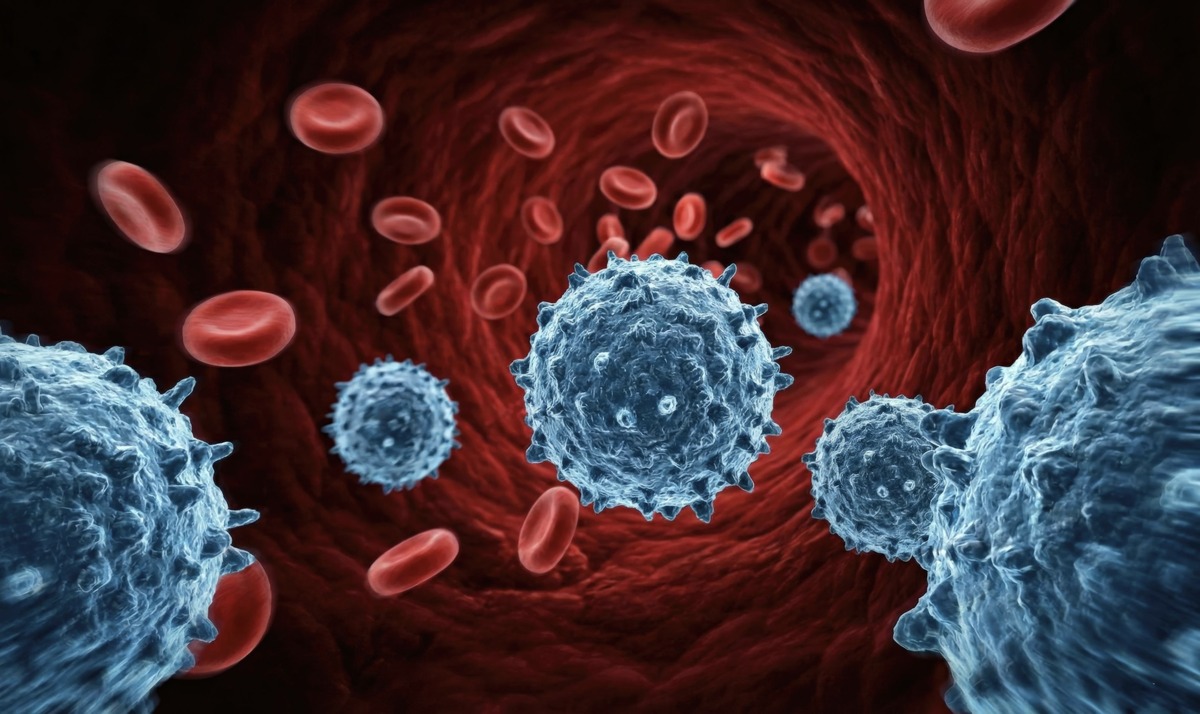
Every time you pick a packet off the shelf at your local supermarket, it comes with more than just flavour—it often includes a cocktail of synthetic chemicals designed to preserve, colour, or flavour your food. While convenience has transformed the way we eat, the trade-off is becoming clear. A surge in recent studies, including new clinical data published in Nature Communications, now indicates that some commonly used food preservatives are directly implicated in increasing cancer risk. This isn’t just another scare—scientists are backing these claims with concrete biochemical evidence.
Rising urbanisation and lifestyle shifts have pushed India into the top 10 global markets for processed food. That means greater exposure to chemical preservatives for the average consumer, often without informed consent. It’s no longer just about calories or nutrient labels—people need to understand the complex impact of additives, especially those now under scrutiny. With Claudia’s Concept, I focus on empowering individuals through nutrition literacy that fuels long-term health. And that begins with knowing what’s inside the food we eat every single day.
Understanding Food Preservatives: What Are They and Why Are They Used?
Take a look inside your kitchen cabinet—how many packaged products are sitting there with expiry dates stretching over months, even years? This convenience comes at a chemical cost. Welcome to the world of food preservatives. At Claudia’s Concept, we believe clarity leads to better choices, and this topic deserves that clarity now more than ever.
What Exactly Are Food Preservatives?
Food preservatives are substances that are intentionally added to food to prevent spoilage caused by microbial growth, oxidation, or other biochemical processes. Their primary function is to extend shelf life, but their role in affecting food texture, color, and flavor cannot be overlooked either. By slowing microbial activity, preservatives reduce risks from foodborne pathogens, helping processed food remain edible over time and distance.
Types of Preservatives: Natural vs Synthetic
Preservatives fall into two major categories: natural and synthetic.
- Natural preservatives include salt, sugar, vinegar, rosemary extract, citric acid from citrus fruits, and antimicrobial compounds from herbs and spices. Many have been used in traditional cuisines for centuries and align effortlessly with clean eating principles.
- Synthetic preservatives, on the other hand, are chemically produced substances designed to mimic or augment natural preservation processes. Common examples include sodium benzoate, potassium sorbate, butylated hydroxyanisole (BHA), and nitrates. These are engineered additives used extensively in mass food production.
While both have preservation value, synthetic additives are frequently under scientific scrutiny for their potential health effects—an area we’ll explore later in this series. At Claudia’s Concept, we advocate for a shift towards natural food preservation methods that nourish your body while supporting sustainable food systems.
Why Preservatives Matter in the Food Supply Chain
Think about the journey of a packaged snack made in Mumbai and sold in Manipur, or a frozen meal created in Italy but flown halfway across the world to an Indian supermarket. Without preservatives, these logistical feats wouldn’t be possible. Here’s how preservatives support our modern food systems:
- Extended Shelf Life: Preservatives slow down decomposition, allowing products to stay fresh for weeks or even months after production.
- Stable Transportation: Foods must withstand temperature changes and time in transit; preservatives ensure that they remain safe to eat upon arrival.
- Mass Production Efficiency: In large-scale food manufacturing, time between production and consumption can be considerable. Preservatives bridge that time gap, reducing food waste and cost inefficiencies.
However, behind these benefits lies a critical question: What are these chemical compounds doing to our bodies over long-term exposure? That’s where the conversation deepens, and recent studies are compelling us to pay attention. We’ll dig into this further in the next section as we examine the specific substances now linked to alarming health concerns.
The Chemical Culprit: Spotlight on Sodium-Based Additives
Walk through the aisles of any supermarket in India, glance at the labels of snack packs, carbonated beverages, meats, pickles, or ready-to-eat meals, and you’ll find them: sodium-based preservatives. These common additives often go unnoticed, but what they do inside the body deserves a closer look. Today, we’re putting the spotlight on these chemical compounds—ones that play a major role in processed food but are now being heavily scrutinized in emerging cancer research.
What Exactly Are Sodium-Based Preservatives?
They are salts, yes—but not the kind you sprinkle on your dal. Sodium-based preservatives are synthetic additives formulated to extend shelf life, prevent microbial growth, and maintain the appealing appearance of food. Among the most frequently used are:
- Sodium Benzoate – Common in soft drinks, fruit juices, salad dressings, and pickles.
- Sodium Nitrite – Added to cured meats like ham, bacon, sausages, and hot dogs to prevent spoilage and give meats their pink hue.
- Sodium Propionate – Often used in bread and baked goods to inhibit mold and bacterial growth.
These substances are not just food-safe labels. Chemically, they significantly alter the way our digestive system processes what we consume—and that’s where the concern grows stronger.
Inside the Gut: How These Preservatives React
The digestive system is not a passive conduit for nutrients; it’s a highly reactive chemical environment. When sodium-based chemicals enter the stomach’s acidic ecosystem, especially sodium benzoate, they can combine with naturally occurring ascorbic acid (vitamin C) to form benzene—a compound that the International Agency for Research on Cancer (IARC) classifies as a Group 1 carcinogen (known to cause cancer in humans).
This transformation isn’t hypothetical. Peer-reviewed studies, including one published in the Journal of Agricultural and Food Chemistry, have confirmed that benzene formation in beverages containing sodium benzoate and vitamin C can occur under heat and light exposure—conditions that are not uncommon in India’s storage and transportation cycle.
On the other hand, sodium nitrite poses a different chemical concern. In the acidic environment of the stomach, it can convert into nitrosamines, potent carcinogens associated with an increased risk of gastrointestinal and pancreatic cancers. A study in the journal Cancer Epidemiology, Biomarkers & Prevention highlighted that higher dietary intake of nitrites correlates with a measurable increase in stomach cancer risk, especially in diets low in protective antioxidants.
Why Are These Preservatives So Widely Used?
The answer is both economic and practical. Food manufacturers rely on sodium compounds to stabilize products, avoid losses, optimize shelf life, and maintain consistency. For instance, sodium nitrite lets manufacturers process and store meat for longer periods without spoilage. It also enhances color and flavor perception, appealing to consumers.
But here’s where Claudia’s Concept takes a stand—convenience should never come at the cost of health. Our brand philosophy is rooted in clean nutrition and evidence-based wellness. The more we unpack how these additives behave in our bodies, the clearer it becomes that truly nourishing food must move beyond convenience and start respecting the body’s biochemistry.
So the next time you’re eyeing that packet of preserved meat or soda, take a second look at the ingredient list. Behind the scientific jargon, there’s a story your gut enzymes will definitely understand—and react to.
The Controversial Link: New Research on Cancer and Food Additives
What Does the Latest Science Say?
A large-scale nutritional epidemiology study published in 2023 in the journal “PLOS Medicine” has reignited concerns over food preservatives — particularly sodium nitrite and sodium nitrate — and their link with cancer. Conducted in France and supported by the French National Cancer Institute, this study tracked the dietary habits and health outcomes of over 101,000 adults over a span of 7.8 years. The focus? To assess the relationship between consumption of nitrite and nitrate additives and cancer incidence, especially in the digestive tract.
Which Types of Cancer Were Most Affected?
The data was compelling: participants with the highest intake of added nitrates and nitrites, especially those found in processed meats such as cold cuts, bacon, and sausages, had a statistically significant higher risk of colorectal and gastric cancers. Among these, colorectal cancer showed the clearest association. Participants in the top quartile of sodium nitrite consumption had a 22% greater risk of colorectal cancer compared to those with the lowest intake.
Methodology That Matters
The strength of this study lies in its methodological rigor. Dietary intakes were assessed repeatedly using 24-hour dietary records, capturing specific additive codes recognized across the European Union. This allowed researchers to differentiate between naturally occurring nitrates (like those in vegetables) and additives present in industrially processed foods. Statistical adjustments were made for major confounding factors — physical activity, smoking status, alcohol consumption, family history, and overall diet quality.
Although this research was conducted in France, its implications are globally relevant. While India-specific longitudinal studies of this scale aren’t available yet, similar consumption patterns due to increased processed food penetration signal a pressing need for region-specific research. Claudia’s Concept is closely monitoring Indian data sources such as the ICMR-NIN and FSSAI food safety reports to guide our clients with accuracy rooted in local context.
What Are the Experts Saying?
Oncologists and nutritional scientists are calling for greater scrutiny. Dr. Bernard Srour, the lead researcher, emphasized that while causation isn’t conclusively proven, the strength of association adds weight to existing WHO classifications. Notably, in 2015, the International Agency for Research on Cancer (IARC) classified processed meats containing added nitrites as Group 1 carcinogens, placing them in the same risk group as smoking and asbestos — not because they’re equally dangerous, but due to strength of evidence.
Dr. Deepti Tiwari, a gastrointestinal oncologist based in Mumbai, comments, “Clinically, we are noticing a rising trend of colorectal malignancies in younger age groups, and excessive intake of nitrate-preserved foods must be explored as one of the modifiable risk factors.” This shift mirrors global patterns, giving healthcare professionals a clear mandate: prevention through dietary changes.
Scientific Community Reacts
Reactions within the scientific community are mixed — not on the risk itself, but on policy change. Advocates for stricter food labeling and reformulation cite this growing body of evidence to demand regulatory updates. However, some scholars argue for more mechanistic studies illustrating exactly how nitrites form carcinogenic compounds like nitrosamines in the body under certain conditions.
What’s certain is this: The conversation around food preservatives and cancer is no longer one of mere speculation. The science is mounting, and increasingly hard to ignore. At Claudia’s Concept, we are helping clients become aware of which packaged foods regularly use sodium-based preservatives, and how reducing them in the diet can offer long-term protection — especially when combined with high-fiber, antioxidant-rich whole foods.
Take a moment to consider: How often do processed meats or canned foods find their way onto your plate? What would change in your life if you shifted towards cleaner, clearer nourishment? The answers are already inside you — and as always, at Claudia’s Concept, we’re right here to guide the next step.
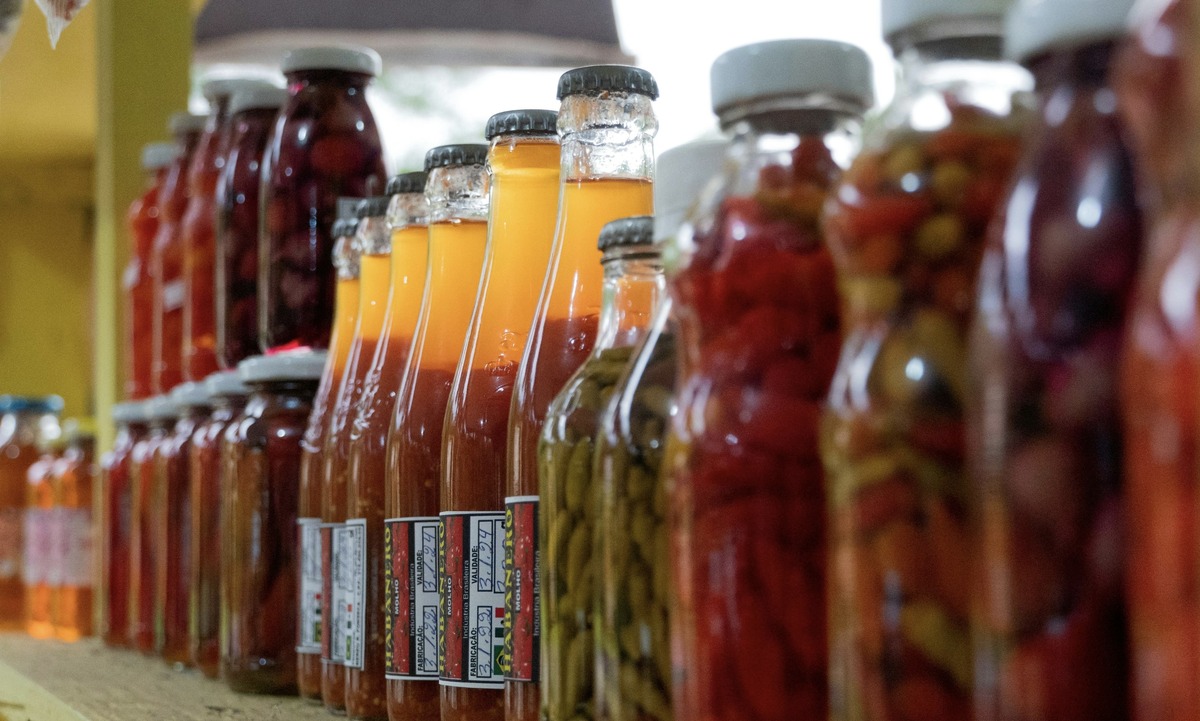
Are Food Safety Laws Enough? A Global and Indian Look at Food Preservatives
Let’s address the critical question: how are food preservatives regulated, and are these policies truly aligned with our health priorities? With emerging studies linking certain sodium-based additives to increased cancer risk, it’s time to dive into how global and Indian authorities are responding. At Claudia’s Concept, we believe informed choices begin with understanding these regulations—and where they fall short.
How the U.S., Europe, and India Approach Food Additive Safety
Globally, food safety isn’t a uniform story. Each country’s approach paints a different picture of what’s considered “safe” on our plates. Let’s make this comparison vivid by looking at three major regulators.
- S. Food and Drug Administration (FDA): The FDA maintains a Generally Recognized As Safe (GRAS) list, which includes substances that experts consider safe under intended use conditions. Sodium nitrite and sodium benzoate, for example, are approved with specific concentration limits. The FDA cap for sodium benzoate in beverages is 0.1%, or 1,000 ppm.
- European Food Safety Authority (EFSA): EFSA applies the ADI—Acceptable Daily Intake—scale when reviewing preservatives. For sodium nitrite (E250), EFSA set the ADI at 06 mg/kg body weight per day, a more conservative threshold, reflecting their precautionary approach. EFSA is also re-evaluating nitrate and nitrite use based on ongoing cancer research.
- Food Safety and Standards Authority of India (FSSAI): FSSAI follows Codex Alimentarius guidelines for additive classification and adherence, but India’s levels tend toward what’s permitted globally without always reflecting updates from newer research. Sodium nitrite, for example, is allowed up to 200 ppm in cured meat products, the same as the FDA’s limit, yet consumer awareness remains comparatively low.
Legal Limits for Sodium-Based Preservatives
Three of the most scrutinised food preservatives—sodium benzoate, sodium nitrite, and potassium nitrate—are tightly regulated, but the limits vary:
- Sodium benzoate (E211): Accepted up to 1,000 ppm in non-alcoholic drinks across the U.S., EU, and India.
- Sodium nitrite (E250): Cured meats may contain up to 200 ppm in India and the U.S. EFSA allows it but applies a strict ADI to control cumulative exposure.
- Potassium nitrate (E252): Widely permitted in small quantities—India allows 500 ppm in cured meats, the EU caps it at 150 ppm unless combined with nitrite.
These figures reveal a key point: even within tight legal bounds, exposure adds up across multiple food sources. That’s why we at Claudia’s Concept advocate reading labels—because knowing the numbers empowers smarter choices.
How Preservatives Get Classified: Safe, Restricted, or Banned
Regulatory agencies don’t just slap a “Yes” or “No” label on additives. The classification process considers toxicology, carcinogenicity, metabolism, and epidemiological data:
- Safe (GRAS or Permitted): Based on long-term studies showing no harm within prescribed limits. Used widely without major restrictions.
- Restricted: Only allowed in specific food categories and up to exact concentrations; examples include sodium nitrite in processed meats but not in vegetables or snacks.
- Banned: Proven risks outweigh benefits. For instance, India banned calcium bromate (E924) in breadmaking after it was classified as a possible carcinogen by the WHO’s IARC.
The tension lies in the shifting landscape of science. What’s considered “safe” today might be restricted tomorrow. This grey zone in regulation is precisely where recent research on food preservatives and cancer risk comes in—and why policy must keep pace with evolving science.
Are these legal thresholds truly protective, or are they a compromise between public health and industry feasibility? That’s the real question. At Claudia’s Concept, we push for clarity and transparency—not just compliance—because health is not negotiable.
Why Many Indians Are Still in the Dark About Dangerous Food Preservatives
Limited Labeling and Consumer Awareness
Walk into any grocery store in India, pick up a packaged snack, and try to decode the ingredient list. You’ll likely find terms like “INS 250” or “Class II preservative,” but what do they actually mean? Most consumers don’t know—and the labels aren’t required to tell them more. While India’s Food Safety and Standards Authority (FSSAI) mandates labeling of additive codes, it doesn’t require manufacturers to explicitly list their health impacts or standardized names. This creates a significant gap in public knowledge.
In a 2023 study by the Centre for Science and Environment (CSE), over 72% of participants said they couldn’t understand food labels and had never heard about the health risks tied to common preservatives. When people don’t know what they’re consuming, they can’t make informed choices. That’s a serious public health concern, and that’s exactly why I’ve made transparent food education a priority at Claudia’s Concept.
Monitoring Challenges with Small-Scale Producers
India’s vast informal food sector presents one of the most formidable challenges in enforcement. Small eateries, unorganised snack manufacturers, and street food vendors often operate below the regulatory radar. They may use banned or excessive quantities of preservatives, not out of malice, but due to a lack of awareness or affordable alternatives.
According to a 2022 audit report by the Comptroller and Auditor General (CAG), only 38% of registered food businesses were inspected annually across key urban areas. Rural coverage was even lower. This patchy oversight means that while multinational food brands face some scrutiny, countless others slip through the cracks.
Incidents of Excess Preservatives: Real-World Examples
Let me give you a few examples that made headlines recently. In Gujarat, 2021, a batch of popular pickles was seized during a routine check for containing sodium benzoate levels nearly four times the permitted limit. In Tamil Nadu, 2023, local health authorities recalled a batch of sweets containing high levels of sodium nitrate, a chemical linked to colorectal cancer in multiple epidemiological studies published in journals like The Lancet Oncology.
Unfortunately, these incidents are just the tip of the iceberg. For every seizure, dozens go unnoticed due to limited testing infrastructure and lack of manpower. The result? A broken feedback loop where contaminated or improperly labelled food stays on the shelves—consumed and forgotten by the public.
At Claudia’s Concept, we educate our clients to look beyond marketing claims and focus on clean-label food habits. But until the system catches up with accountability mechanisms, we all need to be extra cautious.
Risk Assessment: How Dangerous Are These Additives?
We often assume that if something is on our plate, it must be safe. But when it comes to synthetic food preservatives—especially the ones recently linked to cancer—that assumption isn’t always accurate. Risk assessment isn’t guesswork; it’s a deeply technical process, and unfortunately, gaps still remain, especially when it comes to long-term exposure. Let’s break it down.
How Scientists Evaluate the Risk of Food Preservatives
To determine whether a food additive poses health risks, scientists begin with rigorous toxicological studies. These include in vitro (test tube), in vivo (animal testing), and increasingly, computational models. The data from these studies are used to calculate what’s known as the Acceptable Daily Intake (ADI) — the maximum amount a person can consume daily over a lifetime without measurable health risks.
For example, the ADI for sodium nitrite—a commonly used meat preservative associated in new studies with increased cancer risk—is 0.07 mg/kg body weight per day. This figure comes from both animal studies and epidemiological data. But here’s the catch: it assumes usage stays within regulatory thresholds.
Threshold Limits vs. Cumulative Exposure
The safety thresholds set for each preservative are meaningful only under isolated conditions. In real life, we rarely eat just one product containing sodium nitrite or benzoate or sulfite. We eat many. This is where cumulative exposure becomes critical.
If you’re consuming packaged meats, baked goods, and shelf-stable sauces regularly, it’s entirely possible to exceed the ADI—not because any single item is unsafe, but because you’re layering one preservative on top of another. A 2022 study published in Environmental Health Perspectives found that when assessing daily diets of 4,000 Indian adults across urban and semi-urban areas, over 30% exceeded the combined ADI for nitrate and nitrite. That’s a serious signal that current additive assessments may underestimate actual risk.
Who Is Most at Risk?
While everyone should be cautious, certain groups carry higher vulnerability due to physiology and exposure levels:
- Children: Their lower body weight means they hit toxicity thresholds faster. A lunchbox with processed meats, a sugary drink, and packaged snacks may already surpass their ADI.
- The elderly: As liver and kidney functions slow with age, detoxifying synthetic preservatives becomes harder, leading to higher internal accumulation.
- Immunocompromised individuals: For those undergoing treatment for cancer or autoimmune conditions, even low-level exposure to carcinogens can act as a catalyst for further issues.
And what about pregnant women? Research hasn’t fully caught up, but a 2021 meta-analysis in Frontiers in Nutrition suggested a strong need to limit exposure to synthetic food additives during pregnancy. Their potential to disrupt hormone signaling and fetal development is under scrutiny.
At Claudia’s Concept, we evaluate not just what individual ingredients do in isolation, but how they interact biochemically inside a lived daily diet. Risk assessment needs this real-world perspective—because health doesn’t operate inside a lab.
If you’ve been wondering whether small amounts of preservatives “here and there” can be harmful, the answer is yes—when they accumulate. This is why a shift towards whole, minimally processed foods and clean-label products is not just a trend—it’s the future of preventive health.
Remember: knowledge itself is a form of nutrition. And when you’re better informed about how your food is assessed for safety, you’re empowered to make choices that protect your long-term well-being. That’s exactly what we champion at Claudia’s Concept.
How to Identify Harmful Preservatives in Your Food
Decode the Label to Protect Your Plate
Have you ever paused in the supermarket aisle, product in hand, wondering if the ingredients listed are safe for your long-term health? That moment of hesitation is where awareness begins. At Claudia’s Concept, we believe that conscientious eating starts with knowing exactly what’s going into your body. Identifying harmful preservatives doesn’t require a degree in chemistry—it simply requires some sharp label-reading skills and a bit of mindfulness in choosing what you buy.
Look Out for These Markers on Food Labels
Start by scanning for E numbers and unpronounceable chemical names. These often point to synthetic additives, some of which have been linked to serious health issues in recent studies.
- E250 (Sodium Nitrite) – Found in processed meats like sausages, bacon, and deli slices. Studies, including those published in The Lancet Oncology, have associated nitrite-cured meats with an increased risk of colorectal cancer.
- E251 (Sodium Nitrate) – Used in preserved fish and meat. It can convert into nitrosamines during digestion, compounds known to be carcinogenic.
- BHA (Butylated hydroxyanisole) and BHT (Butylated hydroxytoluene) – Synthetic antioxidants added to snack foods and cereals to extend shelf life. The U.S. National Toxicology Program has identified BHA as “reasonably anticipated to be a human carcinogen.”
- MSG (Monosodium Glutamate) – Although not a preservative but a flavor enhancer, its frequent use alongside preservatives can compound potential health risks.
Hidden Sources: Where Harmful Preservatives Often Lurk
In many Indian households, some of the most beloved staples can come loaded with synthetic preservatives. Pay special attention to these categories:
- Pickles and chutneys – Often contain sodium benzoate (E211), which under certain conditions can form benzene, a known carcinogen.
- Ready-to-eat curries and gravies – Processed for long shelf life using chemical preservatives like potassium sorbate and sulphites.
- Bakery items such as breads and pastries – Frequently contain calcium propionate (E282), which has raised concerns over its potential neurotoxic effects in some animal studies.
- Soft drinks and packaged juices – Commonly contain sodium benzoate and sulfur dioxide to inhibit microbial growth.
Small Actions, Big Changes: Reduce Exposure with These Simple Steps
At Claudia’s Concept, we’re all about sustainable lifestyle shifts that deliver long-term benefits. Here’s how to begin reducing your exposure to harmful preservatives today:
- Shop the perimeter of your grocery store. That’s where the least processed, fresh items usually are—vegetables, fruits, and dairy.
- Choose products with short and recognizable ingredient lists. A rule of thumb: if you can’t pronounce it, question it.
- Invest time in meal prepping. Homemade meals with fresh ingredients eliminate the need for artificial preservation altogether.
- Buy from local markets or organic co-ops. These often involve minimal or no use of chemical preservatives.
- Use mobile apps like FoodSwitch or Yuka. These can instantly identify potentially harmful ingredients in packaged foods and offer healthier alternatives.
Every step you take to understand what’s hiding in your food is a step towards a cleaner plate and a healthier you. Let your awareness guide your choices—and let Claudia’s Concept be your partner in transforming that awareness into action.
Preserve Naturally: Safer Ways to Keep Your Food Fresh
Rediscovering the Power of Nature in Our Kitchens
There’s a powerful shift happening in the world of nutrition, and I see it every day with my clients at Claudia’s Concept. More people are seeking foods that are fresh, clean, and free from synthetic chemicals—and with good reason. Emerging research connecting artificial food preservatives to cancer risks has sparked deeper interest in how we can preserve food naturally without sacrificing safety or shelf life.
The good news? Our ancestors knew how to do this long before industrial chemicals entered our pantries. Natural preservation techniques not only work, but they often enhance both flavor and nutrition. Let’s explore the most effective traditional methods and the exciting innovations modern food science is bringing to the table.
Time-Tested, Natural Techniques: India’s Culinary Wisdom
- Salt: One of the oldest and most effective natural preservatives. Salt draws moisture out of food through osmosis, which inhibits the growth of bacteria. You’ve probably seen this in action with pickles and dried meats.
- Lemon Juice: High in citric acid and vitamin C (ascorbic acid), lemon juice acts as a natural antioxidant. It prevents enzymatic browning in fruits and stops microbial growth. In my kitchen, I use lemon juice liberally when preparing fermented vegetables and chutneys.
- Vinegar: The acetic acid in vinegar lowers the pH of foods, creating an environment that kills or slows the growth of spoilage organisms. In traditional Indian households, vinegar—especially from sugarcane or coconut—is a staple in pickling and relishes.
- Fermentation: This method doesn’t just preserve—it transforms. Fermented foods like dosa batter, curd, or idli incorporate beneficial bacteria that outcompete harmful microbes. Plus, fermentation enhances nutrient bioavailability and promotes gut health.
- Drying: Whether done under the sun or in a dehydrator, drying removes moisture and renders food uninhabitable for bacteria and fungi. Think of dried amla, turmeric, or sun-dried tomatoes—all traditions that have stood the test of time.
Modern Innovations: Clean-Label Preservation
The demand for clean foods has inspired cutting-edge solutions in the industry. Today, food manufacturers are turning to natural extracts and biological processes to maintain shelf life without artificial additives. Here’s a closer look at what’s emerging:
- Plant-based Preservatives: Extracts from rosemary, thyme, clove, and green tea contain polyphenols and flavonoids—compounds proven to neutralize free radicals and inhibit microbial growth. Studies published in the Journal of Food Protection confirm that rosemary extract significantly slows down oxidation in meat products.
- Bioprotective Cultures: These are beneficial bacteria added to extend shelf life, similar to fermentation, but professionally standardized. Lactic acid bacteria (LAB), for example, produce organic acids that suppress spoilage organisms in dairy and meat products. Researchers from the CSIR-CFTRI (Council of Scientific and Industrial Research – Central Food Technological Research Institute) in India are actively testing these cultures in local food applications.
- Edible Coatings: Derived from aloe vera, chitosan, or rice starch, these act as breathable films around fruits and vegetables. They slow down oxidation and moisture loss while preventing microbial contamination. “Nature-seal” technologies have already been rolled out across high-end supermarkets globally.
At Claudia’s Concept, I work closely with brands that align with this natural, science-backed philosophy. We support companies that value transparency and prioritize human health over shelf life alone. These innovations are not part of the distant future—they’re happening now, and driving real change in how we eat and preserve food.
So next time you reach for that store-bought snack, ask yourself: is there a cleaner, more natural version available? Chances are, there is—and your body will thank you for choosing it.
Making Smarter Choices: Safeguarding Health in a Processed Food Era
Let’s be clear: the connection between long-term preservative consumption and increased cancer risk isn’t theory anymore—it’s backed by data. Recent studies, like the 2022 research published in PLoS Medicine, have identified a tangible association between consumption of nitrites and nitrates—commonly found in processed meats—and higher incidences of colorectal cancer. Yes, that ham sandwich or packaged sausage may be more than just a convenience; it may quietly be shaping long-term health outcomes.
As a celebrity nutritionist and founder of Claudia’s Concept, I believe awareness is the first step toward empowerment. In an age where processed food dominates supermarket shelves and daily diets, the real win lies in being an informed and active participant in food choices. Sodium-based preservatives like sodium nitrite (E250) or sodium benzoate (E211) are increasingly under scrutiny—and rightly so. The science is speaking loud and clear, and it’s time we listen.
Make Labels Your New Habit
Ever flipped a packet and tried decoding the ingredient list? Start doing it today. Look beyond the calorie count and search for chemical identifiers and E-numbers. Some of the key ones to avoid include:
- Sodium Nitrite (E250): Linked to nitrosamine formation, a known carcinogen.
- Sodium Benzoate (E211): When combined with vitamin C, it can produce benzene, a chemical associated with blood cancers.
- Potassium Nitrate (E252): Also shows potential for carcinogenic activity in long-term exposure studies.
This single action—reading and understanding food labels—can dramatically reduce your risk profile. I encourage every client at Claudia’s Concept to make this a daily practice. It’s not difficult, and it can transform your nutritional landscape completely.
Support the Shift
Brands, retailers, and policymakers respond to demand. As consumers begin opting for products without artificial preservatives, the industry follows suit. We’ve seen this already in parts of Europe, where public pressure led to the reformulation of some popular snacks and cereals to exclude butylated hydroxyanisole (BHA)—a preservative the International Agency for Research on Cancer classifies as “possibly carcinogenic to humans”.
You have that power too. Choose fresh, local options whenever possible. Buy from brands that are transparent about their ingredients. Push for transparency, vote for policy change, and support regulation enforcement. And yes, make noise when something feels wrong.
Balance with Better Choices
The goal isn’t to create fear—it’s to inspire smarter eating. Natural preservation methods like cold storage, dehydration, fermentation, and even spices like turmeric or garlic can easily substitute synthetic additives. They not only preserve but also boost nutritional value.
Shifting to safer choices is not about reinventing your entire routine overnight. It’s about steadily replacing ultra-processed options with cleaner, nourishing alternatives. At Claudia’s Concept, this is the core of every transformation plan designed for long-term wellness.
Ask yourself: What’s really in my food—and what am I trading for that shelf life?
Let the answer guide your next meal.