
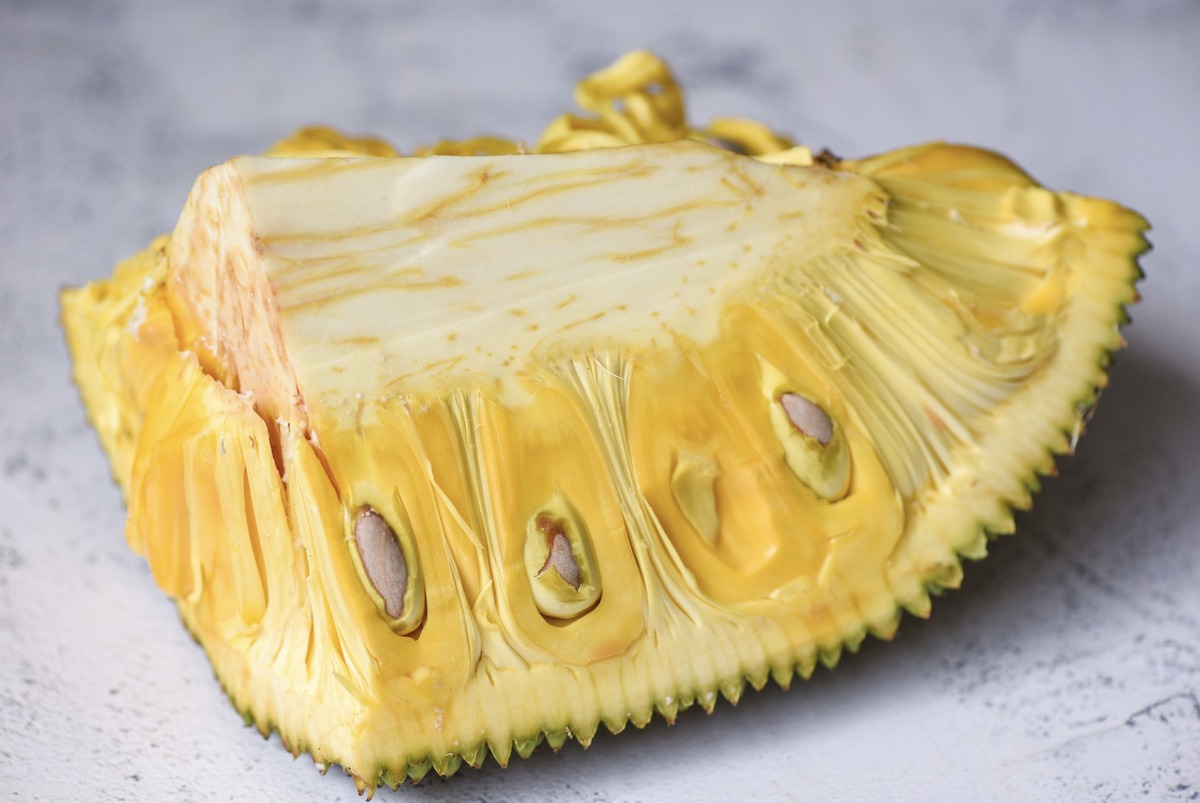
Native to the rain-rich regions of southern and coastal India, jackfruit has cultural and historical roots dating back thousands of years. Revered in Ayurveda and often featured in traditional festive meals, it now stands at the intersection of tradition and innovation.
In this blog, I’ll walk you through why jackfruit is more than just a trending food. We’ll explore its impressive nutrient profile, its surprising culinary range, and how easily it fits into everyday wellness goals—especially when used within the framework of Claudia’s Concept, which blends heritage knowledge with contemporary nutrition science.
Nutritional Powerhouse: Why Jackfruit Deserves a Spot on Your Plate
If you’re looking for a plant-based food that delivers on both taste and nutrition, jackfruit might just be your next kitchen staple. At Claudia’s Concept, I always encourage clients to explore nutrient-dense foods that serve multiple functions in the body—and jackfruit is a brilliant example of this. With its tropical origins and increasingly global presence, this fruit is capturing attention for all the right reasons.
Vitamins That Pack a Punch
Jackfruit contains a unique vitamin profile rarely found in a single plant-based source. It’s rich in Vitamin A, essential for optimal eye health and skin regeneration. One cup of raw jackfruit supplies around 490 IU of Vitamin A, contributing directly to improved visual acuity and immune defense.
Then there’s Vitamin C23 mg, meeting nearly 25% of your Recommended Dietary Allowance (RDA). This water-soluble vitamin doesn’t just boost immunity; it also plays a key role in collagen synthesis, which supports skin elasticity and tissue repair. And don’t overlook the powerful B-complex vitamins—B6 (pyridoxine), niacin, riboflavin and folate—not just present, but available in meaningful amounts for energy production, brain function and red blood cell formation.
Minerals for Functional Health
Where jackfruit truly dazzles is in its mineral profile. It holds high levels of potassium—approximately 739 mg per cup—which helps stabilize blood pressure and positively influences neuromuscular function. That makes it an excellent choice for those with hypertension or anyone looking to support heart function through dietary choices.
Also noteworthy is its magnesium content, coming in at around 48 mg per cup, which aids in hundreds of enzymatic reactions, supports muscle function, and assists in calcium absorption—a critical trifecta for bone health. While most fruits falter when it comes to protein, jackfruit brings a modest 2.8 grams per cup—impressive for a fruit and beneficial for tissue repair and hormonal balance.
Complex Carbs and Sustained Energy
Unlike refined sugars that spike your glucose levels, jackfruit delivers a steady stream of complex carbs. With around 38 grams of carbohydrates per cup, it provides ample energy, ideal for pre-workout meals or to power you through a busy day. At Claudia’s Concept, I often recommend it in tailored plans for clients seeking energy-stabilizing foods that don’t compromise nutrient value.
Antioxidants and Phytochemicals: Nature’s Defense Squad
Jackfruit contains unique polyphenolic compounds and flavonoids that function as powerful antioxidants. This includes carotenoids like beta-carotene and lignans and isoflavones, which actively combat oxidative stress and reduce inflammation in the body. According to a 2021 study published in the journal Antioxidants, jackfruit extracts demonstrated significant free radical scavenging activity, confirming its potential in preventive nutrition strategies.
Additionally, studies show that jackfruit seeds possess phenolic compounds that offer antimicrobial and antifungal benefits—useful properties that go beyond basic nutrition and highlight jackfruit’s functional value.
How Does Jackfruit Compare?
When you stack jackfruit up against other tropical fruits like mango, banana, or pineapple, its nutrient density is surprisingly robust. Here’s why:
- More protein: Most tropical fruits deliver < 1 gram per cup, while jackfruit offers close to 3g.
- Higher potassium: Bananas hover at around 422 mg per medium fruit, while jackfruit provides significantly more per cup.
- Diverse micronutrient profile: Unlike pineapple or mango, which excel in just one or two nutrients, jackfruit offers a broad spectrum—covering vitamins A, C, B-complex, and essential minerals in one go.
Fueling your body with nutrient-dense foods like jackfruit increases vitality, enhances performance, and supports overall wellbeing. That’s precisely why I’ve incorporated it into several Claudia’s Concept meal protocols—for clients eager to harness the power of nature without compromising on taste or satisfaction.
Unlocking the Health Benefits and Functional Power of Jackfruit
One of nature’s most generous offerings, jackfruit does more than stand out for its size and versatility — it delivers life-supporting compounds that enhance our body’s core systems. At Claudia’s Concept, I focus on whole foods that actively support well-being, and jackfruit is a perfect example. Let’s explore its exceptional impact on health through a science-backed lens.
Cardiovascular Health: Potassium and Fiber in Action
Heart health thrives on two key players present abundantly in jackfruit: potassium and soluble fiber. A single cup of raw jackfruit provides approximately 739 mg of potassium, which plays a critical role in regulating blood pressure. According to the American Heart Association, higher potassium intake helps reduce the impact of sodium, thereby lowering the risk of hypertension.
But that’s not the entire story. Jackfruit’s fiber content — about 3 grams per cup — assists in lowering LDL cholesterol by binding to bile acids and removing them through digestion. This dual-action makes jackfruit a cardiovascular ally that quietly fortifies the most vital organ in your body.
Immune System Support: A Natural Shield
Fighting oxidative stress starts with proper nourishment, and jackfruit delivers. Rich in vitamin C (10–13.8 mg per 100 grams), jackfruit strengthens the immune system by supporting the function of white blood cells, enhancing pathogen defense and promoting quicker recovery.
In addition to vitamin C, jackfruit contains powerful antioxidants like carotenoids and flavonoids. These compounds neutralize free radicals — unstable molecules that damage cells and accelerate aging. Research published in the journal Food Chemistry confirms the high antioxidant activity in jackfruit seeds, which can further complement its flesh in providing immune-boosting benefits.
Gut Health and Digestion: Feeding Your Microbiome
Prebiotics are nutrients that fuel the beneficial bacteria in our gut, and jackfruit is packed with them. Its fiber-rich flesh feeds healthy gut flora, supporting improved digestion, nutrient absorption, and even mood regulation.
A study in the journal Frontiers in Microbiology linked prebiotic fiber intake with increased populations of Bifidobacteria and Lactobacilli — microbes responsible for stabilizing the gut environment and reducing inflammation. What’s remarkable is that these benefits extend to both the fruit’s riper and raw states, giving flexibility in preparation while maintaining physiological value.
Blood Sugar Management: Natural Balance through Fiber and Glycemic Modulation
Contrary to assumptions around tropical fruits and sugar spikes, jackfruit possesses a low to medium Glycemic Index (GI), especially in its raw or unripe form. With a GI of around 50–60, it digests slowly, mitigating glucose spikes and promoting steady energy levels throughout the day.
Its high content of dietary fiber slows carbohydrate absorption, a mechanism strongly associated with improved insulin sensitivity. A 2019 randomized controlled trial in the journal Complementary Therapies in Medicine found that jackfruit flour supplementation helped type 2 diabetic patients reduce postprandial blood glucose levels significantly. The takeaway? Jackfruit offers sustained energy without causing blood sugar rollercoasters.
Anti-Inflammatory and Anti-Aging Compounds: Nature’s Repair Kit
Aging gracefully and maintaining cellular health begins with reducing inflammation. Jackfruit contains bioactive compounds such as phenolic acids, lignans, and saponins. These aren’t just fancy words — they are active agents with measurable anti-inflammatory properties.
Studies have shown that the methanol extract of jackfruit exhibits strong anti-inflammatory activity by inhibiting pro-inflammatory enzymes like COX-2. Furthermore, the high antioxidant activity works synergistically to neutralize oxidative damage at the cellular level, the very process tied to aging and degenerative disease onset.
Working with jackfruit within Claudia’s Concept, we leverage these powerful effects to support vibrant aging and long-term wellness. Think about the role food plays beyond just sustenance — jackfruit exemplifies food as healing.
So, when you include jackfruit in your weekly repertoire, you’re not just adding variety — you’re choosing a scientifically-supported route to energize your heart, strengthen your immune system, stabilize your glycemic response, and promote internal harmony.
Jackfruit as a Meat Substitute: The Plant-Based Wonder Taking Over Kitchens
Among the growing list of plant-based food heroes, jackfruit is standing tall — not just because of its massive size, but also for its mighty performance in the kitchen. When cooked, young unripe jackfruit pulls apart with a texture strikingly similar to shredded meat like pulled pork or slow-cooked chicken. That tender, fibrous consistency has made it the go-to option for chefs and home cooks looking to replace meat in both flavor and structure.
Texture That Delivers, Taste That Adapts
Unlike many plant-based substitutes that require heavy processing, jackfruit is a whole food option with an anatomy that naturally mimics slow-cooked meats. Once simmered or sautéed, its fibrous flesh absorbs seasonings and sauces like a sponge, which means it can take on bold BBQ flavors, spicy Indian masalas, or smoky taco seasonings — effortlessly.
The real magic lies in its versatility. Whether you’re crafting a jackfruit tamarind curry or simmering it with chipotle for tacos, jackfruit performs in dishes that traditionally lean on meat for substance. In Claudia’s Concept kitchen, we’ve swapped it into buddha bowls, biryanis, and even classic shepherd’s pie — always with rave reviews.
Fueling Clean Eating Without Compromise
Jackfruit isn’t just about looking good on a plate; it’s about making you feel good too. It’s naturally low in fat — less than 1 gram per 100 g — and rich in dietary fiber, offering over 1.5 grams per 100 g of the unripe fruit. This combination supports satiety, promotes digestive health, and helps with blood sugar management, making it ideal for those pursuing a healthier, cleaner diet.
What it lacks in protein it easily makes up for in its ingredient companionship. Combined with legumes, quinoa, nuts, or seeds, jackfruit-based meals reach complete protein status — a strategy we often suggest at Claudia’s Concept while designing balanced, plant-forward meal plans.
From Local Streets to Global Plates
Originally enjoyed across Indian and Southeast Asian kitchens for centuries, jackfruit has now taken center stage globally in the plant-based movement. It features proudly in:
- Jackfruit Tacos – slow-braised in smoky chipotle or ancho chili marinades
- BBQ Jackfruit Sandwiches – slathered in tangy sauce and served on whole grain buns
- South Indian Jackfruit Curry – infused with coconut milk and curry leaves
- Jackfruit Stir-Fries – quick sautéed with tamari and sesame in Asian-style bowls
- Jackfruit Wraps and Rice Bowls – layered for high-fiber, satisfying plant-based meals
In many of these recipes, jackfruit doesn’t just replace meat — it elevates the flavor experience while aligning with sustainable and ethical choices. That’s the kind of mindful eating we champion every day at Claudia’s Concept.
So, if you’re experimenting with reducing meat or switching to a predominantly plant-based diet, jackfruit is more than just an option — it’s a revelation waiting to happen on your plate. Why not give it a try in your next Sunday brunch or weekday dinner creation?
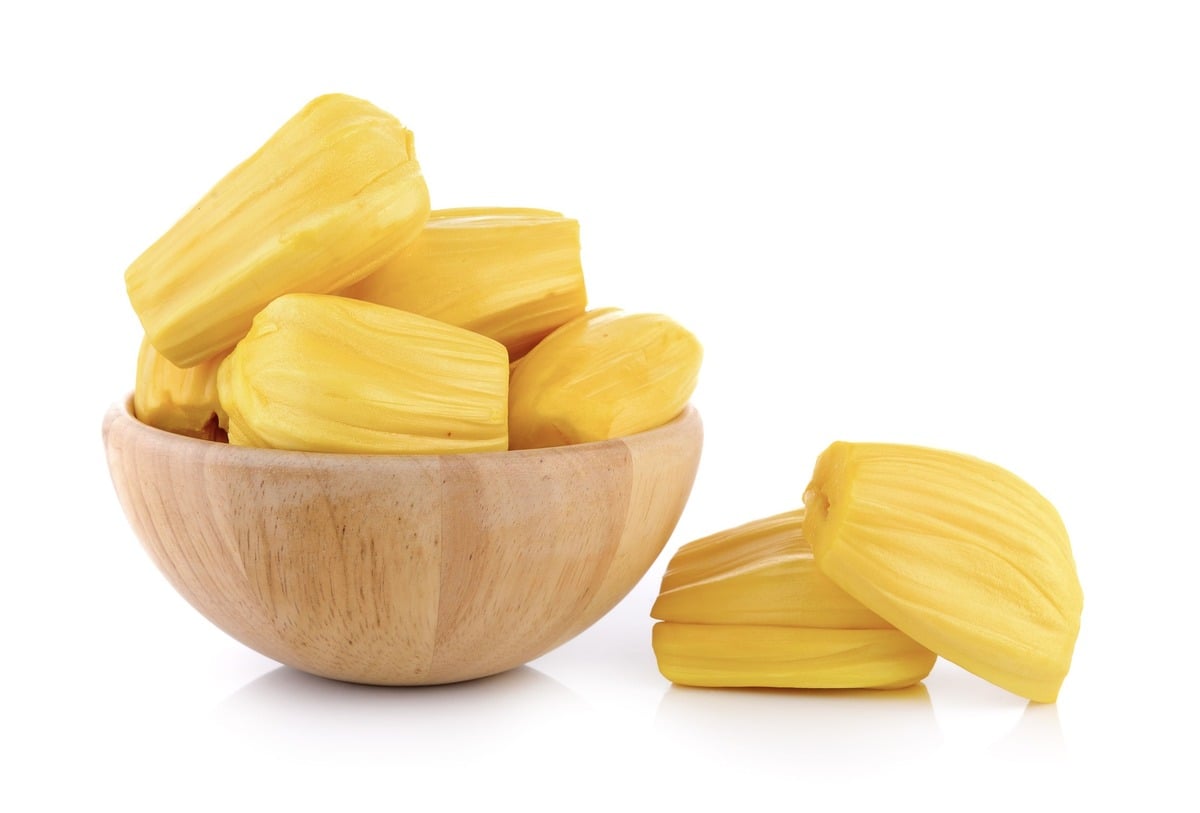
Culinary Uses of Jackfruit: Bridging Heritage and Innovation
Jackfruit is one of those rare ingredients that moves effortlessly across culinary boundaries — from age-old family kitchens to avant-garde vegan restaurants. At Claudia’s Concept, we love how this nutrient-rich fruit adapts to traditional as well as modern cooking techniques without losing its nutritional integrity. Its versatility makes it a delicious and sustainable choice in both savory and sweet cuisines across cultures.
Rooted in Tradition: India’s Age-Old Jackfruit Dishes
In Indian households, jackfruit — affectionately known as kathal in Hindi and chakka in Malayalam — has long held a celebrated place on the plate. Young, unripe jackfruit, with its fibrous texture, is commonly prepared in bold, spiced gravies. One classic example is the Kathal Curry from North India, which mimics the texture of mutton and absorbs complex flavors beautifully when simmered in a tomato-onion masala base.
Travel south, and the culinary profile shifts. In Kerala, ChakkaVaratti — a thick jackfruit preserve — is made from ripe jackfruit cooked slowly with jaggery and ghee. It’s not just a sweet treat; it’s a symbol of seasonal abundance, often stored for use in traditional festive desserts.
Underappreciated Gem: Protein-Rich Jackfruit Seeds
While the flesh of jackfruit draws the spotlight, the seeds offer a nutritional powerhouse often overlooked. Packed with protein, B-vitamins, potassium, and resistant starch that promotes gut health, they add value far beyond their size. What’s fascinating is how versatile these seeds are in the kitchen:
- Roasted for a crunchy, nut-like snack.
- Boiled and eaten whole or tossed into salads.
- Ground into flour to enrich batters or used in gluten-free baking.
- Blended into curries and soups to add creaminess and boost protein content.
Incorporating these into your everyday meals doesn’t just elevate nutrition — it reduces food waste and enhances texture in creative dishes you may already love. This aligns beautifully with the sustainable food philosophy we practice at Claudia’s Concept.
Modern Takes: Jackfruit in Global Fusion Cuisine
The plant-based movement has catapulted jackfruit into global kitchens, where it now features in innovative formats. Chefs and home cooks alike are using young jackfruit to mimic meat textures in globally inspired dishes. Ever tried a jackfruit burger pulled with barbecue sauce and served on a whole-grain bun? Or how about jackfruit-stuffing on pizza with mushrooms and vegan cheese?
Beyond its “meaty” avatar, jackfruit also turns into crispy chips — either seasoned savory snacks or lightly sweetened — perfect as fiber-rich, low-fat alternatives to conventional chips.
Savoury and Sweet: Dual Personality of Jackfruit
Ripe jackfruit develops a nectar-like aroma and a soft, chewy texture that’s ideal for desserts. Its natural sugars and tropical flavor work beautifully in:
- Puddings and payasam (especially in southern India).
- Ice creams and dairy-free frozen treats.
- Smoothies blended with coconut milk and chia seeds.
- Stuffings for sweet dumplings or empanadas.
This contrast — from rich, robust curries to light, fruity afters — makes jackfruit uniquely well-suited to an expansive range of recipes. Whether you’re looking to recreate recipes passed down generations or experiment with fusion flavors, jackfruit offers an exciting base.
So next time you’re thinking meal prep, ask yourself this: how can you bring jackfruit into today’s menu? Because at Claudia’s Concept, we believe that ancient ingredients, when interpreted creatively, can meet every palate and every plate.
Jackfruit in Vegan and Vegetarian Diets: A Game-Changer on Your Plate
When you’re navigating the world of plant-based nutrition, balance is key—especially when it comes to protein. Jackfruit, often celebrated for its fibrous texture and neutral taste, has steadily gained ground as a staple in vegan and vegetarian diets. But this isn’t just a culinary fad. As part of my food philosophy at Claudia’s Concept, I always emphasise the importance of whole-food plant-based options that deliver both flavour and function. Jackfruit does both, and brilliantly so.
Whole-Food and Plant-Based—but Is It Protein-Rich?
Unlike soy or tempeh, jackfruit doesn’t boast extremely high protein levels—raw jackfruit provides about 2.5 grams of protein per 100 grams—but its strength lies in its composition as a whole plant food. Its value comes to life when paired strategically with other staples like lentils, chickpeas, or quinoa. These combinations fill the amino acid profile gap and contribute to muscle repair, hormonal balance, and immune support.
Think of jackfruit not as the protein star but as the perfect supporting act. For example, a jackfruit and kidney bean wrap made with whole grain roti or millet is more than just comforting—it offers a complete protein meal that’s easy to digest and deeply satisfying.
Lactose-Free, Gluten-Free, Soy-Free: A Natural Fit
With food sensitivities on the rise, more of us are looking for nutrient-dense alternatives that don’t rely heavily on common allergens like dairy, soy, or gluten. Here’s where jackfruit really shines. It’s naturally lactose-free, gluten-free, and soy-free, making it an instant favourite in allergen-sensitive vegan kitchens.
Blended into creamy curries instead of paneer, slow-cooked into a rich stew where tofu might normally go, or tucked between slices of seeded bread as a dairy-free sandwich filler—jackfruit adapts effortlessly. In Claudia’s Concept meal plans, we often recommend it as an interchange for meat or synthetic substitutes that may be hard to digest or overly processed.
Complete Nutrition Through Pairing with Grains and Pulses
Here’s the nutritional magic of jackfruit: while not rich in protein alone, it synergises beautifully with ingredients that are. Pulses like black gram, cowpeas, or lentils offer complementary amino acids, creating a robust nutritional profile when eaten with jackfruit in the same meal. Indian diets already have this balance embedded in classic dishes—jackfruit curry served with masoor dal and brown rice forms a balanced, nourishing plate.
According to research published in the Journal of Food Science and Technology (2020), consuming jackfruit pulp alongside legumes improves both bioavailability and absorption of essential amino acids. That’s a scientific nod to why jackfruit deserves a regular spot in your plant-based lineup.
Accessible and Cost-Effective—Locally and Globally
Affordability and ease of access can make or break a sustainable dietary shift. Jackfruit, in its fresh or canned form, checks both boxes. In India, where jackfruit trees flourish in states like Kerala, West Bengal, and Maharashtra, the fruit is often available at low cost or free in rural regions where it’s grown. Globally, processed jackfruit is increasingly available in health stores and mainstream supermarkets across Europe, Australia, and the U.S.
Its long shelf life (when canned or vacuum-packed) adds to its value, especially for urban practitioners of vegan or vegetarian diets who seek reliable pantry staples. Whether you’re creating a weekly meal plan under budget constraints or seeking flavourful alternatives to soy, jackfruit delivers.
So if you’re looking to enhance your plant-based diet with ethical, sustainable and nourishing options—jackfruit offers immense culinary and nutritional potential. And we’ll continue spotlighting flexible ingredients like this at Claudia’s Concept, because good food should always be easy, energising, and rooted in nature.
Preserving Power: Extending the Shelf Life of Nutrient-Dense Jackfruit
Jackfruit is an incredibly generous fruit—massive in size, loaded with nutrients, versatile in cooking, and promising in both health and sustainability. But let’s address the elephant in the room: its perishability. Once harvested, jackfruit ripens rapidly due to the high content of natural sugars and water, making it highly perishable within just 5 to 7 days under ambient conditions.
Without proper preservation, a large percentage of jackfruit ends up wasted. In India alone, reports indicate that nearly 60% of this fruit goes unused despite its enormous potential. So how do we protect such a powerful superfood from spoilage while maintaining its nutritional integrity? Let’s talk technique—both traditional and modern.
Traditional Techniques with Proven Reliability
For generations, jackfruit has been preserved through time-tested methods that not only extend its shelf life but also enhance its usability across seasons and regions. These methods, still widely practiced today, bring deep cultural relevance and ecological sensibility:
- Sun drying: Sliced jackfruit chips are sun-dried over several days until moisture levels drop low enough to prevent microbial growth. This method ensures minimal nutrient loss when done under hygienic conditions.
- Boiling and fermenting: Aged jackfruit is boiled or fermented into pickles and chutneys. Lactic acid bacteria generated during fermentation act as natural preservatives and also support gut health.
Modern Preservation: Science-Backed and Scalable
With growing demand in urban and global markets, advanced food technology has become essential for making jackfruit widely accessible. Here are some cutting-edge techniques revolutionising its shelf life without compromising nutrition:
- Vacuum sealing: Using commercial-grade vacuum sealing machines, both raw and cooked jackfruit can be stored under reduced oxygen, significantly slowing microbial growth. Studies show this method extends refrigerated shelf life up to 60 days for cooked jackfruit.
- Canning and freezing: Proper enzymatic inactivation followed by freezing can preserve jackfruit for over a year. Canned young jackfruit—widely available across the US and Europe—retains its texture and fibre content remarkably well, making it a staple in vegan cooking.
Seeds Are Not Waste—They’re an Opportunity
Jackfruit seeds, often discarded, pack 2 grams of protein per 100g and a variety of B-complex vitamins. Through roasting, drying, and grinding, these seeds are transformed into jackfruit seed flour. Not only does this extend the value chain, but it also supports sustainability by drastically reducing waste. With a shelf life of 6 to 8 months when stored in airtight containers, this flour adds a nutty flavour and functional nutrition to baked goods, providing fibre and prebiotic support for a healthy gut.
Food Innovation: The Bridge to Global Integration
Modern innovation is unlocking the full potential of jackfruit by combining traditional wisdom with new-age science. At Claudia’s Concept, we pay close attention to ingredient stability, nutrient retention, and conservation-driven packaging. Innovations like ethylene-inhibitor wraps and plant-based coatings are emerging as powerful tools to further extend shelf life during logistics and export—making jackfruit a truly global contender.
The more we invest in intelligent preservation, the less food we waste—and the more we empower farmers, processors, and health-conscious consumers. Jackfruit’s journey from a tropical tree to a superfood champion depends on how well we can preserve its essence. Smart storage, creative processing, and sustainable thinking are already paving the way—and Claudia’s Concept is proudly part of that journey.
The Future of Jackfruit as a Superfood: A Nutrient Powerhouse with Limitless Possibility
We’re standing at a fascinating crossroads where traditional food wisdom meets modern nutritional science. Jackfruit, long cherished in Indian households and backyards, is finally receiving the global spotlight it deserves — and for all the right reasons.
Why Jackfruit Deserves Superfood Status
Jackfruit’s remarkable nutritional value makes it a strong contender in the superfood category. Rich in essential nutrients like potassium, vitamin C, vitamin A, magnesium, and a unique blend of phytonutrients, it offers both preventive and therapeutic health benefits. Its rich antioxidant content combats oxidative stress in the body, while its low glycemic index supports blood sugar balance — making it a smart choice for a wide range of diets.
And we can’t talk about jackfruit without mentioning the jackfruit seed. Often overlooked, this part of the fruit is protein-packed and loaded with micronutrients like zinc, iron, and thiamine. At Claudia’s Concept, we love using jackfruit seed flour as a gluten-free option in energy bars and smoothies — functional and delicious.
Strategic Importance for India
As one of the leading producers of jackfruit globally, India holds a strategic advantage both agriculturally and economically. Small-scale farmers from Kerala to Maharashtra are already experiencing surges in demand, driven by the fruit’s versatility and increasing market visibility.
Consider the case of Ramesh Patil, a farmer in Ratnagiri district. He transitioned from low-yield cashew farming to jackfruit cultivation in 2019. Within three years, with proper post-harvest processing and partnerships with local food startups, his income tripled. He now supplies freeze-dried jackfruit chips and canned jackfruit to both domestic and international markets.
What This Means for You
- Are you a consumer? Start exploring jackfruit in your daily meals. Replace meat with young jackfruit for your next taco night. Roast the seeds for a crunchy, protein-rich snack. Or simply blend it into your smoothies for a creamy, nutrient-loaded twist.
- Are you a farmer or producer? Now’s the time to tap into jackfruit’s rising global demand. Investing in improved processing techniques like vacuum drying or brining can significantly boost shelf life and market value.
- Are you a chef, blogger, or food entrepreneur? Leverage jackfruit’s adaptability — sweet or savoury — in innovative recipes that meet clean-label demands. At Claudia’s Concept, we’ve developed signature jackfruit curries, BBQ sliders, and even high-fibre dessert versions that align with our clean eating philosophy.
So, What’s Next?
Jackfruit isn’t just abundant in content — it’s rich in opportunity. From its high nutritional value to its environmental and economic benefits, this ancient ingredient is redefining what a future-ready food looks like.
The global consumer wants food that’s functional, clean, and planet-friendly. Jackfruit delivers on all three fronts — making it not just a smart choice, but a super one.
Bonus: Want to Try It Yourself?
Here are three simple recipes that showcase jackfruit’s versatility:
- BBQ Jackfruit Sandwich: Shred young jackfruit, sauté with onions, garlic, and smoky BBQ sauce. Serve it in a wholegrain bun with slaw — a plant-based treat with serious flavour.
- Jackfruit Seed Hummus: Boil and peel jackfruit seeds, then blend with tahini, lemon juice, garlic, and olive oil. A novel superfood hummus, rich in plant protein.
- Jackfruit Coconut Kheer: Simmer ripe jackfruit pieces in coconut milk with cardamom and jaggery. Garnish with nuts for a nourishing dessert.
Craving more inspiration? Download our free “Jackfruit Power” tip sheet and find health-boosting hacks, shopping tips, and Claudia’s Concept-approved recipes to level up your plate and your lifestyle.