
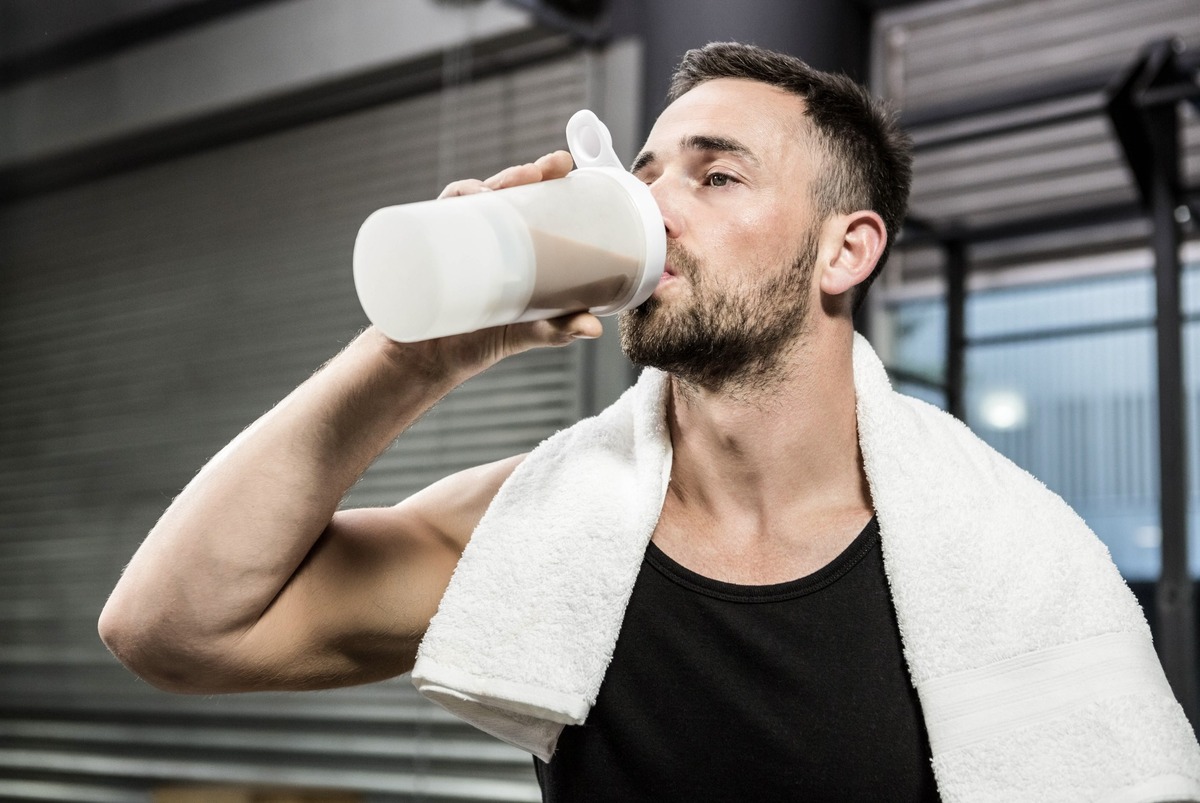
When you’re serious about building muscle, post-workout soreness and gym sessions filled with intention are only part of the story. What you feed your body—and when—can make all the difference in how your muscles recover, grow, and perform. That’s where protein timing steps into the spotlight. It’s more than bro-science or gym banter; it’s a well-studied strategy that influences your strength and physique development dramatically.
Every time you challenge your muscles with resistance training, you create small micro-tears in the muscle fibers. It sounds harsh, but this is actually the first step in getting stronger. Your body needs amino acids—building blocks found in protein—to repair and rebuild these fibers, ultimately increasing muscle size and strength through a biological process called muscle protein synthesis (MPS). But here’s the catch: when you consume protein has a direct effect on how efficiently your body carries out this repair process.
So, the million-rupee question: Should you fuel up on protein before you hit the gym, or is the real magic in the post-workout shake? At Claudia’s Concept, I’m constantly asked this by clients who want lean muscle gains without wasting effort. In this blog, I’m going to decode what research tells us and how you can apply it right away to unlock better results from every workout.
Unlocking Muscle Growth: The Science of Muscle Protein Synthesis (MPS)
What Is Muscle Protein Synthesis and Why Does It Matter?
To truly understand whether protein should come before or after your workout, we first need to explore the mechanism that directly drives muscle growth—muscle protein synthesis (MPS). MPS is the biological process through which your body builds new muscle proteins to repair and strengthen muscle tissue, especially after resistance training.
This process is tightly regulated and influenced by various factors, with dietary protein and exercise topping the list. Think of MPS as the engine behind muscle development: you supply the fuel in the form of amino acids from protein, and weight training flips the ignition switch.
The balance between MPS and its counterpart—muscle protein breakdown (MPB)—determines whether your muscles grow, shrink, or stay the same. To gain muscle, your rate of MPS must consistently outpace MPB. If you’re training hard and not giving your body quality protein at the right times, you’ll stall or even reverse progress.
Amino Acids: The Essential Building Blocks
All proteins are made up of amino acids, but not all amino acids are created equal when it comes to muscle building. Leucine, one of the branched-chain amino acids (BCAAs), plays a critical role in activating MPS. A minimum of around 2 to 3 grams of leucine per serving is needed to maximally stimulate the anabolic response, according to data published in the Journal of Nutrition (Tipton et al., 2001).
- Essential amino acids (EAAs) are those the body doesn’t produce and must be obtained through diet. They are required to initiate and sustain MPS.
- Complete protein sources—like whey, eggs, or animal meats—naturally contain all EAAs in optimal ratios.
- Plant proteins can also contribute effectively if combined to ensure all essential amino acids are present (more about this in part 8).
How Exercise Triggers MPS: Timing Is Powerful
Resistance training causes microscopic damage to muscle fibers. This ‘damage’ is a biological signal for the body to adapt by activating MPS. The most fascinating part? This activation creates a unique opportunity known as the post-workout anabolic window—a time frame when muscles are especially primed to absorb amino acids and grow stronger.
Studies show that MPS can increase significantly 1 to 5 hours post-exercise and stay elevated for up to 24–48 hours, depending on the training intensity and your nutrition. According to a controlled trial published in the American Journal of Physiology-Endocrinology and Metabolism (Dreyer et al., 2008), MPS surged by 291% just after resistance training when paired with amino acid ingestion.
This is where Claudia’s Concept comes in—by customizing nutrient timing with science-backed meals and supplements, we align your protein intake precisely with your body’s muscle-building rhythms. The result? Better recovery, leaner gains, and long-term performance improvements without guesswork.
The next question naturally becomes: how do you feed this MPS process most effectively—before or after the workout? In the next section, we’ll dive deeper into how protein supports recovery and why this timing debate matters more than ever.
Protein and Muscle Recovery: Why It Matters
Post-workout recovery isn’t just about cooling down or stretching—it’s a precise biochemical process. Each time you train, especially with resistance exercises, you’re creating tiny tears in your muscle fibers. This is not damage to avoid—this is the essential stimulus for muscle growth. But here’s the key: growth doesn’t happen during the workout; it happens after.
Protein becomes your primary partner in this repair process. Once ingested, it’s broken down into amino acids, which serve as the fundamental building blocks your body needs to stitch together, rebuild, and fortify those fibers. The result? Stronger, larger muscles prepared to take on even greater challenges next session.
Exercise Disrupts—Protein Rebuilds
Let’s get specific. Resistance training—even a moderate 45-minute session—elevates muscle protein breakdown (MPB). According to a 2018 study published in the Journal of the International Society of Sports Nutrition, MPB increases immediately after exercise and remains elevated for up to 24 hours, depending on workout intensity. Without proper nutrition, especially adequate protein intake, the body struggles to reverse this catabolic state.
Here’s what happens: when you consume protein post-workout, levels of amino acids in your blood rise. These amino acids stimulate muscle protein synthesis (MPS), tipping the balance in favor of anabolism—muscle building—rather than breakdown.
The Role of Nutrients Immediately After Training
After an intense session at the gym or on the mat, muscle cells are more sensitive to nutrients. This window of enhanced sensitivity can amplify the muscle-rebuilding process when nutrients are made available—specifically a combination of protein and carbohydrates.
Why carbs? They trigger insulin—a hormone that not only helps shuttle glucose into cells for energy replenishment but also reduces muscle protein breakdown. Combine that with 20–40 grams of high-quality protein, and you’ve created the ideal environment for recovery and growth. That’s what we implement at Claudia’s Concept: building rituals around meaningful nutrition timing to support your goals with precision.
Science-Backed Recovery Benefits
Now let’s talk about soreness—Delayed-Onset Muscle Soreness (DOMS) in particular. A 2017 randomized controlled trial published in Nutrients found that participants consuming whey protein post-exercise reported significantly lower DOMS levels 24 to 72 hours post-workout compared to a placebo group. This isn’t anecdotal—it’s biomarker-backed science showing how nutritional support translates into tangible recovery gains.
Optimal post-workout protein supports:
- Accelerated muscle repair and growth
- Reduced inflammation following exercise
- Faster recovery between training sessions
- Minimized muscle soreness, enabling consistent performance
There’s no guesswork here. When recovery is optimized with the right type of protein, at the right time, the results speak loud and clear. That’s the foundation of every nutrition protocol we build at Claudia’s Concept—real food, informed by real science, embraced with intention.
Pre-Workout Protein: The Case For Eating Before Training
How you fuel your body before a workout directly affects your performance, endurance, and muscle-building potential. One of the most frequently asked questions I get at Claudia’s Concept is: “Should I eat protein before I train?” The answer is yes — and here’s exactly why it works.
Supplied Amino Acids During Exercise
When you consume protein before working out, you provide your body with a steady stream of amino acids while you train. These amino acids circulate in the bloodstream, become bioavailable during the workout, and initiate muscle protein synthesis (MPS) even as you’re lifting or doing high-intensity training.
In a study published in the American Journal of Physiology-Endocrinology and Metabolism, researchers found that taking a mixed protein-carbohydrate meal before resistance training resulted in a greater net uptake of amino acids by muscle tissue compared to taking the same meal post-workout. Specifically, this pre-workout protein increased MPS rates more significantly, especially when essential amino acids were included.
Boosts Energy and Exercise Performance
A pre-workout protein meal — especially when combined with complex carbohydrates — does more than help with muscle maintenance. It also enhances energy levels. This combination leads to slower gastric emptying and a more stable release of glucose into the bloodstream, which prevents energy crashes mid-session.
Think of it like fueling a car before a long drive. Without the proper blend of protein and carbs, the body taps more aggressively into muscle glycogen and amino acids, potentially compromising both performance and gains. A balanced pre-workout meal can delay fatigue, support power output, and aid muscle contraction efficiency.
Reduces Muscle Breakdown
Consuming protein before you hit the gym curbs muscle protein breakdown (MPB). During resistance training, your muscles experience micro-damage, and without sufficient amino acids available, the body may break down existing muscle to repair the stress. That’s not what we want — especially when the goal is hypertrophy.
When the body receives high-quality, pre-digested protein (like whey isolate or hydrolysate), it digests rapidly and supplies amino acids within 30 to 60 minutes — just in time for training. A 2007 study in Journal of the International Society of Sports Nutrition concluded that pre-exercise protein intake was just as effective, if not better, at elevating MPS and limiting MPB compared to post-workout nutrition.
What Research Says About Pre-Workout Protein
- Timing matters: Ingesting protein 30–60 minutes before training maximizes availability during the session, especially when paired with fast-absorbing sources like whey protein or branched-chain amino acids (BCAAs).
- Protein quality is crucial: Proteins rich in leucine (the anabolic trigger) like whey, egg whites, and soy support stronger signals for muscle repair and growth.
- Pre-workout meals increase nitrogen retention: This process is vital for maintaining a positive muscle-building state throughout intense training environments.
At Claudia’s Concept, we emphasize intuitive nutrition strategies that are grounded in current science. By fueling your muscles with the right proteins before your workout, you’re not just preparing to lift weights — you’re priming your body for maximum hypertrophy, reduced fatigue, and enhanced training results.
Post-Workout Protein: Maximizing Recovery
There’s a lot of science—and even more speculation—around what really helps your muscles grow after a workout. But when you strip away the noise, one principle holds true with consistency: the period right after training presents the body with an ideal opportunity to kickstart muscle repair and recovery. This is where post-workout protein becomes a powerful tool.
The Peak Rebuilding Phase
During resistance training, your muscle fibers undergo microscopic damage. This is completely normal and actually necessary for growth. But what follows — the repair process — is where you build strength and size. After a workout, your body enters a biochemical state primed for muscle protein synthesis (MPS). Research from the Journal of Physiology confirms that MPS rates can increase by up to 50% within 4 hours post-exercise compared to resting states. That’s no small window — it’s a peak biological response that demands nourishment.
Why Protein Post-Workout Works
Consuming protein post-workout delivers amino acids directly into the bloodstream at the very moment your muscles are most ready to absorb and utilize them for repair. This promotes faster recovery, reduces muscle soreness, and directly supports hypertrophy—muscle growth. A 2017 meta-analysis published in the British Journal of Sports Medicine emphasized the role of post-exercise protein in enhancing lean muscle mass gains across resistance-trained individuals, particularly when paired with consistent training over weeks.
But here’s where things get even more effective—pairing protein with carbohydrates amplifies the benefit. Carbohydrates help replenish depleted glycogen stores, and they also spike insulin, which enhances nutrient uptake in muscle cells. For example:
- 20–40 grams of high-quality protein — think whey isolate, eggs, or lean meat
- 40–60 grams of carbohydrates — such as fruit, oats, or rice
This combination creates a synergy that optimizes both energy replenishment and tissue regeneration. That’s why I often build these macronutrient pairings directly into the recovery protocols used at Claudia’s Concept. It’s not just about feeding muscles — it’s about strategic fueling for next-level results.
Does Timing Really Matter?
Interestingly, recent findings challenge the once-rigid notion that protein must be consumed within 30 minutes after training. A 2013 study in the Journal of the International Society of Sports Nutrition showed that while there may be slight benefits to immediate intake, total protein consumed across the day plays a more dominant role in muscle adaptation. That said, timing still matters when working with elite athletes or individuals seeking optimal efficiency. At Claudia’s Concept, we lean into precision—not myths—to personalize timing based on metabolic demand and training intensity.
So, whether your session was heavy squats, HIIT sprints, or dynamic yoga, think ahead about what comes after. Your next meal is your muscle’s best recovery tool.
The Anabolic Window Theory: Myth or Reality?
Breaking Down the “30-Minute Rule”
There’s a long-standing idea in fitness that after you finish your workout, the clock starts ticking. Supposedly, you’ve got a narrow “anabolic window” — only 30 minutes — to consume protein if you want to build muscle effectively. But is this golden half-hour really a make-or-break moment?
Let’s explore the science behind this concept and what it truly means for your gains.
What Exactly Is the Anabolic Window?
The anabolic window is a term used to describe a short period after exercise when your body is supposedly primed for muscle protein synthesis (MPS). The logic goes something like this: strength training breaks down muscle fibers, and consuming protein within 30 minutes after training helps kick-start the repair and growth process when the body is most receptive.
For years, leaning into that tight window was treated like sacred advice in the fitness world. Miss it, and you’ve missed your chance to maximize your workout. But here’s the truth: science has evolved, and so has the understanding of how long your body remains anabolic after training.
What the Research Says About Timing
Now let’s dig into the data. One of the most referenced meta-analyses on this topic comes from Schoenfeld and Aragon (2013), published in the Journal of the International Society of Sports Nutrition. They analyzed multiple studies and concluded that total daily protein intake plays a far more significant role in hypertrophy than narrow post-exercise timing.
In fact, the idea that you must consume protein within 30 minutes post-workout appears to be more of a simplification than a proven rule. New findings indicate that the muscle remains sensitive to protein consumption for much longer — up to 24 hours post-exercise. This flexibility is supported by a 2017 review in the peer-reviewed journal Frontiers in Physiology, which stated that the post-exercise anabolic period is “likely extended for several hours and possibly up to a full day”, especially in individuals who consumed a protein-rich meal prior to training.
This means that the urgency we often associate with the anabolic window has been grossly overstated.
The New Science: You’re Still Anabolic Hours Later
Let me highlight the practical implications of this. If you’ve eaten a balanced, protein-dense meal before your training session (as recommended in Claudia’s Concept), amino acids are likely still circulating in your bloodstream during your workout. This supports an anabolic state even if your post-workout shake comes an hour or two later.
The key takeaway here is consistency, not urgency. According to a 2013 study in Applied Physiology, Nutrition, and Metabolism, what matters more than hitting a 30-minute window is meeting your overall protein needs over the course of the day, especially if spaced in 3-4 hour intervals for optimal MPS stimulation.
What This Means For Your Real Life
So, do you need to rush to your locker and chug a protein shake seconds after your last rep? Not anymore. Research has made it clear: the body’s ability to use protein for muscle repair doesn’t vanish after half an hour. In fact, you can distribute your protein intake more flexibly across meals and snacks — which, by the way, is precisely how we structure nutrition plans at Claudia’s Concept.
- A post-workout meal within two hours will still support recovery.
- If you trained shortly after a protein-rich meal, your next feeding can wait a little longer.
- Even evening workouts followed by a high-protein dinner can facilitate overnight repair and growth.
The anabolic window isn’t closed — it’s been widened by science. Eating high-quality protein consistently across your day provides superior results for muscle growth, and gives you the flexibility to fuel according to your lifestyle. This is why at Claudia’s Concept, our approach to timing is always rooted in sustainability, not pressure.
Plant Protein and Rich Foods: Do They Work?
If you’re focusing on muscle growth and recovery and leaning into a plant-based lifestyle, you’ve probably asked this question more than once. Can plant protein truly support gains the way animal protein does? The answer isn’t just yes—it’s a resounding yes, with the right strategy in place.
Plant vs. Animal Protein for Muscle Growth
Let’s begin by addressing the fundamental difference. Animal proteins like whey, casein, and eggs are classified as “complete” because they provide all nine essential amino acids in the right ratios. Most plant proteins, however, are considered “incomplete” because they lack one or more of these amino acids. But that doesn’t make them inferior.
Science shows that when plant protein sources are consumed in complementary combinations, you can easily achieve a complete profile of amino acids needed for muscle protein synthesis (MPS). A 2020 study published in the journal Nutrition Reviews concluded that total protein intake and the presence of essential amino acids—not necessarily the protein’s source—determine the effectiveness of muscle recovery and growth over time.
Key Protein-Rich Foods That Deliver Results
Some plant-based powerhouses provide not only substantial amounts of protein per serving but also a host of muscle-supporting nutrients.
- Soy: The MVP of plant proteins. One cup of cooked soybeans delivers around 29 grams of protein with a nearly complete amino acid profile. Its bioavailability rivals that of animal proteins.
- Lentils: Packed with 18 grams of protein per cooked cup, lentils also bring along iron and fiber—an excellent combo when paired with grains like rice to round out amino acid intake.
- Tofu: A soy-based option that is as versatile as it is protein-rich. It offers about 20 grams per cup and adapts beautifully to both savoury and sweet dishes.
- Quinoa: One of the few plant-based sources that is naturally complete. While it provides less protein (8 grams per cup), it contains all essential amino acids and adds glycogen-restoring carbohydrates.
- Chia seeds: These tiny nutrient bombs offer 5 grams of protein per 2 tablespoons, plus omega-3 fatty acids and anti-inflammatory antioxidants to support post-workout recovery.
Protein Pairing: Building the Perfect Amino Acid Profile
Here’s where the genius strategy comes in. By intelligently combining different plant proteins throughout the day, you ensure full amino acid coverage—no animal products needed.
- Mix lentils with rice or whole-grain bread to balance lysine and methionine.
- Blend chia seeds into a soy milk smoothie for a refreshing, muscle-nourishing post-workout drink.
- Pair tofu with a quinoa salad for a lunchtime boost in both texture and protein quality.
At Claudia’s Concept, I design plant-based meal plans grounded in this principle of complementary proteins to enhance lean muscle mass and recovery for my vegan and vegetarian clients. This tailored balance is not only achievable but sustainable in the long run.
Smart Supplementation for Active Vegans and Vegetarians
While whole foods should be your foundation, supplementing with a high-quality plant-based protein powder can elevate your results—especially around workout timing. Look for blends combining pea, brown rice, and hemp proteins to fill any amino acid gaps and optimize absorption.
For example, research in the Journal of the International Society of Sports Nutrition (2015) found that a soy or rice protein shake post-workout produced outcomes on par with whey in terms of strength and muscle mass over an 8-week period when resistance training was consistent.
So yes, plant-based proteins do work—and when eaten with purpose, they work exceptionally well. At Claudia’s Concept, I’m constantly proving that you can fuel your fitness goals without compromising your values or flavor. Whether you’re blending superfood smoothies or prepping lentil bowls, muscle growth is well within reach.
Protein Supplements: Convenience and Purpose
Let’s say you’ve just crushed a high-intensity resistance workout. Your muscles are primed for recovery, and your body is crying out for the building blocks it needs to repair and grow stronger. This is where protein supplements, when used strategically, step in as powerful allies. At Claudia’s Concept, I guide clients daily to make smart, science-backed decisions about supplementation, because timing and source truly matter.
Understanding the Types: Which Ones Work Best?
Protein supplements aren’t created equal. They serve different goals based on their digestion rates, amino acid profiles, and sourcing. Here’s a clearer view of your key options:
- Whey Protein: Fast-absorbing and rich in leucine, whey is ideal for consumption right after workouts. A randomized clinical trial published in the American Journal of Clinical Nutrition (2012) confirmed that whey stimulates muscle protein synthesis (MPS) rapidly—ideal for the post-exercise anabolic state.
- Casein Protein: Known for its slow-digesting nature, casein delivers a sustained amino acid release over several hours. It’s a great option in the evening or if there’s a long gap between training and your next meal.
- Soy Protein: A complete plant-based protein with a moderate digestion speed. Soy has been shown in multiple studies—including a 2020 meta-analysis in Journal of Nutrition—to support gains in lean mass when consumed regularly post-resistance training.
- Pea and Rice Protein: While often incomplete alone, when combined they deliver a full amino acid spectrum. They’re particularly valuable for plant-based diets and are well-tolerated in those with dairy sensitivities.
- Protein Blends: These combine fast and slow release proteins, offering both immediate and sustained amino acid availability. Perfect for those with unpredictable schedules or extended recovery demands.
Why Use Protein Supplements Instead of Whole Meals?
Here’s the truth: whole foods are ideal, but your real life doesn’t always run on a perfectly timed schedule. Imagine finishing a gym session and facing a 45-minute commute—by then, your muscle cells are already requesting vital nutrients. That’s when a well-formulated protein shake is more than just convenience—it’s precision nutrition.
The digestion time of a standard meal can range from 2 to 4 hours, which often misses the muscle-building window entirely. In contrast, whey protein, particularly hydrolyzed forms, can elevate plasma amino acids within 30 minutes. This rapid delivery influences MPS significantly during the golden post-workout period.
At Claudia’s Concept, we often recommend supplements when:
- You’re training early in the morning and can’t stomach a full meal beforehand.
- Your post-workout lifestyle doesn’t allow immediate access to whole foods.
- You’re targeting very specific macronutrient ratios that aren’t easily met through regular meals.
Popular and Research-Backed Products Worth Considering
Scientific rigor matters—and so does product quality. Brands that undergo third-party testing and are backed by peer-reviewed outcomes consistently dominate our recommendations. Look out for:
- Whey Isolate: Minimal carbs and fats, high protein content. Ideal post-training during fat-loss or lean-building phases.
- Hydrolyzed Whey: Pre-digested for lightning-fast absorption. A study in Applied Physiology, Nutrition, and Metabolism (2019) found it elevated muscle recovery markers faster than standard whey.
- Plant-Based Blends: Pea + rice or soy blends are practical and effective. Opt for brands with added digestive enzymes for optimal absorption.
Every supplement serves a purpose. The key is strategy—matching the right type of protein, at the right time, based on your workout intensity, dietary pattern, and recovery goals. At Claudia’s Concept, we align supplementation with real-life demands and evidence-based nutrition frameworks, allowing your muscles to flourish through every rep and every meal.
Best Practices for Pre- and Post-Workout Protein: Clear Takeaways for Real Results
When it comes to muscle growth, one thing is absolutely clear: protein timing can enhance your performance and results when practiced consistently and strategically. At Claudia’s Concept, I always focus on personalised, science-backed nutrition that fits seamlessly into your lifestyle. So let’s break it down into real-world takeaways—no fluff, just practical guidance drawn straight from scientific evidence and performance nutrition research.
If You Train in a Fasted State, Prioritise Protein Before Your Workout
Waking up early and hitting the gym before breakfast? Whether you’re practising intermittent fasting or simply prefer morning sessions on an empty stomach, your body’s amino acid pool is likely depleted overnight. In this scenario, ingesting protein before your session can significantly improve your body’s muscle protein synthesis (MPS) response.
A study published in American Journal of Physiology – Endocrinology and Metabolism (2011) demonstrated that consuming 20g of whey protein prior to resistance training stimulated muscle protein synthesis more effectively than training without eating. The protein serves as a readily available amino acid source while your body is breaking down muscle tissue—essentially cushioning muscle damage while encouraging greater recovery.
After Intense or Prolonged Workouts, Protein Timing Post-Exercise Becomes Essential
If your training sessions stretch beyond 60 minutes or push your limits with high-intensity intervals or volume-based resistance routines, your post-training meal becomes non-negotiable. In these conditions, your body enters a highly sensitised state—often referred to as the “MPS-ready” window—which can be leveraged effectively, especially when meals are delayed for logistical reasons post-training.
Research published in Journal of the International Society of Sports Nutrition (2017) confirmed that consuming 20-40g of high-quality protein within two hours post-exercise significantly boosts muscle recovery and adaptation. It becomes even more crucial if the post-exercise meal is delayed longer than two to three hours. Providing your body with amino acids during this period directly supports repair, growth, and overall performance gains.
The Best Solution? Have Both Pre- and Post-Workout Protein
Rather than relying on a single strategy, combining both approaches offers the most consistent results. When you include protein-rich meals or supplements before and after a session, you maintain muscle protein synthesis in a more sustained, efficient manner. This is particularly true for anyone training more than four times per week, or in calorie-controlled phases like cutting or recomposition.
For example, a scoop of whey protein an hour before training and a balanced post-workout meal containing lean protein, complex carbs, and healthy fats creates a metabolic environment primed for muscle growth. This dual strategy has been repeatedly backed in peer-reviewed findings, including the 2013 meta-analysis in Nutrients, which highlighted a positive link between protein distribution around workouts and gains in lean body mass.
Consistency Is Key: Distribute Protein Evenly Through the Day
Daily habits make the difference—not only what you eat immediately before or after the gym. Research from McMaster University (2014) emphasised that evenly spacing protein intake across a day yielded higher rates of muscle protein synthesis compared to skewed intake in fewer meals. Aim for 0.4g of protein per kilogram of body weight per meal, across four to five meals daily—including your pre and post-workout nutrition.
At Claudia’s Concept, this principle forms the cornerstone of my meal planning strategies. The goal isn’t to chase a perfect window—it’s to align your habits with your fitness goals, day after day.
Which routine suits you best? Do you train fasted, or prefer fuel before the gym? Are your post-workout meals consistent, or do they need a little structure? Take a moment to reflect—your muscle growth depends on it.