
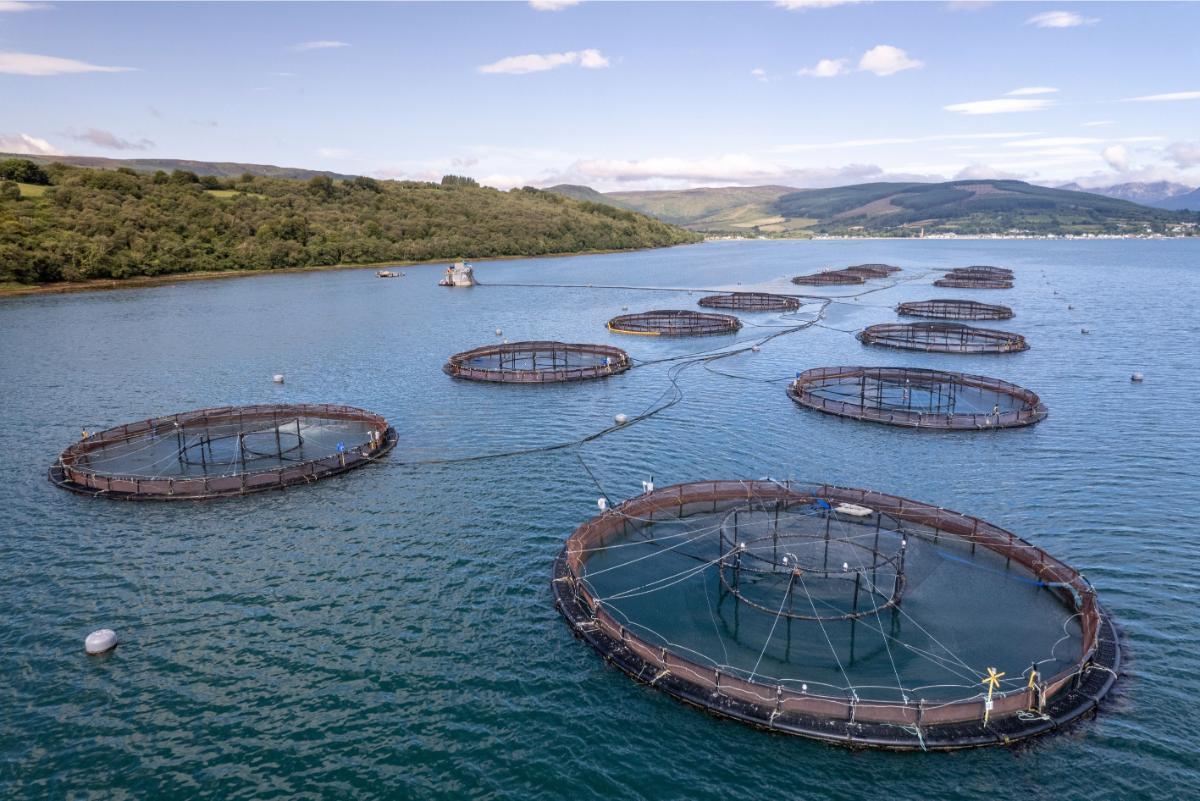
Over the last two decades, salmon has become a staple in homes and restaurants across the globe, with farmed varieties now accounting for over 70% of the market, according to data from the Food and Agriculture Organization of the United Nations. This surge in production has made salmon accessible to millions who previously considered it a luxury or a rare treat. But with growing consumption comes a pressing question for anyone serious about nutrition: Is farmed salmon truly harmful to your health?
As a celebrity nutritionist, I dive deep into topics like this not just out of curiosity, but because the answers hold impact for your daily choices, your long-term health, and even the broader picture of agriculture and environmental sustainability. With sweeping headlines often warning about toxins, antibiotics, or pollutants in farmed fish, it’s time to separate fact from fiction. At Claudia’s Concept, I am committed to providing evidence-based guidance and practical solutions so you can confidently choose what nourishes your body—and supports the planet. Are your favorite salmon fillets safe? Let’s find out by breaking down the science, step by step.
Understanding Farmed vs. Wild Salmon: What Sets Them Apart?
What Do We Mean by Farmed and Wild Salmon?
When you browse the seafood counter, do you ever pause and wonder what truly separates farmed salmon from wild salmon? As someone deeply invested in nutrition science through Claudia’s Concept, I believe clarity is the foundation of healthy choices. Farmed salmon refers to salmon that are raised in controlled aquatic environments—primarily netted sea pens or freshwater tanks. Their entire lifecycle, from egg to harvest, unfolds under human supervision. In contrast, wild salmon live their lives in natural rivers, lakes, or the open ocean, maturing and feeding according to the rhythms of their ecosystems.
Key Differences: Diet, Habitat, and Growth Conditions
To grasp how farmed and wild salmon impact your health, it’s essential to examine their lifestyles—much like you would analyze the background of any food you include in your diet.
- Diet: Wild salmon feast on a natural diet of smaller fish, zooplankton, and aquatic insects. This diet, rich in marine nutrients, produces a vibrant orange-red flesh and a distinct flavor profile. Farmed salmon, on the other hand, are fed a formulated feed blend that often includes fish meal, fish oil, soy protein, wheat, and synthetic pigments such as astaxanthin to replicate that renowned wild salmon color. This controlled feeding changes the nutritional composition of the fish.
- Habitat: The wild salmon’s home ranges from icy Alaskan rivers to the chilly North Atlantic, where they swim thousands of kilometers between spawning and feeding grounds. Farmed salmon, however, spend their lives in densely stocked pens, typically located near coastal regions. This restricted movement and proximity to other fish affect their growth rate and the way their bodies store fat.
- Growth Conditions: Farmed salmon are specifically bred for quick growth and higher yield in relatively short periods—reaching market size in about 18 months, compared to the three to five years it takes for wild salmon to mature. Their rapid growth is encouraged by controlled diets, regulated water temperatures, and sometimes selective breeding. These factors can lead to differences in fat accumulation and, subsequently, omega-3 and omega-6 fatty acid concentrations.
The Importance of Salmon in Our Health & Diet
Salmon, whether wild or farmed, stands as a nutritional powerhouse, celebrated for being an outstanding source of high-quality protein and long-chain omega-3 fatty acids (EPA and DHA). Robust scientific evidence links regular consumption of these omega-3s to improved cardiovascular health, reduced inflammation, and enhanced brain function, with studies published in authoritative journals such as the American Journal of Clinical Nutrition and Clinical Nutrition.
Yet, not all salmon deliver identical health benefits. Variations in their habitat and diet fundamentally alter the nutrient levels in their flesh. At Claudia’s Concept, I consistently emphasize the importance of evaluating not just the food itself—but its journey from water to plate. Are you considering the origin of your next salmon fillet? Your answer could significantly impact your nutritional intake and overall health trajectory.
Understanding the Contaminant Profile of Farmed Salmon
Have you ever wondered what exactly goes into that fillet of farmed salmon on your plate? This is a pressing question I receive regularly in my practice at Claudia’s Concept. Let’s dive straight into real data and scientific evidence on the key contaminants found in farmed salmon, decoding what this means for your health and your family’s diets.
PCBs: A Legacy Contaminant in Farmed Salmon
Polychlorinated biphenyls (PCBs), once widely used in industrial settings, persist in our environment and accumulate in fatty tissues of animals, including fish. Farmed salmon, due to its feed and enclosed environment, tends to have higher PCB concentrations than wild salmon. The landmark 2004 study published in Scienceanalyzed over 700 salmon samples from around the globe and found that farmed salmon contained, on average, about eight times more PCBs than wild-caught salmon (Science, 2004). This difference stems from the fishmeal and oil used in aquaculture feeds, which can be derived from contaminated sources.
Why does this matter? Health agencies, including the U.S. EPA, classify PCBs as probable human carcinogens. PCBs accumulate over time in body tissue, raising concerns for regular consumers of farmed salmon.
Dioxins: Potent Environmental Pollutants
Dioxins are highly toxic compounds formed as byproducts in industrial processes and can remain in ecosystems for years. According to data compiled by the European Food Safety Authority (EFSA), farmed salmon contains dioxin levels that are, on average, 1.5 to 3 times higher than those in wild salmon (EFSA Journal, 2010). The transfer of dioxins, much like PCBs, predominantly occurs through feeds containing contaminated fish oil or fish meal.
Because dioxins easily dissolve in fats, the higher fat content of farmed salmon can lead to a greater accumulation of these toxins. Even small amounts are associated with long-term risks, as shown in decades of epidemiological research.
Heavy Metals: Mercury and Cadmium in the Spotlight
Farmed salmon is frequently tested for toxic metals like mercury and cadmium — elements no one wants with dinner! A multi-country analysis published in Environmental Health Perspectives demonstrated that while mercury levels in both farmed and wild salmon remain below WHO and FAO limits, wild salmon samples showed slightly higher mercury on average, likely due to their diet and migratory patterns. In contrast, cadmium, another toxic heavy metal, is typically lower in farmed salmon than in wild-caught varieties (EHP, 2012).
- Farmed salmon generally contains around 0.05-0.09 mg/kg of mercury, compared to 0.05-0.12 mg/kg in wild salmon.
- Cadmium concentrations in farmed salmon commonly range from 0.002 to 0.01 mg/kg.
These values, regularly tracked by food safety authorities in Europe and North America, remain well below global safety thresholds. Nevertheless, cumulative exposure remains important to consider, especially for those enjoying salmon several times per week.
How Farmed Salmon Compares with Wild Salmon
The magnitude and type of contaminants differ between farmed and wild salmon, primarily due to their respective diets and environments. Scientific reviews by the National Academy of Sciences and the United States FDA confirm that PCB and dioxin levels are consistently higher in farmed salmon, while heavy metal concentrations, particularly mercury, are often lower or similar compared to wild salmon. These findings directly influence recommendations we make at Claudia’s Concept, where we always encourage fully informed food choices grounded in up-to-date science.
Given these nuances, examining the source of your salmon and understanding the logic behind each step of salmon farming becomes crucial for anyone aiming to make conscious dietary decisions.
Antibiotics and Chemicals in Salmon Farming: What You Need to Know
Why Are Antibiotics and Chemicals Used in Aquaculture?
When demand for salmon surges, many producers turn to aquaculture to keep up. However, densely stocked salmon pens create an environment where diseases and parasites spread with ease. To combat these challenges, salmon farms frequently use antibiotics and a variety of chemicals. These interventions prevent infections like furunculosis, control outbreaks of sea lice, and maintain high yield. While effective in preserving the health and profit margin of farmed fish, these practices have knock-on effects for human health and the environment.
Common Antibiotics and Chemicals in Use
The aquaculture industry relies heavily on substances that keep fish alive and market-ready. Among these, the antibiotic florfenicol is a staple, particularly in countries such as Chile where regulations differ from those in Norway or Canada. Other commonly used antibiotics include oxytetracycline and trimethoprim-sulfamethoxazole. Chemical agents like emamectin benzoate and hydrogen peroxide target sea lice, while copper-based antifoulants line the nets to slow algae growth. Think about these names: they’re not found on your recipe card—yet they remain integral to farmed salmon production worldwide.
The Reality of Antibiotic Resistance and Chemical Residues
Let’s get technical. Antibiotic residues accumulate in the flesh of fish, and the World Health Organization tracks resistant bacteria with rising concern. Studies published in Science (2015) and the Journal of Hazardous Materials (2021) confirm that regular antibiotic use in aquaculture has accelerated the emergence of antibiotic-resistant bacteria in aquatic environments. When you eat farmed salmon containing residual antibiotics, this exposure can potentially contribute to antibiotic resistance in your own gut microbiota. The ripple effect? Reduced effectiveness of antibiotics meant for human medicine.
Chemical residues are another serious matter. Tough residues from substances like emamectin benzoate can persist in salmon fillets after processing. While many countries set maximum residue limits (MRLs), peer-reviewed research consistently finds samples—especially from countries with lax regulations—exceeding these safe thresholds. According to the European Food Safety Authority (EFSA), residues of sea lice treatments in farmed salmon are detected up to 30 days post-application, with certain samples surpassing acceptable levels.
Science-Backed Health Impacts
A growing body of research draws clear lines between aquaculture management and health outcomes. Researchers from the Norwegian Veterinary Institute discovered that high antibiotic and anti-parasitic use correlates with measurable residues in the finished product. Scientists publishing in Environmental Research (2016) demonstrated that regular intake of farmed salmon with detectable pharmaceutical residues increases the risk of accumulating antimicrobial resistance genes in the human digestive system. These risks, though nuanced and multi-factorial, can lead to long-term health complications without immediate, visible symptoms.
Through Claudia’s Concept, my commitment has always been helping people make transparent, science-based food choices. When discussing the safety of farmed salmon, we need to consider not just nutrients, but the total chemical load present in each fillet you put on your dinner plate.
Nutritional Differences: Farmed vs. Wild Salmon — What Sets Them Apart?
Omega-3 and Omega-6 Fatty Acids: Understanding the Real Distinction
One compelling question I hear time and again: How do farmed and wild salmon really differ in their nutritional makeup? At Claudia’s Concept, I always encourage clients to ask such targeted questions, because these choices directly shape your health goals and outcomes.
Research verifies that farmed salmon consistently contains more overall fat than wild salmon, largely due to their diet and controlled environment. Specifically, 100 grams of farmed Atlantic salmon provides about 2.26 grams of omega-3 fatty acids, while the same serving of wild salmon averages around 1.22 grams, according to a comprehensive analysis published in the journal Environmental Science & Technology (2017).
Farmed salmon also delivers a higher concentration of omega-6 fatty acids, typically around 1.95 grams per 100 grams, while wild salmon contains far less—usually under 0.5 grams. Why does this matter? The ratio of omega-3 to omega-6 influences inflammation and cardiovascular health. At Claudia’s Concept, we prioritize optimizing this balance for every client’s unique needs, since excess omega-6 (often abundant in Western diets) can promote inflammation when not offset by sufficient omega-3 intake.
Protein Power and Micronutrient Profiles: Which Salmon Reigns Supreme?
Both farmed and wild salmon supply high-quality, easily digestible protein. Wild salmon delivers a leaner profile—about 25 grams of protein and just 5 grams of fat per 100-gram portion. Farmed salmon, due to its marbled texture, provides around 20 grams of protein and nearly 13 grams of fat in the same serving.
- Vitamin D: Wild salmon shines here, supplying up to 988 IU per 100 grams, fulfilling nearly 250% of the RDI. Farmed salmon offers much less, averaging 250 IU according to USDA data. Regular wild salmon consumption can thus make a measurable difference for bone health and immune support.
- Selenium: Wild and farmed varieties both deliver substantial selenium—an antioxidant mineral critical for thyroid function. Wild salmon ranges from 32–40 mcg per 100 grams; farmed salmon provides slightly less, with typical values around 26 mcg.
- Vitamin B12: Both types are excellent sources of B12, often exceeding the daily requirement. 100 grams covers the full RDI for most adults.
Advantages and Drawbacks: Putting Nutrition in Perspective
Deciding between farmed and wild salmon won’t simply come down to “good versus bad.” Farmed salmon’s higher fat content translates to more omega-3s per portion—a scientific fact that benefits anyone aiming for heart-healthy diets. Meanwhile, wild salmon’s lower overall fat and elevated vitamin D content bolster its place in nutrient-rich Mediterranean-style eating patterns.
However, since farmed salmon contains more omega-6 fatty acids, regular consumption may trigger suboptimal omega-6:omega-3 ratios if your diet already leans heavily on vegetable oils and processed foods. The leaner protein in wild salmon meets specialized sports nutrition requirements or calorie-controlled meal plans flawlessly.
Is Farmed Salmon “Toxic”? Unpacking the Misconception with Context
You may have come across alarming headlines claiming that farmed salmon is “toxic”—but such absolute statements rarely tell the full story. When reviewing robust, peer-reviewed studies, such as those compiled by the European Food Safety Authority (EFSA), the nutritional benefits of both farmed and wild salmon persist, even after accounting for contaminants. At Claudia’s Concept, my approach always separates evidence from sensationalism. A single food rarely poses a direct risk when chosen as part of a thoughtful, varied diet.
Science confirms what I see daily with clients: Both farmed and wild salmon offer distinct nutritional perks. By considering your health goals and overall diet, you can include one—or both—with confidence and delicious results.
How Does Salmon Farming Impact Our Environment? Let’s Dive In
Pollution and Waste: Consequences for Water and Ecosystems
Salmon farming operations, especially those practicing intensive aquaculture, release substantial amounts of waste into the water. Uneaten feed pellets and fish feces accumulate underneath nets and pens, leading to organic pollution. This accumulation fosters algal blooms, reduces water oxygen levels, and directly harms sensitive aquatic organisms living below salmon farms.
To put a number on it, research published in Science of The Total Environment in 2016 showed that a medium-sized salmon farm can generate up to 500 tons of waste per year. This rate of contamination not only alters the local ecosystem but can also extend its influence several kilometers downstream, resulting in broad environmental consequences that can quickly compound.
- Ammonia, nitrates, and phosphates leach into coastal waters, fueling unsustainable algal growth.
- Zone directly beneath farms often develops “dead zones,” where oxygen depletion stifles most marine life.
- Benthic communities, made up of shellfish and invertebrates, break down and vanish under excessive waste conditions.
Through my work at Claudia’s Concept, I’ve seen communities experience degraded water quality firsthand, reminding us all that transparency about farmed salmon’s environmental footprint is crucial.
Salmon Farms and Their Effect on Wild Fish & Biodiversity
Open-net salmon farming interacts with wild fish populations in unsettling ways. When farmed salmon escape, they interbreed and compete for resources with local wild stocks, weakening genetic diversity and potentially introducing diseases. In 2018, a study in Ecology of Freshwater Fish found escaped farm salmon in rivers as far as 50 kilometers away from their original pens in Norway. Each escape disrupts the finely tuned balance that wild salmon species and local food webs rely on.
- High stocking densities in salmon farms support the rapid spread of pathogens such as sea lice, which easily transmit to wild fish when they swim past or near farm sites.
- The introduced diseases and parasites lead to higher mortality rates among native fish, as documented by the Royal Society B: Biological Sciences in 2020, which observed a 39% decrease in wild salmon survival rates near intensive farming areas.
Through prioritizing habitat protection and sustainable resource use, Claudia’s Concept supports approaches that protect local ecosystems while promoting safer animal protein sources.
The Link Between Environmental Health and Food Safety
Environmental contamination from salmon farms does not stay confined to water and sediment. Pollutants released, such as heavy metals and persistent organic compounds, can concentrate in farmed fish over time. This bioaccumulation poses direct food safety concerns since these toxins transfer to humans upon consumption. For example, dioxins and polychlorinated biphenyls, both linked to negative long-term health effects, accumulate more readily in fish farmed in heavily polluted waters. The World Health Organization identifies persistent environmental pollutants in farmed fish as a food safety risk, underscoring the critical interconnectedness of environmental stewardship and public health outcomes.
When you choose to consume salmon, it’s not just about nutrients; it’s about protecting ecosystem balance and, as a result, cultivating safer, cleaner food sources. How much do you know about the origins and practices behind your next salmon meal? Reflect on it the next time you’re shopping for seafood.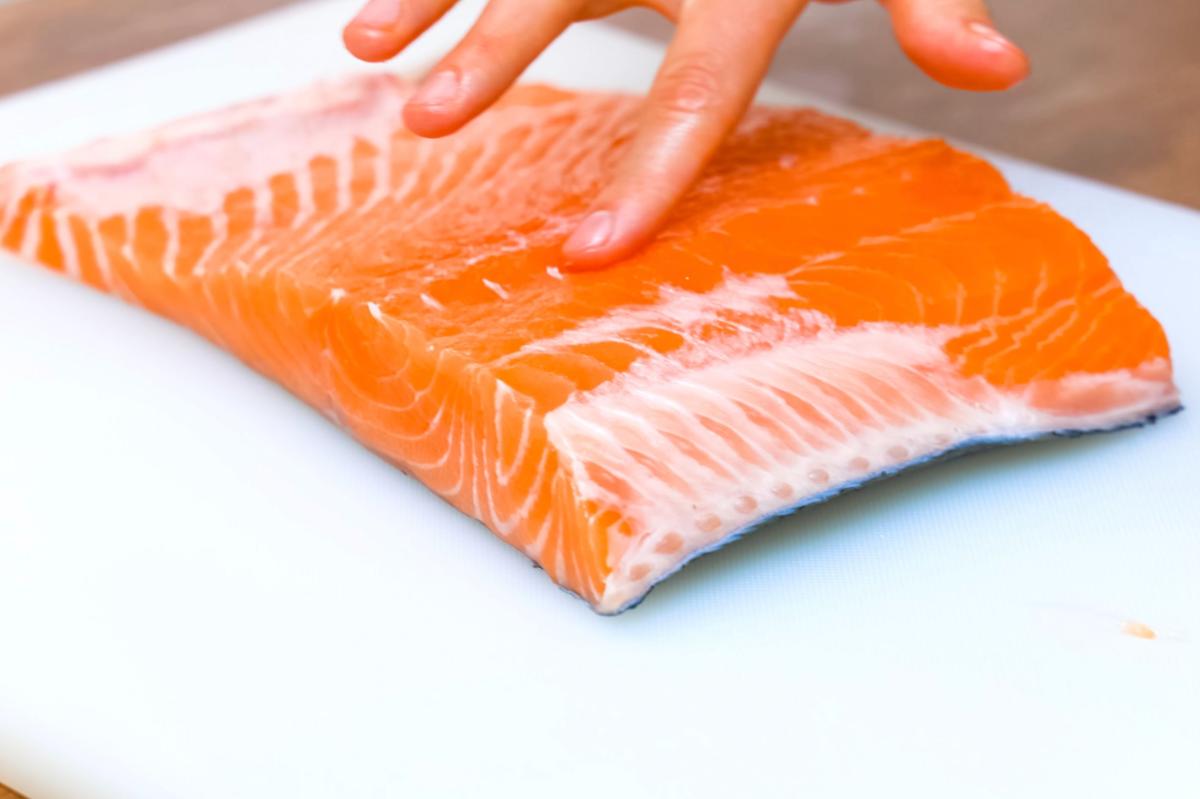
Regulations and Safety Standards: How Safe is Farmed Salmon?
Are you ever confused by all the stories about farmed salmon safety? You’re not alone. Many clients at Claudia’s Concept want to know if strong regulation really protects them. Let’s dive into what international and local laws actually require in salmon farming—and what that means for your health.
Overview of Salmon Farming Standards
Globally, salmon farms must follow rules set by both governments and private certification bodies. For instance, the European Union’s Regulation (EC) No 1830/2003 tightly controls antibiotic and chemical residues in seafood, including farmed salmon. In Norway, which produces more than half the world’s farmed salmon, the Norwegian Food Safety Authority conducts over 12,000 annual tests for contaminants and antibiotics in farmed fish, according to their official 2023 report. Standards in Canada and the United States, such as those enforced by the U.S. Food & Drug Administration (FDA) and the Canadian Food Inspection Agency (CFIA), are comparably robust.
In addition, private organizations like the Aquaculture Stewardship Council (ASC) and GLOBALG.A.P. certify farms for meeting stricter-than-minimum standards on feed, welfare, and contaminants. These certifications have become industry benchmarks for responsible farming, and many supermarket chains in Europe and North America only sell salmon that carry these labels today.
What Do These Regulations Cover?
- Contaminant controls: Most major salmon-farming countries now require rigorous testing for polychlorinated biphenyls (PCBs), dioxins, and pesticides. When samples exceed the maximum residue limit—like the 1.75 ng/g WHO-TEQ for dioxins set by the EU—farms must take corrective actions. This process means the majority of salmon on store shelves contain contaminant levels far below these maximums.
- Antibiotic use: In Norway, antibiotic usage in salmon aquaculture has decreased by over 99% since 1987, documented by the Norwegian Veterinary Institute. Today, vaccination and biosecurity standards sharply reduce the use of therapeutic antibiotics. Canada, Chile, and Scotland have reported downward trends since 2010, though usage rates can vary depending on local disease outbreaks.
- Environmental practices: Licensing authorities—like Norway’s Directorate of Fisheries and the Canadian Department of Fisheries and Oceans—require farms to meet benchmarks for water quality, seabed protection, and waste management. Control programs include regular inspection and audits of pen locations, feed composition, and interactions with wild species.
Gaps in Oversight and Enforcement
Despite significant progress, regulatory enforcement isn’t flawless. For example, a 2020 investigation by the Office of the Auditor General of Canada found that more than 60% of salmon farms in British Columbia didn’t fully comply with all aquaculture license conditions. Similarly, periodic scandals in Chile and Scotland highlight lapses in antibiotic usage tracking and infrequent surprise inspections. In some jurisdictions, gaps exist between written standards and farm-level implementation, especially where rapid industry growth strains government resources.
However, consumers are not powerless. When you support brands with transparent sourcing and strong certifications, such as those recommended by Claudia’s Concept, you help raise the bar for accountability across the industry. Ask yourself: How often do you check for source or certification on your salmon products? This small step empowers you to make safer and healthier choices every time you shop.
Discovering the Truth: Transparency &Labeling in the Salmon Industry
Clear Labeling: Your First Line of Defense
Every purchase you make shapes your health. When it comes to salmon, transparency in labeling is your strongest ally. Supermarkets and fishmongers worldwide sell both farmed and wild-caught salmon, and the differences in how these products are labeled matter significantly. In India and major global markets, regulations require labeling to state the origin of the fish (farmed or wild), yet inconsistencies persist. For example, a 2022 investigation published in the journal Food Control revealed that 42% of salmon products surveyed in European markets provided incomplete or misleading labeling regarding origin and production methods. If you’ve ever wondered whether the salmon fillet in your basket is genuinely wild-caught, you aren’t alone.
Industry Efforts Toward Transparency – Progress and Pitfalls
Many companies have responded to increasing consumer demand for transparency by introducing certification schemes and labeling programs. For instance, the Aquaculture Stewardship Council (ASC) and Marine Stewardship Council (MSC) labels signal adherence to rigorous environmental and traceability standards. However, no system is flawless. Some producers may use confusing terminology like “Atlantic salmon”—which always means farmed—without clarifying the method of production. This ambiguity can make it challenging to identify what’s truly in your cart or on your plate.
- Third-party certifications like ASC and MSC are prominent, but not all farmed salmon carries these marks.
- Terms such as “organic,” “sustainably farmed,” or “natural” appear frequently but carry variable meaning depending on the jurisdiction and certifying body.
- Claudia’s Concept always encourages its clients to check for batch numbers, farm-of-origin, and certifications for the highest clarity.
Retailers are gradually improving transparency, but a 2023 study led by the Norwegian Institute of Food, Fisheries and Aquaculture Research found that 27% of salmon packaging sampled in Asia and Europe omitted basic information about farming methods, origin, or antibiotic and feed use. That knowledge gap directly affects your ability to make an informed choice.
Empowering Consumers: Decoding Labels and Certifications
Understanding the acronyms and claims on salmon packaging empowers you to demand better quality. The label on a salmon fillet can carry several types of information:
- Origin: Indicates where the salmon was farmed or caught. Norwegian and Chilean farmed salmon dominate the global market.
- Cultivation Method: “Farmed” usually appears directly, but sometimes “Atlantic salmon” is used as a stand-in for farmed stock. “Wild” or “Alaskan” indicates wild-caught fish.
- Certification Logos: Credentials such as ASC or MSC offer assurance of external review.
- Feed and Antibiotic Use: Some countries mandate disclosure, though this information often remains sparse on packaging outside Europe.
Claudia’s Concept advocates for reading beyond just the branding—turn the pack, check for intricate details, and don’t hesitate to ask your seller to clarify the source or farming practices. Next time you pick up a salmon fillet, ask yourself: Does this label answer all my questions about its journey from water to plate?
Health Risks of Consuming Farmed Salmon: What Does the Science Say?
A Close Look at Contaminants in Farmed Salmon
You might find yourself wondering, “Is farmed salmon toxic to human health?” Let’s cut through the confusion and examine the facts together. When farmed salmon lands on your plate, persistent organic pollutants (POPs) like polychlorinated biphenyls (PCBs) and dioxins are a primary health concern. According to a widely cited study published in Science (2004;363:226-228), farmed Atlantic salmon contained significantly higher PCBs – up to eight times more than their wild counterparts. These substances, once accumulated in the body, may increase long-term risks for certain cancers as suggested by the International Agency for Research on Cancer (IARC).
Moreover, in a meta-analysis from 2016 (Environment International, Vol. 92-93), researchers noted that regular consumption of highly contaminated farmed salmon can slightly elevate blood levels of specific toxins. However, the concentration varies by region; for example, Norwegian and Chilean farmed salmon tend to have lower contaminant levels than those sourced from Scotland or the Faroe Islands.
Antibiotics and Chemical Residues: The Resistance Dilemma
Farmed salmon sometimes receive antibiotics to control disease outbreaks. When you eat fish treated with these drugs, trace levels of antibiotics may remain in the flesh. A 2021 systematic review in Aquaculture Reports highlighted that some farmed salmon samples from Asia and South America exceeded recommended antibiotic residue limits, while those from Europe rarely did. Overexposure, even at low doses, contributes directly to the global challenge of antibiotic resistance, documented extensively by the World Health Organization (WHO). Imagine the ripple effects: resistant bacteria can make it harder to treat common infections not just in fish—but also in humans who eat them.
Balancing Risks and Nutritional Benefits
At Claudia’s Concept, I encourage looking at the whole picture. Omega-3 fatty acids—highly present in farmed salmon—deliver substantial cardiovascular benefits. Clinical data from The New England Journal of Medicine (2018;378:58-68) demonstrated a 25% reduction in the risk of major coronary events among regular fish consumers. So, while contaminants exist, the net benefit for many people lies in heart-healthy fat intake when balanced well against exposure risks.
Consistency and Contradictions in Research
Scientific studies show differences in risk assessments, reflecting shifting farming practices across countries and ongoing regulatory improvements. For example:
- Recent data from the European Food Safety Authority (2021) shows consistent declines in dioxin and PCB content in farmed salmon since stricter controls started in 2010.
- Conversely, the U.S. FDA’s monitoring program (2020) still detected concerning chemical residues in 4.7% of imported farmed samples, especially from unregulated producers.
The evolving research means that your risk depends largely on the salmon’s origin and the strictness of local standards.
Claudia’s Concept always encourages sourcing fish from regions with stricter monitoring measures. Have you checked your salmon’s origin or considered wild-caught options recently? It is worthwhile for your health. Diverse, science-backed perspectives point to both risk and reward in farmed salmon—making informed choices has never been more essential.
Smart Choices: How to Select Safe & Healthy Salmon for You and Your Family
Shopping for Salmon? Your Actionable Guide to Informed Decisions
Step into any supermarket or fish market, and you’ll notice a dazzling array of salmon options. Wild, farmed, fresh, frozen, sliced, smoked—the selection may overwhelm. Today, let’s slice through the confusion and give you clear, science-backed strategies for choosing salmon that guarantees both safety and nutritional value.
Eye-Opening Best Practices to Ensure Safety
- Read Labels with a Critical Eye: Salmon sold as “wild-caught” has been harvested from its natural habitat, while “farm-raised” indicates aquaculture. This classification matters, as studies published in Environmental Science & Technology confirm that farmed salmon from certain regions (notably Europe) show higher levels of persistent organic pollutants (POPs) than their wild counterparts. Scan labels to understand the source.
- Seek Specific Origin Details: Products labeled with origin—such as “Alaskan wild-caught”—offer greater traceability. Alaska’s fisheries, for example, benefit from some of the world’s robust management and minimal contaminant levels according to the NOAA Fisheries 2023 Report.
- Inspect the Appearance: Vibrant, firm flesh without brown spots, excessive gaping, or dull skin speaks volumes about freshness and low oxidation. Farmed salmon often displays a deeper pink hue due to feed pigments; however, color alone doesn’t guarantee safety, so always combine visual inspection with label-reading.
- Favor Frozen When Fresh Isn’t Local: High-quality frozen wild salmon locks in nutrients and minimizes spoilage bacteria. Research from the Journal of Food Science found frozen salmon, properly handled, retains omega-3 content comparable to fresh fish.
Decoding Certifications and Why They Matter
Browsing labels? Look for third-party certifications. These symbols aren’t marketing fluff; they’re the result of rigorous safety and sustainability checks:
- MSC (Marine Stewardship Council): MSC certification signals your salmon comes from a sustainable, well-managed wild fishery. Data from MSC’s Global Impact Report 2022 show consistently lower contaminant levels due to environmental stewardship.
- ASC (Aquaculture Stewardship Council): The ASC green label on farmed salmon guarantees practices that minimize antibiotic and chemical use. According to ASC audits, products under their banner undergo routine contaminant screening and transparency in feed sourcing.
- Best Aquaculture Practices (BAP): BAP-certified farms demonstrate strong food safety controls, including checks for antibiotic residues and environmental impact mitigation. Studies led by the Global Aquaculture Alliance highlight higher consumer safety confidence in BAP-endorsed salmon.
Red Flags: What to Avoid
- Generic Labels Like “Atlantic Salmon” Without Further Details: While all farmed salmon species can be safe when monitored, generic, country-ambiguous packaging may hide subpar farming standards. Claudia’s Concept always encourages transparency.
- Lack of Certifications: Absence of third-party approval frequently indicates insufficient auditing of farming practices and safety protocols.
- Bargain-Bin Prices: Ultra-cheap salmon often correlates with intensified farming, increased antibiotic use, and higher contaminant risk, as indicated in a 2019 Consumer Reports salmon investigation.
Let’s Make Choosing Salmon a Healthier, Happier Ritual
Every choice at the fish counter can directly influence your health. By equipping yourself with science-based strategies and prioritizing transparency, safety certifications, and freshness cues, you set your plate—and your body—up for best results. At Claudia’s Concept, I always promote education and empowerment; let your next salmon purchase be informed, delicious, and full of wellness benefits.
Exploring Healthier Paths: Alternatives to Farmed Salmon
Wild-Caught Salmon: Assessing Health and Environmental Impact
If you’ve ever wondered whether wild-caught salmon is a smarter choice, you’re not alone. Many clients at Claudia’s Concept bring this very question to the table. Wild-caught salmon immediately stands out due to its naturally diverse diet and active lifestyle. These fish hunt and feed on smaller creatures in open oceans and rivers, resulting in leaner flesh and higher levels of long-chain omega-3 fatty acids—EPA and DHA. According to a comprehensive study in the journal Environmental Science & Technology, wild salmon consistently contains 25–30% less saturated fat than its farmed counterparts and usually offers a more favorable omega-3 to omega-6 ratio.
On the environmental front, choosing wild-caught comes with nuances. For example, populations of Pacific salmon (like sockeye and coho) have been sustainably managed in Alaska, leading to robust stocks and minimal bycatch, as reported by the Marine Stewardship Council. But wild-caught salmon from overfished regions, especially Atlantic salmon, can add pressure to already vulnerable ecosystems. Therefore, I recommend looking for certifications like MSC (Marine Stewardship Council) on packaging to ensure you’re supporting sustainable practices.
Diverse Fish Choices: Omega-3 Sources Beyond Salmon
Not a salmon enthusiast? You still have plenty of options for meeting your essential fatty acid needs. Several cold-water fish deliver impressive omega-3 concentrations. Consider these powerhouses:
- Sardines: A standard 100g serving provides about 1,480 mg of EPA + DHA. These small fish rank low on the food chain, accumulating fewer contaminants, which makes them a favorite at Claudia’s Concept.
- Mackerel: North Atlantic mackerel contains roughly 2,200 mg of omega-3s per 100g, with the added benefit of high protein and essential micronutrients such as selenium.
- Herring: With about 1,740 mg of omega-3s in a typical serving, herring is a traditional staple in several cultures, both smoked and pickled.
- Anchovies: Don’t underestimate them; these tiny fish pack nearly 2,000 mg per 100g serving.
By introducing variety into your menu, you diversify nutrient intake and minimize exposure to any single contaminant found in the ocean.
Plant-Based and Lab-Grown Alternatives: Shaping the Future of Seafood
A remarkable shift is on the horizon. Innovations in food technology are creating plant-based and cultivated (lab-grown) seafood, reflecting both consumer demand and sustainability needs. Plant-based salmon, often crafted from pea protein, algae oil, and natural flavors, delivers not only a familiar taste but also a solid nutritional profile. For instance, companies like Good Catch and Impossible Foods replicate the texture and mouthfeel of fish while providing 300–400 mg of algal omega-3s per serving—impressive for a plant-based product.
Lab-grown salmon, while still in early commercial stages, draws from real fish cells. This technique produces “filets” with the same protein and fatty acid profile as wild-caught salmon but avoids the common contaminants found in farmed varieties. Once production scales up, products developed in cellular agriculture facilities could balance supply, taste, and nutrition with minimal environmental footprint.
Curious about trying these next-generation products? Food-forward markets and select restaurants across major cities are already featuring plant-based “seafood” on their menus, propelling this movement even further. Claudia’s Concept encourages you to experiment and savor these innovation-driven options for both your health and the planet.
Farmed Salmon: Toxic Myth or Modern Reality?
Standing at the crossroads of taste, health, and environmental responsibility, many of my clients at Claudia’s Concept frequently ask: “Is farmed salmon just toxic to human health?” After exploring the science, production practices, and regulatory landscape, let’s draw the facts together and address this important question directly.
Summing Up the Findings: What’s the Real Risk?
Researchers worldwide, including experts from the European Food Safety Authority (EFSA) and the U.S. Food and Drug Administration (FDA), have systematically measured contaminants like PCBs, dioxins, and pesticides in farmed salmon fillets. Multiple large-scale peer-reviewed studies, such as the landmark Science publication by Hites et al. (2004), confirm that farmed salmon often contains higher levels of these substances than wild salmon. Nevertheless, the actual amounts in today’s globally regulated salmon are consistently kept below the safety thresholds established by domestic and international guidelines. Regular updates in farming protocols have led to measurable reductions in contaminant levels over the past 20 years—even as the industry itself has expanded.
- Not every salmon farm is the same—Nordic and Scottish producers applying third-party certifications deliver lower-residue products.
- Routine government inspections now enforce strict limits regarding common antibiotics and chemical residues, and considerable improvements are evident. For example, the Norwegian Scientific Committee for Food Safety reported that in 2022, 99.8% of tested salmon samples met all safety standards for contaminants.
- You will find that omega-3 content in farmed salmon supplies essential fatty acids for heart and brain function, just as wild salmon does, while protein quality remains high in both varieties.
- Eco-conscious farming choices, such as closed-containment or recirculating aquaculture systems, significantly limit environmental pollutants and chemical use, directly reducing exposure risks for consumers.
Not All Farmed Salmon Is Created Equal
No responsible nutritionist will paint all farmed salmon with the same brush. Quality, safety, and environmental impact depend on the methodologies used by each producer. When you ask whether farmed salmon is inherently toxic, it’s critical to make informed distinctions. Modern reputable salmon farms, particularly those adhering to global certifications, produce salmon that supports a balanced, nutrient-rich eating pattern. Transparency, like accurate labeling and third-party verification, empowers consumers to seek out producers committed to health and sustainable practices.
Your everyday power as a consumer cannot be underestimated. Selecting farmed salmon from reputable sources—those that openly share their sustainability credentials—minimizes risk. Considering alternatives and diversifying seafood intake further supports well-being without sacrificing nutrition or ethics. At Claudia’s Concept, I always advocate for mindful choices, driven by scientific evidence rather than fear or fad.