
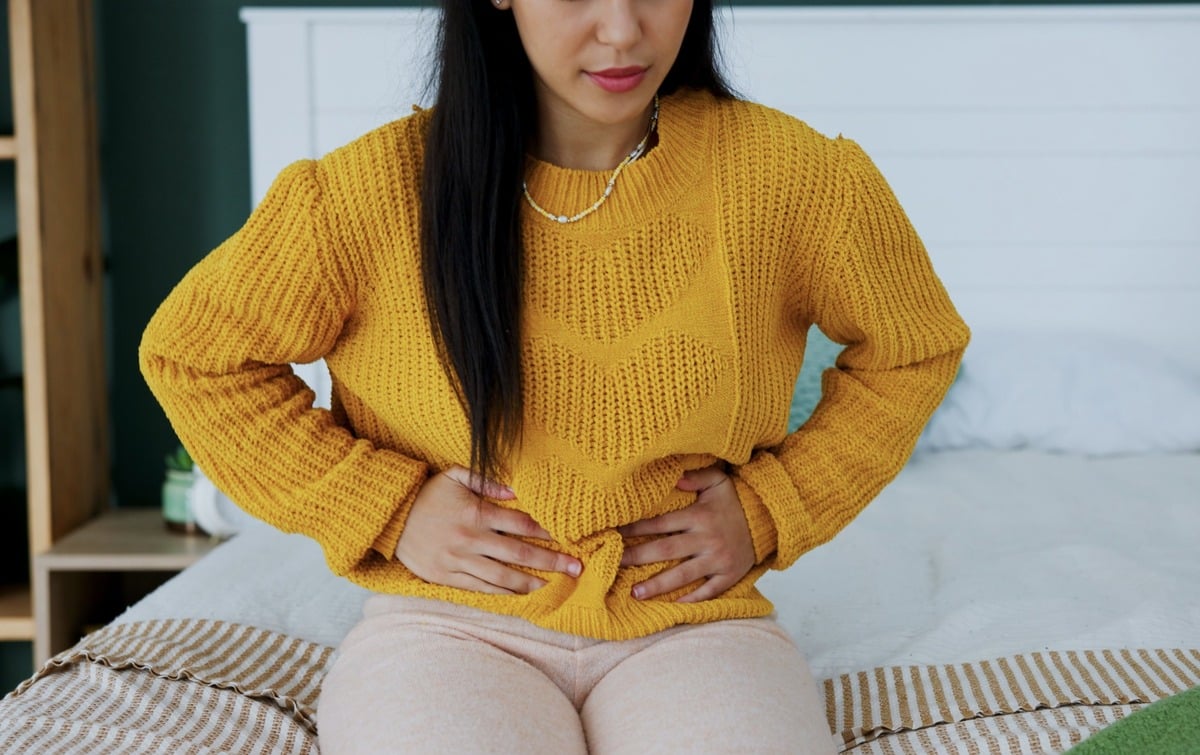
Navigating the daily strain of Irritable Bowel Syndrome (IBS) and persistent pelvic pain can feel overwhelming, especially when both conditions overlap in uncomfortable ways. IBS is a common functional gastrointestinal disorder, marked by symptoms such as abdominal pain, bloating, altered bowel habits, and changes in stool appearance without visible structural abnormalities. In contrast, pelvic pain typically refers to persistent discomfort in the lower abdomen or pelvic region, which can be sharp, dull, intermittent, or constant, and sometimes extends to the lower back or thighs. Research highlights that up to 38% of individuals with IBS also report chronic pelvic pain, making the co-occurrence more common than most realise.
Have you ever wondered why abdominal cramps and urgency often go hand-in-hand with pelvic discomfort? The connection often stems from shared nerve pathways and inflammatory processes within the gut and pelvic floor, intertwining the symptoms of both conditions. Understanding this relationship allows for more targeted and effective solutions, instead of chasing scattered symptoms. When these issues are addressed comprehensively, the transformation in comfort and quality of life can be profound. With my approach at Claudia’s Concept, you’ll find that a holistic, science-based framework empowers you to take meaningful steps toward real relief.
Recognizing Symptoms of IBS and Pelvic Pain: What Your Body Is Telling You
Common IBS Symptoms: Listen to Your Gut
Irritable Bowel Syndrome (IBS) puts your digestive system in the spotlight, constantly signalling when something isn’t right. Daily discomfort might start subtly but builds with time, often alerting you through three distinct symptoms. Abdominal pain frequently appears as cramping or aching, sometimes intense enough to disrupt daily activities. Bloating follows, producing a feeling of fullness or visible swelling, even when you’ve only eaten small portions. Most notably, IBS dramatically changes your bowel habits. Whether you experience constipation, diarrhea, or rapid alternations between both, your bowel movements often feel unpredictable.
Scientific studies published in The American Journal of Gastroenterology confirm that up to 96% of individuals with IBS report abdominal pain alongside altered stool frequency and form. Have you noticed your digestive patterns change under stress or after certain foods? These subtle shifts often signal IBS taking hold.
Typical Pelvic Pain Symptoms: Pinpointing the Source
Pelvic pain carries its own language, and understanding its signals helps you recognize patterns distinct from IBS. You may notice pain centered low in the abdomen, radiating across the hips or down the legs. The location of pelvic pain is often specific—below your navel and between your hips—setting it apart from general abdominal discomfort.
- Severity ranges from a dull, persistent ache to sudden, sharp twinges that interrupt your routine.
- You might find the pain chronic, lingering for months without abandonment, or acute, arising suddenly and subsiding quickly.
- Unlike routine muscle soreness, pelvic pain may flare up during menstruation, after certain physical activities, or even at rest.
Specialists at Claudia’s Concept evaluate the duration, frequency, and intensity of your symptoms to differentiate these patterns—each detail helping us target the best relief strategies for you.
When IBS and Pelvic Pain Meet: The Overlap
Surprisingly, your gut and pelvis often share the same nerve pathways, which means one can influence the other. Researchers at the National Institutes of Health have demonstrated that up to 40% of people diagnosed with IBS also experience chronic pelvic pain. Sometimes, abdominal cramps will migrate downwards, mimicking gynecological pain, while at other moments, pelvic pain might spread upward, aggravating bowel symptoms.
Has your pelvic discomfort triggered episodes of urgent bowel movements? Or does your bloating flare up alongside period pain? These overlaps reveal how interconnected your digestive tract and pelvic nerves truly are. At Claudia’s Concept, I dig deep into these connections—your unique combination of symptoms is the key to finding effective, personalized relief.
Unraveling the Causes of Pelvic Pain and IBS: Pinpointing the Roots
What Drives Pelvic Pain? The Overlapping Puzzle Pieces
Pelvic pain often feels like a tangled web, where pinpointing the actual cause turns into a complex challenge. Each experience may be unique, yet over the years, distinct patterns related to gynecological, urological, and gastrointestinal health have emerged. When a client at Claudia’s Concept seeks clarity, I always begin by exploring these primary categories.
- Gynecological Causes: Chronic pelvic pain in women frequently relates to conditions like endometriosis, pelvic inflammatory disease (PID), or ovarian cysts. According to a 2021 systematic review published in ‘Pain Research and Management’, endometriosis impacts approximately 10% of women of reproductive age worldwide and is a major culprit in persistent pelvic discomfort.
- Urological Causes: In men and women, urinary tract infections, interstitial cystitis (bladder pain syndrome), or prostatitis may provoke pelvic pain. Data from the Centers for Disease Control and Prevention indicate PID affects around 1 million women annually in the U.S. alone. Interstitial cystitis impacts up to 8 million women and 4 million men in the United States, highlighting its role as a key contributor.
- Gastrointestinal Causes: Digestive tract issues like irritable bowel syndrome (IBS), inflammatory bowel disease (IBD), or chronic constipation frequently underlie pelvic pain. IBS stands out; a meta-analysis in ‘Clinical Gastroenterology and Hepatology’ (Lovell & Ford, 2012) found the global prevalence of IBS to be about 11% of the population, with abdominal and pelvic discomfort featuring prominently.
Why Does IBS Happen? The Intricate Chemistry of Gut Health
You might wonder: what causes IBS specifically when compared to these other pelvic pain drivers? Science leaves no room for guesswork. I routinely remind my clients that IBS is far from “all in the head.” In fact, three core mechanisms explain why IBS occurs, each supported by robust clinical evidence.
- Altered Gut Motility: Individuals with IBS often experience irregular intestinal contractions. These can speed up (leading to diarrhea) or slow down (leading to constipation) transit through the colon. In a Japanese study published in the ‘Journal of Gastroenterology’ (Yamamoto et al., 2018), researchers observed that skewed colon transit times correlated closely with IBS symptom patterns.
- Visceral Hypersensitivity: People with IBS process pain and normal sensations in the gut differently, reacting intensely to otherwise mild stimuli. Functional MRI scans show heightened brain-gut communication in IBS sufferers (Tillisch et al., ‘Gastroenterology,’ 2011), translating into exaggerated discomfort.
- Underlying Low-Grade Inflammation: The latest research links subtle inflammation and changes in immune signaling within the gut wall. A 2020 clinical trial in ‘The American Journal of Gastroenterology’ showed individuals with IBS had increased mast cells and immune activity in the gut, further stimulating local nerves and making pain worse.
Differentiating IBS from Other Abdominal and Pelvic Disorders
Abdominal discomfort stands at the heart of both IBS and various pelvic pain conditions, but crucial differences let us tell them apart. In IBS, pain often improves after a bowel movement or aligns with changes in stool frequency and consistency. This relationship is so consistent that the Rome IV diagnostic criteria—the global gold standard—require this symptom pattern for a clinical diagnosis. By contrast, pain caused by urinary or pure gynecological conditions rarely shifts in direct response to bowel activity.
At Claudia’s Concept, we leverage detailed symptom histories and science-backed protocols to distinguish between the many roots of pelvic pain. By focusing on these patterns and grounding our process in well-established data, sustained relief becomes a realistic target for clients navigating IBS and pelvic pain together.
Exploring the Overlap Between IBS and Pelvic Pain: What Science Reveals
How Often Do IBS and Pelvic Pain Occur Together?
Strong research links irritable bowel syndrome (IBS) and chronic pelvic pain (CPP), with a significant number of individuals experiencing both conditions simultaneously. Large-scale studies have found that up to 35-65% of women with IBS also report chronic pelvic pain, according to data published in the American Journal of Gastroenterology and the Journal of Obstetrics and Gynaecology. Among patients seen in gynecology clinics for chronic pelvic pain, more than one-third meet criteria for IBS. This intersection isn’t limited to women—men with IBS also show higher rates of pelvic pain than the general male population.
Shared Symptoms: Why It’s Difficult to Tell These Conditions Apart
Have you ever wondered why distinguishing between IBS and pelvic pain is often confusing? Blurred boundaries between symptoms are the reason. Both conditions frequently present with:
- Persistent abdominal or pelvic discomfort that may radiate across regions
- Bloating, changes in bowel movements, and pain that worsens with stress or menstruation
- Urinary urgency, pressure, or difficulty, particularly in those with a concurrent diagnosis of interstitial cystitis
- Pain during sexual intercourse, experienced in up to 50% of IBS patients with CPP (source: International Urogynecology Journal)
In my work with Claudia’s Concept, I have observed that when gut-related symptoms blend seamlessly with pelvic discomfort, even experienced healthcare providers may struggle to accurately assign a “label,” which can delay proper support and relief.
Unpacking the Biology: What Connects IBS and Pelvic Pain?
Digging into the science, there’s growing evidence that IBS and pelvic pain may share several core mechanisms. Let’s get specific:
- Low-grade inflammation: Researchers at Harvard Medical School have documented that both IBS and chronic pelvic pain conditions such as endometriosis show signs of ongoing, subtle inflammation in the tissues.
- Nerve hypersensitivity: Clinical trials reveal heightened sensitivity of nerves in the gut and pelvic organs. This phenomenon, known as visceral hypersensitivity, leads to pain in response to normal sensations; in IBS, even mild stretching of the colon can cause significant discomfort.
- Altered pain modulation: Brain imaging studies, published in Neurogastroenterology& Motility, show disrupted neural processing in people with both IBS and pelvic pain—essentially, the “volume” of pain is turned up across the entire gut-pelvic network.
If these patterns sound familiar, you’re not alone. The connection highlights why holistic, personalized strategies—such as those crafted at Claudia’s Concept—will provide measurable improvements by addressing all aspects of your unique physiology. How do you think understanding these connections could help you or someone you know manage their symptoms more confidently?
The Gut-Brain Axis and Its Role in IBS and Pelvic Pain
Discovering the Gut-Brain Connection
Do you ever notice how stress can seem to tie your stomach in knots, or how emotional wellbeing transforms how your gut feels? This is the power of the gut-brain axis, a fascinating network which directly links the brain and the digestive tract. Through an intricate system of nerves, hormones, and immune signals, the gut and brain constantly exchange information. I always remind clients at Claudia’s Concept that this communication is so influential, scientists often call the gut the “second brain.”
Every human possesses this two-way communication highway primarily via the vagus nerve, the longest cranial nerve in your body. Research published in Nature Reviews Gastroenterology & Hepatology (2012) confirms that signals move both ways: what the brain perceives shapes how the gut behaves, while gut activity feeds back to influence mood and emotional responses.
Stress, Emotional Wellbeing, and Their Physical Impact
Let’s explore how emotional health governs your body. When you experience psychological stress—whether from work, relationships, or even worrying about your health—your brain sends chemical messengers such as corticotropin-releasing hormone (CRH) and adrenaline to your gut. These substances can change gut motility, increase pain sensitivity, and even alter the delicate balance of your gut microbiome. Clinical studies, such as those published in Alimentary Pharmacology & Therapeutics (2015), have shown that up to 60% of people suffering from IBS report that stress triggers or worsens their symptoms.
Have you noticed pelvic pain or cramping intensifying during times of anxiety or depression? This is not a coincidence. Emotional distress activates the sympathetic nervous system—what you might know as the “fight or flight” response—heightening pelvic muscle tension and amplifying the perception of pain. When supporting clients at Claudia’s Concept, I often see significant relief from both IBS and pelvic pain after implementing mind-body strategies that address this gut-brain interplay.
How Two-Way Communication Shapes Symptoms
- Through complex feedback, the gut informs the brain when inflammation or discomfort occurs—so abdominal distress can cause irritability or low mood.
- Certain bacteria in the gut actually produce neurotransmitters, including serotonin, with over 90% of the body’s serotonin found in the digestive tract. Fluctuations in your microbiome have a direct influence on mental health and bodily sensations.
- People with IBS and pelvic pain often exhibit hypersensitivity in their nervous systems, as proven in functional MRI studies featured in Gut (2011)—sensations that would not bother most people may feel intensely painful or uncomfortable.
- Mindset, relaxation techniques, and self-care routines used in Claudia’s Concept have reshaped outcomes for many people experiencing blended GI and pelvic symptoms, thanks to this bidirectional influence.
Does this connection make sense for your personal experience? Many people find that developing awareness of the gut-brain axis finally explains why symptoms ebb and flow with lifestyle and emotional fluctuations. Integrating strategies that support mental wellbeing and positively influence the gut—whether it’s through focused breathing, mindful eating, or cognitive approaches—will transform comfort levels for those navigating IBS and pelvic pain.
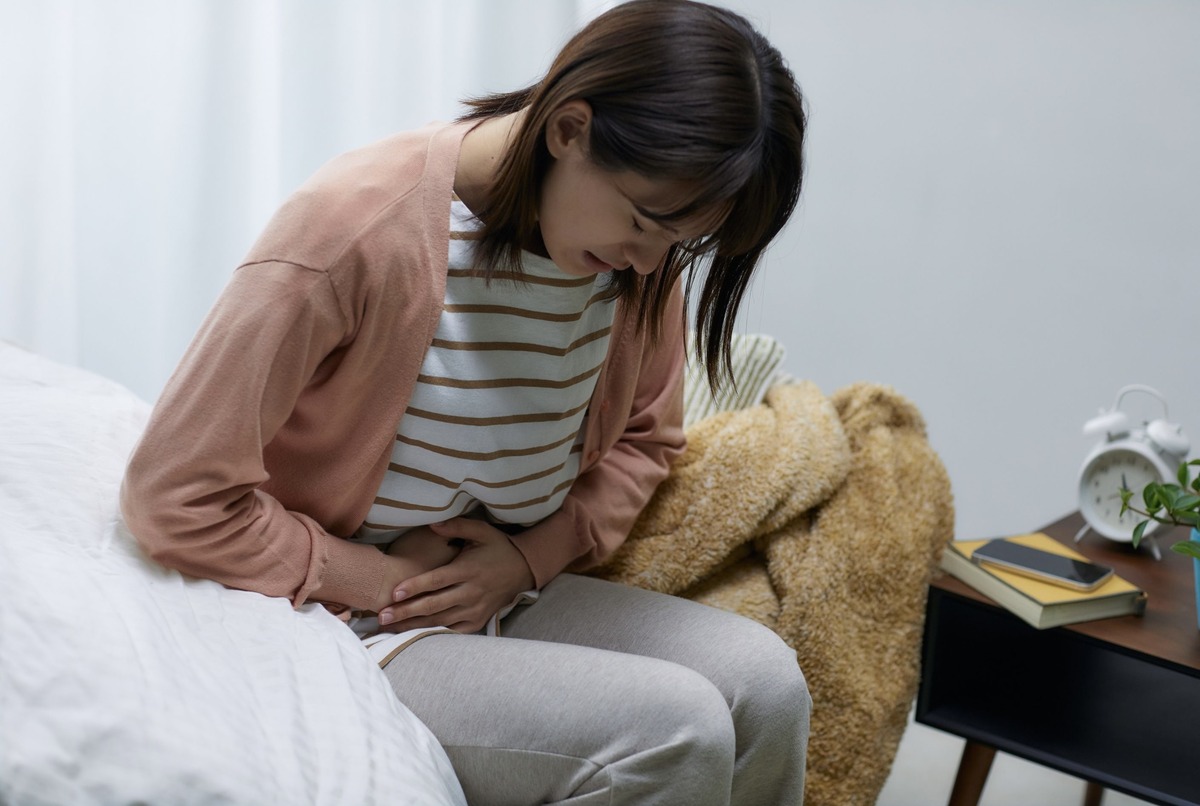
Cracking the Code: Diagnosis Challenges of IBS and Pelvic Pain
When Symptoms Blur: Why Diagnosing IBS and Pelvic Pain Isn’t Straightforward
Ever left a doctor’s appointment wondering if your symptoms of bloating, abdominal discomfort, or persistent pelvic pain really add up to anything concrete? You’re not alone. In my practice—and through Claudia’s Concept—I’ve seen many people feel uncertain or even frustrated about their diagnosis journey. Truth is, both IBS (Irritable Bowel Syndrome) and chronic pelvic pain often mimic each other, leading to genuine challenges at the clinic.
Symptom Overlap: Where IBS and Pelvic Pain Collide
Think about it: recurrent abdominal cramping, bloating, changes in bowel habits, pressure, and pain radiating across the pelvic region—these symptoms rarely follow a tidy script. According to research published in the World Journal of Gastroenterology (2014), up to 50% of women with IBS also experience chronic pelvic pain, making it nearly impossible to tell where one condition ends and the other begins without thorough assessment.
This overlap blurs traditional diagnostic boundaries. For instance, both conditions can cause gastrointestinal upset after meals, but they can also trigger urinary or reproductive discomfort. If you’ve ever found yourself hopping from a gastroenterologist to a gynecologist, rest assured, your experience is validated by leading studies and clinical experience.
Why a Thorough Clinical Evaluation is Your Best First Step
I believe—firmly—that guessing games have no place in your health journey. Accurate diagnosis starts with your story. Skilled clinicians trained in the nuances of IBS and pelvic pain will take a comprehensive approach, exploring symptoms in depth and considering physical, emotional, and lifestyle factors. The Rome IV Criteria remains one of the gold standards to clinically diagnose IBS. Health professionals use targeted questions about your symptom duration, presence of “red flag” symptoms (such as sudden weight loss or bleeding), and how symptoms change with meals or stress.
Your medical history is just as important as your physical symptoms. I always encourage clients at Claudia’s Concept to track patterns with a symptom diary, documenting dietary triggers and symptom timing. This empowers both you, and your healthcare provider, to spot patterns that can steer diagnosis in the right direction.
What Tests and Procedures Do Doctors Use?
No single test can diagnose IBS or chronic pelvic pain outright, but that doesn’t mean your journey won’t include smart, targeted testing. Below are some of the ways your healthcare provider might work to pinpoint your exact issue:
- Blood Tests: These can reveal markers of inflammation, anemia, or underlying infections.
- Stool Studies: Here, doctors look for signs of infection, inflammation (calprotectin), or microscopic blood loss—crucial for ruling out conditions like inflammatory bowel disease (IBD).
- Colonoscopy and Flexible Sigmoidoscopy: Used to visually inspect the colon and rectum if warning signs suggest something beyond IBS, such as unexplained weight loss or rectal bleeding.
- Pelvic Ultrasound or MRI: To rule out gynecological or urological causes which might mimic or compound pelvic pain.
- Urinalysis: Screens for urinary tract infections or hematuria, which can accompany both gut and pelvic problems.
Sometimes, additional functional tests—like anorectal manometry or urodynamics—help evaluate pelvic floor functioning when standard tests show normal results but symptoms persist.
Reflect: What Are Your Next Steps?
So, if your symptoms have left you feeling caught in a diagnostic maze, consider—have you kept a detailed symptom log? Have you discussed the full spectrum of your pain and gut issues with your healthcare provider? A targeted, systematic approach—like the methodology we follow at Claudia’s Concept—will open doors to effective relief and long-term gut-pelvic harmony.
Common Triggers for IBS and Pelvic Pain: Identifying What Sets Off Your Symptoms
Life with IBS and pelvic pain can feel unpredictable, yet certain triggers consistently stand out. Through my experience as a nutritionist and with Claudia’s Concept, I have guided clients to pinpoint these everyday culprits. Let’s explore the evidence-backed triggers that have the greatest impact, helping you recognize patterns and regain a sense of control.
Dietary Factors and Food Sensitivities
What you eat will directly influence both IBS and pelvic pain episodes. Science confirms that dietary triggers remain at the top of the list for people navigating these conditions. For example, researchers at the University of Gothenburg found that approximately 70% of IBS patients experienced symptom flare-ups after consuming specific foods. Common offenders include:
- High FODMAP foods: These short-chain carbohydrates ferment in the gut, resulting in bloating, pain, and altered bowel habits. Typical sources are onions, garlic, apples, wheat, and certain dairy products.
- Gluten: While celiac disease is rare, non-celiac gluten sensitivity often worsens IBS and pelvic discomfort. In clinical studies, gluten-free diets have significantly reduced symptoms for sensitive individuals.
- Caffeine and spicy foods: Coffee, energy drinks, and hot peppers stimulate the digestive tract. This heightened activity may trigger both spasms and discomfort in susceptible people.
Food sensitivities do not look the same in everyone. At Claudia’s Concept, I customize elimination and reintroduction plans to reveal exactly which ingredients provoke your symptoms, ensuring solutions are personal, practical, and science-backed.
Hormonal Changes (Particularly in Women)
Hormones, especially estrogen and progesterone, profoundly affect the digestive tract and pelvic region. Women with IBS consistently report symptom pattern shifts around menstruation, pregnancy, or menopause. A 2022 meta-analysis published in the World Journal of Gastroenterology established that pelvic pain and IBS symptoms surge just before and during the menstrual period in 50–60% of affected women.
Fluctuating hormone levels modulate how pain signals travel through the gut and pelvic nerves. For many, this means that hormonal cycles set the stage for recurring discomfort. Tracking monthly changes—something I encourage every woman to do—will reveal clear patterns that guide targeted relief strategies.
Stress and Anxiety as Exacerbating Factors
The strong gut-brain connection ensures emotional states are directly reflected in your digestive and pelvic health. Chronic stress and anxiety heighten gut sensitivity and alter the way pain is processed in the nervous system. In a striking study highlighted by the American Journal of Gastroenterology, researchers found that individuals under sustained psychological stress experienced a 40% higher frequency of IBS flares and a substantial rise in pelvic pain symptoms, emphasizing a tangible link.
Notice how tension accumulates before pain flares? Integrative approaches involving nutritional, psychological, and lifestyle strategies will bring measurable relief. I regularly coach my clients through stress management practices that not only ease the gut, but also quiet the entire pelvic region.
Are you seeing your own experiences in some of these triggers? Which one do you suspect plays the biggest role in your symptom patterns? Get curious and start tracking—you’ll be amazed at the personalized insights you gain for better days ahead.
The Impact of Stress and Anxiety: Navigating IBS and Pelvic Pain Through Mind-Body Balance
Mind-Body Relationship: How Psychological Factors Amplify Physical Discomfort
Have you ever noticed your gut acting up during periods of tension or emotional upheaval? This is not just a coincidence. Psychological factors like stress and anxiety make a profound impact on the body, particularly for those dealing with IBS and pelvic pain. The relationship between your mind and physical symptoms is bidirectional—stress doesn’t just live in your head; it causes real, measurable changes in gut motility, pain thresholds, and inflammation.
Researchers at Harvard Medical School have demonstrated that the brain and gut continuously communicate via the gut-brain axis, influencing each other on a cellular level. For individuals prone to IBS and pelvic pain, ongoing stress can result in overactive pain signals and excessive muscular tension in the pelvic region. This effect is more pronounced in those with heightened visceral sensitivity—a well-documented marker in IBS—where even minor stressors trigger intense gastrointestinal and pelvic discomfort.
As I always highlight at Claudia’s Concept, aligning mental and physical wellbeing changes the trajectory of chronic digestive and pelvic issues. The mind-body relationship is powerful, and leveraging its potential leads to sustained symptom relief.
Stress Management: A Core Element in Lasting Relief
Let’s get practical. Integrating stress management tools into your daily routine delivers tangible improvements for IBS and pelvic pain. Mindfulness-based interventions have been extensively studied; a 2020 review published in the journal Neurogastroenterology& Motility found that structured mindfulness practices—such as meditation and breathing exercises—reduced both pain intensity and frequency of flare-ups for IBS patients by up to 38%. Techniques like progressive muscle relaxation, yoga, and guided imagery disrupt the cycle of tension and pain by lowering systemic cortisol levels and calming overactive nerve pathways.
- Journaling: Tracking triggers and emotional states uncovers meaningful patterns, empowering you to make proactive changes.
- Deep breathing: Practiced several times daily, it quickly interrupts the physical cascade of stress responses.
- Physical activity: Regular movement—be it walking or Pilates—releases endorphins, the body’s natural mood stabilizers.
- Restorative sleep: Deep, consistent sleep resets stress hormone balance and boosts pain thresholds.
Incorporating these techniques, which form a core foundation at Claudia’s Concept, rewires your brain-gut communication, providing measurable symptom improvement week after week.
Anxiety: Fuel for Symptom Flare-Ups
Both clinical research and the experiences of those I work with show that anxiety actively intensifies IBS and pelvic pain symptoms. A 2022 study in The Lancet Gastroenterology & Hepatology quantified this effect: participants with high anxiety reported a 60% increase in pain severity and symptom duration compared to those with lower anxiety levels. Why? Anxiety elevates your baseline tension, over-stimulates the sympathetic nervous system, and amplifies pain perception as a result.
To break this cycle, therapies such as cognitive-behavioral therapy (CBT) directly address catastrophic thinking patterns and reduce nervous system hyperactivity. Group support and social connection lessen feelings of isolation and have been proven to lower anxiety, contributing to steadier symptom control.
How do you generally feel after practicing calming self-reflective exercises? Notice the subtle yet persistent shifts: less discomfort, better digestion, and a greater sense of ease. By focusing on both psychological and physical wellbeing, sustained relief becomes the norm rather than the exception.
Recognizing the IBS and Pelvic Pain Connection: Your Path to Relief
Understanding the complex relationship between IBS and pelvic pain opens new doors for effective management and lasting comfort. Both conditions often coexist, sharing underlying mechanisms such as altered gut-brain communication, heightened pain sensitivity, and overlapping triggers. When you learn to identify these patterns, you gain the upper hand in your wellness journey.
Through years of working as a celebrity nutritionist, I’ve seen the power of multidisciplinary care first-hand. When patients bring together nutritional guidance, physical therapy, psychological support, and medical management, profound improvements in quality of life occur. Combining these approaches always produces more comprehensive relief than any single solution alone. Claudia’s Concept uses a science-driven, integrated approach, ensuring you benefit from the latest advances in gut health and pain management while receiving guidance tailored to your unique needs.
- Have you considered how dietary adjustments could calm your symptoms?
- Ever noticed how your stress levels magnify abdominal or pelvic pain?
- Are you working with professionals who understand the full complexity of your condition?
You deserve a life where digestive health and pelvic comfort aren’t just wishes, but daily realities. By embracing multidisciplinary care—supported by Claudia’s Concept and backed by the latest research—relief is not only possible, but expected. Take the step today; your journey to ease and vitality starts with this understanding.