

Struggling to drift off because your digestion just won’t cooperate? You’re not alone—and science explains why. The connection between your gut and brain, known as the gut-brain axis, plays a pivotal role in regulating sleep. These two powerhouses constantly communicate through a complex network of neurons, hormones, and biochemicals—particularly through the vagus nerve. When your gut is irritated or inflamed, sleep can become fragmented, shallow, or completely elusive.
Sleep isn’t just a reset button for the brain—it’s a full-body restoration system. During deep sleep, your digestive tract gets a chance to heal, your microbiome recalibrates, and hormone levels that affect metabolism and appetite come into balance. Chronic gut issues can interfere with this vital recovery process, setting off a frustrating cycle of discomfort and exhaustion.
At Claudia’s Concept, I guide clients through proven strategies that restore harmony between the gut and sleep. In this blog, you’ll find practical, science-backed habits—from food timing and microbiome-friendly choices to calming nighttime rituals—that support both sound digestion and deep, uninterrupted sleep. Ready to experience truly restful nights, even with gut concerns? Let’s dive in.
How the Gut Talks to the Brain—and Why It Matters for Your Sleep
The Mighty Microbes Behind Your Mood and Sleep
When we think of sleep disorders, the gut isn’t the first place most look for answers. But let’s flip the lens. Your digestive tract, specifically your gut microbiota—the trillions of bacteria living in your intestines—play an essential role in regulating the very neurotransmitters that influence sleep quality. At Claudia’s Concept, we place a strong emphasis on addressing these microbial imbalances as a foundational step toward long-lasting sleep improvements.
Roughly 90% of the body’s serotonin—the precursor to melatonin, your sleep-regulating hormone—is produced in the gut. That’s not a typo: 90%. These neurotransmitters don’t just affect mood; they help regulate your circadian rhythm. Certain strains of gut bacteria, like Lactobacillus and Bifidobacterium, can even enhance the bioavailability of tryptophan, an amino acid essential for serotonin synthesis. When your gut flora is diverse and thriving, melatonin production tends to be more efficient, and you’ll fall asleep more naturally, with fewer disruptions in the night.
But there’s more—some gut bacteria help produce short-chain fatty acids (SCFAs), such as butyrate, which play a neuroprotective role and have been linked to reductions in anxiety and inflammation. When SCFA levels rise due to a fiber-rich diet, you’re supporting better communication between your gut and brain. That’s the kind of foundation we strengthen in Claudia’s Concept nutrition protocols.
Inflammation: The Hidden Sleep Saboteur
Chronic gut inflammation doesn’t stay silent—it sends signals directly to the brain using the vagus nerve, one of the core channels of the gut-brain axis. When inflammation is elevated, molecules like cytokines are released, which impact brain chemistry and emotional regulation. You’ll feel it as anxiety, restlessness, or in more aggressive cases—clinical insomnia.
For instance, elevated levels of interleukin-6 (IL-6) and tumor necrosis factor-alpha (TNF-α)—common markers of inflammation—have been directly linked to decreased sleep efficiency and increased nighttime awakenings. These cytokines create an environment in the brain that reduces slow-wave sleep, the deep, restorative stages you need to wake up feeling refreshed.
If you often feel tired but wired, your gut likely needs your attention more than your mattress does. At Claudia’s Concept, enhancing gut integrity while calming systemic inflammation is a non-negotiable step in any sleep transformation plan.
It’s a Two-Way Street: When Poor Sleep Damages the Gut
Just as gut distress can destroy sleep, fragmented sleep has the power to disrupt gut health. Research published in Frontiers in Psychiatry (2020) showed that just two nights of insufficient sleep can reduce microbial diversity and shift your gut toward a more inflammatory profile.
Poor sleep increases cortisol—a stress hormone that suppresses immune function and erodes the protective mucosal layer of the intestines. This results in higher gut permeability (often called ‘leaky gut’), allowing unwanted substances to enter the bloodstream and trigger an immune response. The result? Even more inflammation, more disrupted sleep, and a cycle that worsens if not actively reversed.
The synergy between your digestive health and your sleep cycle is more intimate than many imagine. Once you begin tuning into that gut-brain dialogue, supporting both becomes much more strategic—and effective. So the next time you’re tossing and turning at 2 a.m., pause and ask yourself: What did I feed my microbiome today?
How Poor Sleep Wreaks Havoc on Your Gut
Struggling with sleep while managing gut issues creates a vicious loop—one that directly impacts how your digestive system functions day in and day out. Let’s break it down. At Claudia’s Concept, we always start by targeting the root cause, and poor sleep is often a hidden disruptor of gut health. The consequences are much more than just feeling sluggish in the morning—they’re systemic and science-backed.
Good Gut Bacteria Lose Their Rhythm
Your gut microbiome isn’t just a passive collection of bacteria living inside you—it’s a dynamic, living system that aligns itself with your body’s internal clock, called the circadian rhythm. When you sacrifice quality sleep, you also disrupt this microbial rhythm. Researchers from the University of Chicago have shown that even two consecutive nights of partial sleep deprivation can lead to a significant reduction in microbial diversity and increase the number of pro-inflammatory bacteria like Firmicutes.
That matters because microbial diversity is the cornerstone of a healthy gut. When it declines, your body becomes more vulnerable to digestive imbalance, inflammation, and even metabolic disorders. At Claudia’s Concept, we focus on restoring this microbial rhythm with restorative sleep strategies and gut-focused nourishment.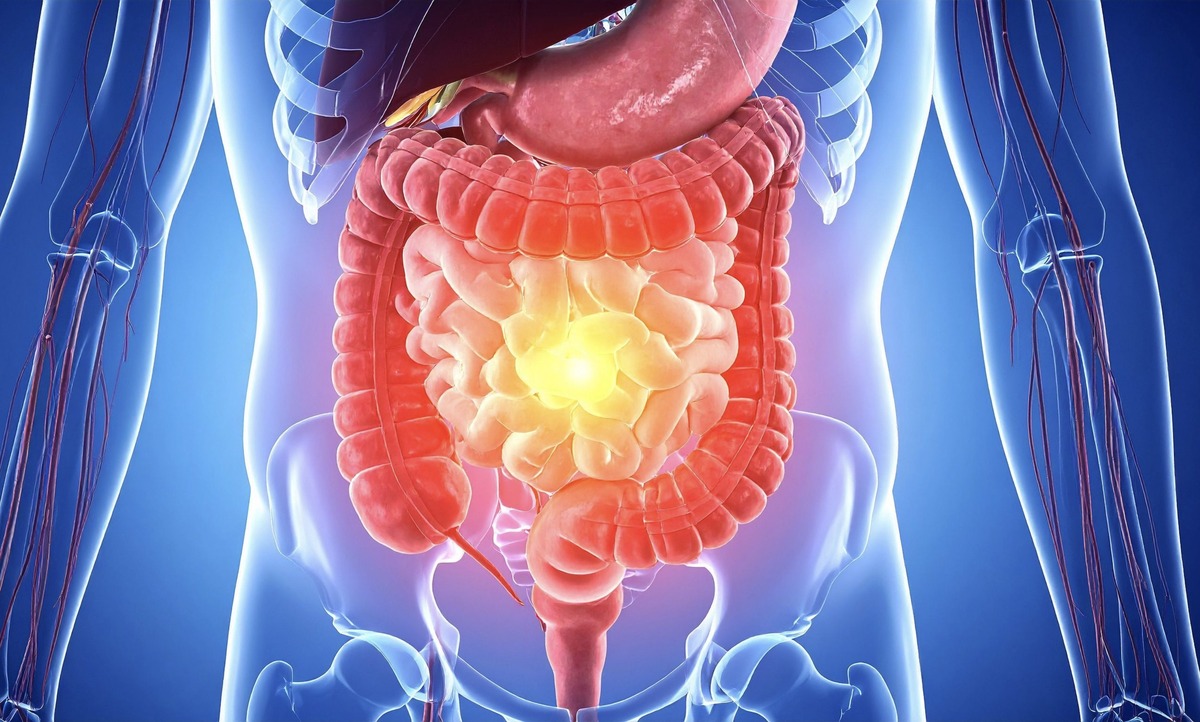
Digestion and Absorption Take a Hit
Sleep is when your digestive system moves into ‘repair and process’ mode. Good quality, uninterrupted sleep powers effective repair of intestinal lining, helps smooth muscle contractions that move food through the bowels, and ensures optimal enzyme secretion. But poor sleep puts this entire cycle under stress.
- Impaired nutrient absorption – Sleep deprivation has been linked with reduced expression of transporter proteins responsible for absorbing key nutrients like glucose, zinc, and magnesium.
- Delayed gastric emptying – Inadequate sleep slows digestion, often resulting in bloating, discomfort, and harder-to-process meals.
- Weakened gut immunity – Up to 70% of your immune cells live in the gut lining. Poor sleep suppresses Immunoglobulin A production, reducing your gut’s defense against pathogens.
Without proper rest, all the healthy meals and supplements in the world can’t be fully utilised by your body. This is why at Claudia’s Concept, we always integrate circadian nutrition to elevate both digestive efficiency and sleep quality.
Cortisol—The Toxin That Never Let Your Gut Heal
Poor sleep increases the production of cortisol, your body’s primary stress hormone. High cortisol levels interfere with gut health in multiple ways:
- They increase gut permeability—popularly known as “leaky gut”—allowing harmful substances to enter your bloodstream.
- They disrupt serotonin synthesis, 90% of which is made in your gut and profoundly affects mood, digestion, and sleep cycles.
- They slow down digestive motility, leading to constipation or irregular bowel movements.
In a study published in the journal Psychosomatic Medicine, participants who experienced sleep disturbances had elevated cortisol for up to 24 hours later, triggering a cascade of inflammatory responses in the gut. That kind of sustained inflammation sets the stage for chronic digestive disorders—something I often see in my consultations, especially when stress and sleep are overlooked.
There’s no substitute for deep, quality rest. And there’s no ‘gut fix’ without looking upstream at your sleep patterns. When you commit to improving your nights, you unlock the full potential of your gut’s natural healing process. That’s where transformation begins—inside and out.
When Your Gut Keeps You Up: Digestive Disorders That Disrupt Sleep
Struggling to stay asleep, or waking up feeling bloated and uncomfortable? You’re not alone. As a nutritionist working with thousands of clients under Claudia’s Concept, I often see sleep disturbances that stem from undiagnosed or unmanaged digestive issues. Understanding which gut conditions may be at the root of your poor sleep is the first empowering step toward long-term health and rest.
Gastroesophageal Reflux Disease (GERD)
GERD is one of the most common culprits sabotaging restful nights. This chronic digestive disease causes stomach acid to flow back into the esophagus, leading to nighttime heartburn, coughing, and that all-too-familiar burning sensation in the chest. What’s more, symptoms intensify when lying down, making sleep a challenge.
- According to a study in the American Journal of Gastroenterology, about 75% of people with GERD experience disrupted sleep.
- People with nighttime GERD are more likely to report insomnia and daytime drowsiness.
- Elevating the head while sleeping and avoiding meals 2–3 hours before bedtime significantly reduces symptoms.
In Claudia’s Concept, we address GERD through targeted meal planning, anti-inflammatory nutrition, and mindful movement to stabilize digestion naturally—because good sleep begins with a calm gut.
Irritable Bowel Syndrome (IBS)
IBS is marked by abdominal cramping, bloating, gas, diarrhea, and constipation, and it doesn’t respect your bedtime. People with IBS frequently find themselves waking up with urgency or discomfort, disrupting their natural circadian rhythm and increasing fatigue.
- In a cross-sectional study published in the journal Sleep Medicine, 74% of people living with IBS reported poor sleep quality.
- Sleep disturbances were directly correlated with increased pain perception the next day—poor sleep magnifies gut sensitivity.
- Restoring sleep patterns in individuals with IBS has shown improvement in symptom severity and frequency.
Through my work at Claudia’s Concept, I’ve guided clients in identifying hidden food intolerances and building sleep-supportive routines that calm the hyperactive enteric nervous system so closely tied to IBS flares.
Leaky Gut Syndrome and Inflammatory Conditions
When your intestinal barrier becomes permeable, undigested food particles and toxins can leak into the bloodstream. This condition, colloquially known as “leaky gut,” is linked to chronic inflammation, autoimmune responses, and—interestingly—disrupted production of serotonin and melatonin, both of which are central to healthy sleep cycles.
- A healthy gut produces up to 95% of the body’s serotonin, which converts to melatonin in the pineal gland.
- People with chronic gut inflammation often report fragmented sleep and delayed sleep onset, especially when cytokine levels are elevated.
- Conditions like Crohn’s disease, ulcerative colitis, and even food allergies can contribute to gut permeability and hormonal imbalances.
Reducing inflammatory triggers—whether through diet, environmental changes, or supplements like L-glutamine—can directly enhance sleep depth and latency. At Claudia’s Concept, this is a foundational focus point when tackling sleep through gut repair.
Tips for Identifying Nighttime Digestive Symptoms
You can’t fix what you don’t observe. Often, clients aren’t aware of the role their gut plays in poor sleep until we help them uncover the patterns. Here are a few telltale signs to look for:
- Waking up with an acidic taste in your mouth or sore throat? Think reflux.
- Frequent trips to the bathroom between 1-5 a.m.? IBS might be flaring.
- Unexplained fatigue despite long hours in bed? Low-grade inflammation could be interfering with sleep quality.
- Bloating or discomfort worsening after dinner? Meal composition and timing are likely culprits.
Start charting your symptoms nightly—this simple activity brings insight and control. And yes, your gut is talking to you. Are you listening?
Eat to Sleep: Foods That Support Gut Health and Promote Restful Sleep
The connection between food, gut health, and sleep is profound. What you eat influences the quality of your digestion, the microbial balance in your gut, and ultimately, how well you sleep. At Claudia’s Concept, I always emphasise the power of nutrition to transform not just physical health but sleep quality too. If your nights are restless due to digestive discomfort, adjusting your plate might be the solution your body is craving.
High-Fiber Prebiotic Foods to Nourish the Gut
Your gut thrives on fiber—particularly prebiotic fiber that fuels beneficial bacteria. When these microbes flourish, they produce short-chain fatty acids like butyrate, which support the gut lining, reduce inflammation, and influence brain chemistry related to sleep regulation. Here are my go-to prebiotic picks:
- Bananas: Not just a source of potassium—they’re rich in inulin, a type of prebiotic fiber that promotes the growth of gut-friendly bacteria. The vitamin B6 in bananas also supports melatonin production, making them ideal as an evening snack.
- Oats: Contain beta-glucan, which supports healthy digestion and keeps blood sugar levels stable through the night. Oats also gently boost serotonin, the neurotransmitter that converts to melatonin in the brain.
- Leeks and Garlic: These aromatic vegetables are high in inulin and allicin. Together, they feed good gut bacteria while reducing harmful strains. Include them in soups or stir-fries to nurture your microbiome.
Sleep-Inducing Foods that Work in Sync with Your Gut
Certain foods actively support neurotransmitter function, stress modulation, and melatonin production. When eaten at the right time, these foods can help you fall asleep faster and stay asleep longer. Incorporating these nutrient-rich choices as recommended in Claudia’s Concept meal plans can genuinely transform your nighttime rest:
- Turkey: Famous for its tryptophan content, an amino acid that leads to serotonin and later melatonin. A small turkey-based dinner can naturally induce sleepiness.
- Kiwi: According to a 2011 study published in the Asia Pacific Journal of Clinical Nutrition, eating two kiwis an hour before bed improved sleep onset, duration, and efficiency over four weeks. Their high antioxidant and serotonin content make them a powerful sleep-supportive fruit.
- Tart Cherries: One of the few natural sources of melatonin. Clinical research in the European Journal of Nutrition shows that tart cherry juice significantly improves sleep duration and quality.
- Almonds: Packed with magnesium, which calms the nervous system and reduces levels of the stress hormone cortisol. They also contain protein, supporting stable blood sugar levels through the night.
Food Habits That Sabotage Sleep—and Gut Health
You might be unknowingly disrupting your rest by what you eat late in the day. At Claudia’s Concept, we always address not just what you consume but also how it affects your body rhythmically. Pay attention to these common culprits known to worsen both digestion and sleep:
- Caffeine: Found not only in coffee but also in tea, chocolate, energy drinks, and even some painkillers. The half-life of caffeine ranges from 5-7 hours, which means a 3pm espresso could still be circulating in your system at bedtime.
- Spicy Foods: Can trigger acid reflux, bloating, and digestive discomfort that peaks when you lie down. Capsaicin also elevates body temperature, potentially disrupting your sleep cycle.
- High-Fat Meals: Foods rich in unhealthy fats slow down gastric emptying, leaving you uncomfortably full at bedtime and increasing your risk of nocturnal indigestion. They also suppress REM sleep, the most restorative phase of sleep.
Paying close attention to your diet—what you eat, when you eat, and how your body responds—is a foundational step in tackling gut-related sleep challenges. In my practice at Claudia’s Concept, food is not just fuel, it’s your most powerful ally in creating balance across the gut and brain. Ready to change what’s on your plate to improve your nights?
Perfect Timing: How Your Dinner Schedule Impacts Gut and Sleep Health
Why Your Last Meal’s Timing Sets the Stage for Restorative Sleep
Ever notice how a heavy, late dinner leads to tossing and turning? Or perhaps waking up groggy and bloated? That’s not a coincidence—it’s biology. Your gut has its own circadian rhythm, much like your brain. And syncing your meal timing with your body’s internal clock plays a critical role in both digestion and sleep quality. At Claudia’s Concept, we use this understanding to personalize holistic wellness plans that sync your meals, metabolism, and sleep cycles.
The Sweet Spot: Eating 2–3 Hours Before Bed
Aim to eat your evening meal at least 2–3 hours before bedtime. This time frame allows for proper gastric emptying—the process by which your stomach pushes food into the small intestine. According to a 2021 study published in the Journal of Clinical Sleep Medicine, late-night meals, particularly those consumed within 1 hour of lying down, were associated with poorer sleep efficiency and more nighttime awakenings.
Digestion competes with the body’s natural urge to rest. So when your system is still breaking down food close to bedtime, it intensifies metabolic activity just when your body should be preparing for deep sleep. Eating earlier helps prevent gastrointestinal discomfort, acid reflux, and even unwanted weight gain.
What Happens When You Snack Late at Night?
Late-night snacking may feel comforting, but it disrupts both gut harmony and sleep architecture. Foods consumed late activate the sympathetic nervous system, making the gut more alert and less relaxed. High-fat or spicy snacks in particular can trigger digestive issues and increase the likelihood of acid reflux, a symptom linked to sleep fragmentation and reduced REM sleep.
From a hormonal perspective, melatonin—the sleep hormone—naturally rises in the evening. Eating too close to bedtime can reduce melatonin concentration and delay sleep onset. In a study published in Obesity (2019), participants who ate after 9 p.m. experienced significantly worse sleep onset latency and sleep efficiency compared to those who finished their meals by 7 p.m.
Craving Control: Smart Evening Strategies That Work
Even with the best intentions, late-night cravings happen. Instead of reaching for processed snacks, try incorporating these tips that align with your gut and sleep health:
- Balance Your Dinner: Include protein, complex carbs, and healthy fats. A balanced nutrient profile helps keep you full longer and stabilizes blood sugar.
- Try Herbal Infusions: Chamomile, lemon balm, and fennel tea not only soothe the gut but also cue the brain to relax.
- Reach for a Light Snack—Smartly: If truly hungry after dinner, a small portion of soaked almonds or a banana with nut butter won’t overload your system but can satisfy without spiking blood sugar.
- Identify Emotional Hunger: Ask yourself—are you bored, tired, or thirsty? A glass of warm water often helps distinguish real hunger from a fleeting urge.
- Implement a Nourishing Routine: At Claudia’s Concept, we encourage daily rituals that support satiety and serotonin balance, helping cravings fade naturally.
By aligning your meal timing with your body’s natural digestion schedule, you support deeper, more restorative sleep and a healthier gut. It’s one of those simple lifestyle changes that delivers real results—night after night.
Probiotics, Prebiotics & Supplements That Transform Your Sleep—and Your Gut
Struggling to sleep while dealing with gut issues can feel like a vicious cycle. What many people overlook is that supporting the gut microbiome with targeted supplements can lead to measurable improvements in both digestive function and sleep quality. Let’s dive into how probiotics, prebiotics, and key natural supplements work at the intersection of gut health and deep, restorative sleep.
Probiotic Strains That Strengthen the Gut-Brain Axis
Not all probiotics are created equal. Specific strains of beneficial bacteria have demonstrated remarkable ability to influence both gastrointestinal function and sleep quality. Among the most researched are Lactobacillus and Bifidobacteria species.
- Lactobacillus rhamnosus GG: A landmark study published in PNAS (2011) showed that this strain can modulate GABA receptor expression in the brain via the vagus nerve, boosting stress resilience and improving sleep in murine models.
- Bifidobacterium longum 1714: Demonstrated in a 2016 Frontiers in Behavioral Neuroscience study to reduce cortisol levels and improve cognitive flexibility and sleep efficiency in human volunteers.
- Lactobacillus helveticus and Bifidobacterium bifidum: Known for their anti-inflammatory and anxiolytic effects, these strains have been used in clinical trials to improve sleep latency and depth in individuals with mild anxiety.
Incorporating multi-strain probiotics like those used in Claudia’s Concept gut health formulations ensures a robust and resilient intestinal environment that communicates more effectively with your central nervous system—especially at night when restoration is happening.
Prebiotic Fibres: Feeding the Good Bacteria
While probiotics introduce beneficial microbes, prebiotics nourish them. These are non-digestible fibers that fuel microbial diversity—which, in turn, enhances neurotransmitter production and reduces sleep-disruptive inflammation.
- Galacto-oligosaccharides (GOS): Found in legumes and concentrated supplements, GOS increase bifidobacteria abundance. A 2017 study in Scientific Reports showed that three weeks of GOS supplementation improved rapid eye movement (REM) sleep patterns in test subjects.
- Inulin: A chicory root-based fiber, inulin feeds both lactobacilli and bifidobacteria. Supplementation has been associated with enhanced microbial metabolite production—especially short chain fatty acids like butyrate that support gut lining strength and reduce nocturnal awakenings.
- Resistant starches: Found in slightly cooled cooked potatoes and green bananas, these ferment in the colon and generate metabolic byproducts that regulate circadian genes in gut epithelial cells.
When choosing prebiotics, it’s not just about one type of fiber—it’s about variety. Claudia’s Concept recommends combining soluble and insoluble fibers to diversify microbial fermentation and support a full spectrum of gut-brain benefits.
Gut-Friendly Sleep Aids That Do Double Duty
Natural supplements don’t just help you fall asleep—they can also soothe and balance the digestive tract. When gut sensitivity runs high, these three compounds offer gentle yet effective support:
- Magnesium bisglycinate: Unlike basic magnesium oxide, this chelated form is gentler on the stomach. It regulates NMDA receptors in the brain, promotes muscle relaxation, and supports intestinal motility. More than 60% of adults don’t meet the recommended intake—as per NHANES 2013–2016 data—making repletion a simple yet impactful step.
- Valerian root extract: Long used in European phytotherapy, valerian modulates GABA receptors similarly to benzodiazepines—but without the habit-forming risk. Its anti-spasmodic properties help settle nocturnal gut cramps often seen in IBS sufferers.
- L-theanine: An amino acid drawn from green tea, L-theanine increases alpha brain wave activity. A 2019 study in Nutrients reaffirmed its ability to increase sleep efficiency in adults with generalized anxiety—while also reducing gut permeability by calming inflammatory pathways.
These supplements don’t work in isolation—when combined with a holistic plan like those offered through Claudia’s Concept, they support the entire digestive system while creating optimal conditions for sound, uninterrupted sleep.
Stress Management: A Tool for Both Gut and Sleep
Ever noticed how your stomach churns when you’re overwhelmed? Or how a bad night’s sleep leaves your digestion completely off the next day? That’s not a coincidence. Chronic stress doesn’t just sap your energy—it’s a major disruptor of both your gut health and sleep cycle. At Claudia’s Concept, we see this every day with clients whose digestion improves dramatically once they begin managing their stress effectively.
Chronic Stress Disrupts the Gut and Sleep—Here’s How
Stress triggers the nervous system to produce cortisol, the primary stress hormone. When cortisol remains elevated for extended periods, it wreaks havoc on both the gut and sleep architecture. High cortisol levels alter the gut microbiota composition, damage the intestinal barrier, and increase gut permeability—a condition often referred to as “leaky gut.”
At the same time, cortisol delays your body’s natural melatonin production, increasing sleep latency (how long it takes to fall asleep). This double-pronged attack—from gut distress and poor sleep—fuels a frustrating cycle where each issue makes the other worse. Research published in Gut Microbes (2021) demonstrated that excessive stress correlates with reduced levels of beneficial gut bacteria such as Lactobacillus and Bifidobacterium, along with elevated markers of inflammation.
Lower Cortisol, Restore the Gut-Sleep Axis
The great news? There are proven, evidence-backed techniques that interrupt this loop. By incorporating daily stress-reduction strategies, you can support your gut-brain connection and sleep quality simultaneously. These are not just “nice-to-have” additions—they’re essentials.
- Deep Breathing: One of the fastest ways to activate your parasympathetic nervous system (your “rest and digest” mode). Diaphragmatic breathing slows heart rate and decreases cortisol. Studies in the Journal of Clinical Psychology (2020) show that even five minutes of deep belly breathing each day can significantly reduce anxiety and improve sleep onset time.
- Mindfulness Meditation: Practicing non-reactive awareness clears mental clutter while modulating the hypothalamic-pituitary-adrenal (HPA) axis. In randomized clinical trials, participants who practiced mindfulness for 20 minutes daily reported improved gut symptoms and sleep quality in under 8 weeks. Try guided meditations at bedtime to ease the transition into restful sleep.
- Yoga and Gentle Movement: Unlike high-intensity workouts, which may raise cortisol temporarily, yoga reduces sympathetic nervous system activity and enhances vagal tone. A 2022 study in Frontiers in Psychology found that individuals with IBS who practiced yin yoga reported fewer digestive flare-ups and improved sleep continuity.
Clients at Claudia’s Concept often see measurable differences within two weeks of integrating these tools. When stress response becomes more balanced, the gut calms down—and the body starts to embrace sleep with ease. Interested in trying some of these yourself? Choose just one technique and stay consistent for a week. Journal your gut symptoms and sleep quality—you’ll be amazed at the change.
Establishing an Effective Nighttime Routine for Digestive Support
If you’ve ever felt your gut keeping you up at night, you’re not alone. Restful sleep and a well-functioning digestive system are intimately connected, and there’s a science-backed case for designing your evenings with your gut in mind. At Claudia’s Concept, I focus on simple, sustainable routines that reset your digestive rhythm and naturally enhance sleep quality.
Move Lightly After Dinner—But Move
Finishing a meal and sinking right into the couch may feel inviting, but it burdens your digestive capacity. The digestive process is more efficient when you assist circulation and mobility. A short, slow-paced walk—just 10 to 15 minutes—activates the gut’s natural peristalsis without overstimulation. According to a 2011 study published in Journal of Gastrointestinal and Liver Diseases, mild postprandial physical activity significantly reduces symptoms of bloating and indigestion, which are common culprits of nighttime discomfort.
Prefer something indoors? Gentle stretching poses like seated twists or child’s pose can stimulate internal organs and help relieve trapped gas and tension. These small habits, practiced consistently, will nudge your system into nightly balance.
Choose Herbal Teas that Soothe the Gut—and the Mind
Instead of reaching for a late dessert or glass of wine, make a warm herbal tea part of your evening ritual. The compounds in certain herbs are scientifically proven to ease digestion and invoke calm, setting the stage for restorative rest.
- Chamomile: Loaded with apigenin, it helps reduce intestinal inflammation and induces sleep through its mild sedative effects, as demonstrated in a 2016 study in the Journal of Advanced Nursing.
- Peppermint: Contains menthol, which relaxes the muscles of the GI tract and can alleviate bloating and gas—ideal post-meal support.
- Fennel: Recognized for its carminative properties, fennel eases cramping and benefits those prone to irritable bowel symptoms.
Keep your tea caffeine-free, serve it warm—not hot—and sip it slowly for maximum benefit.
Create Sensory Calm: A Ritual That Signals Rest
An effective nighttime routine doesn’t start when you hit the pillow; it begins with the cues you give your nervous system. The gut is highly responsive to your emotional and sensory states, thanks to the vagus nerve—which means calm minds truly make calmer bellies.
- Run a warm bath infused with Epsom salts or lavender oil. The magnesium helps relax muscles and may assist with bowel motility.
- Dim overhead lights and switch to amber-toned bulbs or candles about an hour before sleep. Lower light levels cue melatonin production, which influences gastrointestinal motility, as observed in research from the American Journal of Physiology.
- Read physical books (no e-readers) to decelerate mental activity without triggering bright light exposure.
These rituals tell your gut, your brain, and your hormones that the day is winding down—helping synchronise biological rhythms naturally through repetition.
Identify and Avoid Digestive Disruptors
Not all evening activities are created equal. Some stimulate the brain-gut axis in counterproductive ways, delaying digestion and sleep onset. To support restful nights, I always recommend to my clients at Claudia’s Concept that they mind these common disruptors:
- Screen time: Exposure to blue light after sunset delays melatonin secretion, directly affecting gut motility and overnight detox functions.
- Loud or fast-paced entertainment: Action-heavy shows or intense news can elevate cortisol, a hormone known to inhibit digestion and increase gut permeability.
- Chilly bedrooms: While cooler is generally better for sleep, extremely cold environments may cause abdominal tension or sensitivity in individuals with IBS or gastral sensitivity. Find a temperature that relaxes you, not one that shocks the system.
Crafting a nighttime experience that nurtures digestion doesn’t require radical changes—just mindful choices. When practiced consistently, these habits signal your body to slow down, digest efficiently, and enter deep, rejuvenating sleep. Your gut will thank you in the morning.
Mastering Sleep Hygiene When You Have Gut Issues
Crafting a Sleep Environment That Supports Digestive Wellness
Quality sleep starts with your surroundings. Individuals dealing with gut issues—be it IBS, bloating, or GERD—have much to gain from optimizing their bedroom environment. At Claudia’s Concept, we’ve consistently seen clients improve digestion and reduce nighttime symptoms simply by focusing on where and how they sleep.
Your digestive system operates with your circadian rhythm, and environmental triggers play a big role in how well that clock functions. A dark, cool, and quiet room improves melatonin secretion—your body’s natural sleep hormone—which in turn aids digestion.
- Darkness: Even small amounts of artificial light can suppress melatonin by more than 50%, according to research by Harvard Medical School. Use blackout curtains or an eye mask to block intrusive light.
- Cool Temperature: The ideal sleeping temperature ranges between 16–19°C (60–67°F). Cooler temps increase time spent in deep, restorative sleep—crucial when the gut needs healing.
- Silence or White Noise: Background noise can cause micro-arousals that you might not even be aware of. If total silence feels unnatural, try a white noise machine or soft nature sounds.
The Power of Position: How You Sleep Matters
When it comes to GERD and acid reflux, sleeping position directly influences symptoms. The left side sleeping position, paired with slight upper body elevation, is backed by strong evidence.
Here’s why it works: several studies, including one published in the American Journal of Gastroenterology, confirm that left-side sleeping minimizes reflux episodes. This is because your stomach sits lower than the esophagus in this position, reducing the likelihood of acid slipping upward during the night.
- Use a wedge pillow: Elevating the upper body by 6 to 8 inches reduces nighttime reflux without disrupting spinal alignment.
- Side-sleeping benefits beyond GERD: Left-side sleeping has also shown promise in improving small bowel motility, which benefits those with IBS or SIBO-related sleep disturbances.
Track, Reflect, Repeat: Monitoring the Gut-Sleep Connection
You can’t improve what you don’t measure. At Claudia’s Concept, we routinely use wearable sleep trackers to help clients identify links between digestive symptoms and sleep quality. Modern trackers go beyond just “hours slept”—they provide insights into sleep stages, heart rate variability, body temperature shifts, and even respiratory patterns.
Pairing these findings with a well-maintained food and symptom journal makes patterns crystal clear. For instance, indigestion peaks often correlate with delayed REM sleep or frequent nighttime awakenings. That’s your body speaking—loud and clear.
- Integrative data mapping: Match your sleep data with dietary intake—especially timing of meals and types of foods—to pinpoint digestive disruptors.
- Look for trends: Do you experience more bloating and disrupted sleep after high-fat dinners? Does fermented food improve your deep sleep score? Let the data guide you.
Sleep hygiene isn’t just about better rest—it’s a powerful tool to bring your gut into balance. And when you take charge of your environment, position, and daily analysis, you’re no longer reacting to symptoms; you’re leading your body to resilience.
Get Moving, Sleep Better: The Role of Exercise in Enhancing Gut and Sleep Health
Feeling bloated, restless, or too wired to sleep even when you’re exhausted? If gut issues are stealing your rest, the solution might be as simple as lacing up your sneakers. Movement isn’t just about losing calories or sculpting muscle—it’s a powerhouse tool in restoring harmony between your digestive system and your sleep cycle. At Claudia’s Concept, we harness the synergy between exercise and gut-sleep health to craft sustainable lifestyle strategies that actually work.
Daily Physical Activity Fuels Digestion and Microbial Diversity
Regular movement stimulates intestinal contractions, known as peristalsis, which keeps food moving along efficiently. That gentle, consistent rhythm minimizes the likelihood of bloating and constipation—two major gut symptoms that disturb sound sleep. Beyond motility, exercise influences the very composition of the gut microbiome. Multiple studies have shown that physically active individuals display significantly higher microbial diversity, particularly in short-chain fatty acid (SCFA)-producing strains, like Bifidobacterium and Faecalibacteriumprausnitzii. These SCFAs help lower gut inflammation and support neurotransmitter production, especially serotonin—90% of which is made in the gut.
And yes, serotonin is not just the “feel good” hormone. It’s also a precursor to melatonin, the hormone responsible for regulating your sleep-wake cycles. Greater microbial richness means better serotonin signaling, which directly improves both the onset and quality of sleep.
The Best Time to Move for Gut-Friendly Sleep
Timing matters. Morning or early afternoon physical activity enhances your circadian alignment, which ensures your melatonin production kicks in right on schedule after sunset. Moving during daylight boosts body temperature and cortisol levels—both of which should naturally drop before bedtime. This drop triggers the onset of restful, slow-wave sleep.
Exercising too close to bedtime, especially with high-intensity training, may backfire. Increased body temperature, stimulation of the sympathetic nervous system, and delayed melatonin onset can all disrupt your sleep latency and efficiency. For anyone working with gut issues like acid reflux or IBS, late-night activity can also intensify symptoms. Stick to sessions that wrap up at least 3-4 hours before bed to ensure your body has enough time to cool down, both thermally and metabolically.
Gentle Movement for Sensitive Guts
If vigorous training feels too jarring—listen to your body. There’s powerful evidence behind incorporating gentle, deliberate movement into your day. These forms prioritize nervous system regulation while still enhancing gut function:
- Walking: A 20-minute walk after meals significantly reduces bloating and aids gastric emptying. It also enhances blood glucose regulation, which supports better sleep.
- Stretching: Dynamic stretching engages the parasympathetic nervous system, countering stress responses that often disrupt digestion and sleep patterns.
- Yoga: Poses like SuptaBaddhaKonasana (Reclining Bound Angle Pose) and Apanasana (Knees-to-Chest Pose) gently massage abdominal organs, reduce gas, and lower cortisol. Studies have shown that regular yoga practice increases sleep efficiency and total sleep time.
At Claudia’s Concept, we tailor movement strategies to complement your gut status and sleep needs. Whether it’s a morning flow or an after-dinner walk, the right kind of exercise, done at the right time, will absolutely transform how your body digests, restores, and sleeps.
Final Thoughts: Healing the Body as a Whole
There’s a beautiful and undeniable synergy between gut health and sleep. If either one is off-balance, the other inevitably suffers. But here’s the empowering truth: when you nourish and prioritise one, you uplift the other.
From the gut-brain axis to the impact of evening meals, every choice you make during your day sends signals to your digestive and nervous systems. A calm, well-fed, and microbiome-friendly body rests more deeply. And when you consistently sleep well, your gut repairs, absorbs nutrients better, and regulates inflammation efficiently. It’s a dance of rhythm and restoration—and you have the power to choreograph it.
Start Small, Feel Big Shifts
You don’t need a total lifestyle overhaul by tomorrow morning. Begin by adjusting just one evening habit—maybe it’s having your last meal a bit earlier or establishing a screen-free wind-down ritual. Science confirms that even modest tweaks can lead to measurable health improvements within weeks.
- According to a 2019 study published in Gut Microbes, participants who improved their sleep hygiene over four weeks showed significant changes in gut microbiota diversity and reported better digestive comfort.
- Research from the University of Colorado Boulder found that shifting meal timing earlier in the evening—by two hours—enhanced both sleep efficiency and insulin sensitivity.
These aren’t dramatic changes, but they catalyse profound healing. That’s what we focus on at Claudia’s Concept: incremental actions with lasting impact.
A Holistic, Intentional Approach
Healing is not a quick-fix protocol or a trendy supplement stack. It’s the culmination of consistent habits, intentional nourishment, and a lifestyle that supports systemic balance. Addressing gut health to improve sleep—and vice versa—requires looking at your entire day, not just your bedtime. Your stress levels matter. So does how you eat, move, and create space for rest and digestion.
Integrating this holistic mindset into your daily rhythm doesn’t just alleviate symptoms. It lays the foundation for long-term vitality. At Claudia’s Concept, we personalise strategies that honour your body’s unique rhythm, guiding you toward sustainable wellness from the inside out.
The body doesn’t operate in silos. When you support the gut, you support the brain. When your sleep improves, every cell benefits. That’s where true healing begins—one deliberate choice at a time.