
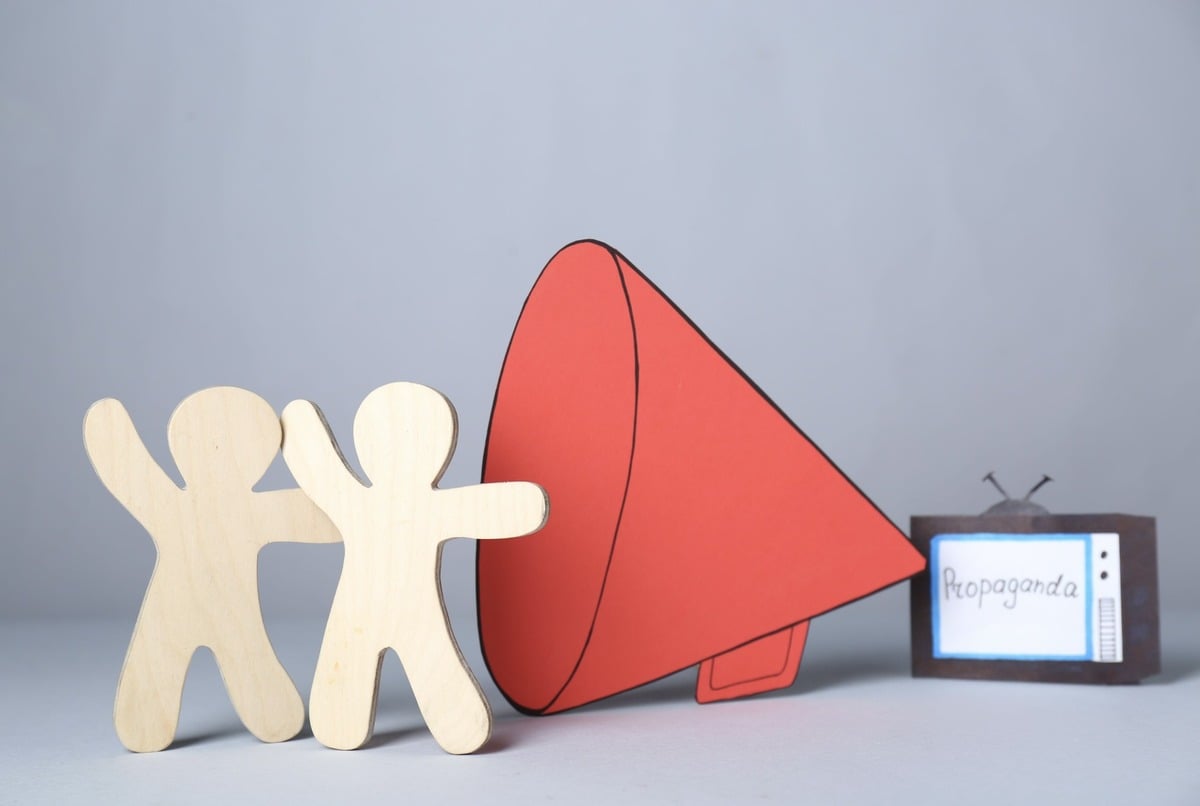
Social media has revolutionised how we access and share information—but when it comes to nutrition, this easy access comes at a cost. One viral video or a glamorous picture can catapult questionable diet trends into the mainstream, often without a shred of scientific backing. While platforms like Instagram, TikTok and YouTube weren’t built as health education tools, they now function as go-to sources for diet guidance. And that’s where the real problem begins.
When Virality Outweighs Accuracy
Algorithms favour engagement, not evidence. Content that triggers curiosity, surprise, or desire—especially around body transformation—gets more shares, likes, and comments. It doesn’t matter if it’s factual. In fact, sensational or extreme claims tend to outperform balanced advice in terms of reach. And once a diet trend hits this level of visibility, it creates a deceptive sense of credibility.
Take the example of the “apple cider vinegar challenge.” Short-form videos show dramatic weight loss “transformations” after daily consumption, yet no context is given. There’s minimal discussion around dosage, individual variability in response, or the existing evidence. In reality, while acetic acid in vinegar might modestly improve insulin sensitivity and appetite regulation (Journal of Functional Foods, 2018), claiming it melts belly fat overnight is simply untrue.
The Power of Aesthetic Manipulation
Don’t underestimate how compelling a before-and-after picture can be. These visuals, often edited or carefully staged, are designed to evoke emotional responses. Add a caption about a ‘3-day miracle detox’ or a ‘Keto tea remedy,’ and suddenly you’ve got a narrative that looks believable. But this strategy is rooted in sales tactics, not nutritional science.
Products marketed through this method—such as detox teas, fat-burning coffees, or sugar-free gummies—frequently contain stimulants like senna (a natural laxative) or unregulated thermogenic compounds. These don’t support sustainable fat loss. What they do is dehydrate the body, offer a false sense of progress, and disrupt digestion or hormone balance.
Diet Myths That Won’t Die Easily
There are a few myths that just keep getting recycled on social media:
- “You need to detox your body with special teas or juices.” Your liver and kidneys already do that 24/7. No external product is required.
- “Carbs make you fat.” No, excessive calories over time cause fat storage, not one macronutrient in isolation.
- “Skipping meals speeds up weight loss.” Skipping meals typically leads to overeating later—counterproductive at best.
At Claudia’s Concept, we look at science, not trends. Our approach centres on nutrient-driven strategies that support metabolism, balance hormones, and create energy—not crash cravings. Clients experience change not after three days, but through sustainable patterns built on credible guidance.
When Social Media Becomes a Health Guide
Platforms now function as de facto health information channels. Millennials and Gen Z are twice as likely to look at TikTok or YouTube for nutrition tips over consulting a qualified expert (British Nutrition Foundation, 2022). That alone should raise a red flag. With no professional gatekeeping, anyone can become a self-styled “nutritionist” within a series of posts.
We are living in a time when a trending hashtag can override years of clinical consensus. And that’s the core of this digital diet dilemma. Until algorithms favour credibility just as much as they favour clicks, misinformation will spread—and people will suffer the consequences. The path to clarity lies in education, transparency, and brands that take responsibility. Exactly what we focus on each day at Claudia’s Concept.
Social Media Algorithms: Fueling the Fire
Why Your Feed Loves Clickbait More Than Science
Ever wondered why buzzwords like “detox,” “miracle fat burner,” or “lose 10 kgs in 10 days” dominate your feed while nuanced, science-backed nutritional advice struggles to surface? That’s not a coincidence. It’s the algorithm at work—an unseen force deciding what shows up on your screen, and what doesn’t.
Social media platforms use engagement-driven algorithms. These systems are hardwired to prioritize content that garners likes, shares, and comments—even if that content is misleading. Sensational diet claims naturally evoke strong reactions. People click, argue, tag friends… and the algorithm gets exactly what it wants. More engagement. So it pushes that content even further.
Evidence-based posts—however credible and accurate—rarely spark the same frenzy. A randomized controlled study? A systematic review of ten years of data? Not as “shareable” as a before-and-after photo with a 7-day juice cleanse. That’s the dilemma.
Inside the Echo Chamber: Your Feed, Reinforcing False Beliefs
Once you engage with questionable diet advice—whether it’s watching a reel, liking a post, or saving a “fat-loss recipe”—the algorithm takes notes. And suddenly, you’re in a nutritional echo chamber. Your feed starts showing more of the same style of content, reinforcing the same myths from new angles: keto extremes, anti-carb fear-mongering, even pseudoscientific takes on fasting schedules.
This echo chamber effect was confirmed by research published in Nature Communications (2021), where digital footprints showed that users engaging with conspiracy-level health misinformation were algorithmically steered toward similarly false content over time. The feedback loop is powerful and hard to break. Content that aligns with your prior behavior gets a boost, while opposing views fade into digital obscurity.
The Dark Side of Personalization: When Habits Shape Misinformation
Personalization seems helpful at first. More of what you like, less of what you don’t. But when it comes to nutrition, this approach can be dangerous. Platforms use your browsing habits—yes, even that quick scroll past a diet reel—to fine-tune your feed. But instead of presenting you with content grounded in credible research, you’re flooded with posts that mimic your viewing history, regardless of truth.
At Claudia’s Concept, we always advocate for bio-individual nutrition—tailoring dietary plans to your unique needs and scientific findings. Personalization should come from controlled diagnostics, not digital guessing based on your double-taps.
Imagine a young teen liking a few “thinspiration” posts. The algorithm sees interest and soon floods their feed with extreme low-calorie diet ideas and harmful comparison visuals. This isn’t hypothetical—it’s happening daily. A 2022 report from The Center for Countering Digital Hate found that eating disorder-related content appeared within minutes to new accounts that engaged with fitness and weight-loss posts.
What does this say about the system? It rewards patterns, not truth. It curates based on clicks, not clinical evidence.
That’s why at Claudia’s Concept, we emphasize digital awareness alongside nutrition coaching. You must know how and why you consume content—because the algorithm certainly does.
Influencers, Accountability & the Power They Hold in Shaping Nutrition Culture
The ‘Fitfluencer’ Phenomenon — A Double-Edged Sword
In recent years, a new class of online authority has emerged—the diet influencer, popularly called the fitfluencer. These are individuals who, through sheer numbers of followers and compelling personal narratives, have cultivated a reputation for being credible voices in the nutrition and wellness space. They showcase dramatic body transformations, curate photogenic meals, and often push trendy diets—all while claiming to lead by example.
However, social media stardom does not equate to scientifically-backed advice. At Claudia’s Concept, I see the real-world consequences of information sourced from charisma rather than credentials: nutrient deficiencies, metabolic disturbances, and deeply ingrained food anxiety. When someone with no formal nutrition or medical training starts advising lakhs of followers on how to eat, the normalization of nutritional myths becomes almost inevitable.
Missing Credentials, Misplaced Trust
The harsh truth? A vast majority of diet influencers have no academic foundation in nutrition science. According to a 2020 analysis published in the Journal of Health Communication, out of 100 top health influencers on Instagram, fewer than 15% had any formal health or dietetic qualifications. Yet, their posts garner millions of likes, shares, and—more crucially—blind trust.
Many followers assume that personal transformation stories equate to universal solutions, when in fact, nutrition requires individualisation rooted in biochemical and lifestyle assessments. At Claudia’s Concept, our process involves evidence-backed protocols, not WhatsApp forwards or fitness fads.
Ethics Can’t Be an Afterthought
Here lies the ethical dilemma: When influencers pitch restrictive diet plans, supplement regimes, or detox teas without scientific validation, they aren’t just promoting questionable practices—they’re putting public health at risk. Many endorse products in exchange for money or brand alliances, making their advice more about influence than impact.
It’s a matter of professional responsibility. When you reach millions with a story, facts matter more than aesthetics. At Claudia’s Concept, we believe sellers of lifestyle should be held to the same standards of truth as any health educator or practitioner.
The Indian Context: Case Studies that Demand Reflection
Let’s talk specifics. In India, several self-styled wellness influencers have promoted dangerously low-calorie diet challenges—some as extreme as sub-800 kcal plans—with claims ranging from rapid fat loss to “complete detoxification”. One such influencer, followed by over 1.2 million young women, endorsed a banana-and-oats detox for ten days. The plan provided less than 30 grams of protein per day, lacked essential fatty acids, and completely omitted iron-rich foods. Nutrition like this isn’t just ineffective; it’s clinically unsafe.
Another mainstream fitness personality pushed a keto-cycling protocol without disclosing the risks of rebound weight gain or micronutrient depletion—issues that are well-documented in clinical nutrition literature like The American Journal of Clinical Nutrition.
These aren’t harmless experiments. They’re influential messages with biological consequences.
The Shift Begins with Responsibility
If influencers want to be perceived as wellness guides, they must be held accountable like any other health communicator. It’s time for credential transparency, collaboration with trained professionals, and rejection of paid promotions that lack scientific validity.
When we choose influence over evidence, we trade human bodies for algorithmic reach. At Claudia’s Concept, we are working to tilt that balance back—towards integrity, insight, and real well-being.
Public Health Fallout: What Diet Misinformation Is Costing Us
The Dangerous Rise of Disordered Eating and Chronic Conditions
Social media has blurred the lines between reliable nutrition advice and unqualified opinion. Scrolling past a 30-second reel promising rapid weight loss through extreme carb restriction or back-to-back fasting routines can leave more than just confusion—it’s leaving behind a trail of health crises. At Claudia’s Concept, we’ve seen firsthand how restrictive diets encouraged by unverified influencers often lead to nutrient deficiencies, hormonal imbalance, and even long-term metabolic damage.
The correlation is clear. According to a 2021 systematic review published in Frontiers in Nutrition, individuals engaging in dietary fads promoted online are at increased risk of developing eating disorders such as orthorexia nervosa—a fixation on “clean” eating that spirals into severe food restriction. Meanwhile, malnourishment caused by extreme veganism, improperly planned keto diets, or extended fasting regimens is rapidly becoming a hidden epidemic, especially among young adults.
When Misinformation Overrides Medical Advice
The ripple effect of bad dietary guidance spreads further when people delay seeking legitimate medical treatment. A 2023 report in The Lancet Digital Health revealed that 1 in 5 individuals who follow restrictive diets based on online content delay medical consultations, often mistaking early signs of illness for detox effects or “healing crises.” This trend isn’t just harmful—it’s fatal in many cases, particularly when serious underlying conditions go untreated for months.
Imagine someone battling chronic fatigue who gets convinced it’s due to gluten rather than investigating thyroid function. These are not isolated cases—they’re increasing, and they’re being reinforced every day through likes, reposts, and comment sections filled with pseudo-scientific validation.
Support Communities That Normalize Destructive Habits
Another deeply disturbing trend is the rise of online spaces that glorify harmful behaviors. Virtual communities promoting pro-ana (pro-anorexia) or extreme calorie restriction not only facilitate eating disorders—they validate them. Members share tactics to suppress hunger, avoid meals during family gatherings, and manipulate weight-check routines. These echo chambers create a dangerous illusion of normalcy around extreme thinness and food aversion.
Moderators fail to flag this content in time, and the algorithms? They push it further into vulnerable users’ feeds. This isn’t just a mental health issue. It’s a public health threat—one that’s growing in silence.
Demonizing Indian Staples: A Cultural Health Crisis
At Claudia’s Concept, we often trace clients’ anxiety around food back to online advice that unfairly targets traditional Indian staples. Rice has been vilified as “fattening,” ghee dismissed as “clogging arteries,” and dal abandoned for fear of carbs. This is not only scientifically inaccurate; it’s an erasure of generations of balanced dietary wisdom.
White rice, a cornerstone of Indian meals, has a low allergenic potential and is easily digestible. In fact, combining rice with dal ensures a complete amino acid profile, making it an effective protein source for vegetarians. Ghee, rich in butyrate and fat-soluble vitamins, supports gut health and immunity. Yet, thanks to widespread misinformation, these foods have been replaced with alien diets devoid of cultural and nutritional context.
It’s time to celebrate traditional nutrition. Not fear it.
Cutting Through Chaos: Why Evidence-Based Nutrition Is Non-Negotiable
The Backbone of Nutritional Truth: What Does “Evidence-Based” Really Mean?
We can’t talk about fixing diet misinformation without grounding ourselves in evidence-based nutrition. This isn’t about opinions or trends—it’s about integrating the best available clinical evidence with professional expertise to guide dietary recommendations that genuinely improve health outcomes. Peer-reviewed studies, conducted under strict scientific protocols and published in reputable journals, form the foundation of this approach.
For instance, take the Mediterranean diet. It’s one of the most documented nutritional patterns, with robust evidence from randomized controlled trials like the PREDIMED study, which showed a 30% reduction in cardiovascular events among high-risk individuals following the diet. That kind of evidence isn’t anecdotal—it’s actionable, and it’s replicable across diverse populations.
Yet on social media, we’re often bombarded with one-size-fits-all diets or quick hacks that magically melt fat or reset your hormones. These claims rarely stem from legitimate data. They often ignore context: metabolic health, individual medical history, or even basic biochemistry. That’s where evidence-based nutrition plays a critical role—it looks at the full picture, not just the likes or viral status of a video.
How Professionals Decode the Data
Clinical nutritionists, registered dietitians, and healthcare providers don’t base decisions on trends. We analyze published research, evaluate the strength of the data, and interpret outcomes within real-world settings. At Claudia’s Concept, every recommendation goes through a rigorous science-backed filtration process before becoming part of a client’s plan.
We ask the hard questions when reviewing evidence: Was the study double-blind? Was there a large enough sample size? Were the results statistically significant? Then we apply what we learn to different nutritional needs—pregnancy, athletic performance, metabolic health, and more. It’s this meticulous process that adds value and safety to dietary advice.
When “Health Benefit” Loses Meaning
“This superfood boosts immunity!” “This drink detoxes your liver overnight!” Sound familiar? These exaggerated claims dilute real science and turn nutrition into a marketplace of pseudoscience. In evidence-based practice, terms like “benefit” are only used when there is measurable, documented improvement seen through clinical outcomes.
Addition of turmeric to a meal, for instance, can reduce inflammation—but not just because it’s labelled a “superfood.” Curcumin, its active compound, has been shown in meta-analyses to impact inflammatory biomarkers like IL-6 and CRP. However, the effect is dose-dependent and context-specific. That’s precisely where social media fails—it strips away nuance and turns complex interactions into over-simplified soundbites.
At Claudia’s Concept, we believe language carries responsibility. Misusing scientific terms like “detox,” “cleanse,” or “burn fat” without clear physiological explanation doesn’t just misinform—it misleads. Nutritional science requires clarity, not clickbait.
So, what gives nutrition its power? It’s not the trendiness of the food—it’s the science that confirms its effect. And that’s the beacon guiding us through the noise.
The Role of Healthcare Professionals in the Social Media Era
Health Experts as Digital Educators
Today, the digital world demands more than clinical expertise from healthcare professionals. It’s no longer just about who walks through the clinic doors—it’s about who scrolls through your content. Doctors, dietitians, and evidence-informed nutritionists must step into the digital spotlight not as marketers, but as educators. And this shift isn’t optional; it’s imperative.
As a celebrity nutritionist committed to science-backed wellness, I’ve seen firsthand how a single post on social media can influence thousands—instantly. At Claudia’s Concept, we build our digital nutrition strategy on truth, not trends. Every post, every fact, every recommendation undergoes rigorous scrutiny before it reaches your feed. Why? Because that’s the standard the health community must own.
Myth-Busting with Verified Voices
When health myths circulate unchecked, they gain power. “Carbs make you fat.” “Detox teas cleanse your liver.” “Intermittent fasting works for everyone.” You’ve seen these claims. Maybe you’ve even tried one based on someone’s dramatic before-and-after photo.
This is precisely where verified healthcare professionals need to act—loudly and often. A blue checkmark isn’t just a status symbol. On social media, it’s an accountability badge. When used wisely, it reassures users that what they’re about to read came from someone qualified, not someone popular. For example, a 2020 study in BMJ Open found that medical content posted by verified health professionals scored significantly higher in credibility and user trust than content by unverified influencers.
But the job doesn’t end at posting truths. Collaboration is key. Public health campaigns must include social engagement strategies designed by healthcare professionals themselves. When governments or organizations release dietary guidelines, they must ensure those guidelines are backed by strong digital storytelling—infographics, reels, stories. Information should be shareable without being sensationalized.
Tackling India’s Unique Challenges
In India, the role of healthcare professionals in the digital sphere comes with deeply specific challenges—and those must be addressed with nuance.
- Language Diversity: India recognizes 22 official languages and has hundreds of dialects. A one-size-fits-all messaging strategy fails here. If a nutritionist shares content only in English or Hindi, large portions of the population remain untouched. We need multilingual nutrition educators, regionally fluent professionals willing to localize content accurately—without diluting scientific integrity.
- Digital Accessibility: Despite rising mobile penetration, rural communities still wrestle with limited internet infrastructure. But even in lower-connectivity zones, WhatsApp forwards and Facebook groups dominate nutrition conversations. Healthcare professionals must learn to engage on these platforms using low-data formats like audio notes, regional-language infographics, and short-form text messages to build grassroots awareness.
At Claudia’s Concept, we constantly adapt to this reality. Our nutrition content is being regionalized, simplified where needed, all while preserving its core evidence base. Because access to real nutrition education isn’t a luxury—it’s a right.
So here’s the call to action: whether you’re a physician, a clinical dietitian, or a certified nutritionist, your presence online is no longer optional. Your silence leaves a void—one that misinformation will always be quick to fill. Let’s reclaim that space, together.
Building Digital Literacy to Fight Diet Misinformation
We Scroll, We Believe – But Should We?
How often do we find ourselves scrolling through social media and stumbling upon a celebrity-endorsed miracle fruit, a detox tea promising visible abs in 10 days, or an influencer promoting a “new science-backed” eating plan? It looks polished. It sounds convincing. And yet, more often than not, it’s nutritionally flawed or completely unfounded.
As a nutritionist and wellness educator, I see this digital confusion daily. And through Claudia’s Concept, I prioritise educational empowerment—because understanding food science must become as common as knowing how many steps are in a Surya Namaskar.
Dismantling the Anecdote Fallacy
One viral story isn’t a scientific truth. A post that starts with, “This worked wonders for me—so it will work for you too,” isn’t research. It’s anecdotal evidence—and it lacks reproducibility, control groups, peer review, and credibility.
Let’s take intermittent fasting as an example. Some influencers rave about their weight loss using the 16:8 method, and while there’s credible science supporting time-restricted feeding, such as a 2020 study in Cell Metabolism showing improved cardiometabolic health in prediabetic adults, these results stem from controlled trials—not social media summaries.
What we need to remember is simple: personal transformation stories are inspiring, but they aren’t universal truths. Digital literacy means knowing the difference between evidence-based guidance and personal marketing.
The Truth Behind the Image: Verifying Nutrition Claims
So how do we evaluate a trendy health post or video? Here’s what I suggest you ask before you click share:
- What’s the source of this information? Reputed journals, university studies, or registered nutritionists lend credibility; if the source is an unknown blog or a supplement-selling page, caution is needed.
- Are there citations or links to scientific studies? A good infographic should reference data—not just buzzwords.
- Is the tone alarmist or absolute? Claims like “never eat fruit after 6 PM” or “this herb burns belly fat” are red flags. Effective nutrition advice avoids extremes.
At Claudia’s Concept, we curate digital learning modules that help readers develop these critical analysis skills with confidence. We simplify diet science so our audience becomes smart consumers of content, not victims of it.
Red Flags to Watch Out for—Know the Warning Signs
Some misinformation is more subtle, wrapped in half-truths and visual appeal. But often, false diet content follows predictable patterns. Watch out for:
- “Cure-all” foods or plans: No food will fix everything. Balanced diets don’t rely on silver bullets.
- Elimination without explanation: Cutting out entire food groups like carbohydrates or dairy without medical guidance suggests unscientific ideology.
- Manipulated before-and-after photos: Lighting, posture, angles, and filters easily distort the truth.
- Testimonials from people with no professional license: Always check if the creator is qualified in nutrition or medicine.
Diet trends should never feel like magic tricks—they should feel like well-researched decisions that support sustainable health.
Local Language Content: Bridging the Knowledge Gap in India
India is a nation of vibrant linguistic diversity, yet many evidence-based nutrition resources are available only in English. This creates a significant gap—especially in rural and non-English-speaking communities who are heavily influenced by WhatsApp forwards, unverified videos, and culturally flavoured myths.
To counter this, I’m working with educators and creators through Claudia’s Concept to develop region-specific content in Hindi, Tamil, Marathi, and other regional languages. These resources break down complex dietary principles into clear, culturally sensitive, and easy-to-understand information.
Think of a grandmother in Pune learning about portion control in Marathi, or a college student in Kolkata comparing GI values of foods thanks to a Bengali infographic—this is the power of accessibility.
The Future is Digital—but Smarter
Digital literacy in nutrition isn’t about learning new rules—it’s about decoding illusions. It’s about understanding where science ends and where marketing begins. And when we do that, not only do we protect our own well-being, but we empower others to rise with us.
What Must Change: A Multi-Layered Action Plan
We’re not facing a passive flow of misinformation — it’s an active ecosystem that feeds on confusion, aesthetic pressure, and low regulation. As a celebrity nutritionist and founder of Claudia’s Concept, I’ve seen first-hand how misleading diet content leads to real-world consequences. It’s time to flip the narrative. The solution needs to be bold, structured, and collaborative — involving platforms, professionals, influencers, regulators, and individuals alike.
For Social Media Platforms: Reframe Their Core Responsibilities
Social media giants must stop functioning as passive conduits. Their algorithms favour shareable content, not necessarily credible content. A shift in policy is overdue.
- Flagging Unverified Diet Content: Platforms must strengthen moderation systems using AI and human oversight to identify and flag non-evidence-based dietary claims — especially those involving weight loss supplements, extreme fasting, and ‘detox’ trends.
- Prioritise Professional Voices: Verified medical and nutrition professionals need algorithmic amplification. For example, Twitter’s (now X) “blue badge” could be expanded with a visible tag for verified clinical expertise, similar to the NHS’s partnership with TikTok in the UK, which connects users to real science-based information when searching health terms.
For Influencers: Accountability Can Coexist With Influence
Influencers carry tremendous reach, but with reach comes responsibility. They shape beliefs, self-image, and even the dietary behaviours of millions. It’s time to establish ethical boundaries.
- Mandatory Disclaimers: Influencers with no clinical background must clearly disclose when content is based on personal experience rather than medical evidence. This isn’t censorship — this is clarity.
- Partnerships With Registered Nutritionists: Collaborations should move beyond aesthetics. A fashion or fitness influencer should consult with certified dietitians when delivering content that impacts metabolic health or disease prevention. Think of it as co-creating with a conscience.
For Healthcare Professionals: Reclaim the Digital Nutrition Space
Evidence-based nutrition is not dry, complicated jargon. It’s powerful, applicable, and often life-changing — when presented right. My work with Claudia’s Concept proves that professional-backed content can educate and empower without losing audience interest.
- Increase Digital Presence: India’s National Medical Commission has begun encouraging medical professionals to join digital platforms — an essential move. Professionals must go where the misinformation is thriving, and neutralise it with clarity and authority.
- Create Accessible Content: Break down dietary guidelines into engaging visuals, reels, and short-form explainers. A 2021 study by the American Journal of Health Promotion found that nutrition videos under two minutes were 46% more likely to be shared when they included relatable language and real-life examples.
For Regulators: Make Policy Match the Pace of Innovation
Digital health content is spreading faster than current legal frameworks can manage. Regulatory bodies — in India and globally — need to bridge this gap.
- Enforce National Policies on Digital Health Education: India’s Ministry of Health can model initiatives like Health Canada or the U.S. FDA’s Consumer Health Information program, creating guidelines for online content attribution and disclaimer practices.
- Partner With Platforms: Regulatory watchdogs must work directly with social media companies to flag misleading content and redirect traffic to government-backed or peer-reviewed educational resources.
For the General Public: Build Smarter Audiences
You’re not just a consumer — you’re part of the ecosystem. Let’s shift from passive scrolling to conscious questioning.
- Strengthen Digital and Nutritional Literacy: Schools, colleges, and employers must engage in structured programs that teach how to assess online health content. A 2020 study from Digital Health Reports confirmed that viewers with basic media literacy are 62% less likely to share or act on false dietary claims.
- Use Verified Sources: Go beyond influencer reels and opt for content from certified nutritionists, public health institutions, or evidence-backed platforms like Claudia’s Concept, where clinical expertise meets practical nutrition guidance, all rooted in science.
This action plan isn’t aspirational — it’s achievable, when every layer of this health communication pyramid takes active steps. Start noticing what you consume both on your plate and on your feed — both shape your wellbeing.
Rethinking What We Feed Our Minds: Toward a Healthier Information Diet
The explosion of diet misinformation on social media isn’t just a glitch—it’s a systemic reality. The digital ecosystem, shaped by algorithmic incentives, commercial interests, and unverified content, too often puts virality before veracity. From fat-burning teas endorsed by influencers to dangerous detox plans circulating like wildfire, this misinformation has real health consequences across India and beyond.
To address this, responsibility cannot fall on one group alone. It’s a collective effort that demands accountability from every layer of the digital nutrition ecosystem. Platforms must refine algorithms to prioritize evidence-based content. Educational institutions need to empower students with digital health literacy. Public health authorities must engage more actively online. And users? We must ask better questions, seek credible sources, and hold trend promoters accountable.
At Claudia’s Concept, we believe every bite of information we consume shapes how we nourish our bodies. Just as we train our palates to prefer whole, natural foods, we must also train our minds to recognize truth and reject nutritional nonsense. This is how we shift from an information flood to informed choices.
Here’s where you come in:
- Pause before hitting that ‘share’ button. Would you follow the diet yourself without understanding the science?
- Follow clinical experts and nutritionists with credentials, not just followers. Trust comes from science, not popularity.
- Prioritize Indian health sites affiliated with medical and nutritional institutions.
- Ask when scrolling: Is this advice actionable, evidence-based, and relevant to my health condition or disease risk? If not, scroll on.
- Share positive examples of real wellness—like the proven benefits of Indian superfoods such as amla, turmeric, and moringa—when they’re backed by science, not fads.
We’ve made ‘clean eating’ a buzzword. Now it’s time to focus on clean content. That shift starts with intention—and action. So the next time a viral diet claims to cure everything from diabetes to dull skin, ask yourself: Does it nourish your mind the same way balanced food nourishes your body?
Indian wellness wisdom has always emphasized balance—not just in diet, but in thoughts, habits, and lifestyle. Claudia’s Concept encourages this holistic approach. True health comes when we align what we feed our bodies with what we feed our minds.
The future of food information doesn’t just belong to nutritionists, doctors, or tech platforms. It belongs to all of us—because every click, every follow, and every post shapes the health of our digital nutrition space.