
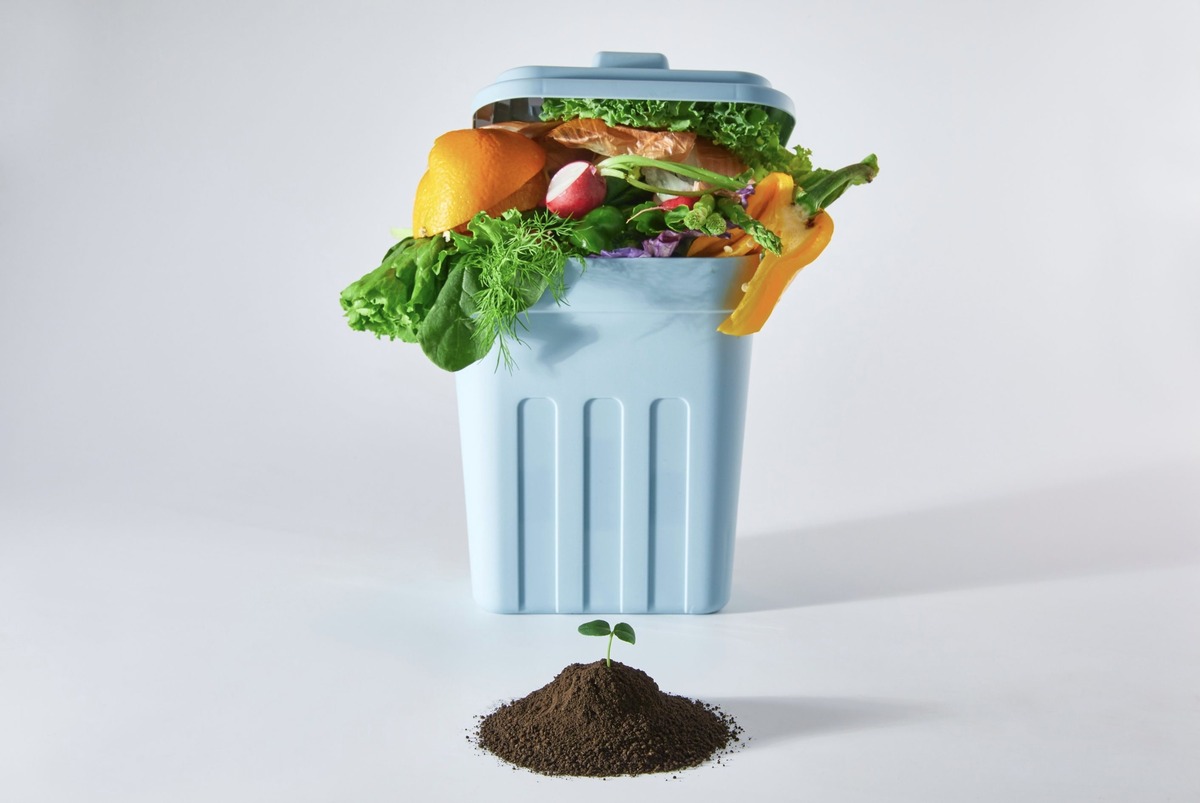
Every time food is thrown away, whether it’s bruised tomatoes left unsold at a market or extra rice scraped off a dinner plate, it’s not just a personal loss — it’s a national crisis. In India, food waste is an overlooked villain in the narrative of climate change and hunger. The problem is far greater than one might assume.
Food waste in India happens at three major levels: post-harvest (when food is lost during handling, storage, or transport), retail (in shops or mandis where unsold produce perishes), and household (where food is prepared yet not consumed). Each stage of this chain contributes to avoidable loss, both in terms of resources and human potential.
Here’s where it gets alarming — according to the United Nations Environment Programme, India loses approximately 67 million tonnes of food each year. That’s nearly the weight of 11 million elephants. Economically, this translates into a staggering loss of over ₹90,000 crore.
The most commonly wasted include cereals like wheat and rice, perishable fruits and vegetables, and essential pulses. These are not just staple items; they are pillars of Indian nutrition and agricultural sustainability.
Why does this matter? Because the food we waste doesn’t simply vanish — it decomposes and releases methane, a greenhouse gas over 25 times more potent than carbon dioxide over a 100-year period. At Claudia’s Concept, our focus is on understanding these intricate links between what’s on our plate and the health of our planet. Let’s uncover how reducing waste can nourish people and protect our environment — simultaneously.
The Agricultural Supply Chain: Where the Waste Begins
When we trace the origins of food waste in India, the trail often starts at the very first link—our agricultural supply chain. It’s not just a matter of produce being discarded at the consumer level. In fact, the wastage begins long before food reaches markets or households.
The journey of food from Indian farms to consumer plates is fraught with inefficiencies. At Claudia’s Concept, we often point out that nutrition is not just about what we eat, but also about preserving the food ecosystem that supports healthy diets. Let’s now unpack how systemic gaps in India’s farm-to-fork model lead to enormous losses and missed nutritional opportunities.
Poor Harvesting Techniques
India’s smallholder farmers frequently rely on traditional harvesting tools and techniques, which are not always effective for modern crop yields. Delicate fruits and vegetables like tomatoes, mangoes, and bananas are particularly vulnerable. Without the use of proper cutting tools, storage crates, or trained labor, a large portion of the harvest gets damaged before it even leaves the farm.
According to a 2019 report by the Indian Council for Research on International Economic Relations (ICRIER), post-harvest losses in India for select crops range between 4.6% and 15.9%, depending on the commodity. That’s nearly one-sixth of a crop’s total output wasted before it’s even sold.
Inadequate Transportation and Logistics
Even if crops are harvested with care, they face an unforgiving journey to the marketplace. Many rural roads are unpaved, riddled with potholes, and susceptible to flooding during monsoon. Without reliable cold-chain logistics, perishable goods deteriorate quickly during transit across long distances.
In the absence of refrigerated trucks or shock-proof packaging, fruits, vegetables, dairy products, and even meats are often exposed to heat, humidity, and physical shock. A study by the Central Institute of Post-Harvest Engineering and Technology (CIPHET) estimated that transportation-related losses account for nearly 5-6% of total food wastage across perishable commodities.
Now imagine the scale: India is the second-largest producer of fruits and vegetables in the world. This kind of loss equates to millions of tonnes of wasted food annually.
Lack of Processing Units in Rural Markets
Much of the surplus produce in India’s villages never makes it past the local mandi. Why? Because there are simply not enough agro-processing units near production zones, especially in the eastern and central states. When seasonal produce like tomatoes, onions, or papayas come in surplus, the local markets get flooded, and prices collapse.
Without local processing facilities to convert raw produce into shelf-stable products—think ketchup, dehydrated onions, or papaya pulp—this food becomes worthless overnight. Farm-level value addition could drastically reduce waste and increase rural incomes, but it remains underutilized due to lack of investment and awareness.
Market Dynamics and Seasonal Price Crashes
Every year, news headlines show farmers dumping heaps of tomatoes on roads or letting cauliflower rot in fields. Why? Because the price drops so low during peak harvest that transporting the produce costs more than it would earn.
Take Maharashtra, for example. In 2022, a bumper tomato crop drove prices down to ₹1–2 per kg in local mandis. Many farmers had no choice but to discard their harvest altogether. This is not a one-off incident. Repeated across crops and regions every season, this pattern contributes deeply to the food waste dilemma.
- Perishable crops like fruits and leafy greens are the most vulnerable.
- Lack of forward contracts and predictable pricing puts farmers at the mercy of volatile markets.
- Inadequate storage and absence of procurement schemes leave producers without a Plan B.
At Claudia’s Concept, we believe that preventing waste begins at the root level. Tackling agricultural inefficiencies isn’t just a policy challenge—it’s a nutritional imperative. Because every kg of produce lost in this broken chain is not only wasted calories but also unrealised vitamins, minerals, and proteins that could nourish millions.
What if we could transform this system? Think local processing hubs, skill training in harvest best practices, and a predictable pricing framework. Food from Indian farms doesn’t need to end up as trash. It can empower health, strengthen economies, and build a more sustainable future.
Cold Storage and Infrastructure Gaps: A Cold Reality
Picture this: a farmer in rural Uttar Pradesh harvests a bumper crop of tomatoes. They’re fresh, ripe, perfectly edible. But without a nearby cold storage facility, those tomatoes sit in the open heat, wilting hour by hour. By the time they reach the mandi, nearly 30–40% are unsellable. This is not an isolated incident—this is India’s cold chain crisis unfolding every single day.
India’s Cold Chain Shortfall: What the Numbers Reveal
India produces over 400 million tonnes of perishable produce annually, yet less than 10% of perishables are kept under the adequate cold chain conditions they require. That’s according to data from the National Centre for Cold Chain Development (NCCD). A mere fraction of the produce survives the journey from farm to plate. What does this mean in real terms? Food worth crores is lost long before it can nourish a single person.
The cold storage shortfall isn’t just about lack of refrigerator units or deep-freeze warehouses. It’s about a system-wide absence of integrated infrastructure—available when and where it’s needed most. From mobile reefer trucks to pre-cooling systems at farms, the links are weak or missing. This has led to a situation where only providing cold storage alone won’t fix the problem; the entire chain needs an overhaul.
Urban-Rural Divide: A Mismatch That Costs Lives and Crops
Here’s an uncomfortable truth: existing cold storage facilities are concentrated in urban and semi-urban areas, often near processing units or large consumer markets. The irony? Rural producers, who grow the food, are mostly shut out from it.
States like Maharashtra and Punjab rank higher in cold storage capacity, thanks to export-focused agribusinesses and policy advocacy. But regions like Bihar, Odisha, and Madhya Pradesh—states with large agrarian populations—lack even the basics. This geospatial mismatch means food spoils in the fields while city infrastructure sits underutilized or misaligned with seasonal requirements.
Poor Planning and Missed Priorities in Rural India
Dig a little deeper, and another root cause emerges: weak municipal planning in rural warehousing and logistics investment. The absence of forward-looking infrastructure blueprints in Gram Panchayats and district-level bodies leads to bottlenecks during harvest season. While funds are available under schemes like the Mission for Integrated Development of Horticulture, the lack of proper execution and private-public synergy leaves potential unrealized on the ground.
I’ve seen this firsthand through Claudia’s Concept programs in Maharashtra’s Satara district—farmers with abundant produce but no viable storage or timely access to markets. Collaboration helped us introduce small-scale cold rooms using solar energy, extending shelf-life and cutting spoilage by 25% in the first season. Real solutions, real results.
What Needs to Change?
- We must decentralize infrastructure —bring cold storage to rural clusters, not just cities.
- Adopt modular, mobile cold chain units that connect farms to mandis efficiently and affordably.
- Leverage clean energy innovations like solar-powered storage to bridge electricity gaps in off-grid areas.
- Incentivize local agri-entrepreneurs to invest in micro-cold storage as a business opportunity.
By transforming our infrastructure strategy, we won’t just save food—we’ll uplift rural economies, reduce hunger, and slow climate change. The ripple effect is undeniable. This is what we prioritise at Claudia’s Concept: aligning nutrition, sustainability, and smart innovation—starting from where the problem begins: the field.
Urban Bins Overflowing: Food Waste in City Markets and Homes
Inefficiencies in Municipal Distribution and Waste Handling
Step into any major Indian city—Mumbai, Delhi, Bengaluru—and the glittering grocery aisles and sprawling mandis tell only half the story. Behind this abundance lies a broken chain of distribution and handling. Municipal systems, overwhelmed by volume and lacking coordination, often discard edible surplus due to unstructured collection processes and poor demand forecasting.
According to a 2021 study by the Indian Council for Research on International Economic Relations (ICRIER), urban wholesale markets lose up to 20% of perishable produce daily before it even reaches retailers. These losses aren’t due to spoiled goods alone; logistics failures, inadequate segregation of waste, and delayed pickups are the real culprits. At Claudia’s Concept, we work closely with city-based nutrition initiatives to help bridge this disconnect between surplus and scarcity.
Overbuying and Underutilization at the Household Level
Now let’s open the kitchen cabinet. Urban households are increasingly guilty of over-purchasing. With growing incomes and easy access to supermarkets and hyperlocal delivery apps, families stock more than they need—and toss what they don’t use. The Food and Agriculture Organization (FAO) estimated that approximately 67 million tonnes of food are wasted annually in India, and a notable share of that stems from homes in cities.
Think about this: the average urban Indian home wastes up to 50 kg of food per person per year, as per a UNEP Food Waste Index 2021 report. Meal planning, mindful buying, and intelligent storage are simple shifts we promote at Claudia’s Concept to stop this silent leak in everyday nutrition.
Retail and Restaurant Waste: A Hidden Mountain
Restaurants, hotels, and retailers often discard massive quantities of food—not because it’s spoiled, but simply because it hasn’t sold. Buffet-style dining, large portion sizes, and rigid food safety policies in retail often result in kilograms of edible food reaching landfills every evening.
Studies by the Food Safety and Standards Authority of India (FSSAI) suggest that hospitality and retail sectors contribute approximately 23% of total urban food waste. Much of this could be reclaimed or redirected through systematic food recovery and redistribution models, a direction Claudia’s Concept has been actively supporting in community food rescue networks.
The Invisible Weight of Unawareness and Inaction
One of the biggest drivers of waste remains invisible: lack of awareness. Urban citizens are often unaware of just how much they discard or the ripple effects this has on our climate and underserved populations. Structured education around food conservation and community-based waste reduction programs is painfully rare.
Compounding this is the lack of city-level food recovery frameworks. Without established systems that connect unserved food to those in need, edible supplies end up discarded. In countries like the United States and France, “food rescue laws” and strong nonprofit support reduce this gap. India, though making strides, still has vast room for leadership.
Teaching people how to evaluate food freshness rather than just relying on “best before” labels is a shift we advocate at Claudia’s Concept. Rest assured, behavioural change—not just infrastructure upgrades—will drive the next chapter in India’s fight against urban food waste.
Hunger and Malnutrition: A Preventable Crisis
Every morsel of food wasted in India tells two devastating stories: one of a warming planet and another of a hungry child. According to estimates by the Food and Agriculture Organization (FAO), India is home to over 189 million undernourished people — that’s nearly 14% of the entire population. While some of us scrape leftovers into bins, millions are missing out on basic nutrition daily. The connection between food waste and hunger isn’t abstract. It’s painfully real, tangible, and solvable.
Let’s put numbers in perspective. The Indian Council of Medical Research (ICMR) defines the minimum dietary energy requirement for an average adult at roughly 2,400 kcal per day in rural areas and 2,100 kcal in urban ones. Much of the food we waste contains these exact calories, proteins, fats, and micronutrients that the underserved population desperately needs. In fact, a 2019 study in the journal Resources, Conservation & Recycling reported food waste in India spiral to nearly 67 million tonnes annually, enough to feed the entire country’s undernourished population twice over.
At Claudia’s Concept, we see this wastage as not just a nutritional catastrophe but a moral crisis. Imagine redirecting just a fraction of that edible surplus — from wholesale mandis, restaurants, or even our kitchens — into structured nutrition channels. Meals rich in iron, Vitamin A, and protein can halt the progression of anaemia, underweight conditions, weakened immunity, and stunted growth in children. These are not luxury nutrients — they are the building blocks of life and learning.
The Urban-Rural Divide: A Tale of Two Plates
Access and affordability play central roles in why food never reaches the hungry. Urban India, with its expanding middle class, discards food in uneaten restaurant buffets, festive overindulgence, and oversized home-cooked meals. Meanwhile, rural India often finds itself unable to secure three meals a day, not because food isn’t grown nearby, but due to distribution flaws, price hikes, and poor infrastructure.
NFHS-5 (National Family Health Survey) data underscores this divide. While urban households report nearly 25% wasting of perishable foods due to improper storage, 35.5% of children below 5 years in rural India suffer from stunted growth. Wasted food, if properly managed and equitably directed, could drastically reduce such disparities.
The Cost to India’s Future
Malnutrition isn’t just a humanitarian issue. It’s a direct hit to India’s economic future. The Global Nutrition Report has pointed out — poor nutrition leads to lower school performance, reduced productivity, and excess strain on the healthcare system. The World Bank estimates that childhood stunting alone can reduce a nation’s GDP by up to 11% annually. That’s not just a number; it’s a measure of lost potential, diminished innovation, and stifled human capital.
Through Claudia’s Concept, I’ve worked with communities to build not only awareness, but real-time strategies to bridge this gap. These include nutrition mapping at the grassroots level, food recovery from urban centres, and sustainable diet plans tailored for low-income families using locally available superfoods. These solutions are scalable, affordable, and life-saving.
So here’s a question I invite you to reflect on: If the food on your plate could change someone’s life, would you look at waste differently?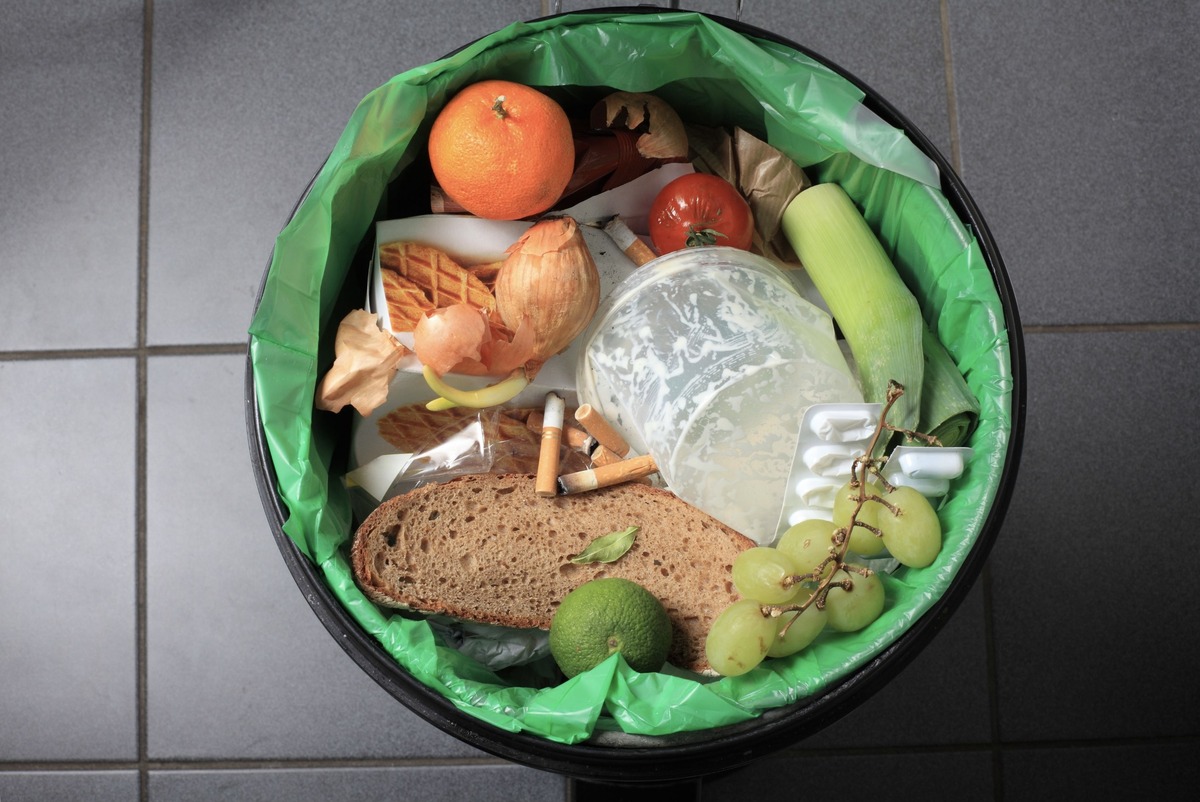
Climate Change: The Cost of Wasting Food
What happens when a mango left to rot in a Delhi market or an uneaten thali thrown away in Mumbai ends up in a landfill? It’s not just a piece of fruit or a plate of food—it’s a small yet potent contributor to one of the world’s most urgent challenges: climate change. Most people don’t immediately connect food waste with global warming, but the link is undeniable—and deeply troubling. At Claudia’s Concept, we believe change begins with awareness. Let’s connect the dots.
When Food Rots, Methane Rises
Here’s a startling fact: when organic waste like vegetables, grains, or leftover chapatis is disposed of in landfills, it breaks down anaerobically—without oxygen. This process releases methane (CH₄), a greenhouse gas that is 84 times more potent than carbon dioxide over a 20-year period, according to the Intergovernmental Panel on Climate Change (IPCC, 2021).
India generates approximately 68.8 million tonnes of municipal solid waste annually, and over 50% of this is organic. According to a 2022 report by the Central Pollution Control Board, most of these biodegradable materials end up in unmanaged open dumps. That’s not just poor waste management—it’s a hotbed for methane generation that warms the planet faster and more aggressively than expected.
Feeding Climate Change with Wasted Resources
Each grain of rice or drop of milk wasted has already consumed valuable natural resources: water, arable land, energy, and fertilizers. When that food is discarded, everything used in its production is lost, and the environmental footprint intensifies.
- Water: Think of this—1 kg of rice requires up to 5,000 litres of water to grow. Imagine the scale of waste when a tonne of rice doesn’t reach the plate.
- Fuel and energy: Consider the diesel used in tractors, the electricity for cold storage, the transport fuel—each part of the food supply chain consumes fossil fuels, adding to India’s carbon emissions.
- Land use: Land cleared and cultivated for food, when wasted, represents lost carbon sequestration potential, further tipping our environmental imbalance.
Agriculture’s Carbon Footprint in India
India’s agricultural sector is a double-edged sword. It sustains over half the population but also contributes significantly to national emissions. Based on data from the Ministry of Environment, Forest and Climate Change (MoEFCC), agriculture alone was responsible for roughly 18–20% of India’s total greenhouse gas emissions in recent years. Methane from rice paddies, nitrous oxide from fertilizers, and emissions tied to livestock all add pressure on our carbon budget.
Now, when a portion of this agriculturally produced food gets wasted—before it even hits the table—we’re inflating that carbon cost without reaping any nutritional benefits. It’s a complete sustainability failure.
Wasted Food = Missed Climate Goals
India has committed to reducing emissions intensity of GDP by 45% by 2030 under its Nationally Determined Contributions (NDCs) to the Paris Agreement. Reducing food waste isn’t just a moral imperative—it’s a strategic tool. If properly tackled, it can decrease methane emissions, conserve resources, and contribute to India’s climate targets.
At Claudia’s Concept, we champion mindful eating, responsible consumption, and smarter food systems. Every meal planned better, every leftover used wisely, becomes a quiet yet powerful action towards environmental healing.
Ask yourself: what’s the real cost of the food you waste? And what if every bite saved could cool the planet just a little?
Why India’s Municipal Waste Management System Needs a Nutritional Makeover
What Happens to Food Waste After It Leaves Our Homes?
Once food waste exits residential or commercial spaces, it enters the municipal ecosystem—a network where decisions and infrastructure dictate whether that waste turns into an environmental hazard or a sustainable asset. Yet in India, this critical step often becomes a missed opportunity for combating hunger and climate change. The reason? Most municipal systems are still operating with outdated, ineffective waste management models.
No Segregation, No Solution: The Root of the Problem
The journey of food waste within municipalities often begins chaotically. The majority of Indian urban households and commercial establishments do not segregate wet and dry waste at source, and that’s where the trouble starts. According to a 2020 report by the Central Pollution Control Board (CPCB), only 43% of urban Indian wards practice any form of waste segregation. When biodegradable kitchen scraps get mixed with plastic, metal, and other non-compostables, the potential to recycle, compost, or generate energy is lost entirely.
Instead of nourishing soil or generating clean energy, food waste ends up bloated in landfills, releasing toxic leachates and methane—a greenhouse gas 25 times more potent than carbon dioxide over a 100-year period. This tipping point is where climate change is inadvertently fed by mismanagement, spoonful by spoonful.
Inconsistent Municipal Support: A Patchy Landscape
Some Indian cities have taken inspirational leaps—think Indore’s model of decentralised composting or Pune’s collaborations with waste-pickers for segregated collection. However, these remain isolated cases. Across most municipalities, support for composting or bioenergy initiatives is inconsistent at best. Funding gaps, lack of technical expertise, and a missing sense of urgency from local governance mean that large-scale food waste-to-resource models remain grossly underutilised.
Without uniform frameworks or scalable programs, sporadic interventions fail to address the systemic nature of food waste mismanagement. What we truly need is integration—between citizens, municipalities, and innovative solutions like Claudia’s Concept Food Circularity Pilot, which links local kitchens to municipal composting hubs to feed both soil and social impact.
Turning Waste into Wealth: Tapping into Missed Opportunities
Here’s the real irony. The mountains of food waste decaying in our landfills could have been a goldmine—economically, socially, and environmentally. According to a joint study by FICCI and Tata Strategic Management Group, the waste-to-energy sector in India holds the potential to generate over 3,000 MW of electricity annually. Yet, less than 5% of food waste ends up in bioenergy programs.
But that’s not the only missed opportunity. Composting units can create rewarding jobs, reduce landfill volumes, and even boost agricultural yield through organic soil enrichment. Imagine city-run composting units supplying nutrient-rich compost to peri-urban farmers. The model isn’t hypothetical—it’s working in places like Ambikapur, Chhattisgarh, where decentralized waste processing has turned garbage into employment, dignity, and municipal revenue.
- Employment: Waste-to-value systems can create thousands of local jobs, especially for marginalised groups such as waste-pickers.
- Revenue: Compost and biogas are monetisable assets with growing demand in organic farming and renewable energy sectors.
- Public Health: Managing food waste reduces vector-borne diseases and improves urban hygiene indices.
Through Claudia’s Concept, we’ve started collaborating with local authorities to design community-integrated food waste hubs—mini ecosystems that not only close the loop on food loss but also open avenues for climate resilience and nutritional equity. These aren’t side projects; they are the center of a future-ready food system.
So, What’s Next on the Menu?
Ask yourself this: if food is sacred, why allow it to rot unused in landfills? Why should hunger and climate crises deepen due to simple missteps like missing a segregation bin?
India’s municipal ecosystem holds the keys to transforming food waste from a crisis into capacity. All it requires is vision, collaboration, and a modern plate for waste management—something we’re actively cultivating at Claudia’s Concept through community partnerships and policy dialogues.
The Policy Puzzle: How Government Action Shapes Food Waste and Food Security in India
Existing Policies: Foundations Laid, but Gaps Persist
India has taken significant steps toward strengthening food security and managing food surplus through strategic policies. The National Food Security Act (NFSA), enacted in 2013, is one of the most ambitious food welfare programs globally. It legally entitles approximately two-thirds of India’s population—over 800 million people—to receive subsidised grains. This commitment guarantees food for the vulnerable but also creates a structural need for robust procurement and distribution systems.
Supporting this, the Pradhan Mantri Kisan Samman Nidhi (PM-KISAN) provides direct income support to farmers, enabling them to invest in better productivity and storage. Simultaneously, the Food Corporation of India (FCI) manages buffer stock procurement, which is crucial during price volatility or crop failure. Together, these programs aim to stabilise food availability and protect smallholder income, establishing a safety net against food scarcity.
Where Policy Falls Short: Enforcement and Coordination Challenges
However, having policies on paper does not guarantee effective execution. One of the key weaknesses lies in fragmented enforcement and poor logistical coordination. Food grains often rot in storehouses due to overstocking and outdated storage facilities, while hunger persists in urban slums and rural interiors. Shockingly, the FCI reported over 100,000 metric tonnes of food grains damaged or wasted in public warehouses between 2017 and 2021 alone. This wastage is not for lack of food, but lack of planning and real-time redistribution networks.
Imagine the impact of a centralised digital food redistribution grid—one that connects surplus nodes such as godowns and large farms to deficit zones like drought-affected districts or informal settlements. Geo-tagged data, predictive analytics, and AI-enabled inventory monitoring could match supply and demand daily. This vision isn’t far-fetched. In fact, models like this have been piloted in Brazil and South Korea with measurable success.
Fuelling Innovation: Why Agritech Needs a Policy Push
When it comes to cutting-edge solutions, India is brimming with talent. But current policy frameworks rarely offer incentives for agritechstartups or waste reduction technologies. Brands that use blockchain for transparent farm-to-fork traceability or IoT-based cold supply chain optimisation exist, but they’re often bootstrapped or ignored by mainstream food programmes.
This is where the transformation must begin. Policies should do more than deliver subsidies—they should nurture innovation, streamline inter-ministerial coordination, and elevate private sector involvement. Startups working on precision agriculture, solar-powered cold chains, or AI-driven yield forecasting need tax rebates, R&D grants, and seamless integration with procurement entities like FCI.
At Claudia’s Concept, Solutions Are Synced With Policy
Whenever I work on community nutrition or food recovery projects through Claudia’s Concept, I see how much synergy is missing between grassroots action and top-down policy. If every village were empowered with tech-enabled food hubs and real-time harvest tracking, we could drastically reduce spoilage before it ever reaches a mandis. The key lies in transforming governance into a living, breathing ecosystem of innovation, efficiency, and empathy.
So, what can you do? Ask your representatives what support they’re giving to agritech. Stay informed about food policy reforms. And if you’re involved in food supply in any way—farming, transport, retail—consider how a bit of coordination can prevent a lot of waste. We don’t need more food; we need smarter systems. And that begins with action, not just announcements.
Reimagining the Food System: A Roadmap for Sustainable Change
We’ve reached a crucial intersection where systemic inefficiencies in India’s food system not only deepen hunger but also accelerate climate change. To reverse this course, we must reimagine how our food moves—from farm to fork and beyond. This isn’t about isolated fixes. It’s about structural transformation. Let’s look at the tangible steps that will pave the way forward.
Strengthening Cold Chain Networks and Rural Infrastructure
Nearly 40% of food produced in India is lost before it even reaches the consumer, and inadequate cold storage is a leading reason why. According to a report by the Indian Council of Agricultural Research (ICAR), only 10% of fruits and vegetables make it into cold storage facilities, and most of these are consumed by potatoes alone.
To reduce pre-market losses, India must accelerate investment in modern cold chains—particularly in high-yield agricultural states like Uttar Pradesh, Maharashtra and Andhra Pradesh. This includes:
- Installation of decentralized cold storage units near farms rather than in distant hubs.
- Rural road development to improve access from farms to temperature-controlled distribution centers.
- Solar-powered cooling facilities to offer an energy-efficient alternative for remote areas.
At Claudia’s Concept, we often discuss the nutrition lost when fresh produce perishes. This isn’t just food waste, it’s micronutrient waste that households in India can’t afford to lose.
Engaging the Private Sector in Food Recovery and Redistribution
Across cities—from Mumbai to Chennai—perfectly edible food gets discarded by hotels, caterers, retailers and households. The private sector holds the key to scale in food recovery. We see excellent models in organisations like Feeding India and The Robin Hood Army, but they need stronger public-private linkages.
Here’s how businesses can lead change:
- Mandate food waste audits in all commercial kitchens and supermarkets.
- Create micro-grants for logistics startups facilitating last-mile food redistribution.
- Offer tax rebates for surplus food contributions that meet food safety standards.
Imagine a supply chain where white-tablecloth leftovers nourish underserved families by night. It’s possible—and it’s already happening in pilot zones. Scaling this up nationwide will change lives.
Municipal Reforms for Waste Segregation, Composting, and Recycling
Urban India generates roughly 150,000 metric tonnes of solid waste daily. Of this, food and organic matter make up about 50%. Yet, fewer than 25% of India’s municipalities enforce proper segregation at source, a foundational prerequisite for composting or biogas production.
Municipal corporations must adopt reforms in:
- Door-to-door waste segregation education and incentives.
- Franchise models that empower local entrepreneurs to manage composting units.
- Decentralized biogas plants near housing societies and institutions.
These efforts reduce landfill load and recycle valuable biomass into natural fertilizers—supporting low-carbon agriculture. It’s a simple principle we follow at Claudia’s Concept: return to the earth what comes from it.
Awareness Campaigns to Change Consumer and Market Behavior
Food waste is also a behavioural issue nurtured by low awareness. Studies by the Centre for Science and Environment (CSE) show that Indian households throw out an average of 150 grams of food daily—enough to feed 200 million people annually if redistributed.
Behavioural change starts with information:
- Education campaigns in schools to embed respect for food early.
- Public service content that personalizes the climate and hunger cost of everyday waste.
- Retail partnerships that encourage ‘ugly’ fruits and vegetables to reduce cosmetic rejection.
We’ve integrated much of this behavioural science into Claudia’s Concept workshops, where people learn not just what to eat but how to think differently about consumption.
Leveraging Technology: AI and IoT in Farm-to-Retail Optimization
Digital transformation in agriculture isn’t just a buzzword; it’s a necessity. Artificial intelligence (AI) can now forecast demand spikes by analysing weather patterns, regional festivities and price fluctuations. Internet of Things (IoT) devices track real-time storage conditions, preventing spoilage even before it happens.
Examples of tech-led interventions include:
- AI-generated planting schedules aligned with historical yield data to minimise overproduction.
- IoT sensors in transport vehicles that monitor humidity and temperature to prevent spoilage in transit.
- Digital marketplaces that connect small farmers directly to bulk buyers, shortening the supply chain.
These are no longer ideas on paper. Platforms like DeHaat and Farmizen are actively integrating such tools, and the results are measurable. Reduced waste. Optimized yield. Higher profit margins for farmers.
A well-orchestrated transformation in the food system doesn’t just preserve food—it restores dignity, nourishes the vulnerable, and protects the planet. We’re building more than a supply chain. We’re crafting a movement.
The Way Forward for India: Reframing Food Waste as a Moral and Ecological Mission
India stands at a critical juncture where the food we lose and waste each day isn’t just a policy failure—it’s a deeply human and ecological crisis. At Claudia’s Concept, we believe the time has come to radically shift our collective mindset. Food waste must be treated not merely as a logistic inefficiency, but as a pressing moral obligation and a climate action priority.
Building a Collaborative Ecosystem: Everyone Has a Role
True transformation begins when every stakeholder—government bodies, private sector innovators, the farming community, and us, the consumers—moves in alignment. No single solution will fix the chain, but together, integrated actions will.
- Government bodies must prioritize smart food distribution networks and provide targeted investment in cold chain infrastructure. Redirecting subsidies toward sustainable farming and food recovery programs will deliver long-term dividends.
- The private sector needs to bring in efficient logistics models, tech-enabled food traceability, and scalable food rescue operations. Brands can no longer separate profitability from social and environmental responsibility.
- Farmers deserve access to education, storage, and processing support to reduce post-harvest losses. Digital platforms must connect them directly with markets, NGOs, and food recovery organizations.
- Consumers play a powerful role too. By planning purchases, storing food effectively, and composting organic waste, each household can cut down significantly on landfill-bound leftovers.
Creating synergy among these groups isn’t just idealistic thinking—it works. Just look at how Indore’s urban composting program transformed the city’s waste footprint. Municipal compost units, in partnership with residential communities, diverted over 600 tonnes of food waste daily from landfills between 2021 and 2023, drastically cutting methane emissions.
Envisioning a Future Where Food Isn’t Wasted, and No One Goes Hungry
The vision ahead is bold: a sustainable India where surplus food nourishes the hungry instead of feeding landfills, where farms are climate-resilient, and agricultural practices are regenerative, not extractive. Here’s what that future rests upon:
- Zero-food waste policies anchored in measurable targets and enforced accountability.
- Widespread implementation of cold storage units in underserved farming districts—especially in the eastern and central zones of India, where over 30% of perishable produce currently spoils before market.
- Nationwide food recovery networks linked with school meal programs and urban feeding initiatives.
- AI-powered supply chain management that predicts market demand and optimizes harvesting, transit, and retail logistics.
The impact goes far beyond the plate. According to a 2023 report by the United Nations Environment Programme, if India’s food waste were a country, it would emit more greenhouse gases than the entire transport sector of Germany. Reversing that trend could cut India’s total methane emissions substantially, all while feeding millions.
At Claudia’s Concept, our belief is simple yet powerful: sustainable nourishment for the body begins with sustainable respect for food. From plate to planet, small shifts ripple into systemic change. The path forward must be intentional, inclusive, and innovative—because India’s future deserves nothing less.