
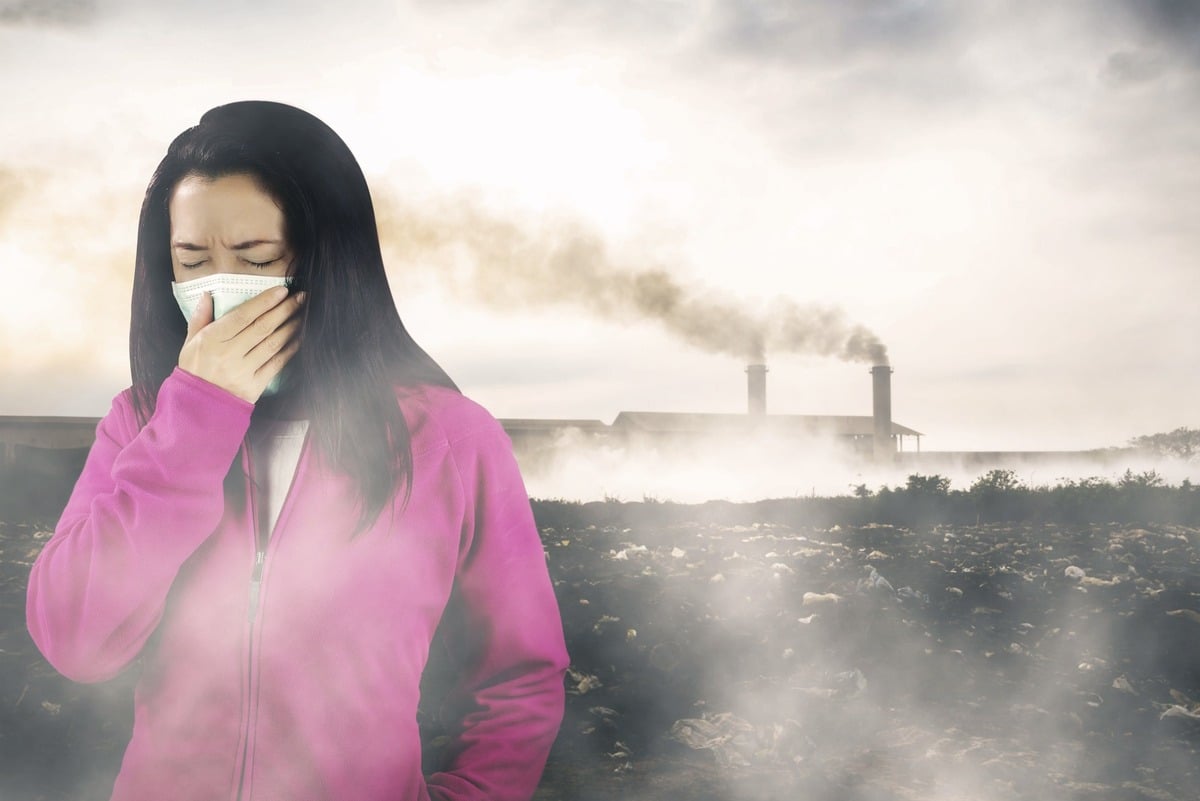
Major Sources of Air Pollution: The Unseen Culprits
India’s air pollution crisis isn’t accidental; it’s deeply intertwined with how we move, grow, live, and industrialise. Three major contributors stand out—transport, industry, and stubble burning. Together, they pump a complex cocktail of pollutants directly into the air that envelops our crops, homes, and lungs.
Transport: Vehicle exhaust, particularly from older diesel engines, releases nitrogen oxides (NOx), carbon monoxide (CO), and particulate matter (PM2.5 and PM10). These particles linger in the lower atmosphere, increasing respiratory risks and reaching deep into agricultural zones.
Industrial activity: Factories and thermal power plants produce sulfur dioxide (SO2), heavy metals, and volatile organic compounds (VOCs). These pollutants not only degrade urban air quality but also travel to adjoining rural belts via atmospheric currents.
Stubble burning: Concentrated in northern states like Punjab and Haryana, this seasonal practice is a dominant source of PM2.5 during post-harvest months. The thick blanket of smog it generates extends over the Indo-Gangetic plains—with direct consequences for crops and nutrients.
At Claudia’s Concept, our approach to holistic nutrition examines these environmental realities to build more resilient dietary frameworks. Nutrition doesn’t work in isolation—it responds to the soil and the sky.
Where It’s Worst: High-Risk Regions and Seasonal Air Patterns
Air pollution doesn’t affect all of India equally. Geographic and climatic patterns determine who breathes what—and when.
- Delhi NCR and the Northern Plains routinely rank among the world’s most polluted regions. Between October and January, AQI levels spike dramatically due to stagnant air, vehicle emissions, and stubble burning. In November 2023, Delhi recorded PM2.5 levels exceeding 800 µg/m³ in several districts—more than 30 times the World Health Organization’s safe limit.
- Industrial hubs like Kanpur, Raipur, and Varanasi also see chronic pollution, driven by heavy manufacturing and coal-powered energy production. These regions show continuous exposure to sulfur dioxide and nitrogen oxides on a daily basis.
- Seasonal shifts matter. Winter months trap pollution closer to the ground due to temperature inversions, exacerbating its effect not only on lungs but also on photosynthesis and nutrient absorption in plants.
The Numbers: What AQI and Science Reveal
Let’s get specific. The Air Quality Index (AQI) provides a composite measure based on key pollutants—PM2.5, PM10, SO2, NO2, CO, and Ozone. A study published in Environmental Research Letters (2022) observed that long-term exposure to PM2.5 above 70 µg/m³—still a common reading in North Indian cities—can reduce crop yield by 10–15%, particularly in wheat and rice fields. Data from the Central Pollution Control Board shows that nearly 77% of Indian cities exceeded safe AQI levels for more than 100 days in 2023. This steady, systemic exposure has direct biochemical consequences for crops growing beneath that poisoned sky. It’s not just air we’re talking about—it’s an atmospheric diet that plants consume every second they photosynthesise. And that means your plate, and mine, begins its journey in an environment where clean air is the exception, not the norm. At Claudia’s Concept, we integrate this environmental data when crafting personalised nutrition strategies, making sure that modern diets compensate for what the fields can no longer provide naturally.
The Silent Saboteur: How Air Pollution Undermines Indian Agriculture
Invisible Pollutants, Visible Damage
In a country where agriculture sustains nearly 60% of the population, India’s farmlands face a growing, silent threat—air pollution. This environmental crisis doesn’t just taint the air we breathe; it reaches deep into the very roots of our food supply. At Claudia’s Concept, we consistently examine how systemic factors impact nutrition, and the findings around pollution and farming are impossible to ignore.
Pollutants like ground-level ozone (O₃), nitrogen oxides (NOₓ), and particulate matter (PM) are no longer limited to affecting urban health. These compounds are now infiltrating rural agricultural zones, drastically altering plant physiology and repressing the nutritional quality of our crops. What does this mean for Indian farms? Let’s break it down.
Ozone: A Toxic Threat to Crop Physiology
Ground-level ozone forms when sunlight reacts with nitrogen oxides and volatile organic compounds, but this isn’t the natural ozone layer that protects us—this is the harmful surface-level gas that stunts plant growth. Research from the Indian Agricultural Research Institute (IARI) shows that ozone concentrations exceeding 40 ppb (parts per billion) can reduce crop yields by 5–20%, especially in wheat, rice, and soybean.
- Wheat plants exposed to 70 ppb of ozone show a 23% drop in biomass, significantly reducing grain fill.
- Rice crops experience shortened grain-filling duration, directly impacting yield and quality.
- Open-field studies prove that longer exposure periods result in lower levels of chlorophyll, degrading photosynthetic efficiency.
This kind of pollutant-induced stress causes oxidative damage to plant cells, disturbs hormonal balance, and weakens defence mechanisms, leading to lower productivity and compromised nutritional content.
Particulate Matter and Nitrogen Oxides: Changing How Plants Breathe
Particulate matter (PM2.5 and PM10) clogs the stomata—tiny pores on plant leaves used for gas exchange. When particles settle on leaves, they restrict CO₂ intake, effectively choking the plant. This impacts photosynthesis, which then suppresses energy flow and nutritional transfer in the plant system.
Scientific analysis by Punjab Agricultural University observed that fields exposed to high PM levels recorded a 12–18% reduction in chlorophyll a and b. This disrupts primary energy cycles in crops like maize and mustard, causing overall stunted growth and delayed harvests. That’s one of the reasons why, at Claudia’s Concept, we stress the importance of knowing not just what you eat—but where and how it’s grown.
Nitrogen oxides, meanwhile, initially seem beneficial due to their fertilising effect. But in high concentrations—especially near industrial belts and urban peripheries—NOₓ leads to acid deposition and alters soil pH. When the soil’s microenvironment shifts, beneficial microbial populations decline, weakening nutrient dynamics and uptake efficiency in crops such as pulses and leafy greens.
Leaf Damage and Loss in Growth Potential
The interaction between airborne pollutants and plant surfaces leads not only to physiological but also to physical harm. Leaves exposed to chronic pollution develop necrotic spots, bronzing, curling, and premature senescence. Once leaf integrity is compromised, plants can no longer support healthy growth or store essential nutrients efficiently.
For instance, studies from the Indian Council of Agricultural Research (ICAR) show that tomato and spinach grown in heavily polluted outskirts of Delhi registered up to 26% lower levels of leaf biomass and reduced concentrations of vitamin C and polyphenols. These compounds are essential not just for plant health but for human nutrition too.
As the effects multiply across seasons, the cumulative outcome is poorer harvest quality, lighter fruits, wilted greens, and declining crop resilience. Without urgent intervention, the nutritional margins in Indian produce will continue to deteriorate—putting millions at risk of diet-based deficiencies.
Food begins at the farm—but so does the fight for nutrient-preserving sustainability. Ask yourself: is the air nourishing your food or stripping it of its essence? The answer lies in the science, and at Claudia’s Concept, we’re determined to bring that truth front and centre.
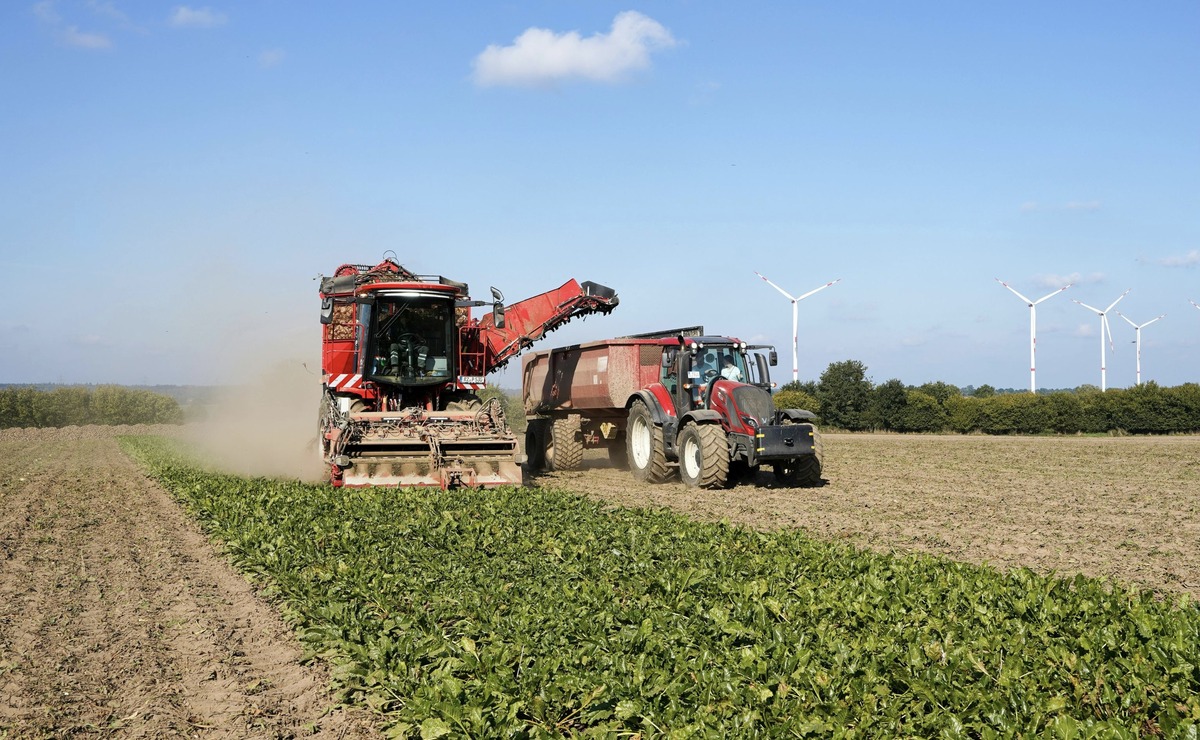
Nutrient Depletion in Crops: What the Science Says
Let’s break down the science behind what’s really happening to the nutritional value of our crops in India due to air pollution—specifically, how toxic air is stripping vital minerals and proteins from the food on your plate. Whether you’re eating a bowl of dal, a roti, or a serving of leafy greens, the truth is clear: their nutritional profile is under direct threat.
Studies That Reveal the Harsh Truth
Multiple peer-reviewed studies have consistently found a strong link between air pollution and nutrient depletion in key food crops across India. One landmark 2018 paper published in the journal Nature Plants revealed that elevated ground-level ozone (O₃), a pollutant formed when nitrogen oxides and volatile organic compounds react under sunlight, significantly reduces protein, zinc, and iron content in staple crops like rice and wheat.
The Indian Council of Agricultural Research (ICAR) and the Indian Agricultural Research Institute (IARI) have conducted long-term field experiments showing similar patterns. In one IARI-led study, rice exposed to ambient O₃ levels typical around metro areas like Delhi and Lucknow showed up to a 15% drop in protein content and a 9–10% reduction in iron and zinc levels. Similar results were found for wheat.
Curious how these nutrients are vanishing? Let’s explore the biological mechanism behind this disturbing trend.
Ozone: The Silent Saboteur of Plant Metabolism
Plants need to breathe—just like you do—and when they do, they absorb everything that comes with the air. Leaves take in O₃, and the result is oxidative stress. This stress damages key enzymes and cellular processes involved in photosynthesis and nutrient absorption.
When ozone disrupts the plant’s ability to make energy efficiently, the absorption and translocation of minerals like iron, zinc, and magnesium from the soil into the edible parts of the plant decline sharply. This isn’t a minor dip—it’s a nutritional spiral. Protein synthesis also suffers because the plant directs its energy toward stress tolerance rather than growth or nutrient development.
That’s why, at Claudia’s Concept, we always emphasise quality sourcing and support for clean agriculture. Nutrition isn’t just about what you eat; it’s about how that food is grown.
The Crops Most at Risk
- Rice: Being highly sensitive to oxidative damage, rice tends to lose up to 30% of its iron and 20% of its zinc content in polluted environments.
- Wheat: Wheat fields exposed to persistent air pollution show lower protein percentages and are particularly affected during late growth stages.
- Pulses: Crucial for protein in vegetarian diets, pulses also show disrupted amino acid synthesis and reduced micronutrient uptake.
- Green Leafy Vegetables: Spinach, amaranth, and mustard greens, often grown in peri-urban zones, register lower folate levels and accumulated particulate residues.
Our food crisis doesn’t come from scarcity but from silent degradation. That’s the root issue we need to solve. And with Claudia’s Concept, we’re advocating change not only on your plate but in how that plate gets filled in the first place. Think about it—should clean air be the missing ingredient in your nutrition?
How Ozone Pollution Is Driving Down Crop Yields Across India
Invisible but potent, ground-level ozone is quietly robbing our agricultural fields of both quantity and quality. At Claudia’s Concept, we keep a close watch on emerging nutritional challenges—and the link between ozone pollution and diminishing crop health is one that demands our full attention.
Understanding Ground-Level Ozone and How It Forms
Unlike the protective ozone layer high up in the stratosphere, ground-level ozone causes damage. It forms when nitrogen oxides (NOₓ) and volatile organic compounds (VOCs) react under sunlight—a reaction especially intensified in India’s urban and industrial regions. Heavy traffic, coal-based power plants, and burning of biomass combine to create an atmosphere saturated with ozone precursors.
Once formed, ground-level ozone infiltrates plant leaves through stomata. This disrupts photosynthesis, damages cells, and interferes with carbohydrate synthesis. The result isn’t just stunted growth—it’s a direct hit to the nutrient content inside the food we eat every day.
Indian Staples Under Threat: Wheat and Rice
Let’s look at wheat and rice—two crops central to the Indian diet. The Indian Agricultural Research Institute (IARI) has studied the impact of ozone levels on these grains extensively. Their findings? Consistent exposure to elevated ozone levels reduces yields by 10–15% in wheat and up to 20% in rice under field conditions.
These aren’t mere numbers on paper. A two-decade analysis published in the journal Environmental Research Letters highlights that average ozone concentrations in many parts of north India now hover above 40 ppb (parts per billion) during cropping seasons. At these levels, visible foliar injury occurs, protein content in grains begins to decline, and plants exhibit shortened growth cycles, leading to early senescence.
Declining Yields and Compromised Quality—A Dual Crisis
What makes this particularly unsettling is that it’s not only the quantity of food that’s shrinking but also the quality. Crops exposed to tropospheric ozone suffer from reduced chlorophyll, lower nitrogen assimilation, and diminished antioxidant activity. For people relying on daily servings of wheat chapatis and rice bowls, this isn’t just about missing a meal—it’s about chronic nutrient deficits slowly creeping in.
According to a 2021 meta-analysis in the Journal of Agricultural Science, oats, legumes, and oilseeds are also experiencing ozone-related stress in Indian agro-climatic zones. These crops show decreased seed viability and lower micronutrient profiles, including reductions in iron and zinc—minerals already deficient in large segments of the population.
At Claudia’s Concept, we believe that understanding these atmospheric threats is essential to rebuilding resilient food systems. If we don’t address ozone pollution now, pushing yields up won’t protect nutrition levels—which is why our nutritional approach goes hand-in-hand with environmental awareness.
India needs crops that feed more than just hunger. They must nourish, protect, and restore—and that starts with clean air flowing through every field across the country.
How Air Pollution is Diminishing Food Quality and Nutrition in India
Have you ever wondered why your fruits and vegetables might not be as nutritious as they used to be, even when they look perfectly fresh? It’s not just about how they’re grown or stored. Air pollution has a powerful and invisible effect on the nutritional profile of what ends up on your plate—especially here in India, where environmental stressors are intensifying. At Claudia’s Concept, we routinely analyse these changing dynamics to help you make informed decisions about your food, your health, and your lifestyle.
Micronutrient Deterioration in Staple Crops
When crops grow in polluted environments, they absorb more than just sunlight and soil nutrients—they’re also absorbing toxic compounds, especially when airborne pollutants settle on leaves and soil. Scientific data reveals a steady decline in micronutrient concentrations in food grown under these conditions.
Take zinc and iron, for instance—two essential micronutrients that support immunity, brain function, and energy metabolism. A landmark study published in Nature (Myers et al., 2014) found that elevated levels of CO2—often associated with urban and industrial air pollution—reduce zinc concentrations in key crops like wheat, rice, and legumes by 3% to 9%. That may sound minor, but in a country like India, where a significant portion of the population depends on plant-based diets, these reductions cause real-world deficiencies at scale.
Protein Content in Cereals is Dropping
Air pollution is also quietly eating away at the protein content of cereals—the backbone of most Indian meals. Ongoing agricultural trials conducted by the Indian Agricultural Research Institute found that wheat grown under elevated ambient pollution conditions had 5% to 10% lower protein concentrations compared to wheat grown in cleaner air. This isn’t just theory; it’s happening in real fields, in real time.
The culprit? Elevated ground-level ozone. It damages plant tissues, slows photosynthesis, and diverts plant metabolism away from building protein. That means each bite of roti or bowl of rice could offer diminishing protein returns, impacting not just daily energy but also long-term physical development—especially in children.
A Nation’s Nutritional Reservoir at Risk
Over time, the story deepens. As quality declines across staple crops season after season, this gradual loss of nutrients leads to a silent but serious transformation of the country’s food supply. From Punjab’s wheat belts to Tamil Nadu’s rice paddies, nutrient depletion is rewriting the nutritional map of India.
At Claudia’s Concept, we closely track this nutritional erosion. What we find deeply concerning is how subtle the trends can be—undetectable in taste or texture but substantial in effect. Lower micronutrients. Fewer proteins. A decline creeping through grains, pulses, and vegetables. This erosion doesn’t just alter food, it alters lives—particularly for communities relying on subsistence diets or school mid-day meal programmes that don’t have the luxury of dietary diversity.
So next time you choose your ingredients, consider not just where they came from, but also the air they grew up in. Because the air we breathe is now deciding the food we eat—and what that food can deliver to our bodies.
The Hidden Toll: How Pollution-Induced Malnutrition Harms India’s Health
Rising Cases of Nutrient Deficiencies in Urban and Rural Communities
It’s no longer just about clean air—it’s about what we put on our plates. Air pollution is attacking our nutrition at its root. At Claudia’s Concept, we understand that food is medicine, but when crops absorb fewer nutrients due to polluted air, the medicine loses its strength. Studies from the Indian Council of Medical Research (ICMR) reveal a sharp uptick in mild to moderate micronutrient deficiencies in both urban slums and rural belts over the past decade.
Reduced zinc, iron, and protein levels in staple crops like wheat and rice are directly impacting public nutrition. A paper published in Nature Communications (2018) demonstrated that elevated CO₂ conditions, a byproduct of industrial pollution, decrease the concentration of protein and essential minerals in major grains. That means people eating the same caloric intake as before are now getting less value—and that changes everything.
Children’s Growth: Compromised from the Starting Line
The connection between air pollution-induced agricultural degradation and child malnutrition is crystal clear. When children consume nutrient-depleted foods during crucial growth windows, the effects are long-term and irreversible. Data from the National Family Health Survey-5 (NFHS-5) shows persisting rates of stunting and wasting in children—particularly in northern states like Uttar Pradesh and Bihar—where crop exposure to air pollutants like ground-level ozone is most severe.
Iron deficiency anemia, for example, affects over 67% of children under five, according to NFHS-5. And it’s not from lack of eating—it’s from lack of nourishment. This is a nutritional crisis disguised as a farming problem. At Claudia’s Concept, we design integrative nutrition strategies that help bridge these critical nutrient gaps, especially for growing children who deserve every opportunity for a healthy start.
Vulnerable Populations: The Quiet Sufferers
Not everyone is affected equally. Pregnant women, the elderly, and low-income families disproportionately bear the health burden of pollution-compromised food systems. Pregnant women, for example, need higher levels of folate, iron, and calcium—but crops grown in high-pollution zones routinely show 10–20% lower concentrations of these essentials (as documented by the International Food Policy Research Institute – IFPRI).
This gap exacerbates complications like low birth weight, preterm labor, and gestational anemia, all of which are already high in India. For the elderly, compromised immunity and slower absorption rates make nutrient-rich diets not a luxury—but a necessity. And when nutritious food costs more but delivers less, low-income households are trapped in a cyclical deficit of health and strength.
Environmental Degradation and Public Health: Two Sides of the Same Coin
We cannot separate environmental issues from health outcomes—they are entwined. As fields absorb increasing amounts of pollutants, especially ground-level ozone and sulfur dioxide, the systemic depletion of soil nutrients leads directly to public health erosion. A collaborative study by the World Bank and University of Chicago emphasized this causal web, showing a direct correlation between regions with extreme agricultural pollution and higher disease burden from diet-related conditions like anemia, weakened immunity, and cognitive delays in children.
This isn’t just about food security—it’s about nutritional integrity, and it’s time to recalibrate our approach. At Claudia’s Concept, we’re working toward integrative solutions that don’t just treat symptoms but address the root: restoring food as a true source of health in the face of environmental stress.
Food Security in India Under Threat
In a country with a population exceeding 1.4 billion, food security isn’t just a challenge — it’s a critical national priority. But what happens when the food on our plates looks abundant yet lacks the nutrition vital for healthy living? In India, air pollution is silently reshaping the answer to that question.
How Nutrient-Poor Food Compounds India’s Food Insecurity Issues
Food security isn’t solely about availability — it encompasses accessibility, utilization, and nutritional quality. At Claudia’s Concept, we’ve been observing an unsettling trend: while caloric intake may meet minimum thresholds across many regions in India, essential micronutrient levels in staple crops have been consistently falling due to atmospheric pollution. This compromises the “nutritional” pillar of food security, making widespread deficiencies almost inevitable.
Several studies confirm this shift. A 2018 study published in Science Advances reported that elevated atmospheric CO₂ levels may cause a 3–17% decline in protein, iron, and zinc in key crops like rice and wheat. Combine this with India’s heavy reliance on cereal grains for daily nutrition — which already contributes nearly 60% of calorie intake nationally — and the implications become clear. The most vulnerable populations, especially children and pregnant women, are at heightened risk of iron-deficiency anaemia, stunted growth, and weakened immunity.
The Dual Burden of Calorie Sufficiency and Nutrient Deficiency
India is currently grappling with what nutritionists call the “dual burden” — where sections of the population simultaneously face undernutrition and overweight or obesity. On the surface, caloric sufficiency suggests progress. Dig deeper, and a worrying pattern emerges: diets dominated by refined cereals, sugars, and ultra-processed foods may alleviate hunger, but they do little to support optimal health.
Environmental pollutants like ground-level ozone and nitrogen dioxide don’t just reduce crop yields. They directly alter nutrient pathways in plants, lowering concentrations of vital compounds like carotenoids and polyphenols. This chemical manipulation by polluted air leads to visually similar crops that are biologically less nourishing. At Claudia’s Concept, we see this dichotomy reflected on Indian plates every day – meals that ‘fill’ but barely ‘fuel’.
Impacts on National Productivity and Economic Development
Food security is not just a matter of public health — it’s tightly interwoven with India’s socioeconomic framework. Inadequate nutrition affects cognitive performance, physical stamina, and long-term morbidity. According to the World Bank, stunted growth in early life can reduce adult earnings by as much as 10%. Multiply that figure by millions, and the cost to national productivity becomes staggering.
Data from the Global Nutrition Report 2021 shows that India loses over ₹35,000 crore annually due to micronutrient deficiencies. And this isn’t limited to rural populations. Urban centres too are consuming increasingly contaminated and nutrient-void foods, often unknowingly, thanks to the pervasiveness of air pollution and climate-altered food systems.
Food insecurity in today’s India isn’t rooted in agricultural failure — it’s a direct consequence of environmental decay and systemic nutritional decline. Tackling this requires transforming how we grow, evaluate, and consume food. Environmental quality is now inseparably connected with food quality — and without one, we cannot sustain the other.
Government Policies on Pollution Control: What’s Being Done?
Every breath we take and every bite we eat are now deeply influenced by our environment. In India, air pollution doesn’t just remain suspended in our skies—it seeps into our farms, settles on our crops, and alters the food meant to nourish us. Tackling this insidious problem demands more than farming fixes; it requires systemic change starting from policy. So, what’s the government doing, and where do we stand right now?
Unpacking the National Clean Air Programme (NCAP)
Launched in 2019, the National Clean Air Programme (NCAP) is India’s flagship policy to reduce air pollution concentrations across 132 non-attainment cities. These are areas that consistently fail to meet the National Ambient Air Quality Standards (NAAQS). The NCAP set a target to reduce PM2.5 and PM10 levels by 20–30% by 2024, using 2017 as the baseline.
Efforts under NCAP include:
- State and city-level action plans
- Vehicular emission norms and promotion of electric mobility
- Industrial emission regulations and tighter standards for thermal power plants
- Expansion of air quality monitoring infrastructure
These are promising steps, but here’s the catch: while these policies aim to clean the air we breathe, they don’t necessarily go deep enough into the soil that nourishes our food. Pollution’s impact on agriculture remains an underexplored dimension. That’s where fresh thinking, like what we offer at Claudia’s Concept, becomes crucial—connecting dots that public programs often overlook.
Missing Links Between Air Quality and Food Security
One major gap lies in policy integration. Air quality, public health, and agriculture are still handled in silos. The Ministry of Environment, Forest and Climate Change focuses on pollutant reduction. The Ministry of Health deals with malnutrition. The Ministry of Agriculture prioritises crop yields. But who is connecting these threads to recognize how ozone, particulate matter, and sulfur dioxide degrade crop nutrients?
Scientific studies already confirm the cross-sector impact. For instance, according to a 2018 study by the Indian Institute of Tropical Meteorology, ozone exposure has caused yield losses ranging from 6-16% in wheat and 5-15% in rice in India. Yet, policies seldom link these measurable losses with the rise of micronutrient deficiencies in humans.
The Urgent Need for Integrated Action
We need synergistic policies where environmental goals align with nutritional outcomes. Imagine an inter-ministerial task force styled on real data models that tracks how reductions in nitrogen oxide emissions lead to improvement in crop zinc levels. That’s the kind of cross-talk India needs between its public health, environmental, and agricultural wings.
Policy frameworks must also embrace community-level surveillance. Real-time monitoring of both air pollution and crop nutrient density could provide actionable insights at a district level, driving smarter farming choices—a principle we strongly advocate at Claudia’s Concept.
Change is already in motion, but are we asking the right questions? Are we looking at our fields as ecosystems influenced by both rainfall and regional air quality? Are we treating nutrition as a product of integrated environmental health? India’s policies are evolving—and with the right mindset and alliances, they can evolve faster, smarter, and stronger.
Clean Air, Nutritious Food: Why India Can’t Wait
Air pollution in India is not just a health concern—it’s quietly eroding the very foundation of our nourishment. When toxic pollutants hover over our farms, they do more than just cloud the skies; they strip away the nutrition in Indian crops, threaten our national food security, and put millions at risk of malnutrition-related health problems.
Think about this: the same polluted air that’s hard on your lungs is also hard on your food. Elevated ground-level ozone—a major component of smog—directly damages crops like rice, wheat, and soy. These aren’t just yield reductions we’re talking about. The nutritional quality suffers too, with sharp declines in critical nutrients like protein, iron, and zinc. And given that nearly 60% of India’s population depends on plant-based diets, especially cereals, this nutrient depletion translates into real, measurable health impacts.
We cannot afford to treat air pollution and agriculture as separate domains. The science is conclusive, and the time for action is now.
Where Do We Go From Here?
- Raise public awareness: People must understand that poor air quality means poor food quality. Campaigns should make this link crystal clear, not just in urban centers but across farming communities as well.
- Strengthen Indian agricultural policy: Policies must actively address ozone pollution in agriculture. This includes enforcing stricter emissions standards and incentivising sustainable farming models.
- Champion innovation and research: Investment in crop science is essential. At Claudia’s Concept, we are committed to supporting nutrient-dense food systems and advocating technology that enhances the nutritional resilience of our crops.
- Support farmers: Provide tools and education for pollution-mitigating practices—bio-fertilizers, carbon-efficient machinery, alternate stubble management techniques, and low-ozone exposure crops.
Across every intervention, from grassroots to government policy, from the farm to the table, one message must resonate: clean air fuels healthy agriculture. And healthy agriculture feeds a stronger India.
At Claudia’s Concept, our vision goes beyond diet plans—we work to align personal nutrition with planetary well-being because that’s the only path to long-term health. Every time we advocate for sustainable agriculture in India, we’re protecting not only biodiversity and soil health but human nutrition at its roots.
Let’s treat air pollution not as an isolated environmental issue, but as a fundamental threat to what we eat, how we grow, and how we thrive. Clean air means nutritious crops. And that means a healthier, food-secure India for every generation to come.