
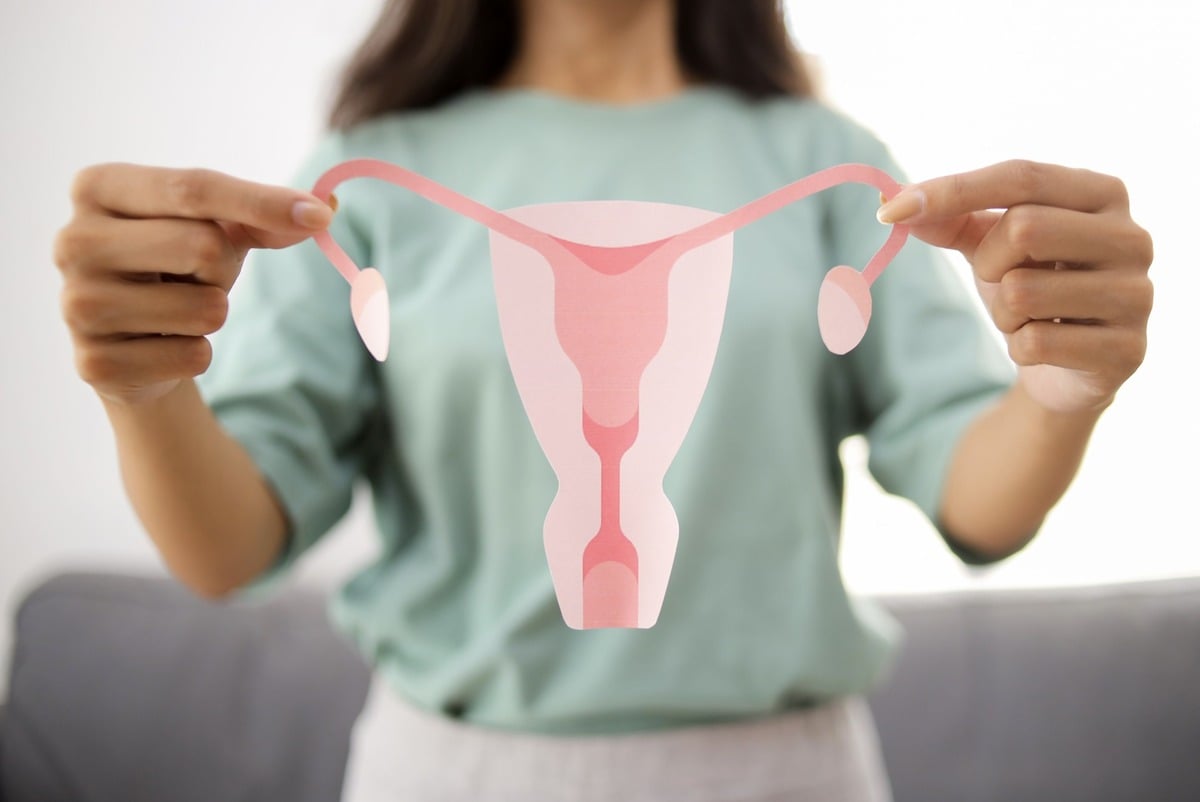
Let’s start by calling PCOS what it really is—a full-body hormonal imbalance that doesn’t just stop at your ovaries. Polycystic Ovary Syndrome (PCOS) affects at least 1 in 5 women of reproductive age in India alone, and it shows up in more ways than one. Irregular periods? Yes. Annoying breakouts that feel like you’re stuck in your teenage years? Absolutely. Hard-to-lose weight, especially around the belly? Check. And then there’s fatigue that no amount of sleep seems to fix.
But what’s really going on behind the scenes? PCOS is deeply rooted in insulin resistance, which drives your body to produce more insulin than it needs. This surge acts like pressure on the ovaries, pushing them to churn out excess androgens—those male hormones responsible for acne, unwanted facial hair, and disrupted cycles. Add unmanaged stress to the mix, and cortisol, the stress hormone, joins the party, tipping your hormonal balance even further.
Here’s the empowering news: your plate can be your most healing tool. Through strategic food choices and consistent lifestyle shifts, you can bring down insulin levels, reduce inflammation, and support your hormones naturally. At Claudia’s Concept, I use a root-cause, science-focused approach to create customised nutrition plans that not only address PCOS symptoms but restore balance from within—because when your body is nourished, it thrives.
Ready to turn your daily meals into hormone-supportive rituals? Let’s build your ultimate PCOS plate—one that turns chaos into calm.
The Hormonal Balancing Act: Why It Starts With Food
Every bite you take is a message to your hormones. The right foods quietly influence how well your body performs—from energy production to hormone synthesis—and when you’re managing PCOS, this becomes non-negotiable. At Claudia’s Concept, we focus on building that connection intelligently through well-structured nutrition strategies that support, rather than sabotage, hormonal harmony.
The Power of Nutrition in Hormone Regulation
Think of hormones like an intricate symphony. Insulin, estrogen, testosterone, cortisol—they all play interdependent roles. However, with PCOS, this orchestra often falls out of tune, leading to irregular cycles, acne, weight gain, or mood swings. Here’s the good news: consuming the right macronutrient ratios can bring that harmony back.
Let’s start with insulin. Women with PCOS commonly struggle with insulin resistance, where the body’s cells respond poorly to insulin, resulting in elevated blood glucose and androgen levels. A study published in the Journal of Clinical Endocrinology & Metabolism (2020) showed that dietary approaches that lower insulin load, specifically those that moderate carbohydrate intake and emphasize complex carbs, can significantly reduce androgen levels and restore ovulation patterns.
At Claudia’s Concept, we regularly guide PCOS warriors to structure meals around low glycemic index (GI) carbohydrates (like quinoa or sweet potatoes), moderate protein (such as legumes or lean meats), and healthy fats (avocados, seeds, nuts). This triad stabilizes insulin and creates a hormonal environment conducive to healing.
Balancing Meals to Soothe Symptoms and Regulate Cycles
Consistency in blood sugar levels directly impacts menstrual regularity. Spikes and crashes disrupt not just energy but hormonal cues linked to ovulation. Balanced meals avoid extreme shifts in insulin and sugar levels. The result? Reduced menstrual irregularities and fewer inflammatory symptoms like joint pain and fatigue.
Clinical evidence supports this. In a randomized controlled trial by the American Society for Reproductive Medicine (2018), women who adopted an anti-inflammatory, whole food-based diet had improved follicle maturation and reported fewer PMS symptoms within three months. That’s the sort of transformation that reinforces our approach at Claudia’s Concept.
So what does a symptom-soothing plate look like in real time? You might begin your day with a chia-seed pudding topped with berries and almonds, move into a lunch of grilled tofu, spinach, and roasted pumpkin, and wrap up with a warm quinoa bowl drizzled with tahini. Each element plays a biochemical role—from fiber feeding your gut microbiome (which supports estrogen metabolism) to zinc-rich seeds that boost progesterone production. Subtle changes, real outcomes.
Food Choices and Achieving a Healthy Weight
Your body composition is more than aesthetics—it’s a barometer of hormonal health. For those with PCOS, losing even 5–10% of body weight has been clinically proven to reduce hyperandrogenism and restore ovulation. But here’s the catch: it’s not just about eating less; it’s about eating right.
- High-fiber foods improve satiety and stabilize insulin.
- Lean protein sources support muscle mass and reduce sugar cravings.
- Unrefined carbs ensure sustained energy while lowering inflammation.
In 2021, a comparative study in Nutrition & Metabolism illustrated that women with PCOS on a low-GI Mediterranean-style diet lost weight at nearly double the rate of those on standard calorie-restriction diets, while also experiencing improvements in mood and serotonin levels. This reinforces the Claudia’s Concept model: nutrient-dense, intelligent eating will shift your physical and hormonal state, sustainably.
If you’ve ever felt like your hormones were calling the shots, you’re not alone. But what you eat can take back the controls. And that is where food meets function, science meets soul, and PCOS meets its match. Ready to build that plate? Let’s move on to exactly how in the next section.
From Chaos to Calm: Building the Ultimate Hormone-Balancing PCOS Plate
When you’re navigating PCOS, food is more than just fuel—it’s powerful hormone therapy. At Claudia’s Concept, I guide clients through creating a plate that’s rooted in science, precision, and balance. Forget fad diets and restrictive rules. Instead, let’s craft meals that work with your body, not against it.
Think of your plate as your hormonal helper: one that regulates insulin, eases inflammation, fuels metabolism, and supports weight balance. Here’s exactly how to build it—beautiful, balanced, and completely PCOS-supportive.
Healthy Fats for Hormonal Support
Fats are essential—not optional—when it comes to hormonal health. Your body uses dietary fat to synthesize sex hormones like estrogen and progesterone. But not all fats act alike. The goal is to include natural, anti-inflammatory fats that truly nourish your endocrine system.
- Avocados provide heart-healthy monounsaturated fats that promote optimal hormone function and curb cravings.
- Raw nuts and seeds, especially flaxseeds and walnuts, are rich in omega-3s that reduce inflammation—a key driver in PCOS symptoms.
- Cold-pressed olive oil delivers potent antioxidants like oleocanthal, which have been found to mimic the effects of ibuprofen in reducing inflammation (Beauchamp et al., 2005).
At Claudia’s Concept, I often encourage clients to drizzle olive oil onto roasted vegetables or add a tablespoon of chia seeds to smoothies as easy ways to boost healthy fat intake.
Protein to Stabilize Blood Sugar and Curb Cravings
Protein plays a vital role in blood sugar regulation—a priority for every woman with PCOS. It slows glucose absorption, which leads to steadier insulin levels, fewer spikes, and less fat storage. High-quality protein also supports lean muscle mass, vital for metabolic activity.
- Organic chicken and turkey are lean options that provide essential amino acids needed for hormone enzymes.
- Wild-caught fish like salmon or sardines are rich in both protein and omega-3, offering double benefits.
- Legumes and tofu offer plant-based protein alongside fiber and phytoestrogens—compounds that modulate estrogen activity.
Researchers have observed lower insulin and androgen levels in women with PCOS who consume higher-protein, lower-carb meals (Mavropoulos et al., 2005). So, build your plate with intention—think grilled fish alongside roasted chickpeas and leafy greens.
Slow-Burning Carbohydrates to Beat Insulin Resistance
Here’s where many get tripped up. Carbohydrates aren’t enemies—they just need to be the right kind. The type of carbs on your plate determines how your insulin responds.
- Sweet potatoes and quinoa offer complex carbs with fiber that slow digestion and prevent blood sugar surges.
- Beans and lentils deliver both carbs and protein, making them ideal for balanced energy release.
- Leafy greens like kale and spinach contain magnesium, which supports insulin sensitivity and menstrual regulation.
In my work with PCOS clients, we often build meals around these carbohydrates. A quinoa bowl with sautéed greens, tofu, and tahini dressing? That’s hormone-healing on a plate.
Anti-Inflammatory Vegetables and Fruits
Chronic inflammation doesn’t just make you feel puffy or tired—it disrupts ovulation, worsens acne, and fuels PCOS symptoms. Colorful produce is your secret weapon to combat silent internal inflammation and restore hormonal rhythm.
- Berries deliver anthocyanins, which lower oxidative stress and improve insulin responsiveness.
- Leafy greens pack antioxidants like lutein, folate, and vitamin C, all of which support liver detox—the organ responsible for hormone clearance.
- Cruciferous vegetables such as broccoli and cauliflower contain compounds like indole-3-carbinol that help metabolize excess estrogen.
Including at least two colors of vegetables at every meal amplifies the anti-inflammatory impact of your diet. And trust me, this simple strategy brings visible transformation—from clearer skin to more regular cycles.
If your plate includes these four pillars—healthy fats, lean protein, slow-burning carbs, and colorful produce—you’ve already taken a giant step from chaos to calm. The magic lies in what you eat, and how consistently you show up for your body. And with tools from Claudia’s Concept, you’ve got the support to do just that.
Special Dietary Considerations for PCOS Warriors
If you’re navigating life with PCOS, you’ve probably noticed that your body responds differently to foods compared to others. That’s because hormonal imbalance often brings along hidden food sensitivities, digestive issues, and increased inflammatory responses. At Claudia’s Concept, we approach PCOS nutrition with a deep understanding of these nuances. Let’s dive into two key dietary considerations that can make or break your hormone-balancing journey: food sensitivities and gut health.
Gluten & Dairy: Considerations for Sensitive Bodies
Too often, women with PCOS experience bloating, fatigue, hormonal acne, or stubborn weight gain — and the culprits aren’t always obvious. Gluten and dairy are two of the most common dietary triggers for women with PCOS-related inflammation and digestive issues.
Here’s why: Gluten-containing grains like wheat, barley, and rye can increase intestinal permeability — often referred to as “leaky gut” — which in turn triggers systemic inflammation. Inflammation aggravates insulin resistance, making hormone imbalance even worse. Research reveals that women with PCOS are significantly more likely to have non-celiac gluten sensitivity, even without a formal diagnosis of celiac disease.
Dairy brings its own set of challenges. Cow’s milk contains proteins like casein and whey that can be difficult to digest, particularly when gut health is already compromised. Additionally, conventional dairy products often contain hormones that can further disrupt your already sensitive hormonal landscape. A 2019 study published in the Journal of Human Nutrition and Dietetics linked dairy consumption with increased IGF-1 (insulin-like growth factor 1) levels, which may stimulate excess androgens in PCOS.
Wondering if you might be sensitive to gluten or dairy? Here’s a practical path forward based on Claudia’s Concept protocols:
- Start with a gentle elimination phase — remove gluten and dairy for a full 4 to 6 weeks.
- Track symptoms closely: mood stability, energy, digestion, skin clarity, and menstrual cycle patterns are key indicators.
- Reintroduce one category at a time slowly, over 3-4 days, while observing your body’s response meticulously.
When women follow this approach, many report clearer skin, reduced bloating, lighter periods, and improved energy. Food really does talk to your hormones — and sometimes, the first conversation needs to start with “less is more.”
Gut Health: The Hidden Link to Hormonal Harmony
Your gut isn’t just about digestion — it’s your body’s primary communication hub with your endocrine system. When your gut microbiota is diverse and balanced, it helps regulate estrogen metabolism, reduces inflammation, and supports insulin sensitivity — three critical factors in managing PCOS.
The research is compelling. A 2020 review in the journal Endocrine Reviews confirmed that women with PCOS often have less microbial diversity and higher levels of endotoxins — markers that disturb both gut and hormone health.
So how do we nourish the gut to support the ovaries, calm the skin, and balance the mood? Focus on building a variety of prebiotics, probiotics, and gut-healing nutrients into your daily plate.
- Prebiotic fibers from foods like garlic, onions, oats, Jerusalem artichokes, and asparagus feed the good bacteria.
- Probiotic-rich options — such as kefir, kimchi, sauerkraut, miso, and plain coconut yogurt — reintroduce beneficial strains into your system.
- Fermented foods introduce complexity and diversity to gut flora while aiding digestion naturally.
- Gut-healing staples like bone broth and collagen-rich soups help soothe the gut lining and reduce inflammation at the root.
One often overlooked strategy we emphasize at Claudia’s Concept involves pairing resistant starch (like cooled sweet potatoes or green bananas) with quality fats and fermented vegetables. This not only enhances satiety but also acts like a time-release mechanism for blood sugar control — a game changer for anyone struggling with insulin resistance.
Want to know if your gut is thanking you? Look for signs like regular bowel movements, flatter belly, brighter skin, and consistent energy throughout the day. Go ahead and ask yourself — is my gut in harmony, or is it calling for help with every bite?

Mastering Meal Planning for Hormone Health
Creating balance on your plate isn’t just about what you eat—it’s about how you plan. For women managing PCOS, strategic meal planning is one of the most empowering tools to keep hormones aligned, insulin stable, and energy flowing throughout the day. At Claudia’s Concept, I teach a practical, real-life approach to planning meals that simplify this process, ensure compliance, and deliver lasting results.
Start with the Balanced PCOS Plate Formula
Your body thrives on rhythm and consistency, especially when dealing with hormone disruptions like PCOS. That all begins with a nourishing plate. You’ll want to follow a functional ratio designed to support insulin sensitivity, reduce inflammation, and balance estrogen and androgen levels.
· 40% Non-Starchy Vegetables: Think leafy greens, cruciferous veggies like broccoli and cauliflower, zucchini, bell peppers, cucumbers, and mushrooms. These high-fiber, low-glycemic foods provide micronutrients and help detoxify excess hormones.
· 25% Lean Protein: Choose from wild-caught salmon, skinless chicken, pasture-raised eggs, tofu, or legumes. Protein stabilises blood sugar and supports ovarian health.
· 25% Slow-Digesting Carbohydrates:Opt for low-GI whole grains like quinoa, buckwheat, and brown rice, along with root veggies such as sweet potato and beetroot. These help refuel your body without triggering insulin spikes.
· 10% Healthy Fats: Avocados, olive oil, flaxseeds, pumpkin seeds, and almonds—all rich in omega-3 and monounsaturated fats—support reproductive hormone synthesis and reduce inflammation.
When you follow this structure, you’re not just feeding your body; you’re restoring hormonal harmony one delicious bite at a time.
How to Meal Prep Like a PCOS Pro
You’re busy—I get it. Between work, family, and everything in between, cooking hormone-specific meals daily can sound overwhelming. But here’s the truth: with the right approach, you can nourish your hormones with minimal effort.
· Batch Cook on Weekends: Prepare grains, roast a tray of mixed vegetables, grill protein options, and store them in glass containers. This way, you’re only assembling meals during the week, not cooking from scratch.
· Use One-Pot Recipes: Soups, stews, and grain bowls are PCOS gold—they’re easy to digest, quick to prepare, and endlessly versatile. Add herbs like turmeric and rosemary for extra anti-inflammatory support.
· Plan Two Days Ahead: Keep a rotating plan rather than a rigid spreadsheet. Flexibility improves adherence. Keep three base meals and two breakfast choices ready so you can switch based on your cravings and energy levels.
· Snack Smart: Always have boiled eggs, chia pudding, or a handful of seeds on hand. Balanced snacks combat adrenal fatigue and prevent those post-lunch crashes.
Creating a Consistent, PCOS-Friendly Meal Plan
Consistency over perfection—that’s the real secret. At Claudia’s Concept, I always emphasise structure with flexibility. Women who manage PCOS successfully tend to follow a metabolic rhythm: eating every 3–4 hours and avoiding erratic fasting.
Eating regularly helps normalise insulin production and prevents cortisol from hijacking your hormones. According to the American Journal of Clinical Nutrition, consistent meal timing improves insulin sensitivity by up to 25%, especially in women with insulin-resistant PCOS subtypes.
Instead of aiming for perfection in macros and calories, focus on variety within a structured framework:
· Colourful Vegetables daily? Check.
· Protein in every meal? Non-negotiable.
· Still craving sugar? Add mineral-dense carbs like beetroot or berries to naturally curb sweet cravings.
Meal planning is not a diet—it’s a form of self-care. With every planned plate, you’re reclaiming control from hormonal chaos and stepping into balance. That’s real empowerment.
Strategic Supplementation: Boosting Hormone Support Naturally
Even with the most beautifully balanced PCOS plate, there are moments when your body needs an extra nudge. Strategic supplementation bridges the gap—fine-tuning hormone balance, easing inflammation, and enhancing how your body responds to stress. At Claudia’s Concept, we evaluate nutrition from a 360° perspective, and supplementation is a vital piece of that puzzle.
Let’s break down the key nutrients with targeted, hormone-specific benefits. These supplements have quality research backing their effect on PCOS symptoms. You’re not just adding pills to your routine—you’re adding purpose.
Inositol – Your Ally Against Insulin Resistance
Think of inositol—particularly a combination of myo-inositol and D-chiro-inositol—as nature’s way to bring insulin sensitivity back into balance. Women with PCOS often struggle with insulin resistance, which drives a cascade of hormonal imbalances, including elevated androgens and disrupted ovulation.
· Clinical studies have demonstrated that a 40:1 myo-inositol to D-chiro-inositol ratio significantly improves ovulatory function and insulin sensitivity.
· Research published in Gynecological Endocrinology shows that regular supplementation can lead to restored menstrual cycles and improved egg quality.
Once integrated into a consistent wellness plan, inositol helps ease sugar crashes, improve metabolic function, and support fertility.
Magnesium – The Zen Master of Your Nervous System
When stress levels climb, magnesium levels dip—and for women with PCOS, that can mean intensified symptoms. Magnesium is a powerful relaxant for the nervous and endocrine systems. It supports adrenal health, encourages deep sleep, and reduces stress-induced inflammation.
· A study in the Journal of Women’s Health found that magnesium supplementation reduced PMS symptoms and stabilized mood fluctuations in women with hormonal imbalances.
· It also enhances insulin receptor activity, helping regulate blood glucose levels—an added bonus for anyone managing PCOS.
At Claudia’s Concept, we often guide our clients to include magnesium glycinate or citrate forms for best absorption and minimal GI upset. Think of it as your inner calm in capsule form.
Vitamin D – The Hormone in Disguise
Technically, vitamin D is a hormone, not a vitamin—and it profoundly influences ovulation, energy cycles, and mood balance. Over 60% of women with PCOS are insufficient in vitamin D, often unknowingly. This shortage can worsen insulin resistance, increase androgen levels, and impair reproductive health.
· The Endocrine Society’s Clinical Practice Guideline recommends supplementing vitamin D for women with PCOS, particularly when serum 25(OH)D levels fall below 30 ng/mL.
· Optimized levels have been linked to better menstrual regularity and reduced inflammation markers like CRP.
Aim for daily maintenance doses based on tested levels—sunshine is lovely but rarely enough on its own. This is one supplement I almost always include in custom plans at Claudia’s Concept, and the energy difference is often noticeable within weeks.
Omega-3 Fatty Acids – Cooling the Fire Within
PCOS comes with chronic low-grade inflammation—Omega-3s help switch off that fire. These essential fatty acids are anti-inflammatory powerhouses, which means they can reduce elevated CRP, lower triglycerides, and restore cellular membrane integrity.
· A randomized controlled trial in the Iranian Journal of Reproductive Medicine revealed that omega-3 supplementation lowered serum testosterone and improved insulin indices in women with PCOS.
· They also support mental clarity, reduce cortisol response to stress, and even help manage cravings driven by inflammation.
Opt for a high-quality fish oil—at least 1,000–2,000 mg of combined EPA and DHA per day—and watch the positive ripple effects extend into your skin, concentration, and menstrual regulation.
Supplements aren’t shortcuts—they’re strategic reinforcements. They work best when combined with a nutrient-dense plate, insightful meal planning, and positive lifestyle adjustments. Claudia’s Concept always takes a personalized, science-driven approach to supplementation, ensuring your regime is as unique as your path to balance.
Lifestyle Enhancers: Food Isn’t Everything
Creating the perfect hormone-balancing PCOS plate is a powerful step. But food, while foundational, doesn’t act alone. What you do outside the kitchen matters just as much. At Claudia’s Concept, we take a whole-body approach—because true healing means more than diet. It means moving intentionally, unwinding your mind, and tuning in to your body’s internal signals. Let’s explore the lifestyle factors that transform your nutrition choices into sustained hormonal harmony.
Exercise for PCOS: Moving Without Overdoing
Movement is medicine—but the type, intensity, and frequency matter deeply for PCOS. While regular physical activity improves insulin sensitivity, reduces androgen levels, and supports weight regulation, overexercising does the opposite. It stimulates cortisol, a stress hormone that’s already often elevated in PCOS, leading to worsened symptoms.
· Walking: Brisk walking for 30-45 minutes most days can help regulate blood glucose and improve ovulatory function. It’s low-impact, accessible, and gently effective.
· Strength Training: Resistance workouts 2–3 times a week improve lean muscle mass, which directly increases insulin sensitivity. Think compound movements like squats, lunges, and deadlifts.
· Yoga and Pilates: These are more than just stretches. Research published in the International Journal of Yoga shows that yoga can reduce testosterone levels and anxiety scores in women with PCOS after just 12 weeks of regular sessions.
The key is gentle consistency, not intensity or exhaustion. If your exercise session leaves you feeling drained instead of energized, it might be time to reassess. At Claudia’s Concept, we guide PCOS warriors to build sustainable routines that respect hormonal rhythms rather than fight them.
Stress Reduction: Putting Out the Hormonal Fire
Stress management isn’t a luxury—it’s a necessity in PCOS care. Chronically high levels of cortisol disrupt ovulation, worsen insulin resistance, and increase abdominal fat deposition. These effects occur because cortisol triggers gluconeogenesis and elevates blood sugar, prompting insulin secretions that eventually lead to resistance if repeated over time. This cycle fuels androgen overproduction in the ovaries.
Effective methods to reduce stress include:
· Meditation: A study in Psychoneuroendocrinology found that just 8 weeks of mindfulness meditation significantly reduced cortisol levels and improved emotional well-being in women with metabolic conditions.
· Journaling: Writing down thoughts daily helps to declutter the mind, reduce rumination, and identify emotional triggers that affect eating patterns or energy levels.
· Breathwork: Deep diaphragmatic breathing activates the parasympathetic nervous system—the body’s ‘rest and digest’ mode—calming inflammation and promoting hormone balance.
Many women notice drastic improvements in menstrual regularity and mood when they commit to daily self-calming rituals. As I always say at Claudia’s Concept: balance begins within.
Mindful Eating: Nourishing More Than Just Your Body
What you eat is important. But how you eat can shift your hormonal destiny too. Mindful eating fosters better digestive health, reduces binge tendencies, and restores your natural hunger and fullness signals—vital pieces often hijacked by PCOS-driven insulin swings.
Here are the core elements of mindful nourishment:
· Presence: No phones, laptops, or multitasking. Engage all your senses while eating. Notice flavor, texture, aroma, and satisfaction level.
· Pacing: Extend your mealtime to at least 20–30 minutes; this allows satiety hormones such as leptin and peptide YY to catch up, so you know when you’re nourished.
· Body Sensations: Ask yourself mid-meal, “Am I still hungry, or am I seeking comfort?” Learning this difference rewires your hormonal feedback loop over time.
In a 2021 study published in Appetite, participants who practiced mindful eating over 8 weeks reported noticeable reductions in emotional eating episodes, greater insulin sensitivity, and better control over cravings—without restrictive diets. That’s the kind of freedom every PCOS warrior deserves.
When your workouts are conscious, your stress is addressed, and your meals are savored, food becomes more powerful than ever. At Claudia’s Concept, we integrate these key lifestyle enhancers so you don’t just eat for balance—you live it.
From Chaos to Calm – Your PCOS Plate is Power
Food is more than fuel — it’s your daily dose of hormonal harmony. When you’re navigating the complexities of PCOS, every single bite matters. The right plate doesn’t just fill your stomach; it rewires your hormones, steadies your energy, elevates your mood, and transforms chaos into calm. And let me be clear — you have the power to make this transformation.
I’ve seen this shift firsthand. Women who once battled irregular cycles, persistent weight gain, sudden breakouts, and extreme mood swings take back control — not with medication alone, but with mindful, nourishing meals. By following the principles of Claudia’s Concept, they’ve learned how a hormone-savvy, anti-inflammatory, nutrient-dense plate can reshape their health from the inside out. Yours can too.
Start Speaking Your Body’s Love Language: Nutrition
Your body craves balance — not diets, restrictions, or lab-made solutions. It simply wants rhythm. Protein at every meal balances leptin and ghrelin — your hunger and fullness hormones. Complex carbs, especially fiber-rich ones like legumes and leafy greens, stabilize insulin. Healthy fats like omega-3s reduce testosterone and ease inflammation. And micronutrients like inositol, vitamin D, chromium, and magnesium? They act like keys unlocking smoother metabolic function and better ovarian response.
Numerous clinical studies support this. A randomized clinical trial in the Journal of Endocrine Society (2020) showed that dietary interventions including low-glycemic foods and omega-3 supplementation improved ovulatory function and reduced androgen levels in PCOS patients within a 12-week period. The body doesn’t need drastic withdrawal — it responds beautifully to consistent nourishment.
The Wellness Trifecta: Food, Lifestyle & Mindset
Building a hormone-balancing plate is just the beginning. When you layer it with supportive habits like restorative sleep, smart movement, and mindfulness, you create what I call the “Wellness Trifecta.” Through Claudia’s Concept, we’ve helped thousands of women take this holistic, proactive path — through recipe upgrades, stress-refocusing rituals, targeted supplements, and metabolic awareness. You’re not just fixing symptoms; you’re upgrading your internal ecosystem.
So let this be your turning point. Grab your grocery list, plan with intention, and show up for your hormones like never before. Don’t aim for perfection — aim for power. The kind that comes from syncing your plate with your physiology.