
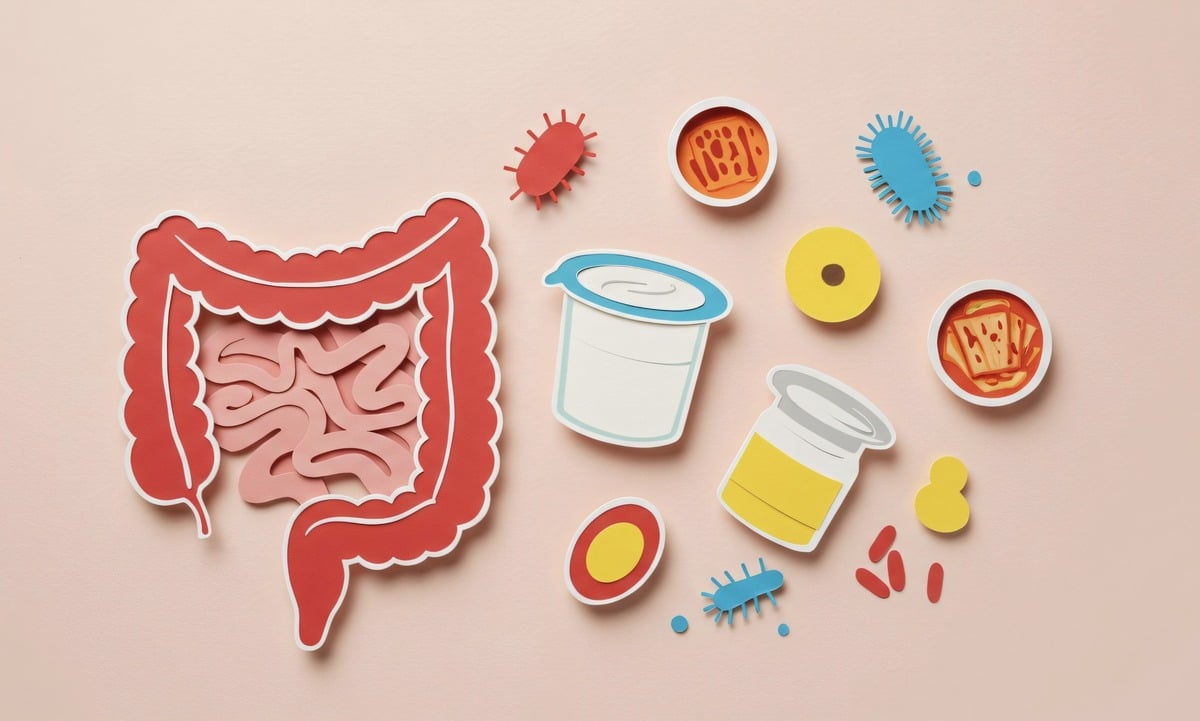
When I talk about gut health, I’m referring to the complex system of your gastrointestinal tract—an ecosystem of trillions of bacteria working non-stop to break down food, absorb nutrients, and maintain immunity. A healthy gut means better nutrient absorption, stable energy, balanced hormones, glowing skin, and a stronger natural defence system. It’s quite literally the foundation of your vitality.
Now imagine the opposite. Poor digestion shows up as persistent bloating, irregular bowel movements, constant fatigue, and that uncomfortable gut heaviness that makes you feel off all day. Over time, it impacts your focus, your mood, even how you sleep and how you feel in your clothes. If you’ve been nodding along, you’re not alone—and you don’t have to live like that.
Let’s talk solutions. One of the most powerful tools we have is right there in our kitchens: the traditional Indian diet. Rooted in centuries of Ayurvedic principles and refined through generations of practical wisdom, this way of eating is designed to build internal balance. From turmeric and cumin to ghee and fermented batters, every ingredient serves a digestive purpose. These aren’t just culinary choices—they’re therapeutic allies.
At Claudia’s Concept, I help you harness the wisdom of Indian dietary science with a modern, practical twist. You’ll learn how to use spices to stimulate digestive enzymes, how fibre-rich dals and complex carbs stabilise your gut microbiome, and why timing and food combinations actually change the way your body feels after a meal. Ready to feel light, energised, and grounded in your body again? Let’s fix your gut—starting from the plate.
Fix Your Gut: The Traditional Indian Diet for Better Digestion and Less Bloating
Traditional Indian Diet: A Digestive Powerhouse
When it comes to healing the gut and easing bloating naturally, the traditional Indian diet holds treasures rooted in centuries of wisdom. This is not just a cuisine—it’s an ancient, intentional approach to nourishment that promotes digestive harmony at every level. At Claudia’s Concept, we emphasize going back to these roots to reset and revitalize your gut microbiome through intuitive eating and conscious food choices.
Whole Foods, Seasonal Produce, and Mindful Pairings
One of the cornerstones of the traditional Indian diet is the use of fresh, whole ingredients. From vibrant vegetables and pulses to a wide array of grains and spices, each component is chosen for its function and energy. Seasonal eating plays an equally vital role, syncing the body with its natural environment to support optimal digestion.
- Whole grains like rice, millet, and wheat provide dietary fiber that supports bowel regularity and fuels gut bacteria.
- Legumes such as mung beans and lentils offer high-quality plant protein and fermentable fibers that act as prebiotics.
- Vegetables—especially gourds, carrots, pumpkin, and greens—are gently cleansing and cooling for the digestive system.
Beyond individual food choices, the synergy of combinations plays a strategic role. Traditional meals are deliberately crafted—take the classic khichdi for example. Blending rice, lentils, and mild spices into one warm dish ensures easy digestion and nutrient absorption. Pairing incompatible foods is intentionally avoided, as this creates digestive stress. Even modern clinical studies support this: a 2021 article from the Journal of Ethnic Foods notes that traditional food pairings in South Asia often lead to more efficient enzymatic activity in the gut compared to randomized Western pairings.
Why Warm, Cooked Meals Are Better for the Gut
There’s a reason grandmother’s freshly cooked meals feel like therapy—because they truly are. According to Ayurvedic texts and supported by growing integrative nutrition research, warm cooked meals help activate the digestive fire or “Agni”. They require less effort from the gut to break down food, which in turn minimizes gas formation and bloating.
From soups to stews, every traditional Indian meal leans toward warmth. Even breakfast often includes cooked items like upma or poha, over cold cereals or smoothies. Clinical dietetics research from the University of Wollongong (2020) confirms that warm, moisture-rich meals improve nutrient bioavailability and reduce gastrointestinal discomfort in patients prone to acid reflux and bloating.
Satvik Food: Soothing the Digestive and Nervous System
“Satvik” is more than just a dietary label—it’s a way of eating that nurtures both body and mind. At Claudia’s Concept, we often start new gut-healing clients on a satvik-inspired meal plan to initiate holistic wellness. These meals are light, fresh, vegetarian, and intentionally calming. Think steamed vegetables, soft grains, gentle spices like turmeric and cumin, and generous use of ghee—all foods that are nourishing without being heavy or stimulative.
Psychobiotics—gut bacteria that influence mental health—respond positively to diets that are low in processed fats, sugars, and overstimulating substances. A 2019 clinical review in Frontiers in Psychiatry linked plant-forward calming diets, rooted in traditional practices, with better gut-brain axis regulation. This further validates what Indian sages practiced intuitively through satvik eating: calm stomach, calm mind.
If you’ve ever felt bloated, sluggish, or mentally scattered after eating, it’s time to reset. Tapping into the richness of India’s dietary traditions, you’ll find not just relief, but deeper vitality. And as always at Claudia’s Concept, the goal is aligned nourishment—because feeling good starts in your gut.
Fix Your Gut: Embrace Balanced Eating Practices Rooted in Indian Tradition
Reclaim Your Digestion with Mindful, Balanced Habits
Digestive wellness doesn’t just come from what’s on your plate—it flourishes through how, when, and where you eat. At Claudia’s Concept, I always highlight that the rhythm of your meals is just as essential as the ingredients in them. In traditional Indian households, this rhythm is sacred, intentional, and deeply enjoyable. If you’re looking to fix your gut, adopting these time-tested eating rituals can help you experience smoother digestion, reduced bloating, and renewed vitality.
Warm, Freshly Cooked Meals: The Soul of Digestive Ease
In Indian culinary tradition, food is never something to just “grab and go”. Meals are sacred, prepared with care and consumed soon after—they engage all senses. Freshly cooked food retains its prana, or life force, something science now supports by revealing improved enzymatic activity and nutrient bioavailability in fresh meals compared to reheated or processed options.
Studies published in The American Journal of Clinical Nutrition confirm that nutrient degradation begins immediately after food is cooked, especially when it’s left out too long or reheated multiple times. Eating home-cooked meals daily ensures you’re consuming nutrients in their most potent form. At Claudia’s Concept, I make it a point to recommend fresh and seasonal meal planning to all my clients working on gut repair or reducing inflammation.
Slow Down, Chew Well, Digest Better
The simple act of chewing is the first and most crucial step in digestion. Yet, it’s often neglected. Traditional Indian households, especially in Ayurvedic practice, emphasise the importance of chewing each bite thoroughly—ideally 20 to 30 times. Why such precision? Because the mechanical breakdown of food coupled with enzymes in saliva kickstarts digestion, making nutrients easier to absorb and preventing bloating at the source.
Research from The Journal of Clinical Gastroenterology shows that individuals who chew food slowly and thoroughly have a significantly lower incidence of bloating and acid reflux. Thorough chewing also naturally moderates portion sizes, helping you feel more satisfied with less food—preventing overeating without effort.
Put Down the Screen—Focus on Your Meal
Multitasking during meals is one of the biggest reasons for poor digestion in the modern world. Watching television, scrolling through phones, answering emails—these split our attention and disrupt the vital gut-brain connection. Traditional Indian practices encourage eating in a calm, undistracted environment where meals become a form of meditation.
Why does this matter? Because your parasympathetic nervous system, also known as the “rest and digest” mode, is only activated when you’re mentally present. A study in the journal Appetite demonstrated that distracted eaters not only eat more but digest less efficiently—raising issues like bloating, indigestion, and poor nutrient absorption.
Set Your Meal Clock: Eat at Consistent Times Daily
Your digestive system thrives on routine. When you eat at irregular times, your gut enzymes get confused, hormonal signals go haywire, and metabolism slows. On the other hand, predictable meal windows train your body to release digestive enzymes at predictable intervals. This is deeply embedded in Indian dietary culture, where lunch is the largest, most nourishing meal, aligned with the body’s peak digestive fire around noon, known in Ayurveda as Agni.
Clinical studies from The International Journal of Obesity now back this ancient wisdom. Individuals who consume their main meals earlier in the day and maintain regular meal patterns show significantly improved gut microbiome diversity, fat metabolism, and even reduced inflammation markers. This is one of the core pillars I integrate in my bespoke gut-healing protocols at Claudia’s Concept—because timing truly matters as much as food quality.
- Start your day with a warm breakfast within an hour of waking.
- Have lunch between 12 pm and 2 pm—this should be your largest meal.
- Eat dinner before 8 pm, preferably light and easy to digest.
When eaten mindfully, at the right time, and in appropriate portions, food becomes your medicine. Balanced eating practices, deeply rooted in the Indian tradition, are not just rituals—they are transformations. Integrate these into your lifestyle, and watch how your gut begins to reward you with energy, clarity, and comfort.
Fix Your Gut: The Traditional Indian Diet’s Star Ingredients for Digestion & Bloating Relief
When it comes to digestion, your daily plate can either be your best friend or your biggest hurdle. Inside the vast wisdom of the traditional Indian diet lie ingredients that actively support digestive health and—quite impressively—reduce that stubborn bloated feeling. At Claudia’s Concept, I constantly see the transformation that happens when clients include the right foods that nurture the gut lining, fuel beneficial bacteria, and ease gastrointestinal discomfort.
Let’s explore these time-tested staples from Indian cuisine that repair, restore, and re-energise your digestion naturally.
Cooked Vegetables: Soothing and Easy on the Stomach
Raw salads might sound healthy, but when your digestive fire is low—or what Ayurveda calls “agni”—cooked vegetables become the real heroes. Gently simmered or steamed veggie-based meals give your gut a break while supplying fibre and micronutrients.
- Bottle Gourd (Lauki): Light, hydrating, and cooling—lauki relieves bloating by flushing out excess water retention. It’s also high in soluble fibre, which makes it easier to digest.
- Pumpkin: Rich in beta-carotene and potassium, pumpkin aids in gentle elimination and supports the mucosal lining of the gut.
- Carrots: When cooked until soft, carrots yield prebiotic fibres, essential for feeding gut bacteria without triggering gas production.
Whole Grains: Gentle Energy for Long-lasting Wellness
Unlike heavily processed grains that overload the system, traditional whole grains offer slow-release energy and allow the digestive tract to work at its natural rhythm. They’re integral to Claudia’s Concept meal plans for bloating reduction and digestive regulation.
- Rice: Especially white rice, which is less fibrous, calms the stomach and is often used in convalescence diets across India.
- Millets:Ragi (finger millet), Jowar (sorghum), and Bajra (pearl millet) are gluten-free and loaded with digestion-supporting minerals like magnesium and iron. Soaking them prior to cooking boosts their digestibility and reduces anti-nutrients.
Legumes with Spices: Balancing Fibre with Digestive Aids
Dal is more than comfort food—it’s your gut’s ally when paired wisely. Combining legumes with digestive spices changes the entire experience for your digestive tract.
- Lentils: Moong dal, in particular, is light on the stomach and doesn’t provoke gas when prepared simply.
- Cumin and Asafoetida (Hing): Clinical research has shown hing contains compounds that inhibit gastrointestinal muscle spasms. Cumin stimulates bile production, crucial for fat breakdown and nutrient absorption.
Ghee: Lubrication that Supports Smooth Digestion
Ghee—the golden nectar of Indian cooking—not only enhances flavour but plays a key role in gut immunity and motility. It carries fat-soluble vitamins (A, D, E, and K) to the cells lining your intestines, supporting repair and resilience.
Medium-chain fatty acids in ghee are absorbed directly through the liver and converted into energy without taxing the digestive system, making it a preferred fat for people recovering from digestive issues at Claudia’s Concept nutrition programs.
Buttermilk (Chaas): The Post-Meal Probiotic Ritual
In Ayurvedic tradition, a meal isn’t complete without a glass of chaas. Made by diluting fresh curd with water and churning it with spices like roasted cumin, ginger, and mint—this lightly sour drink restores the gut flora while aiding in protein digestion.
It’s not just cultural, it’s science-backed: a 2020 study published in the Journal of Dairy Science found that fermented dairy products help regulate the microbiota and reduce colon transit time.
Warm Spiced Water: Gentle Detox for a Soothed Belly
Beginning or ending your day with a warm infusion of digestive spices sets the tone for a balanced gut environment. Rather than reaching for antacids or synthetic remedies, try one of these traditional brews that calm inflammation and dispel trapped gas.
- Cumin Water: Known as “jeera pani,” it stimulates bile flow and enzymatic activity. One 2019 study in Food Chemistry linked cumin’s essential oils to improved gastric emptying and bloating relief.
- Fennel Tea: Fennel’s volatile oils, especially anethole, relax intestinal muscles and reduce fermentation in the gut, making it highly effective against abdominal distension.
At Claudia’s Concept, integrating these humble, yet powerful foods into your daily routine creates the foundation for resilient and efficient digestion. So, what’s in your next meal that will heal your gut?
Fix Your Gut: Top Herbs and Spices to Support Digestion and Relieve Bloating
Herbs and spices are cornerstones of the traditional Indian diet, not just for their unmistakable aroma and flavor but for their powerful medicinal properties. They don’t just make meals exciting—they actively strengthen your digestive fire, reduce gas, and soothe inflammation in the gut. At Claudia’s Concept, we combine centuries-old Indian wisdom with modern nutritional insight to bring you proven ways to enhance digestion naturally.
If your belly often feels tight, gassy, or uncomfortable, these potent plant allies can create harmonious balance within your digestive system. Let’s explore the top five that will help you fix your gut.
Ajwain (Carom Seeds): Your Go-To for Instant Relief
Ajwain has digestive properties that work fast, and it’s widely used in Indian households to manage indigestion and bloating. Its active compound thymol stimulates the stomach to release gastric juices, improving digestion and easing discomfort.
- Chewing half a teaspoon of ajwain with a pinch of salt can provide almost immediate relief from bloating.
- For chronic indigestion, mixing ajwain with dried ginger and black salt creates a powerful digestive churna.
- Scientific studies confirm ajwain’s antimicrobial activity, which also protects the gut microbiome from harmful bacteria.
Ginger: The Enzyme Booster and Bloat Buster
Ginger doesn’t just warm your senses—it stokes your digestive fire. Rich in bioactive compounds like gingerol and shogaol, it stimulates saliva, bile, and gastric juice production.
- A warm cup of ginger tea before meals can prep your digestive system for optimal nutrient absorption.
- Research published in the Journal of the Medical Association of Thailand shows that ginger improves gastric emptying and reduces bloating significantly in patients with functional dyspepsia.
- It also reduces gut inflammation, making it beneficial for those prone to IBS or sluggish digestion.
Cumin (Jeera): The Stimulator of Secretions
Cumin seeds are small, but their impact on digestion is mighty. These seeds stimulate the pancreas to secrete digestive enzymes—especially lipase, protease, and amylase—which are essential for breaking down fats, proteins, and carbohydrates efficiently.
- Roasted jeera powder mixed into buttermilk can ease post-meal heaviness and enhance digestion.
- Compounds like cuminaldehyde enhance gut motility and reduce fermentation-related bloating.
- A study featured in Food Chemistry found cumin extracts help regulate gastrointestinal motility and reduce inflammation in the intestinal lining.
Fennel Seeds (Saunf): Sweet Relief After Meals
Sweet, aromatic, and soothing—fennel seeds are often the last thing eaten after an Indian meal, and for good reason. They relax the muscles of the gastrointestinal system, allowing trapped gas to escape and easing discomfort fast.
- One teaspoon of fennel seeds post-lunch or dinner freshens breath and improves digestion simultaneously.
- The volatile oils—like anethole—exhibit antispasmodic and carminative properties, reducing cramps and flatulence.
- Clinical data suggest fennel extract shortens the colonic transit time, making it useful for those with bloating linked to constipation.
Asafoetida (Hing): The Flatulence Fighter
No Indian lentil dish is complete without a pinch of hing. With its bold aroma and unmistakable taste, hing is a powerhouse anti-flatulent. It works by inhibiting the growth of gut flora responsible for excessive gas production during digestion of legumes and fibrous vegetables.
- Adding just a pinch of hing while tempering dals or chickpeas eliminates their bloating effect.
- The active component ferulic acid contributes to its anti-inflammatory action within the digestive tract.
- In Ayurvedic texts, hing is classified as deepana (appetite stimulant) and pachana (digestive stimulant), both crucial for gut health.
Working these spices regularly into your meals doesn’t require an overhaul—just small, purposeful tweaks. At Claudia’s Concept, we emphasize building digestive ease into your routine with intuitive, natural methods rooted in tradition and backed by science. Which of these powerful herbs and spices will you start using today to fix your gut?
Natural Remedies for Bloating — Gentle and Effective Tools from Indian Tradition
I often say that when it comes to digestion, your kitchen is your first line of defence. Bloating, that uncomfortable puffiness or tightness in the belly, can take a toll on your mood, energy and even your confidence. Fortunately, India’s age-old remedies offer a powerful yet gentle approach to fix bloating naturally. At Claudia’s Concept, I recommend these simple habits to bring immediate relief and long-term improvement to your gut health.
Ajwain and Black Salt Mix — A Fast-Acting Traditional Fix
This remedy passes the test of both science and tradition. Ajwain, or carom seeds, contain thymol, which stimulates gastric enzymes and accelerates digestion. Black salt, a cooling salt high in trace minerals, works synergistically with Ajwain to relieve gas and abdominal discomfort.
- How to use: Dry roast ½ tsp of ajwain seeds, mix with a pinch of black salt, and chew slowly after meals. Follow it with a sip of warm water.
- Why it works: A study in the Journal of Ethnopharmacology (2009) found ajwain effective in reducing indigestion and flatulence due to its prokinetic properties.
Warm Ginger Tea — A Trusted Ally for Gut Motility
Few herbs stimulate digestion as effectively as ginger. It increases gastrointestinal motility, which simply means it helps food move smoothly through the stomach and intestines, reducing chances of fermentation and bloating.
- How to prepare: Boil 1 cup of water with 1 inch of fresh ginger root for 5–7 minutes. Sip slowly, especially after meals.
- Science-backed: A clinical trial published in the World Journal of Gastroenterology (2008) showed that ginger accelerates gastric emptying in healthy individuals.
Fennel Water or Tea — Calms and Relaxes the Gut Lining
Fennel seeds, or saunf, play a key role in post-meal rituals across Indian households, and for good reason. Loaded with compounds like anethole and fenchone, fennel has antispasmodic properties that relax the smooth muscles of the gastrointestinal tract.
- Method 1: Soak 1 tsp fennel seeds in warm water overnight; drink this infused water the next morning.
- Method 2: Brew the seeds into a mild tea and sip in the evening to reduce inflammation and gas build-up.
- Proven benefit: According to research in BioMed Research International (2015), fennel extracts significantly alleviate flatulence and abdominal discomfort.
Simple Post-Meal Yoga — Let the Body Assist the Digestive Process
Combining movement with mindful eating is a philosophy we deeply embrace at Claudia’s Concept. Yoga improves digestive circulation and promotes peristalsis — the wave-like muscle contractions that move food through the digestive tract.
- Key asana:Vajrasana — a kneeling pose performed immediately after eating — increases blood flow to the stomach lining and supports faster digestion.
- Quick tip: Hold Vajrasana for 5–10 minutes post-meal. Combine it with deep breathing for even greater benefits.
- Evidence check: A 2011 review in the International Journal of Yoga concluded that yoga postures like Vajrasana significantly improve gastrointestinal function and reduce gastric symptoms.
These time-tested remedies connect you to the rhythm of your body. Instead of masking the bloating, they correct the underlying imbalance gently and sustainably. For anyone looking to fix their gut with simplicity and intelligence, these traditional practices really work — and they harmonise beautifully with the holistic programs we follow at Claudia’s Concept.
The Magic of Fermented Foods in the Indian Diet
Think of your gut as a bustling metropolis, filled with trillions of microbial residents working around the clock. To keep this microbiome thriving, the traditional Indian kitchen offers something exceptional—fermented foods. These age-old staples, passed down through generations, are not just flavorful; they’re also powerful allies for strengthening digestion and reducing bloating. At Claudia’s Concept, I always incorporate these foods into gut-healing nutrition plans, knowing they work from the inside out.
Time-Tested Indian Fermented Foods That Help Your Gut
The Indian diet doesn’t rely on pills for probiotics—it simply turns to its rich culinary heritage. Here are a few fermented treasures you’ll want to embrace:
- Idli and Dosa Batter: Fermented using a blend of urad dal and rice, the batter rests for 8–12 hours, activating beneficial lactobacilli. These microbes improve nutrient bioavailability and promote a thriving gut flora.
- Dhokla: Fermented gram flour gives this Gujarati favourite not just its fluffy texture, but also digestive ease by pre-digesting proteins and carbohydrates.
- Traditional Pickles: Unlike vinegar-based versions, sun-fermented Indian pickles use mustard, oil, salt and spices. Over time, this naturally draws out water and encourages lactic acid bacteria growth, enhancing probiotic content.
Each of these is more than comfort food—they are microbiome fuel. Regular inclusion builds biodiversity in the gut, which, according to a 2010 study published in the journal Nature, plays a vital role in immune function and preventing chronic digestive issues like bloating and irritable bowel syndrome.
Cultured Curds: Homemade Probiotics in Every Spoon
Homemade curd is a digestive game-changer and possibly the simplest fermented food you can create at home. Unlike industrial yogurts, which may contain high sugar or low bacterial diversity, homemade curd is rich in living cultures like Lactobacillus acidophilus and Bifidobacterium bifidum. These beneficial bacteria improve gut-to-brain signaling, support serotonin production, and regulate intestinal motility.
A study published in Frontiers in Microbiology (2014) showed that routine consumption of fermented dairy significantly reduces inflammation markers and supports a balanced microbiome. That makes curd a gut-healer worth consuming daily, preferably with lunch, when digestive enzymes are at peak activity. At Claudia’s Concept, we often recommend pairing it with lightly spiced rice or rotis for optimal gut benefits.
Traditional Buttermilk: The Cool, Digestive Companion
Buttermilk, or “chaas,” is more than a refreshing antidote to scorching Indian afternoons—it’s a functional digestive tonic. Prepared by churning curd with water and digestive spices like roasted cumin, black salt, and mint, buttermilk enhances enzymatic activity in the stomach and improves bile flow, promoting smoother digestion.
Clinical nutrition studies, including research published in the International Journal of Food Sciences and Nutrition (2018), have linked buttermilk with reduced gastric discomfort and bloating. Its ability to alkalise the system makes it particularly beneficial after heavy meals or during the summer months when heat can trigger gut irritation.
So, the next time you feel bloated or sluggish, skip the fizzy drinks. Consider reaching for a glass of chaas instead. Your gut will thank you—for the relief, the smooth digestion, and the goodness of cultures working in perfect harmony.
Naturally fermented Indian foods aren’t just delicious—they’re biochemically designed to support the gastrointestinal system. They improve digestion, combat bloating, and feed good bacteria that keep the gut balanced and robust. Start reintroducing them into your daily meals, and you’ll notice a visible shift—not just in your digestion, but in your energy, immunity, and mood.
Probiotics and Prebiotics for a Healthy Gut
Let’s talk about the real heroes working behind the scenes in your gut: probiotics and prebiotics. These two may be small, but their impact is massive. At Claudia’s Concept, I always focus on nutrient synergy—the way certain foods work better together—and probiotics and prebiotics are the perfect example of that. They’re not just trendy terms. They are science-backed essentials for anyone looking to fix your gut using the power of traditional Indian nutrition.
Probiotics: Living Cultures That Build a Stronger Gut
Think of probiotics as the beneficial bacteria that restore and maintain harmony in your digestive system. Indian cuisine has celebrated probiotics for centuries, long before the term even existed. Fermented foods like curd (dahi) and buttermilk (chaach) are staple items on the Indian table—not as an afterthought, but as digestive allies.
Why are they so powerful? The strains of live bacteria in these foods, especially Lactobacillus acidophilus and Bifidobacterium bifidum, help break down lactose, absorb nutrients more efficiently, and strengthen your intestinal barrier. Multiple studies, including one published in the Journal of Clinical Gastroenterology, highlight the ability of these strains to relieve bloating, reduce IBS symptoms, and enhance immune function inside the gut lining.
In traditional Indian homes, curd isn’t just a side dish—it’s a digestive strategy. When paired with spices like cumin or ginger, its probiotic potential is amplified. Buttermilk, especially after meals, cools the digestive fire, reduces acid build-up, and supplies hydrating electrolytes while delivering millions of good bacteria to your gut.
Prebiotics: The Fuel Your Gut Bacteria Crave
Now let’s move to the unsung champions—prebiotics. While probiotics are the beneficial bacteria, prebiotics are the fibres and compounds that feed them. No bacteria—no matter how helpful—can do its job without proper nourishment.
Traditional Indian foods are naturally rich in prebiotics. Consider these everyday ingredients:
- Garlic and onions: Loaded with inulin, these aromatic vegetables not only start most Indian dishes but also provide the perfect fuel for gut bacteria to thrive.
- Raw bananas (plantains): Especially in South Indian and Bengali cooking, these are rich in resistant starch—a powerful prebiotic that encourages the growth of short-chain fatty acid (SCFA)-producing microbes like Faecalibacteriumprausnitzii, which guards against inflammation.
- Whole grains like jowar, bajra, and barley: They offer soluble fibre that ferments in the colon, creating the ideal environment to multiply beneficial gut flora.
Interestingly, a 2021 study in the journal Gut Microbes demonstrated that a diet high in natural prebiotics significantly improved microbial diversity and reduced markers of gut inflammation within just three weeks. That’s the kind of transformation we aim for at Claudia’s Concept.
The Indian Way: Perfect Harmony of Probiotics and Prebiotics
Indian meals effortlessly marry both elements into one powerful digestive routine. A typical South Indian breakfast of idli with coconut chutney introduces Lactobacillus through the fermented rice and lentil batter, while coconut and mustard seeds offer prebiotic support. North Indian meals often close with chaach seasoned with roasted cumin—as soothing as it is potent.
This natural synergy—fermented foods combined with fibre-rich vegetables and spices—creates an environment where your gut can rebuild, re-balance, and regenerate. Digestive resilience is not accidental; it’s a culinary tradition backed by centuries of mindful eating and the latest findings in gut microbiome science.
So next time you reach for that bowl of dahi or layer your curry with garlic and onion, know this—you’re doing more than just making your meal tastier. You’re laying the foundation for a healthier, more balanced gut—one that digests better, bloats less, and energises every cell of your body.
Fight Inflammation, Fix Your Gut: Indian Superfoods That Calm and Heal from Within
Say hello to your gut’s best allies
Inflammation in the gut isn’t just uncomfortable—it’s a trigger point for a cascade of digestive imbalances, including bloating, irregular elimination, and even chronic distress. At Claudia’s Concept, we’ve seen how incorporating naturally anti-inflammatory foods can change the game. The Traditional Indian Diet is loaded with ingredients that cool, soothe, and rebuild gut integrity, especially when integrated mindfully into a daily routine.
Let’s take a closer look at three traditional, science-backed anti-inflammatory superfoods that support digestive wellness in powerful ways.
- Turmeric (Haldi): A golden healer with powerful science behind it
The bright yellow spice you see in most Indian cooking does much more than add color. Turmeric’s active compound, curcumin, is backed by robust clinical evidence for its anti-inflammatory and antioxidant properties. According to a 2019 study published in Phytotherapy Research, curcumin supplementation significantly reduced inflammation markers like CRP (C-reactive protein) and improved gut barrier function in individuals with digestive issues. It actively modifies the inflammatory pathways, calming bloating and stimulating bile flow for better fat digestion.
What does this mean for your gut? Less irritation, enhanced nutrient absorption, and a noticeable reduction in post-meal discomfort. At Claudia’s Concept, I often recommend clients incorporate turmeric by simmering it with black pepper and ghee to enhance absorption and support the microbiome.
- Holy Basil (Tulsi): An adaptogenic herb for digestive calm
Known as the “Elixir of Life” in India, Tulsi is far more than a sacred plant—it’s a gut-supporting powerhouse. Studies such as the one published in Journal of Ayurveda and Integrative Medicine highlight tulsi’s role in regulating cortisol levels and reducing stress-induced gastrointestinal symptoms. Here’s the link: when stress is reduced, gut motility improves and inflammation subsides.
You’ll find tulsi tea as an excellent daily addition post-lunch or mid-evening. Its volatile oils like eugenol and linalool exhibit antimicrobial and anti-inflammatory effects, which help soothe the intestinal lining and rebalance the gut flora. A calm gut digests better, and tulsi delivers results that are both immediate and accumulative over time.
- Amla (Indian Gooseberry): The soothing detoxifier
This humble fruit deserves a standing ovation in any gut-healing routine. Amla is one of the richest plant-based sources of Vitamin C, but more than that, it contains polyphenols and tannins that exhibit strong anti-inflammatory and gastroprotective effects. Research from the Journal of Ethnopharmacology demonstrates amla’s ability to support mucosal defense, reduce gut acidity, and normalize bowel movements.
At Claudia’s Concept, we use amla not only for its cooling and detoxifying impact but also because it promotes regular elimination—a crucial factor in reducing bloating and improving overall gut efficiency. Try a teaspoon of amla juice first thing in the morning or sprinkle amla powder into smoothies or dal for long-term benefits.
Add these healing foods to your daily rhythm
Incorporating naturally anti-inflammatory foods doesn’t require a complete kitchen overhaul. Start simple:
- Warm turmeric milk with a dash of black pepper before bed.
- Mid-afternoon tulsi tea to unwind and recalibrate digestion.
- A daily dose of amla juice or dried amla candy to regulate elimination.
The magic lies in consistency and aligning with your body’s internal rhythms. Remember, each ingredient above is more than a food—it’s a tool for healing. Use them deliberately, enjoy their flavors, and trust that your gut will respond with greater balance and ease.
At Claudia’s Concept, we see food as functional, delicious medicine. These traditional Indian remedies, backed by modern science, hold the key to soothing your gut and transforming your digestion.
Final Thoughts: Rediscovering the Traditional Indian Way to Heal the Gut
The journey to a healthier gut doesn’t begin in fancy supplement aisles or with restrictive diet plans — it starts right at home, often with the food that’s been passed down through generations. The traditional Indian way of eating offers an innate intelligence rooted in centuries of observation, balance, and healing. It’s not just what you eat — it’s how, when, and with what intentions that makes all the difference.
When you follow the wisdom of Indian dietary traditions, you’re not just feeding your body — you’re nurturing a system designed to self-regulate, restore, and thrive. This approach views the gut not in isolation but as a dynamic, sensitive network that connects digestion, immunity, mental clarity, and overall energy levels.
Simple acts like sipping warm jeera (cumin) water in the morning, adding a pinch of hing (asafoetida) to your dals, fermenting batters for idlis, or ending lunch with a spoonful of ghee — these may seem small, but each one directly supports your digestive tract and reinforces your body’s natural intelligence. That’s the power of a truly integrative approach.
Unlike trendy diets built on deprivation and short-term change, the Indian way places emphasis on long-term, sustainable nourishment. This means no counting kilojoules or macros — just listening to hunger cues, honoring your constitution (prakriti), and eating seasonally with mindfulness. Diet shouldn’t be another thing to stress over; it’s meant to energize, soothe, and heal.
At Claudia’s Concept, I see clients thrive when they return to this intuitive, clean, and time-tested system. Bloating reduces, skin clears up, energy becomes more stable, and moods even out. And all of this starts with what’s already in your kitchen and pantry.
If you’re feeling overwhelmed by all the digestive advice out there, take a breath. Healing the gut isn’t about overnight transformations — it’s about intentional, consistent choices. Swap that cold salad for warm khichdi. Add a teaspoon of fermented pickle instead of a packaged condiment. Start sitting down and chewing your food fully. These aren’t drastic changes, but they create powerful shifts.
Start with just one traditional gut-friendly habit today — your digestion will thank you. The magic of Indian food isn’t just in the flavours; it’s in its ability to realign your body with nature’s rhythm. Real health begins in the gut, and your plate is your most potent prescription.
Ready to experience that transformation? Let Claudia’s Concept be your guide back to the roots of wholesome, gut-loving nutrition.