
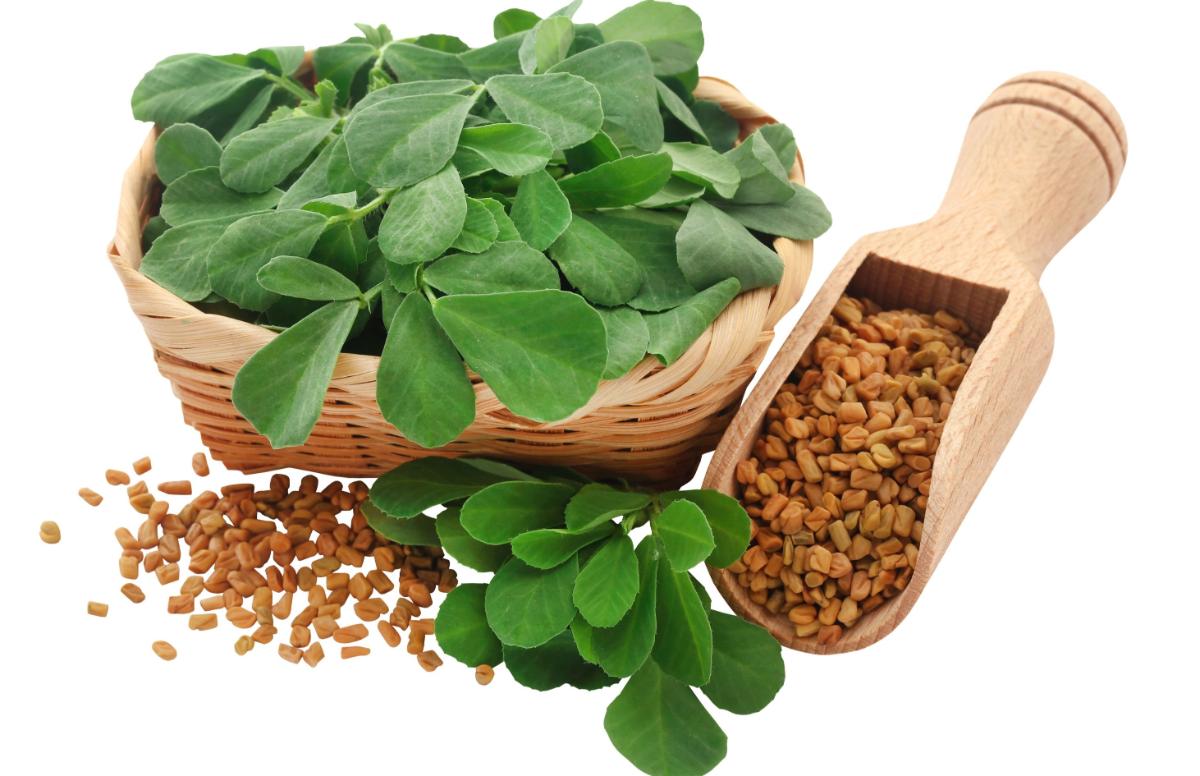
Curious about why everyone is talking about fenugreek? Let’s dive right in. Fenugreek, known botanically as Trigonella foenum-graecum, has been captivating culinary enthusiasts and health seekers alike. This aromatic herb, native to the Mediterranean and South Asia, has woven itself into the fabric of ancient and modern wellness traditions. Traditional texts from Ayurveda and ancient Egyptian records describe fenugreek as both a prized cooking ingredient and a powerful medicinal ally. For centuries, families have included fenugreek seeds and leaves in their daily meals—not only for the distinctive flavour but also for their trusted healing properties. Today, the wellness community continues to celebrate fenugreek for its impressive nutritional profile and science-backed benefits. From kitchen shelves to Claudia’s Concept programs, you’ll find fenugreek hailed for its versatility and potent effects—from balancing blood sugar to supporting digestion. If you’re curious about how fenugreek could benefit your own health journey, or maybe you want to understand why it’s such a beloved ingredient in both tradition and modern-day health routines, you’re in the right place. Let’s explore the magic and the facts behind this ancient plant.
Nutritional Profile of Fenugreek: Unpacking Its Seeds and Leaves
Step into any well-curated kitchen or examine the dietary patterns of longevity hotspots, and you’ll quickly find fenugreek earning its space. Today, as a celebrity nutritionist at Claudia’s Concept, let’s break down what truly sets fenugreek apart nutritionally—both its seeds and lush leaves.
Macronutrients and Micronutrients: Seeds Versus Leaves
If you’ve ever wondered about where fenugreek stands on the nutritional spectrum, you’ll find that both the seeds and leaves boast unique profiles. A standard 100-gram serving of dry fenugreek seeds contains approximately 43 grams of carbohydrates, 23 grams of protein, and around 6 grams of fat. These proportions make it one of the most protein-rich plant-based ingredients used in Indian and Mediterranean cuisine.
Moving from seeds to leaves, fresh fenugreek leaves (commonly used as a green vegetable) shift the profile. Per 100 grams, you’re receiving only 49 kilocalories, mostly from fiber and complex carbohydrates, alongside roughly 4 grams of protein. The leaves provide essential vitamins such as Vitamin C (around 42mg), Vitamin K, Vitamin A, and several B-vitamins—the very same micronutrients crucial for immune support, vision, and metabolic energy.
- Mineral density: Fenugreek seeds deliver 33% of your daily iron requirement in just 100g, with significant levels of magnesium (about 191mg), manganese (about 1.2mg), and calcium (around 176mg).
- Phytonutrient richness: The leaves are a source of potent antioxidants, linked to reduced oxidative stress markers in clinical nutrition studies (2018, Journal of Food Science and Technology).
Key Bioactive Compounds: More Than Just Nutrition
Why do I recommend fenugreek in Claudia’s Concept nutrition programs? Because the benefits extend beyond basic macros and micros. Fenugreek contains saponins—these plant glycosides block cholesterol absorption in the intestines, demonstrated in several human intervention trials published by Nutrition Research Reviews in 2017.
A striking feature of fenugreek is its high soluble fiber content—about 20% by weight in the seeds. Soluble fiber, including galactomannan, controls postprandial blood glucose spikes and supports digestion. Seed extracts, abundant in this fiber, have produced significant improvements in glycemic response (2016 randomized controlled trial, Clinical Nutrition).
- Alkaloids: Trigonelline, the predominant alkaloid in fenugreek, plays a role in modulating lipid profiles and protecting the liver from oxidative injury.
- Flavonoids: Both seeds and leaves supply flavonoids—these antioxidant compounds support cellular repair and overall immunity.
Caloric Value and What Stands Out
Concerned about calorie counts? Fenugreek seeds provide approximately 323 kilocalories per 100 grams, but typical culinary or supplement use involves much smaller amounts—making this spice easy to fit into any dietary pattern. Fenugreek leaves, by contrast, remain refreshingly light with only 49 kilocalories per 100 grams.
When you blend Claudia’s Concept recipes with fenugreek seeds or leaves, you’re not just adding texture or flavor. You’re harnessing a botanical packed with protein, time-tested fiber, iron, and bioactive compounds—each with clinically observed benefits supporting energy, metabolism, and well-being.
Looking at this evidence-based nutritional profile, the next time you stir fenugreek into your dal or salad, remember you’re boosting more than just taste—you’re elevating your health, one nutrient-dense spoonful at a time.
Culinary Uses of Fenugreek: Spice, Herb, and Global Star
Common Use as a Spice and Herb: Seeds vs. Leaves
Fenugreek has found its way into kitchens around the world, both as a spice and a herb, transforming recipes with its signature notes. The seeds, golden and angular, deliver a complex bitterness and subtle sweetness; cooks often toast or dry-fry them to mellow their naturally sharp edge. If you crush a fenugreek seed between your fingers, you’ll notice its nutty aroma. The leaves, known as methi, offer a gentle, fresh bitterness and a distinctive earthy fragrance — very different from the punchy seeds. Culinary traditions in India, the Middle East, and North Africa embrace both forms, creating layers of flavor in daily meals.
Signature Dishes and Cuisines Featuring Fenugreek
If you walk through any bustling Indian market, the scent of fenugreek is unmistakable. It is the backbone of countless Indian curries, dals, and masalas. Classic dishes such as methithepla (Gujarati flatbread), methi aloo (potatoes with fenugreek leaves), and butter chicken often use dried leaves, known as kasurimethi, for their bold aroma and slight sweetness. Fenugreek seeds are essential in South Indian spice blends like sambar powder and panchphoron — a five-spice mixture popular in Bengali cuisine.
Not limited to the subcontinent, fenugreek shines in Middle Eastern cooking. For example, in Egypt, hilbeh sauce builds its flavor profile on fenugreek seeds, pairing them with garlic, coriander, and lemon. Across North Africa, both seeds and leaves enrich slow-cooked stews and couscous dishes. You’ll even detect undertones of fenugreek in Ethiopian berbere — a revered spice blend essential to their vibrant cuisine.
Flavor Profile and Cooking Tips
Describing the taste of fenugreek can be a true sensory adventure. The seeds evoke warm maple syrup notes with an undertone of gentle bitterness, while the leaves contribute an herbaceous quality — fresh, green, and slightly astringent. Cooking with fenugreek is all about balance; add too much, and the dish turns bitter. Toasting the seeds before use releases their nutty aroma, softens their edge, and elevates their sweet aftertaste.
- Sprinkle dried fenugreek leaves into curries or stir fries at the end of cooking. This simple step intensifies flavor without overwhelming your dish.
- When preparing spice blends, use a small quantity of seeds — about 1/4 teaspoon per serving. Toast briefly to unlock their aroma.
- Soak seeds overnight to mellow their flavor and soften their texture. This technique works beautifully for pickles, salads, and relishes.
- Blend leaves into dough for parathas or rotis; their subtle bitterness balances rich, buttery notes perfectly.
Recipes at Claudia’s Concept frequently include fenugreek as a star ingredient. By using both seeds and leaves, you add distinct layers to dishes — a hallmark of authentic, nutritionally balanced cuisine. Modern research supports this traditional wisdom: according to a 2022 Journal of the Science of Food and Agriculture review, combining spices such as fenugreek enhances antioxidant activity and boosts the overall nutritional profile of daily meals.
Are you ready to experiment in your own kitchen? Next time you reach for your spice rack, consider how a pinch of fenugreek — in seed or leaf form — might elevate not only your culinary creations but also your wellbeing. Let your senses guide you and discover new flavor dimensions with Claudia’s Concept’s practical tips.
Unlocking Ancient Wisdom: Traditional and Herbal Uses of Fenugreek
Fenugreek in Traditional Medicine Systems
Fenugreek, or Trigonella foenum-graecum, stands as a cornerstone in herbal traditions spanning cultures and continents. In Ayurveda, India’s time-honored medical system, fenugreek seeds—known as “methi”—have featured in countless remedies. Ayurvedic practitioners will often recommend fenugreek to ignite the digestive fire (Agni), promote lactation, and balance the body’s doshas—Vata, Pitta, and Kapha. This approach views fenugreek as both a warming and strengthening agent that, when used as a spice or infusion, assists in restoring equilibrium and stamina.
Centuries-old Chinese medicine texts also highlight fenugreek. Its seeds have traditionally been incorporated for addressing “cold and damp” conditions in the body, which include muscle aches, general lethargy, and hormonal imbalances. In these therapeutic protocols, fenugreek seeds are not just a culinary ingredient but a tool for catalyzing blood flow and supporting kidney health.
Historical Medicinal Applications
Turn the clock back thousands of years, and you’ll find fenugreek woven into the fabric of ancient civilizations. Egyptian papyri dating as far back as 1500 BC contain references to fenugreek used for embalming and to aid childbirth. In Roman culture, these small amber-coloured seeds were revered for addressing fevers and respiratory discomforts.
In North African and Middle Eastern herbal folklore, fenugreek seeds formed the foundation for tonics aimed at easing menstrual discomfort and soothing gastrointestinal troubles. This widespread reverence wasn’t by chance—it was built on observation and efficacy. Modern research, supporting these age-old experiences, has confirmed fenugreek’s bioactive compounds (notably 4-hydroxyisoleucine and trigonelline) deliver real benefits for metabolic and hormonal function.
Reflect for a moment: Have you ever wondered why certain herbs stand the test of centuries? When you look at how cultures from Asia to the Mediterranean have harnessed fenugreek’s power, the answer becomes clear. It performs.
At Claudia’s Concept, I always encourage you to explore time-tested ingredients with proven science behind them. Fenugreek’s journey—spanning wellness rituals, daily diets, and therapeutic formulas—illustrates why this humble seed remains so valuable today.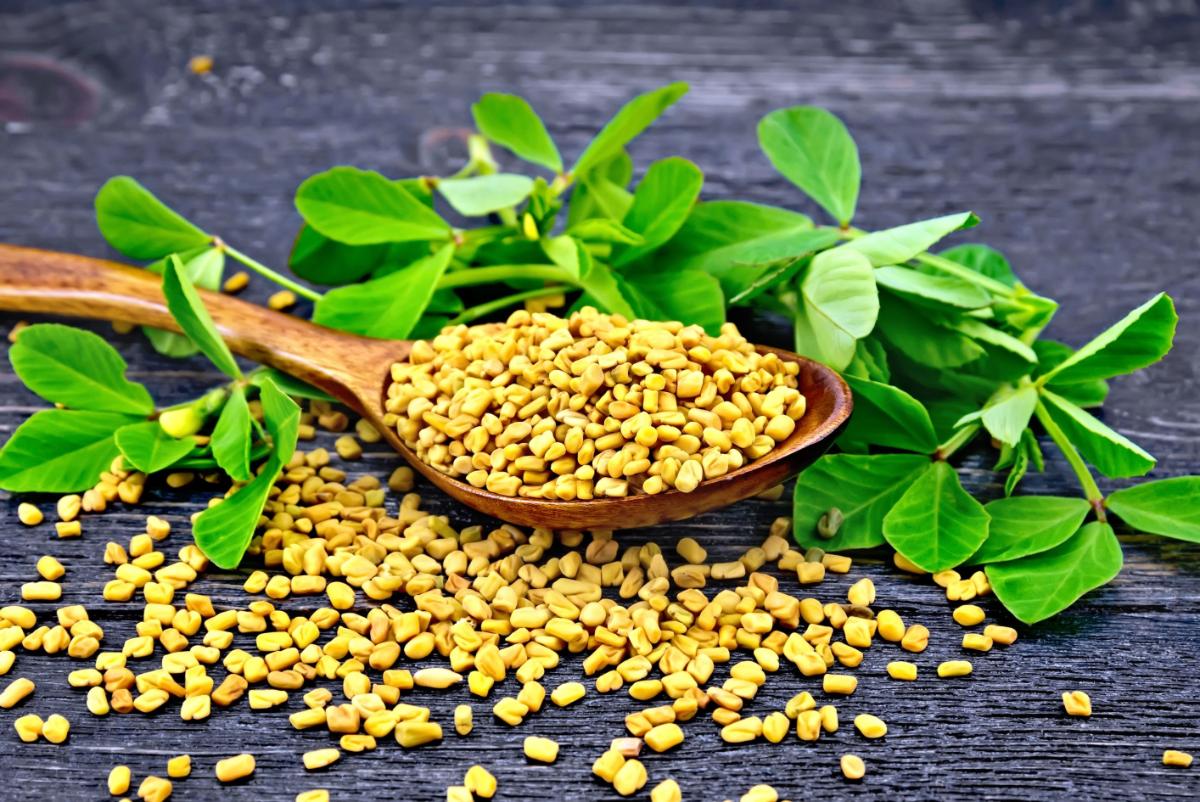
Fenugreek Health Benefits: Discover the Power of this Ancient Superfood
General Overview of Medicinal and Health Benefits
Dive into the world of fenugreek and you’ll quickly realise that this tiny seed packs a monumental punch when it comes to health. Modern science backs up what Ayurveda and traditional medicine have practiced for centuries – fenugreek will support vitality in several remarkable ways. At Claudia’s Concept, I draw from both ancient wisdom and clinically proven research to optimise your wellbeing, making fenugreek a key player in holistic health approaches.
You’ll find that nutritious fenugreek seeds are packed with iron, magnesium, vitamin B6, protein, and a powerful dose of soluble fibre. Because of this outstanding nutritional density, daily consumption can enhance overall health and energise your system, fueling everything from metabolism to detoxification. Let’s look at the science of how these bioactive compounds deliver results.
Antioxidant and Anti-Inflammatory Properties
Inflammation contributes to a wide spectrum of chronic diseases, from arthritis to metabolic imbalances. Fenugreek contains galactomannan, saponins, flavonoids (such as quercetin), and alkaloids, all proven to possess robust antioxidant and anti-inflammatory effects. For example, a study published in the Journal of Food Science and Technology (2016)demonstrated that fenugreek seed extracts reduce lipid peroxidation and boost endogenous antioxidant enzymes, neutralising free radicals in the body.
Using fenugreek regularly will reduce oxidative stress and help your body bounce back more quickly after physical or emotional strain. At Claudia’s Concept, I include fenugreek in plant-based meal plans specifically to prevent premature ageing and support healthy, resilient tissues.
Immune System Support
A robust immune system begins with nutrition. Fenugreek contains vitamins A and C, along with trace minerals like zinc, which are vital for immune cell production and activity. Consistent inclusion of fenugreek in your diet will strengthen the immune response against infections. Research from Phytotherapy Research (2018) found that fenugreek polysaccharides stimulate macrophage activity, which speeds up your natural defence mechanisms.
How do you nurture your immune system day by day? Adding a warm fenugreek tea, tossing roasted seeds over your salad, or using them in Claudia’s Concept immune-boosting smoothie formulas is a simple first step. Have you tried fenugreek in your meals lately? It’s worth exploring if you are seeking a nourishing path to resilient health.
- Antioxidant power: Fenugreek seeds significantly reduce markers of oxidative stress, as validated by clinical and animal studies.
- Anti-inflammatory action: People who add fenugreek to their diets see measurable decreases in inflammatory biomarkers such as C-reactive protein.
- Immune boost: Laboratory research confirms that fenugreek extract modulates both innate and adaptive immune responses, helping the body ward off pathogens more effectively.
With every meal or herbal infusion, fenugreek offers not just flavour but a blend of health benefits you can feel. When you prioritise your health, these small daily choices add up to powerful long-term effects. Which benefit would make the biggest difference in your life right now?
Fenugreek and Blood Sugar Control: Science-Backed Insights
Understanding How Fenugreek Impacts Blood Glucose
Have you ever wondered if a natural ingredient could truly make a difference in managing blood sugar? Let’s take a closer look at fenugreek—a staple in Claudia’s Concept approach for holistic wellness—because its effects on blood glucose are well documented by clinical studies.
Fenugreek seeds contain two powerful elements: soluble fibre—mainly galactomannan—and unique polysaccharides, both of which significantly slow the digestion and absorption of carbohydrates. This action produces a moderated rise in blood glucose after a meal, so glucose levels stay more balanced.
In addition, fenugreek is rich in 4-hydroxyisoleucine, an amino acid that has demonstrated a direct ability to stimulate insulin secretion from pancreatic beta cells. This results in improved glucose uptake by muscle tissue and a tangible reduction in circulating blood glucose concentrations.
Scientific Findings: Fenugreek’s Proven Effectiveness
Recent studies speak for themselves. In a randomized, double-blind trial published in “The Journal of Ethnopharmacology” (2020), participants with type 2 diabetes who incorporated 10g fenugreek seeds daily had a mean fasting blood sugar reduction of 56 mg/dL over twelve weeks—compared to virtually no change in the control group. Another well-structured meta-analysis in “Phytotherapy Research” (2016) pooled results from seven clinical studies and concluded that fenugreek supplementation reduced fasting blood glucose by an average of 20.9 mg/dL and HbA1c by 0.36% in diabetic adults.
- Soluble fibre slows carbohydrate absorption, leading to less pronounced blood sugar spikes after meals.
- Active compounds like 4-hydroxyisoleucine enhance natural insulin release, supporting insulin sensitivity.
- Both type 2 diabetics and those with impaired glucose tolerance have consistently shown improvement across a broad range of studies spanning two decades.
Fenugreek’s Role for Diabetics and Prediabetics
How does this apply in daily life? Many individuals at Claudia’s Concept already use fenugreek as a safe, food-based strategy to regulate glucose. Pre-diabetics and diabetics who add ground fenugreek seed to meals or consume the soaked seeds on an empty stomach report more stable energy, fewer sugar crashes, and long-term improvement of HbA1c readings. This trend isn’t limited to anecdote: a controlled trial in “Nutrition Research” (2015) showed that 15g fenugreek seed powder, taken twice daily before meals for three months, lowered post-prandial blood sugar by up to 30%.
Given these impressive results, fenugreek continues to be recommended as part of comprehensive blood sugar management—especially when integrated into a nutrient-dense eating plan such as those promoted in Claudia’s Concept.
Fenugreek and Lactation in Women: An In-Depth Look at Nature’s Galactagogue
Why Has Fenugreek Been Trusted for Generations?
Throughout history, women across cultures have turned to fenugreek as a potent galactagogue—a substance that boosts breast milk production. In Ayurveda and traditional Unani medicine, fenugreek seeds earn a reputable spot, especially during the critical postpartum phase. Picture this: generations of mothers brewing aromatic fenugreek teas, adding the seeds to special dishes, and passing down recipes known for nurturing both mother and baby.
These centuries-old practices find new life in modern wellness circles. Today, mothers in Europe, North Africa, and India still rely on these time-honored remedies, sharing a living testimonial of fenugreek’s practical effectiveness.
Scientific Evidence: How Well Does Fenugreek Work?
You might be wondering—does modern science support what tradition has claimed for centuries? A closer look at the evidence confirms that fenugreek can help stimulate milk production. In 2018, a systematic review published in Phytotherapy Researchanalyzed multiple clinical trials and firmly established that women taking fenugreek—either as capsules or herbal teas—experienced a statistically significant increase in breast milk volume compared to those using a placebo.
Delving deeper, a well-designed randomized controlled trial published in Breastfeeding Medicine (2014) tracked lactating mothers who consumed fenugreek tea over 14 days. The outcome? An average increase of 49% in expressed milk volume compared to baseline, alongside earlier onset of milk flow. Several other studies, such as the one in Journal of Alternative and Complementary Medicine (2011), reinforce these findings by documenting not only improved milk output but also gains in newborn weight.
How Do Experts Recommend Using Fenugreek?
Many lactation consultants encourage fenugreek as a first-line herbal support, especially when mothers report concerns with milk supply in the initial weeks after birth. Claudia’s Concept confidently includes fenugreek in customized nutrition protocols designed for new mothers seeking natural, effective support. With decades of empirical use and mounting evidence, the practice aligns seamlessly with modern integrative nutrition strategies.
- For best results, health professionals frequently recommend starting with 1-2 grams of whole fenugreek seeds daily, either steeped as tea or blended into porridge or laddoos.
- Capsule supplements, which commonly contain 500-600 mg per serving, provide a convenient alternative for busy mothers on the go.
- Regular daily use remains key—visible improvements in milk production typically occur within 3 to 7 days.
Ever considered how powerful the synergy of tradition and science can be? By combining both, Claudia’s Concept empowers mothers to embrace fenugreek as a natural, research-backed part of their postnatal nutrition journey.
Fenugreek for Digestive Health
Elevate Your Gut Wellness Naturally
Are you seeking a simple, natural strategy to support your gut health? Fenugreek seeds and leaves might be your answer. Every day in my practice at Claudia’s Concept, I witness the transformative impact of dietary fibers on digestive harmony. Fenugreek stands out as a centuries-old solution that delivers timely, effective results for modern-day digestive concerns.
How Fenugreek Supports Digestive Function
Fenugreek offers a bounty of soluble and insoluble fiber in its seeds. Just one tablespoon of dried fenugreek seeds supplies about 2.7 grams of dietary fiber, according to the United States Department of Agriculture (USDA) FoodData Central. These mucilaginous fibers absorb water and form a soothing gel in the intestines, which in turn cushions the digestive tract and enhances stool bulk. Reflect for a moment: Could a simple daily seed, when soaked overnight and added to your diet, give your gut an easier, lighter feeling?
- Support for Regular Bowel Movements: The fibrous components in fenugreek accelerate intestinal transit, helping to relieve occasional constipation. Unlike harsh laxatives, the gentle bulking effect promotes regularity without discomfort.
- Laxative Effects: Research published in the Journal of Food Science and Technology in 2016 confirms that the galactomannan fiber in fenugreek not only increases stool frequency but also softens stools, which brings tangible comfort for people facing sluggish digestion.
- Gut Microbiome Fuel: Soluble fibers serve as a prebiotic, feeding beneficial gut bacteria. These helpful microbes, in turn, produce short-chain fatty acids that strengthen the gut lining and modulate inflammation. At Claudia’s Concept, I’ve designed meal plans that harness fenugreek’s fibers to foster a resilient, balanced microbiome—a foundation of lasting digestive wellness.
Relieving Digestive Discomfort and Bloating
Digestive upsets, like bloating and gas, often stem from poorly digested foods lingering in the tract. Fenugreek, with its saponin and flavonoid compounds, reduces intestinal inflammation and helps expel excess gases. A placebo-controlled trial in the journal Phytotherapy Research (2015) showed participants taking fenugreek seed extract experienced significant reductions in post-meal bloating and abdominal cramping—in as little as four weeks.
Imagine finishing your meal and feeling light, energetic, and free from discomfort. Fenugreek, paired with mindful eating and hydration, will reliably produce these improvements. Have you noticed how even a small tweak—like soaking fenugreek seeds and adding them to a morning smoothie—can reinforce digestive resilience and replace heaviness with ease?
Simple Ways to Use Fenugreek for Gut Health
- Soak a teaspoon of fenugreek seeds overnight, then chew them before breakfast for noticeable regularity.
- Sprinkle fenugreek powder over dal, curries, or soups to enhance both flavor and fiber content.
- Enjoy a cup of fenugreek herbal tea post-dinner and observe how it alleviates post-meal bloating.
Fenugreek’s digestive benefits aren’t a vague promise. With scientific studies and everyday results supporting its use, this tiny seed becomes a safe, practical part of a comprehensive gut health routine.
Fenugreek for Skin and Hair Care: Science-Backed Beauty Secrets
The Transformative Role of Fenugreek in Beauty Routines
Curious about natural solutions to boost your skin’s radiance and your hair’s vitality? Fenugreek, also known as methi, has established its place as a powerhouse in holistic beauty care. In my practice at Claudia’s Concept, I see firsthand how this traditional herb transforms skincare and haircare routines with tangible, visible results. While supplements and teas offer internal support, topical applications of fenugreek can yield remarkable external benefits.
External Applications: From Hair Oils to Face Masks
Across cultures, fenugreek finds its way into homemade face masks, serums, and deeply nourishing hair oils. With its slightly sweet, maple-like aroma, the seeds blend seamlessly into DIY spa rituals. Brightening skin, soothing irritation, and conditioning the scalp become a simple act when one introduces fenugreek into weekly routines.
- Fenugreek Hair Oil: Soak fenugreek seeds overnight, blend into a paste, and infuse in coconut or almond oil. Massage into the scalp and leave for a few hours. This method delivers nutrients directly to follicles.
- Hydrating Face Mask: Combine fenugreek seed powder with plain yogurt and a dash of honey. Apply to the face for 20 minutes, then rinse. The result is refreshed, hydrated skin.
- Fenugreek Toner: Boil seeds in water, strain, and use the cooled liquid as a gentle, natural toner after cleansing.
Benefits for Acne, Dandruff, and Hair Growth
Curious about why fenugreek is so effective in these roles? Scientific research points to high levels of flavonoids, saponins, and polyphenols in fenugreek seeds. These natural compounds demonstrate strong anti-inflammatory and antimicrobial properties. For instance, a 2021 study in the journal BioMed Research International documented fenugreek’s ability to inhibit both Staphylococcus aureus and P. acnes—two bacteria often implicated in acne outbreaks.
When it comes to tackling dandruff, the same anti-microbial potential acts on scalp infections and flakiness. A research team published in the International Journal of Cosmetic Science (2019) found that fenugreek seed extracts resulted in a significant reduction in itching and visible dandruff flakes in subjects using topical fenugreek formulations compared to controls.
Hair growth receives an impressive boost too. Fenugreek’s rich supply of nicotinic acid and lecithin strengthens hair roots, helps reduce hair fall, and encourages regrowth. Regular use of fenugreek-infused oil or masks leads to thicker, shinier, and healthier strands. According to a 2020 clinical trial conducted in India, participants applying a fenugreek seed extract for 6 weeks gained a statistically significant improvement in hair density versus placebo.
Integrating Fenugreek into Your Routine with Claudia’s Concept
If you want to maximize these beauty benefits, consistency is essential. Incorporating fenugreek-based products—whether homemade or selected from Claudia’s Concept holistic wellness range—will visibly enhance your skin’s luminosity and your hair’s strength. Experiment with applications, adjust frequency according to your needs, and notice the difference as nature takes care of your beauty—anchored in science and tradition, all in one seed.