
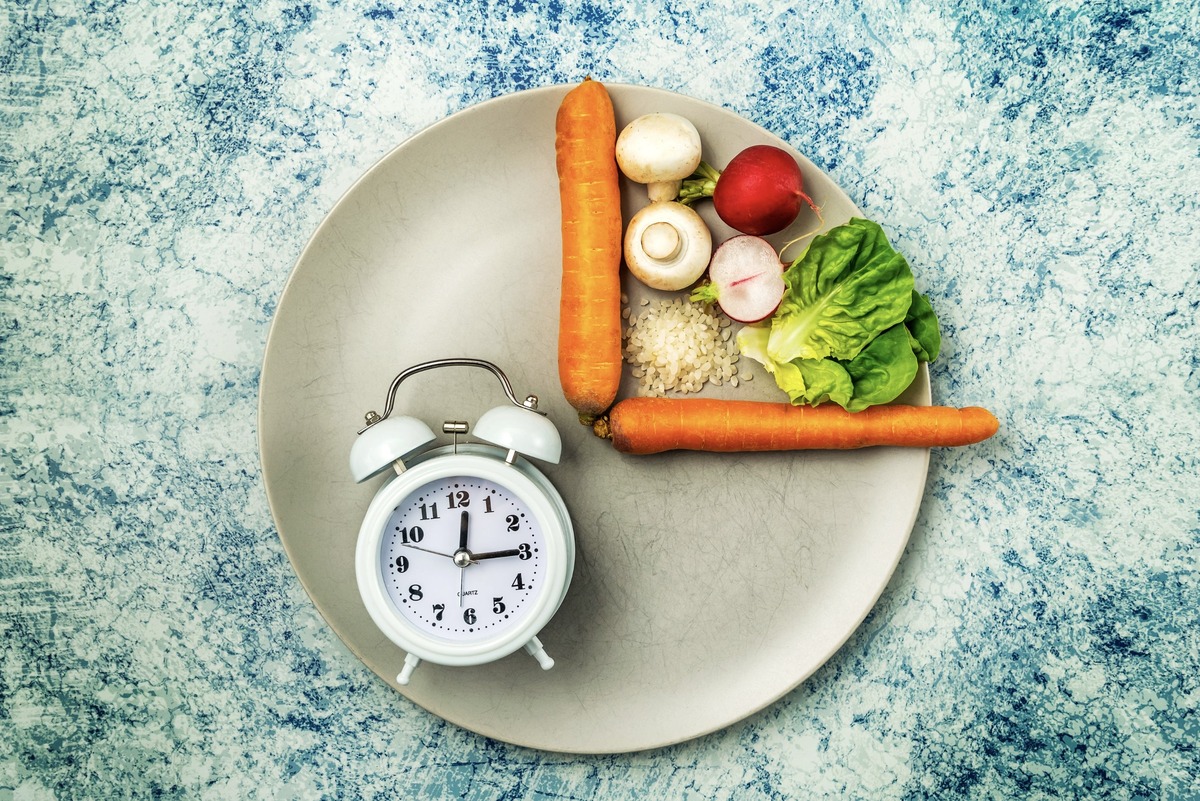
Intermittent fasting has captured the attention of celebrities, athletes, and wellness influencers around the world — and it’s not hard to see why. From boosting energy and aiding weight loss to supporting cellular repair, the benefits look compelling on social media. But behind the perfectly curated meal windows and “#fastedcardio” posts lies a question that many women haven’t yet explored in-depth: How does fasting affect fertility?
As an established celebrity nutritionist and founder of Claudia’s Concept, I work closely with women from all walks of life — those looking to balance hormones, increase vitality, or start a new chapter in family life. For women especially, the impact of fasting on reproductive health deserves thoughtful attention and expert guidance. This isn’t about quick fixes or diet trends; it’s about understanding how your body works and what it needs to thrive.
As Dr. Hrishikesh Pai, a leading IVF specialist in India, puts it: “Women’s bodies are biologically programmed to be sensitive to nutritional changes — when energy intake drops, the reproductive system is often the first to respond.”
Curious about what science has to say? Let’s unpack it together — clearly, practically, and with your long-term wellness in mind.
Why Are Celebrities Swearing By Intermittent Fasting?
What Exactly Is Intermittent Fasting?
Intermittent Fasting—commonly known as IF—is not a diet; it’s a time-restricted eating pattern that cycles between periods of eating and fasting. Unlike conventional meal plans that focus on what you eat, IF zeroes in on when you eat. That distinction makes it both simple and transformative. The science behind it is solid: IF optimizes insulin sensitivity, enhances cellular repair, and triggers metabolic flexibility—all of which lay the foundation for better overall health.
The Most Popular IF Schedules Celebrities Love
Within Claudia’s Concept, I often guide clients through choosing the most sustainable fasting style for them. Here are the most embraced protocols:
- 16:8 Method: Fast for 16 hours and eat during an 8-hour window. Most people find it manageable by skipping breakfast and having meals between noon and 8 PM.
- 5:2 Plan: Eat normally for five days a week, and restrict to around 500–600 calories on two non-consecutive fasting days.
- OMAD (One Meal A Day): Consume one nutrient-dense meal within a 1–2 hour window and fast the remaining 22–23 hours. It’s intense, but some find it effective for rapid fat loss.
Why Are Celebrities Hooked on IF?
I’ve worked with many high-profile individuals at Claudia’s Concept who incorporate intermittent fasting not just for aesthetic goals, but for its far-reaching wellness benefits. Take a closer look at why it keeps gaining momentum in celebrity circles:
- Weight Management: IF naturally reduces calorie intake by narrowing the eating window. A 2020 study in Cell Metabolism found that adults who followed time-restricted feeding without calorie counting still lost fat and maintained muscle mass.
- Hormonal Reset & Detox: During fasting, the body activates autophagy—a powerful detox process where old cellular material is broken down and recycled. The result? Increased mental clarity, stabilized blood sugar levels, and more balanced hormones.
- Energy & Skin Glow: IF reduces oxidative stress and inflammation. Celebrities often report brighter skin and more energy. That’s not anecdotal; one 2019 review published in The New England Journal of Medicine confirmed IF’s role in reducing systemic inflammation and enhancing mitochondrial health.
Famous Faces Who Fast
Alia Bhatt has spoken openly about her experience with intermittent fasting, crediting it for improved energy and workflow on long shoot days. Kourtney Kardashian also promotes IF as part of her wellness routine, especially for its role in gut cleansing and hormonal balance.
A Quick Reality Check
Celebrity routines are tailored, often supervised, and always fine-tuned. Just because a public figure thrives on OMAD doesn’t mean it’s the right fit for you. At Claudia’s Concept, I always say: the best eating pattern is one that aligns with your biology, fertility goals, and unique lifestyle.
How Fasting Affects Female Hormones and Fertility
When you’re considering intermittent fasting as part of your wellness journey, it’s important to understand how it influences not only your weight or energy levels—but also your reproductive hormones. These chemical messengers are the core drivers of menstrual cycles, ovulation, and ultimately, fertility.
The Hormonal Symphony: Estrogen, Progesterone, and LH
Your body’s ability to conceive begins with a finely tuned hormonal orchestra. Estrogen rises in the first half of your cycle to thicken the uterine lining. Luteinizing hormone (LH) triggers ovulation, and progesterone, secreted after ovulation, maintains a potential pregnancy. These hormones don’t act in isolation—they are deeply influenced by metabolic signals, nutritional status, and external stressors like fasting.
Prolonged Fasting Alters Hormonal Rhythms
Extended fasting—particularly when calories drop too low for extended periods—can disrupt the hypothalamic-pituitary-ovarian (HPO) axis. That’s the system responsible for regulating the release of reproductive hormones. When the body perceives a negative energy balance, it sees that as a threat to reproduction. As a result, hormonal shifts occur that prioritize survival over fertility.
- Suppressed LH Surge: Without sufficient caloric intake, the LH surge—essential for triggering ovulation—can be blunted. Ovulation may be delayed or may not occur at all.
- Menstrual Irregularities: Research, including data from the Journal of Clinical Endocrinology & Metabolism, shows that caloric restriction consistently affects menstrual cycle regularity. Women practicing aggressive fasting often notice skipped periods or shorter cycles.
- Hormonal Disruption:Estrogen and progesterone production both respond to metabolic cues. When intake is too low, estrogen levels drop, compromising endometrial lining quality and reducing chances of implantation.
These effects are not hypothetical—they’ve been shown across clinical studies. For example, a 2021 study published in Fertility and Sterility revealed that caloric restriction in healthy women led to reduced circulating levels of estradiol and downregulated LH pulses. That disruption directly interferes with ovulatory function.
What Reproductive Experts Are Saying
Top endocrinologists and fertility specialists are observing a clear pattern: women’s hormonal systems are more responsive—and more vulnerable—to energy imbalances compared to men. While men can fast without disrupting testosterone production to the same extent, women’s cyclic hormones are tightly linked to metabolic signals. According to the American Society for Reproductive Medicine, even mild energy deficits can reduce fertility biomarkers in women.
At Claudia’s Concept, we never promote one-size-fits-all fasting routines. We understand the intimate link between hormone health and nourishment. Fasting needs to be personalised. A hormone-friendly fasting schedule must honour your cycle and nutritional needs to preserve optimal ovulatory function.
Are you tuning in to your body’s hormonal cues? It’s not just about when you eat — it’s also about how your body feels, performs, and responds over time.
Fasting and Ovulation: Should You Be Concerned?
The Science of Ovulation and Energy Availability
Ovulation isn’t just a monthly event—it’s a finely tuned process that depends on your body’s energy balance. The hypothalamus, your brain’s control center for hormones, constantly evaluates whether there are enough nutrients and energy available to support reproduction. When energy levels drop too low, it adjusts by shutting down processes that are not essential for immediate survival—and yes, that includes fertility.
During fasting, especially extended or aggressive intermittent fasting schedules, the body enters an energy-conserving mode. When caloric intake dips below basic needs, the female body interprets this as a signal of scarcity. The result? Ovulation may be delayed—or it may not happen at all.
This biological reaction is deeply rooted in survival mechanisms. A 2020 study published in Fertility and Sterility found that women who consistently consumed less than 1,200 kilocalories per day had a significantly higher incidence of anovulatory cycles, supporting the importance of adequate energy intake for reproductive function.
Caloric Restriction as a Biological Stress Signal
Fasting and caloric restriction trigger a cascade of hormonal responses, particularly involving cortisol, the body’s primary stress hormone. When cortisol levels remain elevated over time, they can suppress the release of gonadotropin-releasing hormone (GnRH), which is essential for triggering ovulation via luteinizing hormone (LH) and follicle-stimulating hormone (FSH).
When this axis is disrupted, the menstrual cycle becomes irregular—or stops altogether. It’s not guesswork; it’s physiology. Research in the Journal of Clinical Endocrinology & Metabolism shows that even subtle reductions in body fat or increased stress due to insufficient energy availability can suppress ovulatory function in healthy women.
When the Body Conserves Energy: What Actually Happens?
- Paused Menstrual Cycles: Known as hypothalamic amenorrhea, this condition occurs when the brain stops sending ovulation signals due to perceived stress or energy deficit.
- Delayed or Missed Ovulation: Even in women with regular cycles, ovulation timing can be disrupted when energy intake is insufficient for days or weeks. The follicle might not mature, and thus no egg is released.
- Suboptimal Luteal Phase Support: Without proper hormonal support post-ovulation, even a fertilized egg may struggle to implant successfully, reducing pregnancy likelihood.
How to Fast Without Compromising Fertility
Now here’s the good news—fasting doesn’t have to crash your fertility goals. At Claudia’s Concept, we guide clients through mindful nutritional strategies that protect reproductive health while supporting weight and metabolic goals. The key lies in customizing your fasting window and ensuring adequate calorie and nutrient intake during the eating phase.
- Stick to a 12:12 or 14:10 fasting window: These schedules typically support hormonal health in women without invoking stress responses. For many, that’s finishing dinner by 7 PM and eating breakfast around 9 AM or 10 AM.
- Fuel your eating window with nutrient-dense, hormone-supporting foods: Think healthy fats (avocado, nuts, seeds), complex carbs (quinoa, sweet potato), lean proteins, and ample colorful vegetables.
- Avoid extended fasting (>16 hours regularly): For women of reproductive age, prolonged fasting often does more harm than good when it comes to ovulatory function.
- Monitor cycle changes: If your periods become irregular, lighter, or disappear, that’s a clear sign your body is not happy. Adjust your fasting routine and increase calorie intake accordingly.
As I always say at Claudia’s Concept, your body is communicating with you all the time—listen closely. A thriving cycle is one of the strongest indicators of health, vitality, and reproductive readiness. Fasting can be beneficial, but it must be done with strategic balance and respect for your hormonal landscape.

What to Eat While Fasting: Celebrity Nutritionist Tips for Supporting Fertility
Fasting alone won’t improve your fertility. It’s what you eat when you’re not fasting that deeply influences your reproductive health. I’ve seen this time and again with clients at Claudia’s Concept—nutrition shapes hormone balance, egg health, and even your cycle regularity. So, let’s break down the kind of foods that nourish your body during intermittent fasting, especially when you’re trying to conceive.
The Power of Nutrient-Dense Meals
Your eating window may be shorter, but every bite counts. This means no empty calories, no skipping essential food groups. When you’re fasting, your reproductive hormones become more sensitive to nutrient signals. A deficiency in key micronutrients—especially iron, folate, B12, and healthy fats—can reduce ovulation rates and compromise implantation.
Each meal needs to deliver high biological value protein, plant diversity, micronutrients, and fats that nurture hormonal function. Think of your plate as a pharmacy—just tastier.
Fertility-Boosting Foods to Focus On
- Leafy Greens: Spinach, methi, amaranth—these support estrogen metabolism, and their high folate content boosts egg quality.
- Seeds: Sesame, flax, pumpkin, and sunflower seeds contain lignans and essential fatty acids that aid in progesterone production.
- Avocados: Packed with monounsaturated fats and vitamin E, avocados help maintain cell membrane integrity, which is crucial for follicle development.
- Ghee: This Ayurvedic super fat enhances vitamin absorption, supports healthy cervical mucus, and provides short-chain fatty acids that reduce inflammation.
- Turmeric: Curcumin in turmeric modulates oxidative stress—one of the leading causes of poor ovulation and egg quality.
- Lentils: A great vegan source of iron, lentils help maintain healthy hemoglobin levels which enhances ovulation.
- Vitamin B12 Foods: Incorporate paneer, fortified cereals, or for non-vegetarians—eggs, fish, and chicken liver—to stabilize methylation, a process fundamental to hormonal synthesis.
Eating Patterns That Work for Indian Women
Indian women have unique digestive and metabolic needs. At Claudia’s Concept, I encourage a rhythmic eating schedule during intermittent fasting that aligns with your dosha, ancestry, and work-life balance. A typical 14:10 fasting pattern often works well—14 hours of fasting followed by a 10-hour eating window, starting with breakfast rather than skipping it.
Start your window with a combination of protein and complex carbs: moong dal chilla with chutney or egg bhurji with millet toast. Include cooked veggies rich in antioxidants by midday. Your last meal? Keep it light but nourishing—quinoa khichdi, grilled vegetables, or a hearty lentil soup with herbs.
Support Hormones and Egg Health Through Food
Every hormone your body produces relies on a combination of fat-soluble vitamins (A, D, E, K), amino acids, and trace elements like zinc and selenium. You’re not just feeding your hunger—you’re building hormones. Foods rich in omega-3s like walnuts and chia seeds, or zinc from pumpkin seeds and whole grains directly impact follicular development and luteinizing hormone (LH) production.
And don’t underestimate hydration. Your cervical fluid, ovarian environment, and endometrial lining all require optimal fluid balance. Infuse your water with tulsi, fennel or ginger to add anti-inflammatory benefits while keeping your digestion light and active.
Meal Planning During Intermittent Fasting—My Advice
Think of every meal as a strategic opportunity. When planning, aim for macronutrient balance: 40% carbs from whole sources, 30% proteins, and 30% healthy fats. Carry easy options—nuts, roasted makhana, protein laddoos with dates and seeds—to prevent energy dips during your window. And always break your fast with a hydrating and mineral-rich tonic. I recommend starting with coconut water, moringa water, or a simple jeera-ajwain decoction.
A fertility-focused intermittent fasting approach doesn’t restrict—it refines. You learn to listen to your body, fuel it purposefully, and align your eating with your deepest biological rhythms. That’s not just nutrition. That’s transformation.
Weight, Metabolic Health, and Reproductive Outcomes
How Body Weight Directly Impacts Ovulation and Fertility
Body weight is more than just a number on the scale — it’s intricately linked to your hormonal rhythms, ovulation cycles, and reproductive capacity. A healthy weight supports regular ovulatory cycles, while being significantly under or overweight can disrupt them entirely. In fact, according to a 2018 study published in Human Reproduction, women with a Body Mass Index (BMI) over 35 had a 26% lower chance of conception compared to women with a BMI in the 18.5–24.9 range.
Why does this matter? Because fat tissue isn’t inert. It influences the production and metabolism of sex hormones like estrogen. Excess adipose tissue can lead to elevated estrogen levels, disrupting the hormonal balance needed for proper ovulation. On the other side, too little fat leads to insufficient estrogen, which can cause menstrual periods to become irregular or stop entirely. At Claudia’s Concept, we continuously assess clients’ body composition to ensure hormonal harmony is achievable.
Using Intermittent Fasting as a Weight Management Strategy — It’s About Smart Timing
Intermittent fasting (IF) can be an effective tool to restore metabolic equilibrium and encourage weight balance, but it’s not about deprivation. When implemented thoughtfully, with nutrient-dense foods and a personalized fasting window, it can stabilize insulin levels, promote fat loss, and decrease inflammation — all of which create a favourable environment for conception.
Moderation remains key. Over-fasting or prolonged calorie restriction can send stress signals to the brain, leading to suppression of the hypothalamic-pituitary-gonadal axis, which regulates ovulation. It’s never about starving the body, but about creating metabolic clarity. I coach every Claudia’s Concept client with a schedule that honors their lifestyle and fertility goals.
Understanding Healthy BMI Ranges for Conception
A BMI between 18.5 and 24.9 is generally regarded as optimal for women trying to conceive. But it goes beyond just numbers — fat distribution, muscle mass, and metabolic markers like glucose and lipid levels are equally telling indicators. Numerous studies, including one in the Journal of Clinical Endocrinology & Metabolism, have confirmed that women within this range ovulate more regularly and have a higher success rate with fertility treatments like IVF.
The Risks of Being Underweight or Overweight on Reproductive Health
Underweight women, particularly those with a BMI below 18.5, often struggle with anovulatory cycles, amenorrhea, and luteal phase defects. These blockages in the hormonal cascade make conception difficult. Being overweight, especially with central obesity, raises risks of insulin resistance, polycystic ovary syndrome (PCOS), and poorer egg quality, all of which hinder fertility. Weight regulation isn’t cosmetic — it’s biological precision.
How Intermittent Fasting Enhances Insulin Sensitivity and Metabolic Health
Insulin resistance is a silent saboteur of fertility. It contributes to PCOS, disrupts the menstrual cycle, and compromises egg maturation. Multiple clinical trials, such as one published in Cell Metabolism, have shown that time-restricted eating windows of 8 to 10 hours can significantly improve markers of insulin sensitivity and reduce fasting glucose levels. These metabolic shifts promote a more stable hormonal environment, increasing the chances of regular ovulation and successful conception.
Real Results: An Indian Celeb’s Journey to Hormonal Balance via Mindful Fasting
Let me share a powerful example from my personal coaching experience at Claudia’s Concept. A well-known Indian film actress, navigating the challenges of PCOS and emotional eating, struggled with irregular cycles and weight gain. By adopting a custom 14:10 intermittent fasting protocol combined with phytonutrient-rich meals and moderate activity, she lost 7 kg over four months. More importantly, her cycle normalized, and bloodwork confirmed improved estradiol and LH levels — leading to natural conception just six months into the program. Her story reflects what science already confirms: metabolic clarity can reignite reproductive vitality.
Fertility is a reflection of inner health. When the body reaches a balanced state — neither overfed nor deprived — nature takes its course.
Menstrual Cycle Regulation: Is Fasting Friend or Foe?
When women introduce intermittent fasting into their lifestyle, one of the first shifts often observed—sometimes celebrated, sometimes concerning—is in the menstrual cycle. At Claudia’s Concept, we view the menstrual cycle as more than just a monthly occurrence; it’s a vital sign that reflects overall hormonal health and metabolic resilience. So, understanding how fasting interacts with your cycle is crucial if you’re integrating it as part of a fertility-focused plan.
Common Menstrual Concerns Linked with Fasting
Fasting can either support or disrupt your cycle, depending on how it’s structured. Let’s address the most frequently reported changes.
- Missed Cycles: When caloric intake drops too low or fasting windows are excessively long, the hypothalamus may reduce gonadotropin-releasing hormone (GnRH) secretion. This hormone is essential for initiating the menstrual cycle. According to a 2017 study published in The Journal of Clinical Endocrinology & Metabolism, energy deficiency can suppress luteinizing hormone (LH) pulsatility, often leading to ovulatory disruption or amenorrhea.
- Heavier or Lighter Flow: While some women experience a significantly lighter period due to hormonal downregulation, others have reported a heavier flow potentially tied to estrogen imbalance. Fasting can shift the estrogen-progesterone ratio, especially if cortisol—your stress hormone—increases. Elevated cortisol can convert pregnenolone into more cortisol rather than progesterone, leading to what’s often called “estrogen dominance.”
- PMS Exacerbation: If you’re prone to premenstrual mood shifts, fasting may amplify them initially. Fasting-induced drops in serotonin precursors may heighten emotional sensitivity. A 2020 review in Frontiers in Neuroendocrinology connected nutrient-dense interventions with improved neurotransmitter balance, suggesting an opportunity to fine-tune your fasting diet to ease PMS rather than provoke it.
Expert Tips to Support a Regular Cycle While Fasting
At Claudia’s Concept, every nutritional decision is tailored towards balance. Here’s how to foster stability in your cycle while benefiting from fasting:
- Avoid extremes in caloric deficit: Your body’s reproductive capacity is one of the first systems to downregulate when energy availability is too low. Maintain a slight caloric deficit rather than an aggressive one. Studies show that women consuming less than 30 kcal/kg of fat-free mass per day are at high risk of losing their menstrual cycle.
- Prioritize rest and recovery: Fasting is a stressor—just like exercise. Combined stressors without recovery can lead to hypothalamic amenorrhea. Sleep 7–9 hours per night and consider restorative practices like yoga or meditation. Recovery enhances hormonal equilibrium.
- Track cycles carefully: Use apps or good old-fashioned journaling to chart menstrual flow, mood, body temperature, and cervical mucus. This gives you insight into how fasting affects ovulation and luteal phase health.
- Monitor hormonal indicators: Think of your period as data. Irregularities aren’t random—they’re your body signaling imbalance. For example, changes in basal body temperature may suggest shifts in progesterone levels, while shorter cycles could point to a shortened follicular phase.
Your menstrual cycle is both a feedback loop and a barometer of wellness. Fasting doesn’t inherently threaten its balance, but it demands mindfulness. Always return to the principle we live by at Claudia’s Concept: optimize, don’t compromise.
Doctor-Approved Guidelines: Should You Fast While Trying to Conceive?
Trying to conceive is a deeply personal journey, and every choice you make—what you eat, how you move, and even how you fast—can impact the outcome. As a celebrity nutritionist and founder of Claudia’s Concept, I’ve worked closely with doctors and seen first-hand how evidence-based, holistic nutrition strategies can support reproductive success. But what do fertility specialists actually say about fasting when you’re planning for a baby?
Insights from Gynecologists and Reproductive Endocrinologists
Across clinics globally, most fertility specialists stick to one golden rule—stability is key. They recommend avoiding any dramatic dietary changes during the critical pre-conception phase. Intermittent fasting (IF) may be beneficial in certain metabolic conditions, but in the context of fertility, timing and individualisation are everything.
According to a 2021 joint review from the American Society for Reproductive Medicine and the Endocrine Society, while IF can improve insulin sensitivity—which is beneficial in conditions like PCOS—it’s not universally recommended during active conception attempts unless medically supervised.
When Fasting Should Be Avoided
- If you’re actively planning pregnancy: Doctors advise pulling back from fasting cycles that push your body into prolonged caloric deficit, as fertility thrives in a state of abundance, not restriction.
- If you have irregular periods or PCOS: While some women with mild PCOS may respond positively to time-restricted eating, others may experience disrupted ovulation. If there’s cycle variation, pause the fasting and assess with blood work.
In both cases, consistency in nutritional intake stabilises reproductive hormone signalling—especially the GnRH pulses that govern ovulation. Fasting, particularly without professional guidance, can alter this rhythmic pattern, reducing the predictability of your cycle.
Safer Approaches to Intermittent Fasting When Fertility Is the Goal
- Try gentle time-restricted eating (TRE): A 12:12 window is a good place to start. Eat during a 12-hour window, for example from 8 am to 8 pm. This mild form of fasting supports circadian rhythms without stressing the endocrine balance.
- Don’t restrict calories—prioritise nutrient density: IF for fertility must never mean low energy intake. Instead, focus on nutrient-rich meals full of omega-3s, folate, zinc, and protein. These support egg quality, lining formation, and hormone production.
- Sync food timing with your menstrual cycle: In the follicular phase (first half of your cycle), your body is more resilient to fasting. In the luteal phase (post-ovulation), your nutrient needs and metabolic rate rise, so loosen eating windows then.
Get a Fertility Check-Up Before You Start
Whether you’re contemplating intermittent fasting or already giving it a go, get some baseline data before deciding on your full plan. Ask your doctor to run hormone panels (FSH, LH, estradiol, AMH), assess ovulation status, and check thyroid functioning. These values help personalise your nutrition strategy within Claudia’s Concept protocol.
Fasting can be part of a fertility-supportive lifestyle, but we always begin by listening to what your body—and your labs—tell us. Pairing science with intuition will always yield the strongest, most effective results.
Optimising Fertility Takes More Than Fasting: Holistic Lifestyle Habits That Matter
Fertility doesn’t exist in isolation—it’s shaped by dozens of layered lifestyle choices that work together to support or disrupt your reproductive rhythm. While fasting can play a role, it’s only a single brushstroke on the full canvas. Let’s explore what else contributes to fertility from a whole-body, balanced-living approach.
Daily Habits That Influence Reproductive Health
When working with women at Claudia’s Concept, I focus on the interconnectedness between nutrition, movement, stress, and sleep. Three pillars that consistently show up in fertility outcomes are:
- Quality sleep: Women who consistently sleep 7 to 9 hours per night have better hormonal regularity. Research from the *Sleep Medicine Reviews* journal confirms that disrupted sleep significantly affects luteinising hormone (LH) secretion and menstrual regularity.
- Low chronic stress: Elevated cortisol levels can reduce progesterone production, which in turn disrupts ovulation. A 2020 study published in *Psychoneuroendocrinology* linked high perceived stress with a 45% lower chance of conception across the menstrual cycle.
- Consistent hydration: Dehydration thickens cervical mucus and lowers metabolic function. Optimising fluid intake—minimum 2.7 litres/day for women, according to the European Food Safety Authority—helps maintain a hormone-friendly internal environment.
Incorporating these daily behaviours consistently enhances the underlying hormonal foundation required for conception. It doesn’t have to be overwhelming—small, sustained changes deliver real results.
Celebrity-Backed Wellness Rituals That Work
Over the years, I’ve had the privilege of walking alongside numerous high-profile clients on their fertility journeys. One takeaway stands out: simplicity adds power. Many find transformation through:
- Morning meditation: Even 10 minutes reduces cortisol and improves emotional balance. MRI studies from Harvard demonstrated that regular mindfulness practice enlarges brain regions responsible for emotion regulation and self-awareness—key during hormone shifts.
- Daily yoga flow: Celebrities often favour hormone-balancing poses like SuptaBaddhaKonasana, ViparitaKarani, and SetuBandhasana. These poses activate the parasympathetic nervous system, relieve pelvic congestion, and regulate endocrine function.
- Ayurvedic self-care: Rituals like abhyanga (oil massage), nasya (nasal lubrication), and herbal teas tailored to dosha imbalance gently support detoxification and hormonal synchrony. Many of my clients swear by triphala and ashwagandha as core companions on their fertility path.
These approaches aren’t about trends. They’re about grounding the body in rhythms that whisper safety, restoration, and biological readiness—especially amid demanding schedules or high-pressure careers.
The Dance Between Food, Movement, and Mental Health
Food isn’t just fuel—it’s cellular information. Movement isn’t just fitness—it’s regulation of mood and hormones. Mental health isn’t separate—it integrates everything else. Fertility thrives when all three are in harmony.
That’s why, at Claudia’s Concept, we design meal plans that align with a woman’s cycle while also integrating gentle movement styles and emotional nutrition support. For example:
- Phase-specific nutrition: Higher complex carbs during the luteal phase boost serotonin and progesterone production.
- Cycle-aware movement: Intense workouts during menstruation can increase inflammation; we recommend restorative movement or walking instead during those days.
- Mood-supporting micronutrients: Magnesium, B6, and omega-3s directly influence serotonin and GABA production, which reduce PMS and anxiety.
Everything you consume, everything you do, and everything you feel influences your body’s ability to conceive. The alignment of womb, mind, and environment is deeply fertilising ground.
The Indian Wisdom That Continues to Support Fertility
Indian traditions have long woven fertility into the fabric of daily life. These practices don’t just survive modern wellness—they now lead it. Regular use of warm, cooked foods like khichdi, turmeric-infused milk, and ghee support digestion, reduce inflammation, and balance reproductive hormones.
Seasonal living—guided by cycles of sunrise, full moon, and equinox—keeps the body’s hormonal clocks in sync. And practices like garbhsanskar, which start preparing the mind for motherhood even before conception, anchor intention and emotional stability. These philosophies are not vague—they are precise. And they work.
Within Claudia’s Concept, we continuously integrate modern science with these eternal frameworks to craft real, personalised transformative results. Because true fertility is born not just from specific nutrients or protocols, but from how a woman lives, heals, and connects with her body every single day.
Fasting and Fertility: My Final Word as a Celebrity Nutritionist
Let me say this upfront—fasting is a powerful tool, but it’s not a one-size-fits-all solution, and certainly not a cure for fertility issues. Over the past decade working with celebrities and everyday clients alike, I’ve seen how nuanced the relationship between nutrition, hormonal balance, and reproductive health can be. At Claudia’s Concept, we never just follow the trends. We decode them, personalize them, and apply them responsibly.
When women tell me they’re trying a fasting regimen to jumpstart their fertility, I always start by asking: “What does your body need right now? Not what the influencers are preaching, but what your hormones are signaling?” Because the truth is, no two bodies are the same, whether you’re an actress prepping for set or a working mom managing PCOS.
Here’s what I always emphasize:
- Fasting is a strategy, not a standalone solution. It may support metabolic balance and reduce chronic inflammation, both of which can indirectly support hormonal health. But without high-quality nutrition, the benefits plateau.
- Food quality comes first. You can’t shortcut fertility with calorie restriction. Your reproductive system demands micronutrients—iron, folate, zinc, omega-3s, antioxidants—and those only come from real food, not fasting windows.
- Listening to your cycle is the most underutilized fertility hack. We track everything from ovulation quality to luteal phase symptoms at Claudia’s Concept, because fasting that works in your follicular phase might completely backfire during your luteal phase. Hormonal awareness is everything.
- There’s no glory in overdoing it. I’ve seen women so focused on results that they extend fasts while ignoring fatigue, libido loss and cycle irregularities. That’s not wellness—that’s imbalance. I say it often: “Don’t diet to the point of dysfunction.”
One of my clients, a beloved Bollywood actress, shared with me how she used gentle time-restricted eating, adjusted for her menstrual cycle, along with targeted supplements and restorative sleep patterns to support her IVF success. That’s a tailored approach—and the kind of framework we build every day at Claudia’s Concept.
So, if you’re considering intermittent fasting while trying to conceive, pause and check in. Is your strategy respecting your hormones? Is your food colorful, nourishing, and consistent? Are you tuning in or zoning out? Let science guide you, but let your body lead the way.