
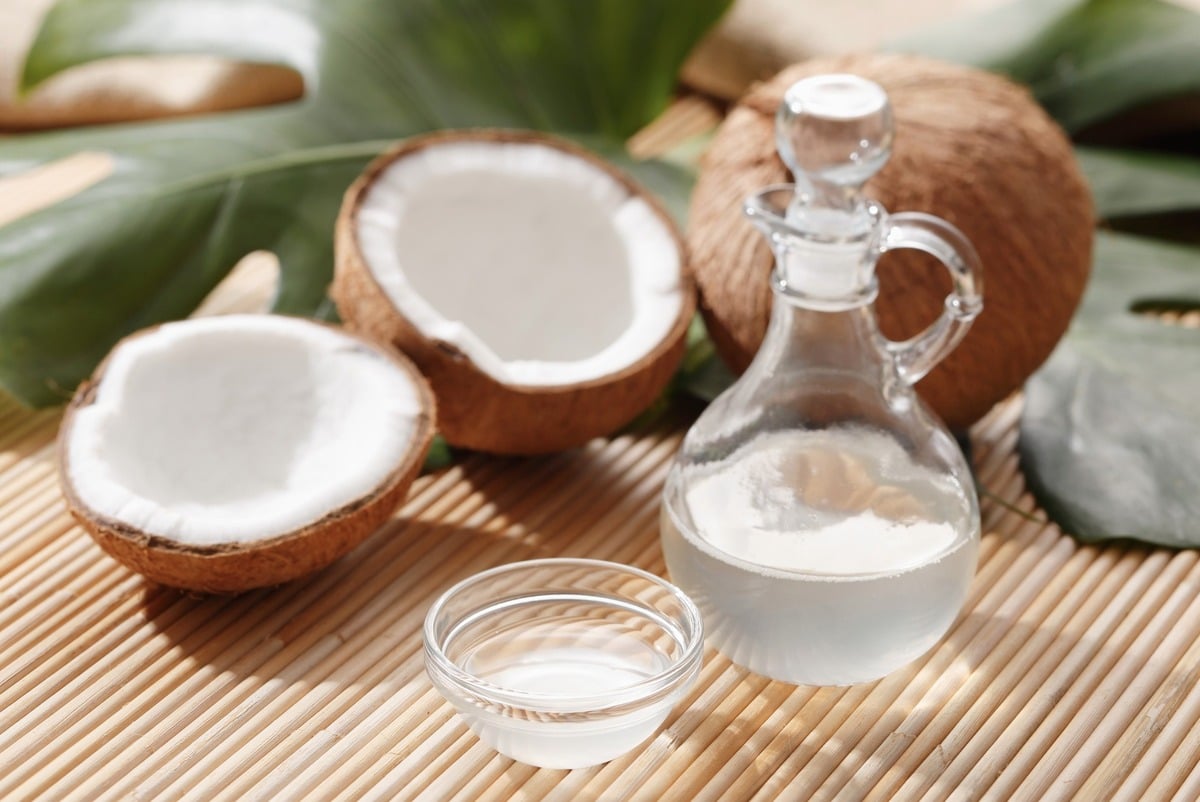
The “Superfood” Halo: What Coconut Oil Really Offers
Myth: Coconut Oil is a “Superfood” Cure-All
Walk down any health food aisle or scroll through wellness blogs, and you’ll find coconut oil praised as a miracle in a jar. From weight loss to skin healing, immunity boosts to brain clarity—it seems there’s nothing this oil can’t do. But where does the science stand? Let’s cut through the marketing gloss and examine the facts.
The term “superfood” isn’t a scientific classification. It’s a marketing creation, designed to suggest nutritional superiority and holistic benefits, often far beyond what research validates. Coconut oil has certainly benefited from this label, but the leap from helpful ingredient to universal remedy is a stretch.
You’ll find that most of the bold claims made about coconut oil—as a metabolism booster, fat burner, antibacterial agent, or brain enhancer—are based either on studies involving isolated compounds like medium-chain triglycerides (MCTs) or on anecdotal and non-comparative reports. The oil itself is more complex and its effects more nuanced. It’s not accurate to transfer results from pure MCT oil or lauric acid directly to coconut oil as a whole, and yet that’s often what happens in headlines and product descriptions.
For example, several studies on MCT oil, such as those published in The Journal of Nutrition (St-Onge &Bosarge, 2008), found moderate effects on energy expenditure and satiety. However, coconut oil is only about 54% MCTs and contains a significant amount of long-chain fatty acids, making its metabolic effects distinct and less potent. The industry doesn’t always make that distinction clear.
Remember: a food offering certain health benefits doesn’t make it a cure-all. Olive oil, turmeric, and blueberries also aid health in specific contexts, but we don’t rely on them to correct chronic conditions or serve as medical treatments—and we shouldn’t do that with coconut oil either.
Relying on exaggerated claims creates unrealistic expectations. It also distracts from the broader picture of overall dietary patterns, which play a far more substantial role in health outcomes than any single ingredient ever could. No oil, no matter how exotically sourced or neatly packaged, replaces balanced nutrition, consistent physical activity, or evidence-based lifestyle choices.
So what’s the bottom line here? Coconut oil has a place in the kitchen and in personal care routines. It adds flavor, has a high smoke point, and may serve specific dietary needs. But it’s not a miracle. It’s a highly saturated fat with some functional properties—not a universal elixir or nutritional goldmine.
Next time you encounter a “superfood” headline promising wide-ranging benefits from one tablespoon a day, stop and ask: where’s the proof? Nutrition works in context, not in isolation—and coconut oil is no exception.
The Saturated Fat Debate: What Science Really Says About Coconut Oil
Myth: The Saturated Fat in Coconut Oil Is Harmless
It’s a widely circulated belief—especially in wellness circles—that the saturated fat in coconut oil is uniquely beneficial and poses no risk to health. But is that actually supported by evidence? The answer, grounded in decades of nutritional science, is a firm no.
Coconut oil is composed of more than 80% saturated fat, a concentration significantly higher than that of butter (which contains about 63%), beef fat (roughly 50%), or even lard (around 39%). Its primary fatty acid, lauric acid, makes up about half of this and has been shown to increase both LDL (“bad”) and HDL (“good”) cholesterol levels, creating a complex impact on heart health.
Understanding Fat Types: A Quick Breakdown
To understand why this matters, let’s look at the types of dietary fats:
- Saturated Fats: Typically solid at room temperature, these fats are found in animal products and tropical oils like coconut oil. High intake raises LDL cholesterol, a well-established risk factor for heart disease.
- Monounsaturated Fats: Found in foods like olive oil, avocados, and nuts. They help reduce LDL levels when they replace saturated fat in the diet and have proven cardiovascular benefits.
- Polyunsaturated Fats: Present in seeds, fatty fish, and plant-based oils (like flaxseed or sunflower). These include Omega-3 and Omega-6 fatty acids and are essential for brain function, hormone production, and inflammation regulation.
The kind of fat we eat makes a difference—quality over quantity is key. While the body needs fat, replacing saturated fats with monounsaturated or polyunsaturated versions lowers the risk of heart disease. This is not hypothetical. It is consistently backed by epidemiological data and clinical trials.
What Heart Health Research Actually Shows
The American Heart Association (AHA) has issued a clear position on coconut oil based on an extensive review of the evidence. In their 2017 Presidential Advisory, the AHA explicitly recommended decreasing saturated fat intake—including coconut oil—and replacing it with unsaturated fats to reduce cardiovascular disease risk. One striking review referenced in this guideline concluded that reducing saturated fat intake and substituting it with polyunsaturated fat lowered heart disease events by approximately 30%, a benefit comparable to that achieved with cholesterol-lowering medications.
Similarly, the World Health Organization (WHO) states that saturated fat should make up less than 10% of total energy intake and encourages minimizing foods rich in saturated fat such as coconut oil. These recommendations don’t come lightly—they are based on decades of international research and meta-analyses involving thousands of participants across various populations.
Still unsure? Ask this: if coconut oil’s saturated fat profile truly posed no risk, why would major cardiovascular authorities worldwide take such a strong collective stance against it? The answer lies in blood lipid data, incidence of atherosclerosis, and long-term clinical outcomes—not in internet trends or anecdotal claims.
Coconut Oil and Heart Health: Where the Science Really Stands
Myth: Coconut Oil Improves Heart Health
It’s easy to see where this belief comes from. Coconut oil has been marketed as a “heart-healthy” fat thanks to its natural origin, high saturated fat content, and ability to raise HDL cholesterol. But here’s the thing—just because something is natural doesn’t mean it automatically benefits cardiovascular health. And just because it raises HDL doesn’t mean it counteracts all risks.
Fact: Evidence Shows Mixed Results
The story isn’t black and white. Coconut oil does influence cholesterol levels, but in a more complex way than often claimed. In clinical studies, including randomized controlled trials, coconut oil consumption has consistently raised levels of both HDL (high-density lipoprotein) and LDL (low-density lipoprotein) cholesterol. That’s a mixed bag—for a good reason.
Raises HDL (“Good” Cholesterol)
HDL cholesterol plays a protective role in the cardiovascular system. It helps transport cholesterol from the arteries back to the liver for excretion. Multiple studies, like the one published in the Journal of Nutrition in 2016, have shown that coconut oil raises HDL levels, sometimes to a greater extent than unsaturated fats like olive oil.
Also Raises LDL (“Bad” Cholesterol)
Here’s the catch—coconut oil also raises LDL cholesterol. High LDL levels are directly associated with an increased risk of atherosclerosis, the thickening and hardening of artery walls, which can lead to heart attacks and strokes. According to a 2020 systematic review in Circulation, coconut oil raises LDL to a comparable extent as butter, which is high in saturated fats.
What Does the Scientific Consensus Say?
Major health organizations don’t recommend coconut oil as a heart-healthy fat. The American Heart Association (AHA) clearly states that replacing saturated fats like coconut oil with unsaturated fats—such as olive oil, avocado oil, and other plant-based oils—reduces heart disease risk. The 2020–2025 U.S. Dietary Guidelines for Americans emphasize limiting saturated fat intake to less than 10% of total daily calories, primarily due to its link to elevated LDL cholesterol.
“Natural” Doesn’t Automatically Mean Heart-Protective
People often assume that because coconut oil is natural and minimally processed, it must be good for the heart. But this logic overlooks the biochemical reality of how fats behave inside the body. Virgin coconut oil, although less processed than refined versions, still contains about 90% saturated fat. Compare that to olive oil, which contains less than 15% saturated fat and is rich in heart-healthy monounsaturated fats.
- Coconut oil is natural—but so is butter. The source doesn’t automatically equate to health benefits.
- HDL and LDL both rise. The total lipid profile must be considered when evaluating heart health—not just the HDL bump.
- Current guidelines caution against high saturated fat intake. This includes coconut oil.
So, while a coconut-scented kitchen might make you feel like you’re doing your heart a favor, the evidence tells a more nuanced story—one that doesn’t crown coconut oil as a heart hero.
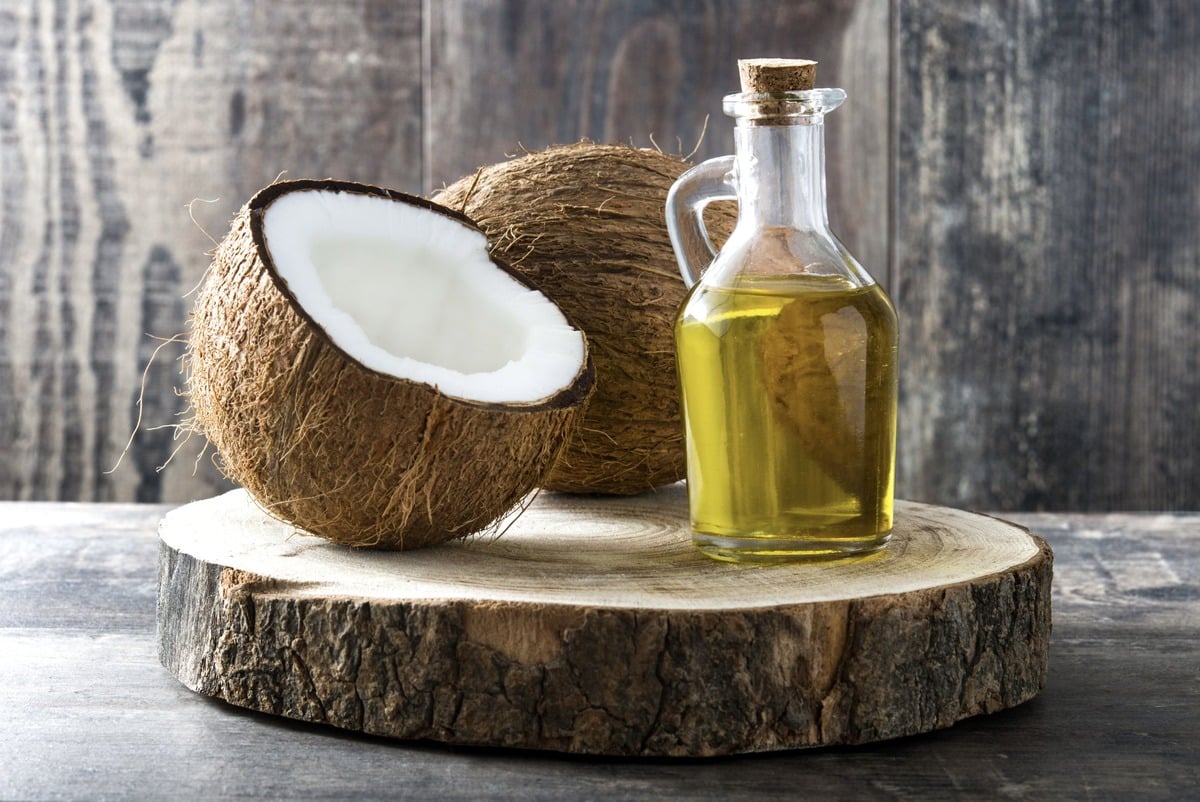
Can Coconut Oil Accelerate Weight Loss? Let’s Unpack the Science
Myth: Coconut Oil Speeds Up Metabolism and Promotes Weight Loss
This claim gained traction quickly: coconut oil burns fat, revs up your metabolism, and helps with effortless weight loss. But does the science actually support this?
While coconut oil contains medium-chain triglycerides (MCTs)—a type of fat that the body metabolises differently than long-chain fats—that’s only part of the picture. Here’s where the narrative often skips important details.
Fact: MCTs May Provide a Slight Metabolic Boost—But Coconut Oil Isn’t Pure MCT
Research on MCTs shows some promise. Several clinical studies have found that MCTs can slightly increase energy expenditure. For example, a study published in the American Journal of Clinical Nutrition showed that MCTs increased calorie burning by about 120 extra calories per day when compared to long-chain triglycerides (LCTs). Another small trial saw modest changes in fat oxidation after participants consumed high-MCT meals.
But here’s the critical distinction: pure MCT oil, often used in clinical trials, is not the same as coconut oil. Coconut oil contains only about 13-15% caprylic acid (C8) and capric acid (C10), the types of MCTs most associated with metabolic effects. The majority of coconut oil consists of lauric acid (C12), which behaves more like a long-chain fat in the body.
So while the MCTs in coconut oil may offer a small metabolic advantage, the amounts present aren’t likely to result in meaningful changes in body weight or composition when compared to other fats.
MCT Oil vs. Coconut Oil: Know the Difference
- MCT oil is a refined supplement containing mostly C8 and C10 fatty acids, which are rapidly absorbed and converted into energy.
- Coconut oil is a whole food source that contains a broader mix of fatty acids, with a majority being lauric acid.
- MCT oil has been shown in some studies to reduce appetite and increase metabolic rate for short time periods. Coconut oil lacks the same consistent evidence.
Smart Ways to Use Oils During a Weight Loss Plan
Fats are calorie-dense, delivering approximately 9 calories per gram, so even healthy oils should be used thoughtfully. Rather than relying on coconut oil—or any oil—as a “fat-burning” solution, focus on creating a balanced dietary pattern that supports your energy needs.
- Use small amounts of quality fats like extra virgin olive oil, avocado oil, or coconut oil to enhance flavour and satiety.
- Measure oil instead of pouring freely; even one tablespoon adds around 120 calories.
- Focus on using fat sources in the context of whole foods—think nuts, seeds, avocado, and fatty fish alongside oils.
- Pair healthy fats with fibre-rich veggies and moderate protein to help regulate hunger hormones and support steady energy levels.
If you’re considering MCT oil as a supplemental strategy for fat metabolism, be aware that results are typically modest and may plateau. Coconut oil alone won’t alter your metabolic rate enough to cause long-term weight loss. But when used wisely alongside a nutrient-dense, calorie-conscious diet, it can absolutely have a place in supportive nutrition.
Cognitive Function & Alzheimer’s: Hope or Hype?
Can Coconut Oil Really Reverse Alzheimer’s?
The claim that coconut oil can reverse Alzheimer’s disease has gained popularity in popular media, blogs, and anecdotal reports—but does scientific evidence back this up? In short, no. The belief that coconut oil dramatically improves cognitive performance in Alzheimer’s patients isn’t supported by robust clinical research.
Understanding Where the Claim Originates
This belief largely stems from the presence of medium-chain triglycerides (MCTs) in coconut oil. MCTs serve as an alternative energy source for the brain. When broken down in the liver, MCTs produce ketone bodies, which brain cells can use when glucose metabolism is impaired—something observed in the early stages of Alzheimer’s disease.
This metabolic pathway led to speculation that MCTs, and by extension coconut oil, could provide immediate energy to brain cells, potentially slowing or reversing cognitive decline. However, equating coconut oil directly with purified MCT oil used in clinical settings is misleading.
What the Research Actually Shows
- Small-scale studies and lab research have tested the effects of MCT oil on individuals with mild to moderate Alzheimer’s disease. For instance, a 2004 study published in Neurobiology of Aging found that participants with memory disorders showed modest improvement in cognitive tests after consuming drinks containing a refined MCT mixture.
- No clinical trials to date have demonstrated a significant or consistent cognitive benefit from consuming coconut oil itself. Unlike MCT oil, coconut oil is not a concentrated source of the specific MCTs (primarily caprylic acid and capric acid) studied in neurological research.
- A 2020 systematic review published in the journal Frontiers in Aging Neuroscienceanalyzed available studies on MCT supplementation and Alzheimer’s. The authors concluded that although some early evidence shows promise, more large-scale, long-term trials are needed before making any therapeutic recommendations.
The Risk of Relying on Anecdotes
Stories of individuals or caregivers who report improvements in memory or cognition after adding coconut oil to someone’s diet are compelling—and very human. But relying only on anecdotal evidence can be problematic. These accounts are often uncontrolled, influenced by placebo effects, or lacking in rigorous assessment measures.
If a treatment appears to help, it’s easy to attribute improvements to that one variable—but cognitive function can fluctuate naturally, and other factors like improved nutrition, exercise, sleep, or medications often play a hidden role.
Key Takeaway: Separate MCTs from Coconut Oil
Coconut oil contains about 54% MCTs by composition, but only a small portion of that is the type of MCTs—specifically C8 (caprylic acid) and C10 (capric acid)—associated with research into cognitive health. Most of the MCTs in coconut oil are longer-chain C12 lauric acid, which behaves more like a long-chain fat metabolically.
So, while MCT research may open exciting doors in neurodegenerative therapy, applying this data to coconut oil without clinical proof stretches the science beyond its support.
Have You Come Across Such Claims?
When you see articles or videos touting coconut oil as a miracle brain booster, take a step back. Ask yourself: Is the claim based on a study using coconut oil, or are they referencing MCT oil? Is the evidence anecdotal or supported by peer-reviewed research?
Being informed helps you make smarter choices—based not on hype, but on hard science.
Skin and Hair Care Benefits of Coconut Oil: What’s Real?
Myth: Coconut oil heals all skin and hair issues
Social media is full of glowing testimonials touting coconut oil as the ultimate solution for flawless skin and lustrous hair. From acne treatment to deep conditioning, the claims are as sweeping as they are appealing. But does the evidence support the hype?
Fact: It has useful moisture-locking and antimicrobial properties
Coconut oil contains a high percentage of lauric acid—a medium-chain fatty acid known for its antimicrobial activity. Lauric acid binds with the lipid membranes of certain bacteria, disturbing their integrity and reducing microbial growth. A study published in Dermatitis (2004) showed that virgin coconut oil was effective in improving skin hydration and increasing skin surface lipid levels when compared to mineral oil.
This oil also forms a protective barrier on the skin, reducing transepidermal water loss. That makes it especially helpful for dry or cracked skin. It doesn’t just sit on the surface—it penetrates the skin and binds with proteins, enhancing moisture retention from within.
Coconut oil for dry skin, scalp nourishment, and hair texture
When used correctly, coconut oil adds softness and shine to hair. It contains low molecular weight and a straight linear chain, which allows it to penetrate the hair shaft more effectively than most plant oils. A lab-based study published in the Journal of Cosmetic Science (2003) found that coconut oil, used as a pre-wash and post-wash conditioner, significantly reduced protein loss from both damaged and undamaged hair—better than mineral oil or sunflower oil.
- Skin: Effective for softening rough spots like elbows, knees, and heels.
- Scalp: Can be massaged into the scalp to hydrate and reduce flakiness from mild dryness.
- Hair: Pre-shampoo treatments help reduce breakage, especially for dry or chemically treated hair.
But it’s not for everyone: coconut oil can clog pores
Not all skin types love coconut oil. While it hydrates dry skin remarkably well, it also ranks 4 out of 5 on the comedogenic scale. That means it has a high likelihood of clogging pores, especially for people with oily or acne-prone skin. Applying coconut oil to the face may lead to breakouts in some individuals.
Patch testing is non-negotiable before incorporating it into a regular skincare routine. Reactions vary not only between people but also between different areas of the body—what works wonders on elbows might disrupt the delicate balance of facial skin.
Proper use matters just as much as the oil itself
Raw, unrefined virgin coconut oil delivers the best results for skin and hair. Refining strips away much of the natural antioxidant content and alters the fatty acid profile. Cleanse the skin before application, use a minimal amount, and allow time for absorption. When using it for hair, applying it to damp—not soaking wet—hair helps lock in moisture without creating an oily residue.
Interested in trying it? Focus on drier areas of your body or use it sparingly as a hair mask treatment before washing. Keep the application targeted and controlled. Overdoing it, especially on delicate facial skin, often brings more frustration than benefit.
Coconut Oil vs. Other Cooking Oils: What the Science Really Says
Calories Count — No Matter the Oil
Many people reach for coconut oil under the impression it’s a “lighter” or healthier option. In reality, coconut oil contains roughly the same number of calories per gram as any other oil — about 9 calories per gram. One tablespoon delivers around 120 calories, the same as olive oil, canola oil, or butter. Despite differences in composition, all dietary fats are energy dense, and portion size continues to matter if you’re watching your caloric intake.
Heat Stability: Why It Matters in the Kitchen
Coconut oil has a smoke point of approximately 175–177°C (347–351°F), which places it in the mid-range among cooking fats. It’s more stable than many unrefined plant oils thanks to its high saturated fat content. Saturated fats are less prone to oxidation when exposed to heat — this makes virgin coconut oil a decent choice for lower-temp sautéing or baking where flavor and fat integrity matter.
However, for high-heat cooking like stir-frying or searing, refined oils with higher smoke points perform better. For example:
- Refined avocado oil: ~270°C (520°F)
- Refined canola oil: ~204°C (400°F)
- Refined olive oil: ~240°C (464°F)
Each oil behaves differently under heat, and that behavior impacts not just taste, but also the formation of harmful compounds if temperatures exceed the oil’s smoke point.
Nutritional Profiles: Fats Are Not All Created Equal
Here’s how coconut oil stacks up to other commonly used fats in terms of their fatty acid composition per tablespoon:
- Coconut oil: About 90% saturated fat, including lauric acid. Contains minimal monounsaturated fat and virtually no polyunsaturated fat.
- Olive oil (extra virgin): ~73% monounsaturated fat — primarily oleic acid — with smaller amounts of saturated (~14%) and polyunsaturated fats (~11%). Rich in antioxidant polyphenols.
- Canola oil: ~61% monounsaturated, ~32% polyunsaturated (omega-6 and omega-3), and only ~7% saturated fat. Offers a good omega-6 to omega-3 ratio.
- Butter: ~51% saturated fat, ~21% monounsaturated fat, ~3% polyunsaturated fat, plus trace cholesterol and fat-soluble vitamins like A and D.
While saturated fats like those in coconut oil are more stable during cooking, unsaturated fats — especially monounsaturated types like those in olive and canola oil — are associated with better heart health outcomes according to multiple meta-analyses and randomized controlled trials.
Best Oil for Every Cooking Method
Different types of cooking require different kinds of fat. The goal is to balance performance with nutrition. Here’s how to choose:
- High-heat cooking (stir-frying, roasting): Go for refined avocado oil or high-oleic sunflower oil, followed by canola or refined olive oil.
- Baking: Coconut oil suits recipes where a rich, tropical flavor is desired. It also performs well in solid-state baking (like pie crusts).
- Low-heat sautéing or dressings: Use extra virgin olive oil for both its flavor and its robust antioxidant profile.
- Butter-based dishes: For richness and texture, butter works well but should be used selectively due to higher cholesterol and saturated fat content.
Linking Oil Choice With Health Goals
Choosing a cooking oil isn’t just about taste or tradition — it’s about aligning your pantry with your personal health objectives. If heart health is your top priority, the evidence consistently supports oils rich in monounsaturated fats, especially extra virgin olive oil. The PREDIMED trial — a major randomized controlled study — demonstrated that participants consuming a Mediterranean diet high in olive oil saw a 30% reduction in cardiovascular events.
If you’re managing cholesterol levels, cutting back on saturated fat sources like coconut oil and butter will contribute directly to lowering LDL cholesterol. On the other hand, if you’re looking for stability at moderate heat and prefer a vegan alternative to butter in baking, coconut oil can be an option — just not a miraculously healthier one.
So before reaching for that jar of coconut oil, ask yourself: What am I cooking, and what do I want it to do for my health? The best oil is the one that fits both the recipe and your long-term goals.
The Role of MCTs (Medium-Chain Triglycerides): Clearing Up the Coconut Oil Confusion
What Exactly Are MCTs—and Why Do They Matter?
Medium-chain triglycerides, commonly called MCTs, are a unique type of fat made up of medium-chain fatty acids. These fatty acids typically contain 6 to 12 carbon atoms, setting them apart from long-chain triglycerides (LCTs), which are the kind predominantly found in most foods, including standard coconut oil.
MCTs are absorbed and metabolised differently than LCTs. After digestion, they travel directly from the intestines to the liver via the portal vein, bypassing the lymphatic system, which is the usual route for longer-chain fats. This allows MCTs to be rapidly converted into energy or ketones—an alternative fuel source, particularly useful during low-carb diets or fasting states.
Evidence from MCT Oil Studies
Many of the potential benefits attributed to coconut oil are actually linked to research done on isolated, concentrated MCT oil—not coconut oil itself. It’s critical to draw that line. In clinical contexts, most studies use purified MCT oil containing 100% caprylic (C8) and capric acid (C10), whereas coconut oil contains only about 10% to 15% of these specific fatty acids.
One randomized controlled trial published in the American Journal of Clinical Nutrition (St-Onge et al., 2008) showed that consuming MCT oil as part of a weight-loss program increased energy expenditure and fat oxidation compared to LCTs. Another study, from Neurobiology of Aging (Reger et al., 2004), found that MCT oil improved cognitive performance in some individuals with mild cognitive impairment, likely due to its ability to raise ketone levels. But in both cases, the intervention involved isolated MCT oil, not coconut oil.
Don’t Confuse Coconut Oil with MCT Oil
Coconut oil is often marketed as a rich source of MCTs, but this is a misleading oversimplification. While it does contain medium-chain fatty acids, the majority of coconut oil is made up of lauric acid (C12). Lauric acid falls into a grey zone—it’s technically a medium-chain fatty acid by structure, but metabolically, it behaves more like a long-chain fatty acid. It doesn’t get absorbed and oxidised as quickly as C8 or C10. Its slower breakdown means it doesn’t produce the same ketone-boosting or fat-burning effects that pure MCT oil delivers.
So, while coconut oil includes some MCTs, it doesn’t provide the concentrated benefits shown in studies that use purified MCT oils. Assuming it does is one of the most common misunderstandings in health and nutrition discussions today.
How to Make Smarter Choices When You Shop
The supplement aisle is full of MCT-labeled products, but not all of them are created equal. Here’s how to tell what you’re really buying:
- Check the source: True MCT oil is often derived from coconut or palm kernel oil—but make sure it’s refined to include primarily C8 and C10.
- Read the breakdown: Look for products that list the percentage of caprylic and capric acids. Pure C8 oil is typically more effective at boosting ketone production and may offer a cleaner energy boost.
- Avoid vague labels: If a label simply says “MCTs from coconut oil” without specifying types, odds are it contains a significant amount of lauric acid.
- Consider your goals: If you’re after cognitive support or fast energy production, go for a supplement containing mainly C8 or a blend of C8 and C10. Coconut oil won’t give you the same bang for your buck.
Want the benefits seen in clinical trials? Then it’s MCT oil—not coconut oil—you’re looking for. MCTs perform differently in the body, and the scientific evidence supports that distinction clearly and consistently.
Final Thoughts: Should You Use Coconut Oil?
Coconut oil has sparked major debate in the health and nutrition world—revered by some as a miracle ingredient and dismissed by others as overhyped. But what does decades of scientific research really tell us? Let’s cut through the confusion, using data and context to understand when coconut oil is a smart choice—and when it’s best to reach for another bottle.
Where Coconut Oil Truly Shines
Used wisely, coconut oil can absolutely play a role in a balanced lifestyle. Its antimicrobial properties make it useful in natural skincare, particularly as an oil for dry skin. People with eczema or rough patches often report improvements using cold-pressed, virgin coconut oil as a topical moisturizer—something supported by a 2008 randomized clinical trial published in Dermatitis, which showed that virgin coconut oil was as effective and safe as mineral oil for treating xerosis (dry, scaly skin).
In the kitchen, coconut oil’s high smoke point and semi-solid consistency at room temperature make it a practical option for baking or sautéing foods that benefit from a mild coconut aroma. And for ketogenic diets or individuals seeking a quick energy source from fat, the medium-chain triglycerides (MCTs) in coconut oil act differently from long-chain fats: they’re absorbed quickly and directed straight toward energy production rather than fat storage.
Understanding the Limitations
However, using coconut oil indiscriminately won’t support fat and heart health. Unlike oils rich in monounsaturated or polyunsaturated fatty acids—like olive, canola, or flaxseed—coconut oil is predominantly saturated fat: about 82-90% by composition. The American Heart Association continues to recommend replacing saturated fats with unsaturated fats to reduce the risk of cardiovascular disease. This is not just a guideline—it’s built on decades of controlled dietary trials and population research.
So while coconut oil might fit into your wellness routine, it shouldn’t dominate it. That morning bulletproof coffee might give temporary mental clarity, but regularly cooking with coconut oil in place of healthier cooking oils rich in MUFAs and PUFAs leads to a skewed fat intake profile over time.
Know When to Use—and When to Skip
- Use coconut oil when preparing lower-heat dishes where its flavor complements the recipe—think curries, granola, or baked goods.
- Swap in avocado or olive oil when making salad dressings, grilling, or roasting vegetables for a more heart-friendly fat profile.
- Apply externally as part of your natural skincare routine to relieve dryness without the synthetic ingredients found in many moisturizers.
A balanced fat intake isn’t just about reducing “bad” fats. It’s about enhancing the quality and diversity of your dietary fats. Aim to include essential omega-3 fatty acids from foods like flaxseed, walnuts, and fatty fish, while keeping saturated fat intake—including coconut oil—within recommended guidelines. The 2020–2025 Dietary Guidelines for Americans suggest that less than 10% of total daily calories should come from saturated fat.
Let’s Hear From You
Have you used coconut oil for cooking or skincare? What changes—if any—have you noticed? Share your experiences in the comments below.
And for more science-based wellness content that separates myths from proven information, subscribe to the Claudia’s Concept blog. Let’s partner on a smarter path to health—one well-sourced fact at a time.