
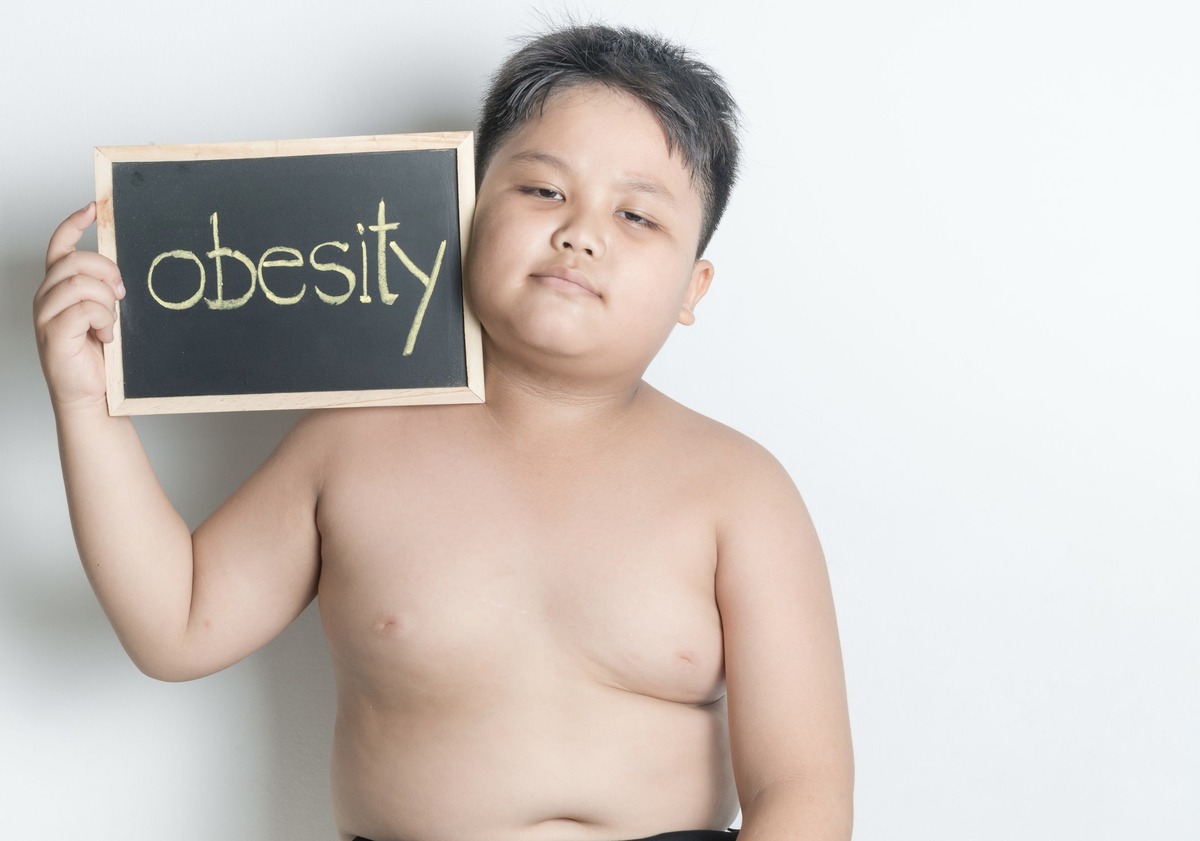
Childhood Obesity in India: Are Junk Food and Screen Time to Blame?
India is facing a sharp and concerning rise in childhood obesity. Over the past two decades, the condition has shifted from being rare in urban India to a common health issue affecting both cities and semi-urban areas. Screen-filled routines and easy access to highly processed, calorie-dense convenience foods have triggered a new kind of public health crisis—one that begins in early childhood and threatens the quality of life well into adolescence and adulthood.
Why does this demand urgent attention? Because obesity in children isn’t just about weight. It’s about insulin resistance developing before the teenage years, hormonal imbalances, fragile self-esteem, and an increased risk of cardiovascular disease. Childhood obesity directly influences physical growth, emotional development, and lifelong wellness outcomes—not just in personal lives, but for India’s health system as a whole.
Clinically, childhood obesity is defined using the body mass index (BMI) adjusted for a child’s age and sex. According to the World Health Organization growth charts, a BMI-for-age percentile above the 95th percentile places a child in the obese category. With nearly 14.4 million obese children in India as per a 2019 Lancet study, this isn’t a niche concern—it’s a nationwide priority.
This conversation is essential—not just for nutrition experts, but for parents, educators, and caregivers who shape a child’s health. If lifestyle choices can create the problem, then they also hold the power to reverse the trend. At Claudia’s Concept, our goal is to empower families with insight and practical steps rooted in real science and cultural context. So, the question remains—how much are junk food and screen time to blame?
Childhood Obesity in India: What the Numbers Reveal About a Growing Health Crisis
The Rise of Childhood Obesity in Urban and Semi-Urban India
Over the past decade, India has witnessed a seismic shift in children’s health patterns. Obesity, once thought to be a problem isolated to the developed world, is now a pressing concern in Indian cities and expanding rapidly in semi-urban pockets. According to the Comprehensive National Nutrition Survey (CNNS) 2016-18, approximately 5.1% of Indian children aged 5–9 years and 6.2% of those aged 10–19 years are overweight or obese. These numbers may appear modest at first glance, but the rate of increase is what’s alarming. Between 2001 and 2015, urban childhood obesity almost doubled in India.
In metro cities like Delhi, Mumbai, and Bengaluru, the numbers are surging even faster. A multicentric study published in Indian Pediatrics shows that up to 19.3% of school children in urban centres fall into the overweight or obese category. These shifts are not only linked to changing food habits but also to sedentary routines, largely shaped by screen exposure and lack of outdoor interaction — both of which we’ll explore in later sections.
India vs. the Global Scenario
If we zoom out and place India on the global obesity map, we see mixed signals. According to UNICEF’s report from 2019, India ranks second in the number of obese children globally, after China. However, unlike high-income nations where obesity rates have plateaued, middle-income and developing economies like India are seeing sharp inclines. The World Obesity Federation projects that by 2030, over 27 million Indian children could be classified as obese if current trends continue. That’s a staggering forecast, and it underscores the urgent need for systems-level interventions.
From Childhood to Adolescence: The Unfolding Consequences
Obesity during childhood doesn’t stay confined to those early years. The Indian Academy of Pediatrics confirms that over 80% of obese adolescents become obese adults, meaning the foundations laid in youth continue to dictate health outcomes decades down the line. These young individuals aren’t just facing physical challenges; they’re grappling with hormonal imbalances, early-onset type 2 diabetes, and hypertension at stages when they should be experiencing peak vitality.
And here’s something else that’s deeply concerning — the link between obesity and delayed or disturbed puberty. Girls are particularly susceptible. Excess adipose tissue increases estrogen levels, potentially leading to menarche much earlier than the biological norm, a shift that’s been medically documented in several Indian observational studies.
The Weight on India’s Pediatric Healthcare System
The clinical impact is rippling through India’s overburdened healthcare structure. Primary care physicians and pediatricians are encountering non-communicable diseases (NCDs) — like fatty liver disease, insulin resistance, and orthopedic problems — in children as young as eight. Many hospitals in Tier 1 and Tier 2 cities now report that 1 in 4 pediatric consultations includes weight management as a central focus. This surge is stretching diagnostic services, nutritional counseling resources, and follow-up care timelines.
At Claudia’s Concept, I often stress the importance of tackling obesity not as a cosmetic issue but as a clinical red flag. When children arrive at our practice with symptoms like fatigue, acne, or mood instability, we investigate deeper. In nearly 40% of cases, poor nutritional choices and lack of movement are the root causes fueling weight gain and metabolic disruption.
This isn’t about occasional indulgence. It’s about the habitual lifestyle choices that we as a society — educators, healthcare professionals, and parents — are silently enabling. And the numbers? They’re telling us it’s time to act.
Why Junk Food Is Fueling Childhood Obesity in India
Quick, Cheap, and Everywhere: Junk Food’s Ubiquity in Indian Cities
Walk down any busy street in urban India, and you’ll spot a snack corner or a fast-food outlet brimming with kids. From metro malls to school canteens, processed and packaged foods are easily accessible and aggressively marketed. The average Indian household now spends more money on ready-to-eat packaged foods than ever before — particularly in urban areas where dual-income households leave little time for home-cooked meals. According to a 2022 report by NielsenIQ, there’s been a 29% rise in the consumption of salty snacks and sugar-laden beverages among school-age children in Indian metros over the last five years. Lower prices and instant gratification make these options almost irresistible for young minds.
What’s in the Packet? High Sugar, Salt, and Saturated Fat
Let’s break down what goes into these hyper-palatable foods. Popular Indian snacks and packaged foods such as wafers, noodles, burgers, and sweetened drinks often contain alarmingly high levels of saturated fats, added sugars, and sodium. A recent FSSAI (Food Safety and Standards Authority of India) report revealed that nearly 68% of packaged snacks aimed at children exceed the safe limit for at least one of these nutrients. Consuming such foods frequently not only increases daily calorie intake significantly but also alters taste receptors, leading children to crave more of the same.
Excess salt contributes to hypertension risk, excess sugar feeds insulin resistance, and saturated fats interfere with lipid metabolism. And together? They lay the foundation for metabolic disorders well before adolescence. At Claudia’s Concept, we constantly highlight how food quality matters more than calories alone. It’s not just about energy — it’s about what that energy brings along.
Western Food Culture’s Deep Imprint on Indian Plates
Global fast-food chains have become a centerpiece of celebration and convenience across Indian households. Whether it’s a birthday party or a weekend hangout, pizza, burgers, sodas, and fried chicken often replace traditional home-cooked meals. This cultural drift is not accidental — it’s by design. Using colorful mascots, jingle-driven ads, and deep discounts, these brands lure young consumers and build brand loyalty early. The result? A gradual assimilation of a Western-style high-calorie, low-fiber, sodium-rich diet into day-to-day food routines in India.
What’s more, once these foods become a staple during childhood, the habits rarely vanish with age. Long-term studies from the Journal of Nutrition Education and Behaviour confirm that food preferences formed during childhood strongly correlate with adult dietary patterns. So when children grow up preferring fries over fruit and cola over coconut water, those choices shape the eating behaviors that define their adult health outcomes.
How Childhood Tastes Shape Adult Lifestyles
The human palate is incredibly impressionable in early life, and repeated exposure to junk food conditions children towards poor food choices. Taste memory, developed between ages 5 to 15, continues into adulthood — often dictating cravings, diet planning, and even perception of satiety. High sugar and fat contents activate dopamine responses, reinforcing addiction-like patterns.
At Claudia’s Concept, we’ve seen countless adult clients struggling to undo food habits seeded during schooldays. It’s the quiet formation of a lifestyle built on convenience over nutrition, and it can take focused, structured intervention to transform it. Childhood food decisions aren’t fleeting — they sculpt our future eating landscapes, affecting everything from energy levels to chronic disease risk.
So next time you set the lunchbox, think beyond today’s snack — think about tomorrow’s lifestyle.
Screen Time and Sedentary Lifestyles: The Hidden Culprits Behind Childhood Obesity in India
How Screens Rewrote the Rules of Play
The lifestyle of children in India has undergone a dramatic transformation. Where once they rushed outdoors after school, today they drift passively toward screens — mobile phones, tablets, gaming consoles, and television. This shift in activity isn’t just an evolution of entertainment; it’s a dramatic pivot toward a sedentary lifestyle, reshaping the physical and metabolic health of an entire generation.
Too Much Screen, Too Little Movement
Children now spend an average of 3–5 hours per day on digital devices, a figure that doubles during weekends and school holidays, according to a 2022 study from the Indian Journal of Pediatrics. But here’s the kicker — every hour of increased screen time displaces time for physical activity. When bodies remain inactive, energy expenditure drops, yet calorie intake doesn’t always follow suit.
At Claudia’s Concept, we’ve seen a direct pattern: once screen time crosses the two-hour threshold daily, children’s physical activity reduces by up to 43%. The body begins to burn fewer calories than it consumes, prompting excess fat storage. This pattern doesn’t fluctuate lightly; it becomes habit, shaping the foundation of early-onset obesity.
The New Age Playground: Digital, Not Physical
Streaming platforms and games designed to captivate attention have subtly replaced cricket fields and cycling trails. A 2023 Kantar IMRB report revealed that over 95% of urban children aged 5-15 regularly consume content on YouTube and over-the-top (OTT) platforms. Watching videos isn’t inherently harmful — but coupled with long periods of inactivity and frequent mindless snacking, it transforms into a metabolic risk.
- Children snack 2.5 times more during screen-based activities than during non-digital leisure, driven by unconscious eating habits triggered by distractions.
- Outdoor play has declined by over 40% in urban India over the last decade, as reported by the Centre for Policy Research.
- Device usage spikes during meal times, increasing the likelihood of overeating and poor digestion.
Screens Shape Snacks, Not Just Screensavers
Beyond inactivity, screen time subtly influences food preference. Triggered by constant exposure to advertisements and influencer content, children become more inclined toward high-sugar, high-fat snacks. Their cravings are not an accident — they are carefully constructed by what they consume digitally.
This spells a dangerous synergy between poor nutritional choices and physical stagnation. At Claudia’s Concept, our coaching has found that reducing screen time by even one hour a day led to measurable improvements in BMI and energy levels within just six weeks of structured intervention.
Interrupting the Sedentary Loop
Sedentary behavior—inactivity lasting more than an hour at a time—is now considered an independent risk factor for obesity. And it starts early. The Indian Council of Medical Research highlighted a 70% increase in sedentarism among children aged 8 to 14 between 2010 and 2020. That’s not a minor blip — that’s a decade of ingrained habits.
Breaking this cycle isn’t about demonizing technology — it’s about reclaiming balance. With intentional routines, structured digital time, and re-introduced active play, lifestyle can pivot back toward health. And once children start to move again, their emotional stability, focus, and sleep quality often improve in tandem.
As we work closely with families at Claudia’s Concept, we reinforce one truth: a healthy lifestyle is built through daily choices. Reducing mindless screen time is one of the most powerful choices you can make for your child today.
City Streets and Countryside Trails: How Urban and Rural Lifestyles Shape Childhood Obesity in India
On the surface, it might seem like city kids and village kids live in starkly different worlds—and they do. But when it comes to childhood obesity, the gap between urban and rural India is narrowing. Traditionally, obesity has been seen as an urban health issue. However, emerging data tells a new story, one where both cityscapes and rural backdrops carry risks, albeit of different nature.
Urban India: Where Fast Food Meets Fast-Paced Screens
Children in urban centres like Mumbai, Delhi, and Bengaluru are often surrounded by a modern lifestyle that combines convenience with excess. Processed snacks are just a tap away thanks to food delivery apps, and screen-based entertainment—TV, tablets, and smartphones—dominates after-school hours. Unsurprisingly, these factors directly influence their eating habits and physical activity levels.
According to a 2021 study published in the Indian Journal of Community Medicine, urban children consume nearly twice the amount of sugar-sweetened beverages and packaged snacks per week compared to their rural counterparts. And digital device usage? Urban children spend an average of 3.9 hours daily on screens, while rural children average 1.8 hours. This imbalance doesn’t just affect calorie intake—it also displaces outdoor play, reduces sleep quality, and increases stress-inducing sedentary behaviors.
Through Claudia’s Concept, I’ve worked with hundreds of urban families seeking to recalibrate their children’s nutrition and activity balance. What I always say is—your home needs to nourish not just their bodies, but also active curiosity and movement. A weekly structured meal and movement plan can make a real difference when embedded into the family’s routine.
Rural Shifts: The Quiet Rise of a New Risk
Now, let’s turn to rural India. While it may seem that open fields and traditionally cooked meals should shield children from obesity, the reality is shifting. What’s happening is known as the nutrition transition—a global phenomenon where traditional diets and lifestyles are increasingly replaced by processed foods and sedentary practices.
Packaged snacks are now as common in village shops as in urban supermarkets, and mobile phone penetration is at an all-time high even in remote regions. According to the National Family Health Survey-5 (2019–21), there’s been a 50% increase in overweight prevalence among children in rural areas compared to the previous survey cycle. Meanwhile, community-level nutrition education remains sparse, and physical activity patterns are changing—less walking to schools, more screen-based entertainment within homes.
Movement Matters: Geography vs Habits
One of the biggest differentiators between urban and rural children’s health isn’t just diet—it’s how they move. Or don’t. In cities, safety concerns, lack of playgrounds, and academic pressures restrict outdoor activity. Meanwhile, in rural areas, although children may engage in more household chores or farming tasks, structured physical activities like sports or exercise routines are often missing altogether.
- Urban children often attend schools with organised physical education but rarely engage with it after hours.
- Rural children might have natural environments conducive to movement, but more often lack structured motivation or community-level support to be active beyond chores.
Creating a sustainable health culture—whether in a bustling city or a quiet village—requires intentional parenting, informed schools, and community awareness. That’s exactly what we focus on with Claudia’s Concept. Our individualised plans balance nutrition, movement, and digital engagement to adapt to both urban and rural lifestyles. Because good health isn’t about where you live—it’s about how you live.
Why Parents Hold the Key: Awareness and Education as a Catalyst for Change
When you think of childhood obesity, you might picture fast food, long hours in front of screens, or urbanised, inactive routines. But take a closer look, and you’ll notice something even more powerful shaping those behaviours — parental influence. A child’s health environment is primarily crafted at home. At Claudia’s Concept, we see time and again how a shift in parental thinking transforms a child’s physical wellbeing.
Parental Habits Set the Tone
Children are natural imitators. If parents snack on processed foods, skip meals, or spend hours scrolling on phones or watching TV, kids internalise these patterns. A 2022 study by the Indian Journal of Public Health revealed that children whose parents consumed junk food more than three times a week were 2.35 times more likely to develop obesity-related markers like abdominal adiposity and elevated BMI-for-age scores.
Healthy eating can’t flourish in an unhealthy environment. Meal timings, food choices, even portion sizes — all of these start with the heads of the household. And the same goes for movement. If parents model an active lifestyle — evening walks, regular stretching, fun play-based movement — the child mirrors that behaviour naturally, without force or resistance.
Understanding Nutrition Labels and Hidden Risks
Let’s get honest — how many parents actually read nutrition labels, and among those, how many truly understand them?
In a 2021 Nutrition Foundation of India report on urban parenting behaviour, only 28% of surveyed parents could identify added sugars or trans fats on food packages. That’s not a small detail. Take fruit juices for example — marketed as “natural” or “healthy”. Many pack over 20 grams of sugar per serving, which exceeds the World Health Organization’s daily limit for children (less than 25 grams per day for those aged 4–8).
Without this awareness, parents unknowingly feed their children into lifelong issues. Labels matter. Education around how to read them, what to watch for, and which ingredients to avoid must become part of modern parenting. That’s a core element I work on with families through Claudia’s Concept customised wellness plans.
Screen Time and Mealtime — Who Controls the Routine?
Here’s something you may not expect: the average Indian child aged six to twelve spends roughly 228 minutes (nearly four hours) per day on screens, according to a 2023 Nielsen study on children’s digital behaviour. While the apps and devices are blamed, it’s the absence of rules and routines at home that makes unrestricted screen access possible.
Parental regulation — not restriction, but structured scheduling — creates a sense of normalcy where physical play, study, and meals take precedence over mindless scrolling. Establishing screen-free zones at dinner tables, using alarms to mark tech breaks, or simply planning outdoor family time can cut unwarranted screen dependence by 40%, as shown in a controlled family behaviour research trial by AIIMS Delhi in 2019.
Missing the Early Signs — A Knowledge Gap
One of the biggest challenges? Parents often fail to spot the early signs of obesity. In early stages, extra weight is dismissed as ‘puppy fat’ or ‘cute chubbiness’. But studies like one from the Indian Pediatrics Journal (2020 edition) have shown that 62% of parents underestimated their overweight child’s weight class when surveyed against BMI standards.
This under-recognition delays intervention. And the longer it’s delayed, the harder it is to reverse. If parents were trained to observe behavioural markers — excessive snacking, fatigue during mild physical exertion, night eating — we could see a massive turnaround in early-stage childhood obesity statistics.
Empowering parents with knowledge doesn’t need a classroom — it needs clear, accessible guidance reinforced through practical changes. It’s about demystifying food, making family wellness a priority, and realising that change doesn’t start at the doctor’s desk; it starts at the dining table.
How Advertising and Lifestyle Changes Are Shaping Children’s Eating Habits in India
When Branding Meets Appetite: The Influence of Media and Influencers
In today’s hyper-connected world, marketing reaches children faster and deeper than ever before. Television, social media platforms, mobile gaming apps, and even YouTube content target children using bright visuals, catchy jingles, and beloved cartoon characters. This is no coincidence — studies from the World Health Organization (WHO) confirm that children under age 12 are significantly more susceptible to advertising messages, especially related to foods high in sugar, salt, and fat.
The rise of influencer culture has added another layer. Young minds see their favorite YouTubers and Instagram stars unboxing candies, sipping sugary drinks, or doing ‘challenges’ with ultra-processed snacks. These formats don’t just entertain — they build brand loyalty. At Claudia’s Concept, we see the direct link between such digital exposure and early-onset food addiction patterns among the youth. When impressionable audiences witness high-profile endorsements of unhealthy treats, their food preferences shift — and so does their waistline.
From Home Kitchens to Packaged Meals: A Cultural Transition
Have you noticed fewer kids carrying tiffins filled with parathas or idlis? Instead, convenient, ready-to-eat processed foods are finding their way into lunchboxes across urban India. This isn’t a random transition — it’s rooted in the changing cultural perception of food. Busy schedules, dual-income households, and westernized lifestyle aspirations have slowly nudged families toward packaged breakfast cereals, pre-cooked noodles, and frozen snacks.
This shift isn’t just anecdotal. The 2022 National Family Health Survey (NFHS-5) showed that 42% of children aged 5-15 in metropolitan cities reported consuming packaged food four or more times a week. That figure was less than 18% just a decade ago. Such numbers point to a deep transformation in Indian food culture, moving away from nutrient-dense meals toward calorically dense, nutrient-poor alternatives.
Kids in the Driver’s Seat: The Rise of Independent Food Choices
Children today have more autonomy than ever when it comes to their food — and brands know it. Whether it’s a pit stop at a canteen after tuition or ordering snacks online with pocket money, children are making conscious choices daily. Unfortunately, easy access to fast food and minimal nutritional education create a lopsided food environment.
Interestingly, a study by AIIMS Delhi in 2023 revealed that teenagers who frequently purchased their own snacks had a 2.3 times higher risk of developing early obesity markers compared to those whose meals were monitored at home. At Claudia’s Concept, we’re working closely with parents to reintroduce smarter habits at home, because that’s where change starts — and sticks.
Food as a Reward: The Emotional Link Between Treats and Screen Time
Here’s a familiar scene: a child completes homework and earns a bar of chocolate. Or performs well at school and is treated to a large pizza. This cycle reinforces food as a reward — an emotionally driven reinforcement that can later manifest as binge eating or comfort snacking. Add screen time to the mix, and you’ve got an environment where unhealthy eating and digital gratification feed off one another.
Neuroscience backs this. Dopaminergic response in the brain (the feel-good chemical release) gets triggered not just by consumption, but by the anticipation of reward. The combination of processed foods and screen-based stimulation creates compulsive behavior loops that are hard to break. It’s no wonder we’ve seen increased reports of emotional eating among children and teens, especially post-pandemic.
At Claudia’s Concept, we’re not just addressing what children eat — we focus on why they eat the way they do. Because behind every packet of chips is a story, and it often starts with a targeted ad and ends with a quietly reshaped habit.
Obese but Undernourished: The Hidden Nutritional Crisis in Indian Children
At first glance, the phrase may sound contradictory—how can a child be obese and still suffer from nutritional deficiencies? But this is precisely the reality facing a growing number of Indian children today. The assumption that excess body fat equals optimal nutrition is dangerously flawed. Children carrying extra weight may still be running on empty when it comes to essential nutrients—and this double burden is impacting both their bodies and minds.
The Double Burden: Calories Without Nutrition
When a child’s diet is dominated by ultra-processed junk food—loaded with sugar, salt and unhealthy fats but largely devoid of essential micronutrients—they are consuming what researchers call “empty calories.” They may gain weight due to excess energy intake, but their bodies still lack the fundamental vitamins and minerals needed for physical and neural development.
In 2021, the Indian Journal of Endocrinology and Metabolism highlighted a worrying trend: overweight and obese children in India often have deficiencies in iron, Vitamin D, and calcium. This is not a rare occurrence—it is a recurring pattern seen across urban centers and increasingly in rural areas as well, where dietary habits are shifting towards convenience foods.
Iron: The Hidden Drain on Cognitive Energy
Iron deficiency isn’t just about feeling tired—it has a direct impact on brain development. Multiple studies, including data published in the journal Pediatrics, confirm that children with iron deficiency perform worse in attention span, memory, and IQ tests. Yet, iron-rich foods like lentils, spinach, eggs, and fortified cereals are often replaced with fried snacks and sugary drinks in many Indian urban households. This dietary shift is leading to a generation of children with undernourished brains, despite full plates.
Vitamin D and Calcium: The Bone Builders Missing in Action
Vitamin D and calcium work hand-in-hand to build and maintain strong bones. However, an alarming number of Indian children—whether obese or not—are deficient in both. A 2019 study published in the Indian Journal of Pediatrics found that over 75% of school-aged children in urban India were deficient in Vitamin D. This is particularly concerning for obese children who are at greater risk of early bone demineralization and disorders like rickets, despite the misconception that “heavier means stronger.”
The Cognitive and Physical Consequences
Nutritional deficiencies in obese children create barriers to learning, reduce energy levels for play and movement, and delay healthy growth milestones. When the body doesn’t have the right ingredients for development, weight gain becomes a decoy that hides severe internal dysfunction.
We address this issue head-on at Claudia’s Concept by focusing not just on weight loss, but on micronutrient balance and overall wellbeing. Obesity treatment is not a numbers game—it’s a nourishment mission. By customizing diet plans that rebalance vitamins and minerals, we transform children’s health from the inside out.
So ask yourself—what’s on your child’s plate right now? Is it colourful, nutrient-dense, and balanced? Or is it just contributing calories without nourishment?
The road to reversing childhood obesity in India doesn’t start with banning pakoras or limiting screen time alone. It begins with redefining health beyond size and understanding that real nutrition fuels not just the body, but also the future.
At Claudia’s Concept, we believe nutrition is empowerment—because every child deserves food that feeds their growth, not just their appetite.
A Lifelong Impact: Why Addressing Childhood Obesity Matters
When we talk about childhood obesity in India, it isn’t just about body weight. It’s about lifelong health, long-term well-being, and setting the course for the kind of adult a child will become. At Claudia’s Concept, we work with families to understand the deep and lasting implications of excess weight gained early in life. And the truth is—childhood obesity doesn’t just go away with age; it stays, evolves, and complicates.
From Playgrounds to Hospitals: Childhood Obesity and Adult Diseases
Extensive longitudinal research from the International Journal of Obesity shows that children classified as obese are five times more likely to become obese adults. And that’s only the beginning. What follows is a higher risk of chronic diseases that drastically lower quality of life.
- Type 2 Diabetes: According to data from the Indian Council of Medical Research (ICMR), obese adolescents are increasingly being diagnosed with early-onset type 2 diabetes—a condition traditionally seen in mid-life adults.
- Hypertension: Studies published in The Lancet Regional Health – Southeast Asia reveal that elevated BMI in children correlates strongly with increased blood pressure in adulthood.
- Cardiovascular Issues: A 30-year cohort study from the U.S. Bogalusa Heart Study confirmed that children with higher waist circumference and LDL cholesterol levels had significantly higher plaque build-up in carotid arteries as adults—a direct link to early heart disease.
These are not distant, abstract consequences. When I speak with parents during consultations at Claudia’s Concept, I often mention this: habits created at age seven could be causing hospital visits at age thirty-five. That’s how real this is.
The Hidden Burden: Emotional, Social, and Financial Strain
Chronic illnesses exact an emotional toll—not just on the individual, but also on caregivers, family dynamics, and mental health. Imagine a teenager managing daily insulin injections or restricted diets while navigating social environments where fitting in already feels hard. The psychological distress stemming from body image issues, bullying, and exclusion only compounds the situation.
Then comes the financial strain. Treating diabetes, hypertension, or cardiovascular disease over decades involves not only direct medical costs but also indirect ones—missed workdays, reduced productivity, and in many cases, irreversible complications. According to a 2021 report by The Public Health Foundation of India, the economic burden of obesity-related non-communicable diseases could reach USD 200 billion by 2030 if left unaddressed.
What We Do Early Builds Tomorrow’s Reality
The beauty of childhood is the plasticity of habits. Intervene early, and the body responds positively. Build a culture of movement, conscious eating, and emotional support, and that child is more likely to become a healthy, empowered adult—someone who lives fully, not someone restrained by medication schedules and dietary limits.
At Claudia’s Concept, we focus significantly on this foundational stage. Because it sets the bar for future generations. A child growing up in a health-positive environment doesn’t just avoid obesity—they inherit the tools to raise healthier families. In a country like India, where 1 in 5 children is either overweight or obese, this investment translates into ripple effects that influence national health outcomes.
So when we act today—by limiting processed food, reducing screen time, promoting outdoor play, and educating one child at a time—what we’re really doing is solving for tomorrow. Not just for that one child, but for the entire generation they will influence.
