
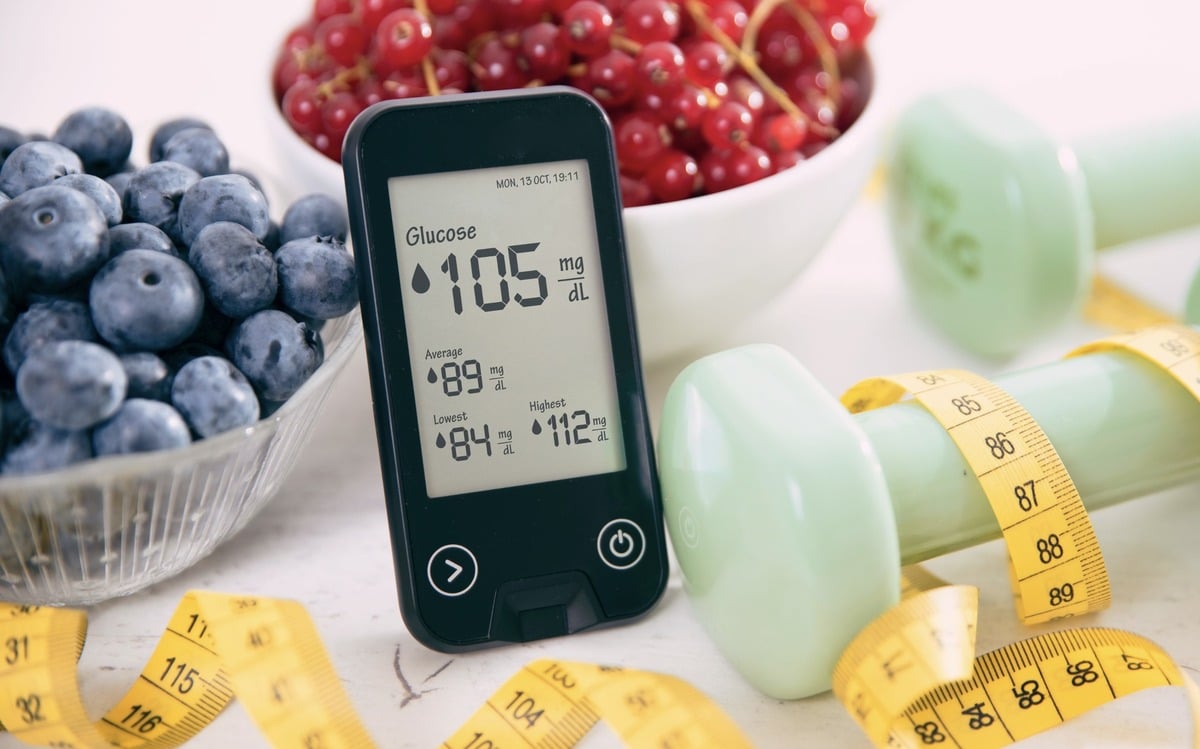
Type 2 Diabetes isn’t just a global epidemic—it’s a national health crisis in India. With over 101 million diagnosed adults as per 2023 data from the Indian Council of Medical Research (ICMR), India is home to the second-largest population of people living with diabetes. Unlike Type 1, which is autoimmune in nature, Type 2 Diabetes is largely lifestyle-driven and influenced by diet, physical activity, sleep quality, and stress levels.
Here’s where the conversation gets interesting: Reversing Type 2 Diabetes—or more accurately, achieving remission—is no longer a fringe idea. It’s a movement backed by rigorous science. Clinics, research centres, and functional nutritionists across the globe are now talking about it. So what does remission actually mean? Quite simply, it’s when your blood glucose levels return to non-diabetic range (<70–100 mg/dL fasting, <140 mg/dL post-meal), sustained without the need for diabetes medication.
In my practice through Claudia’s Concept, I’ve seen firsthand the power of food—not just to nourish, but to heal. This blog dives deep into a structured, Indian-diet-based protocol that is not only culturally rooted and accessible but clinically effective for achieving blood sugar remission.
We’ll unpack food science, adapt Indian meals intelligently, and align every step with cutting-edge diabetes research. Ready to explore how the Indian thali can become your healing bowl? Let’s get into the details.
Understanding Type 2 Diabetes: The Silent Disruptor
What Is Type 2 Diabetes?
Type 2 Diabetes is a chronic metabolic disorder that disrupts the way your body processes glucose, the primary source of energy. When cells become resistant to insulin — the hormone responsible for guiding glucose into cells — sugar builds up in the blood instead of being used as fuel. This condition differs from Type 1 Diabetes, which is autoimmune in nature, whereas Type 2 is strongly influenced by dietary and lifestyle factors.
At Claudia’s Concept, I work with clients to help them understand that this condition doesn’t emerge overnight — it’s years in the making. More importantly, with the right intervention, it can be put into remission.
How Blood Sugar Works in the Body
To understand how Type 2 Diabetes develops, you first need to grasp how blood sugar regulation works. After you eat carbohydrates, they’re broken down into glucose. This glucose enters your bloodstream, prompting your pancreas to release insulin. Insulin acts like a key, unlocking your cells so glucose can enter and be used for energy.
However, when your diet is loaded with refined carbs, sugars, and excessive calories, your cells begin to resist insulin. The glucose stays in your bloodstream instead of moving into the cells. Over time, your pancreas tries to compensate by producing even more insulin, but it can’t keep up forever.
The result? Chronic hyperglycemia — high blood sugar — which can damage organs, nerves, and blood vessels if not addressed.
Causes and Risk Factors in the Indian Population
India is facing a diabetes epidemic. The International Diabetes Federation reported that in 2021, over 74 million adults in India were living with diabetes, with projections suggesting this number will cross 124 million by 2045. Why such a high prevalence?
- Genetic Susceptibility: Indians have a higher tendency for insulin resistance compared to Western populations. Studies published in the journal Diabetes have shown that South Asians develop Type 2 Diabetes at lower body mass index (BMI) levels.
- Dietary Pattern: A diet rich in white rice, wheat, fried snacks, sweets, and sugary beverages contributes significantly to poor glycemic control.
- Urban Lifestyle: Sedentary habits, long working hours, and increased screen time have drastically reduced physical activity levels among Indian adults and teens.
- Visceral Fat Accumulation: Indians tend to have a ‘thin-fat’ body type — relatively lean on the outside but metabolically obese. They accumulate more abdominal fat, which is metabolically active and promotes insulin resistance.
At Claudia’s Concept, we evaluate these risk factors on an individual level and create nutrition protocols tailored to correct insulin resistance from the root.
Symptoms and Progression
The onset of Type 2 Diabetes can be so gradual that many people live with the condition for years without knowing. Yet, the internal damage keeps unfolding. Early signs include:
- Increased thirst and frequent urination
- Unexplained fatigue
- Slow-healing wounds and frequent infections
- Blurred vision and tingling in hands or feet
- Darkened skin in neck, armpits, or groin — a condition known as acanthosis nigricans, often linked to insulin resistance
Left unchecked, Type 2 Diabetes can lead to serious complications such as cardiovascular disease, kidney damage, nerve impairment, blindness, and lower limb amputations. More than 50% of individuals are diagnosed only after such complications appear.
This is exactly why proactive education and nutritional intervention — like the ones I offer at Claudia’s Concept — play a critical role not just in managing symptoms but in fundamentally altering the trajectory of the disease.
Can Type 2 Diabetes Be Reversed?
Understanding the Difference Between Remission and Cure
Let’s start with clarity. Type 2 diabetes reversal doesn’t mean you’re “cured” in the traditional sense. In the medical community, the term used is remission. According to a 2021 consensus report by the American Diabetes Association (ADA), remission is defined as maintaining blood glucose levels below the diabetic range (HbA1c < 6.5%) for at least three months without the use of glucose-lowering medication.
So when we say reversal, we mean bringing blood sugar levels into a normal or near-normal range through non-pharmacological means. That includes nutrition, activity, and sustainable lifestyle choices – something we focus deeply on at Claudia’s Concept.
How Lifestyle and Diet Interventions Support Reversal
Diabetes doesn’t begin overnight, and thankfully, it can be reversed with persistent, targeted action. The critical foundation is reducing insulin resistance—the root cause of type 2 diabetes.
- High-fiber, low-glycemic foods improve insulin sensitivity by slowing glucose absorption.
- Weight loss, especially around visceral fat, significantly lowers pancreas stress and restores beta cell function.
- Physical activity triggers muscle cells to absorb glucose without insulin, effectively reducing blood sugar levels.
- Reducing refined carbohydrate intake helps balance blood glucose spikes and supports long-term stability.
Each of these interventions addresses core metabolic dysfunctions. In fact, this multi-pronged approach is at the center of every personalized guidance plan at Claudia’s Concept.
Global Scientific Evidence Behind Diabetes Reversal
From Cambridge to Chennai, scientific literature converges on one fact—type 2 diabetes can be reversed, especially in its early years. The landmark DiRECT trial (Diabetes Remission Clinical Trial), published in *The Lancet* in 2018, showed that 46% of participants achieved remission at one year through intensive weight management. After two years, more than one-third remained in remission.
Another key study—the Look AHEAD (Action for Health in Diabetes) trial—found that a lifestyle intervention group achieved greater HbA1c reductions and were more likely to discontinue diabetes medications compared to a control group after 4 years.
These aren’t hypothetical case studies. These are thousands of real people achieving real remission—through precise dietary changes and sustainable weight loss plans. At Claudia’s Concept, we take cues from these studies when designing Indian diet protocols tailored for your body and needs.
Reversal Success in Indian Patients
Reversal isn’t an imported miracle. It’s already happening within our own communities. A 2020 study published in *BMJ Open Diabetes Research & Care* followed 150 urban Indian adults who used a low-carbohydrate, calorie-controlled program for 6 months. More than 60% achieved remission without medications. Most importantly, the program was based on regionally adapted ingredients—dosas became millet-based, lunches focused on legumes and greens, and refined carbs were removed.
At Claudia’s Concept, we’ve seen similar results firsthand. Clients across Mumbai, Delhi and Bengaluru have reversed their HbA1c levels within 3 to 6 months. How? By focusing not on starvation, but on food intelligence. By combining ancient Indian food wisdom with cutting-edge nutritional science. And yes, by following protocols that are enjoyable, not restrictive.
Ask yourself this—if your daily meals could bring your sugar down naturally, would you still rely on pills and injections alone?
The Role of Indian Diet in Diabetes Management
Why the Indian Diet Has Potential for Reversal
When planned with intention and rooted in tradition, the Indian diet can become a powerful tool for reversing Type 2 diabetes. The foundation of this potential lies in its plant-forward nature, ancestral food practices, and regional diversity, which collectively promote metabolic balance. At Claudia’s Concept, we’ve seen hundreds of individuals shift toward remission simply by embracing the nutritional strength of their cultural roots.
Consider how traditional Indian meals are structured: whole grains like millets or brown rice, fiber-rich legumes, seasonal vegetables, fresh herbs, and an array of warming spices. Each of these plays a specific metabolic role — from supporting insulin sensitivity to modulating gut microbiota.
A 2018 study published in BMJ Open Diabetes Research & Care found that higher consumption of whole grains and legumes significantly reduced fasting glucose and HbA1c levels in participants with diabetes. Lentils, chickpeas, and mung beans — staples in Indian cooking — are low on the glycemic index and rich in resistant starch, which slows carbohydrate absorption and improves insulin response.
What makes the Indian diet particularly powerful is not just the food itself, but how it’s prepared and combined. Traditional cooking methods respect the integrity of the ingredients without overprocessing, ensuring better satiety, slower glucose response, and higher nutrient retention. Combine this with movement, mindful eating, and circadian nutrition, and we’re working with a holistic remission strategy.
Addressing the Misconception: “Indian Food Is Too Starchy”
Let’s put this myth to rest. Yes, certain Indian dishes — particularly modernized or restaurant versions — rely heavily on refined starches like white rice, white flour, and deep-fried components. But this is a far cry from what authentic Indian dietary wisdom promotes.
At Claudia’s Concept, we advocate for smarter starch choices. Replacing white rice with brown rice, hand-pounded rice, or millets significantly lowers the glycemic load of meals. Including a dal (lentil) or sabzi (vegetable preparation) in every meal not only balances carbohydrate content but also slows down glucose absorption.
The key here is proportionality and preparation. When poha is made with a generous helping of vegetables, tempered with mustard seeds, curry leaves, and turmeric, it becomes a much more balanced meal than its empty-carb counterpart served in fast food setups.
It’s not Indian food per se that contributes to insulin resistance — it’s how we’ve drifted from its origins by favoring quick, processed, and overly rich variants in urban lifestyles.
Region-specific Dietary Patterns (South vs. North)
One of the greatest gifts of Indian cuisine is its regional adaptability. Whether you’re from Punjab or Tamil Nadu, you can tailor your plate to support metabolic health. Let’s explore what that looks like.
- South Indian Patterns: Traditional breakfast items like idli, dosa, and upma, when made with whole grains and accompanied by chutneys or sambar, offer a low-fat, protein-fiber balanced start to the day. Sambar made with toor dal and vegetable medleys offers a slow glucose release and anti-inflammatory effects, especially thanks to ingredients like tamarind and turmeric.
- North Indian Patterns: The everyday dal-roti-sabzi-thali can be a model blood sugar-friendly meal — if the roti is made with bajra or jowar, the sabzi is sautéed instead of deep-fried, and ghee is used mindfully. Fenugreek (methi), bitter gourd (karela), and bottle gourd (lauki) frequently used in Northern kitchens have insulin-mimetic properties backed by clinical studies.
By embracing regional produce and culinary wisdom, both North and South Indian diets can serve as therapeutic interventions rather than culprits. The diversity should not intimidate but inspire you to explore reversal-friendly meals that resonate with your heritage.
Start with what your grandmother ate — the unrefined, unprocessed, and unhurried kind of food that sat proudly on banana leaves or thalis. That’s where the healing starts. That’s where reversal becomes possible.
Key Elements of an Indian Diet Protocol for Reversing Diabetes
When it comes to reversing Type 2 diabetes, the science-backed truth is undeniable: your plate holds the power to transform your blood sugar health. Through Claudia’s Concept, I guide individuals on how to leverage traditional Indian foods in a structured and sustainable way—without going on restrictive diets or losing the joy of eating. A strategic Indian diet not only balances glucose but can also enhance insulin sensitivity over time. Let’s deep-dive into what that protocol looks like.
Balanced Plate: Whole Grains, Legumes, and Vegetables
Balance isn’t a buzzword—it’s your blood sugar’s best friend. A typical Indian thali gives us the perfect framework. Research published in The Lancet Diabetes & Endocrinology confirms that diets rich in complex carbohydrates and fibre can significantly improve HbA1c levels over 12–24 weeks.
- Swap out refined rotis for whole wheat, besan, or oat-based chapatis.
- Include legumes like rajma, chana, lobia, or masoor dal in your lunch—rich in resistant starch and protein, they contribute to improved insulin sensitivity.
- Half your plate should be seasonal vegetables—especially greens like methi, spinach, and lauki—that slow down glucose absorption thanks to high polyphenol content.
This type of plate composition slows digestion, preventing spikes, while simultaneously boosting satiety—a cornerstone of Claudia’s Concept for diabetes remission.
Low-Glycemic Index Foods: Pulse-Based Rotis, Brown Rice Alternatives
Blood sugar-optimised meals need low-GI starches. According to the International Tables of Glycemic Index, traditional Indian foods like chana dal roti or kolam rice have GI scores below 55, making them ideal for diabetes reversal.
- Experiment with moong dal or chana dal-based rotis, which offer both low GI and higher protein content.
- Replace white rice with red rice, brown rice, or hand-pounded rice once or twice a week—the extra fibre slows carbohydrate absorption.
- Cook rice using the ‘starch-drain’ method to reduce its glycemic impact.
These small recalibrations in ingredients create metabolic advantages that accumulate over time.
Millet Inclusion: Ragi, Bajra, Jowar for Blood Sugar Control
India’s ancient grains aren’t just culturally rich—they’re metabolically intelligent. Studies from the Indian Journal of Medical Research show that millets consistently reduce postprandial blood glucose. These resilient grains also support better lipid profiles, which is vital for those with insulin resistance.
- Ragi: High in dietary fibre and calcium, it also contains tryptophan, which reduces appetite and supports weight management.
- Bajra: Low in GI, rich in magnesium—a mineral crucial for pancreatic function.
- Jowar: Contains tannins that slow down digestion and aid blood sugar control over extended periods.
Millets are integral to Claudia’s Concept food plans. When rotated wisely, they help maintain stable energy while optimising metabolic flexibility.
Healthy Fats: Ghee in Moderation, Coconut, Nuts
Fat isn’t the enemy. Quality matters more than quantity. In fact, incorporating moderate amounts of traditional fats helps slow gastric emptying, which smoothens blood sugar curves post-meal.
- Ghee: Contains short-chain fatty acids that improve gut lining and insulin signaling when used judiciously—one to two teaspoons per day enhances bioavailability of fat-soluble vitamins.
- Coconut: Especially grated coconut or cold-pressed oil—rich in medium-chain triglycerides, which boost ketone production and energy metabolism.
- Almonds and Walnuts: Offer alpha-linolenic acid and magnesium, essential for blood sugar modulation. Clinical trials have shown improved insulin sensitivity with daily inclusion of 30–50g of mixed nuts.
Healthy fat integration should always accompany fibre and protein for maximal glycemic support—an essential theory behind Claudia’s Concept.
Sugar Substitutes: Natural Sweeteners like Stevia & Dates
No need to say goodbye to sweet cravings—just pivot in the right direction. Unlike artificial sweeteners that may disrupt the gut microbiome, natural alternatives can satisfy your sweet tooth without spiking insulin.
- Stevia: A zero-GI natural leaf extract that doesn’t raise blood glucose levels. Ideal for beverages or desserts.
- Dates: Despite their natural sugar content, dates score medium on the GI scale and are rich in fibre, iron, and polyphenols. Use them sparingly in homemade energy bars or as sweetening agents in chutneys.
Choosing the right sweeteners is a psychological and biochemical win—important for younger diabetics and those transitioning from processed sugar.
When you align these elements intentionally, your food ceases to spike and starts to heal. These pillars form the nutritional backbone of Claudia’s Concept 90-Day Reversal Program, designed not just to manage, but to truly reverse the metabolic dysfunction at the core of Type 2 diabetes.
The Whole Food Plant-Based Diet (WFPB) Approach: Can Indian Food Truly Reverse Diabetes?
What Is WFPB and How It Aligns with Traditional Indian Eating
When we talk about reversing diabetes with food, the Whole Food Plant-Based (WFPB) diet stands out as a powerful, science-backed option. At its core, the WFPB approach focuses on whole, unrefined, and minimally processed plant foods. This includes vegetables, fruits, whole grains, legumes, seeds, and nuts — all foods that the human body metabolises efficiently and that fuel stable blood sugar levels.
Interestingly, traditional Indian meals — especially those rooted in sattvic and regional vegetarian cuisines — already mirror many of these principles. Think of a South Indian meal with fermented dosa made from lentils and rice, paired with coconut chutney and a bowl of sambhar bursting with vegetables. Or a Punjabi rajma-chawal thali, with kidney beans simmered in tomatoes and served with brown rice and a side of cucumber salad. When cooked with minimal oil and without refined flours and sugars, these are perfect examples of WFPB meals hiding in plain sight.
At Claudia’s Concept, we focus on reviving these traditional Indian eating patterns within a structured WFPB framework, eliminating modern additives and refining the cooking style. This dietary method doesn’t require a shift to foreign foods — just a return to whole Indian staples, with supervision and mindfulness.
Benefits for Diabetes Management and Weight Control
Multiple clinical studies prove the effectiveness of WFPB diets in managing and even reversing type 2 diabetes. A flagship study published in Nutrition & Diabetes (2021) found that participants following a WFPB plan lowered HbA1c by an average of 1.2 percentage points over 12 weeks — a statistically and clinically significant result. For insulin resistance, the impact is equally impressive. A 2019 trial by the American College of Lifestyle Medicine showed that nearly 65% of patients on a WFPB lifestyle reduced or eliminated diabetes medications in just four months.
Why does this work so well? The answer lies in fiber, natural antioxidants, complex carbohydrates, and extremely low saturated fat content. Whole plant foods stabilize blood glucose by slowing digestion, promoting insulin sensitivity, and preventing post-meal spikes. They also reduce pancreatic stress by minimizing the body’s requirement for insulin.
Weight control is another predictable outcome. The higher fiber content and lower caloric density of plant-based meals promote satiety with fewer calories, leading to sustainable fat loss — a critical part of diabetes remission. Unlike restrictive fad diets, WFPB eating leads to metabolic rebalancing, not just short-term sugar control.
Indian Recipes That Fit into the WFPB Framework
Wondering how to put this into practice on your plate? Thankfully, Indian cuisine is abundant with WFPB options that require little to no tweaking. Here are just a few ideas to get you started:
- Chana Masala – Made without ghee or oil, use boiled chickpeas, tomatoes, garlic, and onion sautéed in water or vegetable broth, spiced with cumin, turmeric, and coriander.
- Vegetable Upma – Use rolled oats or broken wheat with mustard seeds, curry leaves, chopped vegetables, and lemon juice. No butter. No sugar.
- Khichdi – Swap out polished rice for unpolished brown rice or millets like foxtail or barnyard, mixed with split moong dal and seasonal vegetables.
- Stuffed Bajra Roti – Fill pearl millet rotis with mashed green peas, ginger, and ajwain, cooked on an iron griddle without oil or ghee.
- Oil-Free Baingan Bharta – Roast and mash brinjal, mix with roasted tomatoes, garlic, green chilies. No oil needed when you balance flavor with smoky depths.
At Claudia’s Concept, our meal protocols are specifically designed for WFPB Indian eating — integrating regional diversity, glycemic control, and real-world recipes that nourish the body while re-training the metabolism.
So, if you’re wondering whether you need to give up your cultural food preferences to heal your body — the answer is a confident no. The power to reverse diabetes lies not in exotic ingredients or supplements, but in the age-old wisdom of Indian home-cooking, reimagined through the WFPB lens.
Ancient Indian Nutrition Wisdom for Diabetes Reversal
Powerful Spices with Scientific Backing
Our Indian kitchens are treasure troves of healing. For generations, we’ve used certain spices not just for flavour—but for their powerful medicinal properties. In the context of diabetes, three stars stand out: fenugreek, turmeric, and cinnamon.
- Fenugreek (Methi): High in soluble fibre, fenugreek slows digestion and absorption of carbohydrates. Studies published in the Journal of Diabetes & Metabolic Disorders show that fenugreek seed supplementation of 10-15 grams per day for 8 weeks significantly reduces fasting blood glucose and HbA1c levels in individuals with type 2 diabetes.
- Turmeric (Haldi): Curcumin, the bioactive compound in turmeric, has potent anti-inflammatory and insulin-sensitising properties. Research in the journal Diabetes Care (American Diabetes Association, 2012) demonstrated that daily intake of 1.5 grams of curcumin extract for 9 months prevented type 2 diabetes onset in people with prediabetes.
- Cinnamon (Dalchini): Regular use of cinnamon, even as little as 1 gram a day, has been shown to reduce fasting blood sugar levels by up to 10-29%, according to data published in the journal Diabetes, Obesity & Metabolism. It mimics insulin and increases glucose transport into cells.
Bring these spices into daily meals. Dust cinnamon over fruit, simmer dals with turmeric, and soak fenugreek seeds overnight. These easy integrations support the blood sugar-lowering process without disrupting taste or lifestyle. At Claudia’s Concept, we harness the synergy of such time-tested ingredients to sustain diabetes remission in a natural way.
Cooking Techniques that Heal the Body
Traditional Indian preparations aligned closely with health—long before “healthy cooking” became a trend. Why did steaming idlis, boiling sabzi, and dry-roasting spices work so well for centuries? Because they upheld nutrient integrity, minimized unhealthy fats, and preserved natural fibre.
- Steaming: Whether it’s dhokla, puttu, or idli, steaming offers a zero-oil cooking method that retains vitamins and supports low glycemic impact.
- Minimal Oil Cooking: Techniques like sautéing (tadka) in mustard or coconut oil—but in controlled amounts—adds depth to flavour without fat overload. Cook on low heat to preserve antioxidants in spices and herbs.
- Pressure cooking, but Wisely: While fast, excessive pressure can destroy water-soluble nutrients. At Claudia’s Concept, we recommend pre-soaking grains and legumes and using the shortest cooking time necessary to keep nutrition intact while enhancing digestibility.
Traditional doesn’t mean old-fashioned—it means refined over centuries. These methods are adaptable to modern kitchens and ideal for diabetics looking to stabilise insulin sensitivity and reduce systemic inflammation.
Eating with the Seasons and the Clock
In ancient Indian culture, everything—including food—flowed with nature. This cyclical approach plays a therapeutic role in regulating blood sugar. Let’s start with two of its most potent aspects: seasonal eating and Ayurvedic timing.
Seasonal Eating: Eating fresh fruits and vegetables that grow in the current season aligns with your body’s microbiome needs and detox patterns. For example, bitter greens like methi and fenugreek during winter work to cleanse the liver and improve insulin usage. In summer, water-rich foods like cucumber and ash gourd rehydrate cells, improving glucose transport efficiency.
Ayurvedic Timing: According to the Ayurvedic concept of Dinacharya, the largest meal should be eaten at midday when digestive fire (agni) is strongest. And light, early dinners help prevent overnight glucose build-up. Research from the University of Southern California shows that aligning meals with natural circadian rhythms supports post-meal glycemic control and reduces HbA1c levels over time.
At Claudia’s Concept, we integrate this rhythm-based eating protocol into our diabetes remission plan—with clear meal timing structures that optimise digestive hormones and blood sugar modulation.
These age-old practices—once observed instinctively by our ancestors—are now validated by cutting-edge science. When applied systematically, they lay the foundation for deep and lasting metabolic healing.
Yes, You Can Reverse Type 2 Diabetes — Here’s What to Remember
When it comes to Type 2 diabetes, the game has changed. We’re not just managing symptoms anymore — we’re targeting remission, especially when diet and lifestyle come together with precision. With focused dietary shifts anchored in the Indian kitchen and enhanced by modern nutritional science, lowering and even normalising blood sugar levels is absolutely within reach.
Here’s What We Know for Sure:
- Type 2 Diabetes can be put into remission — multiple clinical studies, including one published in The Lancet, have confirmed that with weight loss of 15 kg or more, sustained blood sugar remission is achievable. This demands dedication, but the results are undeniable.
- The modern Indian diet — when adjusted — holds the power to reverse diabetes. At Claudia’s Concept, we’ve seen consistent success when our plans lean into whole, unrefined, fibre-rich choices. From millets to legumes, and fermented foods to seasonal vegetables — traditional choices work wonders when guided by science.
- Rooted in balance, empowered by science: A whole food plant-based diet, intermittent fasting protocols (like 14:10 or 16:8), and Ayurvedic timings are not trends. They’re evidence-based strategies that enhance insulin sensitivity, reduce inflammation and activate cellular repair mechanisms.
- Traditional doesn’t mean outdated. When we bring back authentic practices — like cooking with turmeric, choosing ghee in moderation, or eating your largest meal at lunch as per Ayurvedic circadian rhythms — the metabolic impact is real and measurable. A study from the Journal of Clinical Nutrition documented an 11% improvement in insulin sensitivity by simply altering meal timings.
Key Takeaways You Can Act On Today:
- Prioritise local, seasonal produce — your body’s nutrient absorption is highest when tied to nature’s rhythms.
- Eliminate ultra-processed foods — anything in a packet with more than five ingredients doesn’t belong on your plate.
- Add physical activity daily — even a 20-minute walk after meals spikes glucose control via natural glucose uptake.
- Incorporate fasting windows carefully — your insulin sensitivity improves when there’s time between meals.
- Want a solid place to begin? Start with our Indian Diabetes Reversal Meal Framework at Claudia’s Concept — it’s grounded in research and tailored to your lifestyle.
This isn’t a quick fix. But the moment you take that first informed step, everything shifts. Your energy returns. Your blood markers improve. And your relationship with food transforms. Through Claudia’s Concept, every tool, every recipe, every plan is designed to work with your biology — not against it.
Are you ready to take that step forward?