
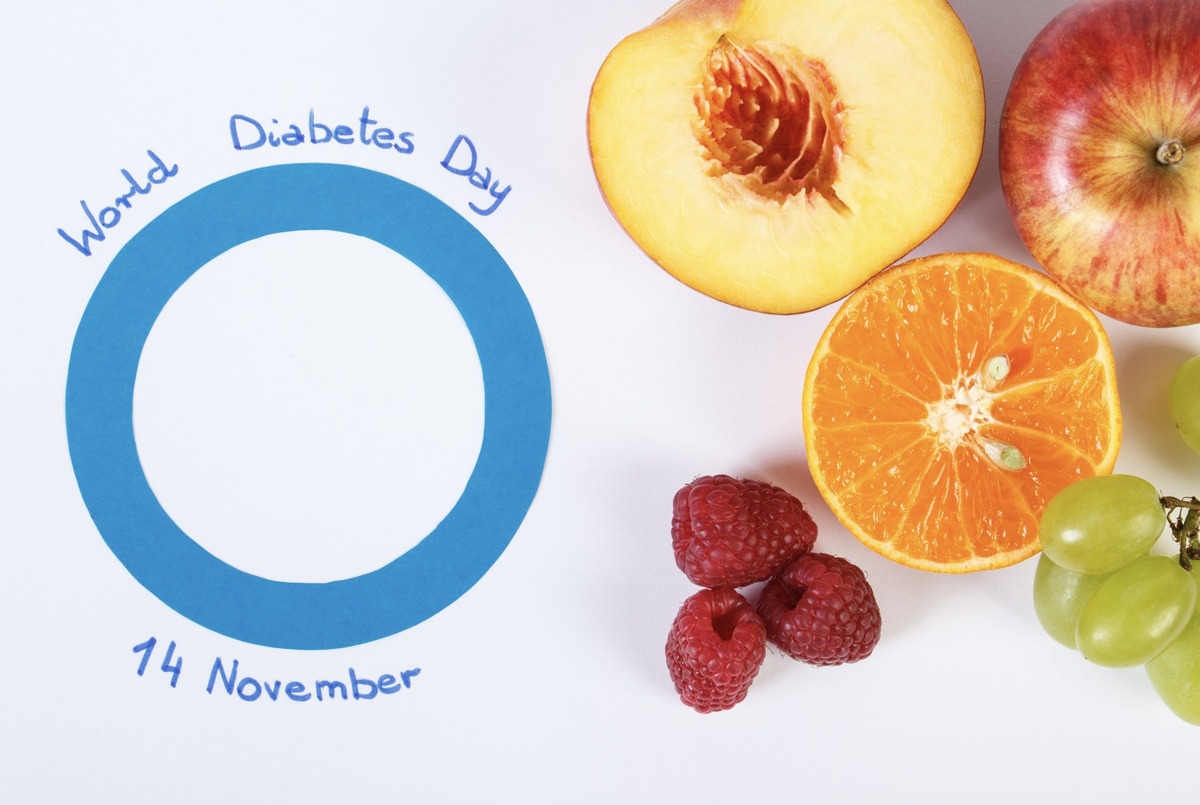
The glycemic index (GI) is a tool that shows how fast a carbohydrate-containing food raises blood glucose. Low-GI fruits release glucose more slowly, offering energy without spiking sugar levels. Soluble fiber, abundant in many fruits, helps too—it slows digestion and promotes a gentle rise in blood sugar. This synergy between nutrients turns certain fruits into nourishing, blood sugar-friendly powerhouses.
What you eat—and how hydrated you are—matters greatly. Water plays a pivotal role in glucose regulation by supporting kidney function and facilitating glucose clearance from the bloodstream. Combine this with a balanced plate, stress management, and mindful portions, and it sets the foundation for thriving with diabetes.
Before we dive into specific fruits, ask yourself: Are you making choices for blood sugar stability—or just counting carbs in isolation? Let’s explore the fruits that nourish without destabilizing, where taste and science beautifully align.
Understanding Blood Sugar and Diabetes: The Core of Fruit Management
What Is Blood Sugar and How It Affects Your Energy?
Blood sugar, or glucose, fuels nearly every function in your body. It’s your primary source of energy, especially for the brain and working muscles. After you eat, carbohydrates break down into glucose, which circulates in your bloodstream and enters cells with the help of insulin. Stable blood sugar supports sustained energy, clear focus, and balanced mood throughout the day.
Now, imagine your body as an engine. Glucose is the fuel, but it must be regulated precisely. Too little and you feel weak or dizzy. Too much over time, and the engine—your metabolism—suffers damage. That’s where diabetes enters the picture.
How Diabetes Interferes with Sugar Regulation
In diabetes, the body’s natural ability to process glucose is impaired. In Type 1 diabetes, the pancreas produces little or no insulin. In Type 2 diabetes, your body becomes resistant to insulin, or the pancreas doesn’t produce enough. The result? Glucose accumulates in the bloodstream instead of nourishing your cells, leading to high blood sugar levels—a condition called hyperglycemia.
According to the International Diabetes Federation, over 537 million adults were living with diabetes worldwide in 2021—a number expected to rise sharply. What that tells us is simple: managing glucose efficiently isn’t just crucial—it’s urgent. And that includes a proper understanding of the fruits you eat.
The Importance of Insulin Sensitivity and the Threat of Resistance
Insulin sensitivity refers to how effectively your body’s cells respond to insulin. When sensitivity is high, even a small amount of insulin allows glucose into the cells. When sensitivity drops—as it does in insulin resistance—the body needs more and more insulin to do the same job.
This imbalance can lead to chronic inflammation, increased fat accumulation—especially visceral fat around your organs—and eventually, Type 2 diabetes. Lifestyle interventions, including specific foods, can dramatically improve insulin sensitivity. For example, studies published in the journal Diabetes Care cite high-fiber and low-glycemic fruits as beneficial in enhancing insulin function.
At Claudia’s Concept, we focus on such anti-inflammatory, insulin-sensitizing strategies to help bridge the gap between conventional nutrition advice and your everyday routine.
Why Monitoring Sugar from Fruits Is Essential
Now here’s the catch: not all natural sugars behave equally. While fruits contain natural sugars like fructose and glucose, their impact on blood sugar can vary dramatically depending on fiber content, glycemic index, and how you pair them with other foods.
For someone managing diabetes, fruits should never be off-limits—but they must be chosen wisely. Eating a banana on its own will spike your blood sugar faster than pairing half a banana with a tablespoon of almond butter. It’s about balance, not restriction.
Let’s get practical. When you eat fruit, ask yourself:
- How ripe is it? (Riper fruits contain more available sugar.)
- Am I combining it with protein or fat?
- Is this a high or low glycemic fruit?
- How does this fit into my overall carbohydrate budget for the day?
Data from the American Diabetes Association supports this mindful eating approach. They emphasize total carbohydrate content and glycemic load over merely avoiding natural sugars. This aligns with our philosophy at Claudia’s Concept: empower yourself with knowledge, rather than follow blanket food rules.
In the sections that follow, we’ll delve into which fruits stabilize blood sugar—and which ones don’t. But first, it’s time to decode the glycemic index of fruits.
Unlocking the Glycemic Index of Fruits: What Every Diabetic Needs to Know
What Exactly Is the Glycemic Index?
The glycemic index, or GI, is a numeric scale ranging from 0 to 100 that measures how quickly a carbohydrate-containing food raises blood sugar levels after consumption. The lower the number, the slower the rise in blood glucose. Understanding this scale changes the way we look at fruit—not just as something sweet and refreshing, but as a powerful tool we can control.
At Claudia’s Concept, I help clients use the GI scale strategically. When you choose fruits with a low or moderate GI, you’re setting yourself up for steadier energy, fewer sugar cravings, improved insulin sensitivity, and better overall metabolic health.
Why the GI Matters for Blood Sugar Management
Here’s where it gets interesting: Not all carbohydrates impact our bodies in the same way. High-GI foods cause a sharp spike in blood glucose levels, triggering a rapid insulin response. This quick rise and crash can lead to fatigue, mood swings, and increased hunger. Low-GI fruits, on the other hand, break down more slowly. That slow digestion results in a gradual release of sugar into the bloodstream, keeping energy levels stable and reducing the risk of insulin resistance.
Scientific studies back this up. In a 2019 meta-analysis published in Diabetes Care, participants eating low-GI foods had better glycemic control and lower HbA1c levels compared to those consuming higher-GI diets. That reinforces what I’ve seen at Claudia’s Concept: thoughtful fruit selection changes the game.
Fruits Categorized by Glycemic Index
Let’s break down which fruits fit into which GI category so you can make informed choices every day. Think about your last grocery trip—which fruits ended up in your basket?
Low GI Fruits (GI of 55 or less): Stable and Blood Sugar-Friendly
- Apples (GI 36): A crisp option full of soluble fiber and water content. Great for an on-the-go snack.
- Berries (Blueberries GI 53, Strawberries GI 41, Raspberries GI 32): Bursting with antioxidants and fiber, these are ideal for supporting insulin sensitivity.
- Cherries (GI 20): One of the lowest GI fruits. Anthocyanins in cherries may even help improve glucose metabolism.
- Grapefruit (GI 25): Its naringenin compound supports fat metabolism and glycemic control. Try half a grapefruit before breakfast for a metabolic boost.
Medium GI Fruits (GI 56–69): Use Strategically with Balance
These fruits aren’t off-limits, but how and when you consume them matters. Pairing them with protein or healthy fats keeps blood sugar impact in check.
- Mangoes (GI 56): Rich in vitamin C and polyphenols. Add mango slices to Greek yogurt or chia pudding to balance the glycemic load.
- Bananas (GI 51–62 depending on ripeness): A barely ripe banana has a lower GI than an overripe one. They also contain resistant starch, helpful for gut health and slowing glucose absorption.
- Pineapples (GI 59–66): Contain bromelain, which supports digestion. Excellent in moderation, especially after physical activity when blood sugar sensitivity is higher.
High GI Fruits (GI of 70 and above): Approach Mindfully
These fruits can cause a rapid sugar spike if eaten alone or in large quantities, and should be enjoyed occasionally—ideally with a blood sugar buffer like nuts, seeds, or Greek yogurt.
- Watermelon (GI 76): While hydrating and refreshing, its high GI stems from a low fiber content and fast-absorbed sugars. Use small portions alongside protein sources.
- Dates (GI 70): Nutrient-dense and often used as natural sweeteners, but highly concentrated in sugar. Two or three pieces with almonds or walnuts can help flatten the glucose curve.
The goal isn’t to avoid fruit—it’s to respect its nature. At Claudia’s Concept, I encourage clients to listen to their body, use the glycemic index as a practical guide, and combine fruits with smart nutrition strategies that promote balance.
Which fruits are you choosing this week to match your blood sugar goals? Dive deeper and continue exploring how flavor and function can coexist beautifully in a diabetic-friendly diet.
Sweet Without the Spike: Low-Sugar Fruit Options for Stable Blood Sugar
Not all fruits behave the same way inside your body. Some send blood sugar soaring, while others offer their sweetness gently, fueling the body without destabilising glucose levels. If you’ve been wondering whether enjoying fruit means compromising your blood sugar balance—here’s some empowering truth: the right fruits, chosen wisely, deliver powerful nutrition without spiking your glucose.
When I guide clients through fruit selection at Claudia’s Concept, we get specific. Blanket advice like “eat more fruit” doesn’t work when you’re managing diabetes. Instead, we zero in on delicious, low-sugar options that nourish the body, support metabolic health, and keep you feeling satisfied. Let’s unpack the most effective low-sugar fruits to work into your diet.
Why Low-Sugar Fruits Matter for Blood Sugar Control
Every carbohydrate we eat contributes to blood sugar levels, but fruit contains a unique sugar called fructose. While naturally occurring, fructose gets metabolized differently from glucose and can still contribute to insulin resistance over time if consumed in excess—especially in processed forms. However, whole fruits with low total sugar and high fiber digest more slowly, preventing sudden spikes in blood glucose levels.
The importance of incorporating low-sugar fruits becomes more evident when you understand how insulin sensitivity fluctuates in diabetes. Eating fruits with minimal impact on post-meal glucose levels helps maintain tighter glycemic control and prevents long-term complications. These carefully selected fruits provide essential nutrients, antioxidants, and natural sweetness—without sabotaging your progress.
Avocados: The Fruit You Didn’t Know Was Helping
Yes, avocados are fruits—and possibly one of the most blood sugar-friendly fruits available. With almost zero sugar (only 0.2 grams per 100 grams) and a powerful blend of healthy fats and fiber, they slow down digestion and blunt any blood sugar elevation from the rest of your meal.
What makes avocados stand out at Claudia’s Concept is their ability to support metabolic health. One study published in the journal Nutrients (2019) found that incorporating one avocado daily improved insulin sensitivity in overweight adults. Use avocados in smoothies, mash them on high-fiber toast, or create rich salads that fuel your body with sustained energy.
Berries: Tiny Fruits, Huge Impact
Raspberries, strawberries, blackberries, and blueberries offer vibrant flavor, critical phytochemicals, and a blood sugar-friendly profile. Berries are not only low in sugar—about 5 to 7 grams of sugar per 100 grams—but also loaded with polyphenols that enhance insulin sensitivity.
- Strawberries contain ellagic acid, which helps lower oxidative stress—essential for diabetics.
- Raspberries have just 4.4g net carbs per 100g, with a large amount of dietary fiber.
- Blueberries, slightly higher in natural sugar, still provide potent anthocyanins proven to impact blood sugar positively.
A clinical trial published in the Journal of Nutrition (2010) revealed that subjects who consumed blueberries daily for six weeks saw improved insulin sensitivity by 22%. Sprinkle a handful on Greek yogurt or blend it into an almond milk smoothie—you’ll get a treat and a metabolic boost.
Kiwi: The Tangy, Low-Glycemic Surprise
Often overlooked, kiwi delivers a solid Vitamin C punch while staying relatively low on the glycemic load scale. One average kiwi contains just 6 grams of sugar and nearly 2.3 grams of fiber. Even more impressive is its glycemic index score of about 50, meaning it affects blood sugar moderately and gradually.
Kiwi is also rich in actinidin, a digestive enzyme that supports gut health. There’s a reason I often include kiwi in personalized fruit plans at Claudia’s Concept—the blend of nutrition and blood sugar support makes it a smart pick. Try eating it with the peel on for added fiber (yes, the fuzzy skin is edible and surprisingly mild!).
Peaches: Sweetness with Control
With about 8.4 grams of sugar in a medium peach, these fruits offer a juicy experience without sabotaging glucose levels—as long as portion control is practiced. Peaches also deliver beta-carotene, Vitamin C, and polyphenols that protect pancreatic function.
In a cross-sectional study published in BMJ Open Diabetes Research & Care (2017), moderate, low-glycemic fruit intake—including peaches—showed a positive correlation with lower inflammation levels in type 2 diabetics. What’s more, combining peaches with unsweetened yogurt or cottage cheese enhances satiety and smooths post-meal blood sugar levels.
Papaya: Vibrant & Seasonally Smart
Papaya deserves a place on this list, with a little nuance. A 100g serving contains about 5.9g of sugar, but it’s wrapped in loads of Vitamin C, folate, and antioxidants. However, it’s important to enjoy papaya in moderation—a single cup is ideal to keep the glycemic load low.
One promising benefit from papaya comes from the enzyme papain, which aids in gastrointestinal function and may reduce overall inflammation—an important aspect of diabetes care. Choose semi-ripe papaya for a lower sugar profile and pair it with a protein-rich meal to reduce glycemic impact.
Choosing Smart, Living Vibrantly
Lifestyle nutrition starts with informed decisions. With fruits, the game changes when you shift focus from sweetness to functionality. At Claudia’s Concept, we integrate fruits into balanced plans that align with your glucose thresholds, digestion, and insulin dynamics. Low-sugar fruits don’t compromise pleasure; they elevate it—because they let you enjoy every bite without fear.
Which of these fruits are already in your kitchen? Which ones will you try bringing into your next meal? The journey toward vibrant health with diabetes isn’t about cutting out fruits—it’s about choosing the right ones.

The Power of Fiber in Fruits
How Fiber Slows Down Sugar Absorption in the Blood
When you’re managing diabetes, fiber becomes your secret weapon. Why? Because fiber changes the way your body digests and absorbs sugars from food—especially from fruits. Soluble fiber, in particular, forms a gel-like substance in your digestive tract. This gel slows the movement of food, delaying glucose absorption and preventing spikes in blood sugar levels after meals.
Published research in the New England Journal of Medicine confirms that a high intake of dietary fiber—especially from natural sources like fruits—improves glycemic control and lowers insulin levels. People with type 2 diabetes who consumed more than 50g of fiber per day experienced significantly lower blood glucose levels compared to those consuming only 25g. That’s not speculative—those are reproducible clinical results.
At Claudia’s Concept, we encourage clients to prioritize high-fiber fruits because we’ve seen firsthand how this strategy supports blood sugar balance without sacrificing flavor or satisfaction.
Fiber’s Role in Healthy Digestion and Fullness
Fiber doesn’t stop at helping with blood sugar; it nourishes your entire digestive system. Insoluble fiber adds volume to stool, keeping things moving smoothly through your gut. Meanwhile, soluble fiber feeds the good bacteria in your colon, supporting a balanced microbiome—a critical factor in immune function, metabolism, and even mood.
Plus, the fullness you experience after eating a fiber-rich fruit isn’t just in your head. Studies consistently show that fiber reduces hunger by triggering satiety hormones like peptide YY (PYY) and reducing levels of the hunger hormone ghrelin. The result? You eat less, snack less, and stay in control of your caloric intake—crucial for weight management with diabetes.
High-Fiber Fruits That Help Regulate Blood Sugar
Let’s spotlight some high-fiber fruits that stand out for their ability to stabilize blood sugar. We’ve carefully selected these options at Claudia’s Concept not just for their fiber content, but also for their overall nutritional profiles.
- Pears (with skin): One medium pear delivers approximately 5.5g of fiber. Most of this fiber is in the skin, so skip the peeler. Pears have a low glycemic index and release sugars steadily into the bloodstream. They’re also loaded with vitamin C and potassium.
- Apples (with skin): A medium apple contains about 4.4g of fiber, and again the skin is crucial. Thanks to their soluble fiber (pectin), apples slow digestion and promote stable blood sugar levels. The polyphenols in apples also enhance insulin sensitivity.
- Raspberries: A remarkable fiber superstar, one cup serves up a hefty 8g of fiber. That’s more than many cereals. The fiber-to-sugar ratio is extremely favorable, making raspberries an ideal choice when blood sugar stability is a priority.
- Figs: Fresh figs (not dried) are rich in both soluble and insoluble fiber. A cup offers about 5g of fiber, along with antioxidants like polyphenols and anthocyanins that support vascular and metabolic health. Eaten in moderation, they’re a vibrant addition to your fruit palette.
- Guava: One guava delivers around 3g of fiber and has a surprisingly low glycemic index. It’s also brimming with vitamin C—over 200% of your daily requirement in a single fruit. The fiber slows sugar absorption while the vitamin C supports insulin function.
These fruits don’t just add sweetness to your day—they contribute meaningfully to metabolic stability. As someone who works closely with individuals seeking real solutions to blood sugar management, I’ve seen how strategic fruit choices can make an enormous difference. Including these high-fiber fruits is one of the most effective, science-backed strategies we use at Claudia’s Concept to support glycemic balance and long-term wellbeing.
Best Times to Eat Fruit for Stable Blood Sugar
When managing blood sugar, timing matters just as much as food choices. Plenty of my clients at Claudia’s Concept are surprised to discover that when they eat fruit can influence their glucose levels almost as much as what fruit they choose. Your body isn’t static — it changes throughout the day in terms of insulin sensitivity, energy demand, and digestive efficiency. Let’s dive deep into strategic fruit timing that supports blood sugar balance and helps maximise nutrient absorption.
Pair Fruit with Meals to Slow Sugar Absorption
One of the most effective ways to maintain a steady blood sugar level is to consume fruit alongside a complete meal. Meals that contain protein, healthy fats, and fiber naturally slow gastric emptying. This means glucose from the fruit enters your bloodstream more gradually, preventing sharp spikes.
A 2018 study published in the British Journal of Nutrition showed that consuming carbohydrates with protein and fat significantly reduced postprandial glucose response compared to consuming carbohydrates alone. If you’re having oatmeal, top it with berries and a spoon of almond butter. Or if you’re enjoying grilled chicken and vegetables for lunch, don’t hesitate to include a small bowl of chopped kiwi or orange slices on the side.
At Claudia’s Concept, we consistently support the philosophy of combining fruits within a robust, balanced dish. This heightens satiety and optimises metabolic response — a win-win for sustainable health.
Enjoy Fruit Around Exercise: Before or After
Ever wondered if there’s a sweet spot for indulging in a juicy piece of fruit? That ‘sweet spot’ is around your workout. Exercise triggers muscle contractions that enhance insulin sensitivity — meaning your muscles pull glucose from your bloodstream more efficiently to use for energy and repair.
Research from the Journal of Applied Physiology confirms that muscle cells become significantly more glucose-receptive during and immediately after exercise. So if you’re about to go for a brisk walk, hit a yoga session, or do resistance training, this is the perfect time to eat a banana, some papaya slices, or even a handful of grapes.
- Pre-workout: A small portion of fruit provides a quick energy source.
- Post-workout: The body is hungry for nutrients and can effectively manage the incoming sugars.
This strategy isn’t just smart; it’s scientifically backed. And it aligns beautifully with our tailored programs at Claudia’s Concept, where fitness and nutrition are always integrated for optimal results.
Avoid Fruit-Heavy Snacks Close to Bedtime
This one’s a common trap — reaching for fruit at night, thinking it’s a light, “healthy” snack. While fruit does offer a nutritional hit, nighttime is when insulin sensitivity is naturally lower. The body is winding down, and metabolic processes slow, making it harder to manage sugar efficiently.
In 2015, a study in the journal Diabetes, Obesity and Metabolism highlighted that late-night carbohydrate consumption was associated with higher fasting glucose levels the next morning. Consuming fruit just an hour or two before bed can lead to unexpected blood sugar elevations, particularly in those with impaired glucose tolerance.
If you’re craving something sweet in the evening, opt for a fat-and-protein combo like a handful of almonds or a slice of avocado on whole grain toast. Save fruit for earlier in the day, when your metabolism — and your insulin response — are better equipped to handle the sugar. Timing is key, and understanding your body’s rhythm will give you more control, more energy, and more harmony with your condition.
Thinking strategically about when you eat fruit isn’t about restriction — it’s about optimisation. At Claudia’s Concept, we’re passionate about giving you tools grounded in science and refined through real-world experience. Use time as your ally. Let your fruit work for you, not against you.
Smarter Snacking: Combine Fruits with Protein or Healthy Fats to Stabilize Blood Sugar
Choosing the right fruits is only one part of the blood sugar equation—what you pair them with makes a powerful difference. When you eat fruit on its own, even the most diabetes-friendly option can trigger a faster rise in blood glucose due to its natural sugars. But here’s the science-backed strategy: combine your fruit with a source of protein or healthy fat, and you change the game entirely.
Let’s delve into why this combination matters, and how you can build smart fruit pairings that work in favor of your blood sugar goals. At Claudia’s Concept, we continually emphasize food synergy—how combining the right foods can amplify their benefits. This principle is especially impactful when it comes to managing diabetes through nutrition.
How Protein and Healthy Fat Tame the Sugar Rise
Here’s what happens: when you eat fruit alone, especially those with higher natural sugar content, it enters the bloodstream more quickly. This can lead to a rapid spike in blood glucose levels—something you want to avoid if you’re managing diabetes. However, combining that fruit with protein or fat slows stomach emptying and digestive absorption rate. That’s not just theory; it’s been quantified by science.
A study published in Diabetes Care (Vol. 38, 2015) found that adding fat and protein to a carbohydrate-rich meal significantly reduced the glycemic response. The delayed gastric emptying caused by fat and protein means glucose enters the bloodstream more gradually, offering better postprandial (after-meal) blood sugar control. Real food, real life: the dashboard shows less drama, and blood sugar levels remain more stable.
Protein also has a minor insulinotropic effect. That essentially means it helps stimulate insulin secretion modestly, further supporting glucose management. Fats, especially monounsaturated and polyunsaturated ones, don’t directly impact insulin levels, but they do lower the glycemic index of the meal, aiding in metabolic equilibrium.
The goal isn’t to turn fruit into a ‘cheat food’—far from it. It’s to unlock its full nutritional potential by supporting how your body processes it. As I often explain in Claudia’s Concept nutrition workshops, it’s about balance, not restriction. And this knowledge makes all the difference.
Smart and Delicious Fruit-Protein-Fat Pairings
If you’re wondering how to integrate this strategy into your daily life, here are some deliciously functional pairing ideas. Think of them not as snacks, but as strategic micro-meals built for blood glucose success.
- Apple slices with almond butter: Crisp, fiber-rich apples combined with a tablespoon of almond butter create a powerful combination. The monounsaturated fats in almond butter slow down glucose absorption, and the natural sweetness of apple gives that satisfying treat factor without the sugar crash.
- Berries with Greek yogurt: Berries are naturally low on the glycemic index and pack a punch of antioxidants. Mixed with unsweetened Greek yogurt, which brings in protein and probiotics, this pairing enhances digestion and keeps glucose flux in check. It’s a perfect example of food synergy—taste and function in perfect balance.
- Banana with a handful of nuts: Bananas are slightly higher in sugar, but when paired with raw walnuts or almonds, their effect on blood sugar gets buffered. The fats and protein from the nuts add satiety and slow down digestion, making this combination both energizing and stabilizing.
- Peach with cottage cheese: Creamy, high-protein cottage cheese offsets the natural sugars in a ripe peach. This combination has both lower glycemic impact and a textural contrast that feels indulgent. Go for low-sodium cottage cheese if you’re also managing blood pressure.
These aren’t random mashups—they’re based on nutrient interplay designed to protect glycemic health. In Claudia’s Concept, we always advocate creating food environments that support blood sugar harmony. You’re not just eating more wisely; you’re empowering your body to operate on a more stable metabolic rhythm.
Experiment with these combinations during different times of the day and observe how your body responds. You won’t just see the difference—you’ll feel it.
The Sweet Truth: Fruits and Diabetes Can Coexist
Fruits often get unfairly labelled as off-limits for individuals managing diabetes. But let’s set the record straight—fruits aren’t the problem; misinformation is. When chosen wisely and eaten with intention, fruits not only satisfy your sweet cravings but also support a stronger metabolic profile. Inside Claudia’s Concept, we approach fruit as nature’s nutrient-rich gift—designed to nourish, not spike your blood sugar.
Here’s what the science, and my professional experience with countless clients, consistently shows:
- Yes, fruits can absolutely be part of a diabetes-appropriate diet. Choosing high-fiber, low-glycemic options like berries, apples, pears, and citrus fruits helps maintain glucose stability.
- Always pay attention to portion sizes. Even low-GI fruits can push glucose levels higher if consumed in excess. A small apple or half a mango goes a long way.
- Balance is key: combine fruits with proteins or healthy fats. For example, pair banana slices with almond butter, or enjoy strawberries with Greek yogurt. This slows glucose absorption significantly.
- Hydration enhances how your body handles sugars. Water aids in transportation and metabolism of glucose, reducing the likelihood of post-meal spikes.
- Monitor your responses. Keep a close eye on how various fruits affect your blood glucose through glucometer readings or continuous monitoring. Everyone’s biology is slightly different, and patterns will emerge.
At Claudia’s Concept, we don’t eliminate—we learn to integrate. Restriction creates rebellion, but education inspires sustainable wellness. Fruit, in its whole form, untouched by refined sugars or heavy processing, belongs on your plate.
Feeling unsure where to begin? Reach out to a registered dietitian or diabetes educator who understands your lifestyle and goals. Personalised guidance ensures that fruit fits naturally into your daily rhythm without jeopardising blood sugar stability.
Your journey toward balanced eating doesn’t demand giving up sweetness—it calls for enjoying it smartly. And trust me, that’s incredibly doable.