
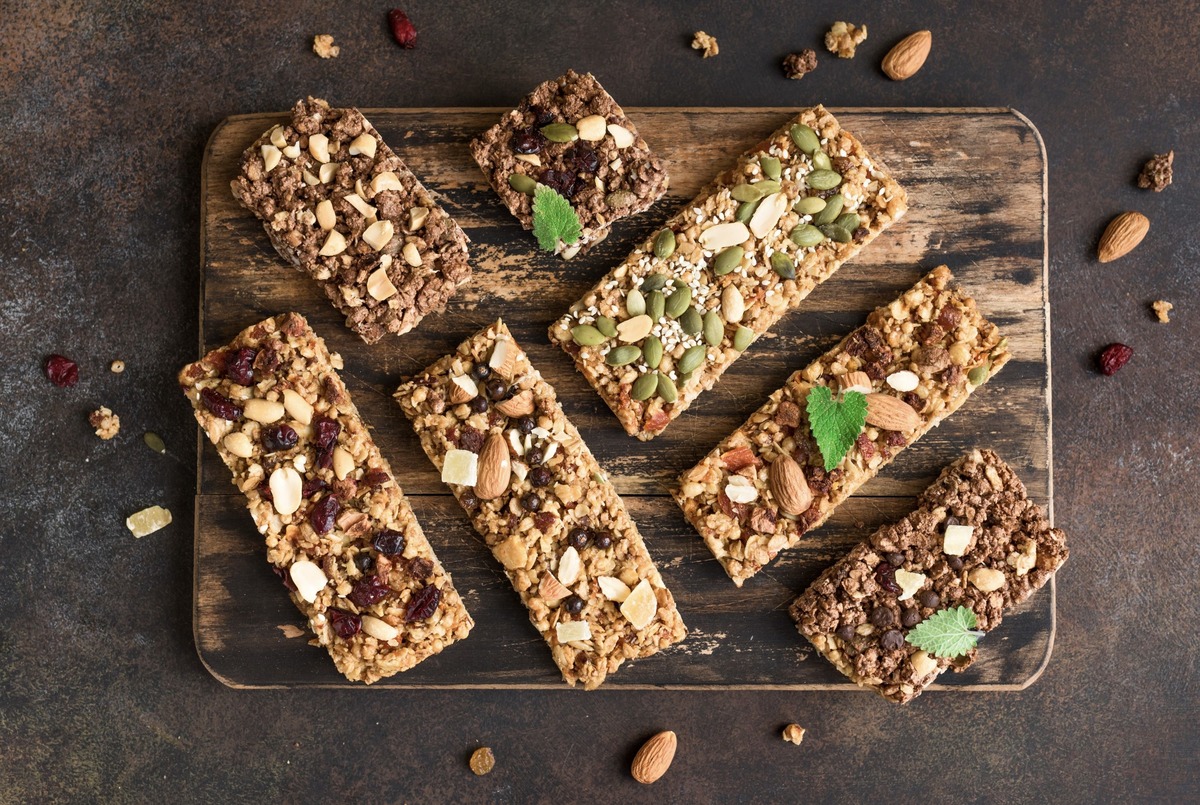
Let’s break down the science and the strategy. I’m Claudia Ciesla, celebrity nutritionist and founder of Claudia’s Concept. In this deep dive, I’ll walk you through what lies behind the wrapper — with input from leading health experts and evidence-based analysis — so that you know whether a protein bar should be your on-the-go hero or an occasional indulgence.
What Exactly is a Protein Bar?
Understanding the Purpose Behind the Wrapper
Protein bars have become a go-to option for busy professionals, fitness enthusiasts, students, and even parents juggling a hectic schedule. But what are they really? A protein bar is a compact, nutrient-dense snack designed to deliver a significant dose of protein—often 10 to 30 grams per serving—along with varying levels of carbohydrates, fats, fiber, and added micronutrients. The convenience they offer is unmatched, especially when you’re short on time yet want to stay on track with your nutritional goals.
At Claudia’s Concept, we view protein bars as functional foods. They’re not just snacks; they’re strategic tools to bridge nutritional gaps, especially post-workout or between meals where access to whole food isn’t an option. However, effectiveness depends largely on what’s inside the bar—and how often you’re reaching for it.
Breaking Down the Ingredients
Let’s start with what you’ll typically find inside a protein bar. Although formulations vary widely by brand and purpose (e.g. high-carb for endurance vs low-carb for keto), several key components appear consistently across most products:
- Protein: This is the hero ingredient. The source determines not only the bar’s quality but also digestibility and absorption. You’ll see whey (a complete dairy protein), soy, pea, brown rice, or collagen as common foundational sources.
- Carbohydrates: From oats to tapioca starch to added sugars, carbs can make up anywhere from 5 to 40 grams per bar. High-carb bars support recovery; low or net-carb ones cater to ketogenic needs.
- Fats: Often derived from nuts, seeds, or oil blends like MCT or sunflower lecithin, fats are added for satiety, texture, and prolonged energy release.
- Sweeteners: This is where formulation really matters. Natural ones like honey or dates are nutrient-rich, but many bars include sugar alcohols (like erythritol) or high-intensity sweeteners (such as sucralose). These significantly affect blood sugar responses and digestive tolerance.
- Vitamins and Minerals: Some bars are fortified—particularly meal replacement versions—to provide 10–30% of your daily micronutrient needs. Think calcium, iron, magnesium, B12, and more.
This base profile helps you quickly assess whether a bar aligns with your health goals, energy requirements, and dietary style. At Claudia’s Concept, we always emphasize reading beyond just the front label. A “high-protein” claim doesn’t guarantee healthy composition.
Protein Bars vs. Whole Food Snacks
Now here’s an important question: Should you replace real food with a bar?
The answer lies in context. Protein bars offer unmatched portability and precision, but whole foods like boiled eggs, Greek yogurt, roasted chickpeas, or a protein smoothie generally provide a broader nutrient spectrum, better satiety, and minimal processing.
That said, a well-chosen bar can be a superhero when you’re running between meetings, traveling, or post-gym with nothing else in your bag. The key is quality control. Not all protein bars are created equal, and many masquerade as “healthy” while packing the same sugar punch as a candy bar.
Instead of asking whether protein bars are inherently good or bad, ask: What role do they play in my routine? Are they supplementing or replacing real nutrition?
That’s exactly the kind of intentional decision-making we teach at Claudia’s Concept. Smart choices. Informed habits. Real results.
Nutritional Value of Protein Bars: What’s Really Inside?
When looking at the growing popularity of protein bars in India and globally, one question comes up repeatedly—what is the actual nutritional value of these on-the-go snacks? As someone who’s been deeply involved in nutrition planning through Claudia’s Concept, I’ve broken down thousands of food labels and closely studied the science behind macronutrients and micronutrients. Let’s explore what’s really inside a protein bar and whether it lives up to its claim of being a health companion.
Macronutrient Breakdown: Proteins, Carbs, and Fats
The nutritional foundation of any protein bar lies in its macronutrient composition—protein, carbohydrates, and fats. Each of these plays a critical role in determining how the bar performs in your body post-consumption.
- Protein: Typically, a standard protein bar in the Indian market contains anywhere between 10 to 20 grams of protein per 50–60g serving. Some high-protein formulations designed for athletes may go up to 30 grams. The objective is muscle repair, satiety, and energy regulation. Scientific studies confirm that protein intake of 20–30 grams post-exercise supports optimal muscle protein synthesis (Journal of the International Society of Sports Nutrition, 2017).
- Carbohydrates: Carb content can vary widely depending on the brand and whether the bar is marketed as a snack or a meal replacement. Most commercial bars provide between 18 to 25 grams of carbohydrates per serve. This includes dietary fibre and sugar alcohols in some variants. Bars higher in complex carbs help provide sustained energy and limit insulin spikes.
- Fats: The average fat content ranges from 5 to 12 grams per bar. Brands using nuts and seeds as base ingredients tend to have a healthier fat matrix, including unsaturated fats that support cardiovascular health. However, bars that include palm oil or hydrogenated fats should be scrutinized for potential trans-fats.
When choosing a protein bar, look for a balanced macronutrient ratio. A golden triangle to consider is protein > 15g, fibre > 3g, and sugar < 7g for a satiating and metabolic-friendly option.
Micronutrients and Added Vitamins
Micronutrients in protein bars are often either naturally occurring in whole-food ingredients like nuts and seeds or added during manufacturing as fortified ingredients. Some bars include a cocktail of B-complex vitamins (B6, B12), vitamin D, calcium, magnesium, and iron. This makes them appealing as quick nutrition fixes, especially for vegetarians and people with limited access to balanced meals throughout the day.
For instance, bars fortified with vitamin D3 can support immune function and calcium absorption—particularly important in a country like India where vitamin D deficiency ranges between 50% and 90%, as reported by the Indian Journal of Endocrinology and Metabolism.
Mineral content often relies on additives like magnesium oxide or calcium carbonate, but bioavailability can vary. That means, even though a bar may claim to contain 20% of the daily iron requirement, the amount your body actually absorbs can be much less—something we always evaluate closely at Claudia’s Concept.
Energy and Satiety: Real Impact on the Body
Protein bars aren’t just about immune health and muscle gain; they’re also engineered to keep hunger at bay and maintain energy levels. How exactly does that work?
Protein and fibre both take longer to digest, slowing gastric emptying and prolonging the feeling of fullness. A double-blind clinical trial published in the Appetite Journal (2019) demonstrated that participants consuming a protein-rich snack mid-morning ate 100 to 200 fewer calories at lunch compared to those who consumed a high-carb snack.
Moreover, consuming slow-release carbs such as oats or millet, found in many Indian brand bars, ensures a steady glucose supply to the brain and muscles. This helps in sustaining productivity, making them excellent for mid-day hustle or post-workout recovery.
Popular Indian Brands and Their Nutritional Profiles
Let’s take a practical look at some widely available Indian brands to analyse their nutritional strength:
- RiteBite Max Protein (20g bar): Offers 20g protein, 7g fat, 21g carbs, and 10g fibre. Uses soy, whey, and casein blend. Fortified with 21 vitamins and minerals, making it apt for bridging daily micronutrient gaps.
- Yoga Bar Protein Bar (60g): Contains 20g protein from whey and seeds, 7g fat, 20g carbs, and 9g fibre. Offers additional omega-3s from flaxseed. Ingredients are largely clean with minimal artificial preservatives.
- The Whole Truth Bars: Focus on clean labels—contain 12-15g of protein using whey isolate and natural binders like dates and nuts. No added sugar or sugar alcohols, making them suitable for clean-eating enthusiasts.
- MyFitness Peanut Butter Protein Bar: Known for its flavour and protein content—up to 19g in a 60g bar. Uses peanut and whey-based protein blend. Offers great satiety due to high fat content (approx. 10g).
Choosing the right brand comes down to your personal goals—muscle building, satiety, energy, or weight loss. At Claudia’s Concept, we always assess a bar holistically: not just grams of protein but the source, balance of macros, and integrity of ingredients used.
The Protein Power Players Inside Every Bar: Types of Protein in Protein Bars
When choosing a protein bar, the type of protein it contains makes all the difference in how your body reacts to it. At Claudia’s Concept, I place a strong emphasis on understanding the source of your nutrients, not just how much you’re consuming. Let’s uncover the key types of protein used in today’s bars—and how each one affects your body differently.
Whey Protein: The Muscle Recovery Champion
You’ll find whey protein in many bars targeted at fitness enthusiasts, and there’s a good reason for that. Derived from milk during the cheese-making process, whey is a complete protein, meaning it contains all nine essential amino acids your body needs for muscle growth and recovery.
Whey digests quickly. In fact, studies from the Journal of the American College of Nutrition show that it spikes amino acid levels in the bloodstream within 20–40 minutes of consumption. This makes it ideal after workouts when the body craves fast-absorbing protein to repair micro-tears in muscle fibers.
- Great for: Athletes, gym-goers, and anyone needing rapid replenishment.
- Not ideal for: Those with lactose intolerance or dairy sensitivities.
However, at Claudia’s Concept, I always stress the importance of balance. While whey delivers quick recovery benefits, relying solely on it excludes other valuable protein profiles your body may also respond well to.
Plant-Based Proteins: The Vegan-Friendly Proteins That Deliver
Whether due to lifestyle choices or health constraints, many of my clients in India turn to plant-based proteins—and for good reason. Bars that use pea, rice, or soy protein are not only suitable for vegans but also perfect for those who are lactose intolerant. Pea protein, in particular, is rich in iron and branched-chain amino acids (BCAAs) that promote muscle healing and growth.
More importantly, combining plant sources—like pea with rice—can create a complete amino acid profile comparable to that of animal protein. A 2020 study published in Nutrients even confirmed that a multi-source plant protein can stimulate muscle protein synthesis at levels similar to whey.
- Great for: Vegans, vegetarians, and individuals sensitive to dairy.
- Appealing in: Indian markets where plant sources are readily acceptable and culturally aligned.
- Bonus: Often higher in fiber and antioxidants than animal-based proteins.
Casein and Egg White Protein: For Satiety and Sustained Energy
Sometimes, speed isn’t everything. Casein protein, also derived from milk, digests slowly—about 6 to 7 hours—making it the perfect option when you need longer-term satiety. This is exactly why I often recommend casein-based bars as a nighttime snack or during long gaps between meals.
The beauty of egg white protein lies in its bioavailability and low-fat profile. It sits somewhere between whey and casein in terms of absorption rate. It’s also virtually free of cholesterol and saturated fat, making it suitable for heart-conscious eaters without compromising muscle-building benefits.
- Recommended for: Sustained release of amino acids over several hours.
- Ideal scenarios: Travel, workdays with limited access to fresh meals, or bedtime supplementation.
At Claudia’s Concept, I guide clients toward selecting protein bars that align with their digestive patterns and daily routines—not just the trendiest buzzword on the wrapper. Whether it’s the lightning-fast action of whey post-workout or the calming, lasting fullness of casein before a long meeting, the protein source you choose will directly affect your energy levels, performance, and even mood throughout the day.
Added Sugars and Artificial Ingredients: A Hidden Threat
While the convenience of protein bars cannot be overstated, we need to look closer at what’s hidden beneath the wrapping. Are protein bars genuinely supporting your health goals—or are some doing more harm than good? Let’s shine the spotlight on the real issue: added sugars and artificial ingredients. These stealthy additives often undermine the nutritional benefits that bars promise. As someone who works closely with the science behind nutrition at Claudia’s Concept, I can tell you unequivocally—these ingredients can sabotage your progress if you’re not vigilant.
Common Culprits You Must Recognize
Some of the most frequently used additives in commercial protein bars include:
- Sucralose: A chlorinated artificial sweetener, sucralose is often used because it delivers sweetness without calories. However, multiple studies—including a 2016 double-blind trial published in the Journal of the American Geriatrics Society—have linked sucralose to altered glucose and insulin sensitivity.
- High-Fructose Corn Syrup (HFCS): This cheap, industrial sweetener is associated with increased visceral fat, insulin resistance, and elevated triglyceride levels. A 2008 study in The American Journal of Clinical Nutrition found that HFCS consumption directly correlates with increased risk of metabolic disorders.
- Sugar Alcohols (like erythritol, sorbitol, and maltitol): Marketed as low-calorie alternatives to sugar, these compounds often cause bloating, gas, or diarrhea in sensitive individuals. While sugar alcohols may not spike blood sugar levels drastically, their high osmotic effect can disrupt gut function. Research published in Regulatory Toxicology and Pharmacology (2017) shows that these alcohols can stimulate gastrointestinal distress when consumed in excess.
How These Ingredients Impact Health and Blood Sugar
Here’s the kicker: just because a protein bar is labeled “high-protein” or “low-carb” doesn’t make it a health food. If it’s packed with synthetic sweeteners, your metabolic balance suffers. Consuming high amounts of added sugars—even if cleverly disguised—leads to insulin spikes. This triggers fat storage and amplifies sugar cravings. A clinical study published in Diabetes Care (2011) demonstrated that individuals consuming more than 25 grams of added sugar daily had significantly higher fasting insulin levels and insulin resistance.
Sucralose, for instance, has been shown to cause a 20% increase in insulin levels in some participants, even without calorie intake. That’s substantial—particularly for those managing Type 2 diabetes or trying to lose weight. This kind of response disrupts hormonal harmony and metabolic flexibility, making it harder to maintain energy or burn fat efficiently.
In other words, while the bar might boast 20 grams of protein, hidden HFCS or maltitol can provoke biological responses that ultimately cancel out the benefits. This is why choosing bars based on flavor alone—or even protein count—isn’t enough.
Reading the Label: A Non-Negotiable Habit
Would you put something into your body without knowing what it actually is? That’s essentially what happens when you skip reading a protein bar’s label. But here’s the good news: doing so doesn’t require a nutrition degree. Start with the ingredient list—ingredients are listed in order of quantity used. If sugar or its substitutes appear in the top five, that’s a red flag.
Pay special attention to these label cues:
- “Sugar-free” often implies the use of sugar alcohols or artificial sweeteners.
- “Low-carb” might hide high quantities of sugar alcohols which can disrupt digestion.
- Terms like “natural flavors” or “diet-friendly” don’t always translate to clean ingredients.
For those living with insulin resistance, PCOS, Type 2 diabetes, or anyone committed to weight management, deciphering these labels is a vital skill. At Claudia’s Concept, we train clients to decode nutritional labels effectively—because informed choices lead to better metabolic resiliency and long-term results.
Next time you pick up a protein bar, flip it over. Pretend you’re reading a contract—because in many ways, you are. Every single ingredient has the power to support your health or derail it. Choose consciously, and your body will reflect that discipline.
How Many Calories Is Too Many? The Truth About Protein Bars and Portion Control
Understanding Calorie Density per Bar
Not all protein bars are created equal — especially when it comes to calorie content. Some pack as little as 150 kilocalories, while others soar beyond 400 kilocalories per bar. That’s a wide range to navigate. At Claudia’s Concept, we look closely at the macro-to-calorie ratio to identify whether a bar supports or sabotages your nutritional goals.
To illustrate, let’s take two popular examples:
- A leading “low sugar” bar might offer 200 kcal with 20 grams of protein, 8 grams of fiber, and just 1 gram of sugar. That’s efficient fuel in a compact form.
- On the flip side, some “meal replacement” bars available in the fitness section of your supermarket come with a stealthy 420 kcal, just 10 grams of protein, and over 18 grams of sugar — barely distinguishable from a candy bar in disguise.
Calorie density measures how many calories are packed into a given weight of food. The higher it is, the easier it becomes to overconsume without noticing — especially with bars that feel small but hit your daily calorie budget hard. Always check the calorie-per-gram ratio. A bar weighing 60g and offering 400 kcal has a density of >6.5 kcal/g — that’s significantly high for something meant to be either a snack or a quick meal fix.
When a Protein Bar Becomes a Meal vs. a Snack
The line between snack and meal gets blurry with protein bars, and that’s where clarity matters. A bar providing over 300 kcal, 20–30g carbs, at least 12g fat, and 15–25g protein is typically engineered to function as a meal replacement. It delivers sustained energy and will keep hunger in check for several hours.
In contrast, a 180–220 kcal bar that contains around 10g protein and less than 5g fat aligns well with your mid-morning or post-workout snack. It offers a protein boost without tipping you into caloric overload.
Choosing the wrong type of bar for the wrong time of day disrupts energy balance. For instance, following lunch with a “meal-sized” protein bar might set you up for a caloric surplus, especially if your physical activity is limited that day. This is exactly where Claudia’s Concept tools and consultations guide clients: matching the right bar with the right purpose.
Impact on Daily Caloric Intake
Let’s crunch the numbers together. Suppose your maintenance caloric intake is 2,000 kcal per day. A protein bar contributing 400 kcal takes up 20% of your total calories. Add in breakfast, lunch, dinner, and a few beverages — you could easily stumble into a caloric surplus without even reaching for dessert.
One peer-reviewed study in the Journal of Nutrition (2022) showed that individuals who consumed snack-style bars without adjusting meals ended up with an average surplus of 260 kcal/day over two weeks. That slight daily excess can lead to weight gain of nearly 1 kg per month if sustained. The takeaway? Calories from protein bars count — and they add up fast.
Tips from Nutritionists on Managing Portions
From my experience as a nutritionist working with busy professionals, athletes, and actors, smart portion control makes the difference between using protein bars effectively vs. unknowingly derailing progress. Here are tested strategies I always share at Claudia’s Concept:
- Split it: Break the bar in half. Have one part post-workout and save the rest for later. Many bars stay fresh once opened — especially if wrapped securely.
- Level the macros: If your bar contains 25g protein but also 400 kcal, consider balancing it with a lower-calorie meal to maintain your daily goals.
- Choose wisely: Pick bars with clear labeling, less than 10 grams of added sugar, and under 250 kcal if it’s a snack, or under 350 kcal if it’s a meal on-the-go.
- Track intake: Use a tracking app. Even when rushed, logging your bar ensures you factor it into your overall nutrient profile.
- Convert into a mix: Cut your bar into chunks and combine with fruit or Greek yogurt — it slows eating, improves satiety, and adds whole food nutrition.
Being deliberate about how and when a protein bar fits into your plan empowers you to maintain balance effortlessly. Remember: it’s not about restriction—it’s about smart selection. With the right strategies, protein bars can be both satisfying and supportive of your wellness journey.
The Benefits of Protein Bars: A Nutritionist’s Perspective
Whether you’re powering through an intense workout, managing a hectic workday, or simply trying to maintain your daily nutrition goals, protein bars have emerged as one of the most convenient dietary solutions available today. When chosen wisely, these compact nutritional tools can become a valuable part of your daily routine. At Claudia’s Concept, I regularly incorporate protein bars into tailored nutrition plans based on individual fitness and lifestyle needs. Let’s explore the core benefits they offer from a science-backed, nutritionist’s perspective.
Muscle Recovery and Growth
Muscle repair demands a consistent supply of amino acids—especially after physical exertion that causes microscopic muscle damage. Protein bars rich in complete proteins deliver essential branched-chain amino acids (BCAAs) like leucine, isoleucine, and valine. These are critical in stimulating muscle protein synthesis.
According to a study published in the Journal of the International Society of Sports Nutrition, consuming between 20-40 grams of high-quality protein post-workout can maximize anabolic response and aid recovery. Many protein bars on the market now offer this range, making them incredibly effective muscle-supporting tools for active individuals.
From my clinical experience at Claudia’s Concept, clients who consume high-protein bars immediately after strength training report noticeable improvements in muscle tone, soreness reduction, and quicker recovery times.
Perfectly Positioned for Post-Workout Nutrition
The post-exercise window—also called the “anabolic window”—is a critical period during which your body is primed to absorb nutrients. Easily digested, portable post-workout options give your body what it needs without delay. Protein bars fit this need perfectly. Unlike full meals, which may require preparation and digestion time, protein bars deliver fast-absorbing nutrients when they’re needed most.
For example, bars containing whey isolate or hydrolyzed collagen are preferred immediately after workouts since they are absorbed faster than whole-food protein sources. This immediate availability of amino acids promotes a positive nitrogen balance, essential for muscle maintenance and growth.
Consistent Energy Levels Throughout the Day
Protein isn’t just about muscle—it plays a fundamental role in maintaining blood glucose stability. When paired with a balanced profile of carbohydrates and healthy fats, protein bars help sustain energy levels and minimize sugar crashes that often come from carb-dominant snacks.
Look for bars offering a macronutrient balance of approximately 40% carbohydrates, 30% protein, and 30% fat for sustained energy release. A study from the American Journal of Clinical Nutrition highlights that moderate protein intake throughout the day—distributed across meals and snacks—improves satiety and metabolic health.
Many of my clients at Claudia’s Concept use protein bars as a strategic mid-morning or afternoon snack. The result? More stable energy, better concentration, and reduced cravings for processed snacks.
Convenience for On-the-Go Nutrition
In today’s fast-paced world, not everyone has time to sit down to a perfectly balanced meal several times a day. Protein bars solve this problem in a simple, effective form. Compact and non-perishable, they can be tucked into gym bags, office drawers, purses, or glove compartments—ready anytime, anywhere.
The best bars act like mini-meals. They’re designed with clean ingredients, a complete amino acid profile, and minimal artificial additives. For people balancing meetings, school pickups, and late-night workouts, this level of convenience supports nutritional consistency, which is the foundation of a sustainable healthy lifestyle.
Expert Tip: Use Them as a Supplement, Not a Primary Food Source
Here’s something I emphasize with all my clients: protein bars are incredible supplements, not replacements for whole meals. They’re most effective when used to fill nutritional gaps—whether that’s hitting your daily protein target, recovering post-exercise, or managing hunger between meals.
Variety remains essential in nutrition. As helpful as protein bars can be, your body thrives on diversity from natural food sources. Use them intelligently: paired with fresh fruits, nuts, or seeds for extra fiber and micronutrients. At Claudia’s Concept, we often advise using bars during travel, between appointments, or when cooking just isn’t an option.
So next time you find yourself sprinting through a jam-packed day, reaching for a smartly chosen protein bar isn’t merely a compromise—it’s a strategic move toward better health and performance.
Meal Replacement vs. Snack: When and How to Consume Protein Bars
Let’s get real — between chasing deadlines, school runs, and early morning workouts, many of us are leaning heavily on quick-fix nutrition. Protein bars have emerged as a go-to, but the question that needs expert clarity is: are we consuming them the right way? As a Celebrity Nutritionist and founder of Claudia’s Concept, I’ve worked with athletes, actors, and everyday professionals who all want to fuel their bodies right. Understanding whether a protein bar fits as a meal or a snack is key to making this functional food work for your goals.
When a Protein Bar Makes Sense as a Meal
You’ve probably had those mornings: your alarm goes off late, there’s no time for eggs, and your blender skips a beat. Enter the protein bar. When consumed carefully, a high-quality protein bar can serve as a temporary meal replacement — particularly for breakfast or post-workout recovery.
But let’s be specific. If you’re grabbing a bar as a meal, it should contain at least:
- 15–20 grams of protein — to keep amino acid levels high and support muscle metabolism.
- 6–10 grams of fiber — to promote satiety and digestive health.
- Complex carbohydrates — from ingredients like oats, quinoa, or brown rice syrup, for sustained energy.
- Healthy fats — such as almonds, chia seeds, or flax, to support hormone balance and brain function.
In my consultations at Claudia’s Concept, I often remind clients: a meal has a clear nutritional structure — macros in balance, not just calories. Many bars on grocery shelves are glorified candy with an added scoop of whey. Those are not meal-worthy. Choose bars with whole food ingredients, minimal added sugar (ideally under 8g), and a caloric count somewhere between 250–400 calories. When constructed this way, protein bars can power you through a meeting-packed morning or a post-spin recovery phase with confidence.
The Perfect Snack: Mid-Morning or Afternoon Fuel
Now let’s talk snacking — my favourite window to optimise blood sugar regulation and appetite control. A protein bar can be a highly effective strategic snack when energy dips between meals. The science here is supportive. Research from the Journal of Nutrition (2015) showed that consuming 20g of protein in between meals improves satiety and reduces subsequent calorie intake at the next meal by 100–150 kcal. That’s a substantial behavioural shift over time.
As a snack, your bar should ideally provide:
- 10–15 grams of protein — enough to curb hunger hormones like ghrelin without feeling overly full.
- Under 200 calories — to keep it within appropriate snack territory.
- Low glycemic load — achieved by avoiding high sugar formulations that spike and crash energy levels.
Combine your bar with hydration — a herbal tea, sparkling water with lime, or even a handful of raw veggies. By anchoring snacking with high-protein items, you stabilise insulin response and reduce the odds of binge eating later in the day. At Claudia’s Concept, I structure snack timings around physical activity, mood fluctuations, and cognitive demand to empower mindful nourishment versus mindless munching.
Pairing with Whole Foods: Amplifying Nutritional Synergy
Here’s a missing link many overlook. Whether you use a protein bar as a meal or snack, pairing it with a small portion of whole foods elevates its impact. Why? Because nutrient synergy matters more than isolated macros. Functional foods — when consumed alongside fiber-rich fruits, fermented items like kefir, or omega-loaded nuts — enhance digestion, absorption and biochemical responses.
Let me give you a real-world framework:
- Bar + Greek yogurt = Complete breakfast or post-gym combo with optimal leucine levels for muscle recovery.
- Bar + an apple = Balanced snack with pectin-based fiber, which slows carbohydrate digestion.
- Bar + cucumber slices with pink salt = Smart travel lunch that maintains hydration and supports mineral intake.
Protein bars offer flexibility, yes, but they shouldn’t exist in nutritional isolation. Think of them as a companion to real food, especially when aiming to keep energy, mood, and satiety consistent throughout the day.
In practice, I guide clients to listen to their body’s cues. If a bar keeps you full for three to four hours and fuels cognitive clarity or physical output — it worked as a meal. If it tides you over just enough to delay hunger, it functioned efficiently as a snack. It’s about context, quality, and your body’s feedback loop. And when utilised as part of a personalized plan — like we design at Claudia’s Concept — protein bars can be a seamless part of vibrant, intelligent living.
Best Time to Eat Protein Bars According to Experts
Timing matters when it comes to nutrition—especially with a functional food like a protein bar. As a celebrity nutritionist and founder of Claudia’s Concept, I’ve seen firsthand how consuming protein bars at the right moments enhances energy, muscle recovery, and satiety. It’s not just about what’s in the bar, but when you eat it. Let’s explore the science-backed windows that offer optimal results.
Pre-Workout: Fuel for Performance
Ever felt sluggish during your workouts despite being well-rested? That’s where your pre-workout nutrition plays a pivotal role. A moderate balance of carbohydrates and protein consumed 30–60 minutes before training can significantly improve stamina and output. Protein bars with 15–20g of protein and at least 20g of complex carbs act as efficient pre-workout fuel.
Here’s why: carbohydrates quickly convert into glucose, your body’s preferred source of energy during physical activity. Meanwhile, protein supports prolonged endurance and begins preparing muscle fibers for the wear and tear of training.
- Ideal Pre-Workout Bar: Choose bars with whey or soy protein paired with oats or brown rice syrup for sustained energy release.
- Time it Right: Consume about 45 minutes before your workout to allow partial digestion without feeling sluggish.
A 2013 study in the Journal of the International Society of Sports Nutrition showed that athletes consuming a protein-carb combo pre-workout experienced both improved performance and greater muscle protein synthesis post-exercise.
Post-Workout: Recovery Mode ON
After your workout, your body craves nutrients to repair muscle fibers and replenish glycogen stores. This window—commonly called the “anabolic window”—is ideally within 30 minutes post-exercise. During this time, insulin sensitivity is elevated, and the cells are more receptive to nutrients. A high-protein bar serves this purpose perfectly.
Bars containing 20–25g of fast-absorbing protein like whey isolate, combined with some carbohydrates, accelerate muscle recovery and limit exercise-induced damage. This timing also enhances muscle hypertrophy—especially beneficial if you’re in a strength-building phase.
- Recovery-Driven Choice: Look for bars with a 2:1 carb-to-protein ratio to restore energy while supporting muscle repair.
- Added Bonus: Ingredients like creatine, BCAAs, or electrolytes can offer extra recovery benefits.
Research published in the American Journal of Clinical Nutrition found that participants consuming 20g of protein post-resistance training had 25% more muscle protein synthesis compared to those who didn’t eat protein after working out. This is where a well-chosen protein bar becomes more than just convenient—it’s strategic.
Mid-Day Snack: Stop Cravings Before They Start
That 3 PM slump is real—and so is the temptation to reach for a sugary treat. A protein bar at this point acts as a stabiliser for blood sugar and mood. The high protein content triggers satiety hormones like peptide YY (PYY) and GLP-1, which effectively reduce hunger and the urge to snack mindlessly.
- Sustained Energy: Choose a bar with at least 12g of protein and 5–8g of healthy fats to keep you full and maintain mental clarity.
- Avoid the Dip: Ditch bars loaded with sugars or maltitol—they can spike then crash your energy levels.
According to a 2015 study in the journal Appetite, mid-day protein consumption improved cognitive function and reduced calorie intake in the subsequent meal by over 15%. This makes the protein bar not just a snack, but a tactical choice for appetite regulation.
Night-Time Snack: Slow-Release for Deep Recovery
Yes, eating at night can be beneficial—if you’re smart about what you’re consuming. Contrary to popular belief, a protein-rich snack before bed won’t lead to weight gain. Instead, it enhances overnight recovery, thanks to casein protein’s slow digestion rate.
Casein takes 6–8 hours to fully digest, offering a steady amino acid release as you sleep. This supports muscle preservation and even lean mass gains. Night-time protein bars designed with micellar casein or milk protein concentrate fulfil this exact purpose.
- For Athletes & Active Individuals: Night-time protein consumption aids muscle maintenance, especially during long fasting windows such as sleep.
- Melatonin-Friendly Choices: Bars enriched with magnesium or tart cherry can also promote higher quality sleep.
A 2012 study from Medicine & Science in Sports & Exercise revealed that participants who consumed casein before sleep experienced 22% more muscle synthesis overnight compared to the placebo group. Your body doesn’t stop working while you sleep—give it the resources to continue healing.
At Claudia’s Concept, I guide clients to not just focus on what they eat but also on when they eat it. Protein bars can be a powerful tool in your nutrition strategy, but their timing amplifies the impact more than most realise. Whether you’re fueling up, winding down, or simply recharging mid-day, aligning your bar with your body’s bio-rhythm will produce superior results.
Final Verdict: Are Protein Bars Really Good for You?
Let’s cut through the marketing noise and get real—are protein bars truly beneficial for your health, or are they cleverly disguised candy in sleek packaging? After evaluating their nutritional makeup, understanding when to eat them, and examining their role in various diets, we arrive at a confident answer: yes, protein bars can absolutely be good for you, when chosen and consumed wisely.
The Nutritional Blueprint Matters
Not all protein bars deserve a spot in your daily lineup. Some are loaded with nutrients, while others sneak in excessive sugars, poor-quality proteins, and artificial additives. Before you reach for one, ask yourself—what am I trying to achieve? Whether it’s muscle recovery, satiety between meals, or a convenient source of protein, alignment with your physical goals and body’s nutritional needs is key.
When you focus on bars that prioritise:
- High-quality protein sources like whey isolate, milk protein, or plant-based blends such as pea and brown rice protein,
- Low to moderate sugar content (aim for less than 5g per serving),
- Balanced macronutrients that mirror your dietary framework, and
- No artificial preservatives or poorly-sourced ingredients,
then you’re choosing a bar that can support health and performance rather than compromise it.
Protein Bars and Purpose
The key is to remember that protein bars are not one-size-fits-all solutions. They work best when integrated as part of a broader nutrition strategy. For example, if you’re pressed for time post-workout and running low on energy, then a bar rich in quality protein with moderate carbs makes sense.
On the other hand, using them to replace whole meals consistently, especially without tracking overall nutrient intake, isn’t what I recommend at Claudia’s Concept. In our practice, we empower clients to use nutritionally balanced, thoughtfully chosen bars to complement, not replace, whole foods.
What Science Has to Say
Let’s back this with real data. In a 2020 study published in the Journal of Functional Foods, researchers found that consuming a protein-rich snack improves satiety and supports lean muscle mass, especially when compared to carbohydrate-heavy snacks. Another 2022 study in Nutrients highlighted that protein supplementation, including bars, was effective in enhancing body composition when paired with resistance training.
But here’s the caveat: the benefits only surfaced when the protein source and overall composition of the bars were of good nutritional quality.