
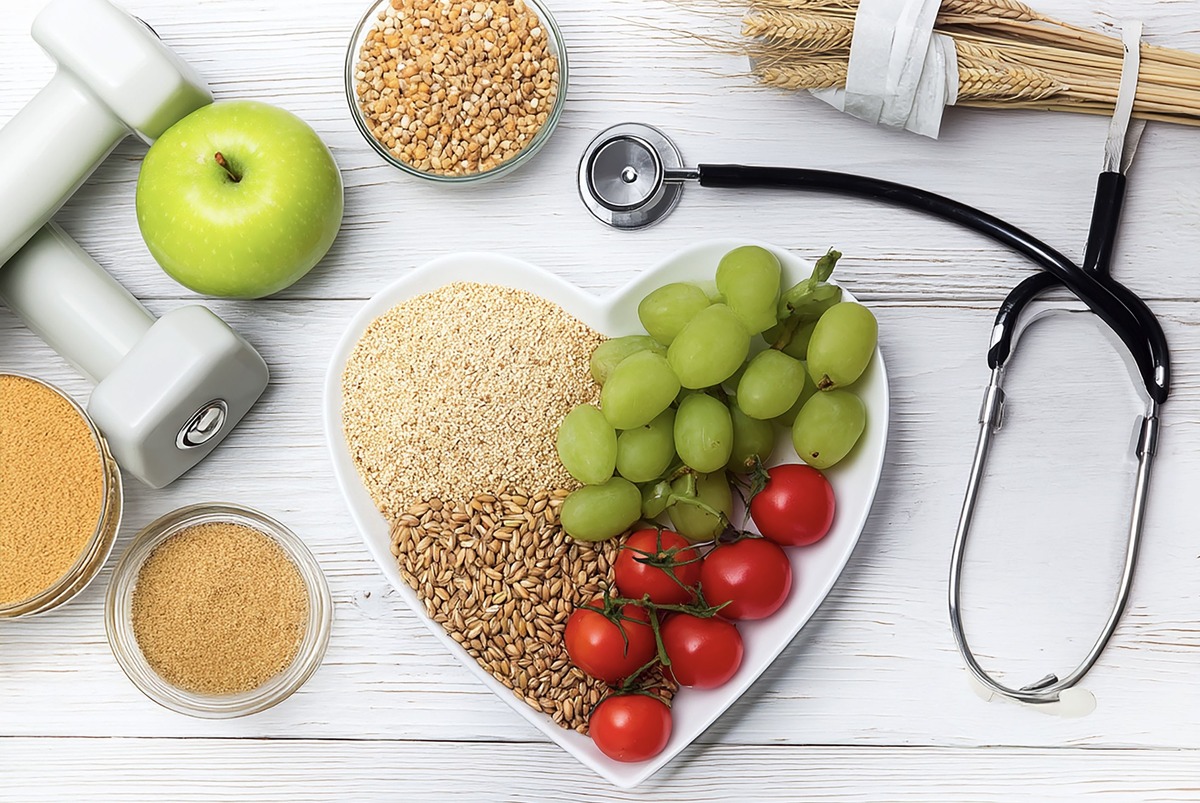
India’s rapid economic growth has undoubtedly reshaped our lifestyles. From buzzing metros to emerging tier-two cities, working professionals now juggle packed schedules, digital overload, long commuting hours, and endless to-do lists. The result? A sharp spike in lifestyle-related health concerns. Obesity, pre-diabetes, high blood pressure, and anxiety are showing up in more Indians under 40 than ever before. Our plates, unfortunately, haven’t caught up with our pace of life.
Now here’s the good news—how you eat can change your health destiny. Nutrition isn’t just about shedding pounds or gaining muscle; it is a powerful preventive tool. It plays a pivotal role in reducing the risk of chronic ailments. According to recent findings in The Lancet Global Health, poor diets are responsible for more deaths worldwide than tobacco, with heart disease, type 2 diabetes, stroke, and even certain cancers strongly linked to what goes on your plate. Studies published in journals like Nutrients also connect nutrition patterns with mental health conditions such as depression and anxiety, highlighting just how closely food and mood are tied.
In this preventive nutrition guide, I’ve curated realistic, science-backed strategies—designed for the rhythm of your workweek. Whether you’re leading back-to-back Zoom calls, dashing between client sites, or managing a hybrid work setup, this guide will help you make smart, sustainable choices without adding stress. At Claudia’s Concept, we believe prevention begins in your kitchen, not the hospital. Let’s explore how to make nutrition work for you—even on your busiest days.
Understanding Preventive Healthcare Through Diet
Looking at Preventive Healthcare from an Indian Lens
Time is the biggest constraint for most Indian professionals today. But what if investing just a little time in how you eat could help avoid years of medication, hospital visits, and health scares? That’s exactly what preventive healthcare through diet offers. In simple terms, it means using food as the first line of defence—not waiting for disease to strike before making a change.
In the Indian context, preventive healthcare isn’t just about avoiding bad habits; it’s about consciously choosing food that supports immunity, balances hormones, reduces inflammation, and fortifies the body against chronic diseases. At Claudia’s Concept, I’ve worked with hundreds of busy individuals who’ve turned around their health metrics simply by aligning their diet with preventive goals.
Why What You Eat Shapes Your Future Health
Your daily choices on your plate directly affect your future health. Modern research leaves no room for doubt on this. The link between diet and disease prevention is no longer theoretical—it’s measurable, reproducible, and proven across various population studies.
- Cardiovascular Health: A large-scale cohort study published in The Lancet (2019) evaluated over 135,000 individuals across 18 countries and found that diets rich in fruits, vegetables, legumes, nuts, and fish significantly reduced the risk of major cardiovascular events. India, with its rapidly increasing rate of heart disease (responsible for 28% of total deaths as per ICMR 2020 data), needs this shift now more than ever.
- Type-2 Diabetes: A study in JAMA (2020) showed that individuals adhering to a diet low in processed carbs and high in whole grains and legumes had a 31% lower risk of developing Type-2 diabetes. Dal, rajma, and bajra—common Indian staples—form exactly this kind of preventive plate when chosen wisely.
- Certain Cancers: According to data by the World Cancer Research Fund, about 30-50% of all cancer cases are preventable through diet and lifestyle modifications. Daily servings of turmeric (curcumin), garlic, cruciferous vegetables like cauliflower and cabbage, and antioxidant-rich berries can significantly reduce oxidative stress and carcinogenic markers in the body.
- Mental Health: Nutrition plays a strong role in how we feel, focus, and function mentally. In a groundbreaking Indian study published in Asian Journal of Psychiatry (2021), adherence to a Mediterranean-style diet enhanced with local Indian foods like amla, coconut, and sesame was associated with lower scores on depression, anxiety, and stress scales. Food feeds your head as much as your body.
Modern Challenges Call for Rooted Solutions
For the urban Indian juggling deadlines, traffic, and screen time, preventive nutrition becomes not just a personal wellness strategy but a smart, time-saving investment. Prioritising lentils over fast food, choosing fruit over packaged snacks, and drinking herbal infusions instead of sugary sodas—these simple everyday actions will directly improve energy levels, mental clarity, immune response, and long-term resilience.
At Claudia’s Concept, I customise strategies that are both practical and backed by science. Because you deserve health that fits your lifestyle—not the other way around.
The Core Principles of a Balanced Indian Diet — Designed for Your Life, Your Culture, Your Wellness
In India, food is never just food—it’s ritual, it’s memory, and it’s connection. But in the rush of back-to-back meetings, daily commutes, and family responsibilities, the way we eat often becomes reactive instead of proactive. That’s where preventive nutrition guided by Indian dietary science steps in—and that’s exactly what we champion at Claudia’s Concept.
What Does a Balanced Indian Diet Look Like Across Regions?
From Kerala’s coconut-rich curries to Punjab’s robust use of dairy and grains, India’s regional cuisine is one of the most diverse in the world. Each region has its own culinary identity, deeply rooted in climate, agriculture, and tradition.
- South India: Focus on fermented foods like idli and dosa made from rice and urad dal, with sambhar offering a rich source of fibre and protein.
- North India: Whole wheat rotis, legumes (rajma, chole), and vegetables dominate. Ayurveda-inspired spice blends are commonly used, adding metabolic and digestive benefits.
- East India: Rice and fish form dietary staples, complemented by leafy greens and mustard oil, offering essential omega-3 fatty acids.
- West India: Millets like jowar and bajra get prominence, along with seasonal vegetables and groundnut oils that enhance nutrient absorption.
The commonality: diversity in ingredients, balance in flavour, and naturally embedded seasonal eating. It’s easy to see that the building blocks of preventive nutrition already exist in our kitchens—we just need to realign them with modern needs. At Claudia’s Concept, we help integrate these elements consciously and effectively.
Macronutrient Requirements for Indian Adults: The Right Fuel, Every Day
Let’s remove the guesswork. An Indian adult requires an energy intake of around 1900–2200 kcal/day for women and 2300–2500 kcal/day for men, depending on activity level and age (as per ICMR 2020 guidelines). But what about protein, fats, and carbs?
A balanced plate for adults should contain:
- 50–60% carbohydrates – Prioritise complex carbs like millets, whole grains, and brown rice. Combine this with fibre-rich vegetables to avoid glucose spikes.
- 15–20% protein – Lentils, chickpeas, mung beans, paneer, curd, eggs, and fish serve as rich sources of protein. Busy lives benefit from dals that cook quickly or Greek yogurt that can double as a snack.
- 20–30% healthy fats – Think mustard oil, ghee (in moderate amounts), coconut oil in the south, and inclusion of nuts and seeds like almonds, flaxseeds, and sesame.
Adding micronutrients is non-negotiable. Calcium from dairy, iron from leafy greens, and vitamin C from citrus fruits make our diets functional, not just filling.
Blending Tradition with Prevention: Adapting Without Letting Go
Our dietary patterns don’t need a total makeover—they need intelligent refinement. You don’t have to give up parathas or sambhar rice. You just make smarter decisions around them. Here’s how:
- Replace maida-based puris with multigrain rotis for better glycemic control.
- Add one katori of seasonal sabji for every serving of chapathi or rice to increase fibre and satiety.
- Include fermented pickles and buttermilk to support gut health naturally—something Ayurveda has always advocated.
- Use traditional spices like turmeric, cumin, coriander, and fenugreek in moderation—they are anti-inflammatory and digestive aids.
At Claudia’s Concept, we build plans that respect your taste and rituals while elevating the nutrient quality of every bite. Because prevention isn’t about subtraction—it’s about thoughtful addition.
Popular Indian Meals, Balanced Smarter
Let’s walk through common meals and see how to make them work harder for your well-being:
- Poori Bhaji: Swap poori for phulka, reduce the potato quantity in bhaji, and add green peas or spinach for enhanced fibre and protein.
- Masala Dosa: Retain the dosa and sambhar, but reduce the aloo masala portion and accompany with thicker chutneys made of peanut or coconut blended with flaxseed.
- Rajma Chawal: Go for brown rice or mix white rice with quinoa. Add a side bowl of cucumber-tomato salad with lime to aid digestion and offset heavy legumes.
- Paneer Tikka Roll: Choose a whole wheat wrap, fill it with grilled paneer, raw bell peppers, and mint-coriander chutney. Minimal oil, maximum nutrition.
This type of preventive eating doesn’t ask you to eat foreign foods. It empowers you to eat Indian—consciously, nutritionally, and joyfully.
Keep your palate, keep your culture—and optimise your health. That’s the true essence of practical preventive nutrition for the Indian professional. And that’s the foundation we continue to build on at Claudia’s Concept.
Powerhouse Indian Superfoods That Promote Lifelong Wellness
In the heart of our kitchens, tucked into every masala tin and market basket, exist powerful Indian superfoods—not fancy imports, but humble, native ingredients celebrated for centuries in Ayurveda and now backed by science. These foods aren’t just flavorful add-ons; they’re functional tools for preventive nutrition. For busy Indians who barely get time to sit for a full meal, choosing the right superfoods can effortlessly upgrade daily nutrition and fortify long-term health. At Claudia’s Concept, I always encourage working professionals to use these ingredients as their first line of defense against illness and daily stress.
What Makes an Indian Food a “Superfood”?
The term “superfood” isn’t a marketing gimmick in our context—it’s a marker of high bioactive content, nutrient density, and proven health-promoting properties. Indian superfoods are typically:
- Dense in antioxidants, plant compounds, and essential vitamins
- Scientifically validated for disease prevention or immune modulation
- Locally available, affordable, and easy to prepare
- Deeply rooted in traditional Indian diets
Let’s explore some of these unsung heroes hiding in plain sight within your local sabzi mandi or kirana store.
Immune Warriors on Your Plate
- Turmeric (Haldi): More than a spice—it’s an immunity mainstay. Curcumin, the active compound in haldi, has been shown in multiple clinical trials to enhance antibody response and reduce inflammatory markers like TNF-alpha and IL-6[1].
- Amla (Indian Gooseberry): One of the richest sources of vitamin C. Just 100 g of fresh amla provides up to 600–700 mg of vitamin C, which boosts white blood cell function and supports collagen production, vital for tissue repair[2].
- Drumstick Leaves (Moringa): Consumed as sabzi or added into dals, these leaves carry antimicrobial and anti-inflammatory properties. They’re also rich in iron and calcium—essential for recovery and bone health.
Natural Cancer Preventives Backed by Science
- Garlic: Contains allicin, a compound with robust anti-tumor effects. A meta-analysis in the journal Cancer Prevention Research confirmed that higher garlic consumption is associated with lower risk of gastric and colorectal cancers[3].
- Turmeric (Haldi): Once again, it deserves a second mention. Its anti-carcinogenic properties are linked to its ability to inhibit tumor cell proliferation, angiogenesis, and metastasis[4].
- Flaxseeds (Alsi): High in lignans—phytoestrogens that reduce the risk of hormone-sensitive cancers such as breast cancer. Just 10 g (about two teaspoons) a day can provide measurable cell-protective effects[5].
Brain Boosters You Already Have at Home
- Almonds (Badam): Soaked overnight and consumed in the morning, almonds supply vitamin E, healthy fats, and magnesium. Studies show regular intake supports improved memory and cognitive function by countering oxidative stress[6].
- Brahmi (Bacopa monnieri): Traditionally used in Ayurveda for centuries to enhance memory and focus. Modern research confirms that it improves information retention and neural communication[7].
- Spinach & Other Dark Leafy Greens: Rich in folate and vitamin K. A 2017 study published in Neurology linked just 1.3 servings of leafy greens per day to a significantly slower rate of cognitive decline[8].
Accessible and Fast: These Superfoods Fit Right In
A big part of my work at Claudia’s Concept focuses on food that works with your schedule, not against it. None of the superfoods above require elaborate cooking techniques. A teaspoon of haldi in hot water, a handful of almonds soaked the night before, or simply tossing amla slices with black salt for a lunchbox snack—all of these are moments of nutrition that add up over time.
So the next time you’re at the grocery store or shopping online in a hurry, pause for a second. Pick local. Think nutrient density. And choose superfoods that are already tailored to your genes, your palate, and your life.
Start small, but stay consistent. That’s the real secret of preventive nutrition.
[1]Jurenka, J. S. (2009). Curcumin: A review of its’ effects on human health. Altern Med Rev[2] Jacob, R. A., et al. (2002). Vitamin C supplementation enhances antioxidant status in healthy individuals. Am J Clin Nutr[3]Fleischauer, A. T., & Arab, L. (2001). Garlic and cancer: a critical review of the epidemiologic literature. J Nutr[4] Prasad, S., et al. (2011). Targeting inflammatory pathways by flavonoids for prevention and treatment of cancer. PharmacolTher[5] Thompson, L. U. (2003). Flaxseed and breast cancer: Demonstration of a dose–response and evaluation of biomarkers. Nutrition and Cancer[6]Kalmijn, S., et al. (1997). Dietary fat intake and the risk of incident dementia in the Rotterdam Study. Annals of Neurology[7]Stough, C., et al. (2001). Cognitive enhancing effects of a nutraceutical combination in healthy humans. Psychopharmacology[8] Morris, M. C., et al. (2017). Nutrients and bioactives in green leafy vegetables and cognitive decline. Neurology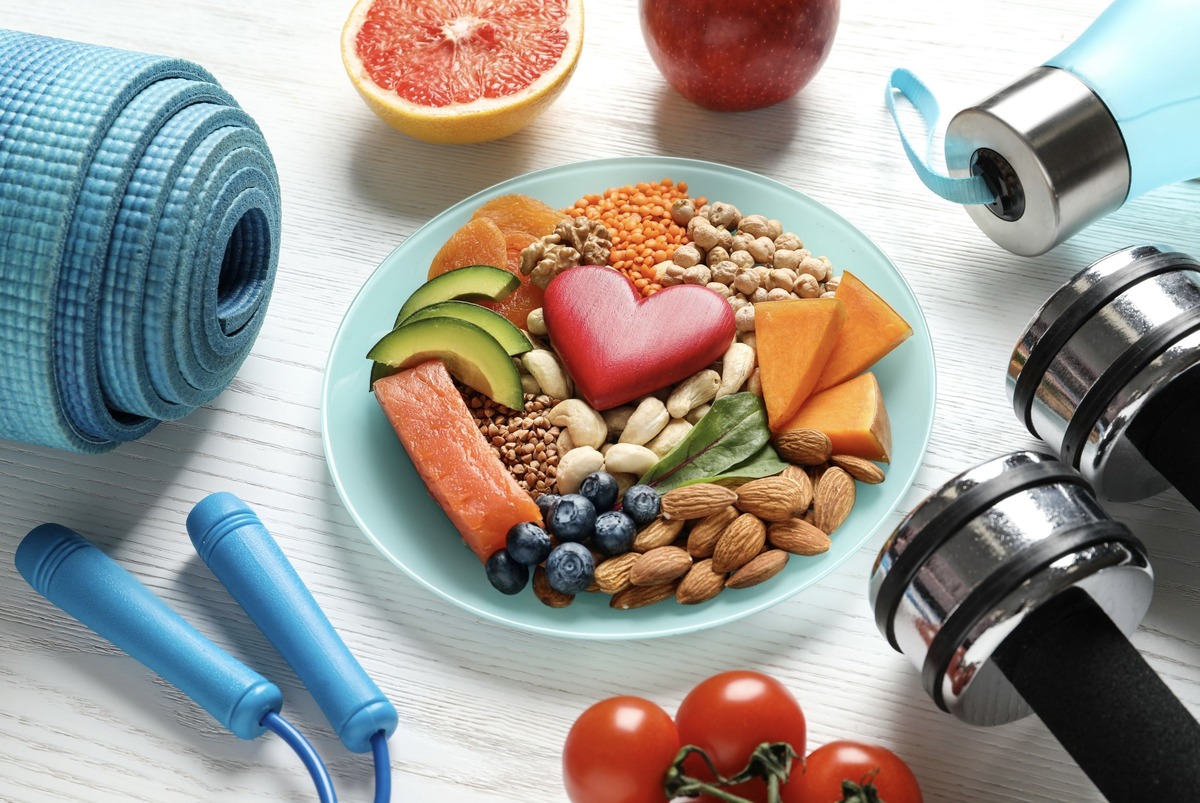
Time-Saving Healthy Meal Plans for Working Professionals
Let’s face it—between early meetings, tight deadlines, and endless commutes, eating healthy often takes a backseat. But what if your meals could be quick, delicious, and packed with preventive nutrition? That’s exactly what I recommend through Claudia’s Concept: intuitive, time-saving, health-supporting meals designed specifically for busy Indian lifestyles.
Smart Weekly Meal Plans (Vegetarian & Non-Vegetarian)
Here are easy-to-follow meal plans built to optimize prep time and boost nutrient intake across the week. They include nutrient-dense traditional Indian foods tailored to support immunity, metabolic health, and gut function—factors critical to disease prevention.
🌱 Vegetarian Weekly Meal Plan
🍗 Non-Vegetarian Weekly Meal Plan
⏳ Tips for Fitting Meal Plans into a Packed Schedule
- Batch Chop Sundays: Cut and prep vegetables and fruits on weekends. Store them in airtight glass containers to maintain freshness.
- Cook Once, Eat Twice: Make extra portions of daals or curries at dinner—reuse creatively for lunch (like making wraps or mixing into whole grains).
- Spice Smart: Pre-mix your masalas. Ready spice blends save 10+ minutes per meal.
- Pressure Cook Like a Pro: Use your cooker for dals, khichdi, and sabzi bases. What normally takes 30 minutes can be done in under 10.
- Morning Assembly Line: Set up a 20-minute morning ritual where lunches are packed while tea is brewing and breakfast is toasting. Sync your playlist—let it become a mindful routine!
Through Claudia’s Concept, I design these plans with purpose: to bring preventive nutrition into your daily flow. When you eat smart, energy stabilizes, metabolism improves, and your mind stays razor-sharp. Meal planning is not just about food; it’s about reclaiming control over your well-being—even when life is chaotic.
Mastering Meal Prepping and Portion Control: Time-Efficient Strategies for Health-Conscious Indians
If you’re constantly juggling projects, calls, family commitments, and the endless chaos of modern life, you’re not alone. For most busy Indians, health often takes a backseat. But here’s a truth from my experience as a nutritionist at Claudia’s Concept—preventive nutrition isn’t a luxury. It’s a necessity. And it starts right in your kitchen, with how you plan, prep, and portion your meals.
Weekly Meal Prepping: Taking Control of Your Nutrition in Advance
Imagine spending just two hours every Sunday setting yourself up for a full week of healthy eating. That’s the power of weekly meal prepping. This method not only saves time on busy weekdays but also helps you stay committed to your nutrition goals. Scientific research published in the American Journal of Preventive Medicine (2017) found that individuals who spent more time preparing meals at home had significantly healthier dietary habits, including increased fruit and vegetable intake and reduced fast food consumption.
By batch-cooking staples like dal, brown rice, sautéed seasonal vegetables, and marinating proteins in advance, you eliminate the daily decision fatigue around “what to eat.” The result? Fewer impulsive food choices, lower intake of ultra-processed meals, and more control over ingredients.
Essential Tools and Storage Hacks for Smart Indian Meal Prepping
- Stackable Glass Containers: Ideal for separating dry sabzi from wet gravies. They preserve freshness without leaching chemicals like plastic does.
- Mason Jars: Excellent for storing overnight oats, soaked seeds, or pre-cut salad components like cucumbers and bell peppers.
- Steel Dabbas: A classic that’s still perfect for carrying cooked meals to work or storing cooked roti with layers of parchment paper.
- Freezer-safe Boxes: Use these for freezing pre-portioned smoothie mixes, methi or palak puree, and homemade curry pastes.
Label each container with the prep date, and divide the fridge into zones—curries in one, raw salads in another—so that even during a grocery run-glued Monday morning, you’re never clueless.
Portion Control Using Indian Foods: How Much Is Just Right?
Let’s talk visuals. You don’t need a scale to keep your portions in check—your everyday kitchen tools are enough. Portioning your meals accurately can drastically reduce the risk of overeating and improve blood sugar stability throughout the day.
- 1 katori (150ml) of dal or sabzi delivers ample protein and fiber—enough for one meal.
- 1 small bowl (60-75g) of brown rice or 1 medium phulka offers controlled complex carbs without overwhelming your insulin response.
- 1 teaspoon (5g) of ghee balances satiety with healthy fat intake. Don’t skip it; just don’t go beyond.
- 2 palms of raw veggies or 1 large salad bowl—the perfect crunch-packed filler that keeps you going longer between meals.
This isn’t about depriving yourself. It’s about nourishing smarter. Studies from The New England Journal of Medicine (2020) highlight that portion control, when practiced consistently, significantly improves weight management and metabolic health—especially in high-carb cultures like ours. Combine that with mindful prepping, and you’re creating a sustainable framework for eating well—even when life doesn’t slow down.
How These Strategies Shape Preventive Health
Structured meal prepping and intelligent portion sizing work hand in hand to prevent overeating, reduce energy crashes, and stabilise blood sugar throughout the day. For Indians at risk of Type 2 Diabetes—a growing concern in urban populations—these practices play a powerful preventive role. By minimising the glycemic load of each meal and ensuring consistent nutrient intake, you’re actively lowering your risk of insulin resistance and metabolic syndrome.
At Claudia’s Concept, we teach not just what to eat, but how to build a system that fits your life. Meal prep isn’t a trend—it’s your insurance policy against rushed eating and reactive health decisions. Let your fridge and tiffin be a reflection of your commitment to longevity, energy, and vibrant living.
Smart Grocery Shopping for a Healthier Life
The First Step to Preventive Nutrition Happens at the Grocery Store
When you build your health from the ground up—starting with what’s in your shopping basket—you gain more control over your wellbeing. Busy lifestyles don’t have to cost you your health. In fact, shopping with intention is one of the most impactful actions you can take. With a clear plan, knowledge of what to look for, and the right mindset, grocery shopping becomes a preventive health ritual.
Build Your Preventive Health Grocery List
Your grocery list is more than a to-buy note—it builds your preventive nutrition foundation. At Claudia’s Concept, I always recommend starting with categories designed for core nourishment, longevity, and energy.
- Whole grains: Replace white rice and refined wheat with brown rice, millets, barley, and whole wheat. Grains like pearl millet (bajra) and finger millet (ragi) are rich in fiber, magnesium, and iron—supporting gut health and glucose stability.
- Seasonal fruits and vegetables: Choose regional, seasonal varieties that not only taste fresher but also contain nutrients at their peak. Winter brings amla rich in vitamin C, while summers bless us with mangoes rich in antioxidants.
- Legumes and pulses: Staple dals (moong, masoor, chana) provide plant-based proteins. Soaking and sprouting them increases bioavailability of nutrients like zinc and folate.
- Healthy fats: Pick cold-pressed oils like mustard, sesame, or groundnut. Ghee, in moderation, improves absorption of fat-soluble vitamins, especially A, D, and K.
- Nuts and seeds: Flaxseeds (rich in ALA Omega-3), almonds (loaded with vitamin E), and chia seeds nourish your brain, heart, and skin. Store them right, and they’ll last for weeks.
- Fermented foods: Add curd, homemade pickles, and kanji to promote gut diversity, reduce inflammation, and enhance immunity.
Shopping from this list weekly ensures your home is stocked for consistent, preventive nutrition—without last-minute compromises.
Reading Labels on Indian-Packaged Foods: What Really Matters?
Many Indian grocery items now come with detailed nutrition labels—but knowing how to read them can elevate your choices. Here’s what I suggest at Claudia’s Concept:
- Check serving size first. That 200-calorie snack might actually contain two servings—double the calories if you eat it all!
- Sugars: Look beyond “sugar” and identify hidden forms like fructose, maltose, jaggery powder, or liquid glucose. Aim for less than 5g per 100g for daily snacks.
- Sodium: Excess sodium can raise blood pressure. Keep a hard limit—no more than 120mg per 100g food. Pick low-sodium papads, pickles, and snacks where possible.
- Ingredient order matters: Ingredients listed first are the heaviest by proportion. If “refined wheat flour”, “sugar”, or “hydrogenated oil” shows up first, leave it on the shelf.
- Trans fats: Even small daily intakes damage arteries. Ensure the label says 0g trans fats—even better if free from “partially hydrogenated oils.”
Quick tip: A genuine whole grain product lists the grain as one of the first two ingredients. Anything less is marketing. Stay alert.
Strategies for Smarter Shopping
- Buy Seasonal, Buy Local
Eating with the seasons isn’t just Ayurveda-backed—it’s science-backed. Seasonal produce contains higher antioxidant content, better flavor, and supports the local economy. Locally grown spinach (palak), for example, travels less and retains more vitamin C, folate, and chlorophyll than storage-weary imports.
- Replace Refined Carbs with Whole Foods
Make smart swaps. Instead of packaged breakfast cereals, choose steel-cut oats or poha. Trade white bread for whole wheat or multigrain options without added sugar. Scientific reviews show that regular intake of refined carbs increases insulin resistance and visceral fat (Journal of Nutrition, 2020). Whole grains, on the other hand, lower markers of systemic inflammation and improve satiety.
- Manage Impulse Buys with a Pre-Planned List
Impulse purchases sabotage goals—especially when hunger and stress collide at the checkout line. Plan your week with intention. Claudia’s Concept meal plans always begin with a curated list. Write it before you go, organize it by section (produce, pantry, spices), and eat a small snack before shopping to avoid hunger-driven buys. A 2016 Cornell University study even showed that shoppers who used written lists spent less and picked healthier items, regardless of income level.
Grocery shopping can either be a mindless errand or a purposeful step toward your best health. Choose the latter—and keep your kitchen equipped for vibrant longevity.
Prevent Lifestyle Diseases (And Even Cancer) Through Deeply Rooted Indian Dietary Wisdom
The Alarming Rise of Lifestyle Diseases in India
India stands at a critical health crossroads. Rapid urbanisation, sedentary routines, and dietary shifts have led to an explosion in lifestyle diseases. According to the Indian Council of Medical Research (ICMR), cardiovascular diseases now account for 28% of all deaths in India, and diabetes affects over 77 million Indians — making the country one of the global capitals for type 2 diabetes.
But here’s the good news: food can become your first line of defence. Preventive nutrition isn’t a lofty concept; it’s a practical, daily habit — and within the Indian kitchen lies everything you need.
Spot the Nutritional Villains: Salt, Sugar, and Ultra-Processed Foods
Start by identifying the dietary triggers common in modern Indian lifestyles. Excess sodium intake, primarily from pickles, packaged snacks, and restaurant food, raises blood pressure. The National Institute of Nutrition (NIN) recommends no more than 5 grams of salt per person per day, yet average urban consumption often exceeds 9–10 grams.
Refined sugar is another misunderstood staple. From sweet chai to celebratory desserts, regular sugar spikes can push insulin resistance higher. Studies published in the Journal of Clinical and Diagnostic Research link regular refined sugar consumption to increased risks of metabolic syndrome and fatty liver, even in non-obese individuals.
Meanwhile, ultra-processed foods — loaded with trans fats, artificial additives, and refined carbs — contribute significantly to obesity and systemic inflammation. These pro-inflammatory changes heighten your risk for cardiovascular disease and certain cancers.
Healing with Indian Ingredients: Every Meal Can Be Functional
With Claudia’s Concept of preventive nutrition, every plate becomes an opportunity to nourish, protect, and strengthen.
- Turmeric: This golden spice contains curcumin, a potent antioxidant and anti-inflammatory compound. A 2016 meta-analysis published in Phytotherapy Research found that curcumin supplementation significantly reduced markers of inflammation and oxidative stress — central to cancer development and progression.
- Garlic: Rich in allicin, garlic supports cardiovascular health by reducing LDL cholesterol and improving arterial elasticity. The European Journal of Clinical Nutrition linked regular garlic consumption to a reduced risk of gastric and colorectal cancers.
- Cruciferous vegetables: Cabbage, cauliflower, and mustard greens are staples in Indian kitchens. They contain glucosinolates — compounds that promote detoxification enzymes and are shown to lower prostate and breast cancer risks, according to the National Cancer Institute.
- Fermented foods: Think buttermilk, curd, and homemade pickles (in moderation). These support gut microbiota and reduce systemic inflammation, both of which play critical roles in immunity and cancer resilience.
- Whole grains: Switch from polished white rice to millets like bajra, jowar, and ragi. Millets are high in fibre, magnesium, and lignans that help regulate insulin and protect cellular integrity.
Diet and Cancer: The Antioxidant Armor of Indian Spices
Indian food isn’t just flavourful — it’s functionally therapeutic. Spices like cinnamon, cloves, black pepper, and fenugreek are dense in polyphenols, acting as antioxidants that neutralise free radicals. Free radicals damage DNA and trigger mutations that could lead to cancer. By incorporating these spices in everyday cooking, you’re building a biochemical shield around your cells.
Black pepper, for instance, contains piperine. This not only aids digestion but also enhances the bioavailability of curcumin by up to 2000%, according to research from the Journal of Cancer Research and Therapeutics. Together, they form a powerful anti-carcinogenic duo that supports liver detox and immune defence.
How Preventive Diets Influence Medical Screening Outcomes
Nutrition doesn’t just improve how you feel; it reshapes how your body behaves on the inside. Fasting glucose levels, lipid profiles, and blood pressure readings — all indicators commonly assessed during lifestyle disease screenings — show measurable improvement within weeks of adopting a structured dietary plan like those curated at Claudia’s Concept.
According to a 12-week study published in the Indian Journal of Endocrinology and Metabolism, urban participants who shifted to a fibre-rich, low-GI Indian diet saw a drop in HbA1c by an average of 1.2%, along with reductions in triglyceride levels and waist circumference.
Proactively managing your food intake enhances screening test outcomes and reduces the need for pharmacological dependency. More importantly, it resets the body’s natural state of balance.
Take Control: Your Thali Can Be Your Therapy
Each morning begins with a choice: to consume reactively or to eat with intention. When you align your meals with your body’s needs — as laid out in Claudia’s Concept — you’re preventing disease from taking root. Lifestyle diseases and even certain types of cancer are not just genetic fates; they are often shaped by daily decisions made with a spoon and fork.
So pause. Notice what’s on your plate. Embrace those turmeric-dusted vegetables, fresh lime-infused dals, and millet rotis. That’s not just lunch — that’s lifeline food.
Mastering Mindful Eating and Behavior Change in a Fast-Paced Life
Why Mindful Eating Is Non-Negotiable for Busy Indians
In a daily routine driven by deadlines, commutes, and back-to-back meetings, food often becomes an afterthought. Many working Indians skip meals or resort to hurried bites at their desks. But the truth is simple—how you eat is just as important as what you eat. Mindful eating realigns your body’s natural hunger cues and builds discipline anchored in awareness. At Claudia’s Concept, this shift in behavior forms a critical part of our preventive nutrition approach.
Mindful eating means being present with your food. That includes paying attention to color, texture, aroma, and most importantly—the feeling of satisfaction. A 2020 meta-analysis published in Appetite examines 20 randomized-controlled studies and finds that mindful eating significantly reduces binge eating episodes and emotional eating tendencies while also improving self-regulation around food. When your behavior changes, your long-term health outcomes follow suit.
Cutting Through the Noise of Work Stress and Emotional Eating
Let’s be real. Office stress is relentless. Emails during lunch, skipped breakfasts before morning calls—those moments push your body into autopilot. That’s when crisps, sugary chai, and late-night fried snacks come in to fill the emotional void. But that loop can be broken, and it all starts with recognition.
- Pause before reaching out for food—ask yourself, “Am I physically hungry or emotionally triggered?” Labeling the emotion disarms it.
- Make it inconvenient to snack impulsively—keep indulgent foods out of sight, and stock your drawer with nuts, roasted makhana, or a dark chocolate square.
- Opt for active breaks—a 5-minute brisk walk or a few stretches can replace a stress-induced snack break.
In fact, a 2014 study in the journal Obesity demonstrates that individuals trained in emotional regulation and mindfulness practices consumed roughly 300 fewer calories per day on average during high-stress periods. Tools work—once you know how to use them.
From Food for Pleasure to Food for Preventive Power
Historically, Indian meals have held a sacred spot in family and social life. But in today’s urban environment, meals often lose their central role. At Claudia’s Concept, we advocate a cultural shift: reprioritize food as nourishment and healing, not just taste and tradition.
Start by anchoring your eating habits in purpose. Here’s how:
- Create rituals instead of routines: Light a candle, sit at the table, switch off devices—signal to your mind that food demands full presence.
- Give food its due respect: Whether it’s a warm bowl of khichdi or a protein-packed salad, eat slowly. Your digestive system is most efficient when relaxed.
- Educate yourself and loved ones: Teach children and colleagues that smart food choices act as defense agents—building immunity, sharpening the mind, and elevating vitality.
A revealing example comes from a 2021 study published in Mindfulness, which followed a group of middle-aged corporate professionals practicing mindful eating for eight weeks. They not only reported reduced emotional reactivity but also measured drops in fasting glucose and abdominal fat. Behavior change transcends willpower—it becomes a lifestyle strategy rooted in awareness.
Ask yourself today—do your eating habits align with the life you’re trying to build? Mindful eating isn’t a trend; it’s a return to the wisdom our culture already understands. With the right structure, like those laid out across Claudia’s Concept programs, behavior change becomes sustainable, not restrictive.
Your Health, Your Power: A Holistic Approach for the Indian Professional
Staying healthy while navigating a packed schedule isn’t just possible—it’s essential. Preventive nutrition is not a luxury for the few; it’s the most powerful, sustainable strategy for busy Indian professionals striving to safeguard their future.
I’ve seen this transformation play out time and again with clients at Claudia’s Concept. Small tweaks produce lasting change. The person who swaps their fried samosa for roasted chana today is laying the groundwork for disease prevention tomorrow. It’s about consistency, not rigidity.
What’s Proven to Work for Long-Term Health?
- Daily inclusion of fibre-rich foods like whole grains, legumes, and vegetables lowers cholesterol and stabilizes blood sugar levels. According to a 2019 meta-analysis published in The Lancet, diets high in fibre reduce the risk of cardiovascular disease by up to 30%.
- Regular intake of Indian superfoods—such as moringa, turmeric, curry leaves, and amla—directly supports immune health and reduces inflammation at the cellular level.
- Omega-3s from flaxseeds and walnuts support brain health and have been shown to decrease depression and anxiety symptoms, especially among high-stress professionals.
Preventive nutrition isn’t about perfection. You don’t have to eat 100% clean, count every calorie, or cook every single meal. What matters is choosing better more often, making conscious decisions that protect your energy, focus, and longevity.
Are you skipping breakfast because of time? Choose a high-protein smoothie with overnight oats. Working late nights? Keep roasted makhana and mixed seeds on hand instead of reaching for packaged snacks. Just one decision every day—that’s your real superpower.
Step-by-Step, the Claudia’s Concept Way
At Claudia’s Concept, we work with conscious professionals who want tangible results. The first step? Understand your unique health profile and build nutrition that fits your real life—not an idealised version of it. The next? Convert knowledge into habits. Prep on Sundays. Snack smart. Eat mindfully. Repeat.
Your personal and professional legacy relies on how you feel in your body. Energised mornings, clear focus at work, resilience under pressure—all begin with what’s on your plate.