
Gen Z isn’t just following food trends—they’re setting them. As a celebrity nutritionist, I see this generation making bold, informed decisions that ripple through every aisle of the grocery store and every menu they scroll online. They’re fueling a movement where food isn’t just what we eat, but an expression of our values, our health priorities, and our curiosity.
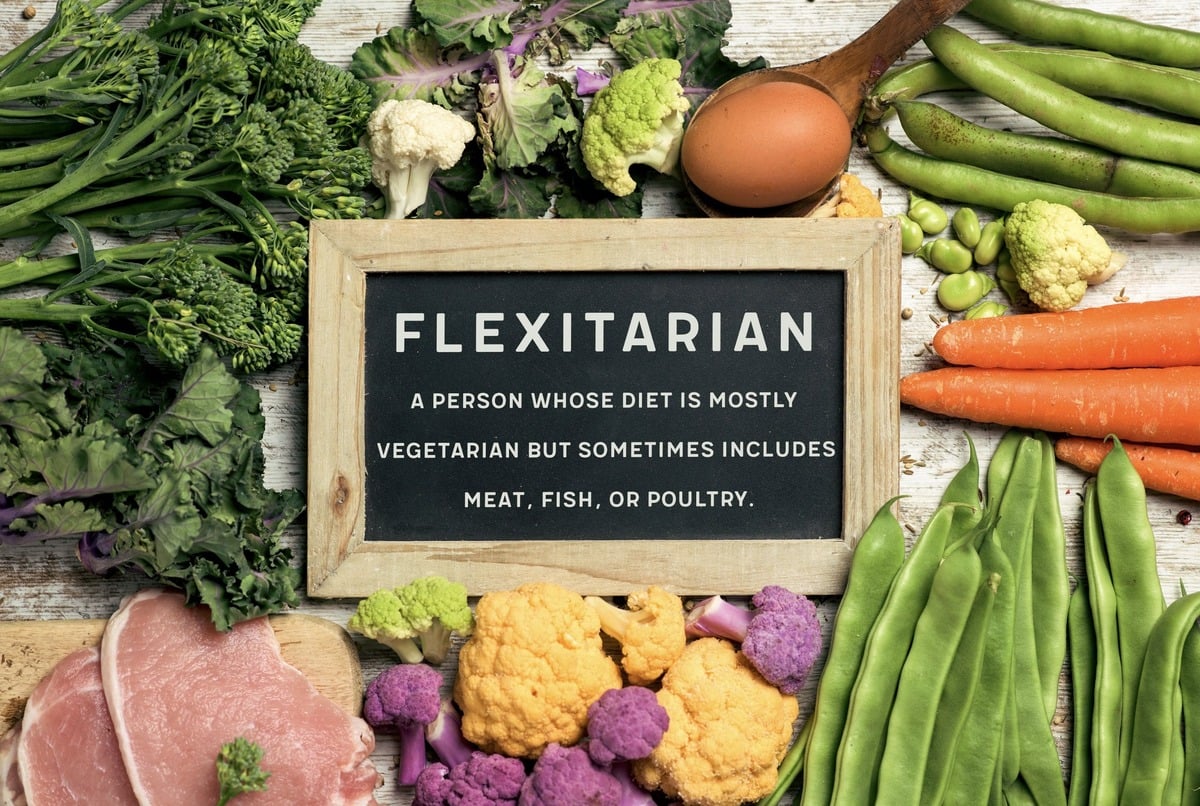
What does it mean to be vegan today? It’s choosing to eliminate all animal products, reaching for plant-based foods to benefit both the body and the environment. Flexitarianism, on the other hand, is all about flexibility—mostly plants, but with occasional animal-based choices, proving you can shape your diet to fit your lifestyle rather than strict labels. Meanwhile, curiosity is more than a passing phase. Gen Z questions, explores, and samples everything from oat-milk lattes to plant-based burgers, just to see what tastes—and feels—right.
This shift isn’t accidental. Food, choice, and trend are at the heart of why Gen Zs dining landscape looks different than any generation before. Let’s explore the real science and stories behind these choices together, with Claudia’s Concept guiding the way to healthier, mindful eating.
Plant-Based Diet Trends: How Gen Z Is Changing the Plate
Rising Demand for Plant-Powered Food Choices
Step into any grocery aisle or scroll through trending food hashtags, and you’ll notice a powerful shift. Gen Z, with their bold appetite for change, are raising the bar for plant-based eating. Across major markets—India, Europe, and especially the United States—the percentage of 18-24-year-olds who identify as vegetarian or vegan now surpasses that of any older group. According to a 2023 Smart Protein Project report, 49% of European Gen Z consumers purchase meat alternatives regularly. That’s nearly half the demographic reaching for plant-based sausage, burgers, or vegan chicken at least once a month.
But why does this younger generation lead the plant-based movement? Constant digital connectivity gives Gen Z unprecedented exposure to information, making them more aware of ethical, environmental, and health-related concerns than any previous group. Inspired by brands and concepts rooted in science, like Claudia’s Concept, these mindful eaters aren’t just following a trend—they’re demanding innovation from the food industry itself.
“Plant-Based” vs “Vegan”: The Power of Language
Have you ever wondered why “plant-based” resonates so strongly with Gen Z, more than the straightforward label “vegan”? While veganism describes strict adherence to avoiding animal products, “plant-based” allows for curiosity, flexibility, and inclusivity. Gen Z seeks balance, often experimenting without feeling boxed into absolutes. In this approach, a person might swap out regular milk for oat milk in their morning coffee but enjoy pizza with real cheese during a night out with friends. According to a 2024 International Food Information Council (IFIC) survey, over 70% of Gen Zers describe their eating patterns as “flexitarian,” favoring a blend of animal-based and plant-based foods, while only 8% identify as 100% vegan.
This flexible terminology enables brands—Claudia’s Concept included—to engage with a broader, more diverse audience, inspiring positive food changes without restrictive boundaries.
Popular Plant-Based Products Taking Over the Shelves
You may have already noticed: plant-based milks fill more refrigerator space than ever before. Almond, oat, soy, rice, and even pea-based milks now account for 15% of all retail milk sales in the U.S. as of 2023 (Good Food Institute data). In the meat aisle, tofu, tempeh, and seitan continue to gain ground. But innovation doesn’t stop there—brands are harnessing the science behind fermentation and cellular agriculture to craft entirely new textures and flavors, appealing to even devoted meat lovers.
- Tofu & Tempeh: These soy-based proteins are protein-dense, versatile, and loaded with essential amino acids, making them go-to options for creative cooks and foodies alike.
- Meat Substitutes: Next-gen burgers, nuggets, sausages—think pea protein patties, jackfruit “pulled pork,” or mushroom-based “steaks”—combine taste and nutrition, aiming for meat-like satisfaction without animal ingredients.
- Plant-Based Milks: Not only dairy-free but often fortified with calcium and vitamin D, these beverages enable smoother transitions for first-timers trying to lower dairy intake.
Plant-based cheese, yogurt, and even frozen treats keep appearing, bridging taste and sustainability. The food industry’s rapid response to Gen Z’s demands reflects a global shift—one you can taste every day. Have you tried swapping your usual cheese sandwich for one loaded with roasted veggies and cashew “cheese”? If not, what’s holding you back?
Gen Z Food Preferences: Diverse, Flexible, and Curious
How Gen Z Mixes and Matches Dietary Choices
When I engage with Gen Z clients at Claudia’s Concept, I constantly notice a refreshing refusal to fit into tidy dietary boxes. Instead of following one rigid label, many young adults are blending elements from different food philosophies with remarkable confidence. Vegan? Sometimes, especially when plant-based dishes sound enticing or when animal welfare is top of mind. Craving sushi with friends on the weekend? They will often allow flexibility without guilt or labels.
This seamless blending of choices is called a “flexitarian” approach. Picture this: A Gen Z professional chooses oat milk for their morning latte, savors a vibrant chickpea and avocado salad for lunch, but will add a slice of organic cheese pizza when the group heads out in the evening. Each meal becomes a canvas, shaped by mood, social settings, and current values, rather than outdated dietary dogma.
What “Flexitarian” Really Means—Definition and Examples
Flexitarian eating means prioritizing plant-forward meals while occasionally including animal-based foods. The term was first coined in the early 2000s, and the International Food Information Council’s 2022 survey reported that 22% of Gen Z actively identify as flexitarian. Unlike vegetarianism or veganism, flexitarianism has no strict rulebook. For example, at Claudia’s Concept, clients will often ask, “Is it okay to have grilled chicken this week if I’m mostly eating plants?” The answer is always yes—flexitarianismcenters around mindful flexibility.
- Lunch can be vegan—think chia pudding or spicy tofu stir-fry.
- Dinner could include fish—such as grilled salmon beside roasted Brussels sprouts and quinoa.
- Snacks may vary daily—from organic yogurt to almond butter with apple slices, no single option is off-limits.
The beauty of this lifestyle is its lack of guilt: choosing a variety of foods, both plant-based and responsibly sourced animal products, creates balance. Studies published in the journal Frontiers in Nutrition show that flexitarian diets are associated with improved long-term heart health and greater dietary satisfaction than restrictive regimens.
Being Open to Trying New Things: Not Just About Strict Rules
Rigid food rules don’t resonate with Gen Z. Curiosity is the real driver here. How many of you reading this have seen a new plant-based burger on social media and thought, “I want to try that!” even if you aren’t vegan? This openness is supported by research from the Nielsen Global Health and Wellness Survey, which finds that 71% of Gen Z likes experimenting with global flavors and food trends.
Here’s a prompt: When was the last time you ordered something unfamiliar at a café, just because it piqued your interest? Food choices become adventure rather than obligation. The experience matters just as much as the nutritional profile.
So if you want to capture the true spirit of Gen Z food culture, embrace their fearless sense of exploration. Whether someone leans vegan, dabbles in dairy, or enjoys world street food at a festival, their choices are as complex and layered as their personalities. Dive into the journey—variety makes every meal exciting.
Sustainability and Environmental Impact: Why Gen Z Chooses Wisely
Gen Z’s Passion for Climate and a Sustainable Future
Walk into any campus café these days, and conversations about climate change and sustainability echo across tables. Gen Z, more than any generation before, expresses an authentic drive for protecting our planet’s future. Young people are not just watching documentaries and signing petitions—they’re also changing what’s on their plates. According to a 2021 Pew Research Center survey, nearly 67% of Gen Zers see climate change as a top priority, and food choices become a tangible way to make that impact real.
Every meal is an opportunity to align personal values with real-world action. At Claudia’s Concept, I have seen how mindful eating habits directly influence students, young professionals, and activists eager to reduce their environmental footprint. The food revolution on your fork isn’t just about taste—it’s about tangible results for our climate.
How Vegan and Plant-Based Choices Shrink Our Environmental Footprint
Would you believe that your smoothie bowl or tofu wrap can make a genuine difference? Choosing vegan or plant-based foods cuts down environmental impact in measurable ways. Science repeatedly confirms this. For example, a detailed study published in Science (Poore &Nemecek, 2018) analyzed data from 38,000 farms and found switching to a plant-based diet can reduce an individual’s food-related carbon footprint by up to 73%.
- Livestock farming accounts for roughly 14.5% of all global greenhouse gas emissions, according to the Food and Agriculture Organization (FAO).
- Plant-based food production, such as grains, legumes, or nuts, requires dramatically less energy and produces far fewer greenhouse gases per serving.
- By choosing vegan alternatives, Gen Zers directly lower demand for resource-heavy animal agriculture and champion a cleaner, greener planet.
Comparisons: Livestock Farming Versus Plant-Based Production
Let’s put numbers into perspective. Producing 1 kilogram of beef emits about 60 kilograms of greenhouse gases, whereas producing 1 kilogram of peas releases just 1 kilogram, as reported in Science journal (Poore &Nemecek, 2018). Land requirements for beef are fifty times greater than for plant-based staples; so that burger swap? It isn’t small potatoes—it’s a seismic shift for the earth.
- Water use: Animal products need much more water. One pound of beef requires about 1,800 gallons of water, while soybeans demand less than 250 gallons for the same weight.
- Greenhouse gases: Dairy, beef, and lamb are the most significant contributors to food-related greenhouse emissions. Swapping these even occasionally for pulses, grains, or veggies pays direct climate dividends.
- Land use: Raising animals for food absorbs more than three-quarters of all agricultural land but yields just 18% of the global calorie supply. A shift toward plants liberates land for biodiversity and even reforestation efforts—two giant wins for the planet.
Key Environmental Concerns Driving Gen Z’s Food Revolution
Every food choice tells a story about values and the kind of world young adults want to inherit. At Claudia’s Concept, I work with individuals dedicated to shrinking water waste, cutting emissions, and supporting sustainable farming systems. Next time you browse a menu or shop with your friends, take a moment to ask: “How does this decision reflect my impact?” With a single swap, Gen Z accelerates the movement for a more sustainable—and truly delicious—future.
Health and Nutrition Concerns: What Gen Z Wants to Know, and Why It Matters
Gen Z’s Pursuit of Health: More Than a Trend
Walking into any café or browsing TikTok, you can feel the energy: Gen Z wants food to fuel goals and safeguard futures. Health isn’t just a buzzword. Many are actively choosing vegan and flexitarian lifestyles to lower cholesterol, manage weight, and prevent chronic diseases. According to the Academy of Nutrition and Dietetics, well-planned plant-based diets result in lower LDL cholesterol and blood pressure, which translates into decreased risks for heart disease and type 2 diabetes. If you’re wondering whether ditching animal products makes a difference, scientific reviews from journals like Nutrition Reviews show plant-forward eating consistently leads to healthier BMIs and improved metabolic markers.
Protein, Vitamins, and That “Rabbit Food” Myth
Let’s address the concern so many bring to Claudia’s Concept clinics: “Where will I get my protein?” The answer is clear—beans, lentils, tofu, tempeh, and even oats deliver complete protein profiles when eaten in variety. For example, 100 grams of lentils provide roughly 9 grams of protein, close to eggs and dairy. You aren’t missing out; you’re just diversifying your intake.
Vitamin B12 sometimes sparks confusion. Since reliable B12 is predominantly found in animal foods, fortified cereals, nutritional yeast, and plant-based milks serve as effective solutions. One glass of fortified soy milk can provide up to 45% of your daily B12 needs. Iron, commonly thought to be lacking, becomes bioavailable in foods like spinach, pumpkin seeds, and lentils—absorbed even more efficiently when paired with vitamin C from citrus or bell peppers.
Choosing Plant-Based Milks: Not Just a Swap
Swapping dairy for almond, soy, or oat milk is popular, but not every plant-based milk is the same! Soy milk stands out with around 7 grams of protein per cup, rivalling cow’s milk, while almond milk offers fewer calories but also less protein. Think about what matters most for your lifestyle—is it muscle recovery, calorie control, or calcium content?
- Soy milk: High in protein and potassium, often fortified with calcium and B12.
- Almond milk: Low in calories and fat, great for smoothies or cereal.
- Oat milk: Naturally sweet, moderate in protein, rich in fiber, and creamier for coffee lovers.
Making mindful choices is crucial, so always check for fortification and added sugars. At Claudia’s Concept, I emphasize selecting options that fit personalized health goals—which is really what eating well is all about.
Goodbye to Old Misconceptions
The myth that vegan equals weak, boring, or nutritionally lacking doesn’t hold up under scrutiny. Multiple studies, such as those from the Harvard T.H. Chan School of Public Health, confirm well-balanced vegan and flexitarian diets deliver all essential nutrients to power workouts, focus, and growth. Colorful plates, creative recipes, and access to microgreens, pulses, nuts, seeds, and fortified products ensure balanced intakes.
If you think, “Isn’t vegan food just salad and carrots?”—explore a loaded chickpea wrap, tempeh stir-fry, or a berry-chia pudding loaded with omega-3s. Gen Z’s open-minded palate and willingness to experiment prove that healthful eating never looked so good.
Ethical Eating and Animal Welfare: Gen Z’s New Standard
How Animal Welfare Is Shaping Gen Z Food Choices
Gen Z’s relationship with food extends far beyond taste or nutrition. A remarkable shift has occurred—instead of seeing animals as mere sources of food, many young people now frame every bite as a reflection of their values. According to a 2021 survey from Piper Sandler, 49% of Gen Z teens say that concerns about animal welfare and factory farming drive them toward plant-based meals. This strong alignment between plate and principle is no coincidence; mainstream documentaries like “Dominion” and “Earthlings”, along with daily social media exposure, vividly depict the conditions inside industrial animal agriculture. When you browse through Instagram Stories or TikTok, you’ll find an abundance of animal rescue videos and first-hand farm footage that build undeniable empathy—and spark real dietary change.
Amplified Voices: Social Media Activism and Awareness
Open any social media app and you witness a continual wave of vegan challenges, hashtag campaigns (#MakeItVegan, #CrueltyFreeChallenge), and influencer-led discussions about ethical eating. Social justice movements intersect with food more than ever—platforms like Twitter and TikTok don’t just spread awareness, they motivate action. Within Claudia’s Concept community, followers routinely tag us in “What I Eat in a Day” reels emphasizing compassionate, non-violent food choices. What begins as a viral video often transforms into lasting lifestyle shifts. In fact, recent data from The Vegan Society highlights that over 49% of those under 25 have tried plant-based eating at least once after encountering animal welfare content online.
The Rise of Cruelty-Free and Conscious Consumerism
Terms such as “cruelty-free,” “ethical food,” and “conscious consumerism” have become more than hashtags—they’re criteria that guide grocery lists and restaurant orders. Whether you identify as vegan, flexitarian, or just dabbling in Meatless Mondays, these terms signal a collective demand for transparency and responsibility from brands and producers. Retail analytics firm SPINS reported a 16% surge in cruelty-free product sales among Gen Z shoppers in the last two years. Why? Because when you understand the supply chain, you gain power as a consumer. Claudia’s Concept always recommends reading labels and seeking certifications like “Animal Welfare Approved” or “Certified Humane” to reinforce your ethical commitment.
- Cruelty-free: Indicates no animals were harmed or tested on in product creation.
- Ethical food: Highlights fair labor, humane farming, and transparent sourcing.
- Conscious consumerism: Encourages supporting brands that align with personal values and animal-friendly practices.
Have you paused to reflect on the origins of your favorite meals lately? When you do, you plug directly into a movement—one where compassion drives consumption, and food becomes a vehicle for positive change.
How Social Media Shapes Gen Z’s Food Choices
Instagram, TikTok, and YouTube: Gen Z’s Culinary Inspiration Boards
Scroll through any Gen Z user’s feed and you immediately notice an explosion of vibrant salads, oat milk lattes, and tantalizing plant-based burgers. Platforms like Instagram, TikTok, and YouTube have evolved into powerful food inspiration engines. Each day, over 500 million users interact with Instagram Stories alone, and food-related hashtags such as #veganrecipes and #flexitarian regularly trend in the top ten worldwide. This dynamic, visual-first language lets the new generation discover, replicate, and share food ideas in real time.
When I develop recipes and nutrition strategies at Claudia’s Concept, I deliberately draw on these platforms for trend insights. Why? Because short, snackable video recipes often make a bigger impact than lengthy cooking shows ever did. In fact, 60% of Gen Z users report trying a new food or recipe after seeing it online, reflecting the sheer reach and influence of these channels.
Hashtags and Viral Food Trends: From Plant-Based Meat to Oat Milk Magic
Vegan, flexitarian, or just curious—no matter where you fall, there’s a viral trend to tempt your tastebuds. Consider the explosive growth of hashtags like #MeatlessMonday, which in 2023 saw over 1.2 million posts in a single month, or the viral baked oat recipes on TikTok, which generated 700 million views in less than a year. These numbers show the viral power of social sharing.
- Trendy plant-based meat alternatives (like Beyond Burger and jackfruit pulled ‘pork’) frequently go viral, rapidly entering shopping carts across the world.
- Alternative milk recipes—think homemade oat, almond, or soy milk—become overnight sensations through eye-catching short videos.
- Buzz-worthy hashtags connect global audiences; for example, #Veganuary inspired more than 600,000 participants in January 2024, fueled by interactive recipe shares and transformation stories.
These evolving food trends reflect not only fleeting curiosity but also an openness to experimentation—something I emphasize with clients at Claudia’s Concept: healthy eating can be vibrant, social, and ever-changing when you harness the power of community trends.
The Domino Effect: Influencers and Peer Groups Drive Dietary Change
As a nutritionist, I observe first-hand: the influence of digital personalities is unparalleled. Data from a 2022 Pew Research Center report show that 53% of Gen Z social media users have tried a new diet because it was recommended by an influencer or peer. The immediacy of seeing someone you trust enjoy a new food sparks imitation.
Countless testimonials, “What I eat in a day” videos, and transformation posts nudge audiences toward new eating habits. In particular, genuineness stands out. Micro-influencers—people with smaller, highly engaged audiences—often build authentic trust over time, inspiring their followers to try sustainable changes. Those daily stories of real people making the switch to flexitarian or vegan meals resonate more powerfully than any ad campaign.
Peer group sharing adds even more momentum. Group chats overflow with recipe swaps, photo challenges, and taste tests, creating micro-societies where momentum toward plant-based food accelerates naturally. This creates a collaborative atmosphere, the kind I foster regularly in Claudia’s Concept group programs, where shared discovery leads to lasting results.
Social media undeniably shapes, steers, and amplifies Gen Z’s ever-evolving relationship with vegan and flexitarian food. So, how has your feed inspired your plate lately?
Food Industry Innovations: Shaping Gen Z’s Plate
Plant-Based Products Take Centre Stage
Stroll through any modern supermarket aisle, and you’ll notice something remarkable: an ever-expanding selection of plant-based products. The last five years have seen a 31% year-on-year growth in plant-based food sales globally, according to the Plant Based Foods Association. Burgers sizzle on grills but contain no beef, nuggets crunch satisfyingly with no need for chicken, and oat, almond, and soy “milks” now line the shelves where dairy used to reign. Even desserts have joined the revolution, with vegan ice creams and pastries satisfying sweet cravings.
This transformation isn’t just cosmetic—it’s driven by a real shift in what Generation Z wants on their plates. Restaurants and manufacturers are listening closely, developing products that no longer force a compromise between taste, nutrition, and values. At Claudia’s Concept, I actively work with food producers, encouraging recipes and solutions that meet these evolving expectations for indulgent yet wholesome options.
The New Frontier: Alternative Proteins
Stepping beyond the realm of traditional plant-based foods, a new generation of alternative proteins is making headlines. Lab-grown meat—crafted by cultivating animal cells in nutrient-rich environments—has already been approved for sale in countries like Singapore and the USA. Companies such as Eat Just and UPSIDE Foods have demonstrated that it’s possible to enjoy meat without the environmental and ethical consequences of conventional livestock.
Insect protein, once unthinkable in the Western world, is also gaining traction. Rich in essential amino acids and requiring a fraction of the resources compared to beef or chicken, cricket flour and mealworm burgers are making their way into protein bars and alternative snacks. The European Food Safety Authority recently cleared certain insect proteins for human consumption, adding scientific validation to this protein-packed trend.
Culinary Collaboration: Chefs, Scientists, and New Flavour Experiences
The race to satisfy evolving Gen Z palates isn’t happening in isolation. Scientists and chefs are collaborating as never before. Through multidisciplinary teamwork, brands are using advanced food technology, fermentation science, and creative culinary techniques to craft products nearly indistinguishable from their animal-based counterparts. For instance, Impossible Foods uses heme, a molecule found in plants and animals, to recreate the aroma and taste of beef in their famous burgers.
- Leading universities regularly host summits connecting chefs and biotech innovators.
- Startups have scaled rapid prototyping to launch products in response to online feedback within months, not years.
- Food companies now employ sensory scientists who test everything from texture to aftertaste.
Gen Z, are you ready for what comes next? New launches appear monthly—think mushroom-based jerky with authentic umami punch or chickpea mousse desserts with the creaminess of dairy. At Claudia’s Concept, I am dedicated to introducing these innovations into practical, everyday nutrition strategies, making cutting-edge products both accessible and delicious.
With each new development, the boundaries of what’s possible—and enjoyable—continue to expand. What ingredient or product would you like to see hit the shelves next?
Dining Out and Fast Food Vegan Choices: How Gen Z is Changing the Menu
Restaurants and Fast Food Chains Respond to Gen Z’s Appetite for Vegan Options
I witness this every day—Gen Z is reshaping the demand for dining out. Restaurant menus have become a snapshot of Gen Z’s evolving food preferences, and the numbers paint a crisp picture. According to a 2021 Statista survey, 65% of Gen Z diners in the US expressed interest in plant-based foods when dining out, the highest among all generations. This shift has pushed leading fast food and casual dining chains to innovate nearly overnight.
From Impossible Whopper to Oat Milk Lattes: Notable Brand Launches
Major brands listen to what Gen Z wants. I often point to Burger King as a case study; introducing the Impossible Whopper was more than a marketing move. In just one month post-launch, burger sales soared by 18% in test markets, as documented by Business Insider. Starbucks followed suit—offering almond, oat, and coconut milks across outlets worldwide. Starbucks India reported a 33% rise in plant-based milk purchases among Gen Z customers in 2022 alone. Claudia’s Concept frequently partners with brands that champion such change, proving that consumer voices drive menu expansion.
KFC’s nationwide rollout of Beyond Fried Chicken and McDonald’s European McPlant burger, developed with Beyond Meat, also demonstrate the scale of adaptation. The pace of these launches didn’t just satiate curiosity—it set new industry standards.
Spotting Vegan and Flexitarian-Friendly Meals When Eating Out
Gen Z diners are savvy and adventurous. When scanning a menu, they look for clear, plant-based cues: grilled vegetables, chickpea patties, jackfruit tacos, or tofu stir-fries, often with labels like “V” or “plant-based” highlighted right beside the dish name. This clarity helps make quick decisions. Menus featuring at least one vegan entrée have seen a 20% increase in sales among Gen Z customers, according to the Plant Based Foods Association (2022).
Curious about how to upgrade a classic menu item? Substitution is key. Swapping cream for coconut milk, asking for plant-based cheese, or requesting a vegan protein swaps guesswork for satisfaction. Claudia’s Concept recipes regularly inspire chefs to adapt timeless favourites with a nutrient-rich twist.
- Pasta: Substitute dairy-based sauces with cashew or tomato-based alternatives.
- Burgers: Choose black bean, lentil, or beetroot patties—robust, flavorful, and filling.
- Wraps/Tacos: Black beans, mushrooms, grilled tofu, and vegan mayo make these an easy win.
- Desserts: Look for vegan brownies, coconut-milk ice creams, or chia pudding for a wholesome ending.
Your Next Plant-Powered Adventure Awaits
Dining with friends at local bistros, hitting the drive-thru on a late-night study break, or snap-posting the next viral vegan meal—each choice fuels a growing movement. Where are you headed for your next meal? Take a moment to scan the menu for vegan and flexitarian options—you may just discover a new favorite, backed by a community and industry eager to serve you better. Claudia’s Concept is committed to empowering every Gen Z foodie with the knowledge to dine smart, eat joyfully, and lead the change one bite at a time.
What’s Next for Gen Z’s Food Choices? Exploring Tomorrow’s Plate
Every meal tells a story. When you sit down to eat, the choices you make ripple out, influencing trends, industry standards, and cultural conversations. Right now, Gen Z stands at the center of a food revolution powered by curiosity, ethics, and a thirst for authenticity. You are building food habits that are far more than trends—you’re setting the pace for generations to come.
Gen Z: Driving the Flexibility Wave
Vegan? Flexitarian? Or perhaps just eager to try something outside the routine—these food identities now overlap and blend together more than ever. The numbers back this shift: According to a study published in The Journal of Nutrition Education and Behavior (2021), 65% of Gen Z respondents described themselves as “curious” or “open” to plant-based eating, and over 30% reported intentionally reducing their meat consumption each week. These actions clearly signal an evolving mindset focused on experimentation, exploration, and—importantly—choice.
- Plant-based milk sales surged by 20% in 2023, while interest in meat-free products rose among both vegans and flexitarians—NielsenIQ, 2023.
- Gen Z is highly responsive to transparent labeling and ingredient lists, prompting brands to adapt rapidly—Innova Market Insights, 2022.
- Peer influence, viral challenges, and community-driven platforms continue to fuel curiosity and engagement with sustainable eating habits.
Your Choices Are Changing the Food Landscape
Every time you reach for oat milk in your coffee, try a new vegan restaurant, or even swap out a single meal per week for a plant-based option, you’re steering the global food industry towards more ethical and sustainable practices. Food manufacturers, inspired by Gen Z’s demand for clean labels and traceable sourcing, now innovate faster than ever. When brands compete to launch allergen-free, plant-based proteins or experiment with mushroom and algae-based ingredients, they are simply following your lead.
Within Claudia’s Concept, I have seen firsthand how informed choices transform not just individual health, but also community dining experiences and overall wellbeing. I encourage you to continue exploring—every ingredient swap and every fresh recipe brings you closer to a more inclusive and conscious food culture.
What Will You Try Next?
Have you experimented with a colorful grain bowl, or maybe you’ve just sparked curiosity about plant-based protein options among your friends? This is the time to embrace variety—organize a meat-free Monday challenge at home, or bring plant-forward snacks to your next group hangout. Perhaps you’ll dive into sustainable eating by tracking food sources and learning about local producers. The choices you make today form the blueprint for the next evolution in food culture.
With Claudia’s Concept, you have access to expertly crafted resources and tailored solutions to support your journey, no matter where you fall on the spectrum of vegan, flexitarian, or just-curious. Dive into further exploration with the guides and references below—let’s keep changing the world, one delicious meal at a time.