
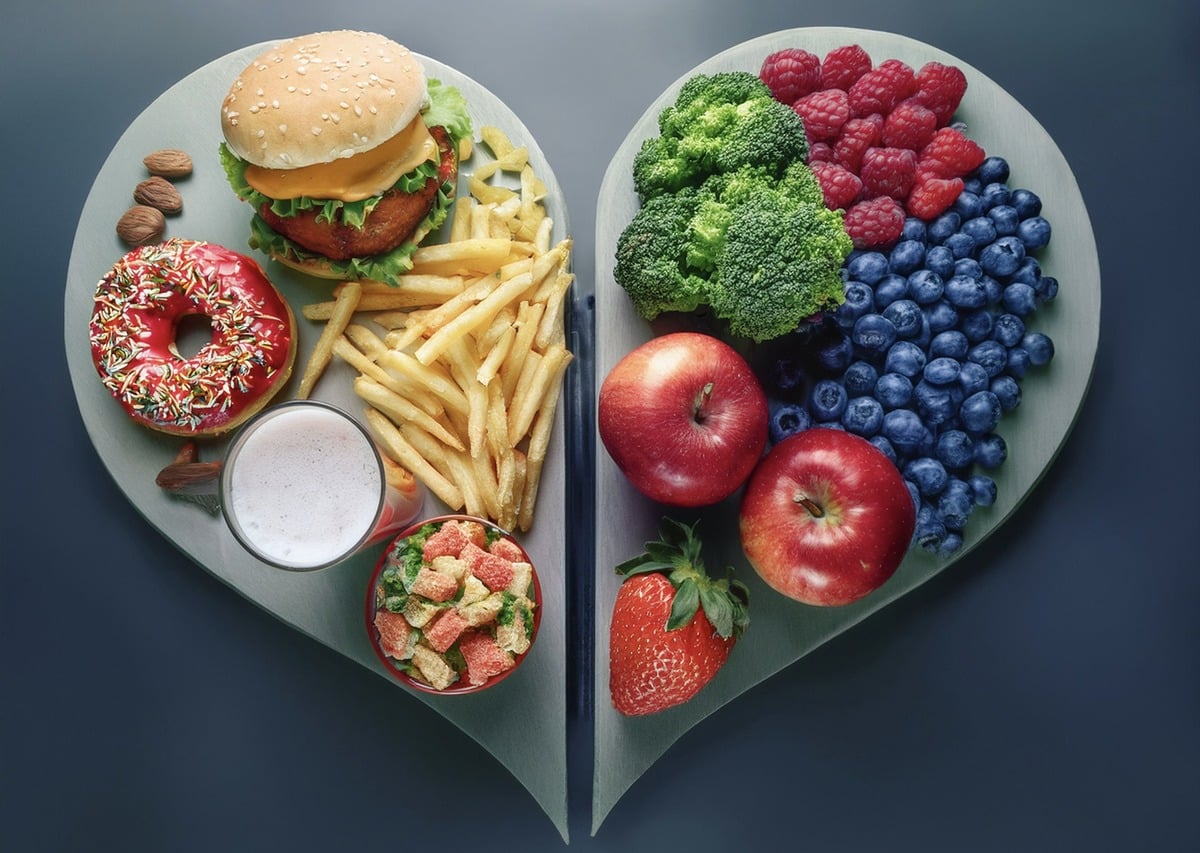
Every heartbeat tells a story, and the foods you choose each day direct the narrative of your cardiac health. Scientific research from journals like Circulation reveals that nutrition plays a defining role in heart function, directly impacting blood pressure, cholesterol levels, and even how efficiently your heart pumps blood. Individuals facing heart failure—a condition where the heart can’t pump enough blood to meet the body’s needs—will notice firsthand how nutrition influences energy levels, fluid retention, and even hospital readmission rates. Nutrition isn’t just a supporting actor; it takes center stage in how we manage, prevent, and live better with cardiac complications. With the right foods, tailored precisely for your unique metabolism and cardiac profile, you will strengthen your heart’s resilience. At Claudia’s Concept, I design these bespoke dietary strategies so you can harness the full power of nutrition. Imagine, for a moment, the difference: How might your health and daily vitality shift if every meal was crafted to enhance your heart’s performance? A personalized eating plan—neither rigid nor generic—will prioritize foods proven to benefit the failing heart, while smartly limiting nutrients that burden it. Ready to discover exactly what to fill your plate with, and which foods to skip, to support a stronger, healthier heart?
Sodium: The Hidden Saboteur in Heart Failure Management
Why Sodium Matters in Heart Failure
When we talk about heart failure, sodium sits at the top of the dietary watchlist. Sodium directly affects your body’s fluid balance and blood pressure. Increased sodium intake prompts your body to retain water, which in turn raises the volume of blood your heart needs to pump. In heart failure, where the heart struggles to keep up, this effect becomes a significant challenge. The science is clear: reducing sodium leads to less fluid buildup, which means less strain on your heart and less swelling in areas like the ankles, legs, and lungs (Dunbar, 2014, Journal of Cardiovascular Nursing).
Every time you lower your sodium intake, you lower the risk of hypertension and further fluid overload, two major triggers for heart failure complications. Data from the American Heart Association shows that patients who consistently reduce sodium see measurable decreases in hospital admissions for heart failure.
Daily Recommended Sodium Limits for Heart Failure Patients
How much is too much? Research supports setting sodium intake for people with heart failure at no more than 1,500 to 2,000 mg per day. To put that in perspective, just one teaspoon of table salt contains about 2,400 mg. Striving for this range can significantly improve symptom management and keep fluid buildup at bay.
At Claudia’s Concept, every meal plan is designed with this limit in mind, ensuring that taste and heart health go hand in hand.
Tips for Reducing Salt in Your Diet
- Cook with Herbs and Spices Instead of Salt Rely on flavor from herbs like basil, rosemary, coriander, and spices such as cumin and paprika. When you use fresh ingredients and aromatic herbs, dishes burst with flavor—no salt needed.
- Be Wary of Hidden Sodium in Processed Foods Convenience can come at a cost. Canned soups, ready meals, breads, sauces, and even breakfast cereals often carry hefty sodium loads. One slice of commercially baked bread can contain up to 150 mg of sodium; a packet of instant noodles often exceeds 1,000 mg.
- The majority of dietary sodium doesn’t come from the salt shaker. According to the Centers for Disease Control and Prevention (CDC), over 70% of sodium in typical diets comes from packaged and restaurant foods. Simple swaps like homemade salad dressings, freshly grilled meats, and steamed vegetables make a real difference.
- At Claudia’s Concept, we teach clients to identify hidden sodium by highlighting common culprits: deli meats, pizza, cheeses, savory snacks, condiments, and pickled items. Knowledge is your greatest ally.
Take a moment and ask yourself—how many of these hidden sodium sources sneak into your meals in a typical week? Next time you cook or shop, look for low- or no-sodium options and experiment with new seasonings. By making these conscious changes, you actively reduce fluid retention and support your heart with every bite.
Fluid Management for Heart Failure: Finding the Right Balance
The Relationship Between Fluid Balance and Cardiac Workload
Understanding the incredible impact of fluids on heart function transforms the way we approach heart failure management. When the body holds on to excess fluids, the heart must work significantly harder to pump blood, leading to elevated blood pressure, swelling in the legs or abdomen, and, often, shortness of breath. Studies published in the Journal of Cardiac Failure demonstrate that meticulous fluid control can lead to fewer hospitalizations and improved quality of life for those diagnosed with heart failure. At Claudia’s Concept, managing fluid balance always takes center stage alongside nutrition and mindfulness, forming a robust foundation for comprehensive cardiac wellness.
How and Why to Monitor Fluid Intake
Precision is crucial. Daily fluid monitoring is non-negotiable for heart failure management. Every drop adds up—be it a glass of water, a bowl of soup, or even high-water content fruits like watermelon. The American Heart Association recommends a tailored fluid allowance, commonly ranging from 1.5 to 2 liters (roughly 6 to 8 cups) per day, depending on individual clinical status. Tracking fluid intake on a notepad or with an app can reveal surprising habits. At Claudia’s Concept, the approach involves setting clear fluid goals, integrating tracking routines, and celebrating consistent achievement, all of which will reduce strain on your heart.
Practical Strategies to Manage Thirst and Portion Size
Thirst management is both an art and a science. Have you ever noticed how cravings for fluids escalate after salty meals? Managing sodium, as discussed earlier, complements fluid restriction seamlessly. Let’s get practical:
- Rinse your mouth: Swishing with cold water freshens the palate and soothes dry mouths without actual consumption.
- Suck on ice chips or frozen fruits: These provide slow, satisfying moisture. Just remember to count them toward your total intake.
- Opt for smaller cups: Using petite glasses instead of large ones creates the illusion of abundance while adhering to limits.
- Savor chilled, low-sodium foods: Crunchy celery sticks, cool cucumber slices, and cold apple wedges invigorate the senses—a favorite trick from Claudia’s Concept meal plans.
- Pace your sips: Stretch fluid intake throughout the day by taking small, purposeful sips, especially during meals.
Mindful eating habits enhance portion control. Savor every bite, pause between mouthfuls, and use smaller plates—these subtle strategies align with the holistic philosophy practiced at Claudia’s Concept, ensuring both heart health and eating satisfaction.
Bright Choices: The Power of Fruits, Vegetables, and Whole Grains in Your Heart Failure Diet
Fruits: Nature’s Heart Helpers
When you fill your plate with vibrant fruits, you nourish your heart in remarkable ways. Fruits like oranges, bananas, cantaloupe, and kiwi deliver potassium, an essential mineral that helps regulate blood pressure and counteracts the effects of sodium. In the DASH (Dietary Approaches to Stop Hypertension) study, participants who consumed 4–5 servings of potassium-rich fruits daily observed lowered systolic blood pressure by 5.5 mmHg on average, solidifying the protective role of fruits for your cardiovascular health.
However, the amount of potassium matters. People with advanced heart failure or compromised kidney function may need to moderate their potassium intake. For most heart failure patients, moderate potassium is beneficial, but your cardiologist will specify the right range for you.
- Go fresh or frozen: Fresh or frozen fruit options are ideal, as they come without added sugar or sodium. Canned fruits often contain syrup or salt that can undermine your heart health goals. Claudia’s Concept encourages opting for unsweetened, low-sodium varieties when fresh isn’t available.
- Enjoy a rainbow: Including a spectrum—from berries bursting with antioxidants to apples that offer soluble fiber—ensures a broad intake of phytonutrients that reduce inflammation and protect vascular health.
Vegetables: Greens and Beyond
A heart-healthy diet is incomplete without a variety of vegetables, especially leafy greens such as spinach, kale, and arugula, as well as cruciferous veggies like broccoli and Brussels sprouts. According to data from the Harvard School of Public Health, individuals who consume at least 4 servings of vegetables daily reduce cardiovascular risk by up to 20% compared to those eating fewer than 2 servings.
- Choose color: Include red peppers, carrots, and beets, which are rich in antioxidants and vitamins, supporting optimal heart function.
- Smart preparation matters: Steaming locks in nutrients, while grilling or roasting with a dash of olive oil brings out natural flavors. Avoid boiling for long periods, as water-soluble vitamins and minerals may be lost.
- Skip sauces: Creamy toppings and excessive dressings add unnecessary sodium and saturated fat, shifting the meal away from your heart-healthy intentions.
At Claudia’s Concept, I recommend preparing a batch of roasted vegetables on weekends. This makes it simple to add an antioxidant boost to any meal throughout the week. Have you experimented with grilled cauliflower steaks or sweet potato mash yet?
Whole Grains & Cereals: Your Energy Source
Whole grains serve as a sustained energy source and fiber provider, both crucial for heart failure management. Scientific evidence from the American Heart Association indicates that adults consuming at least three servings of whole grains daily experience a 22% lower risk of cardiovascular events.
- Smart choices: Choose whole wheat bread, steel-cut or rolled oats, barley, millet, and brown rice. These keep blood sugar stable, offer soluble fiber to lower LDL cholesterol, and add regularity to your digestion—a win for heart health.
- Avoid refined grains: White bread, white rice, and sugary cereals lose fiber and essential nutrients during processing. These contribute to blood sugar spikes and higher cardiovascular risk over time.
- Flavor naturally: Instead of sugar or packaged sauces, use fresh herbs, lemon juice, or a sprinkle of seeds for added taste without unhealthy additives.
Try swapping a bowl of sugary cereal for overnight oats with berries or replacing white rice with a colorful brown rice and veggie pilaf. Simple changes, remarkable effects: you’ll notice greater satiety and better energy, helping to power through your day while actively protecting your heart.
Foods to Avoid: Processed, High-Fat, and Sugary Foods
Processed Foods: What’s Hiding in Your Pantry?
When examining the role of diet in heart failure, the impact of processed foods leaps to the forefront. Packaged snacks, canned soups, and deli meats might seem convenient, yet each contains a hidden cocktail of sodium and preservatives. Data from the Journal of the American College of Cardiology demonstrates that people who regularly consume high amounts of processed foods increase their risk of cardiovascular disease by as much as 24%. Why does this matter for someone managing heart failure? Consuming excess sodium leads to fluid accumulation, intensifying the burden on your heart. Canned soups and ready-to-eat meals pack a double punch: excessive salt alongside additives such as monosodium glutamate (MSG) and nitrates, which further challenge your cardiovascular system.
Next time you reach for a familiar snack, pause for a moment and check the label. Does it list ingredients you can’t pronounce or sodium levels that rival your entire day’s allowance? Claudia’s Concept places a strong emphasis on enjoying whole, minimally processed foods so your heart receives nothing but supportive nourishment.
High-Fat Foods: Choose Wisely for Your Heart
A diet rich in saturated and trans fats will increase levels of LDL (bad) cholesterol, which leads to plaque buildup in the arteries. According to the American Heart Association, replacing saturated fats—common in butter, fatty meats, and pastries—with heart-healthy unsaturated fats reduces cardiovascular event risk by up to 30%. Trans fats, lurking in commercial baked goods, fried foods, and margarine, show a direct link to heart failure progression.
- Avoid: Butter, high-fat dairy, fatty cuts of red meat, commercially baked desserts.
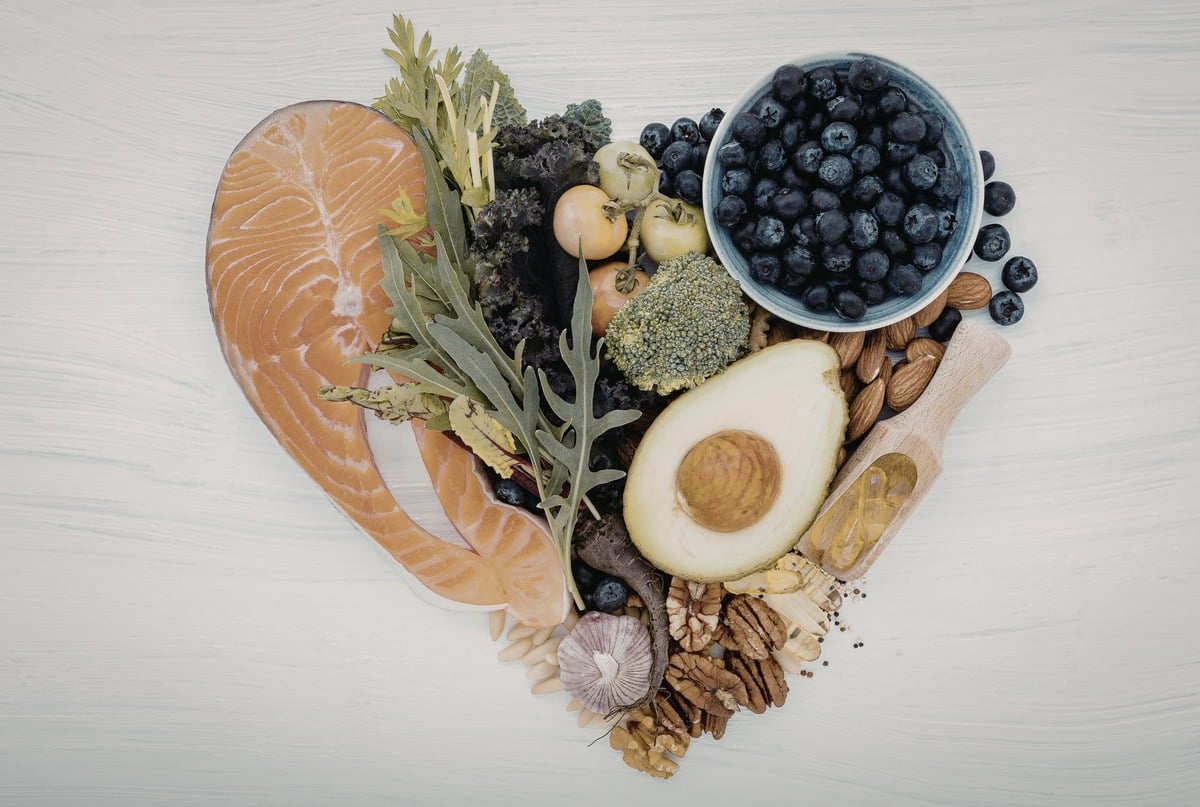
- Choose instead: Olive oil, avocados, nuts, and seeds—each packed with monounsaturated or polyunsaturated fats that support cardiac function.
With Claudia’s Concept, I guide clients to create satisfying meals that protect your heart, swap unhealthy fats effortlessly, and enjoy delicious alternatives daily.
Sugary Foods: Not Just a Threat to Blood Sugar
Sugary foods do more than just interfere with blood glucose regulation; they directly contribute to inflammation and raise triglyceride levels in the blood, factors that heighten the risk of heart disease. Soft drinks, desserts, and sweetened cereals are major culprits. Extensive research in the New England Journal of Medicine makes it clear: individuals consuming more than 10% of their daily calories from added sugars face a 38% greater risk of fatal cardiovascular disease than those who limit sugar more rigorously.
Think about your last breakfast. Did it include a sweetened cereal or a syrup-laden coffee? What would happen if you replaced those with fresh fruit or homemade muesli? Making small but decisive changes, you’ll notice steady improvement in energy, mood, and long-term heart health.
Reflect for a moment: How often do you opt for convenience over nutrition? In every step of your diet, I encourage you to make choices that actively protect your heart, trusting the clear science and practical tools found in the Claudia’s Concept approach.
Mastering Portion Control and Meal Planning: Your Blueprint for Heart Failure Wellness
Why Balanced Meals Are Essential for Heart Health
A well-balanced meal serves as the foundation for cardiac well-being. Every day, I see how my clients thrive when they focus on quality and quantity. Balanced meals, rich in nutrients and tailored to appropriate portions, promote consistent energy levels and optimal heart function. Research published in the Journal of the American Heart Association demonstrates that individuals who carefully balance carbohydrates, proteins, and healthy fats across meals reduce their risk of adverse cardiac events. Plates designed with variety and moderation provide a steady release of nutrients, which helps stabilize blood pressure and keep the heart functioning smoothly.
Within Claudia’s Concept, I encourage clients to envision their plate as a canvas—one half filled with colorful vegetables, one quarter with lean proteins, and one quarter with whole grains. Imagine the vibrant colors and textures. Structuring your meals this way naturally limits the intake of sodium, unhealthy fats, and excessive calories while promoting fullness and satisfaction.
Practical Guides to Portion Control
Understanding serving sizes transforms your eating habits. Want an easy trick? Your hands can guide you. For example, a protein portion should match your palm, a serving of grains or starches fits your cupped hand, and a fist equals your vegetable serving. Portion plates can boost your awareness too. Studies from the Harvard T.H. Chan School of Public Health confirm that portion control helps reduce caloric intake by up to 22% without increasing hunger or missing essential nutrients.
- Lean proteins: Picture a piece of grilled fish or chicken the size of your palm.
- Whole grains: Think of half a cup of cooked brown rice or quinoa, which fills a cupped hand.
- Vegetables: Fill half your plate—at least two fists worth—for a fiber and vitamin boost.
- Healthy fats: Limit added oils or spreads to the size of your thumb.
Too often, oversized portions sneak in unnoticed, especially when eating out. Would you be surprised to know that restaurant plates have increased in size by nearly 36% over the past two decades (International Journal of Obesity)? This influences us to eat more without realizing it. At Claudia’s Concept, I’ve helped clients adjust by simply using smaller plates and bowls at home, and they consistently observe improved portion mindfulness.
Meal Planning Tips for Simpler, Smarter Choices
Are you ready to make meal planning part of your heart health journey? Successful meal prep always begins with a plan. Start by creating a weekly menu that features a variety of fruits, vegetables, whole grains, and lean proteins. Draft a grocery list based on your plan—and stick to it! This strategy will reduce last-minute, less healthy choices.
- Batch cook and freeze: Prepare staples like beans, lentil soups, or brown rice in advance, portion them out, and freeze for easy access during busy weekdays.
- Portion meals immediately: Store leftovers in single-serving containers; this helps avoid overeating and makes grabbing a healthy meal effortless.
- Plan for balance: Rotate protein sources—fish, tofu, eggs, or chicken—so you’re not relying on a single food group and ensure nutritional diversity.
- Keep snack portions in check: Pre-portion nuts, seeds, or fruit rather than eating straight from the package, so you never have to guess how much you’ve consumed.
Reflect for a moment: how might your daily routine improve if every meal you ate supported your heart health? Routine, simple adjustments—paired with consistency—lead to remarkable results. Through Claudia’s Concept, my clients discover that planning not only makes healthy eating easier; it transforms their relationship with food and promotes cardiac wellness, every day.
Potassium Management: A Delicate Balance
Potassium—so essential, yet so tricky to manage when you’re living with heart failure. You might wonder, why is this mineral such a central focus? Let’s dive in: potassium is key to helping your heart muscle contract efficiently and controls the way nerves send messages throughout your body. Research, for example, from the American Heart Association has consistently shown that potassium helps counteract sodium’s impact on blood pressure, directly supporting overall cardiovascular health.
The Powerful Role of Potassium in Heart Health
Every heartbeat relies on a well-regulated dance of minerals. Among these, potassium deserves special mention. Clinical studies confirm that optimal potassium intake leads to more stable blood pressure—people who consistently consume 3500–4700 mg of potassium daily have recorded significantly lower blood pressure readings compared to those with lower intakes. You may know bananas as a potassium superstar, but did you realize that even a single medium-sized potato can provide more potassium than a banana? Leafy greens, oranges, kidney beans, and even yogurt also make the list of top-tier sources.
However, here’s something vital: heart failure or medications like ACE inhibitors and certain diuretics can change how your body processes potassium. In some cases, doctors may recommend limiting potassium to avoid dangerous heart rhythm changes, while others will want you to include more potassium-rich foods, particularly if you’re losing potassium due to your medication regime. Always individualised, this aspect of nutrition must rely on lab results and your physician’s advice. At Claudia’s Concept, personalisation is always at the heart of nutritional care—there’s simply no one-size-fits-all answer here.
When to Increase or Limit Potassium?
Reflect on your recent experiences with muscle cramps, fatigue, or irregular heartbeats. Sometimes these symptoms tell you to check your potassium levels. For people using certain diuretics (such as thiazides or loop diuretics), potassium loss can be substantial, and incorporating more potassium-rich foods becomes essential. Conversely, with drugs like spironolactone or ACE inhibitors, potassium may accumulate. In such cases, you’ll be asked to avoid or strictly limit high-potassium foods to maintain cardiac stability.
- When to increase potassium: Losing potassium through urine (common with specific diuretics), normal kidney function, recommendation from your healthcare provider after bloodwork.
- When to limit potassium: Reduced kidney function, prescribed potassium-sparing medications, elevated potassium levels in blood tests.
Spotlight on High-Potassium Foods and Smart Alternatives
Wondering which foods pack a potassium punch? Explore this quick reference:
- Bananas – a classic go-to; medium size offers about 422 mg.
- Potatoes (with skin) – surprising to many, one medium baked potato offers more than 900 mg.
- Oranges and orange juice – a small orange has 237 mg, while a cup of juice gives over 470 mg.
- Avocados, spinach, beans, tomatoes, yogurt, and melons like cantaloupe are packed with potassium.
Does your medical team advise you to limit potassium? Reach for lower-potassium choices: apples, berries, cauliflower, white rice, and bell peppers. If you’re following the Claudia’s Concept approach, menus are tailored to your medical situation and taste preferences—every nutrient adjusted, every serving designed to protect your heart.
Managing your potassium intake closely connects to the unique needs of your heart and treatment plan. Regular reviews of your diet, alongside lab work and healthcare support, will empower your journey toward optimal heart function. So next time you sit down for a meal, consider not just the flavors but the minerals behind every bite—your heart will thank you with every steady beat.
Managing Cholesterol and Fats: Your Pathway to a Healthier Heart
Why Managing Cholesterol Matters in Heart Failure
Cholesterol balance significantly influences heart failure outcomes. In my clinical practice and through Claudia’s Concept, I have seen remarkable improvements in heart function when clients focus on the right dietary strategies. Elevated LDL (low-density lipoprotein) cholesterol directly contributes to the build-up of arterial plaque, while high HDL (high-density lipoprotein) offers protective benefits. The World Heart Federation published in 2022 that lowering LDL cholesterol by 1 mmol/L (38.7 mg/dL) reduces cardiovascular risk by 22%. These statistics make it clear: managing cholesterol is non-negotiable for heart failure diets.
Foods That Raise Cholesterol: Choose Wisely
Certain foods unmistakably increase cholesterol. Scientific research, including a meta-analysis from the British Medical Journal (BMJ, 2021), demonstrates that consuming three or more egg yolks per week can increase LDL cholesterol, particularly in individuals who already have risk factors. Shellfish, although rich in minerals, often contain higher cholesterol levels: a 100 g serving of shrimp delivers nearly 190 mg of cholesterol. Limiting these items sharply lowers cholesterol numbers over time.
Soluble Fiber and Plant Sterols: Evidence-Backed Cholesterol Busters
Soluble fiber actively reduces cholesterol absorption in your intestines. Multiple clinical trials confirm that adding just 5 to 10 grams per day of soluble fiber (such as from oats, lentils, apples, and citrus) drops LDL cholesterol by 5%. Real change takes shape in the grocery aisle—think of oatmeal breakfast bowls, lentil salads, or an apple as your afternoon snack. Another evidence-backed strategy is including plant sterols: studies published by the American Heart Association show that 2 grams of plant sterols per day lower LDL cholesterol by up to 10%. You find these naturally in foods like nuts, seeds, and specially fortified spreads.
Understanding Good vs. Bad Fats—A Game Changer
Not all fats impact your heart in the same way. Saturated fats, found in butter, lard, fatty cuts of meat, and ghee, dramatically raise LDL cholesterol. The American College of Cardiology reveals that replacing just 5% of energy intake from saturated fat with the same from polyunsaturated fat reduces coronary events by 25%. Even in an Indian diet context, switching from ghee to oils like canola or olive oil produces measurable cardiovascular benefits.
Trans fats—often lurking in baked goods, fried foods, and margarine—are even more harmful. They raise LDL and lower HDL, accelerating plaque build-up within arteries. In contrast, unsaturated fats go above and beyond to protect your heart.
- Avocado: A single avocado contains over 13 grams of monounsaturated fat, known for raising HDL (good cholesterol) and lowering LDL (bad cholesterol).
- Fatty Fish: Salmon, sardines, and mackerel provide omega-3s, which directly lower triglyceride levels and stabilize heart rhythms. The American Heart Association recommends two servings per week for substantial benefit.
- Walnuts: Just a handful daily offers plant-based omega-3 and polyunsaturated fats. Research in Circulation (2020) credits walnuts with reducing cholesterol by up to 4% after six weeks.
When you work with Claudia’s Concept, I guide you through sustainable fat swaps that nurture your heart. Replacing high-fat cheese and creamy dressings with hummus, olive oil, and nuts delivers powerful results. Ready to reimagine your approach to cholesterol and fats? Which of these simple swaps will you try next?
Limiting Alcohol and Caffeine: Essential Steps in a Heart Failure Diet
Alcohol: How It Impacts Heart Function and Blood Pressure
Have you ever wondered how even small amounts of alcohol can influence heart health? As a celebrity nutritionist, I see firsthand how alcohol can present real challenges for those managing heart failure. When alcohol enters your system, it disrupts the electrical signals that coordinate your heartbeat, acting directly on the heart muscle. According to research published in the Journal of the American College of Cardiology, just moderate alcohol consumption—defined as more than one drink a day for women and two for men—raises the risk of atrial fibrillation and can worsen heart failure symptoms.
Alcohol also raises blood pressure. In the Framingham Heart Study, researchers demonstrated that consistent alcohol use increased both systolic and diastolic blood pressure, raising the risk of future cardiac events. Moreover, alcohol interferes with the effectiveness of many commonly prescribed heart medications, a fact frequently observed in my nutrition practice at Claudia’s Concept. Choosing to limit or eliminate alcohol enables your heart to pump more efficiently, helps stabilise blood pressure, and directly supports your journey to recovery.
Caffeine: Practical Moderation Guidelines for Heart Health
Many of my clients ask, “Can I still enjoy my morning coffee?” That’s a great question. Caffeine, found in coffee and many teas, stimulates the central nervous system, increasing heart rate and, for some, temporarily raising blood pressure. The European Society of Cardiology published guidelines revealing that up to 1–2 cups of coffee a day (approximately 200 mg of caffeine) is typically well tolerated by most people with stable heart failure. However, everyone metabolises caffeine differently; some individuals are more sensitive and may experience palpitations or anxiety at even lower doses. Claudia’s Concept always encourages you to listen to your body and notice patterns—track your symptoms after caffeine intake to make informed choices.
Suitable Alternatives for a Heart-Healthy Lifestyle
Craving a comforting hot drink without the cardiovascular risks? You’re not alone. Swapping out caffeinated or alcoholic beverages for gentler options can bring genuine benefits. Herbal teas—such as chamomile, peppermint, or rooibos—do not contain caffeine and offer a soothing ritual. These blends can be enjoyed throughout the day without straining your heart. For something cool and refreshing, infuse water with slices of fresh citrus, berries, mint, or cucumber. Not only do these natural flavors make hydration fun, but they also contribute antioxidants and essential vitamins to your diet.
- Herbal teas: Chamomile, hibiscus, or lemongrass for calming effects
- Fruit-infused water: Lemon and berry combinations introduce natural sweetness
- Sparkling water: Add a splash of pomegranate or a twist of lime for variety
Have you tried these alternatives before? Many of my clients at Claudia’s Concept discover newfound satisfaction when making these simple, heart-friendly swaps.
Conclusion: Building a Heart-Healthy Lifestyle
Transforming your daily habits into a heart-healthy lifestyle requires consistency, understanding, and dedication. When you align your meals with science-backed principles—like limiting sodium, choosing whole grains, and avoiding processed foods—you create a foundation for stronger cardiac health and better overall well-being.
Key Dietary Principles for Heart Failure
- Choose nutrient-dense foods: Every meal should center on vibrant fruits, a variety of vegetables, and high-fiber cereals. A 2022 review in the Journal of the American Heart Association shows that increasing plant-based foods can lower blood pressure and decrease heart failure risk by over 25%.
- Control cholesterol and dietary fats: Including heart-healthy fats—such as those in walnuts, flaxseeds, and olive oil—while reducing saturated and trans fats, produces stable cholesterol levels. Research consistently demonstrates that lowering LDL cholesterol by just 1 mmol/L can reduce major vascular events by about 20%.
- Monitor sugar intake: Reducing sugary beverages and snacks minimizes sudden spikes in blood sugar levels, which directly protects the heart from harmful inflammation and arterial stiffness.
- Emphasize proper portion sizes: Mindful portioning leads to better weight management and helps the heart handle less workload with every beat, something I always emphasize at Claudia’s Concept workshops.
Ongoing Education and Self-Care
Staying engaged with new developments in nutrition science empowers you to make smarter food choices. Consider joining heart health programs, subscribing to reliable nutrition newsletters, or following trusted sources on social media. I make it a point to update the Claudia’s Concept community with every evidence-based breakthrough, ensuring everyone feels equipped and inspired.
Progress, Not Perfection
Small, steady changes generate powerful results. Reflect for a moment—could you add an extra serving of vegetables today? Could tomorrow’s breakfast be based around whole cereals instead of refined choices? Every positive addition to your routine, however minor, compounds over time and contributes directly to a more resilient heart. Let gradual improvements guide you, and celebrate each step forward as a solid investment in your lifelong cardiac well-being.