
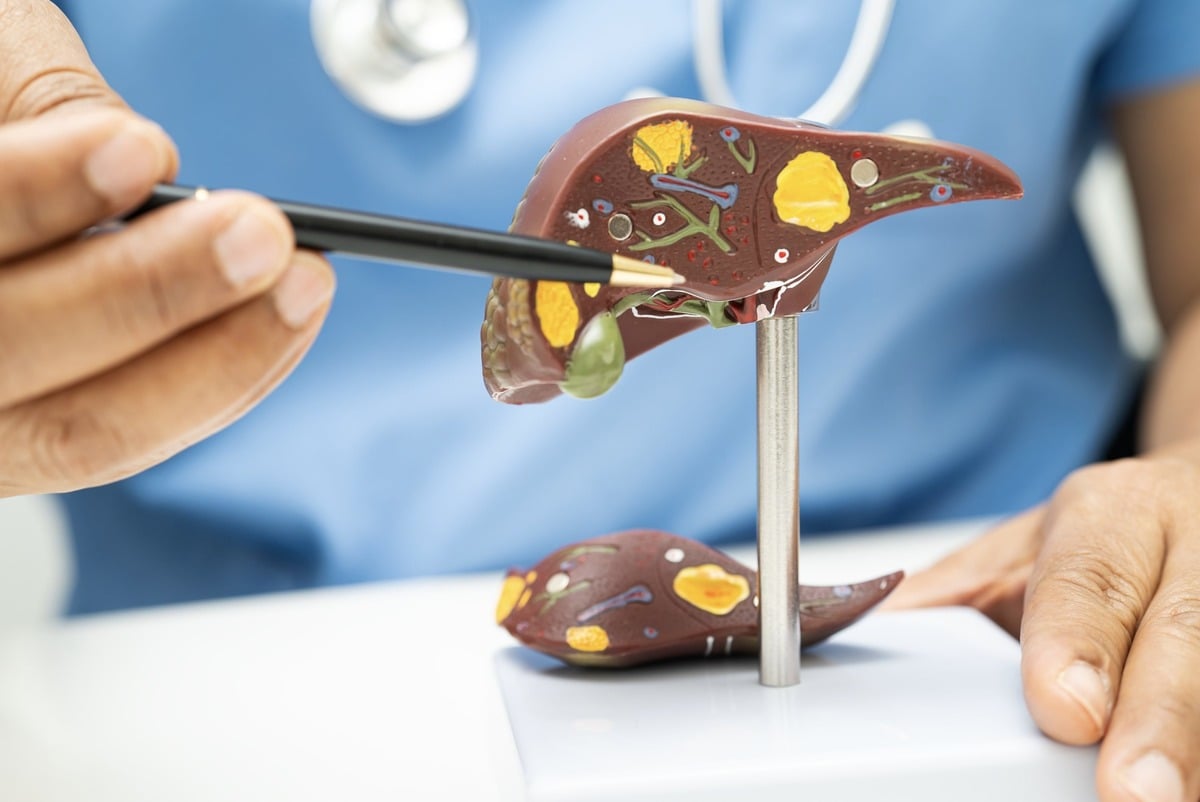
Have you ever wondered how much your daily habits shape the health of your liver? Fatty Liver Disease, which includes Non-Alcoholic Fatty Liver Disease (NAFLD) and Alcoholic Fatty Liver Disease (AFLD), continues to impact millions of people worldwide. According to The Lancet Gastroenterology & Hepatology, the global prevalence of NAFLD is estimated at 25%, with the rates climbing steadily in both developed and developing nations. AFLD, resulting from excess alcohol consumption, adds to these numbers, particularly in regions where heavy drinking is common. Early lifestyle choices have a profound effect on liver health. Adopting mindful eating habits and an active lifestyle in your 20s, 30s, or even later completely shifts the trajectory of your liver’s well-being. You can stop the progression of fatty liver in its tracks—sometimes even turn it around—simply by making deliberate, health-focused choices. At Claudia’s Concept, I have seen clients achieve remarkable improvements in liver function purely through evidence-based dietary and lifestyle interventions. What does the science say? Numerous clinical studies confirm that integrating balanced nutrition, consistent physical activity, and weight management leads to measurable reductions in liver fat and even complete reversal of early-stage fatty liver. Are you ready to take charge? Discover how small, powerful changes in what you eat and how you live can change the story of your liver health for good.
Understanding Fatty Liver Disease: The Distinct Types and Their Development
Definition: Fatty Liver, Non-Alcoholic Fatty Liver Disease (NAFLD), Alcoholic Fatty Liver Disease (AFLD)
Many people are surprised to learn just how common fatty liver disease has become globally. Fatty liver simply means excess fat builds up in the liver cells. When this fat content rises above 5-10% of the liver’s weight, experts categorize this as fatty liver disease.
There are two well-established forms of this condition: Non-Alcoholic Fatty Liver Disease (NAFLD) and Alcoholic Fatty Liver Disease (AFLD). NAFLD develops in individuals who drink little or no alcohol, while AFLD results directly from excessive alcohol consumption. According to recent data, NAFLD is now the most prevalent chronic liver disease, affecting roughly 25% of adults worldwide.
How Does Fat Accumulate in the Liver?
Let’s dive into this fascinating process. Picture the liver as your body’s metabolic powerhouse. When there is an overload of fat-providing nutrients, such as from high-calorie diets or sugary drinks, the liver stores these surplus triglycerides in its own cells. This build-up doesn’t happen overnight; it takes months or even years of consistent excess energy intake over energy burned.
Studies published in Hepatology reveal that insulin resistance, a condition where cells don’t respond well to the hormone insulin, is a prime culprit. When this happens, fat mobilization from other tissues like adipose (fat) tissue increases, sending more free fatty acids to the liver, which then stores them as triglycerides. Over time, this persistent fat accumulation leads to liver cell stress and, if unchecked, possible inflammation and scarring.
What’s the Difference? Alcoholic vs Non-Alcoholic Fatty Liver Disease
Both NAFLD and AFLD end with the same concern—fatty infiltration of liver cells—but their origins differ drastically. Alcoholic Fatty Liver Disease is a direct outcome of excessive alcohol intake, typically over 20g of pure alcohol per day for women and 30g for men according to guidelines by the World Health Organization. Alcohol metabolism generates toxic by-products, such as acetaldehyde, which impair fat breakdown and directly damage liver cells.
- In NAFLD, the main drivers are poor dietary patterns, sedentary lifestyle, metabolic conditions like diabetes, and genetic predisposition.
- In AFLD, chronic and high-volume alcohol use is the sole driver, setting off inflammation and fat storage cascades.
The distinction matters, because while both can progress to serious forms like liver fibrosis or cirrhosis, their management strategies often intersect through lifestyle changes and, as promoted by Claudia’s Concept, a shift to personalized nutrition and wholesome food habits.
If you reflect on your habits, are you aware how subtle changes in your diet or lifestyle could already be impacting your liver? Recognizing the signs early can set the foundation for complete reversal.
Understanding the Causes of Fatty Liver Disease: Breaking Down the Triggers
Identifying the root causes of fatty liver disease sets the foundation for prevention and reversal. In my consultations at Claudia’s Concept, I see a recurring pattern—specific lifestyle choices and metabolic conditions consistently drive fat accumulation in the liver. Recognizing these factors empowers you to make impactful changes.
Sedentary Lifestyle
Day after day, more individuals spend hours sitting at a desk or lounging on the couch. This lack of physical activity leads directly to a slower metabolism and reduced fat burning. Several large-scale studies, such as the 2019 analysis published in Hepatology, have demonstrated that adults engaging in less than 150 minutes of moderate exercise per week will increase their risk of developing non-alcoholic fatty liver disease (NAFLD) by up to 45%. Just imagine what happens at the cellular level: unused energy becomes stored as fat in liver cells simply because the body isn’t moving enough.
Poor Food Choices
The foods chosen on a daily basis shape liver health. Processed foods loaded with refined sugars, trans fats, and excessive saturated fats force the liver to work overtime, ultimately storing fat within its tissues. Consumption of high-fructose corn syrup—a key ingredient in sodas and packaged snacks—has been shown in a Journal of Hepatology study (2018) to independently double the risk of fatty liver, even in individuals with healthy body weight. Saturated fats from sources like fried foods, pastries, and fatty meats, when consumed regularly, contribute directly to liver fat buildup.
- White bread, packaged snacks, and creamy desserts: These are common culprits disrupting healthy liver function.
- Sugar-sweetened beverages: Just one can per day rapidly spikes both insulin and fat deposition in the liver.
Obesity and Overweight
Carrying excess weight, especially around the abdomen, creates a hormonal environment ripe for liver fat accumulation. Research published in the World Journal of Gastroenterology estimates that up to 80% of obese individuals will develop some form of fatty liver. Visceral fat, which wraps around organs and influences systemic inflammation, sends a constant signal for higher triglyceride storage in liver cells. Through the personalized plans at Claudia’s Concept, I track decreases in body fat percentages and see corresponding reductions in liver fat—science and practice align seamlessly here.
Diabetes and Insulin Resistance
Diabetes, particularly type 2, and the metabolic state of insulin resistance represent primary drivers of fatty liver development. Whenever cells become less responsive to insulin, blood sugar levels climb and the liver converts this excess glucose straight into fat. According to a 2022 study in Diabetes Care, up to 70% of people with type 2 diabetes also show evidence of fatty liver. Addressing underlying insulin resistance through diet and activity will lead to measurable improvements in liver health.
Excessive Alcohol Consumption
Alcohol’s impact on the liver is both immediate and cumulative. Regular, excessive drinking triggers a sharp increase in fat production by liver cells while also impairing their ability to break down and export fat effectively. The National Institute on Alcohol Abuse and Alcoholism confirms that consuming more than three drinks per day for men or more than two for women leads to alcoholic fatty liver in over 90% of cases. For clients of Claudia’s Concept looking to reverse liver fat, eliminating or strictly limiting alcohol intake brings rapid, visible changes on follow-up scans and tests.
Are you catching yourself in any of these causes? Take a moment to reflect: which daily habits could be quietly compromising your liver health, and what could you change today?
Identifying the Key Risk Factors: Are You at Risk for Fatty Liver?
What places you or your loved ones at higher risk for developing fatty liver disease? Recognizing the answers makes prevention and reversal far more achievable. Claims aside, let’s dive into what the latest research and clinical expertise reveal about these crucial risk factors, so you can take meaningful steps toward your healthiest self.
Obesity: The Central Player
In my practice and with Claudia’s Concept, I regularly witness how excess body weight—especially around the abdomen—is the strongest predictor of non-alcoholic fatty liver disease (NAFLD). Studies published in The Journal of Hepatology show that approximately 70-90% of people with obesity also have fatty liver. Adipose tissue releases inflammatory molecules and hormones that trigger fat buildup in the liver. A waist circumference over 102 cm for men and 88 cm for women precisely signals elevated risk.
Type 2 Diabetes & Prediabetes: Impact Beyond Sugar
People with type 2 diabetes or even prediabetes face up to a 70% likelihood of developing fatty liver—far higher than the general population, according to the American Diabetes Association. Chronic high blood glucose not only stresses the liver, but the resulting insulin resistance accelerates fat accumulation in liver cells. When you manage blood sugar diligently, you dramatically limit your risk.
High Cholesterol and Triglycerides: The Lipid Connection
Elevated triglycerides and LDL cholesterol commonly found in routine bloodwork are closely linked to fatty liver. A major cohort study in Hepatology International identified that 50-70% of those with fatty liver present with altered lipid profiles. LDL deposits build up in the liver, while high triglycerides directly encourage fat infiltration into this vital organ.
Metabolic Syndrome: The Risk Multiplier
When several metabolic disturbances coexist—large waistline, hypertension, high blood sugar, and dyslipidemia—they create a powerful synergy known as metabolic syndrome. The National Institutes of Health estimate up to 30% of adults with metabolic syndrome develop fatty liver, more than any single risk factor alone. Tackling metabolic syndrome head-on, a philosophy we champion at Claudia’s Concept, will always change your liver health outlook.
Family History: Genetics and Shared Environments
Genes matter. If close relatives have a history of fatty liver or metabolic diseases, your personal odds increase significantly. A Genome-wide Association Study from Nature Genetics mapped several genetic variants—like PNPLA3 and TM6SF2—that directly influence susceptibility. While we can’t pick our ancestry, knowledge offers power. By understanding family risk, you can build customized, preventive lifestyle habits.
Unhealthy Eating Patterns: Choices That Weigh Down Your Liver
A steady diet high in refined carbohydrates, sugary beverages, saturated fats, and processed foods unavoidably overloads your liver’s fat-processing capacity. Multiple meta-analyses confirm that frequent consumption of fast food—just one to two times a week—doubles fatty liver incidence. At Claudia’s Concept, I guide clients toward whole foods and balanced meals, proven in clinical trials to result in measurable reductions of liver fat.
Physical Inactivity: The Missing Piece
Sedentary lifestyles—sitting for more than 8 hours daily—are directly connected with a 2-3 times higher risk of liver fat buildup. Studies in Sports Medicine consistently demonstrate that moderate intensity exercise (150–300 minutes weekly) lowers liver fat levels by up to 30%, even if major weight loss isn’t achieved. It’s not just what you eat, but how you move that changes your liver’s story.
- Have you noticed any of these risk factors in your life?
- Would you like to explore personalized strategies to protect your liver?
- Consider how small lifestyle changes today will shape your liver health tomorrow.
The Importance of Early Detection: Unmasking Fatty Liver Before It Strikes
Silent Progression: Why Symptoms May Be Absent
Ever wondered why so many people with fatty liver don’t realize they have it until advanced stages? The reality is simple: the disease is a master of disguise, often progressing quietly with no telltale symptoms in its early phase. People go about their lives feeling perfectly healthy, while changes in the liver silently unfold. Only as the condition worsens might vague discomfort, fatigue, or abdominal fullness appear—and by then, significant damage may already be present.
I often ask my clients at Claudia’s Concept to reflect on this: How many of us regularly check our liver health even when we feel fine? Most chronic liver diseases, including non-alcoholic fatty liver disease (NAFLD), have an insidious onset. You simply won’t feel anything until trouble begins. According to a 2023 review in the journal Hepatology, up to 80% of people with early-stage NAFLD experience no visible symptoms. This silent attack demands vigilance and a proactive approach.
Complications: Cirrhosis, Liver Failure, and More
The stakes, in plain terms, are too high to ignore. Unchecked fatty liver can progress relentlessly from simple fat accumulation (steatosis) to nonalcoholic steatohepatitis (NASH), then to cirrhosis—a state where normal liver tissue is replaced with scar tissue. Cirrhosis brings with it the risk of liver failure, persistent fluid buildup, and a dramatic decline in quality of life.
But it doesn’t stop there. Fatty liver also fuels risks far outside the liver. The American Diabetes Association confirms that NAFLD doubles the likelihood of developing Type 2 diabetes. Cardiovascular disease frequently follows—one longitudinal study in The Lancet revealed that people with NAFLD have a 64% higher risk of heart-related complications compared to those with healthy livers. These complications aren’t distant possibilities. They are real outcomes of a disease that could go undetected for years.
The Need for Regular Liver Function Tests (LFTs)
So, what should you do? Start with regular, proactive screening. Simple blood tests such as liver function tests (LFTs) provide vital clues about liver inflammation and damage before symptoms even appear. Clinical guidelines from the European Association for the Study of the Liver (EASL) strongly recommend yearly LFTs for individuals at risk—those with obesity, diabetes, high cholesterol, or family history of liver disease. At Claudia’s Concept, I encourage incorporating this practice into your wellness plan regardless of age. A raised ALT or AST in LFTs, even mildly, is often the first sign that something’s amiss. Further, imaging studies like ultrasound enhance accuracy in detection and monitoring. Early identification of liver fat means you can immediately launch lifestyle changes that will prevent progression and even reverse fatty infiltration—before damage becomes irreversible.
- Ask yourself: When was the last time my liver was checked?
- If you have risk factors, make LFTs part of your routine health evaluation.
- Use early results as motivation—your choices today will shape your health tomorrow.
Spotting fatty liver early transforms your future. Take control; every proactive step counts.
The Role of Diet in Liver Health: The Power of Food Choices to Prevent and Reverse Fatty Liver
How Diet Impacts Liver Fat Accumulation
Everything you eat either challenges or supports your liver’s function. When you consistently consume a high-calorie, high-fat diet, especially one rich in saturated fats and simple sugars, your liver can become overwhelmed. Under conditions of excess calorie intake, the liver converts surplus energy into triglycerides and stores them within its own cells. As a result, research published in Hepatology demonstrates that diets high in fructose and trans fats can lead to the rapid accumulation of fat in the liver, often in as little as two to three weeks.
However, making mindful changes in your daily meals will shift this trend. Choosing meals aligned with the principles of Claudia’s Concept – emphasizing real, whole foods and balanced macronutrients – encourages your body’s metabolism to burn fat rather than store it within your liver.
Connection Between Food Choices and Non-Alcoholic Fatty Liver Disease (NAFLD)
Recent large-scale studies, including data from the National Health and Nutrition Examination Survey (NHANES), confirm a direct correlation between dietary pattern and the risk for Non-Alcoholic Fatty Liver Disease. Individuals consuming a typical Western diet – marked by processed foods, high levels of saturated fats, and sugary drinks – show a twofold increase in the incidence of NAFLD compared to those who follow Mediterranean-style eating. The Mediterranean approach, loaded with vegetables, legumes, whole grains, healthy fats like olive oil, and moderate lean protein, sharply decreases the inflammatory cascade and reduces liver fat. This is not a loose association; these results consistently appear across different geographies and age groups.
- Increasing intake of omega-3 fatty acids (from sources like walnuts and fatty fish) helps lower liver fat content, as proven in clinical intervention studies.
- Cutting back on added fructose, which often hides in soft drinks and sweetened snacks, significantly reduces hepatic steatosis within months.
With Claudia’s Concept, you will transform the way you fuel your body by focusing on these evidence-based dietary modifications. Active steps, such as swapping processed carbs for whole grains, drive measurable reductions in liver fat.
Positive Impact of Lifestyle Modifications on Liver Recovery
Embracing the right nutrition strategy does more than just halt progression; it actually reverses early-stage fatty liver. A landmark trial featured in the Journal of Hepatology showed that participants who reduced their total calorie intake and increased physical activity cleared up to 40% of liver fat within 6-12 months. Even modest weight loss – just 5–10% of total body weight – led to a significant drop in hepatic fat stores and improvement in liver enzyme levels.
Have you considered how your dietary choices shape your liver’s resilience? Through Claudia’s Concept, I regularly witness clients experience renewed energy and restored liver function simply by making targeted, sustainable shifts in daily eating patterns. Long-term adherence to balanced and nutrient-rich meals ensures the liver’s natural regenerative capacity is unleashed.
With each mindful bite, you nurture your liver’s health, prevent future complications, and reclaim vitality, one delicious meal at a time. How might your own food choices transform your liver? Start experimenting today and let your body show the difference.
Recommended Foods for Liver Health: Elevate Your Wellness, One Bite at a Time
For anyone aiming to prevent or reverse fatty liver, what you choose to put on your plate will fundamentally shape your liver’s future. Over the years as a celebrity nutritionist and founder of Claudia’s Concept, I have seen firsthand how specific foods can restore vitality, improve biomarkers, and rejuvenate overall liver function. Your journey to a healthier liver absolutely begins with a conscious approach to nutrition. Let’s dive into the best choices, grounded in research and practice.
Leafy Greens: Spinach and Kale
Imagine a vibrant bowl of spinach and kale, rich in chlorophyll, vitamins A, C, K, and folate. These leafy greens consistently demonstrate their ability to minimize inflammation and promote optimal liver enzyme activity. Scientific literature, including findings published in the journal Hepatology (2021), confirm that increased green leafy vegetable intake significantly reduces liver fat accumulation. Spinach and kale also help accelerate the detox pathways, ensuring your liver isn’t overwhelmed by toxins and metabolic byproducts. How often do you include leafy greens in your meals each week?
Cruciferous Vegetables: Broccoli and Cauliflower
Broccoli and cauliflower not only add crunch and color to your plate but also deliver powerful phytonutrients like sulforaphane. Consuming cruciferous vegetables has been shown to bolster the liver’s ability to flush out harmful compounds. A 2019 clinical study in Nutrition Research reported that daily broccoli intake over four weeks resulted in a statistically significant drop in ALT and AST—two critical liver enzymes—demonstrating real, measurable improvement in liver health.
Whole Grains for Lasting Health
Replace refined grains with whole grains such as brown rice, quinoa, and oats. These grains come with extra fiber, vitamins, and minerals that support insulin sensitivity and reduce inflammation seen in fatty liver disease. Clinical trials have proven that replacing white rice with brown rice decreases hepatic fat content within three months. When was the last time you experimented with a new whole grain recipe?
Berries and Fruits: Moderation Matters
Moderate portions of berries, apples, and citrus fruits supply potent antioxidants like anthocyanins and vitamin C, fighting oxidative stress within liver cells. Blueberries, for example, have shown in research from the World Journal of Gastroenterology (2020) to lower liver fat and inflammation. However, moderation is key; excessive fructose, even from natural sources, can compound liver fat accumulation, so stick to 2–3 servings of fruit daily.
Lean Proteins: Fish, Chicken, Legumes
Prioritize lean sources of protein such as grilled fish, skinless chicken, and legumes like lentils or chickpeas. These proteins fortify liver regeneration, maintain muscle mass, and curb sugar cravings. Omega-3-rich fish (think salmon or sardines) have a unique edge; Harvard Medical School research published in JAMA demonstrates that consuming fatty fish twice a week reduces liver fat and fibrosis risk. What’s your go-to high-protein lunch?
Healthy Fats: Olive Oil, Nuts, Avocados
Incorporating healthy unsaturated fats will transform both flavor and liver health. A drizzle of extra-virgin olive oil, a handful of almonds, or creamy avocado slices have all been proven to reduce inflammation and improve cholesterol profiles. Studies featured in Clinical Nutrition (2022) identified a direct correlation between regular consumption of these fats and decreased liver fat content. Diverse healthy fats are integral to the Claudia’s Concept nutrition philosophy.
Hydration: The Unsung Hero
Every metabolic reaction in your liver—including fat metabolism—relies on optimal hydration. By sipping enough water throughout the day, you help the liver efficiently flush out waste products and prevent fatty deposits. Strive for a minimum of eight glasses daily, adjusting if you are active or live in a hot climate. How can you remind yourself to stay hydrated during busy days?
Thoughtful choices at every meal make a dramatic difference in the fight against fatty liver. My approach, through Claudia’s Concept, always centers on food synergy, balance, and sustainability for lifelong liver vitality. What tweaks will you try first to support your liver’s transformation?
Foods to Avoid for Fatty Liver: Science-Backed Solutions
If you’re committed to transforming your liver health, your plate matters just as much as your intentions. I have seen time and again, both in my practice and in scientific literature, that certain foods directly disrupt liver function and fuel the progress of fatty liver disease. By mindfully excluding these culprits, you actively create the foundation for healing. Today, let’s break patterns that sabotage liver vitality. Will you challenge yourself to check your current eating habits against the evidence-based blacklist below?
Highly Processed Foods: Livers Demand Better
Think of packaged snacks, instant noodles, processed meats, and fast food—the convenience and flavor often come loaded with excess sodium, artificial additives, saturated fats, and negligible fiber. Results from the Dallas Heart Study (Journal of Hepatology, 2018) clearly demonstrate that frequent consumption of ultra-processed food correlates with increased liver fat accumulation and heightened inflammatory markers. In implementing diets under Claudia’s Concept, I consistently observe that reducing processed products results in significant improvements in liver enzyme profiles and even ultrasound findings over a three to six month period.
Foods High in Added Sugars: Hidden Saboteurs
Sugary sodas, energy drinks, desserts, and sweetened cereals pour glucose and fructose into the system—overwhelming your liver. Data from Framingham Heart Study Offspring Cohort (Hepatology, 2017) leave no room for doubt: excess added sugars, particularly from sweet beverages, propel the incidence of non-alcoholic fatty liver disease (NAFLD) by up to 60% in adult populations. When clients at Claudia’s Concept swap out these sugars for whole-food alternatives, not only do triglyceride levels drop, but cravings stabilize in just weeks. Take a look at your shopping cart; where are those sneaky sugars hiding?
Refined Carbohydrates: Polished Grains, Troubled Livers
White breads, pizza dough, pastries, and most commercial cereals: what they lack in fiber, they compensate with a rapid blood sugar spike. The NHANES survey (2015–2018) published by the CDC underscores that diets rich in refined carbs double the risk of liver fat infiltration compared to whole grain-based diets. Insulin spikes induced by these foods promote fat storage, with the liver taking a heavy hit. Clients who consciously pivot towards whole grains frequently report not only better liver numbers but improved energy and satiety throughout the day.
Saturated and Trans Fats: Silent Aggravators
Fried foods, commercial baked goods, butter-laden dishes, and processed meats like sausages or salamis deliver a double blow: they elevate both liver fat and inflammatory signals. Results from a controlled study at the Karolinska Institute, Sweden (Cell Metabolism, 2014) prove that saturated fat intake directly stimulates liver fat storage within just two weeks. Trans fats, although increasingly banned, still lurk in some packaged foods and fast-food chains—these fats further disrupt cell membrane health. Rethink your choices: does your meal contain more animal- or plant-derived fats?
Alcohol: The Uncompromising Enemy
Even modest alcohol intake accelerates liver stress, but higher quantities expedite progression from fatty liver to more severe stages such as steatohepatitis and cirrhosis. A landmark meta-analysis (Lancet Gastroenterol Hepatol, 2022) scrutinizing global data confirms that drinking as little as 20g of alcohol per day (about two small glasses of wine) increases liver disease risk in people with fatty liver by over 35%. Eliminating alcohol shows observable regression of liver fat within 30 days—an outcome I’ve witnessed in hundreds of cases at Claudia’s Concept.
Which of these foods are your routine companions, and where are you willing to draw the line? Every conscious omission strengthens your liver’s resilience—reflect, analyze, and act.
Get Moving: How Physical Activity Prevents and Reverses Fatty Liver Disease
Fatty liver is preventable, and one of the most powerful tools to keep your liver strong is regular physical activity. The benefits of exercise extend far beyond the gym or yoga mat—your liver experiences measurable improvements at a cellular level. This is why, at Claudia’s Concept, every healthy lifestyle plan includes personalized movement guidance as a core principle.
How Exercise Directly Benefits Your Liver
Physical activity delivers direct, proven benefits for liver health. Multiple scientific studies confirm that consistent exercise—even without significant weight loss—reduces liver fat and inflammation in people with non-alcoholic fatty liver disease (NAFLD). In a seminal 2012 study published in Hepatology, participants who engaged in aerobic exercise three-to-five times per week for about 30-45 minutes saw an average liver fat reduction of up to 12% in just twelve weeks, regardless of diet changes. The result? Less fat stored in liver cells and a reduced risk of disease progression.
- Reduces liver fat: When you exercise, your body mobilizes and burns fat stored in the liver, lowering the overall fat content and relieving stress on this detoxifying organ.
- Decreases insulin resistance: Physical activity improves how your body uses insulin, which sharply lowers the likelihood of fat accumulation in liver cells.
- Lowers systemic inflammation: Chronic inflammation fuels fatty liver disease. Exercise reduces inflammation markers and protects liver tissue.
Top Recommended Activities for a Healthy Liver
The best approach involves choosing activities you enjoy, so you stay consistent. At Claudia’s Concept, I guide clients towards a balanced mix of exercises targeted to burn fat, build muscle and improve cardiovascular health.
- Brisk walking: Just 30 minutes a day, five days a week, delivered measurable reductions in liver fat in clinical trials such as the 2016 Diabetologia study.
- Cycling: This non-impact cardio activity burns calories and improves metabolic health, making it ideal for people at all fitness levels.
- Swimming: Water-based activity increases circulation, supports joint health and delivers a full-body workout.
- Strength training: Lifting weights, using resistance bands or practicing bodyweight moves two-to-three times a week helps maintain muscle mass, which increases metabolic rate and aids in fatty acid oxidation—a biological process that clears fat from the liver.
How Physical Activity Reduces Obesity, Diabetes and Liver Fat
Fatty liver and obesity are intimately connected. Regular movement prevents weight gain and reduces abdominal obesity, a key driver of NAFLD. According to a 2023 review in the Journal of Hepatology, individuals who combine physical fitness with diet interventions double their chances for reversal compared to diet alone.
Physical activity also tackles insulin resistance head-on—a major risk factor for both diabetes and fatty liver. By making muscles more responsive to insulin, glucose enters cells readily, and less is converted to fat. With consistent exercise, studies show a 25-40% lower risk of developing type 2 diabetes. That means liver fat levels drop significantly, and liver function dramatically improves.
Are you ready to take the first step and give your liver a real advantage? Let’s make physical activity a daily priority—not just for fitness, but for your liver’s vitality and long-term health. This is why, at Claudia’s Concept, tailored fitness guidance is always included in your wellness journey.
Weight Management Strategies: Achieving Real Results for Liver Health
Setting Realistic Weight Loss Goals
Drawing from my experience at Claudia’s Concept, I know firsthand that sustainable change comes from setting purposeful, achievable goals. Cut through the confusion—research published in The Lancet Gastroenterology & Hepatology demonstrates that even a 5–10% reduction in body weight can significantly decrease liver fat and inflammation in adults diagnosed with non-alcoholic fatty liver disease (NAFLD). Rather than aiming for quick, massive losses, break your overall goal into smaller, weekly milestones. Imagine celebrating those incremental wins—a pattern proven to strengthen your resolve and maintain your enthusiasm. Ask yourself: what’s one thing you can change this week to get closer to your target?
Balanced Meals and Portion Control
Visualize your plate—half filled with vibrant vegetables, a quarter with lean protein, and a quarter with complex carbohydrates. At Claudia’s Concept, this harmony means you’re not just nourishing your body; you’re giving your liver the exact support it craves. The evidence is compelling: in a 2021 clinical trial in the Journal of Hepatology, patients who practiced portion control and ate balanced meals showed notable decreases in liver enzyme levels, which marks reduced stress on the liver. When you measure your portions, you empower yourself—use your palm to gauge proteins, your fist for carbohydrates, and open hands for greens. It’s a simple trick that pays lasting dividends.
Avoiding Fad Diets
Everyone has seen headline-grabbing miracle diets, but how many can you sustain beyond a few weeks? Fad diets, regardless of their popularity, limit nutrients, disrupt metabolism, and rarely produce long-term results. Peer-reviewed research in Obesity Reviews concludes that extreme dieting leads to yo-yo weight patterns, which can actually aggravate fatty liver conditions. Instead, choose variety—think wholesome grains, seasonal fruits, nuts, seeds, and good fats. Have you noticed how your body responds when you focus on nourishment rather than restriction? Consistency always outperforms speed.
The Role of Regular Activity and Consistent Routines
Move with intent, but find what you enjoy. Whether you’re walking after meals, cycling at sunrise, or joining a group fitness class, you stimulate your metabolism and burn visceral fat—precisely the type that accumulates around the liver. Data from the American Journal of Physiology-Endocrinology and Metabolism confirm that 150 minutes per week of moderate aerobic exercise, paired with resistance training, will shrink liver fat regardless of weight loss. Building consistent habits—exercising at similar times daily, prepping meals in advance, journaling your progress—anchors your success and ingrains these practices seamlessly into your lifestyle.
Within Claudia’s Concept, we combine scientific insights with personal commitment so every client can move confidently towards a healthier, balanced life. Empower yourself to make choices each day that protect and rejuvenate your liver.
Fatty Liver: Taking Charge of Your Health and Reclaiming Vitality
Fatty liver does not need to be part of your story. Strong scientific evidence confirms that non-alcoholic fatty liver disease (NAFLD) and alcohol-related fatty liver are both fundamentally linked to lifestyle choices—what you eat, how much you move, and your daily routines. By changing these factors, you will actually prevent and, in many cases, reverse fatty liver.
Key Takeaways: Your Action Plan for a Healthier Liver
- Research-Proven Results: The LANDMARK DIRECT Study showed that individuals who adopted a Mediterranean-style diet—rich in whole grains, healthy fats, fruits, vegetables, and legumes—achieved significant reductions in liver fat within months. This effect was further enhanced by regular physical activity.
- Metabolic Improvements: Obesity, type 2 diabetes, and high cholesterol strongly correlate with fatty liver. Weight reduction of just 7–10% of body weight, as documented in multiple clinical trials published in Hepatology, will decrease liver inflammation and often reverse early-stage NAFLD.
- Alcohol Moderation: For those who consume alcohol, reducing or eliminating intake leads to measurable improvement in liver enzymes and a reduction in liver fat, as demonstrated in studies reported by The Journal of Hepatology.
- Stepwise Change Creates Lasting Impact: Begin with one habit—swap refined carbohydrates for whole grains, enjoy daily walks, or include a colorful salad at lunch. Each positive change builds momentum for the next.
- Mental Health Links: Chronic stress and poor sleep will aggravate liver inflammation, while practicing mindfulness or relaxation boosts your body’s natural healing mechanisms. Reflect for a moment: how do your stress levels affect your food choices and daily movement?
Ready to Protect Your Liver and Enhance Your Well-Being?
Your liver is resilient and responds powerfully to your lifestyle decisions. When you nourish your body with balanced nutrition and remain physically active, you transform not only your liver but your overall well-being. With Claudia’s Concept’s personalized approaches, you will adopt practical, enjoyable habits that detoxify and rejuvenate your liver, unlocking sustainable energy and vitality.
Are you ready to take the first small step? Choose one actionable change today, and notice how the ripple effects enhance your health. Your liver will reward you abundantly.