

In my years as a nutritionist working closely with high-performing executives and ambitious professionals, one trend stands out with undeniable clarity: cardiovascular diseases (CVD) are climbing sharply among working professionals. The World Health Organization reports that CVDs account for one third of all deaths among working-age adults in India, with data from 2022 revealing a 50% increase in CVD prevalence over the last decade among professionals aged 30 to 55. This isn’t just a statistic—it’s a wake-up call. Poor food choices and prolonged sedentary routines sit at the heart of this epidemic. According to a 2020 study published in The Lancet, diets high in processed foods, sugary beverages, and high sodium content directly increase LDL cholesterol and blood pressure—both of which accelerate heart disease. Additionally, the Indian Council of Medical Research links regular consumption of fast food with a 30% higher risk of heart attack compared to those who prioritize balanced home-cooked meals. Several factors fuel these poor dietary decisions. Tight work schedules, limited access to wholesome food, stress-induced cravings, and the dominance of convenience food culture often replace mindful eating practices. Office cafeterias and quick delivery apps offer ample choices—but rarely nourishment. Here at Claudia’s Concept, I see first-hand the powerful changes when knowledge and access pave the way for smarter food choices. Have you noticed how your own daily routine influences what lands on your plate? Consider for a moment which habits might be silently shaping your heart’s future.
The Problem: Changing Lifestyles and Dietary Patterns
How Modernization Has Reshaped Daily Routines
Step into any busy office or log into a virtual workspace, and you’ll quickly notice how modernization has redefined the way working professionals manage time, movement, and meals. The era of fast-paced urbanization brings with it endless digital meetings, reduced physical labor, and relentless multitasking. As a result, healthy eating habits and regular movement often slide down the list of priorities. At Claudia’s Concept, I observe significant transformation in lifestyle choices among my clients—ones that directly impact cardiovascular health.
Take a minute to reflect on your own day: Do you commute by car or public transport? Are you scheduling meetings back-to-back, forsaking lunch breaks for productivity? These common practices aren’t just cultural shifts; research from the World Health Organization (WHO) shows that globalization and technological advancements have directly contributed to a rise in sedentary behaviors worldwide. As professionals, many people now average less than 30 minutes of physical activity per day, which is far below the recommended 150 minutes of moderate exercise weekly.
Overview of Sedentary Lifestyles and Health Risks
The shift toward desk jobs and remote work setups leads to prolonged sitting. According to a 2020 study in the Journal of the American Heart Association, every extra hour spent sitting (beyond seven hours) increases the risk of cardiovascular disease by 5%. While the body thrives on movement, static postures compromise circulation and slow metabolism, creating an environment ripe for health complications. How much time do you spend sitting each day? It’s a powerful question that reveals deeper risks.
- Long working hours chained to the computer limit physical activities and reduce daily energy expenditure.
- Elevators, escalators, and convenient commutes eliminate many natural opportunities for movement.
- Convenience culture—favoring instant gratification over effort—can mean less home cooking and more processed foods.
At Claudia’s Concept, I stress the importance of breaking up sitting times with activity bursts—standing, stretching, or even brief walks after calls—because every movement counts towards heart health.
Obesity, Hypertension, and Their Growing Prevalence Among Professionals
Work schedules become tighter, and dietary compromises start to look normal. Yet, the evidence linking such choices with concerning trends cannot be ignored. Global health surveillance data published in The Lancet between 1980 and 2015 shows that obesity rates among urban professionals have tripled, largely due to changes in dietary patterns and reduced physical activity. Obesity does not act alone; it brings along hypertension, dyslipidemia, and elevated blood glucose—all precursors to cardiovascular diseases.
- The Centers for Disease Control and Prevention (CDC) confirms that nearly 45% of adults aged 35-54 now present with hypertension, and a large proportion of these are working professionals.
- Studies document a surge in Type 2 diabetes diagnoses directly attributable to unhealthy eating and sedentary lifestyles prevalent in demanding jobs.
- Abdominal obesity, characterized by excess fat accumulation around the waist, increases cardiovascular risk twofold compared to individuals with a healthy body composition.
What actionable steps are embedded in your daily routine to support your cardiovascular wellness? Reimagine your schedule with balanced meals, regular activity, and mindful habits—these fundamental changes will strengthen your health trajectory.
Sedentary Lifestyles and Time Constraints: Hidden Triggers for a Failing Heart
The Reality of a Sedentary Work Culture
Imagine your average day at the office—planted in front of a computer screen, punctuating hours of sitting with the occasional trip to the coffee machine or conference room. This routine, now a hallmark of modern work culture, directly reduces physical movement to minimal levels. Recent data from the World Health Organization reveal that more than 60% of global workers spend at least six hours sitting daily, and among working professionals, this trend is even more pronounced. Because of this extended inactivity, the body gradually shifts into “rest mode,” limiting calorie burn and slowing metabolic processes.
Desk Jobs, Physical Inactivity, and Their Impact on Heart Health
Let’s connect the dots—desk jobs demand focus but restrict natural movement. Multiple peer-reviewed studies, including a comprehensive meta-analysis published in JAMA Cardiology (2021), show that workers in predominantly sedentary roles experience up to a 24% higher risk of cardiovascular disease compared to their more active peers. Sitting for long stretches causes blood flow to slow, which allows fatty acids to accumulate in blood vessels, directly contributing to arterial plaque and high cholesterol. In turn, these changes increase the likelihood of hypertension and heart attacks.
From my experience guiding clients through Claudia’s Concept programs, I’ve witnessed remarkable improvements in cardiovascular health when desk-bound professionals intentionally commit to regular leg stretches and brief walking breaks every hour. These micro-interventions disrupt the chain reaction of negative effects caused by uninterrupted sitting.
Lack of Movement: Weight Gain and Impaired Metabolism
- Weight gain creeps up subtly—studies have shown that reducing daily movement by just 1,500 steps (around 15 minutes of walking) increases body fat, especially around the abdomen, within two weeks.
- Impaired metabolism is inevitable when muscles are idle. Research in the European Heart Journal (2020) found that sedentary individuals develop higher insulin resistance—one of the earliest markers of metabolic syndrome, which doubles heart disease risk.
- Resting muscle burns less glucose, so blood sugar spikes more easily. When these spikes become chronic, the heart works harder, setting the stage for future complications.
Does your daily routine allow for enough movement? If not, consider how your body might be silently paying the price. In Claudia’s Concept, I encourage clients to introduce movement snacks—simple activities like toe raises, quick walks, or desk stretches—to reactivate metabolism and support heart health, even in the busiest schedule.
Poor Dietary Choices: What Working Professionals are Consuming
Why Processed and Fast Foods Dominate the Modern Office Diet
Take a look around any busy office, and you’ll notice a common trend: working professionals frequently reach for processed snacks, fast food, and ready-made meals. These options don’t just fill a time gap—they reshape daily nutrition. With demanding schedules, many professionals swap out balanced meals for foods that promise speed and convenience.
- The Indian Council of Medical Research (ICMR) reported in 2021 that over 70% of Indian office workers consume processed or fast food at least four times a week. Not surprisingly, these foods are loaded with sodium, simple sugars, and unhealthy fats.
- Global research from the World Health Organization (WHO) confirms: high intake of foods rich in saturated fats and refined sugars directly increases the risk of elevated cholesterol and higher body mass index (BMI).
The Undeniable Allure of Convenience Foods
Who hasn’t felt the pull of a brightly packaged sandwich or instant noodles after a long meeting? Convenience foods, by their nature, cater precisely to professionals with tight schedules. However, the price paid isn’t limited to your wallet.
By opting for pre-packaged meals, many working professionals consume twice the daily recommended intake of sodium, according to the Food Safety and Standards Authority of India (FSSAI). This excess sodium intake will increase blood pressure, contributing to greater cardiovascular strain.
Nutrition Sacrificed: The Domino Effect on Health
When easy options take center stage, nutritional quality suffers. Meals sourced from takeaways or vending machines typically lack fiber, phytonutrients, and essential vitamins. Instead, they overflow with calories, sugar, salt, and unhealthy fats. At Claudia’s Concept, I help clients identify ways to reverse this trend—because informed choices empower sustainable health transformations.
- National Nutrition Monitoring Bureau surveys reveal that office-goers who consume processed foods frequently have 30% lower fiber and micronutrient intake than those who prepare meals at home.
- Over time, this imbalance alters lipid profiles, raising LDL (bad cholesterol) and reducing HDL (good cholesterol). This directly increases the risk of coronary artery disease.
The Triple Threat: Sugar, Salt, and Unhealthy Fats
What’s hidden in that quick office snack? Each year, professionals consume nearly twice the upper limit of free sugars recommended by the WHO—much of it from fizzy drinks, sweetened coffees, and energy bars. High sugar intake elevates triglyceride levels and will accelerate fat accumulation around vital organs.
At the same time, trans fats from baked snacks and restaurant meals induce arterial inflammation. Studies published in The Lancet show that every 2% increase in energy intake from trans fats correlates with a 23% rise in coronary heart disease.
- The FSSAI reports average daily salt consumption among Indian urban professionals at 9.5 grams—a clear overshoot of the 5-gram recommendation. This extra salt drives hypertension, a primary risk factor for stroke and heart attack.
From Metabolism Disruption to Weight Management Struggles
Skipping breakfast before the rush hour or delaying dinner until late evening disrupts metabolic rhythm. Irregular eating patterns will suppress insulin sensitivity and disturb hunger hormones, such as ghrelin and leptin. Research conducted at Harvard T.H. Chan School of Public Health has proven that erratic meal timing increases the risk of central obesity and metabolic syndrome by up to 27%.
- Skipping meals leads to excessive snacking and overeating later in the day. Consequently, blood sugar levels spike and crash—creating a cycle that sabotages energy and concentration.
- As body weight creeps up, so does the likelihood of developing insulin resistance, high blood pressure, and ultimately, cardiovascular disease.
Need a way to break out of this cycle? At Claudia’s Concept, I design personalized meal strategies that fit into the busiest workday while actively reducing processed foods and boosting nutrient density. So, if you’re ready to transform your health, start by tuning into what really fuels your body at work—the results will follow.
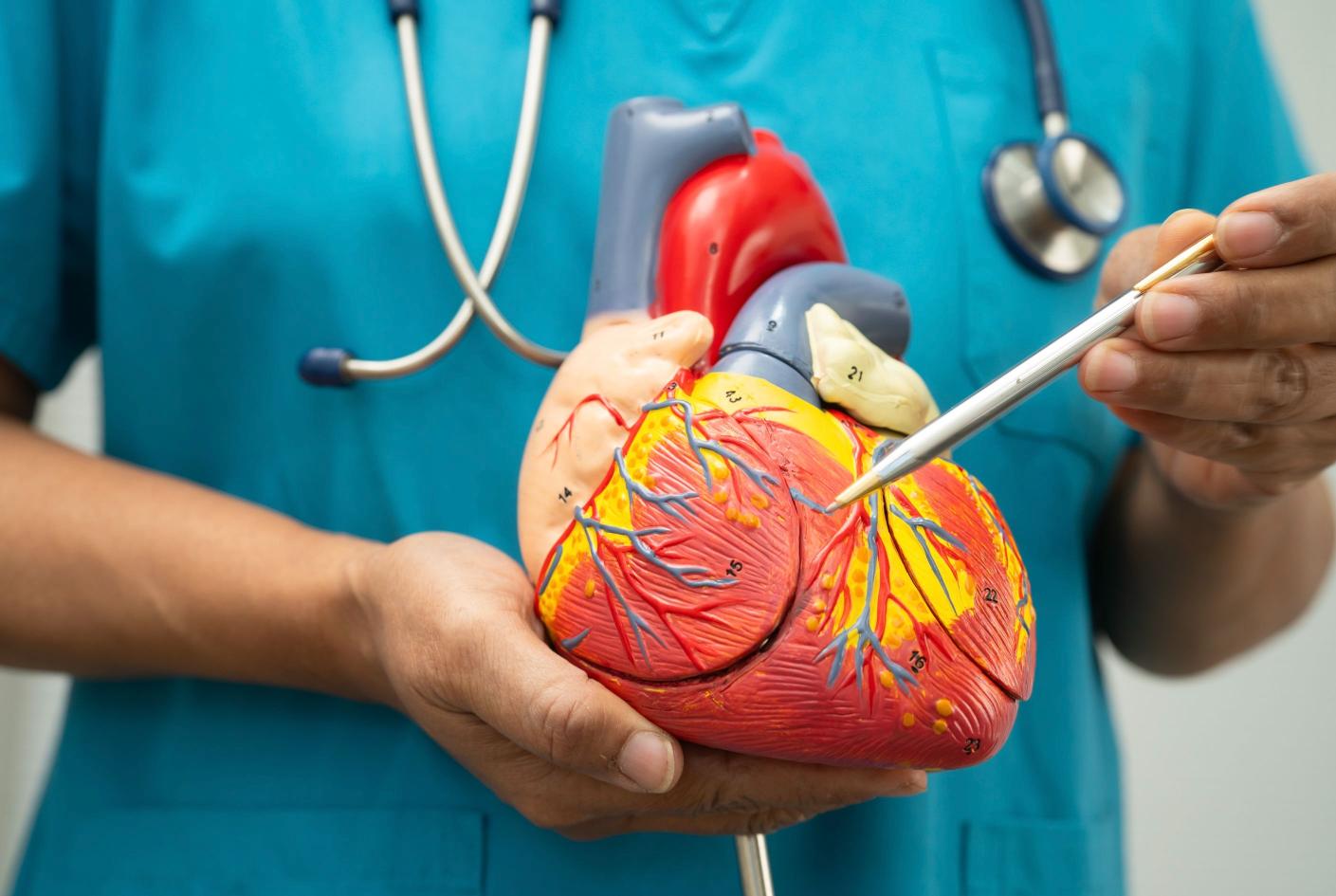
Workplace Stress and Emotional Eating: The Hidden Triggers Behind Rising Heart Risks
Understanding the Direct Link Between Stress and Poor Food Choices
In my practice and through Claudia’s Concept, I observe a consistent pattern: working professionals under stress gravitate towards unhealthy food choices. Several large-scale studies, such as the 2020 meta-analysis published in the Journal of the American Heart Association, have demonstrated that individuals exposed to chronic job-related stress are 25% more likely to opt for ultra-processed snacks, sugary drinks, and high-fat foods during or after work hours. When urgent deadlines and relentless meetings fill the calendar, decision fatigue sets in, making it all too easy to bypass nutritious options for instant gratification.
Stress activates the hypothalamic-pituitary-adrenal (HPA) axis, prompting the release of cortisol—the well-known stress hormone. Elevated cortisol levels increase cravings for energy-dense, nutrient-poor foods. For many busy professionals, a quick scroll through food-delivery apps replaces mindful meal planning. This mechanism directly impedes the body’s ability to regulate hunger and satisfaction, making sustained healthy eating more challenging.
Emotional Eating as a Coping Strategy in the Corporate World
Let’s pause and reflect: How often do you reach for that candy bar, tub of ice cream, or greasy takeout after a stressful meeting? Emotional eating, or the tendency to consume food for comfort rather than hunger, acts as a common coping tool for professional pressures. Data from a 2018 survey by the American Psychological Association revealed that 38% of employees reported eating unhealthy foods in response to workplace stress at least once a week.
- Food acts as an emotional buffer, temporarily elevating mood through dopamine release.
- Repeated use of this mechanism creates habitual patterns—every stressful day ends with high-sugar, high-fat indulgences.
- Claudia’s Concept emphasizes mindful awareness: the more conscious you become of these triggers, the more empowered you are to break the cycle.
When workplace environments normalize stress-eating rituals—like the shared cake during overtime or post-report pizza sessions—unhealthy consumption becomes the default, not the exception.
How Chronic Stress Drives Cardiovascular Risk Factors
Ongoing job stress doesn’t just shift your meal choices; it directly exacerbates the body’s cardiovascular risk. The American College of Cardiology highlights that long-term exposure to stress, coupled with frequent emotional eating, leads to persistently high blood pressure, increased LDL (bad cholesterol), elevated triglycerides, and more visceral fat accumulation. Laboratory-based studies, including a controlled experiment reported in Psychosomatic Medicine, have shown that participants under stress consume on average 40% more sweet and salty foods than when relaxed—magnifying the cardiovascular burden.
Notably, stress-induced dietary patterns favor the development of atherosclerosis and chronic inflammation. For working professionals, the combined effect of limited physical activity, emotional eating, and sustained workplace tension can significantly heighten the risk of heart disease, even before traditional warning signs appear. By implementing holistic nutritional strategies—just as advocated at Claudia’s Concept—individuals can recalibrate stress responses and take back control of their heart health.
Environmental and Socioeconomic Barriers: Understanding the Hidden Influences on Our Food Choices
Limited Healthy Food Options Near Workplaces
Step outside any commercial business district, and notice what surrounds you. You’ll spot a mix of fast-food chains, crowded cafes, and convenience stores brimming with processed snacks. Fresh, nutrient-dense choices fade into the background, sometimes completely absent from the scene. Research published in the American Journal of Preventive Medicine reveals that less than 20% of urban office zones host a grocery store or market with an abundant selection of fruits, vegetables, and whole grains. This scarcity creates a food environment nudging professionals towards quick, calorie-rich options. When faced daily with limited availability, professionals end up consuming more sodium, trans fats, and added sugars—dietary culprits directly implicated in increasing cardiovascular disease risk.
The Impact of Work-from-Home Culture on Meal Patterns and Activity Levels
Remote work dramatically reshaped daily routines. While many celebrated the elimination of commutes, new dietary challenges emerged almost instantly. Kitchens—now within arm’s reach—amplified opportunities for mindless snacking. At home, vending machines may be absent, but digital meetings back-to-back leave little time for prepping a nourishing meal. Within Claudia’s Concept, I’ve seen countless clients reporting irregular eating schedules, skipped meals, and a higher intake of convenience foods during extended work-from-home periods. These disrupted meal patterns lead not only to a loss of dietary rhythm but also contribute to unhealthy metabolic shifts.
Data from Frontiers in Nutrition (2022) shows that among Indian professionals working remotely during the pandemic, over 60% increased their snack consumption, while 46% reduced the intake of fresh produce and home-cooked meals. Such shifts in eating habits and reduced incidental physical activity set the perfect stage for rising blood pressure, higher cholesterol, and ultimately, cardiovascular diseases.
Socioeconomic Barriers to Accessing Healthier Foods
Cost acts as a significant gatekeeper to healthy eating. When healthier options cost significantly more than processed alternatives, even knowledge and good intentions start to falter. According to The Harvard T.H. Chan School of Public Health, a balanced diet rich in unprocessed foods can cost approximately $1.50 more per person per day compared to a diet high in processed foods and refined grains. Over a year, this seemingly modest sum amounts to a steep increase for many families and individuals, especially when factoring in the rising costs of living in urban centres.
Simple choices—like whether to buy a salad or opt for a meal combo loaded with empty calories—often boil down to budget. Within Claudia’s Concept, I prioritise practical planning because socioeconomic disparities continuously influence clients’ grocery baskets. Whenever healthy choices are perceived as both inaccessible and unaffordable, the cycle of convenience and processed consumption continues unbroken, further fueling the epidemic of cardiovascular diseases among working professionals.
The Power of Persuasion: How Marketing and Food Advertising Shape Professional Diets
Influence of Aggressive Marketing for Unhealthy Foods
Have you ever wondered why, even with all your nutritional knowledge, it’s still so tempting to grab a packet of chips or a sugary beverage during a busy workday? Our choices are often not just a matter of willpower; they respond directly to sophisticated marketing strategies embedded in our everyday lives. Food manufacturers spend billions globally on advertising campaigns, with Nielsen reporting that fast food giants in India alone increased their ad spends by as much as 23% in the last year.
Such aggressive marketing tactics grab our attention using emotional cues and convenience, encouraging us to pick ultra-processed options, particularly when we’re stressed or in a rush. Promotions, catchy jingles, strategically placed billboards near office complexes, influencer endorsements—these cues leave a powerful imprint on our minds. At Claudia’s Concept, the approach flips the script, focusing on empowerment through awareness, helping clients discern between marketed convenience and true nourishment.
Effects of Food Advertising on Choices and Consumption Habits
Let’s reflect on our work schedules—early morning emails, rushed lunches, late-night calls. During these times, you’re bombarded with visual and digital triggers: pop-up ads for cheesy burgers, app notifications with ‘limited-time’ dessert deals, and polished food posts populating your social media feeds. Researchers from the Harvard School of Public Health have shown that frequent exposure to such advertising links directly to higher consumption of sugary snacks and fast foods, leading to increased cholesterol and triglyceride levels in urban professionals.
- Over 74% of working professionals in metropolitan Indian cities consume fast food at least twice a week, a figure strongly correlated with frequent advertising exposure (Source: Indian Journal of Community Medicine).
- A 2023 study published in Appetite revealed that viewing digital fast-food advertising increased immediate unhealthy snack intake by 28% among adults working from home.
- Subtle techniques—using bright colors, fun mascots, and “guilt-free” messaging—shift perceptions, making unhealthy options seem more attractive and even “necessary” during office hours.
You might ask: why do these marketing messages work so well? The answer lies in human psychology. When brands associate their products with productivity, happiness, or relaxation, they tap directly into the emotional triggers shaping our decisions under pressure. Brand familiarity, established through repeated advertising, increases the chance that when your energy dips, you’ll reach for what you “know.”
Through Claudia’s Concept, we teach clients to pause and evaluate those urges, equipping them with science-backed strategies to choose foods aligned with true well-being, not just temporary cravings triggered by clever ads.
Lack of Nutrition Education and Awareness: The Hidden Roadblock for Working Professionals
Unveiling the Knowledge Gap: Why Don’t We Know Better?
Every day, countless working professionals make rapid food choices, rarely pausing to consider the long-term impact on heart health. When I interact with clients at Claudia’s Concept, I repeatedly encounter a surprising truth—most people don’t have access to reliable, practical nutrition information tailored to their busy lives. This knowledge gap isn’t merely a result of hectic schedules; it’s rooted in a broader societal issue. Nutrition education, despite its critical role in disease prevention, often remains an afterthought in both educational curricula and corporate training environments.
How Education Shapes Daily Decisions and Health Risks
Imagine walking into a cafeteria—your choices range from fried snacks to sugary beverages to pre-packaged sandwiches. Without a working knowledge of how these foods affect cardiac risk, your selection is typically driven by price, convenience, taste, or clever marketing. Evidence from a 2021 study published in the British Journal of Nutrition reveals that individuals with a strong understanding of nutrition principles are 42% more likely to opt for meals lower in trans fats and refined sugars.
The consequence? People who lack essential nutrition know-how are more likely to consume diets high in salt, sugar, and unhealthy fats. The American Heart Association has consistently linked these dietary habits to increased blood pressure, high cholesterol, and ultimately, a higher prevalence of cardiovascular diseases. The connection isn’t hypothetical—multiple longitudinal studies demonstrate direct cause-and-effect relationships between poor dietary literacy and chronic health risks.
Breaking the Cycle: Building Awareness for Better Outcomes
Empowering yourself with science-backed nutrition education will transform your food choices. For example, when you know that replacing processed snacks with a mix of unsalted nuts and seasonal fruit can lower LDL cholesterol by 10-15% in as little as three months, you’re equipped to make decisions proven to benefit your heart. Claudia’s Concept actively designs resources and sessions to bridge these knowledge gaps, translating complex nutrition science into actionable guidance you can apply immediately.
Ask yourself: Do I really know why a certain lunch option is better for my heart—or am I just following the crowd? Identifying and filling in these gaps in awareness is the first step towards reshaping your daily routine for lasting cardiovascular health.
- Mindful engagement: Take a moment before every meal to consider its nutritional value, not just its convenience.
- Continuous learning: Seek out science-based resources or reputable nutrition workshops like those at Claudia’s Concept.
- Share the knowledge: When you learn a new fact about heart-healthy eating, pass it on to a colleague. Positive change multiplies when shared.
Shifting the Paradigm: Embracing Healthier Lifestyle Choices for a Heart-Healthy Workforce
Every decision about what you’re consuming throughout a busy workday creates a ripple effect on your well-being. For working professionals, the connection between daily food choices, sedentary lifestyles, and the rise in cardiovascular diseases such as hypertension is undeniable. Professionals increasingly experience long periods of sitting coupled with time constraints, often reaching for convenience foods high in sodium, sugar, and unhealthy fats. This pattern directly fuels the escalation of cardiovascular diseases among office goers, leaving many searching for sustainable solutions.
Think about your most recent snack or lunch at work. Was it a mindful selection, or simply the quickest option available? Across offices, the problem of poor choices is not just an individual affair—it’s shaped by environmental cues, workplace food offerings, and relentless marketing of less-nutritious options. This convergence of factors normalizes a culture where nourishing meals are sidelined. Sedentary routines further compound the problem, reducing metabolic health and increasing obesity rates—a major contributor to heart conditions.
Science makes one fact clear: prioritizing healthier choices and responding actively to what’s being consumed dramatically alters health outcomes. For example, researchers from the INTERHEART study (Yusuf et al., 2004) showed that dietary patterns and physical inactivity accounted for over 80% of the risk for acute myocardial infarction in adults worldwide. Evidence like this transforms the way we think about daily habits—it proves that small incremental changes in consumption and movement produce measurable improvements in heart health.
Working professionals who anchor their routines in wholesome foods—lean proteins, whole grains, colorful vegetables, and healthy fats—consistently reduce their risk of cardiovascular diseases. Collaborations with organizations make an impact as well. When companies support workplace wellness programs and provide fresh options in cafeterias, the likelihood of employees choosing nutritious meals rises substantially. At Claudia’s Concept, we champion this holistic approach. Our programs educate, motivate, and empower individuals to rethink both their personal and collective relationship with food.
- Can you recall a moment today where you made a quick food decision because of stress or time? What healthier swap would you make if given the chance tomorrow?
- Have you noticed how your energy, focus, and mood shift after consuming whole, minimally processed meals?
- What changes—big or small—could your workplace introduce to encourage healthier lifestyle choices for everyone?
When professionals unite personal responsibility with organizational support, the benefits become exponential. Societal change follows, leading to a healthier, more productive workforce. Choose to break the cycle. Promote healthier choices in daily routines, advocate for supportive work environments, and explore proven obesity treatment strategies if needed. By transforming what’s being consumed and how work days are structured, we set the stage for lifelong cardiac wellness. Claudia’s Concept stands ready to guide you toward smart, impactful changes with confidence and expertise.